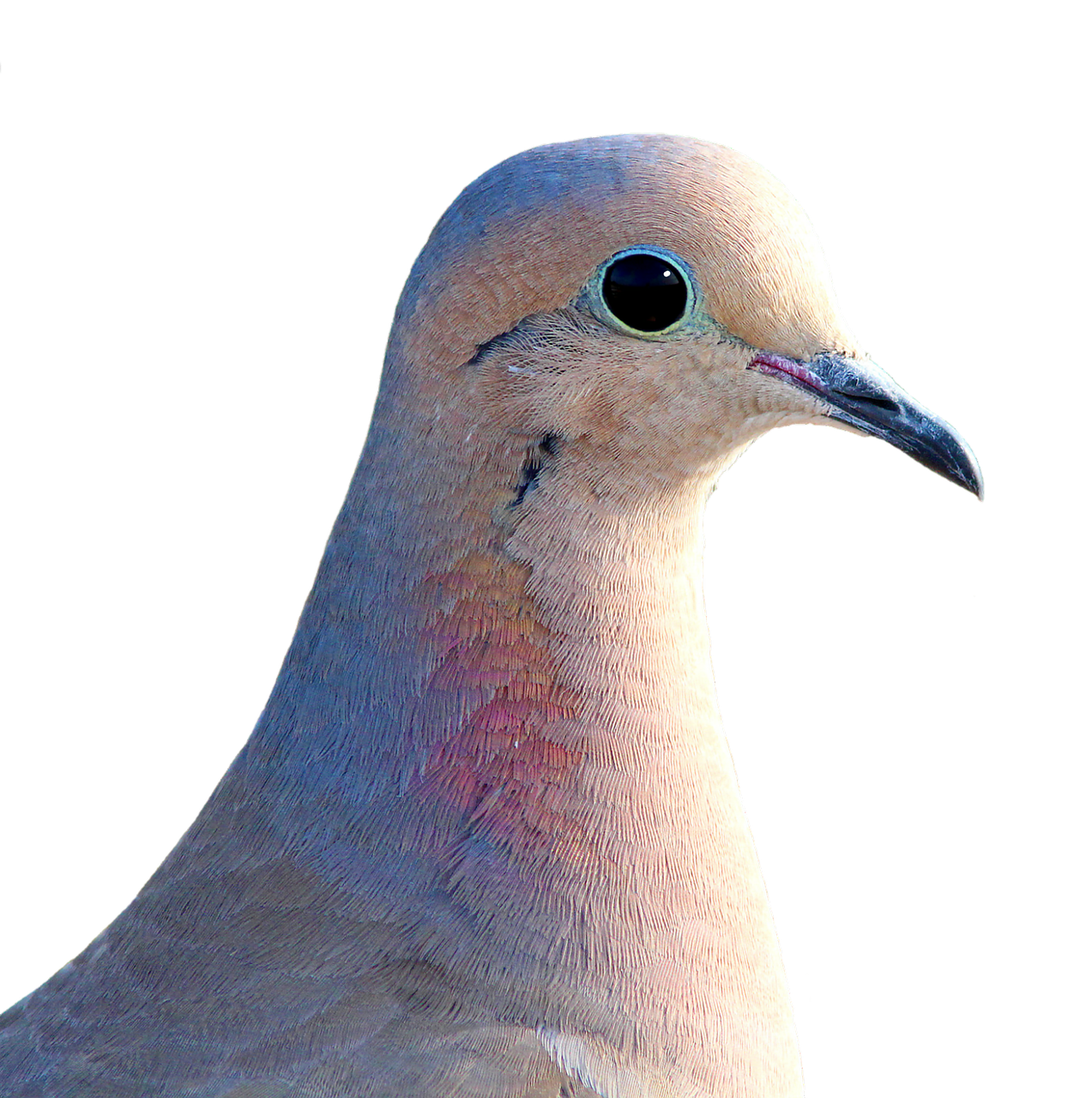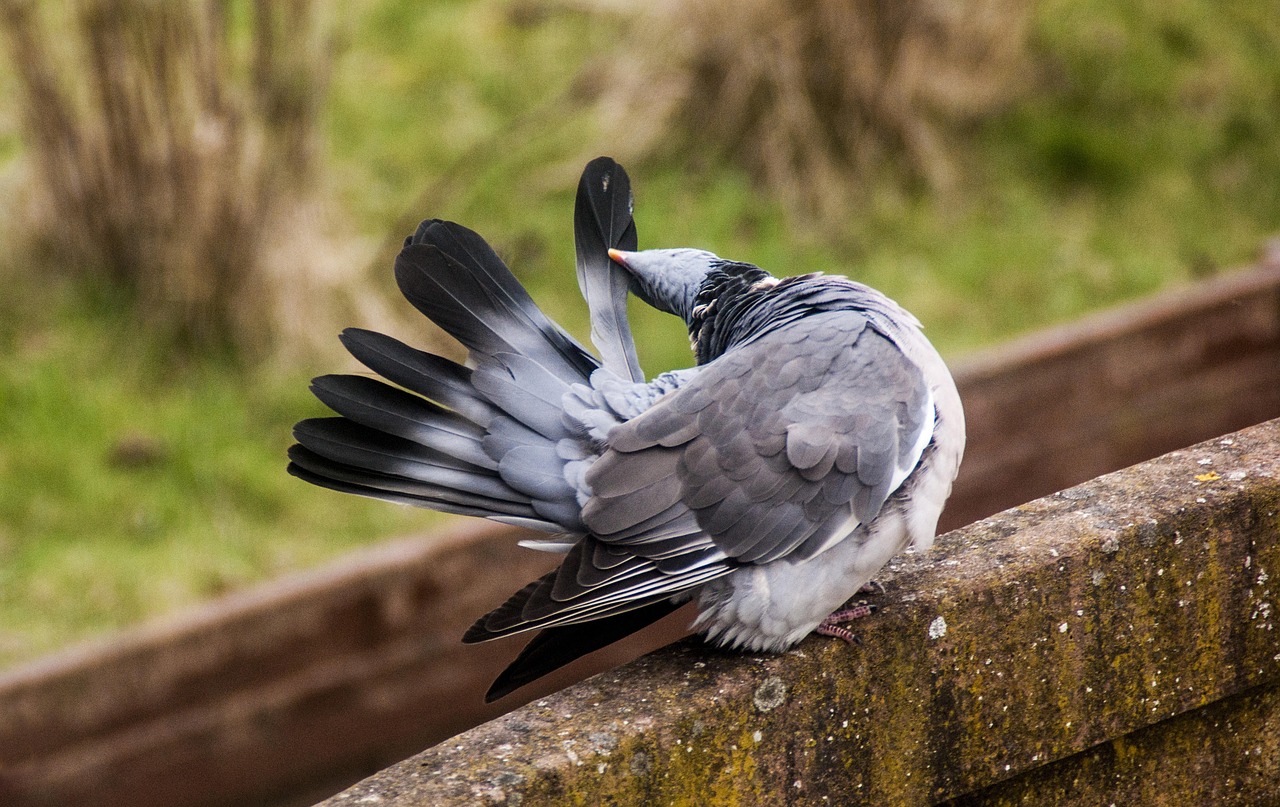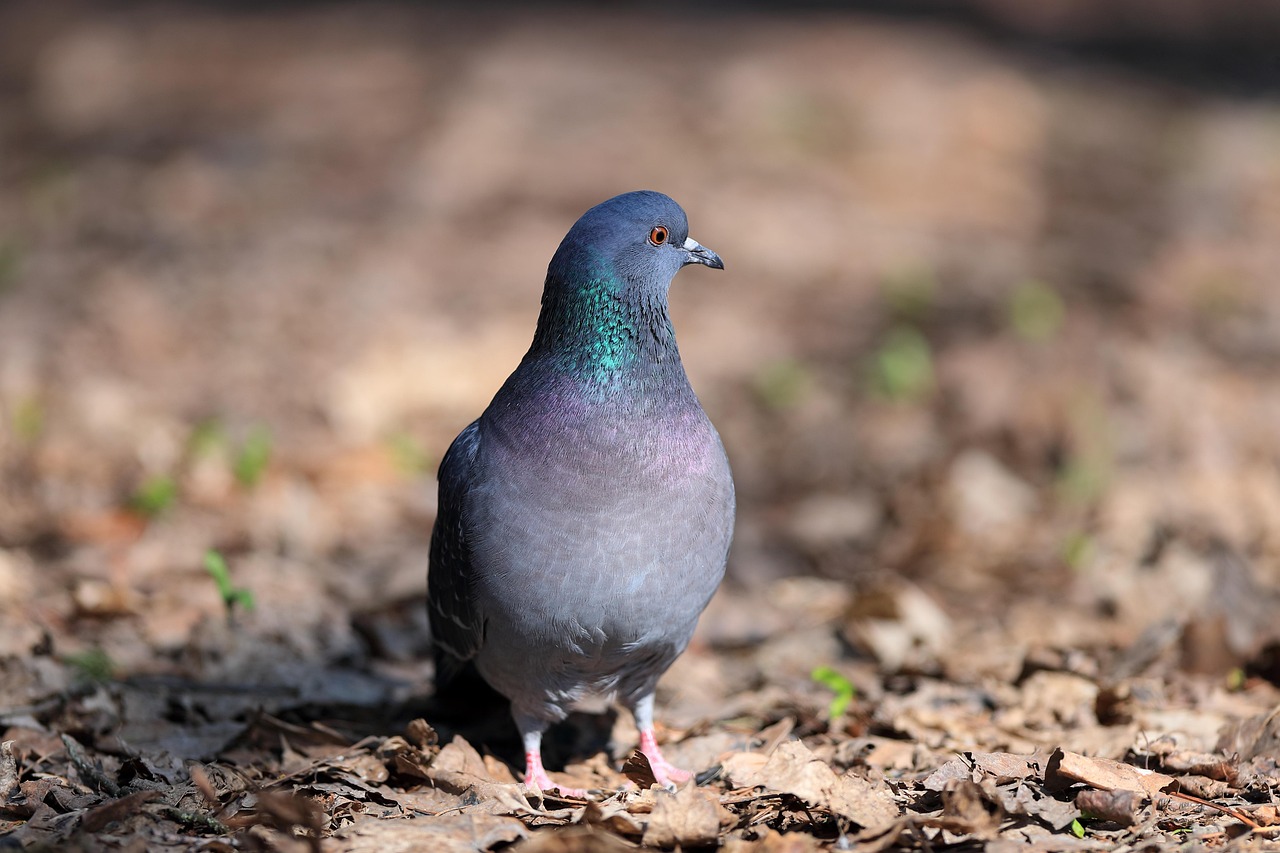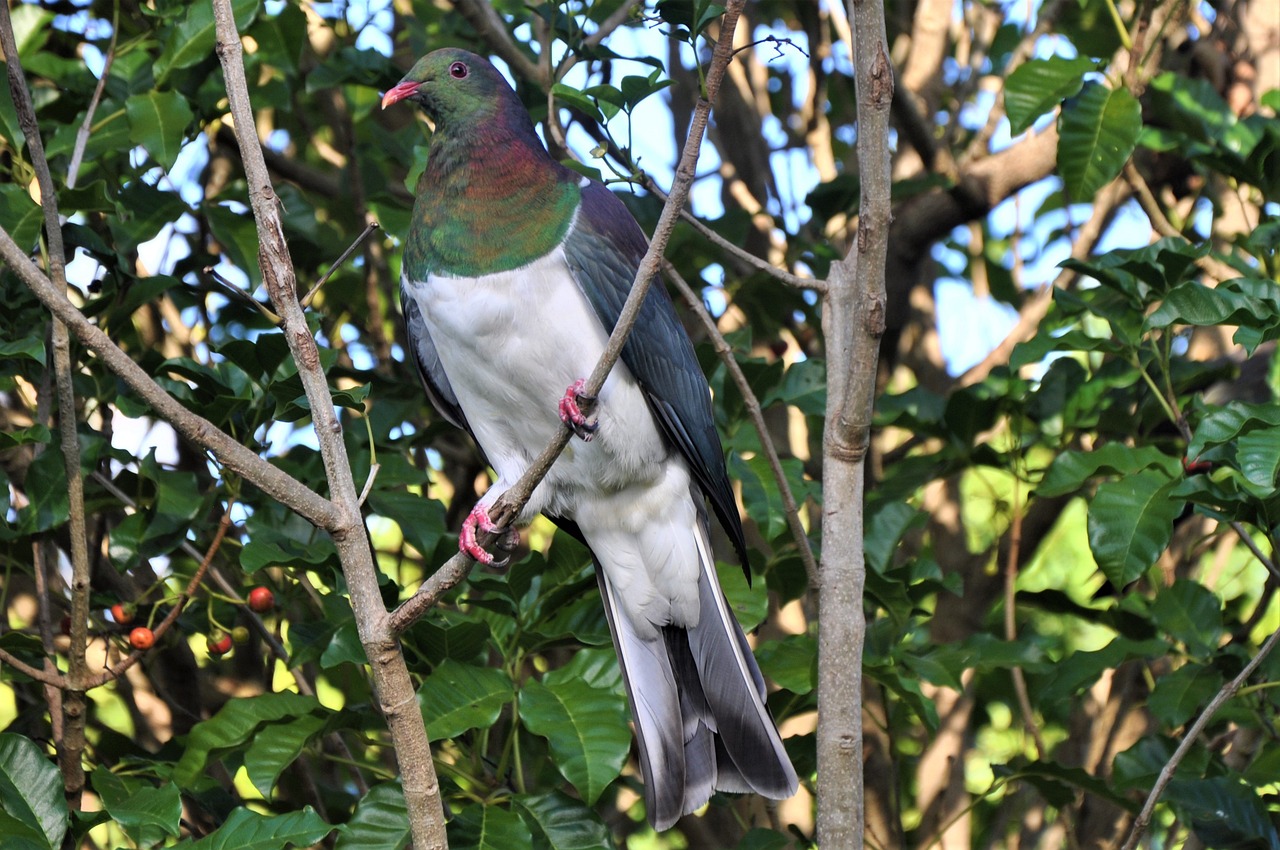
The widowhood system is a revolutionary training method in pigeon racing, designed to cultivate elite racing birds by harnessing their natural instincts for competition and home. This approach transforms ordinary pigeons into peak performers, capable of excelling in long-distance races through strategic motivation and conditioning. By understanding and implementing this system, fanciers can build a team of champions that consistently delivers outstanding results.
The Fundamentals of the Widowhood System
At its core, the widowhood system leverages the strong bond between mating pairs to drive performance. By separating pigeons from their mates before races, trainers tap into their innate desire to return home quickly, boosting speed and endurance. This method requires meticulous planning and a deep understanding of pigeon behavior to maximize its effectiveness.
How Widowhood Pigeons Are Motivated
Widowhood pigeons are motivated through the anticipation of reunion with their mates. Before a race, the birds are kept apart, creating a sense of longing that fuels their flight. This psychological edge is crucial for long-distance events, where mental stamina complements physical ability. Trainers must carefully manage separation periods to maintain motivation without causing stress, ensuring the birds remain focused and eager.
In practice, this involves creating a routine where pigeons see their mates briefly before being caged separately. The sight and sound of the mate act as powerful stimuli, reinforcing the drive to return. Over time, this conditioning builds a reliable response, making widowhood pigeons highly predictable and competitive racers. Consistency in this process is key to developing elite racing birds that perform under pressure.
Setting Up the Ideal Environment
A successful widowhood system depends on a well-designed loft environment. The space should be clean, secure, and optimized for both separation and interaction. Key elements include individual compartments for each bird, adequate ventilation, and controlled lighting to simulate natural cycles. These factors reduce stress and promote health, which is essential for maintaining peak condition.
Additionally, the loft should facilitate easy access for training and observation. Features like perches, nesting boxes, and feeding stations must be arranged to support the widowhood routine. By investing in a proper setup, fanciers create a foundation that enhances the system's benefits, leading to more consistent performances from their elite racing birds.
Training Techniques for Elite Performance
Training widowhood pigeons involves a structured regimen that builds physical and mental resilience. This goes beyond basic flight exercises to include specialized drills that prepare birds for the demands of long-distance racing. A progressive approach ensures gradual improvement, minimizing the risk of injury or burnout.
Building Endurance and Speed
Endurance training starts with short, frequent flights and gradually increases in distance. This helps widowhood pigeons develop the stamina needed for races that can span hundreds of kilometers. Speed is enhanced through interval training, where birds are released at varying distances to practice rapid returns. Combining these elements creates a balanced athlete capable of sustaining high performance.
Monitoring progress is vital during this phase. Trainers should track flight times, recovery rates, and overall health to adjust routines as needed. Tools like logbooks or digital apps can assist in this process, providing insights that fine-tune training for optimal results. With consistent effort, widowhood pigeons evolve into elite racing birds that excel in competitive events.
Mental Conditioning Strategies
Mental toughness is as important as physical fitness in pigeon racing. Widowhood pigeons benefit from exposure to varied conditions, such as different weather patterns and terrains, to build adaptability. Simulated race scenarios, where birds are released from unfamiliar locations, help them develop navigational skills and confidence.
Positive reinforcement, such as rewards upon return, reinforces desired behaviors. This psychological training ensures that widowhood pigeons remain focused and motivated, even in challenging races. By prioritizing mental conditioning, fanciers cultivate resilient birds that can handle the pressures of elite competition.
Nutrition and Health Management
Proper nutrition and health care are critical for sustaining widowhood pigeons through rigorous training and racing. A balanced diet supports energy levels and recovery, while proactive health measures prevent illnesses that could derail performance. Attention to these details separates average teams from elite racing birds.
Dietary Requirements for Peak Condition
Widowhood pigeons require a diet rich in proteins, carbohydrates, and essential vitamins to fuel their activities. High-quality grains, seeds, and supplements should be tailored to their training phases, with adjustments made before and after races. Hydration is equally important, as dehydration can impair performance and recovery.
Feeding schedules should align with training routines to optimize energy utilization. For example, lighter meals before flights and nutrient-dense options post-race aid in muscle repair. By customizing nutrition, fanciers ensure their widowhood pigeons maintain the vitality needed for consistent success.
Preventive Health Practices
Regular health checks are essential to keep widowhood pigeons in top shape. This includes vaccinations, parasite control, and monitoring for signs of stress or injury. Clean loft conditions reduce the risk of infections, while quarantine protocols for new birds prevent disease spread.
Common issues like respiratory problems or feather mites should be addressed promptly to avoid long-term impacts. Partnering with a veterinarian experienced in pigeon care can provide valuable guidance. Through diligent health management, fanciers protect their investment and sustain the performance of their elite racing birds.
Advanced Strategies for Long-Distance Races
Long-distance races present unique challenges that require advanced strategies beyond basic training. Widowhood pigeons must be prepared for extended flights, unpredictable weather, and intense competition. Implementing sophisticated techniques can give them an edge in these demanding events.
Race-Day Preparation and Tactics
On race day, careful preparation maximizes the chances of success. Widowhood pigeons should be rested and well-fed, with last-minute checks for health and motivation. Strategic release timing, based on weather forecasts and race conditions, can influence performance. For instance, releasing birds during favorable winds reduces fatigue and improves speed.
Post-race recovery is also crucial. Immediate care, including hydration and nutrition, helps widowhood pigeons bounce back quickly. By refining these tactics, fanciers enhance their team's competitiveness, turning potential into podium finishes.
Analyzing Performance Data
Data analysis provides insights that drive continuous improvement. Tracking metrics like flight speed, return consistency, and race outcomes helps identify strengths and weaknesses in widowhood pigeons. This information guides adjustments in training, nutrition, and breeding decisions.
Tools like GPS trackers and performance software offer detailed data for analysis. By leveraging technology, fanciers make informed choices that elevate their elite racing birds to higher levels of achievement. This analytical approach is key to mastering the widowhood system for long-term success.
Conclusion
The widowhood system is a powerful tool for building elite racing birds, combining psychological motivation with rigorous training and care. By mastering its fundamentals, implementing advanced strategies, and prioritizing health, fanciers can create a team of champions capable of dominating long-distance races. For those looking to streamline their management, Ghawy – Pigeon Manager offers solutions to optimize every aspect of pigeon racing, from training logs to health tracking. Embrace these insights to elevate your pigeons and achieve racing excellence.