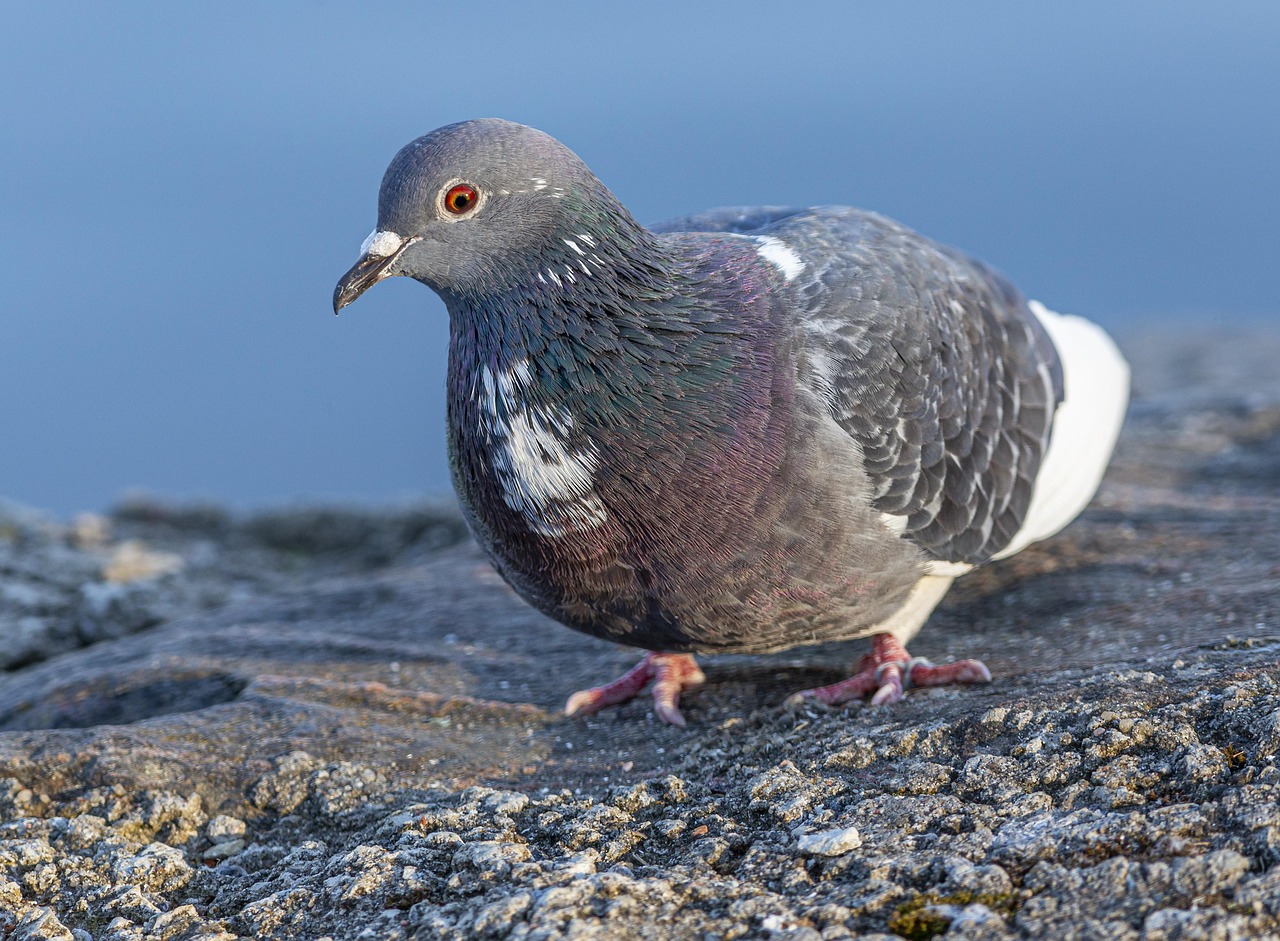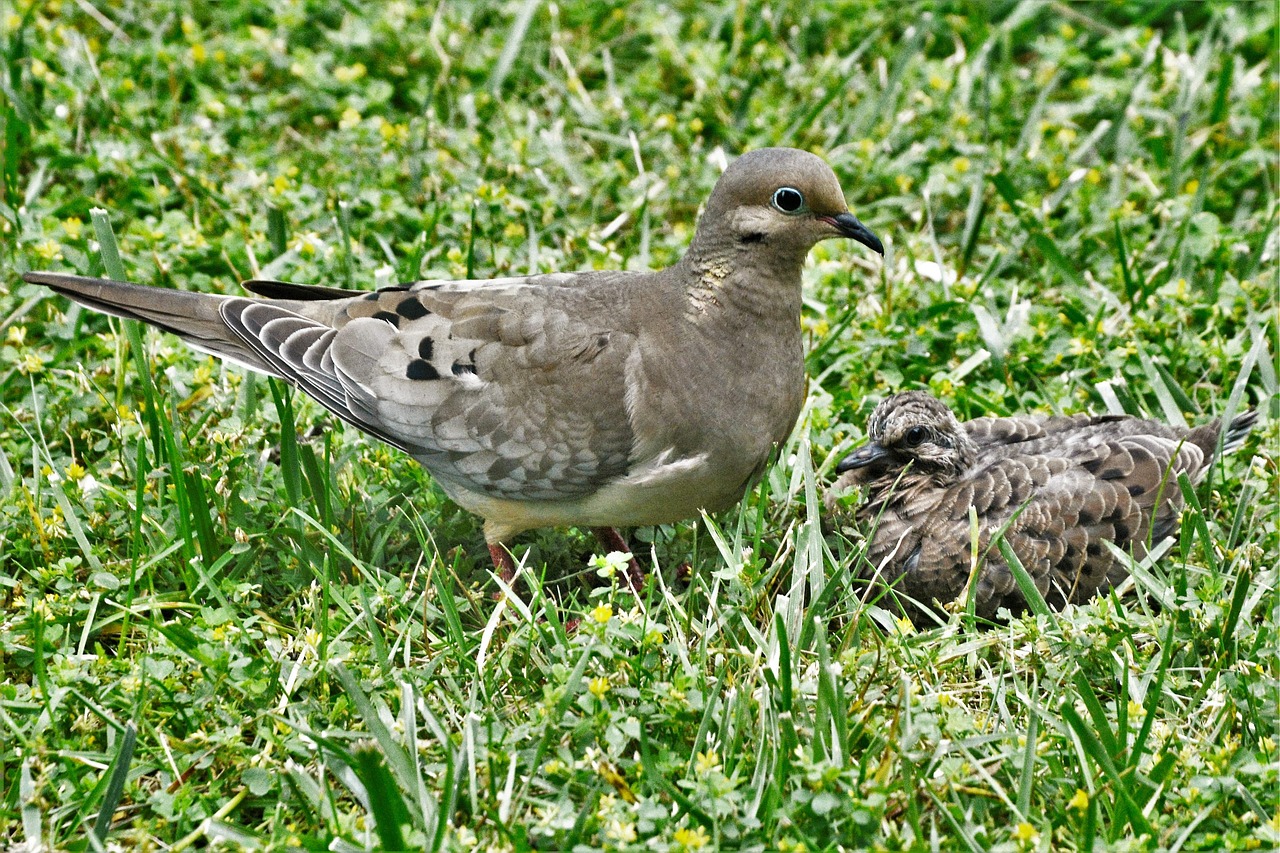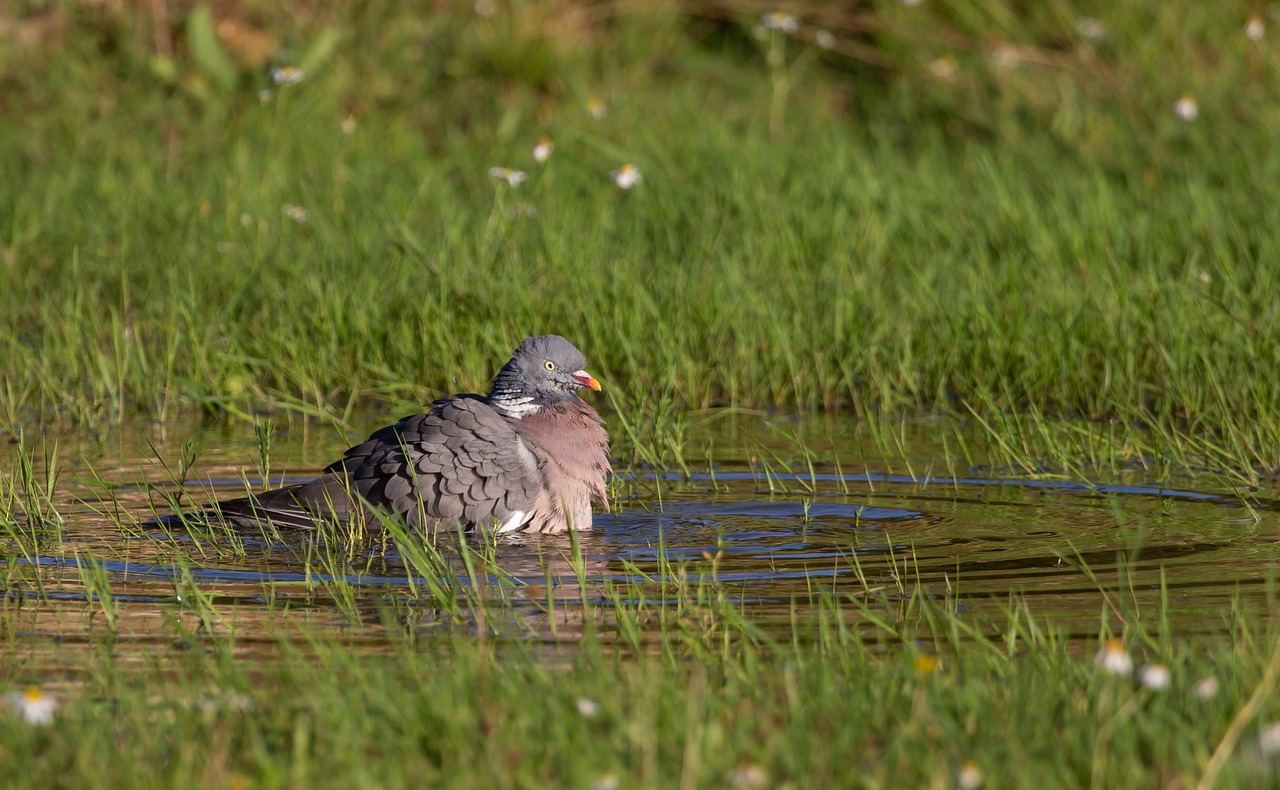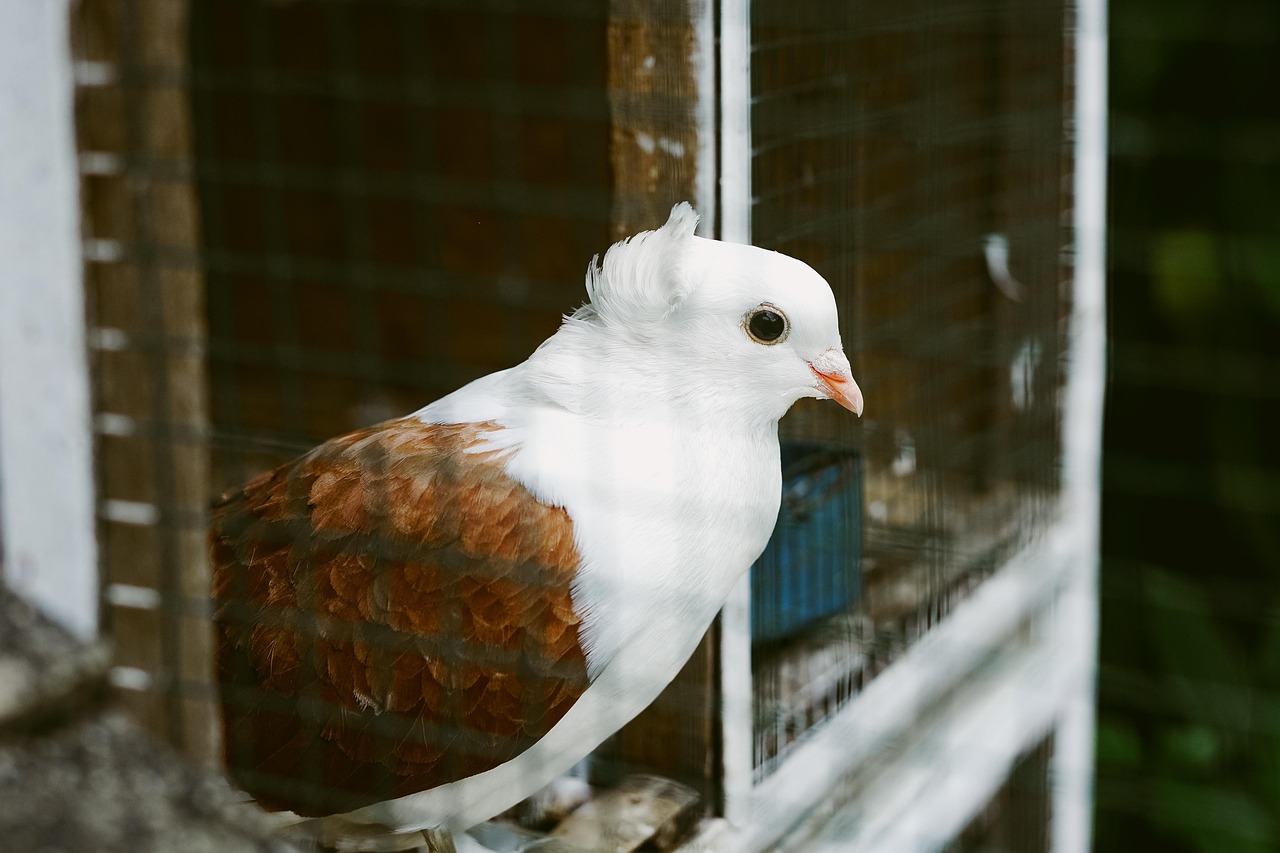
In the competitive world of pigeon racing and breeding, endurance is everything. A pigeon's ability to sustain long flights depends on efficient energy utilization, and that's where L-carnitine comes into play. This scientific analysis explores how L-carnitine supplementation can dramatically enhance a pigeon's stamina by optimizing fat metabolism, providing pigeon enthusiasts with actionable insights to improve their birds' performance.
The Science of L-Carnitine in Avian Physiology
L-carnitine is a naturally occurring amino acid derivative that plays a crucial role in energy production within cells. In pigeons, as in other birds, it serves as the essential transporter that shuttles fatty acids into the mitochondria—the cellular powerhouses where fat is converted into usable energy. Without adequate L-carnitine, even the healthiest pigeons struggle to access their stored fat reserves efficiently, limiting their endurance during demanding flights.
How L-Carnitine Works in Pigeon Cells
At the cellular level, L-carnitine acts as a molecular ferry system. When pigeons engage in prolonged physical activity, their bodies shift from burning carbohydrates to utilizing fat stores for sustained energy. L-carnitine binds to long-chain fatty acids and transports them across the mitochondrial membrane, where they undergo beta-oxidation to produce ATP—the primary energy currency of cells. This process is particularly vital during endurance flights when glycogen stores become depleted.
Research indicates that pigeons with optimal L-carnitine levels demonstrate significantly improved fat metabolism efficiency. The compound not only facilitates fat transport but also helps regulate mitochondrial function and remove toxic byproducts of fatty acid oxidation. This dual action ensures that energy production remains smooth and sustainable, preventing the metabolic fatigue that can cause pigeons to falter mid-flight.
Natural vs. Supplemental L-Carnitine Sources
Pigeons naturally produce some L-carnitine in their livers and kidneys from the amino acids lysine and methionine. However, this endogenous production is often insufficient to meet the demands of racing or breeding pigeons, especially during periods of intense training or competition. Natural dietary sources include meat-based proteins, but since most pigeon diets are grain-based, supplementation becomes necessary to achieve optimal levels.
Supplemental L-carnitine for pigeons typically comes in powder or liquid forms that can be added to drinking water or feed. The bioavailability of different forms varies, with L-carnitine L-tartrate being particularly effective due to its stability and absorption rate. When considering supplementation, it's crucial to understand that not all products are created equal—quality, purity, and appropriate dosing make significant differences in outcomes for fat metabolism in pigeons.
L-Carnitine's Impact on Pigeon Endurance Performance
Endurance in pigeons isn't just about flying longer distances—it's about maintaining speed, navigation accuracy, and recovery capacity throughout extended flights. L-carnitine supplementation directly addresses these performance aspects by enhancing the bird's metabolic flexibility. Pigeons with optimized L-carnitine levels can switch more efficiently between energy sources, preserving glycogen for critical moments while primarily fueling their flight through fat oxidation.
Enhancing Flight Duration and Recovery
The most noticeable benefit of L-carnitine for pigeons is extended flight capability. By improving fat metabolism, L-carnitine allows pigeons to access their substantial fat reserves—which contain more than twice the energy per gram compared to carbohydrates. This means pigeons can fly longer distances without hitting the "wall" of glycogen depletion. Field observations and controlled studies have shown that supplemented pigeons consistently demonstrate 15-25% longer sustainable flight times compared to unsupplemented counterparts.
Equally important is recovery enhancement. After strenuous flights, pigeons need to replenish their energy stores and repair muscle tissue. L-carnitine facilitates this process by improving blood flow to muscles, reducing oxidative stress, and enhancing the removal of metabolic waste products. Pigeons receiving proper L-carnitine supplementation show faster recovery times, reduced muscle soreness, and better readiness for subsequent training or competition flights.
Improving High-Altitude and Temperature Adaptation
Pigeons face varying environmental challenges during flights, particularly changes in altitude and temperature. At higher altitudes, oxygen availability decreases, making efficient energy production even more critical. L-carnitine helps pigeons adapt to these conditions by optimizing mitochondrial efficiency, allowing them to produce more ATP with less oxygen—a crucial advantage during mountain crossings or high-altitude races.
Temperature extremes also impact pigeon metabolism. In cold conditions, maintaining body temperature requires additional energy, while heat increases metabolic stress. L-carnitine supports thermoregulation by ensuring consistent energy availability from fat stores. This metabolic stability helps pigeons maintain performance regardless of environmental conditions, making L-carnitine supplementation particularly valuable for pigeons competing in diverse climates and seasons.
Optimizing L-Carnitine Supplementation for Pigeons
Simply adding L-carnitine to a pigeon's diet isn't enough—proper implementation requires understanding timing, dosage, and synergistic factors. The effectiveness of L-carnitine for enhancing pigeon endurance depends on several variables, including the bird's age, training status, and overall nutritional profile. A strategic approach to supplementation can maximize benefits while avoiding potential pitfalls.
Dosage Guidelines and Administration Methods
Recommended L-carnitine dosages for pigeons typically range from 50-100 mg per kilogram of body weight daily, with adjustments based on activity level. Racing pigeons during intensive training or competition periods may benefit from the higher end of this range, while breeding pigeons or those in maintenance phases require less. It's generally advisable to start with lower doses and gradually increase while monitoring the birds' response.
Administration methods significantly impact absorption and effectiveness. Water-soluble forms added to drinking water provide the most consistent delivery, especially when birds are training or competing and consuming more fluids. Powder mixed with feed works well for pigeons with regular eating patterns. Some enthusiasts prefer timed supplementation—providing L-carnitine 1-2 hours before anticipated flights to ensure peak availability during exercise. Consistency is key, as L-carnitine benefits accumulate over time with regular supplementation.
Synergistic Nutrients and Timing Considerations
L-carnitine doesn't work in isolation—its effectiveness depends on the presence of cofactors and complementary nutrients. Vitamin C enhances L-carnitine synthesis and absorption, while B vitamins (particularly B6, B12, and folate) support its metabolic functions. Ensuring pigeons receive adequate amounts of these nutrients alongside L-carnitine supplementation creates a synergistic effect that maximizes fat metabolism efficiency.
Timing relative to training and competition schedules also matters. For optimal endurance enhancement, L-carnitine supplementation should begin several weeks before important events to allow for cellular adaptation. During competition seasons, maintaining consistent supplementation helps pigeons sustain peak performance. Post-event supplementation supports recovery and prepares pigeons for subsequent challenges. Understanding these timing nuances separates successful implementation from merely adding another supplement to the regimen.
Practical Implementation for Pigeon Enthusiasts
Translating the science of L-carnitine into practical benefits requires more than theoretical knowledge—it demands hands-on understanding of pigeon behavior, training methods, and individual variation. Successful implementation combines scientific principles with observational skills, allowing enthusiasts to tailor approaches to their specific birds and goals.
Monitoring and Adjusting Based on Performance
Effective L-carnitine use involves continuous observation and adjustment. Key performance indicators to monitor include flight duration, recovery speed, weight maintenance, and overall vitality. Pigeons responding well to L-carnitine supplementation typically show increased eagerness to fly, sustained energy during training sessions, and quicker return to normal behavior post-exercise. Regular weight checks help ensure pigeons are utilizing fat stores without losing muscle mass.
Adjustments should be based on both objective measurements and subjective observations. If pigeons show signs of improved endurance but appear restless or have difficulty settling after flights, dosage adjustments might be necessary. Similarly, changes in weather, training intensity, or competition schedules may require temporary modifications to supplementation protocols. The most successful enthusiasts maintain detailed records of supplementation, training, and performance to identify patterns and optimize their approach over time.
Integrating L-Carnitine into Overall Pigeon Management
L-carnitine supplementation works best as part of a comprehensive pigeon management strategy. This includes proper nutrition, appropriate training regimens, health monitoring, and stress reduction. When integrated thoughtfully, L-carnitine enhances all aspects of pigeon performance rather than serving as an isolated solution.
Nutritionally, L-carnitine should complement a balanced diet rich in quality proteins, carbohydrates, fats, vitamins, and minerals. Training programs should be designed to progressively challenge pigeons' endurance capacities while allowing adequate recovery. Health monitoring ensures that any underlying issues don't undermine the benefits of supplementation. Stress management—through proper housing, socialization, and handling—creates the optimal environment for metabolic enhancements to translate into performance improvements. This holistic approach ensures that L-carnitine's potential is fully realized in your pigeons.
Conclusion
L-carnitine represents a powerful tool for enhancing pigeon endurance through optimized fat metabolism. By facilitating efficient energy production from fat stores, it extends flight capability, improves recovery, and helps pigeons adapt to challenging conditions. Successful implementation requires understanding the science behind L-carnitine's effects, proper dosing and timing, and integration into overall pigeon management. When applied thoughtfully, L-carnitine supplementation can transform pigeon performance, giving enthusiasts a competitive edge while supporting their birds' health and vitality. For those looking to implement these strategies with precision, consider exploring Ghawy – Pigeon Manager (غاوي – إدارة الحمام) for comprehensive management solutions that complement your nutritional approach.