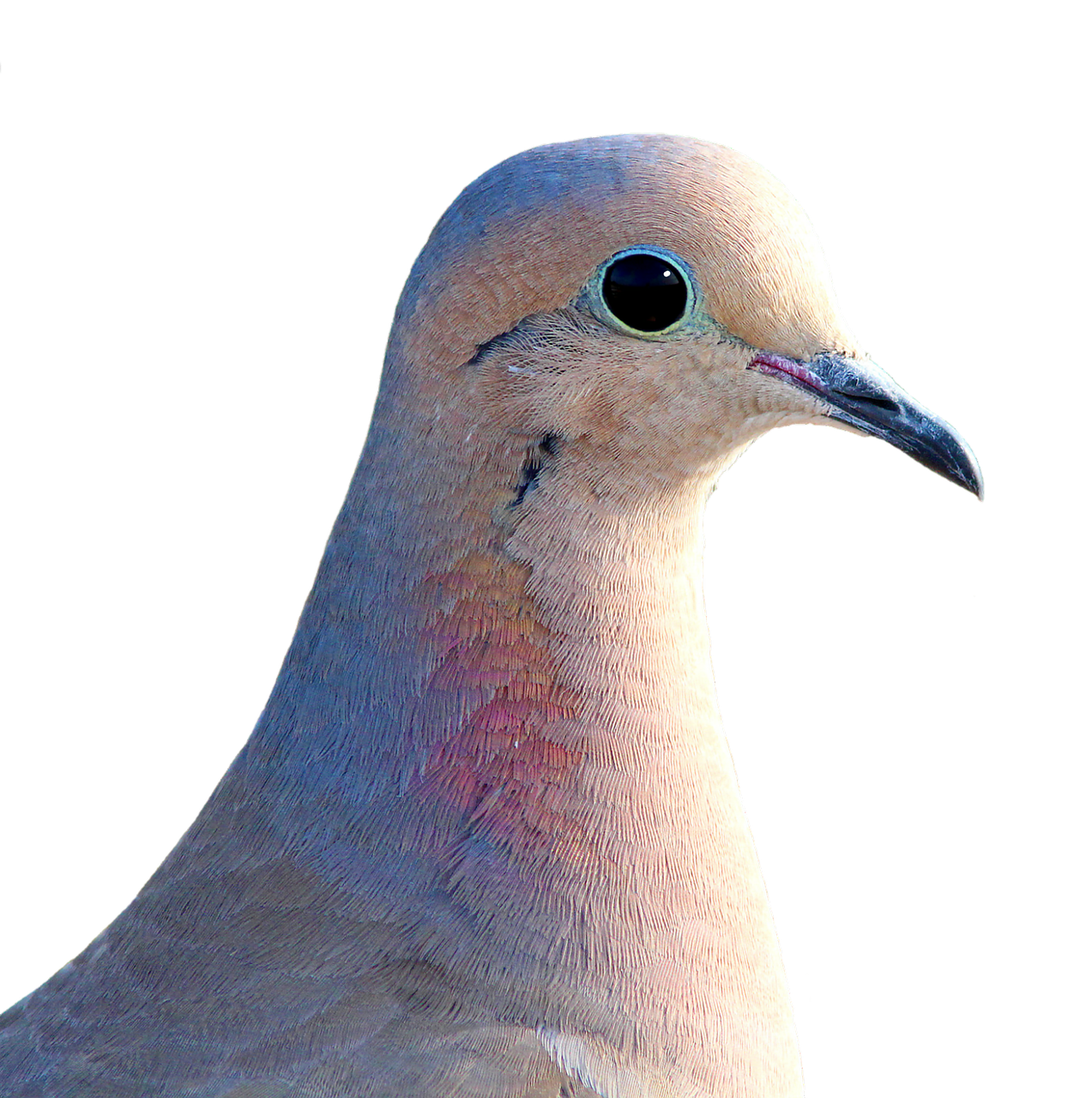
The widowhood system is a revolutionary training method in pigeon racing, designed to cultivate elite racing birds by harnessing their natural instincts for peak performance. By strategically separating mates, this approach taps into motivation and endurance, transforming ordinary pigeons into champions for long-distance competitions. In this article, we explore how to build a top-tier team using this powerful technique.
Understanding the Widowhood System
The widowhood system is a training regimen where racing pigeons are kept separated from their mates to boost motivation and performance. Originating in Europe, it has become a cornerstone for breeders aiming to develop elite racing birds. This method leverages the birds' natural desire to reunite, driving them to fly faster and farther during races.
Core Principles of Widowhood
At its heart, the widowhood system relies on psychological triggers. By separating male and female pigeons, you create a sense of longing that translates into competitive drive. This isn't about cruelty; it's about channeling instinct into athletic excellence. Proper implementation ensures birds remain healthy and motivated, with regular reunions to maintain bond and reduce stress.
Key aspects include timing separations around breeding cycles and race schedules. For instance, males might be shown their mates briefly before a race to heighten anticipation. This strategic approach helps build a team of widowhood pigeons that consistently perform at high levels, making it essential for serious competitors.
Benefits for Long-Distance Races
Widowhood pigeons excel in long-distance races due to enhanced stamina and focus. The system trains birds to push through fatigue, as the reward of reunion acts as a powerful incentive. This makes them ideal for events over 500 kilometers, where endurance is critical.
Additionally, elite racing birds developed through widowhood often show improved homing instincts and resilience. By reducing distractions from mating behaviors, they can concentrate on navigation and speed. This results in a more reliable and competitive flock, capable of outperforming traditionally trained pigeons in challenging conditions.
Implementing the Widowhood System
Success with the widowhood system requires careful planning and execution. Start by selecting healthy, proven pigeons with strong racing pedigrees. Set up separate lofts for males and females, ensuring they have visual or brief physical contact to maintain motivation without overstimulation.
Setting Up Your Lofts
Design your lofts to support the widowhood method. Males and females should have individual compartments that allow for controlled interactions. Use partitions or screens to let them see each other occasionally, reinforcing the desire to reunite. Proper ventilation, lighting, and hygiene are crucial to keep your elite racing birds in top condition.
Consider the layout for easy management during training and races. A well-organized loft reduces stress and improves efficiency. For widowhood pigeons, consistency in environment helps maintain their training rhythm, leading to better performance outcomes.
Training Schedules and Routines
Develop a structured training schedule that aligns with race calendars. Begin with short separation periods, gradually increasing duration as birds adapt. Incorporate regular flying exercises to build endurance, and use reunions strategically—for example, allowing brief contact after successful training sessions.
Monitor each bird's response to adjust routines. Some widowhood pigeons may need more frequent reunions to stay motivated, while others thrive on longer separations. Tailoring your approach ensures that all elite racing birds reach their potential, minimizing burnout and maximizing race-day readiness.
Nutrition and Health for Elite Racing Birds
Optimal nutrition and health are non-negotiable for widowhood pigeons. A balanced diet fuels their high-energy demands, while proactive healthcare prevents issues that could derail training. Focus on quality feeds, supplements, and regular check-ups to maintain peak condition.
Dietary Requirements
Widowhood pigeons require a protein-rich diet to support muscle development and recovery. Incorporate grains, legumes, and specialized racing mixes. During intense training or racing seasons, add supplements like electrolytes and vitamins to boost energy and immunity.
Hydration is equally important; ensure fresh water is always available. Adjust portions based on activity levels to avoid obesity or malnutrition. By fine-tuning nutrition, you help your elite racing birds sustain performance over long distances.
Health Monitoring and Prevention
Regular health checks are vital to catch issues early. Look for signs of stress, injury, or illness, common in high-performance widowhood pigeons. Implement a vaccination and deworming schedule, and keep lofts clean to reduce disease risk.
Common health challenges include respiratory infections and parasites. Address these promptly with veterinary guidance. A healthy flock is more resilient and competitive, ensuring your elite racing birds can tackle demanding races without setbacks.
Advanced Techniques for Peak Performance
To elevate your widowhood pigeons to the highest level, incorporate advanced strategies. These include psychological conditioning, race-day tactics, and technology integration. Mastering these elements can give your elite racing birds an edge in competitive circuits.
Psychological Conditioning
Enhance motivation through controlled stimuli. Use visual cues, like showing the mate's loft, to trigger homing instincts before races. Gradually increase the complexity of training scenarios to build mental toughness, preparing widowhood pigeons for unpredictable race conditions.
Positive reinforcement, such as rewards after successful flights, reinforces desired behaviors. This psychological tuning helps elite racing birds stay focused and driven, even in adverse weather or over unfamiliar terrains.
Leveraging Technology
Modern tools can optimize the widowhood system. GPS trackers monitor flight patterns and speeds, providing data to refine training. Automated feeding and loft management systems save time and ensure consistency, crucial for maintaining elite racing birds.
Software like Ghawy – Pigeon Manager (غاوي – إدارة الحمام) offers comprehensive tracking for performance metrics and health records. By integrating technology, you can make informed decisions that enhance the effectiveness of your widowhood pigeons, leading to better race results.
Conclusion
The widowhood system is a proven method for building elite racing birds, combining instinctual motivation with structured training. By understanding its principles, implementing careful routines, and prioritizing health, you can develop a team of widowhood pigeons excelling in long-distance races. Embrace advanced techniques and tools like Ghawy – Pigeon Manager (غاوي – إدارة الحمام) to streamline management and boost performance. With dedication, this approach transforms ordinary pigeons into champions, ready to dominate the skies.