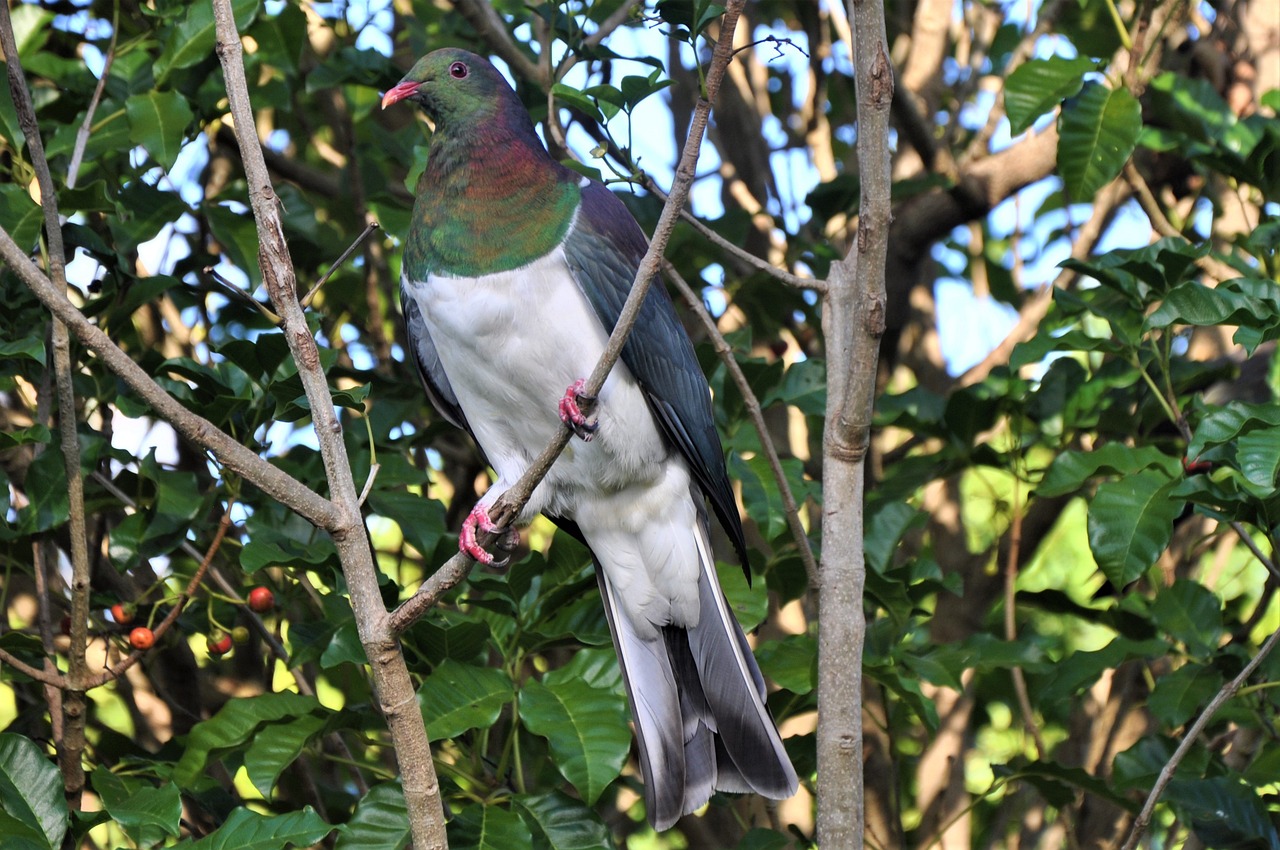
As the new racing season approaches, pigeon enthusiasts face the critical challenge of preparing their birds for the demanding 100-kilometer races. A comprehensive distance training pigeons strategy is essential for building endurance, navigation skills, and competitive readiness. This article presents a detailed race preparation grid that transforms your loft into a powerhouse of performance.
Foundations of Effective Distance Training for Pigeons
Successful distance training pigeons requires understanding the physiological and psychological demands of long flights. Unlike shorter races, 100-kilometer competitions test a bird's stamina, homing instinct, and recovery capacity. A well-structured training program addresses these elements systematically, ensuring your pigeons peak at the right moment.
Understanding Pigeon Physiology for Endurance
Pigeons preparing for 100-kilometer races undergo significant physiological adaptations. Their cardiovascular systems strengthen to deliver oxygen more efficiently during sustained flight, while their muscles develop greater fatigue resistance. The respiratory system also adapts, with increased lung capacity and improved oxygen exchange. These changes don't happen overnight—they require gradual, progressive training that challenges the birds without overwhelming them. Understanding these biological processes helps trainers design programs that optimize natural adaptations rather than forcing unnatural performance.
Nutrition plays a crucial role in supporting these physiological changes. During distance training, pigeons require increased carbohydrates for energy, proteins for muscle repair, and fats for sustained endurance. Hydration becomes particularly critical as flights extend beyond 60 kilometers, where dehydration can significantly impact performance. Trainers must monitor each bird's condition closely, adjusting feeding schedules and supplements based on training intensity and individual response. The goal is to build a foundation of health that supports the specific demands of 100-kilometer racing.
Psychological Preparation and Homing Instinct Development
The mental aspect of distance racing is often underestimated in pigeon training. For 100-kilometer races, birds must maintain focus and determination throughout the entire flight, navigating changing landscapes and weather conditions. Psychological preparation begins with establishing strong loft loyalty and developing the homing instinct through consistent training patterns. Birds learn to associate release points with the safety and comfort of their home loft, strengthening their motivation to return quickly.
Building confidence is equally important. Young pigeons especially benefit from gradual exposure to longer distances, with each successful return reinforcing their homing ability. Trainers should create positive associations with training through consistent routines, proper handling, and immediate access to food and water upon return. Stress management techniques, such as maintaining calm loft environments and avoiding sudden changes, help birds develop the mental resilience needed for competitive racing. A psychologically prepared pigeon approaches 100-kilometer races with confidence rather than anxiety.
Designing Your Race Preparation Grid
A race preparation grid provides the structural framework for your training program, mapping out distances, frequencies, and recovery periods. This systematic approach ensures progressive development while preventing overtraining and injury. The grid serves as both a planning tool and a tracking mechanism, allowing trainers to monitor progress and make data-driven adjustments.
Progressive Distance Building Strategies
The core principle of any effective race preparation grid is progressive overload—gradually increasing distance and intensity to build endurance without causing breakdown. For 100-kilometer races, this typically involves starting with shorter distances of 10-20 kilometers and systematically extending to the target distance over 8-12 weeks. Each increase should be modest, usually 5-10 kilometers per week, allowing birds to adapt physically and mentally. The grid should account for individual variation, with some birds progressing faster than others based on age, experience, and natural ability.
Timing and frequency are critical components of progressive distance building. Most trainers follow a pattern of 3-4 training flights per week, with increasing distances on alternating days and adequate recovery between sessions. The grid should include both straight-line distance increases and variations in release points to develop navigation skills. For example, a bird might fly 30 kilometers north one day, 35 kilometers east the next week, and 40 kilometers south the following week. This multidirectional training prevents birds from memorizing a single route and instead develops true homing ability. The grid becomes a visual representation of this progression, showing exactly how each bird moves toward the 100-kilometer goal.
Incorporating Weather and Seasonal Considerations
An effective race preparation grid must account for environmental factors that significantly impact training outcomes. Weather conditions can make the same distance feel dramatically different to flying pigeons—a 50-kilometer flight with favorable tailwinds might be easier than a 30-kilometer flight against strong headwinds. The grid should include flexibility to adjust distances based on current conditions, with built-in alternatives for windy days, extreme heat, or precipitation. This adaptability prevents unnecessary stress and injury while still maintaining training momentum.
Seasonal changes also influence training effectiveness. As the racing season approaches, daylight hours, temperature patterns, and natural food sources all shift. The grid should align with these natural rhythms, scheduling more intensive training during optimal conditions and allowing for lighter periods during extreme weather. For example, early morning releases might be scheduled during summer months to avoid midday heat, while late morning releases work better in cooler seasons. The grid becomes a dynamic tool that responds to both the calendar and current conditions, ensuring training remains effective regardless of external factors.
Nutrition and Recovery Integration
Training represents only half the equation for successful distance racing—proper nutrition and recovery complete the picture. The race preparation grid should include specific guidelines for feeding schedules, supplement timing, and rest periods that support the physical demands of training. This integrated approach maximizes the benefits of each training session while minimizing the risk of overtraining and injury.
Fueling Strategies for Endurance Training
Distance training pigeons requires precise nutritional timing to match energy expenditure with intake. The race preparation grid should specify different feeding approaches for training days versus recovery days. On training days, birds benefit from carbohydrate-rich meals 2-3 hours before release to provide immediate energy, followed by protein-focused meals upon return to support muscle repair. Electrolyte supplements become increasingly important as distances exceed 60 kilometers, helping maintain hydration and nerve function during extended flights.
The grid should also account for individual nutritional needs based on training response. Some birds naturally burn energy more efficiently and require different ratios of nutrients than their loftmates. Regular weight monitoring and condition scoring help trainers adjust feeding amounts and compositions within the grid framework. As distances increase toward 100 kilometers, the nutritional focus shifts toward sustained energy release through balanced fats and complex carbohydrates. This prevents the energy crashes that can occur during the final kilometers of long races. The grid transforms from a simple distance schedule to a comprehensive nutritional roadmap.
Optimizing Recovery Between Training Sessions
Recovery is where physical adaptation actually occurs—the training stimulus creates micro-tears in muscle fibers and depletes energy stores, while recovery allows for repair and supercompensation. The race preparation grid must include deliberate recovery periods that are as structured as the training flights themselves. Active recovery, such as short loft flights or controlled exercise, often proves more effective than complete rest for maintaining conditioning without adding stress.
The grid should specify recovery protocols based on training intensity. After particularly demanding sessions or distance milestones, additional recovery days might be scheduled. Recovery isn't just about physical rest—it includes proper hydration, nutritional support, and environmental management. The loft environment during recovery periods should be calm, clean, and comfortable, with minimal disturbances. Some trainers incorporate specific recovery techniques into their grids, such as electrolyte supplementation on recovery days or controlled sunlight exposure for vitamin D synthesis. By treating recovery as an active component rather than passive downtime, the grid ensures continuous progress toward 100-kilometer readiness.
Monitoring Progress and Making Adjustments
A static training plan rarely produces optimal results—the most successful race preparation grids include built-in assessment points and adjustment mechanisms. Regular monitoring allows trainers to identify which birds are responding well to the program and which need modifications. This data-driven approach prevents cookie-cutter training that fails to account for individual differences.
Performance Metrics and Tracking Systems
Effective monitoring begins with establishing clear performance metrics within the race preparation grid. These might include flight times relative to distance and conditions, recovery rates after training, weight stability, and behavioral indicators. The grid should specify when and how to collect this data, creating a consistent tracking system that reveals patterns over time. For example, a bird that consistently returns quickly from 40-kilometer flights but struggles at 60 kilometers might need additional intermediate distance work before progressing further.
Technology has transformed performance tracking for distance training pigeons. Electronic timing systems provide precise return times, while GPS trackers (where regulations allow) offer detailed flight path analysis. Even simple observation notes about bird behavior before and after training can reveal important insights. The grid should incorporate these various data sources, specifying what to track and how to interpret the information. Regular review points—perhaps weekly or biweekly—allow trainers to assess whether the current approach is working or needs adjustment. This turns the grid from a rigid schedule into a responsive training tool.
Individualizing the Grid for Different Birds
No two pigeons respond identically to training, making individualization essential for maximizing potential. The race preparation grid should include flexibility to accommodate different ages, experience levels, and natural abilities within the same loft. Young birds in their first serious season might follow a more gradual progression than experienced veterans returning to competition. Similarly, birds showing exceptional early performance might advance more quickly through the grid, while those struggling might repeat certain distances before progressing.
The grid becomes most effective when treated as a framework rather than a mandate. Trainers should feel empowered to make adjustments based on their observations and the specific needs of their birds. This might mean extending a particular distance phase for the entire loft if weather conditions have been challenging, or creating subgroup grids for birds at different development stages. The key is maintaining the progressive principle while allowing for necessary variations. This balanced approach ensures that every bird receives appropriate training without being held back or pushed beyond reasonable limits. The grid serves as the guide, but the trainer's expertise determines the final path.
Pre-Race Preparation and Final Adjustments
The final weeks before 100-kilometer races require specific preparation that differs from general distance training. The race preparation grid should include a dedicated pre-race phase that fine-tunes conditioning, builds confidence, and ensures peak performance. This period focuses on quality over quantity, with reduced distances but maintained intensity to keep birds sharp without causing fatigue.
Tapering Strategies for Peak Performance
Tapering—the systematic reduction of training volume before competition—is essential for ensuring pigeons arrive at race day fresh and energized. The race preparation grid should include a 7-10 day tapering period where distances gradually decrease while maintaining some intensity. For example, a bird that has been training at 80-90 kilometers might reduce to 60 kilometers, then 40 kilometers, with a final short loft flight 2-3 days before the race. This approach maintains conditioning while allowing complete recovery and energy storage.
Nutritional adjustments during the tapering period support this physical preparation. As training volume decreases, energy requirements shift from immediate expenditure to storage for race day. The grid should specify dietary changes that increase carbohydrate loading while maintaining protein for muscle preservation. Hydration becomes particularly important during this period, as well-hydrated birds perform better and recover faster. The tapering phase also includes mental preparation, with familiarization flights from the actual race release point if possible. This combination of physical recovery and psychological readiness transforms trained pigeons into race-ready competitors.
Race Day Logistics and Final Preparation
The race preparation grid extends through race day itself, providing a checklist of final preparations that ensure optimal performance. This includes specific feeding schedules for the days leading up to the race, handling protocols for basketing, and recovery plans for post-race. The grid should account for variables like transportation time to the release point, expected weather conditions, and return logistics. Having these details planned in advance reduces race day stress for both birds and trainer.
Final adjustments based on current conditions are built into the grid's race day protocol. If weather forecasts indicate headwinds, for example, the grid might specify additional carbohydrate loading or adjusted hydration strategies. The grid should also include contingency plans for unexpected situations, such as delayed releases or extreme weather changes. This comprehensive approach ensures that nothing is left to chance on the day that matters most. The race preparation grid culminates in this moment, transforming months of systematic training into competitive success at 100 kilometers.
Conclusion
A comprehensive race preparation grid transforms distance training from guesswork to science, providing the structure needed to develop pigeons capable of excelling at 100-kilometer races. By integrating progressive distance building, nutritional planning, recovery protocols, and individual adjustments, trainers can systematically prepare their birds for competitive success. The grid serves as both roadmap and record, guiding development while documenting progress. As you implement these strategies, consider how tools like Ghawy – Pigeon Manager (غاوي – إدارة الحمام) can streamline your training management, allowing you to focus on what matters most—developing champion pigeons through thoughtful, systematic preparation.