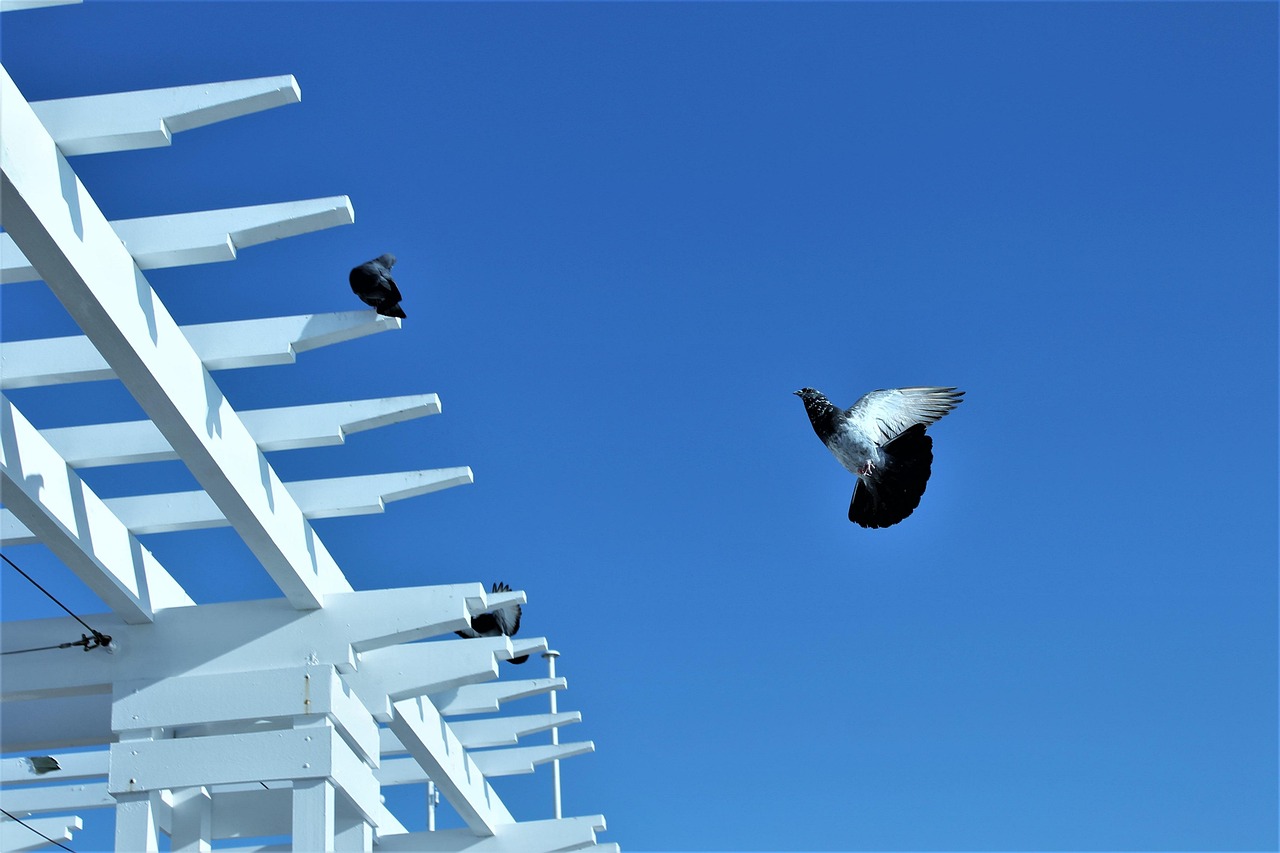
In the world of pigeon racing, your birds are more than just pets; they are valuable genetic assets honed through generations of careful breeding. Protecting these champions from loss is a top priority for every enthusiast. This guide explores how modern technology, particularly GPS, can safeguard your pigeons, ensuring they return home safely and thrive in your loft.
Understanding the Value of Your Pigeon Flock
Pigeon racing is a sport built on genetics, where each bird represents years of selective breeding and investment. Losing a champion can mean more than just emotional distress; it can set back your breeding program and competitive edge significantly. Recognizing the intrinsic and financial value of your flock is the first step toward implementing effective protection strategies. This section delves into why pigeon protection is not just a hobbyist concern but a critical aspect of sustainable pigeon management.
The Genetic Legacy in Racing Pigeons
Every racing pigeon carries a unique genetic code that influences its speed, endurance, and homing ability. These traits are passed down through generations, making each bird a living repository of your breeding efforts. Losses due to predators, accidents, or disorientation can erase irreplaceable genetic lines, impacting future races and loft performance. By prioritizing pigeon protection, you preserve this legacy, ensuring that your best traits continue to enhance your flock. Investing in safety measures is an investment in the future of your sport.
Financial Implications of Pigeon Loss
Beyond genetics, pigeons represent a substantial financial investment. Costs include breeding, training, feed, and healthcare, with top racing pigeons often valued at thousands of dollars. A single loss can result in significant monetary setbacks, especially if it involves a proven winner or breeding stock. This makes pigeon protection a smart economic decision, as preventive measures can reduce the risk of costly replacements. Integrating tools like GPS for pigeon safety helps mitigate these financial risks by increasing recovery rates and minimizing losses.
Leveraging GPS Technology for Enhanced Safety
GPS technology has revolutionized pigeon racing by providing real-time tracking and location data. This innovation allows fanciers to monitor their birds during flights, quickly identify if a pigeon goes off course, and facilitate recoveries. In this section, we explore how GPS works for pigeon safety, its benefits, and practical tips for implementation. Embracing this technology can transform your approach to pigeon protection, offering peace of mind and improved performance.
How GPS Tracking Works for Pigeons
GPS devices for pigeons are lightweight, attachable units that use satellite signals to pinpoint a bird's location. These devices transmit data to a receiver or smartphone app, allowing you to track movements in real-time. Key features include geofencing alerts, which notify you if a pigeon strays beyond a set area, and historical route analysis to assess flight patterns. By using GPS for pigeon safety, you gain insights into your birds' behavior, identify potential hazards like predator zones, and enhance training regimens. This technology is a game-changer for proactive pigeon protection.
Benefits of GPS in Pigeon Racing
The advantages of GPS extend beyond mere tracking; they contribute to overall flock health and success. With GPS, you can reduce losses by quickly locating lost or injured pigeons, leading to higher recovery rates. It also improves training efficiency by analyzing flight data to optimize routes and conditioning. Additionally, GPS data can be shared with veterinarians or insurers to support claims and health assessments. For pigeon protection, this technology offers a comprehensive solution that blends safety with performance enhancement, making it an essential tool for modern fanciers.
Integrating Insurance for Comprehensive Protection
While technology like GPS provides active safety measures, racing pigeon insurance offers a financial safety net against unforeseen losses. Insurance policies can cover theft, accidents, illness, or death, ensuring that your investment is protected even in worst-case scenarios. This section discusses the role of insurance in pigeon protection, how to choose the right policy, and how it complements GPS technology. Together, these strategies create a robust defense for your genetic assets.
Types of Racing Pigeon Insurance
Racing pigeon insurance comes in various forms, tailored to different needs and budgets. Common policies include mortality insurance, which covers death from accidents or illness, and theft insurance, protecting against unauthorized removal. Some insurers offer specialized coverage for breeding stock or high-value champions, with premiums based on factors like age, health, and racing history. When selecting insurance, consider coverage limits, exclusions, and claim processes to ensure it aligns with your pigeon protection goals. This financial tool is crucial for mitigating risks beyond technological control.
Combining Insurance with GPS for Optimal Safety
Integrating racing pigeon insurance with GPS technology creates a layered protection strategy. GPS helps prevent losses through real-time monitoring and quick recovery, reducing the likelihood of insurance claims. In cases where losses do occur, insurance provides compensation, allowing you to rebuild your flock without financial strain. This combination enhances overall pigeon protection by addressing both proactive and reactive aspects of risk management. For example, GPS data can support insurance claims by providing evidence of a loss event, streamlining the process and increasing trust with insurers.
Practical Steps for Implementing Pigeon Safety Measures
Adopting effective pigeon protection requires a hands-on approach, from selecting the right equipment to training your birds and maintaining their health. This section provides actionable steps for fanciers to implement GPS and insurance strategies, ensuring a seamless integration into daily routines. By following these guidelines, you can maximize the benefits of these tools and foster a safer environment for your pigeons.
Choosing and Installing GPS Devices
Selecting the right GPS device involves considering factors like weight, battery life, accuracy, and compatibility with your existing systems. Look for devices specifically designed for pigeons, as they are lightweight and durable to withstand flight conditions. Installation should be done carefully to avoid discomfort or interference with the bird's movement; common methods include harnesses or leg bands. Once installed, test the devices during short flights to ensure functionality and adjust settings as needed. Regular maintenance, such as charging and software updates, is essential for reliable GPS for pigeon safety.
Training Pigeons with GPS Assistance
GPS technology can enhance training by providing data on flight patterns, speeds, and distances. Use this information to design training programs that build endurance and homing skills, gradually increasing complexity based on performance metrics. Incorporate GPS alerts to monitor for deviations or fatigue, allowing for timely interventions. This proactive approach not only improves racing results but also strengthens pigeon protection by familiarizing birds with safe routes and reducing stress. Consistent training with GPS support helps pigeons develop resilience and better navigation abilities.
Building a Culture of Safety in Your Loft
Pigeon protection is not just about technology and insurance; it's about fostering a holistic safety culture within your loft. This involves regular health checks, predator deterrence, and community engagement to share best practices. In this section, we explore how to create a secure environment that supports your birds' well-being and enhances the effectiveness of your protection strategies. A comprehensive approach ensures long-term success in pigeon racing.
Health and Wellness for Pigeon Protection
Maintaining your pigeons' health is a foundational aspect of pigeon protection. Regular veterinary check-ups, balanced nutrition, and clean living conditions prevent illnesses that could lead to losses or insurance claims. Monitor for signs of stress or injury, especially during racing seasons, and use GPS data to identify patterns that may indicate health issues. By prioritizing wellness, you reduce the risk of preventable losses and ensure that your birds are in peak condition for competitions. This proactive care complements technological and financial safeguards.
Community and Knowledge Sharing
Engaging with other pigeon enthusiasts can enhance your protection efforts through shared experiences and advice. Join local clubs or online forums to discuss GPS for pigeon safety, insurance options, and training techniques. Learning from others' successes and challenges can help you refine your strategies and stay updated on new developments. This collaborative approach strengthens the overall pigeon racing community and promotes a culture of safety and innovation. For instance, platforms like Ghawy – Pigeon Manager (غاوي – إدارة الحمام) offer tools and insights to streamline loft management and protection.
Conclusion
Protecting your genetic assets in pigeon racing requires a multi-faceted approach that combines technology, insurance, and proactive care. By leveraging GPS for pigeon safety, you gain real-time insights and recovery capabilities, while racing pigeon insurance provides financial security against unforeseen losses. Implementing these strategies with practical steps and a safety-focused culture ensures your champions thrive and your investment is safeguarded. Embrace these tools to enhance your pigeon protection and enjoy the rewards of a secure and successful loft. For expert guidance and management solutions, consider exploring resources like Ghawy – Pigeon Manager (غاوي – إدارة الحمام) to support your journey.