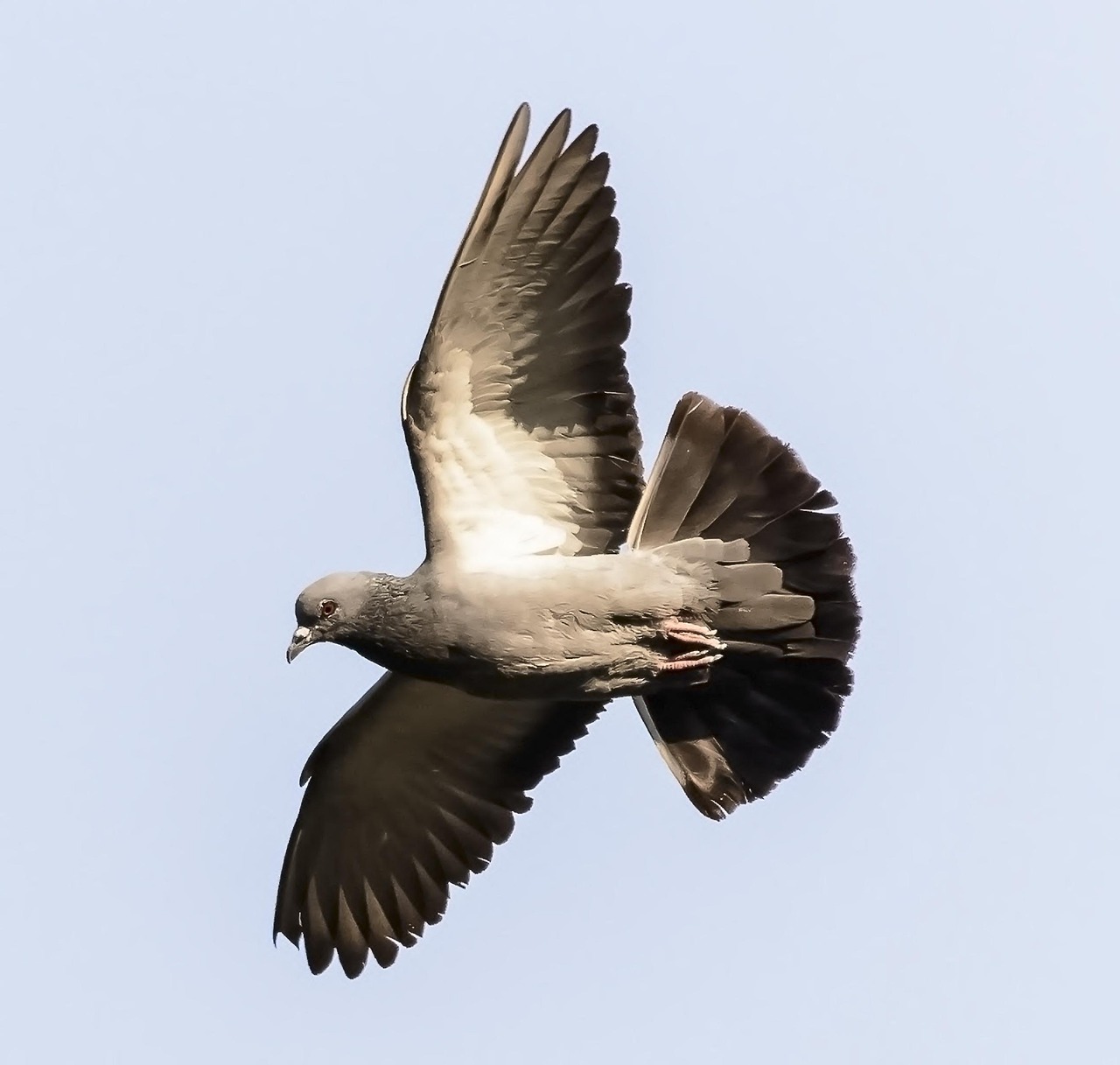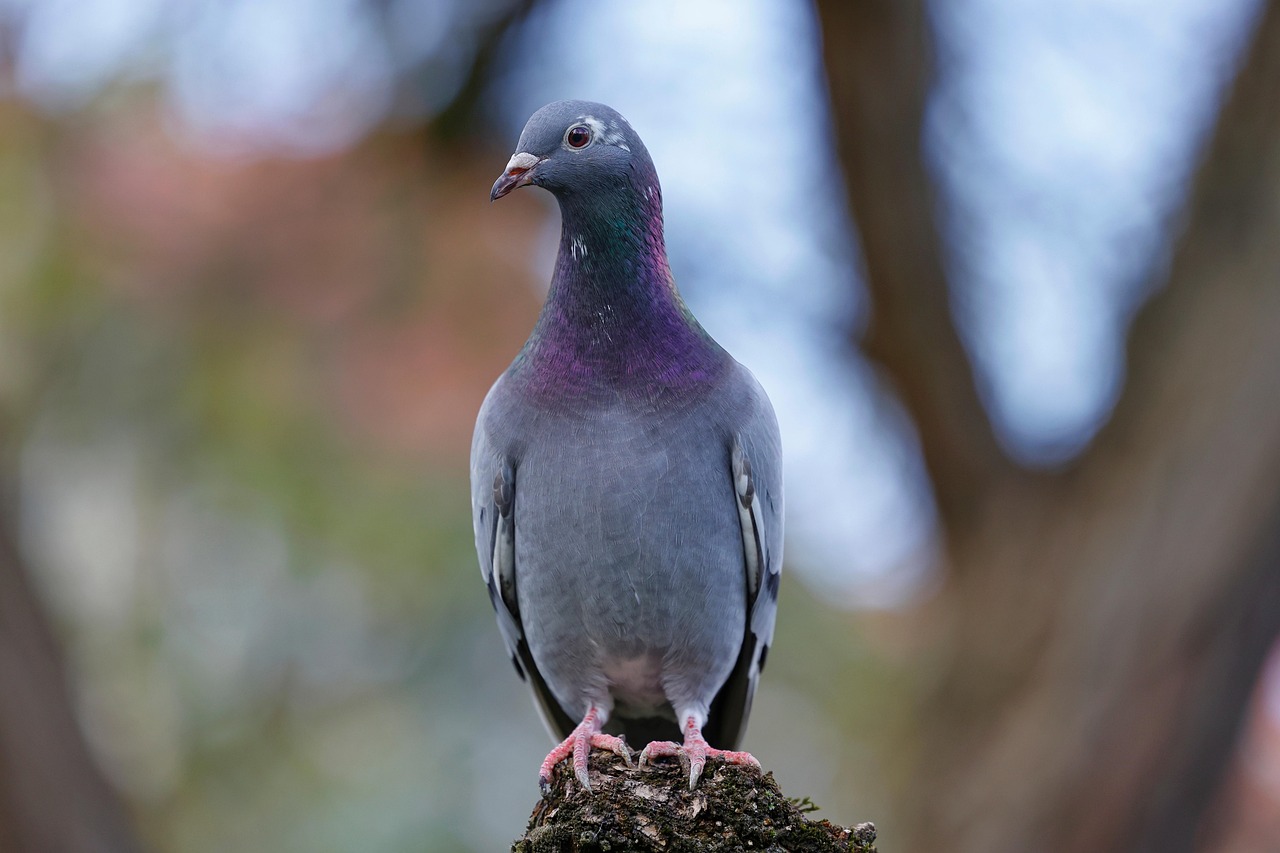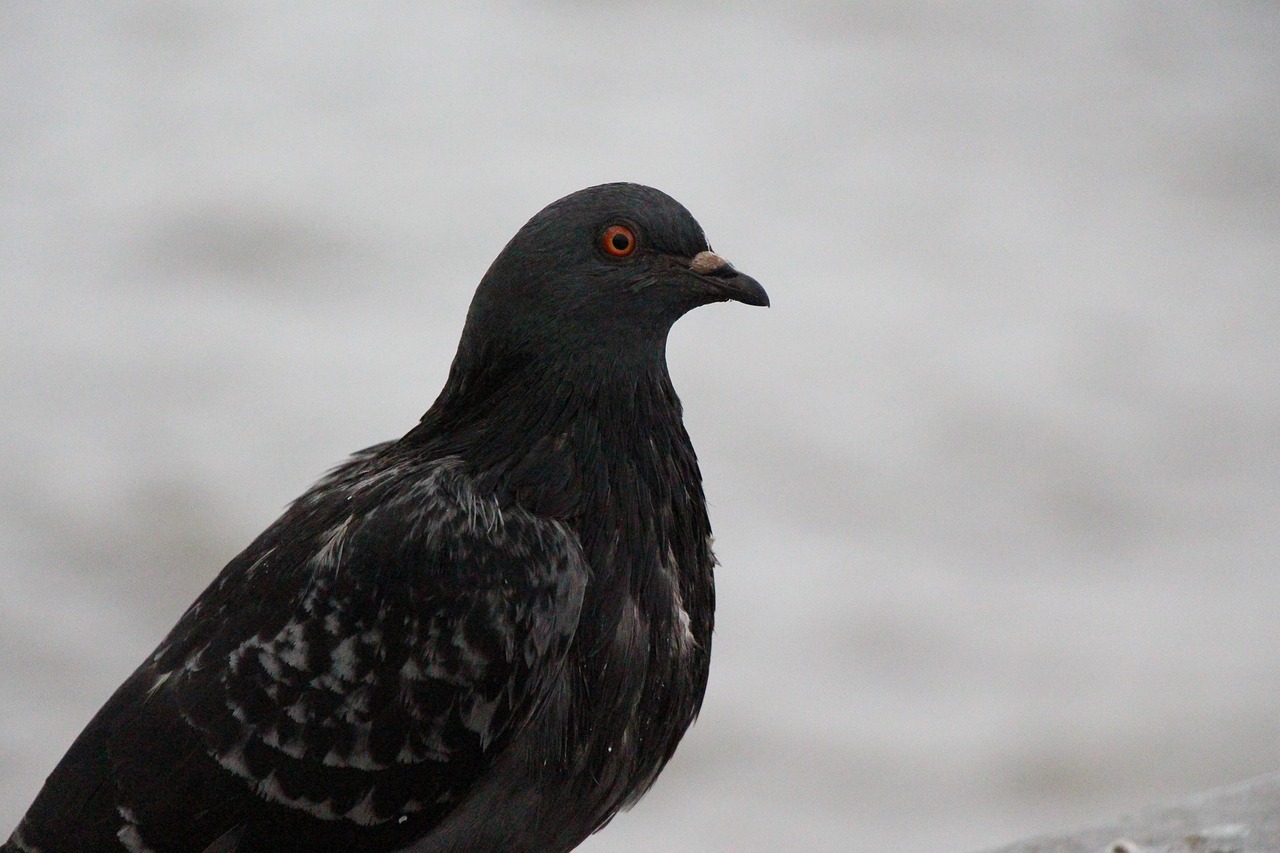
Breeding fancy pigeons is an art form that combines passion with precision, where enthusiasts strive to create birds of exceptional beauty and conformation. This guide delves into the world of improving fancy pigeon breeds according to the rigorous NPA standards, offering insights into genetics and show criteria that elevate the hobby to a professional level. By understanding these global benchmarks, breeders can enhance their flocks and achieve recognition in competitive circles.
Understanding NPA Standards in Fancy Pigeon Breeding
The National Pigeon Association (NPA) sets the gold standard for evaluating fancy pigeons worldwide, providing a framework that ensures consistency and excellence in breeding practices. These standards cover every aspect of a pigeon's appearance, from feather quality to body structure, serving as a critical tool for breeders aiming to produce show-quality birds. Adhering to NPA standards not only improves breed quality but also fosters a global community of enthusiasts dedicated to preserving and enhancing pigeon genetics.
The Role of NPA Standards in Breed Improvement
NPA standards act as a detailed blueprint for breeders, outlining specific traits that define each fancy pigeon breed. By following these guidelines, breeders can systematically work towards enhancing desirable characteristics while minimizing flaws. This approach transforms breeding from a casual hobby into a science-driven endeavor, where every mating decision is informed by a clear set of criteria. Over time, consistent application of NPA standards leads to healthier, more aesthetically pleasing flocks that stand out in shows.
Moreover, NPA standards promote uniformity across breeds, ensuring that birds from different regions or breeders can be judged fairly. This global consistency is vital for maintaining breed integrity and preventing genetic drift. Breeders who master these standards often see increased success in competitions, as their birds align closely with the ideal representations outlined by the NPA. It's a journey of continuous learning and refinement, where each generation offers opportunities for improvement.
Key Components of NPA Evaluation Criteria
The NPA evaluation criteria are comprehensive, covering multiple facets of a fancy pigeon's phenotype. Key components include head shape, eye color, beak structure, feather texture, and overall body proportions. Each breed has its own unique set of standards, reflecting the diversity within the fancy pigeon world. For instance, some breeds may prioritize a specific crest or tail carriage, while others focus on color patterns or leg feathering.
Understanding these components requires careful study and observation. Breeders must learn to assess their birds objectively, comparing them against the NPA benchmarks. This process often involves keeping detailed records and seeking feedback from experienced judges. By focusing on these key areas, breeders can identify strengths and weaknesses in their flocks, guiding selective breeding efforts. It's a meticulous practice that rewards patience and attention to detail, ultimately leading to birds that excel in both form and function.
Exploring Fancy Pigeon Genetics for Superior Breeds
Genetics play a foundational role in fancy pigeon breeding, influencing everything from color inheritance to structural traits. By delving into the principles of fancy pigeon genetics, breeders can make informed decisions that enhance breed quality over generations. This knowledge empowers enthusiasts to predict outcomes, manage genetic diversity, and avoid common pitfalls like inbreeding depression.
Fundamentals of Genetic Inheritance in Pigeons
At its core, fancy pigeon genetics involves understanding how traits are passed from parents to offspring through genes. Key concepts include dominant and recessive alleles, which determine visible characteristics such as feather color or pattern. For example, certain color mutations may be recessive, requiring both parents to carry the gene for it to appear in chicks. Breeders who grasp these fundamentals can strategically pair birds to achieve specific outcomes.
Additionally, polygenic traits—those influenced by multiple genes—are common in fancy pigeons, affecting aspects like size or temperament. Managing these requires a broader approach, focusing on overall breed improvement rather than single traits. Tools like pedigree charts and genetic testing can aid in this process, helping breeders track lineage and identify carriers of desirable genes. By mastering these basics, enthusiasts lay the groundwork for successful, sustainable breeding programs.
Advanced Genetic Techniques for Breed Enhancement
Beyond basic inheritance, advanced genetic techniques offer opportunities for significant breed enhancement. Selective breeding, based on rigorous NPA standards, allows breeders to amplify positive traits while reducing undesirable ones. This involves careful selection of breeding pairs, considering not only phenotype but also genetic compatibility and health. Over time, this method can lead to flocks that consistently produce show-quality offspring.
Another advanced approach is line breeding, which involves mating closely related birds to fix certain traits, but it must be done cautiously to avoid genetic issues. Outcrossing, or introducing unrelated birds, can add genetic diversity and vigor. Balancing these techniques requires expertise and a deep understanding of fancy pigeon genetics. Breeders who invest in this knowledge often see faster progress in meeting show pigeon criteria, creating birds that are both beautiful and robust.
Meeting Show Pigeon Criteria for Competitive Success
Show pigeon criteria encompass the specific standards that judges use to evaluate fancy pigeons in competitions, closely aligned with NPA guidelines. Excelling in shows requires more than just good genetics; it involves meticulous preparation, presentation, and an understanding of what judges look for. This section explores how breeders can optimize their birds to meet these criteria and achieve competitive success.
Preparing Pigeons for the Show Ring
Preparation for shows begins long before the event, with a focus on health, conditioning, and grooming. Birds must be in peak physical condition, with glossy feathers, clear eyes, and alert demeanors. Regular exercise and a balanced diet are essential to maintain optimal weight and muscle tone. Grooming practices, such as bathing and feather trimming, help enhance natural beauty and ensure birds look their best under scrutiny.
Additionally, training pigeons to handle show conditions—such as being handled by judges or staying calm in cages—can improve their performance. Breeders should also familiarize themselves with the specific criteria for each breed, as outlined by the NPA, to tailor their preparation efforts. By dedicating time to these aspects, breeders increase the likelihood of their birds standing out in competitive settings, where every detail counts.
Judging Criteria and How to Excel
During shows, judges assess pigeons based on a detailed scorecard that aligns with NPA standards, covering areas like conformation, color, and deportment. Understanding these judging criteria is crucial for breeders aiming to excel. For instance, judges may deduct points for minor flaws like uneven feathering or poor stance, so attention to detail is paramount.
To excel, breeders should study past show results and seek feedback from judges to identify areas for improvement. Participating in smaller shows can provide valuable experience before aiming for larger competitions. It's also helpful to network with other enthusiasts to share insights and stay updated on trends in show pigeon criteria. By focusing on continuous improvement and aligning with NPA benchmarks, breeders can build a reputation for producing top-tier birds that consistently win accolades.
Practical Strategies for Implementing NPA Standards
Implementing NPA standards in everyday breeding practices requires a structured approach that integrates knowledge with action. This section offers practical strategies for breeders to apply these standards effectively, from setting up breeding programs to monitoring progress. By adopting these methods, enthusiasts can transform their flocks and achieve long-term success in fancy pigeon breeding.
Setting Up a Breeding Program Aligned with NPA Guidelines
A successful breeding program starts with clear goals based on NPA standards. Breeders should define what they want to achieve—whether it's improving a specific trait or producing show-winning birds—and select breeding stock accordingly. This involves evaluating existing birds against NPA criteria and identifying those that best meet the standards. Keeping detailed records of pedigrees, traits, and breeding outcomes is essential for tracking progress and making informed decisions.
Moreover, breeders should plan matings strategically, considering genetic diversity and health to avoid issues like inbreeding. Regular culling of birds that don't meet standards can help maintain quality over time. By aligning every aspect of the program with NPA guidelines, breeders create a focused, efficient system that drives continuous improvement. This structured approach not only enhances breed quality but also makes the breeding process more rewarding and sustainable.
Monitoring and Adjusting for Continuous Improvement
Continuous improvement in fancy pigeon breeding relies on ongoing monitoring and adjustment. Breeders should regularly assess their flocks against NPA standards, using tools like checklists or photography to document changes. This allows for early identification of trends, such as improvements in color consistency or structural flaws that need addressing. Feedback from shows or peer reviews can provide valuable external perspectives.
Based on this monitoring, breeders can adjust their strategies—for example, by introducing new bloodlines or refining selection criteria. It's a dynamic process that requires flexibility and a willingness to learn from both successes and setbacks. Over time, this iterative approach leads to flocks that not only meet but exceed NPA standards, setting a high bar in the fancy pigeon community. By embracing this mindset, breeders ensure their efforts yield lasting results.
Conclusion
Mastering fancy pigeon breeding according to NPA standards is a journey that blends art, science, and dedication. By understanding and applying these global benchmarks, breeders can enhance genetics, meet show criteria, and produce birds of exceptional quality. Key takeaways include the importance of genetic knowledge, meticulous preparation for shows, and practical implementation strategies. As you continue to refine your breeding practices, remember that tools like Ghawy – Pigeon Manager (غاوي – إدارة الحمام) can support your efforts in tracking and managing your flock efficiently. Embrace these insights to elevate your hobby and contribute to the vibrant world of fancy pigeons.