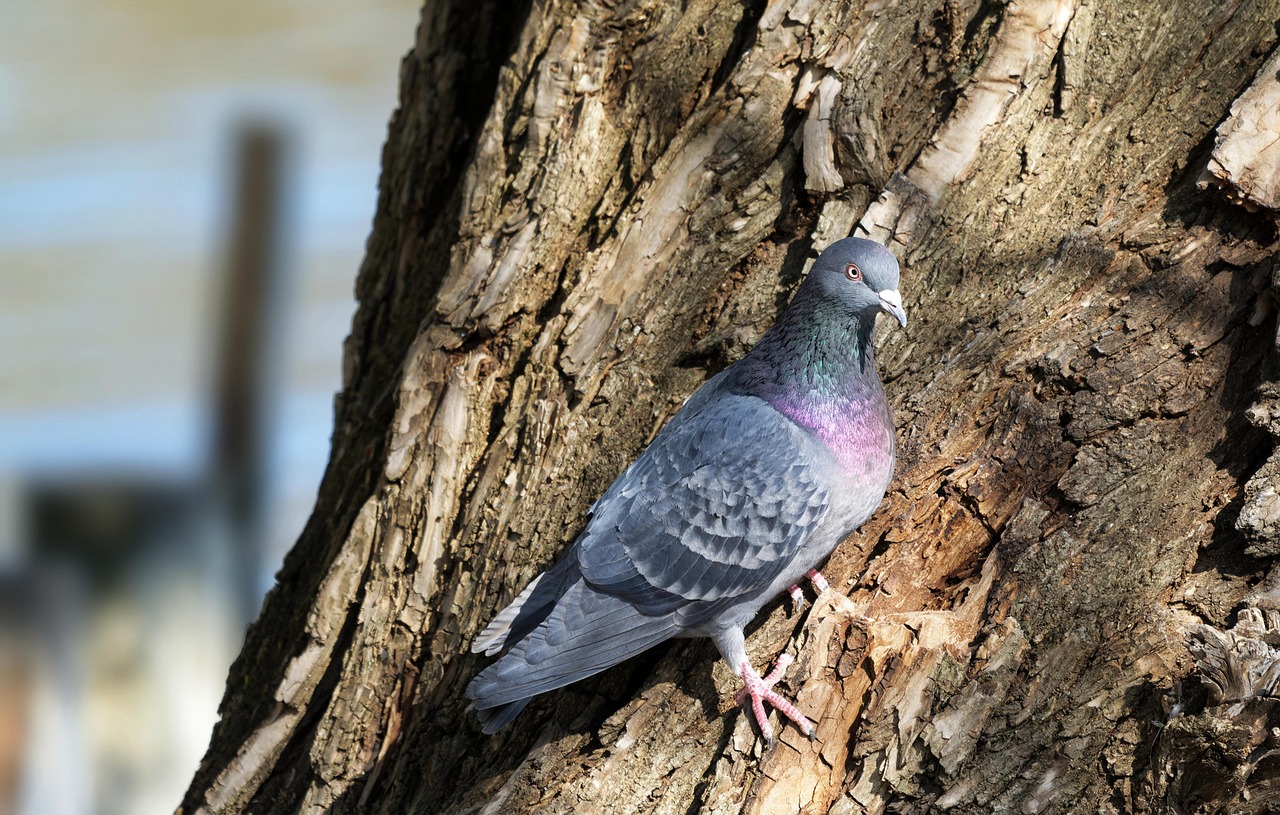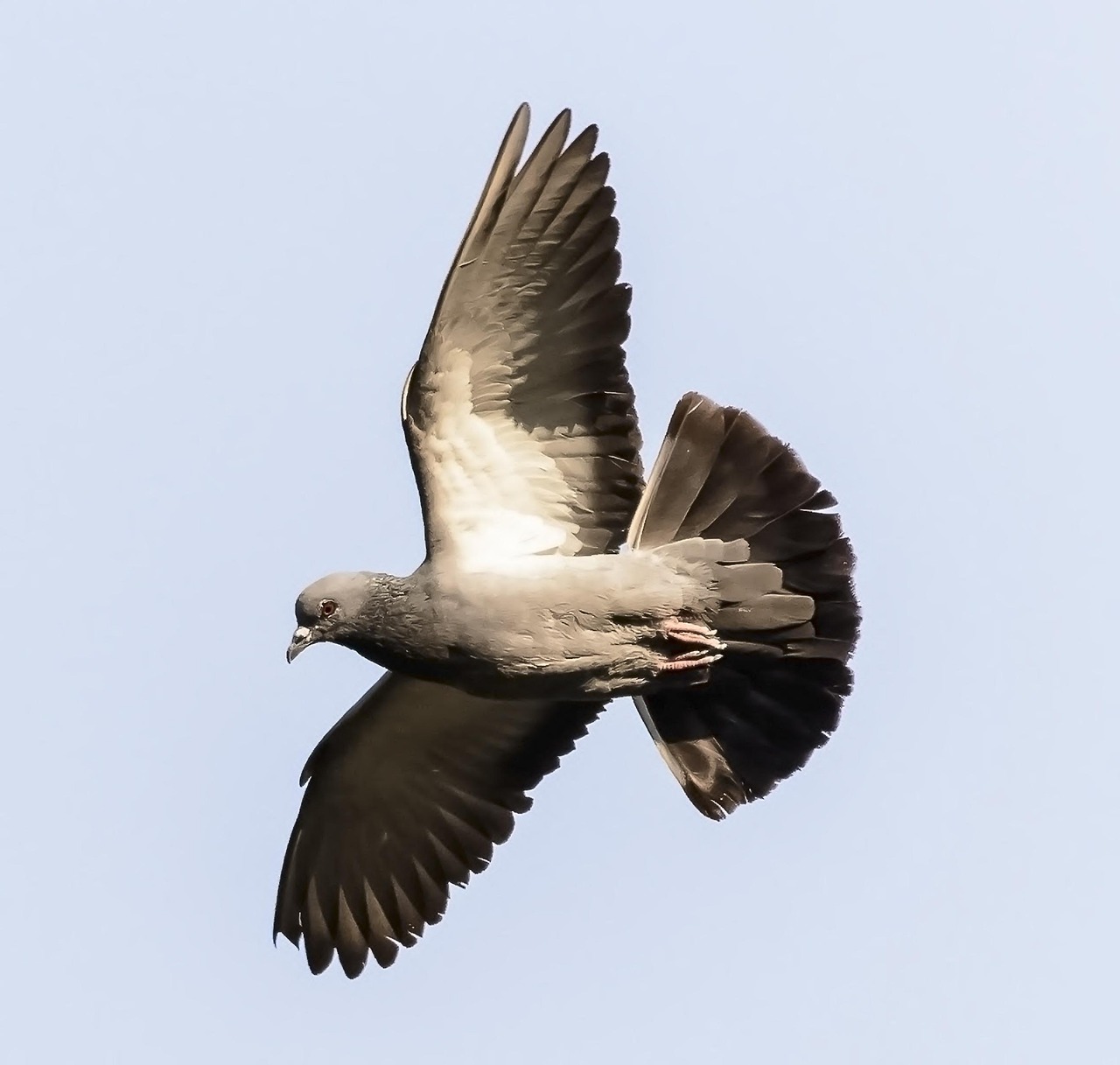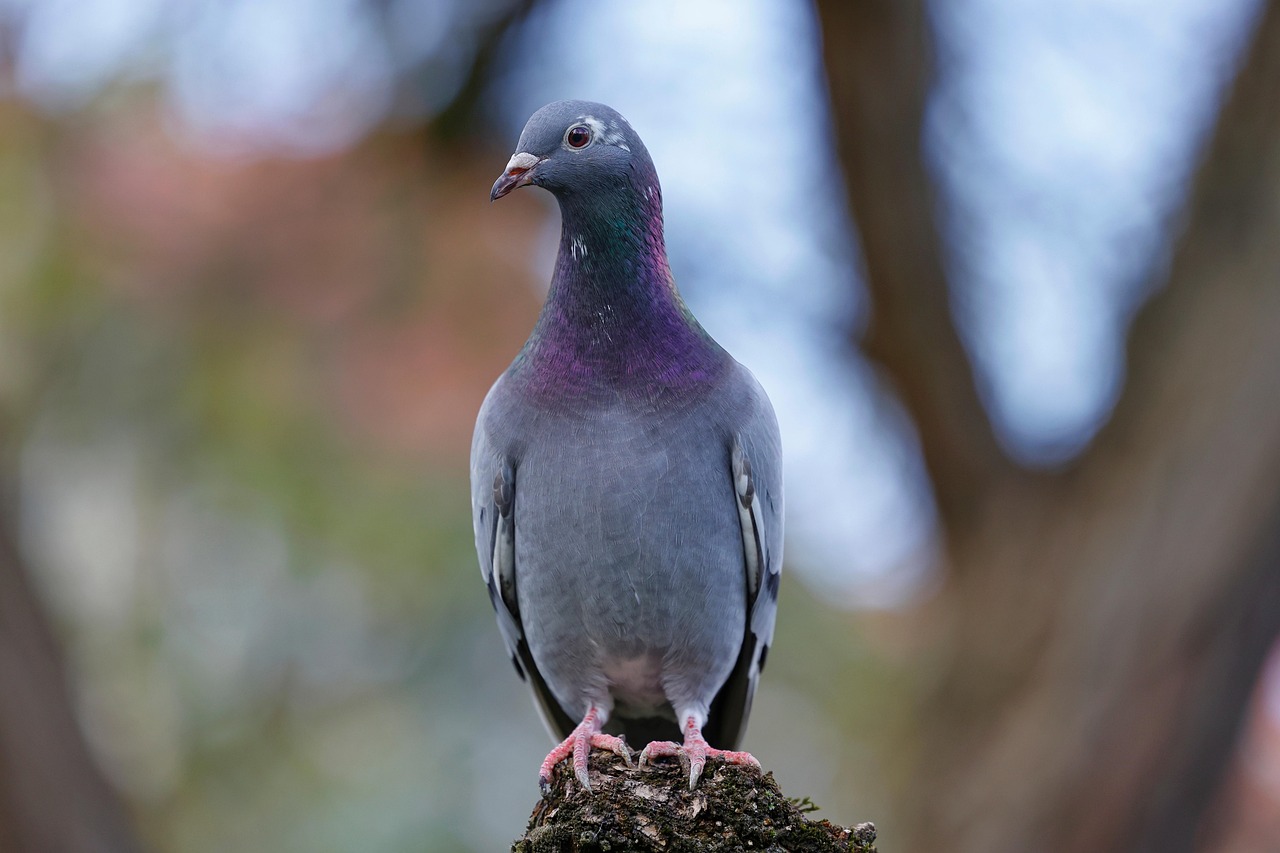
In the world of fancy pigeon breeding, the aesthetic and monetary value of your birds hinges on precise morphological traits. This article delves into the critical role of shoulder genetics and frontal structure in pigeon morphology improvement, offering actionable strategies to enhance your flock's quality and market appeal. By mastering these elements, breeders can significantly elevate their pigeons' worth and competitive edge.
The Foundation of Pigeon Value: Understanding Morphology
Pigeon morphology improvement is not merely about appearance; it's a science that directly impacts health, performance, and desirability. The shoulder and frontal regions are pivotal in defining a pigeon's overall structure, influencing everything from flight capability to breed standards. Focusing on these areas allows breeders to make informed decisions that can double or even triple a bird's value in exhibitions and sales.
Why Shoulder Genetics Matter
Shoulder genetics in pigeons determine the width, angle, and muscular development of the shoulder area, which is crucial for both aesthetic balance and functional strength. A well-structured shoulder contributes to a pigeon's posture, making it appear more robust and graceful. In breeding programs, selecting for optimal shoulder traits can lead to offspring with improved conformation, reducing common issues like wing droop or imbalance. This genetic focus is essential for breeds where shoulder width is a key judging criterion, such as in Modenas or Homers.
Moreover, shoulder genetics influence a pigeon's ability to fly efficiently, which is vital for performance breeds. By prioritizing these traits, breeders not only enhance visual appeal but also ensure their birds are healthier and more capable. This dual benefit makes shoulder genetics a cornerstone of pigeon morphology improvement, as it aligns with both competitive standards and practical welfare. Ignoring this aspect can result in weaker lineages that fail to meet market expectations, ultimately diminishing value over generations.
The Role of Frontal Structure in Aesthetics
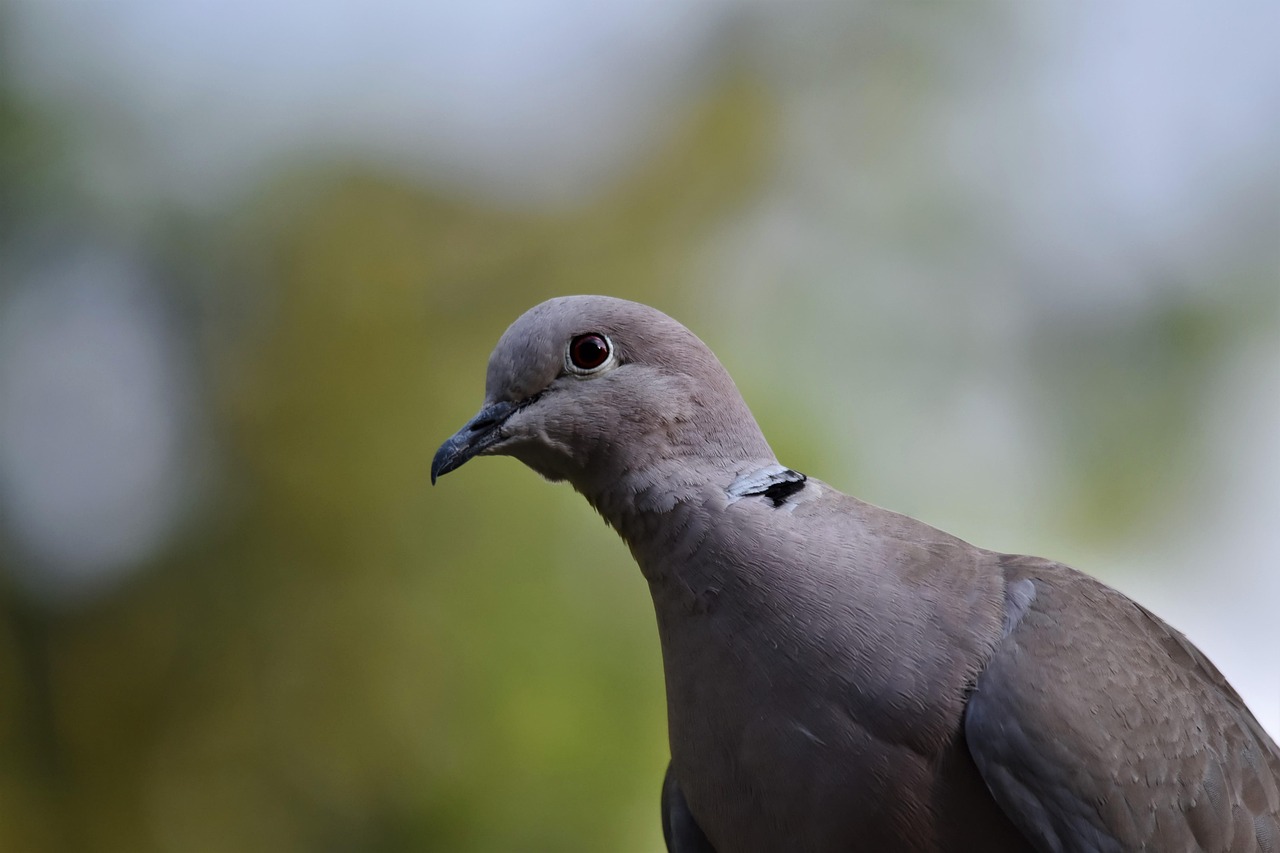
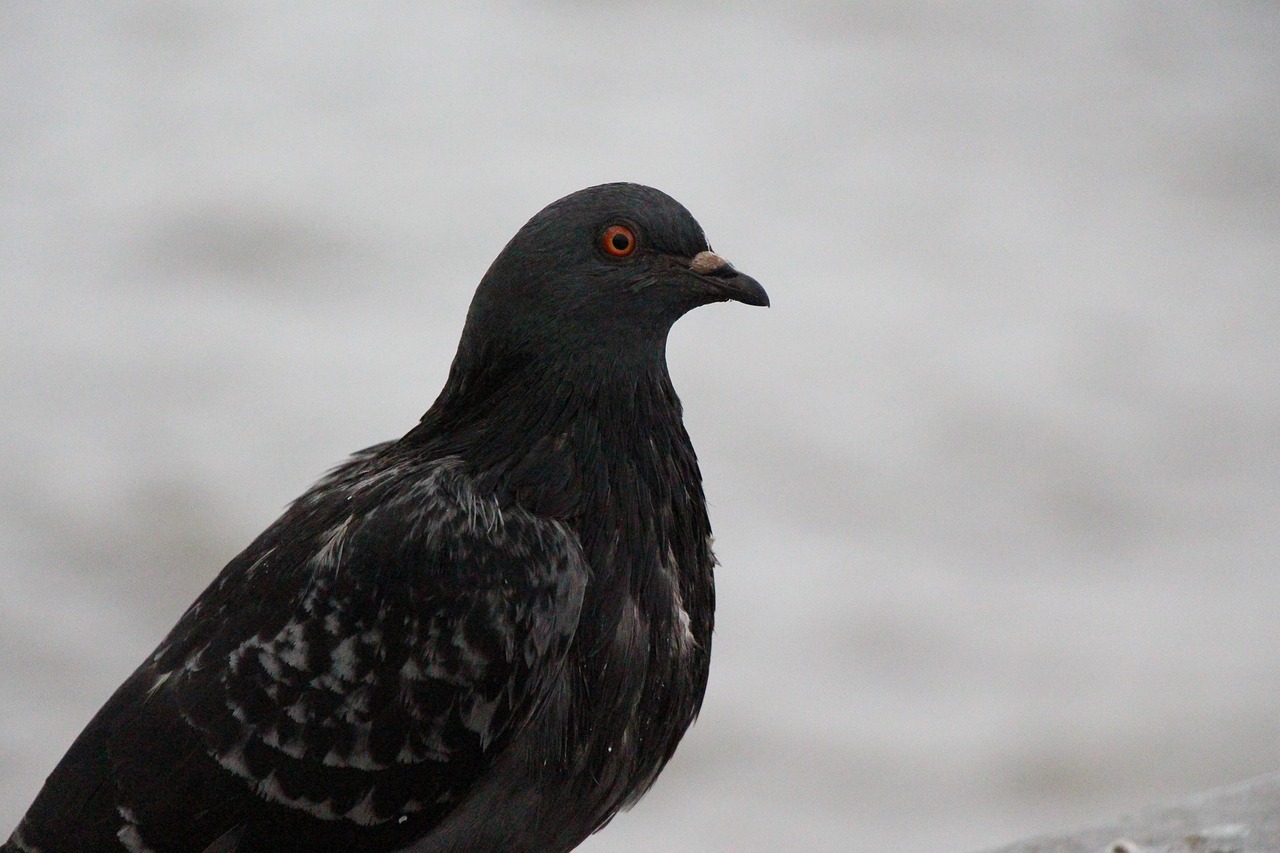
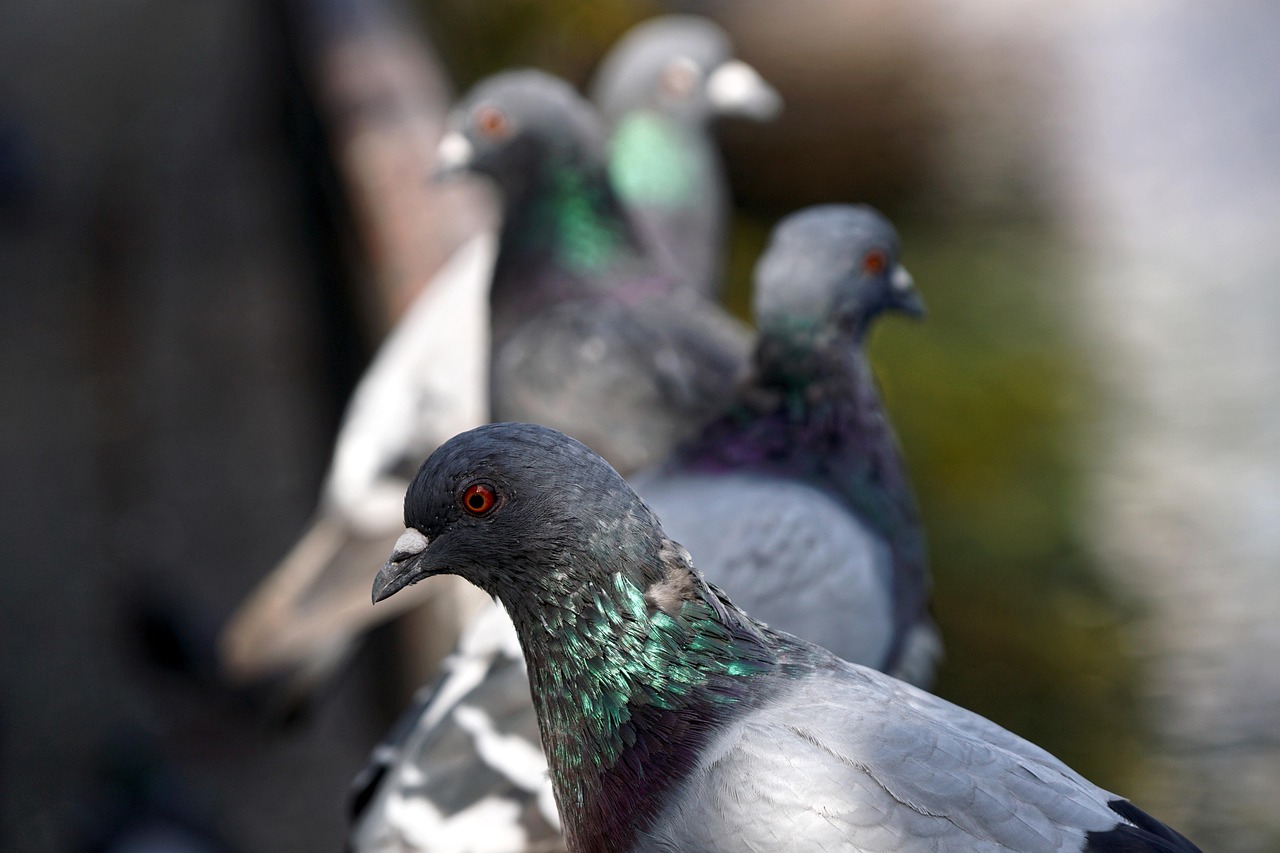
The frontal area, encompassing the head, beak, and eye placement, is a defining feature that captures attention in shows and sales. A well-proportioned frontal structure signifies breed purity and genetic health, making it a critical factor in pigeon morphology improvement. Breeders should aim for symmetry and clarity in these traits, as imbalances can detract from a pigeon's overall appeal and indicate underlying genetic flaws. For instance, a prominent forehead or misaligned eyes can lower scores in competitions.
Focusing on frontal improvements involves selective breeding for traits like beak shape and eye color, which vary by breed. This attention to detail not only boosts aesthetic value but also enhances the pigeon's character and expression, making it more attractive to enthusiasts. By integrating frontal considerations into your breeding strategy, you create birds that stand out in crowded markets, commanding higher prices and greater respect. This approach transforms pigeon morphology improvement from a technical task into an art form, where every detail contributes to overall excellence.
Mastering Shoulder Genetics for Enhanced Pigeon Morphology
Shoulder genetics pigeons are a specialized area that requires deep knowledge and careful selection. This section explores practical methods to leverage shoulder traits for maximum value, from genetic testing to breeding pair choices. By applying these insights, breeders can systematically improve their flocks, ensuring consistent quality and growth in worth.
Selecting Breeding Pairs Based on Shoulder Traits
Choosing the right breeding pairs is fundamental to enhancing shoulder genetics in pigeons. Look for birds with broad, well-muscled shoulders that align with breed standards, avoiding those with narrow or sloping structures. Genetic diversity should be balanced with trait consistency to prevent inbreeding issues while maintaining desired characteristics. Tools like pedigree analysis can help identify strong shoulder lineages, guiding decisions for future generations.
- Assess shoulder width and angle in potential parents
- Use historical breeding records to track trait inheritance
- Avoid pairing birds with similar shoulder flaws to reduce risks
This selective approach ensures that offspring inherit optimal shoulder traits, leading to gradual pigeon morphology improvement over time. It also minimizes the need for corrective measures later, saving resources and enhancing flock health. By prioritizing shoulder genetics in pair selection, breeders build a foundation for long-term value growth, making their pigeons more competitive in high-stakes environments.
Practical Techniques for Shoulder Development
Beyond genetics, environmental factors play a role in shoulder development. Provide a balanced diet rich in protein to support muscle growth, and ensure ample space for exercise to strengthen shoulder muscles. Regular health checks can detect issues early, allowing for interventions that maintain structural integrity. These practices complement genetic efforts, fostering overall pigeon morphology improvement.
Additionally, training routines that encourage wing movement can enhance shoulder definition, especially in show breeds. Consistency in care and monitoring is key, as neglect can undermine genetic potential. By integrating these techniques, breeders create a holistic approach to shoulder genetics pigeons, where both nature and nurture contribute to superior outcomes. This not only boosts value but also promotes ethical breeding standards, appealing to conscientious buyers.
Optimizing Frontal Features for Competitive Edge
Frontal structure is often the first thing judges and buyers notice, making it a critical component of pigeon morphology improvement. This section covers strategies to refine frontal traits, from genetic selection to grooming practices, ensuring your pigeons excel in aesthetics and functionality.
Genetic Strategies for Frontal Perfection
To improve frontal features, focus on breeding for symmetry and breed-specific characteristics. Use genetic markers if available to identify traits like beak curvature or eye placement, selecting parents that exemplify ideal standards. Avoid breeding birds with frontal defects, as these can be passed down and reduce overall value. This targeted approach accelerates pigeon morphology improvement, yielding birds that meet or exceed exhibition criteria.
Moreover, consider cross-breeding cautiously to introduce desirable frontal traits without compromising breed integrity. Documenting results helps refine strategies over time, creating a feedback loop for continuous enhancement. By mastering these genetic strategies, breeders ensure their pigeons not only look impressive but also maintain functional health, as frontal structure can impact vision and feeding efficiency. This balance is essential for sustainable value growth in fancy pigeon breeding.
Enhancing Frontal Appearance Through Care
Daily care routines significantly influence frontal appearance. Regular grooming, such as cleaning around the eyes and beak, prevents infections and maintains clarity. Provide a nutrient-rich diet to support healthy feather growth and skin condition, which enhances frontal aesthetics. These practices are simple yet effective for pigeon morphology improvement, making them accessible to breeders of all levels.
- Clean frontal areas weekly to prevent buildup
- Offer supplements for feather and skin health
- Monitor for signs of stress or illness that affect appearance
By combining genetic efforts with attentive care, breeders create pigeons that are not only genetically superior but also visually stunning. This comprehensive approach to frontal optimization ensures that every bird reaches its full potential, commanding higher prices and admiration in the community. It transforms pigeon morphology improvement into a rewarding practice that yields tangible results.
Integrating Shoulder and Frontal Improvements for Maximum Value
True pigeon morphology improvement requires a synergistic approach that balances shoulder genetics and frontal features. This section explains how to integrate these elements into a cohesive breeding program, maximizing both aesthetic and financial returns.
Balancing Traits in Breeding Programs
When planning breeding programs, prioritize a holistic view that considers both shoulder and frontal traits. Avoid overemphasizing one area at the expense of the other, as imbalances can reduce overall value. Use scoring systems or checklists to evaluate birds comprehensively, ensuring they excel in all morphological aspects. This balanced focus is key to sustained pigeon morphology improvement, producing birds that are well-rounded and highly desirable.
Additionally, seek feedback from experienced breeders or judges to identify areas for improvement. This collaborative approach helps refine strategies, making your breeding program more effective over time. By integrating shoulder genetics pigeons and frontal optimization, you create a competitive advantage that sets your flock apart, leading to increased demand and higher valuations. This methodical integration is what separates amateur breeders from experts in the field.
Measuring Success and Adjusting Strategies
Track progress through metrics like show wins, sales prices, and health indicators to gauge the effectiveness of your pigeon morphology improvement efforts. Adjust breeding pairs and care routines based on results, staying flexible to evolving standards. This data-driven approach ensures continuous enhancement, keeping your pigeons at the forefront of the market.
Remember, pigeon morphology improvement is an ongoing journey that requires patience and dedication. By consistently applying these integrated strategies, you can double or even triple the value of your fancy pigeons, building a reputation for excellence. This not only benefits your current flock but also establishes a legacy of quality for future generations, making your breeding endeavors truly rewarding.
Conclusion
In summary, doubling the value of your fancy pigeons through shoulder genetics and frontal optimization is achievable with focused effort and strategic breeding. By mastering pigeon morphology improvement, you enhance both aesthetic appeal and functional health, leading to greater market success. Embrace these practices to elevate your flock, and consider using tools like Ghawy – Pigeon Manager (غاوي – إدارة الحمام) to streamline your breeding programs and track progress efficiently.