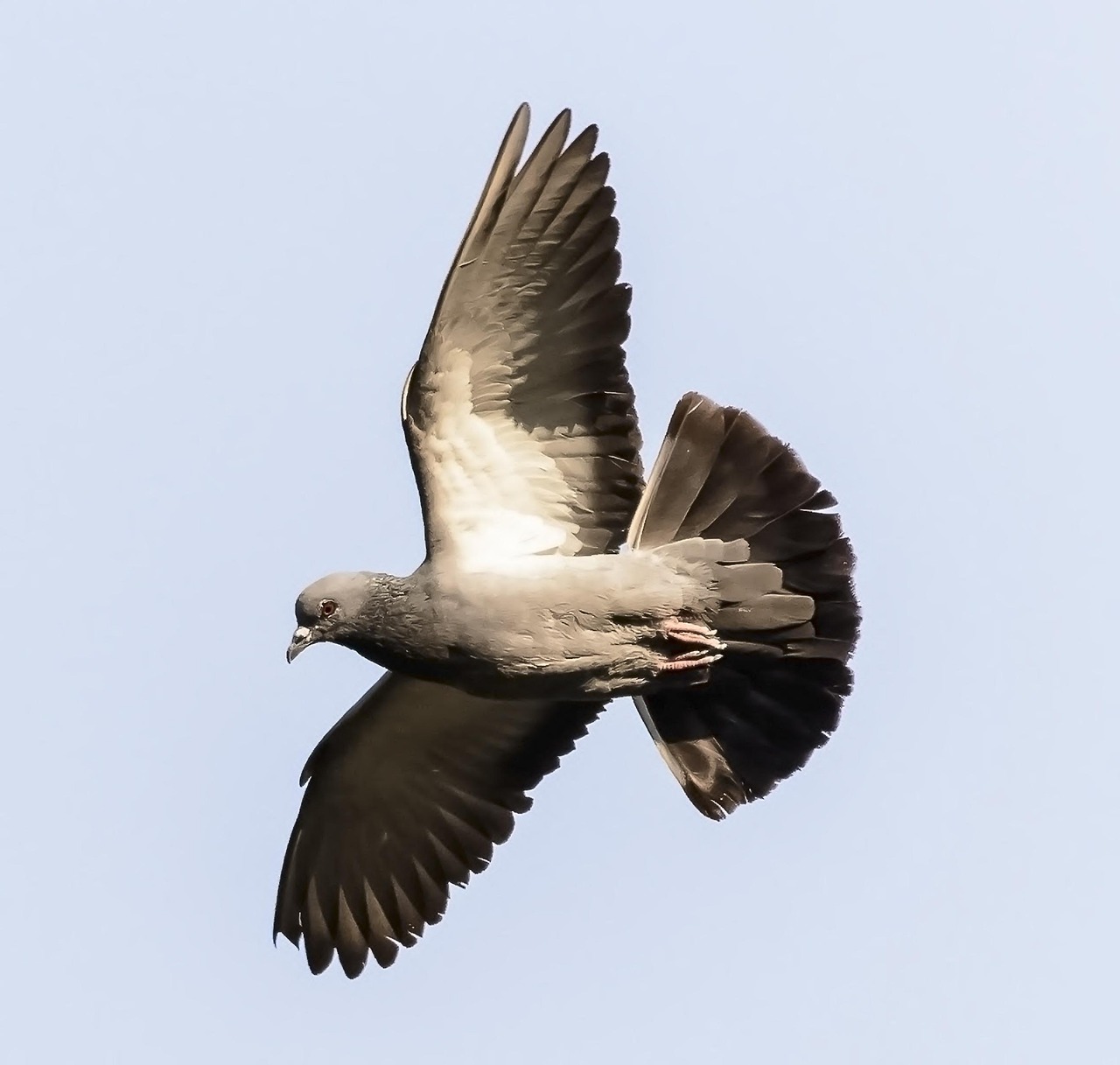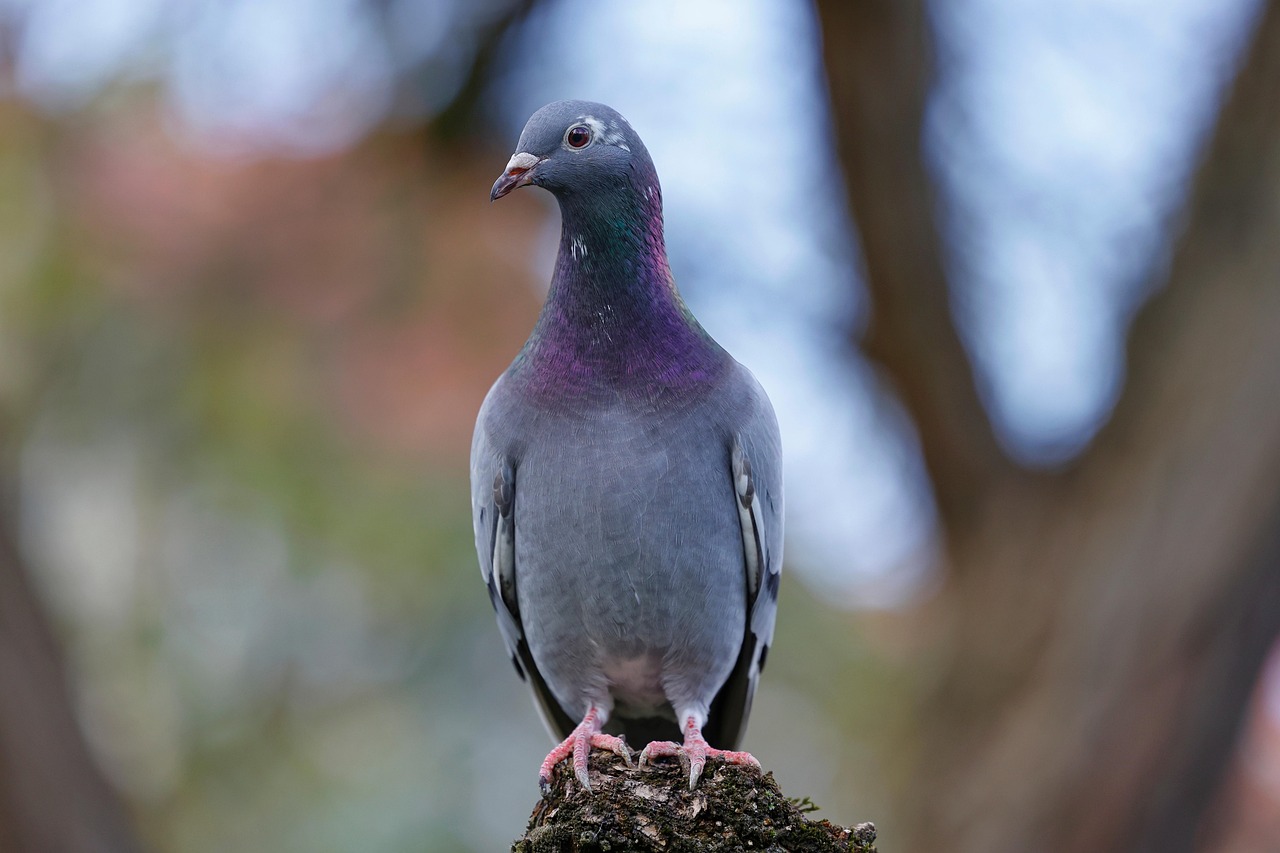
The Old German Owl pigeon, a breed celebrated for its elegance and distinctive appearance, has captivated enthusiasts worldwide, including a growing community in the Arab region. Understanding its show pigeon standards is crucial for breeders aiming to excel in competitions and preserve the breed's integrity. This article delves into the detailed criteria that define a top-quality Old German Owl, offering practical insights and examples from the Arab market to guide your journey.
The History and Origin of the Old German Owl Breed
The Old German Owl, known for its unique "owl" expression due to a pronounced frontal crest and large eyes, originated in Germany in the late 19th century. It was developed from older German breeds, with a focus on creating a pigeon that combined aesthetic appeal with a gentle temperament. Over time, it gained popularity across Europe and has recently seen a surge in interest in Arab countries, where pigeon fancying is a cherished tradition. This breed's history is not just about looks; it reflects a dedication to selective breeding that emphasizes both form and function, making it a favorite among show enthusiasts.
Development and Evolution in Germany
The breed's development involved careful crossbreeding with other German varieties, such as the Nuremberg Bagdad and the German Beauty Homer, to enhance specific traits like the crest and body shape. Breeders in Germany established strict standards early on, which have been refined through decades of shows and competitions. These standards ensure consistency in appearance, helping to maintain the breed's identity. In the Arab market, this historical background is often appreciated by breeders who value heritage and authenticity, leading to a demand for pigeons with documented lineage that traces back to German origins.
Introduction to the Arab Pigeon Community
In recent years, the Old German Owl has found a welcoming home in Arab countries like Saudi Arabia, Egypt, and the UAE, where pigeon breeding is both a hobby and a cultural practice. Local breeders have embraced the breed, integrating it into their collections and participating in regional shows. This adoption has led to a vibrant exchange of knowledge, with Arab enthusiasts adapting German standards to local conditions while maintaining core criteria. Examples from the Arab market show how breeders prioritize traits like color and feather quality, often sourcing birds from reputable European breeders to ensure adherence to original standards.
Detailed Show Pigeon Standards for Old German Owl
Show pigeon standards for the Old German Owl are comprehensive, covering every aspect from head to tail to ensure a balanced and attractive bird. These standards are set by international organizations like the European Association of Poultry, Pigeon and Rabbit Breeders (EE) and are used in competitions worldwide. In the Arab market, understanding these criteria is essential for success in local and international shows, as judges evaluate birds based on a point system that rewards conformity to these detailed specifications.
Head and Crest Requirements
The head of an Old German Owl should be broad and rounded, with a prominent frontal crest that forms a distinct "owl" look. The crest should be well-developed, starting from the base of the beak and extending over the eyes, without obstructing vision. Eyes are large, bright, and expressive, typically pearl-colored in most varieties. In the Arab market, breeders often emphasize the crest's fullness and symmetry, as these are highly prized in shows. For example, a breeder in Jordan might showcase a bird with a perfectly arched crest that enhances its regal appearance, scoring high points in local competitions.
Body Structure and Posture
The body should be medium-sized, with a compact and well-proportioned build that conveys strength and elegance. The back is broad and slightly sloping, leading to a tail that is carried horizontally without dragging. Legs are short and clean, with smooth feathering. Arab breeders, such as those in Kuwait, focus on achieving a balanced posture through selective breeding, often using birds with strong skeletal frames as breeding stock. This attention to body structure ensures that pigeons not only look good but also move gracefully in the show ring.
Feather Quality and Color Patterns
Feathers should be tight, smooth, and glossy, with no signs of roughness or gaps. Color patterns vary, including common varieties like blue, black, red, and yellow, each with specific markings such as bars or checks. In the Arab market, there is a growing interest in rare colors, like silver or dun, which can command higher prices. For instance, a breeder in the UAE might specialize in producing Old German Owls with unique color combinations, adhering to standard patterns while adding a local flair that appeals to collectors.
Evaluating Old German Owl in Show Competitions
Show competitions for Old German Owls involve rigorous judging based on the breed standards, with points allocated for each trait. Judges assess birds in categories like head, body, color, and overall condition, looking for deviations that could lower scores. In Arab countries, shows often blend traditional judging methods with international standards, creating a dynamic environment where breeders can learn and improve. Understanding the evaluation process helps breeders prepare their pigeons effectively, from grooming to presentation.
Judging Criteria and Point Allocation
Judges typically use a scorecard that breaks down standards into specific criteria, such as 20 points for head and crest, 25 points for body and posture, 20 points for color and markings, 15 points for feather quality, and 20 points for overall condition and deportment. In the Arab market, local shows might adjust these allocations slightly to emphasize traits valued regionally, like crest height or color intensity. For example, at a show in Egypt, a pigeon with exceptional crest development might earn extra points, reflecting the community's appreciation for this feature.
Common Faults and How to Avoid Them
Common faults in Old German Owls include a weak crest, poor body proportions, incorrect color patterns, and feather defects. Breeders can avoid these by selecting breeding pairs carefully, maintaining optimal health and nutrition, and regularly consulting standards. In the Arab market, experienced breeders often share tips through clubs and online forums, such as avoiding inbreeding that can lead to genetic issues. An example from Saudi Arabia shows how a breeder corrected a fault in tail carriage by introducing new bloodlines from Germany, resulting in improved show performance.
Breeding and Care Practices for Optimal Standards
Breeding Old German Owls to meet show standards requires a strategic approach that combines genetics, nutrition, and husbandry. Successful breeders focus on producing offspring that inherit desirable traits while minimizing faults. In the Arab region, where climate can vary, adapting care practices is key to maintaining pigeon health and appearance. This section explores best practices for breeding and care, with examples from Arab breeders who have achieved excellence in their flocks.
Selective Breeding Techniques
Selective breeding involves choosing parent birds with strong adherence to standards, using tools like pedigree records and performance tracking. Breeders aim to enhance specific traits, such as crest size or color clarity, over generations. In the Arab market, breeders often collaborate with international experts to import high-quality stock, as seen in Lebanon where a breeder improved his line by acquiring birds from champion German bloodlines. This technique ensures genetic diversity and progress toward ideal standards.
Nutrition and Health Management
Proper nutrition is essential for developing show-quality pigeons, with diets rich in proteins, vitamins, and minerals to support feather growth and overall vitality. Health management includes regular vaccinations, parasite control, and clean living conditions. Arab breeders, such as those in Oman, emphasize natural supplements like dates and herbs, which are traditional in the region, to boost pigeon health. By combining modern veterinary care with local practices, they maintain birds that are not only beautiful but also robust and competition-ready.
Examples from the Arab Market: Success Stories and Trends
The Arab market for Old German Owls is thriving, with numerous success stories that highlight the breed's appeal and the dedication of local breeders. From winning shows to establishing breeding programs, these examples provide inspiration and practical lessons. Trends in the market include a growing preference for rare colors and increased participation in international competitions, reflecting a globalized approach to pigeon fancying.
Notable Breeders and Their Achievements
In countries like Qatar and Bahrain, breeders have gained recognition for their Old German Owl flocks, winning awards at regional shows and exporting birds to other markets. For instance, a breeder in the UAE developed a line known for its impeccable crest and color consistency, attracting buyers from across the Middle East. These achievements demonstrate how adherence to standards, combined with local expertise, can lead to success. Breeders often share their journeys through social media and exhibitions, fostering a community of learning and innovation.
Market Trends and Future Outlook
Current trends in the Arab market include a rise in online sales and auctions, making it easier for breeders to access quality stock and connect with enthusiasts worldwide. There is also a focus on sustainability, with breeders adopting eco-friendly practices in their lofts. Looking ahead, the future of Old German Owl breeding in the region appears bright, with potential for increased collaboration and standardization. As more Arab breeders engage with global networks, the breed's standards are likely to evolve, incorporating new insights while preserving traditional values.
Conclusion
Mastering the Old German Owl show pigeon standards is a rewarding endeavor that combines art and science, offering breeders in the Arab market a path to excellence in competitions and preservation. By understanding the detailed criteria, from head to tail, and learning from real-world examples, enthusiasts can elevate their breeding programs and contribute to the breed's legacy. Remember, tools like Ghawy – Pigeon Manager (غاوي – إدارة الحمام) can streamline your management tasks, helping you track pedigrees and health records with ease. Embrace these insights to nurture your passion and achieve show-winning success with your Old German Owls.