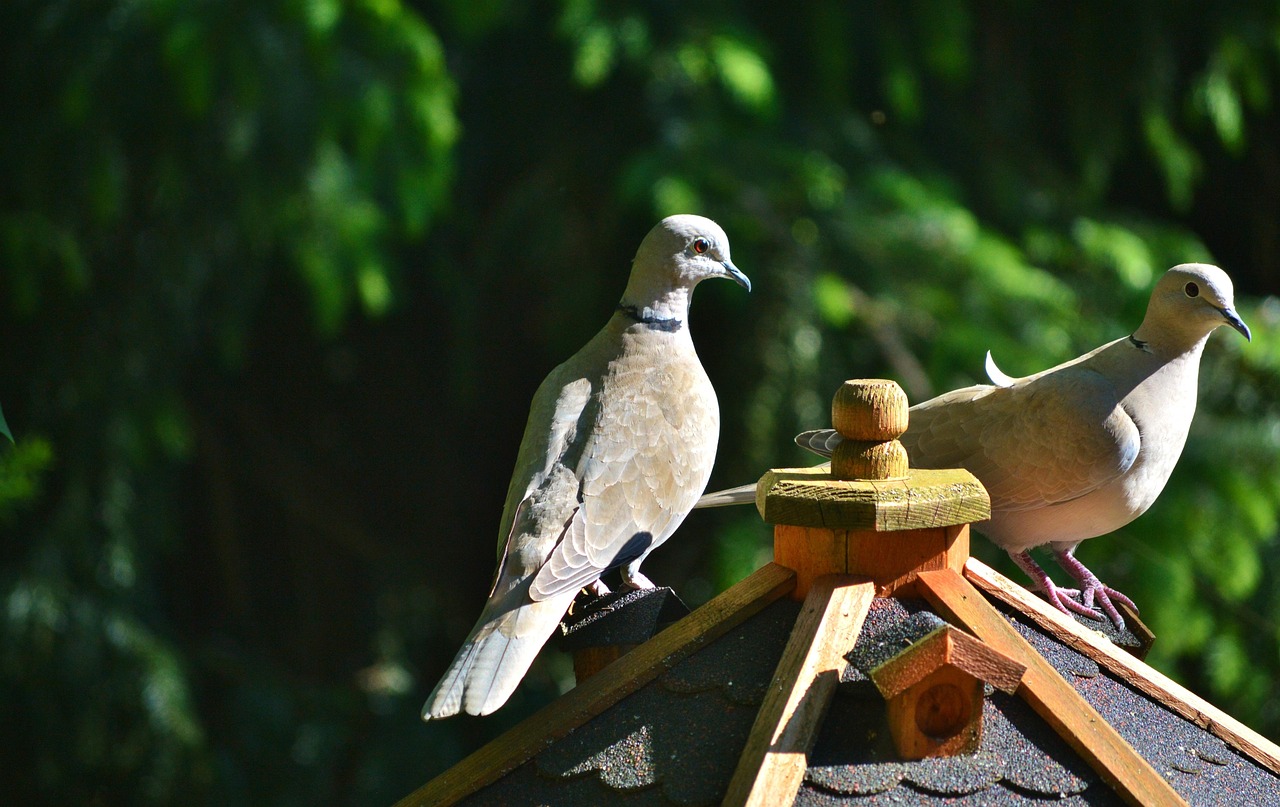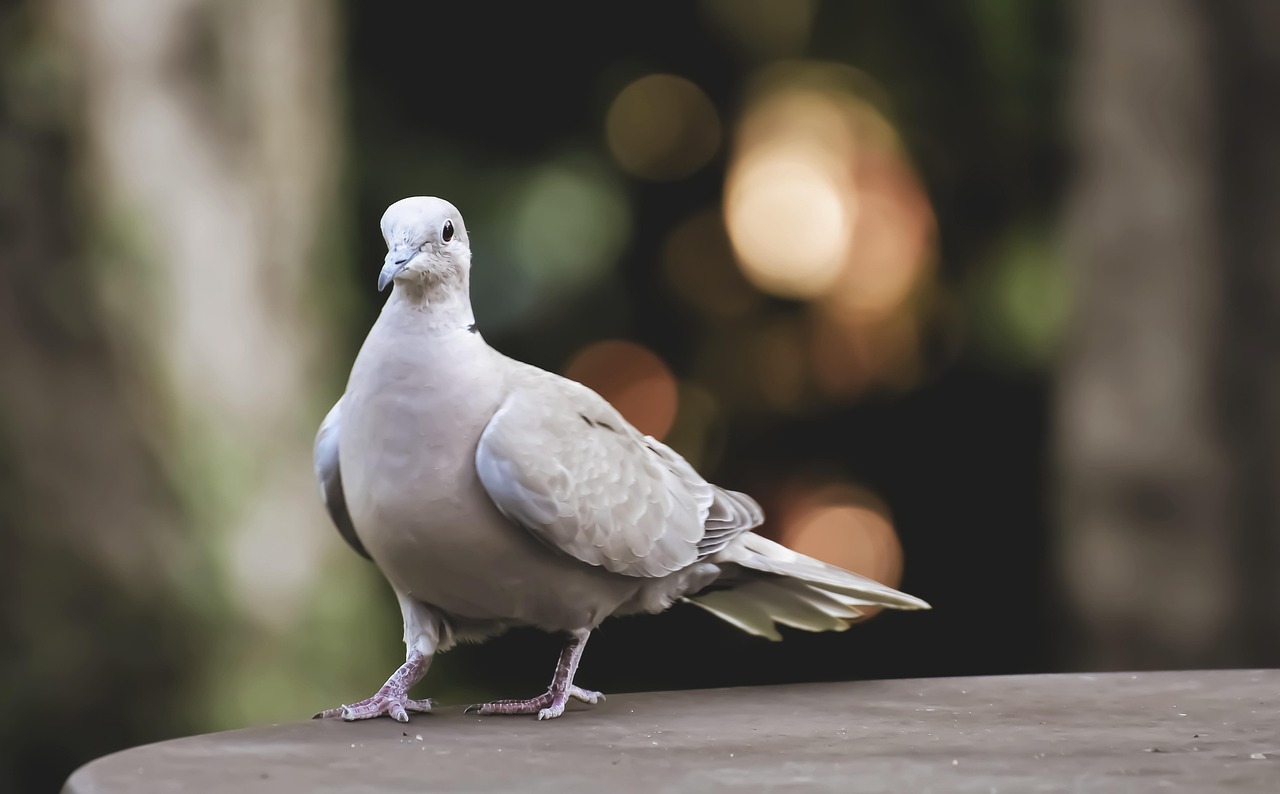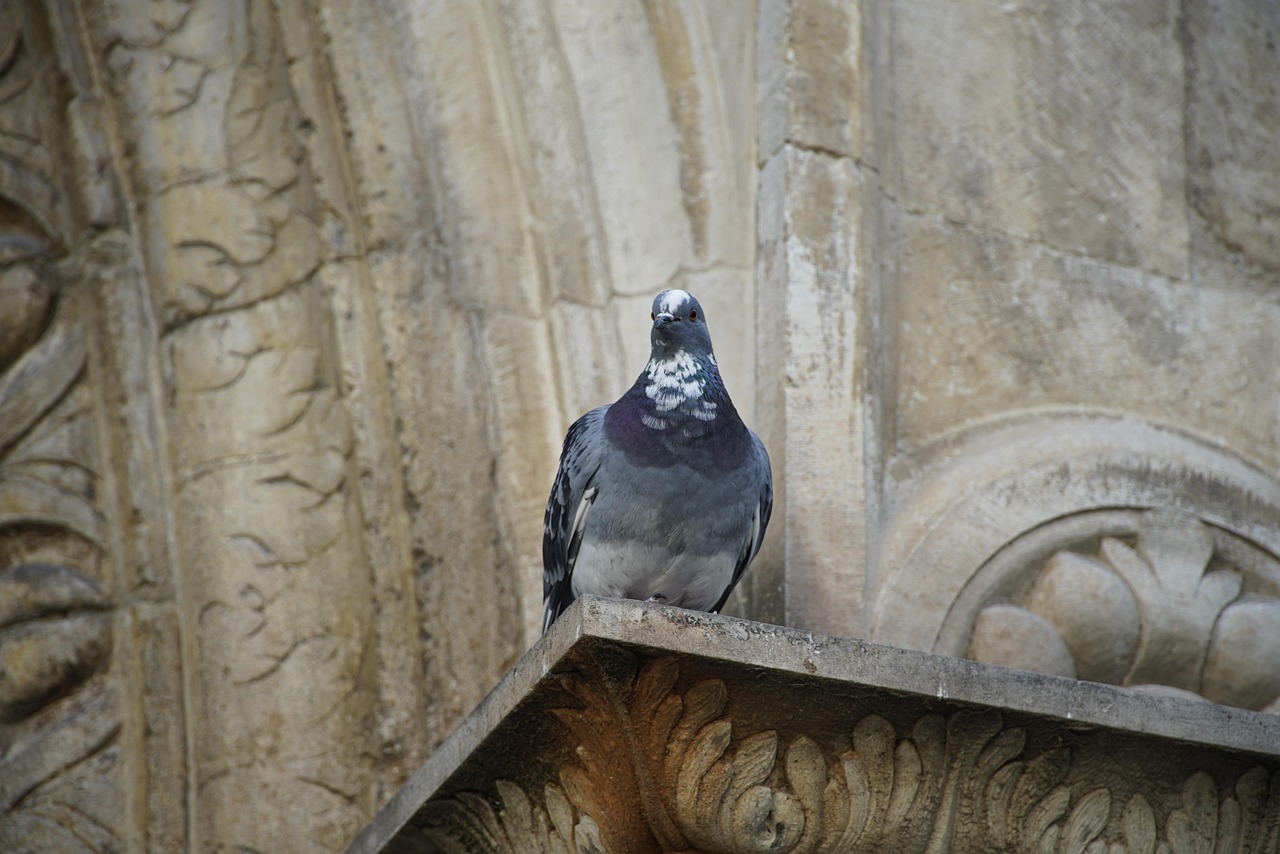
For pigeon enthusiasts, presenting rare breeds in their full glory is an art form that demands precision and passion. The right equipment can transform a simple exhibition into a breathtaking showcase, highlighting every intricate feather and unique characteristic. This guide delves into the essential tools and techniques for creating stunning displays and capturing professional-quality images of your prized pigeons.
Mastering the Show Cage Setup for Optimal Presentation
A well-designed show cage setup is the foundation of any successful pigeon exhibition, providing a safe and visually appealing environment that allows rare breeds to shine. It's not just about containment; it's about creating a stage that enhances the natural beauty and elegance of each bird. Investing time in selecting and arranging the right cage can make a significant difference in how judges and spectators perceive your pigeons.
Choosing the Right Cage Design and Materials
When selecting a cage for your show cage setup, prioritize designs that offer both security and visibility. Opt for cages with smooth, non-toxic materials like powder-coated steel or aluminum, which prevent injuries and are easy to clean. The size should allow the pigeon to move comfortably without appearing cramped, typically around 24 inches in length for medium-sized breeds. Look for cages with removable perches and feeding trays to facilitate quick adjustments during shows. Additionally, consider cages with clear acrylic panels on the sides to provide unobstructed views, ensuring that every angle of your rare pigeon is visible to onlookers.
Beyond basic structure, customization plays a key role in elevating your show cage setup. Add decorative elements like natural wood accents or subtle branding plates to create a professional look. Ensure the cage includes proper ventilation to keep your pigeon healthy and stress-free during long exhibitions. For rare breeds with specific needs, such as those with delicate plumage, padded interiors can prevent feather damage. Remember, the goal is to complement the pigeon's appearance, so avoid overly flashy designs that might distract from the bird itself.
Strategic Placement and Accessories for Impact
Once you have the ideal cage, its placement within the exhibition space is crucial for maximizing impact. Position the show cage setup at eye level to engage viewers directly, and ensure it's in a well-trafficked area without being overcrowded. Use stable, level stands to prevent wobbling, which can unsettle your pigeon. Incorporate accessories like small, discreet water dispensers and seed holders that maintain cleanliness and functionality without detracting from the display. For added elegance, consider placing a neutral-colored backdrop behind the cage to eliminate distractions and focus attention on the bird.
To enhance the overall presentation, integrate elements that reflect the rarity of your breed. For example, use signage with brief, informative descriptions about the pigeon's lineage or unique traits. In multi-cage setups, arrange cages in a symmetrical or thematic layout to create a cohesive visual story. Regularly inspect and maintain your show cage setup before each event, checking for any wear or damage that could compromise safety or aesthetics. By paying attention to these details, you'll create an environment that not only showcases your pigeon but also tells its story effectively.
Optimizing Lighting for Pigeons to Enhance Visual Appeal
Lighting for pigeons is a critical element in both live displays and photography, as it can dramatically affect how colors, textures, and forms are perceived. Proper illumination brings out the subtle hues in rare breeds' feathers and highlights their structural features, making them stand out in any setting. Whether you're preparing for a show or capturing images, understanding how to manipulate light will elevate your presentation to professional levels.
Natural vs. Artificial Light Sources for Displays
When setting up lighting for pigeons in exhibition spaces, balance natural and artificial sources to achieve optimal results. Natural light, such as from large windows, can provide a soft, flattering glow that enhances feather iridescence, but it's inconsistent and may cause glare. Position cages to avoid direct sunlight, which can overheat birds and wash out colors. Instead, use diffused natural light by placing sheer curtains or blinds to soften the intensity. For indoor shows, rely on artificial lighting like LED panels or track lights, which offer consistent brightness and color temperature control.
Artificial lighting for pigeons should mimic natural conditions to reduce stress and accurately represent colors. Choose full-spectrum LEDs with a color temperature around 5000-5500 Kelvin, which simulates daylight and minimizes color distortion. Avoid harsh, direct beams that create shadows or hotspots; instead, use softboxes or diffusers to spread light evenly across the cage. For rare breeds with dark or light plumage, adjust the intensity to prevent overexposure or underexposure. Test your lighting setup beforehand to ensure it flatters your pigeon's unique characteristics without causing discomfort.
Advanced Techniques for Photographic Lighting
In photography, lighting for pigeons requires more precision to capture every detail of rare breeds. Start with a three-point lighting setup: a key light as the primary source, a fill light to reduce shadows, and a backlight to separate the pigeon from the background. Use reflectors or bounce cards to soften shadows and highlight feather textures. For macro shots of intricate patterns, consider ring lights or small, focused LEDs that provide even illumination without casting harsh lines. Experiment with angles to find the most flattering light that accentuates the pigeon's form and color.
To achieve professional-quality images, pay attention to color accuracy and consistency. Calibrate your camera and lighting equipment to match the true colors of your pigeon's plumage. For dynamic shots, incorporate adjustable lighting systems that allow you to change intensity and direction quickly. In post-processing, use software to fine-tune exposure and contrast, but avoid over-editing that alters the natural appearance. By mastering these techniques, you'll create stunning photographs that showcase the rarity and beauty of your pigeons, whether for competitions, portfolios, or personal archives.
Essential Photography Gear for Capturing Rare Breeds
Photographing rare pigeons requires specialized equipment to capture their elegance and uniqueness with clarity and artistry. From cameras to lenses, each piece of gear plays a vital role in producing images that do justice to these magnificent birds. Investing in the right tools will help you document and share your passion with others, whether for educational purposes or competitive showcases.
Camera and Lens Selection for Detailed Shots
Selecting the right camera is the first step in photographing rare breeds effectively. A DSLR or mirrorless camera with high resolution (at least 24 megapixels) allows for detailed captures that can be enlarged without losing quality. Pair it with a versatile lens, such as a macro lens for close-ups of feather patterns or a telephoto lens for candid shots from a distance. Consider lenses with image stabilization to reduce blur, especially in low-light conditions common at exhibitions. For beginners, a standard zoom lens (e.g., 24-70mm) offers flexibility for various shooting scenarios.
Beyond basic equipment, accessories like tripods and remote shutters enhance stability and precision. Use a tripod to keep the camera steady during long exposures or when shooting in crowded environments. Remote shutters prevent camera shake and allow you to capture natural behaviors without disturbing the pigeon. For rare breeds with fast movements, a camera with a high burst rate (e.g., 10 frames per second) can help you seize fleeting moments. Remember to clean your gear regularly to avoid dust spots on images, and always have spare batteries and memory cards on hand for extended shoots.
Backgrounds and Props for Artistic Composition
Creating compelling photographs involves more than just the pigeon; backgrounds and props set the scene and emphasize rarity. Choose neutral or complementary backgrounds that don't compete with the bird's colors, such as soft grays, greens, or blacks. Seamless paper or fabric backdrops are ideal for studio shots, while natural settings like gardens can add context for lifestyle images. Incorporate props sparingly, such as perches or decorative elements that reflect the breed's heritage, but ensure they don't overshadow the main subject.
To add depth and interest, experiment with different angles and perspectives. Shoot from eye level to create an intimate connection, or from above to highlight symmetrical patterns. Use shallow depth of field (achieved with a wide aperture) to blur backgrounds and focus attention on the pigeon. For action shots, pre-focus on areas where the bird is likely to move, and use continuous autofocus to track it. By combining technical skills with creative composition, you'll produce photographs that not only document but also celebrate the beauty of rare pigeon breeds.
Integrating Technology for Enhanced Display Management
Modern technology offers innovative solutions to streamline and enhance the presentation of rare pigeons, from digital displays to automated systems. Embracing these tools can save time, improve accuracy, and create more engaging experiences for both exhibitors and audiences. By integrating tech into your setup, you'll stay ahead in the competitive world of pigeon showing.
Digital Tools for Cage Monitoring and Adjustments
Incorporate digital sensors and monitors into your show cage setup to maintain optimal conditions for rare breeds. Temperature and humidity sensors can alert you to changes that might affect your pigeon's comfort, allowing quick adjustments. Use wireless cameras to observe birds remotely during exhibitions, reducing stress from frequent check-ins. For lighting control, smart systems enable you to adjust brightness and color temperature via smartphone apps, ensuring consistent lighting for pigeons throughout the event. These tools not only enhance welfare but also provide data to refine your presentation over time.
Beyond monitoring, digital displays can enrich the viewer experience. Install small screens near cages to show videos or slideshows about the breed's history and characteristics. Use QR codes that link to online portfolios or breeding records, offering deeper insights for interested spectators. For photography, tethering software allows real-time image review on a larger screen, facilitating immediate adjustments. By leveraging technology, you create a dynamic and informative display that highlights the rarity and value of your pigeons.
Software for Portfolio and Competition Preparation
Utilize software applications to organize and showcase your rare pigeon collection effectively. Image editing programs like Adobe Lightroom help enhance photographs by adjusting exposure, color balance, and sharpness. Database software can catalog breeding lines, health records, and competition results, making it easier to track and present your birds' achievements. For virtual shows or online submissions, use platforms that allow high-quality image uploads and detailed descriptions. These tools streamline preparation and increase your chances of success in competitive arenas.
To maximize impact, integrate these technologies into a cohesive system. For example, sync sensor data with your database to create comprehensive health reports, or use editing software to prepare images for digital displays. Stay updated on new tech trends, such as augmented reality apps that let viewers visualize pigeons in different environments. By adopting a tech-savvy approach, you'll not only improve your display and photography but also connect with a broader audience of enthusiasts and judges.
Conclusion
Showcasing rare pigeon breeds is a rewarding endeavor that blends art, science, and passion. By mastering the show cage setup, optimizing lighting for pigeons, investing in quality photography gear, and integrating modern technology, you can create presentations that truly honor these magnificent birds. Remember, every detail counts—from the cage materials to the camera angles—in highlighting their unique beauty. For those looking to streamline their management and enhance their displays, consider exploring tools like Ghawy – Pigeon Manager (غاوي – إدارة الحمام) to support your journey. With dedication and the right equipment, you'll not only impress at shows but also preserve the legacy of rare breeds for generations to come.