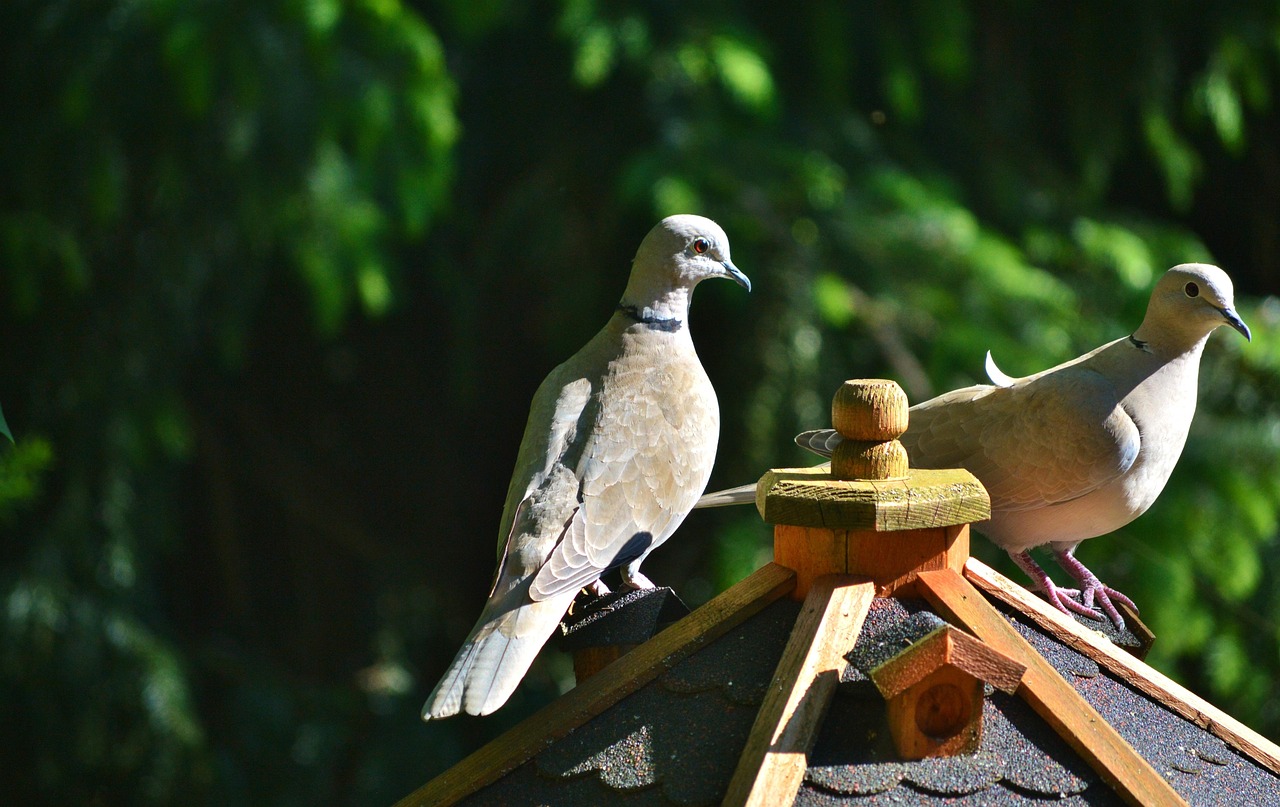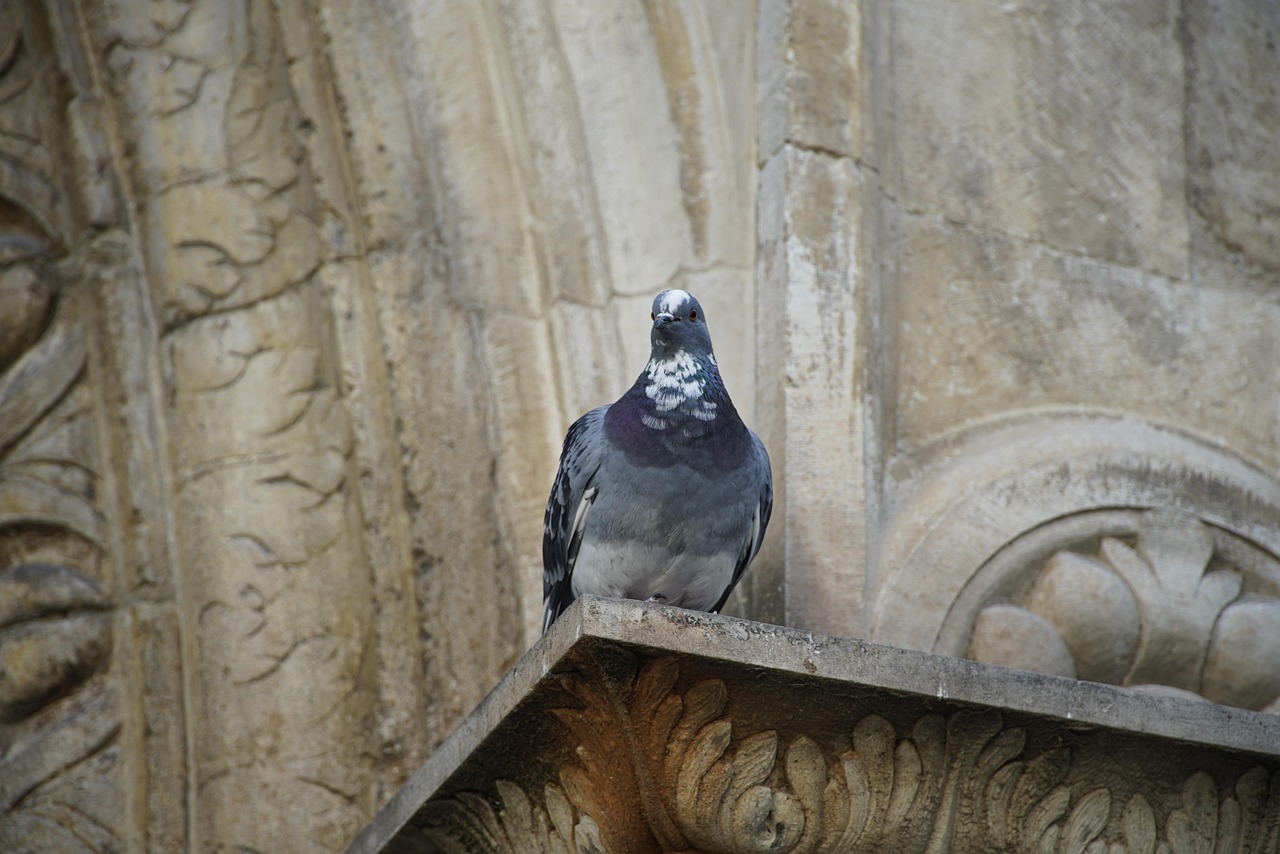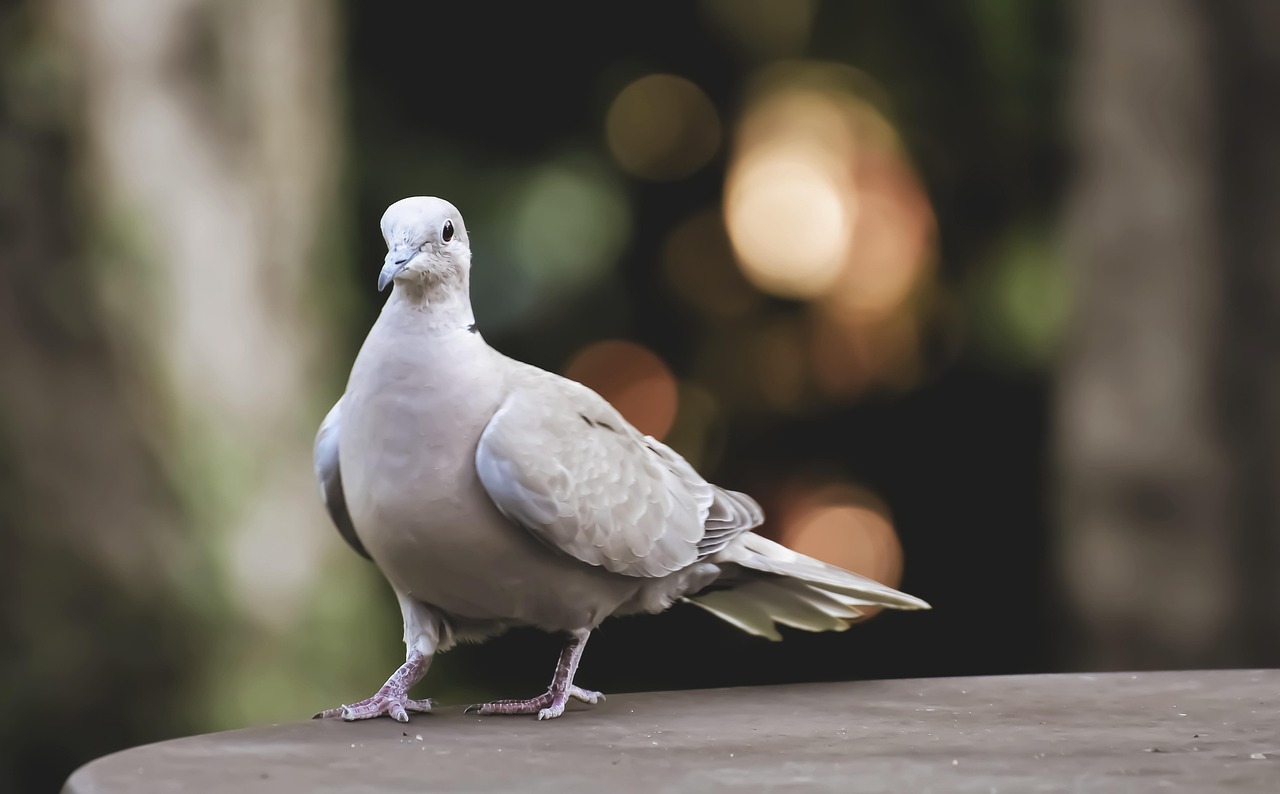
For pigeon enthusiasts, showcasing rare breeds is an art that demands precision and passion. The right equipment can transform a simple display into a breathtaking exhibition, highlighting every unique feather and graceful posture. This guide delves into the essential gear for creating stunning visual presentations that captivate judges and audiences alike.
Mastering the Show Cage Setup for Optimal Presentation
A well-designed show cage setup is the foundation of any successful pigeon exhibition. It not only ensures the safety and comfort of your birds but also enhances their natural beauty, allowing their rare traits to shine. Investing in quality cages tailored to your breed's specific needs can make a significant difference in competitive settings.
Choosing the Right Cage Design and Materials
When selecting a cage, prioritize durability and aesthetics. Stainless steel or powder-coated metal cages are ideal for their longevity and ease of cleaning, while wooden frames can add a classic touch. Ensure the cage size accommodates your pigeon's wingspan and movement, with dimensions typically ranging from 24 to 36 inches in length. A proper show cage setup includes features like removable perches and secure latches to prevent escapes during transport or display.
Consider the cage's visibility; opt for designs with clear, unobstructed views from all angles. Mesh or bar spacing should be narrow enough to prevent injury but wide enough to allow adequate ventilation. For rare breeds, custom cages with padded interiors can protect delicate plumage, ensuring your pigeons arrive at shows in pristine condition. Regularly inspect and maintain your cages to avoid rust or damage that could detract from your presentation.
Enhancing Display with Accessories and Layout
Accessories play a crucial role in elevating your show cage setup. Start with a stable base or stand that raises the cage to eye level, making it easier for viewers to appreciate your pigeons. Incorporate natural elements like small branches or artificial foliage to create a habitat-like environment, but avoid overcrowding that might obscure the birds. Use clean, neutral-colored bedding materials, such as wood shavings or paper, to contrast with your pigeon's colors and keep the cage hygienic.
Arrange multiple cages in a cohesive layout for group displays, ensuring each bird has enough space to avoid stress. Strategic placement can guide the audience's gaze, highlighting your rarest specimens. For photography sessions, set up cages against plain backgrounds to minimize distractions. Remember, a thoughtful show cage setup not only showcases your pigeons but also reflects your dedication as an enthusiast.
- Select cages with secure doors and smooth edges to prevent injuries.
- Use adjustable perches to encourage natural postures during shows.
- Incorporate lightweight materials for easy transport to events.
Optimizing Lighting for Pigeons in Photography and Shows
Lighting for pigeons is a critical element that can make or break your visual presentations. Proper illumination enhances feather iridescence, reveals subtle color variations, and creates a professional ambiance. Whether for live shows or photography, understanding light dynamics ensures your rare breeds are displayed in their best light.
Natural vs. Artificial Lighting Techniques
Natural light offers a soft, flattering glow that brings out the true colors of your pigeons. Position cages near windows during daytime shows, but avoid direct sunlight that can cause overheating or glare. For indoor events, artificial lighting provides consistent control. LED panels with adjustable color temperatures (around 5000K for neutral white) are excellent for simulating daylight. Ensure even distribution to prevent harsh shadows that might obscure details.
In photography, use diffusers or softboxes to soften artificial light, reducing reflections on feathers. Experiment with angles to highlight unique features, such as the sheen on a rare breed's neck. Avoid fluorescent lights that can cast unflattering tones. For shows, consider ambient lighting that complements the overall venue, creating a welcoming atmosphere for viewers. Regularly test your lighting for pigeons setup to ensure it meets safety standards and doesn't stress the birds.
Advanced Lighting Strategies for Highlighting Rare Traits
To accentuate the beauty of rare pigeons, employ targeted lighting techniques. Use spotlights with dimmable controls to draw attention to specific birds or features, like intricate feather patterns. Backlighting can create a halo effect, emphasizing silhouettes and adding depth to your display. For photography, combine multiple light sources to eliminate shadows and capture every detail, especially for breeds with dark or iridescent plumage.
Monitor light intensity to prevent discomfort; pigeons are sensitive to bright lights, so aim for moderate levels that enhance without overwhelming. In show settings, coordinate lighting with cage placement to ensure all birds are equally illuminated. For rare breeds with unique colors, adjust lighting to match their natural hues, using color gels if necessary. Remember, effective lighting for pigeons not only showcases their beauty but also protects their well-being during extended events.
Essential Photography Equipment for Capturing Pigeon Elegance
Photography allows you to preserve and share the elegance of rare pigeons beyond live shows. With the right gear, you can capture stunning images that highlight every detail, from feather textures to expressive eyes. This section covers the must-have equipment for amateur and professional photographers alike.
Cameras and Lenses for Detailed Shots
Invest in a DSLR or mirrorless camera with high resolution (at least 24 megapixels) to capture fine details. A macro lens is essential for close-ups of feathers and eyes, while a standard zoom lens (e.g., 24-70mm) works well for full-body shots. Ensure your camera has fast autofocus to track moving pigeons, especially during active displays. For beginners, a good-quality smartphone with manual settings can also yield impressive results when paired with proper lighting.
Use a tripod to stabilize your camera, reducing blur in low-light conditions. This is crucial for sharp images that showcase rare traits. Experiment with aperture settings to control depth of field; a wider aperture (e.g., f/2.8) can isolate your pigeon from the background, emphasizing its beauty. Regularly clean your lens to avoid dust spots that might ruin shots. Practice with different angles to find the most flattering perspectives for your breeds.
Accessories and Editing Tools for Professional Results
Enhance your photography with accessories like remote shutters to minimize camera shake and reflectors to bounce light onto shadowed areas. A portable backdrop in neutral colors (e.g., gray or white) helps keep the focus on your pigeons. For editing, use software like Adobe Lightroom to adjust exposure, contrast, and colors, ensuring your images accurately represent your birds' rare features.
Shoot in RAW format for greater flexibility in post-processing, allowing you to recover details in highlights and shadows. When editing, avoid over-saturation that can make colors look unnatural. Instead, aim for subtle enhancements that bring out the pigeon's true appearance. Share your best shots online or in portfolios to build recognition for your rare breeds. Remember, consistent practice and patience are key to mastering pigeon photography.
Integrating Display and Photography for Maximum Impact
Combining a stellar show cage setup with expert lighting for pigeons and photography creates a cohesive presentation that wows audiences. This holistic approach ensures your rare breeds are showcased effectively in both live and digital formats, boosting their appeal and value.
Planning Cohesive Exhibitions and Portfolios
Start by designing your display with photography in mind. Arrange cages and lighting to facilitate easy shooting, minimizing the need for adjustments during events. Use consistent themes across your setup and images, such as matching backgrounds or color schemes, to create a professional brand identity. For shows, coordinate with event organizers to secure optimal spots for natural light or power access for artificial setups.
Develop a portfolio that includes high-quality photos alongside descriptions of your rare breeds. This can be used for online promotion, breeding records, or competition entries. Update it regularly with new images and achievements. When integrating display and photography, prioritize your pigeons' comfort; avoid frequent moves or bright flashes that might cause stress. A well-planned approach saves time and enhances the overall experience for both you and your birds.
Leveraging Technology for Enhanced Presentations
Incorporate digital tools to elevate your displays. Use tablets or screens near cages to show close-up photos or videos of your pigeons, providing additional context for viewers. For online audiences, live-stream shows with good lighting and clear camera angles. Utilize social media to share behind-the-scenes content, building engagement and interest in your rare breeds.
Consider 3D scanning or virtual reality for immersive experiences, though these are advanced options. Focus on basics first, like ensuring your show cage setup and lighting for pigeons are flawless. As you grow, explore new technologies that align with your goals. The key is to blend traditional exhibition skills with modern techniques, creating a dynamic presentation that stands out in the competitive pigeon world.
Conclusion
Showcasing rare pigeons requires a blend of art and science, from meticulous show cage setups to precise lighting for pigeons and photography. By investing in quality equipment and mastering these techniques, you can highlight the unique beauty of your breeds, whether in live shows or digital portfolios. Remember, the goal is to create presentations that honor these magnificent birds while engaging audiences. For enthusiasts looking to streamline their management and exhibition efforts, tools like Ghawy – Pigeon Manager (غاوي – إدارة الحمام) offer valuable support in tracking and showcasing your collection. Start implementing these tips today to elevate your pigeon displays to new heights.