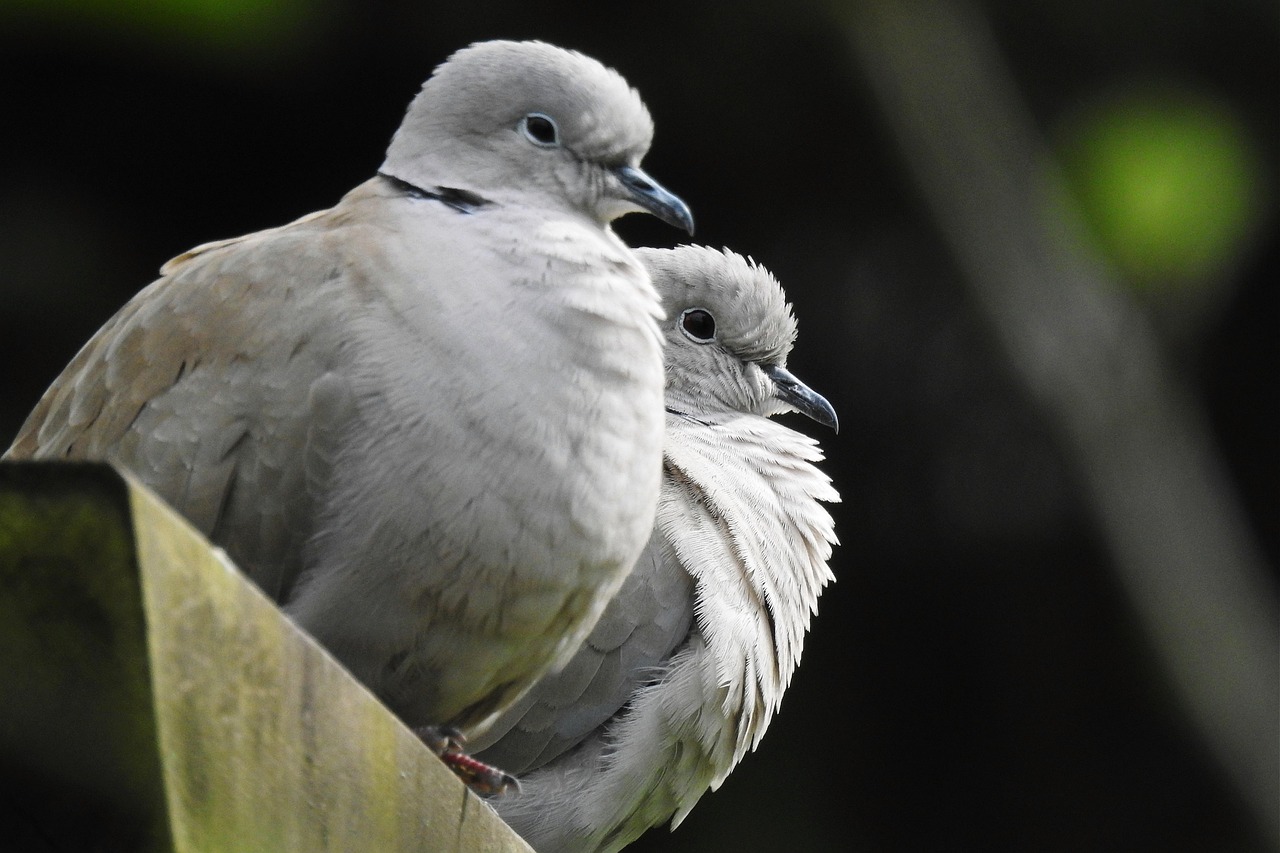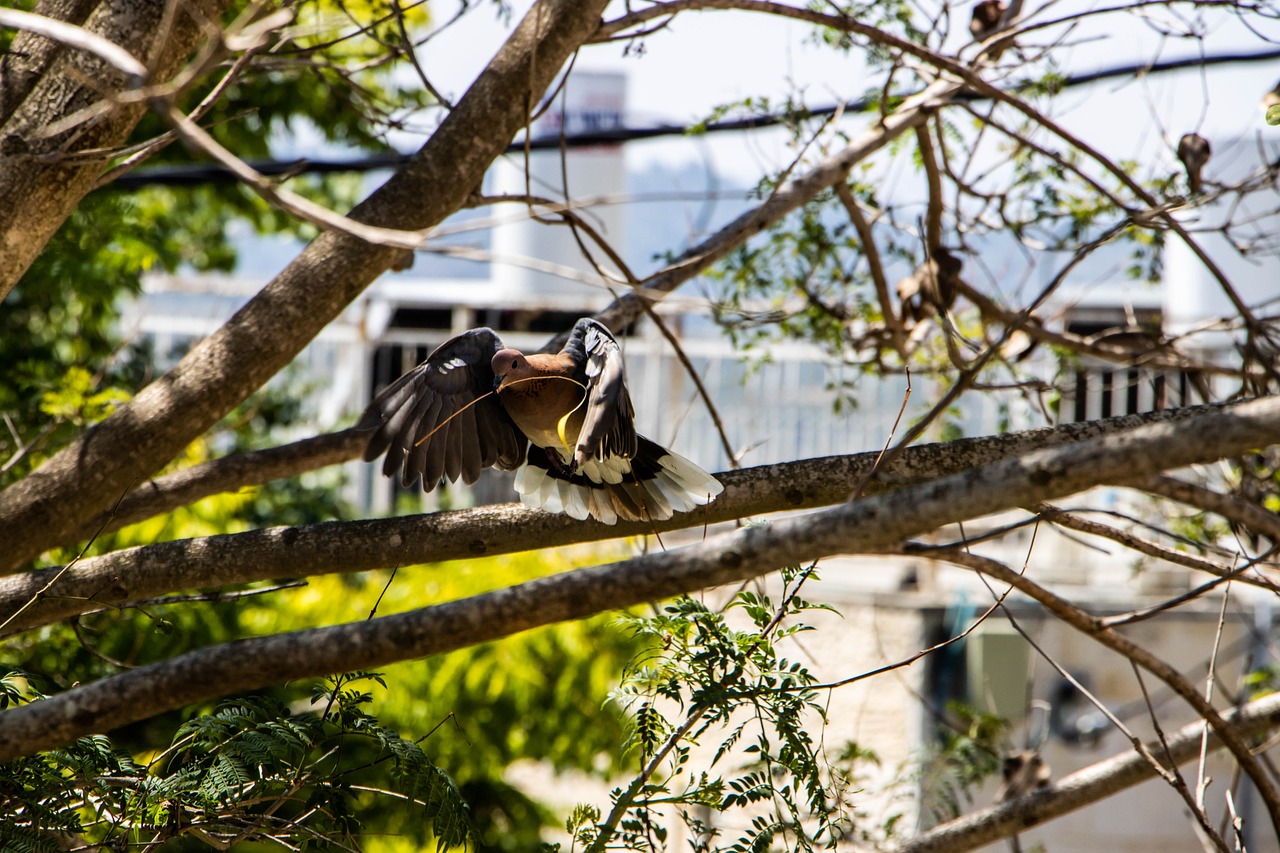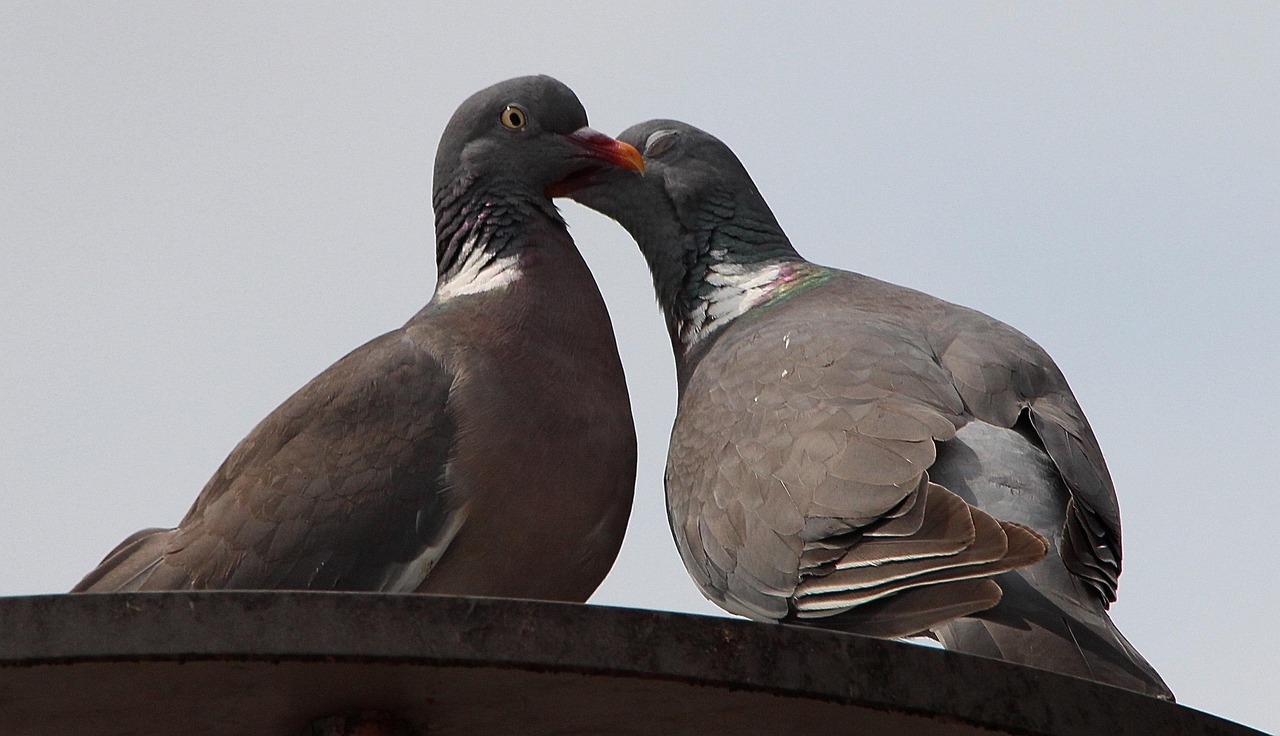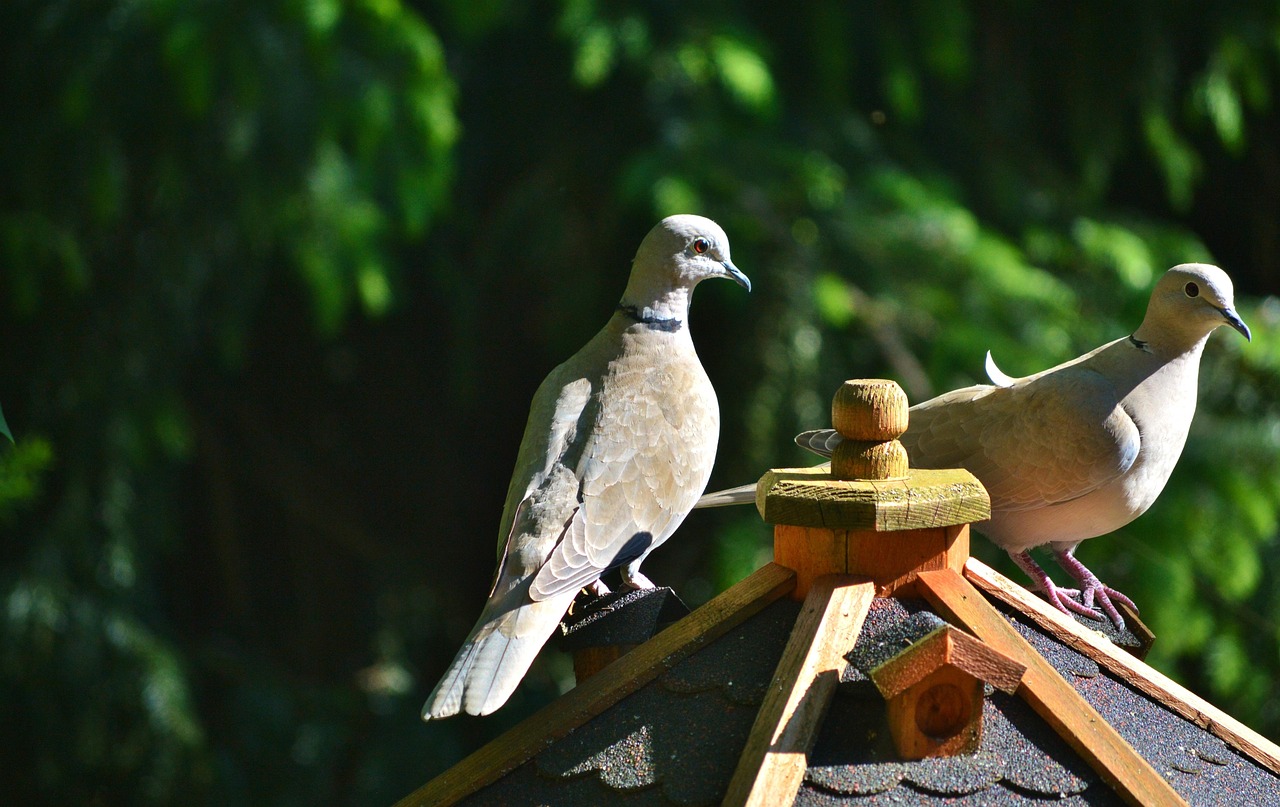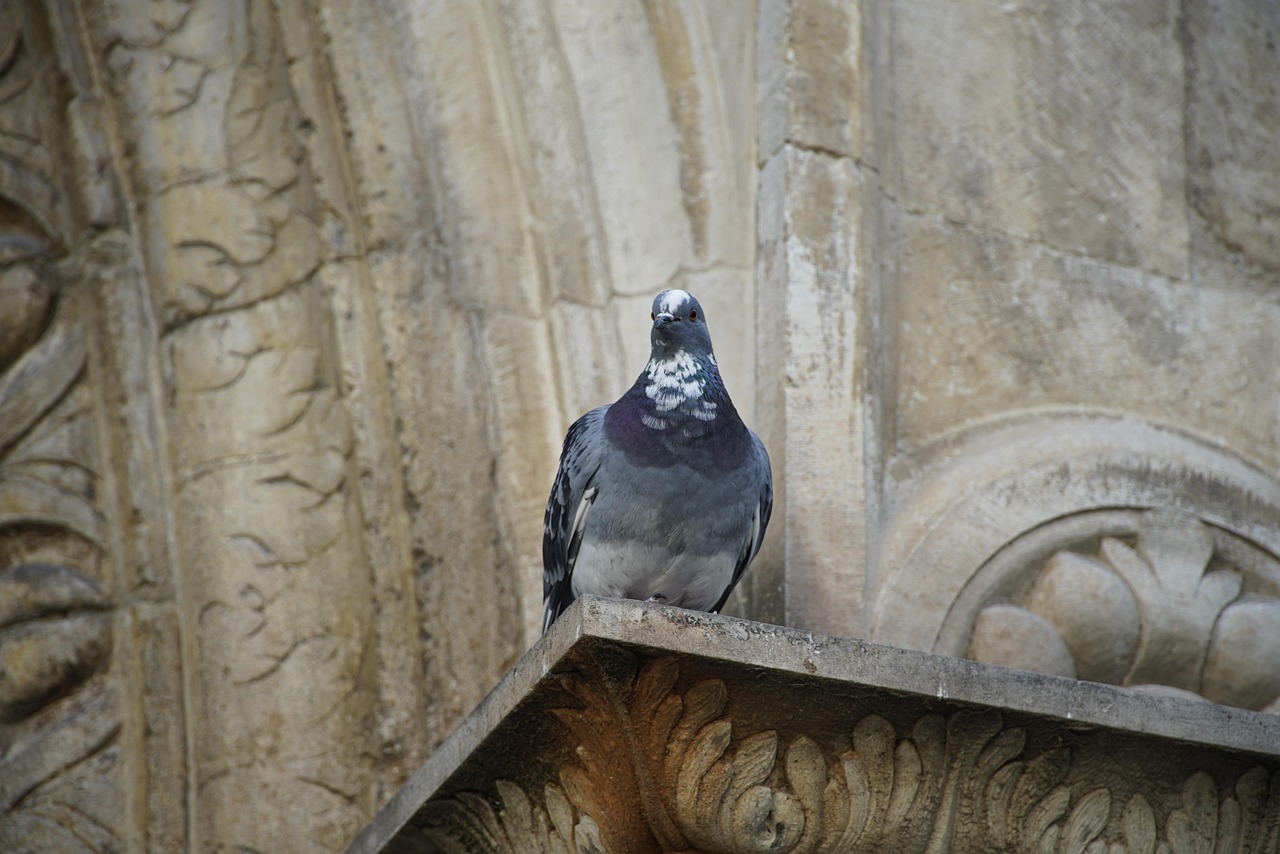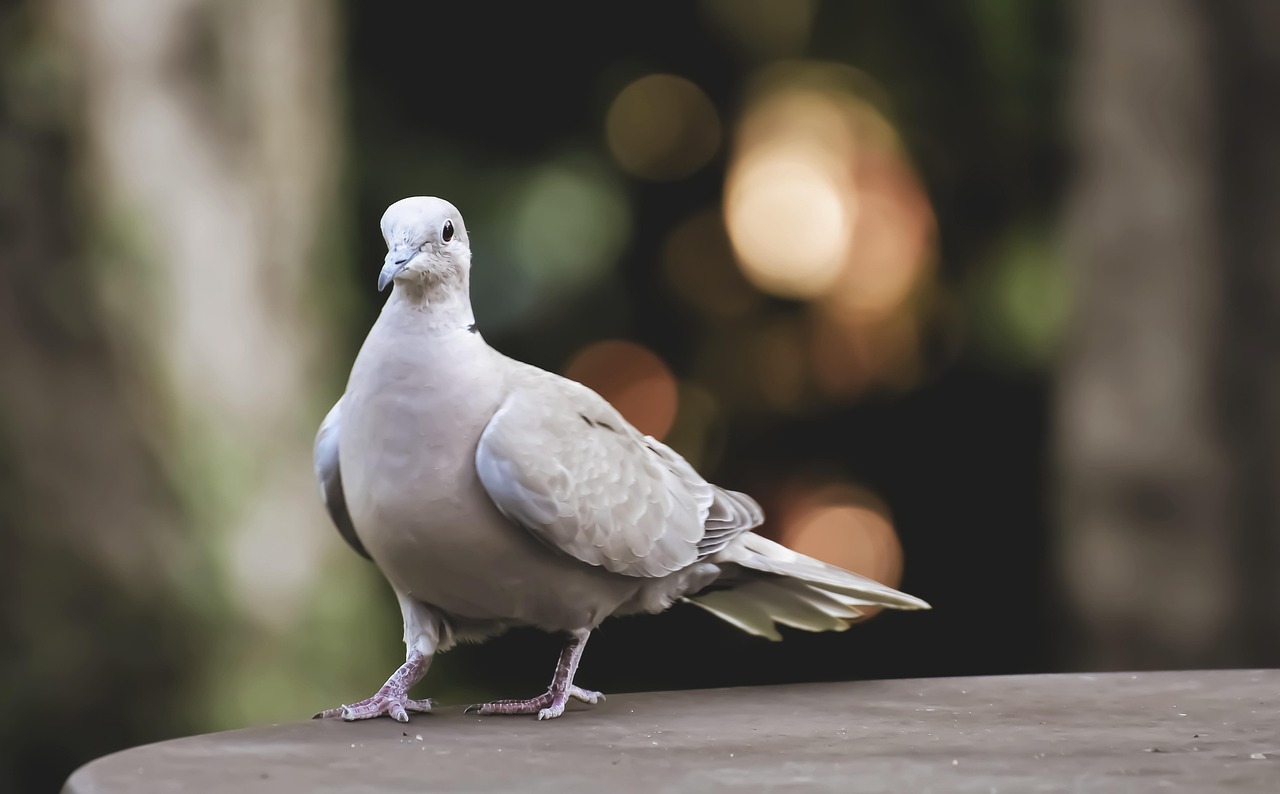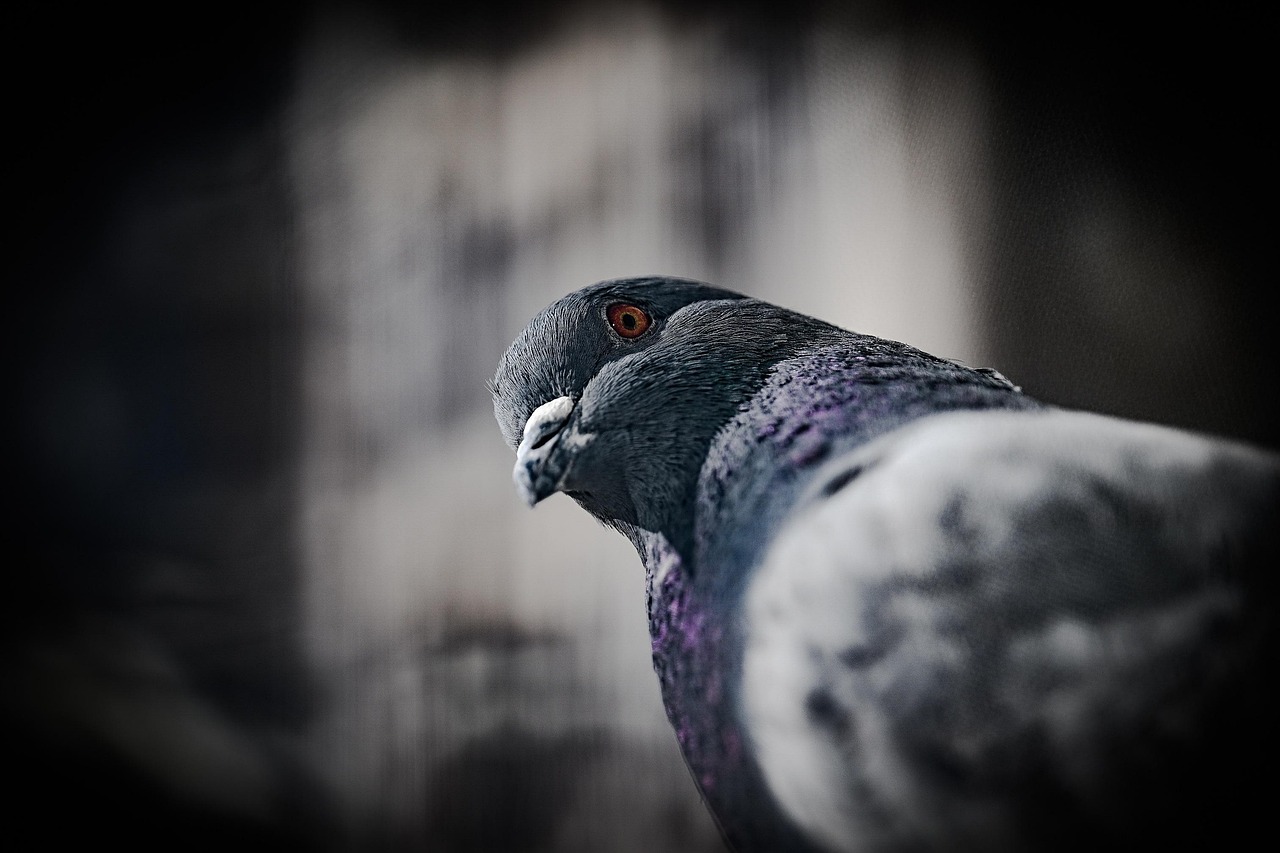
In the competitive world of pigeon shows, a bird's market value is often determined by its visual appeal in photographs. This guide explores how expert pigeon photography can elevate your show presentation, turning your prized birds into standout contenders. By mastering techniques that highlight their unique features, you can significantly boost their perceived worth and attract serious buyers.
The Art of Pigeon Photography: Capturing True Essence
Pigeon photography is more than just taking pictures; it's an art form that requires understanding your subject's anatomy and personality. A great photo can convey the bird's health, breed standards, and unique characteristics, making it essential for effective show presentation. This section delves into the foundational skills needed to create compelling images that resonate with judges and enthusiasts alike.
Understanding Your Subject: Anatomy and Breed Standards
Before you even pick up a camera, spend time studying your pigeon's breed specifications. Each breed has distinct features, such as feather patterns, eye color, and body shape, that must be highlighted in photos. For example, a show racer might emphasize sleek lines and muscular build, while a fancy pigeon focuses on ornate plumage and posture. By aligning your photography with these standards, you ensure your images accurately represent the bird's quality, which is crucial for market valuation. Knowledge of these details allows you to capture shots that appeal to specific audiences, whether they're breeders, judges, or collectors.
Additionally, observe your pigeon's behavior to anticipate its best angles and expressions. Some birds may naturally pose with confidence, while others require patience to capture their grace. Understanding these nuances helps you plan your shoots, reducing stress on the bird and resulting in more natural, appealing photos. This attention to detail not only enhances the visual appeal but also demonstrates your expertise, adding credibility to your show presentation efforts.
Essential Equipment for Professional Shots
Investing in the right equipment can make a significant difference in pigeon photography quality. A DSLR or mirrorless camera with a macro lens is ideal for capturing fine details like feather texture and eye clarity. Good lighting, such as soft natural light or a diffused flash, prevents harsh shadows and highlights the bird's colors accurately. A clean, neutral background, like a plain cloth or specialized backdrop, ensures the pigeon remains the focal point without distractions.
Beyond hardware, consider accessories like a tripod for stability and props that enhance the scene without overpowering the subject. For instance, a simple perch can showcase the bird's posture, while subtle decorations might reflect its breed heritage. By using these tools effectively, you create professional-grade images that stand out in show presentations, ultimately increasing the pigeon's market value through superior visual storytelling.
Lighting and Composition: Crafting the Perfect Shot
Lighting and composition are critical elements in pigeon photography that can transform an ordinary photo into a masterpiece. Proper lighting brings out the bird's colors and textures, while thoughtful composition guides the viewer's eye to its best features. This section covers techniques to optimize these aspects for impactful show presentation.
Mastering Natural and Artificial Light
Natural light, especially during golden hours in the early morning or late afternoon, provides a soft, flattering glow that enhances feather details without overexposure. Position your pigeon so the light illuminates its key attributes, such as iridescent neck feathers or bright eyes. Avoid direct midday sun, which can create harsh shadows and wash out colors. If shooting indoors, use artificial lights with diffusers to mimic natural conditions, ensuring even coverage and minimizing glare.
Experiment with different lighting setups to highlight specific traits; for example, side lighting can emphasize body contours, while backlighting might create a dramatic silhouette. Consistency in lighting across multiple photos helps build a cohesive portfolio for show presentation, making your pigeons look their best in every shot. Remember, good lighting not only improves image quality but also conveys a sense of health and vitality, key factors in market valuation.
Composition Techniques for Dynamic Images
Effective composition in pigeon photography involves framing your subject to tell a story. Use the rule of thirds to place the bird off-center, creating a balanced and engaging image. Focus on the eyes, as they are often the most expressive part, and ensure they are sharp and clear. Incorporate negative space around the pigeon to draw attention and give it room to "breathe," which can enhance its elegance in show presentations.
Vary your angles to showcase different perspectives, such as a low shot to emphasize stature or a close-up to detail unique markings. Avoid cluttered backgrounds that distract from the subject, and consider using leading lines, like perches or feathers, to guide the viewer's gaze. By applying these composition principles, you create visually striking photos that capture the pigeon's essence, making them more appealing to potential buyers and judges.
Show Presentation Strategies: From Photos to Market Value
Pigeon photography is a powerful tool for show presentation, but its impact extends beyond the image itself. How you present these photos can directly influence market value, by creating a compelling narrative around your birds. This section explores strategies to leverage photography for maximum effect in competitive settings.
Building a Professional Portfolio
A well-curated portfolio is essential for showcasing your pigeons in shows and online platforms. Include a variety of shots that highlight different aspects, such as full-body poses, close-ups of distinctive features, and action shots that demonstrate vitality. Organize the portfolio by breed or theme, making it easy for viewers to navigate and appreciate each bird's qualities. High-quality images should be accompanied by brief descriptions that note key attributes, like awards or lineage, to add context and credibility.
Regularly update your portfolio with new photos to reflect improvements or new additions, keeping it fresh and engaging. Use this collection in show presentations, whether in physical displays or digital galleries, to create a cohesive brand image. A strong portfolio not only attracts attention but also builds trust with potential buyers, as it shows dedication and expertise, ultimately boosting the pigeon's perceived value.
Leveraging Social Media and Online Platforms
In today's digital age, online presence plays a crucial role in pigeon show presentation. Share your best photos on social media platforms like Instagram or specialized forums, using relevant hashtags like #pigeonphotography and #showpresentation to reach a wider audience. Engage with the community by posting behind-the-scenes content or tips, which can establish you as an authority and drive interest in your birds.
Consider creating a dedicated website or blog to showcase your work, offering insights into your photography process and pigeon care. This not only enhances your credibility but also provides a platform for direct sales or inquiries. By effectively using online tools, you can amplify the impact of your photography, reaching potential buyers globally and increasing market value through enhanced visibility and reputation.
Advanced Techniques for Competitive Edge
To stand out in crowded pigeon shows, advanced photography techniques can give you a competitive edge. These methods go beyond basics, focusing on creativity and innovation to capture unique perspectives that elevate show presentation. This section delves into specialized approaches for experienced enthusiasts.
Action and Behavioral Photography
Capturing pigeons in motion or displaying natural behaviors adds dynamism to your portfolio, showcasing their vitality and personality. Use fast shutter speeds to freeze action, such as flying or preening, without blur. Patience is key; observe your birds to anticipate moments of interest, like courtship displays or feeding, which can tell a richer story in show presentations.
Incorporate these action shots into your displays to demonstrate the pigeon's energy and health, factors that appeal to judges and buyers. Pair them with static poses for a balanced view, highlighting both form and function. This approach not only makes your presentation more engaging but also sets your birds apart as lively and well-cared-for, enhancing their market value.
Post-Processing for Perfection
Post-processing is an essential step in pigeon photography, allowing you to refine images for optimal show presentation. Use software like Adobe Lightroom to adjust exposure, contrast, and colors, ensuring the photo accurately represents the bird's appearance. Minor edits, such as removing distractions or sharpening details, can enhance clarity without altering the subject's natural look.
Avoid over-editing, which can mislead viewers and harm credibility; instead, aim for subtle improvements that highlight the pigeon's best features. Consistency in editing style across your portfolio creates a professional aesthetic, making your presentation cohesive and appealing. By mastering post-processing, you ensure every photo meets high standards, reinforcing the quality and value of your pigeons in competitive markets.
Conclusion
Mastering pigeon photography is a transformative skill for any enthusiast, directly impacting show presentation and market value. By focusing on techniques like lighting, composition, and advanced methods, you can create compelling images that highlight your birds' unique qualities. Remember, consistency and creativity are key to standing out in competitive shows. For those looking to streamline their efforts, tools like Ghawy – Pigeon Manager (غاوي – إدارة الحمام) offer valuable support in managing and presenting your collection effectively. Embrace these strategies to elevate your pigeons' appeal and achieve greater success in the market.