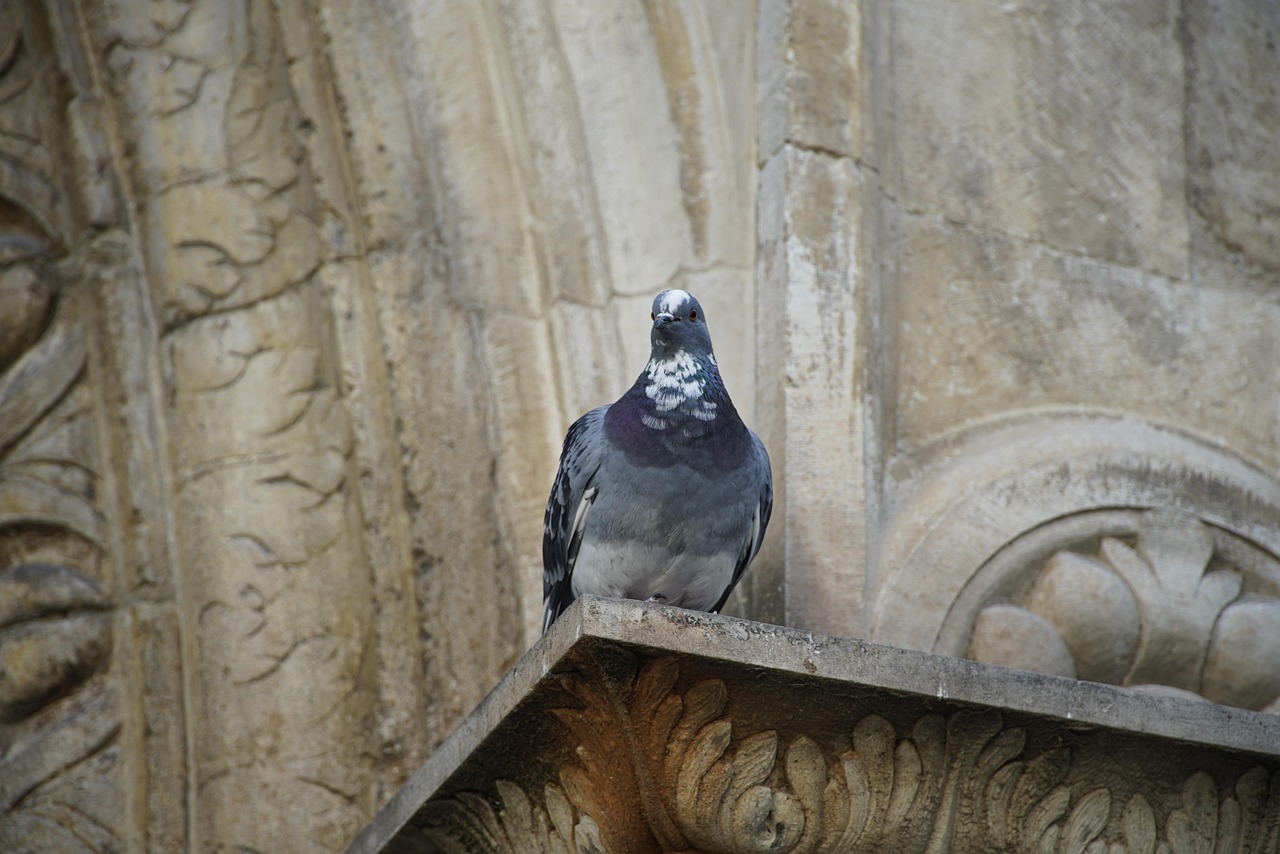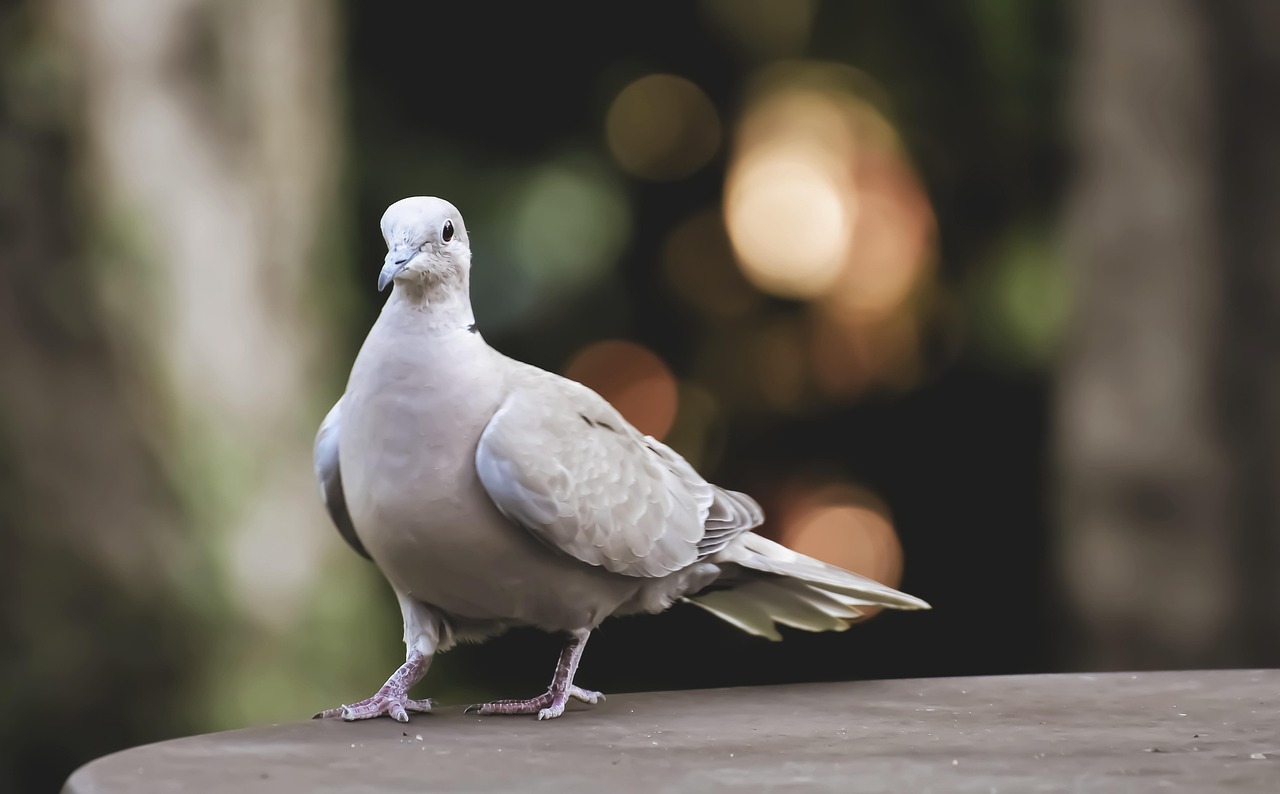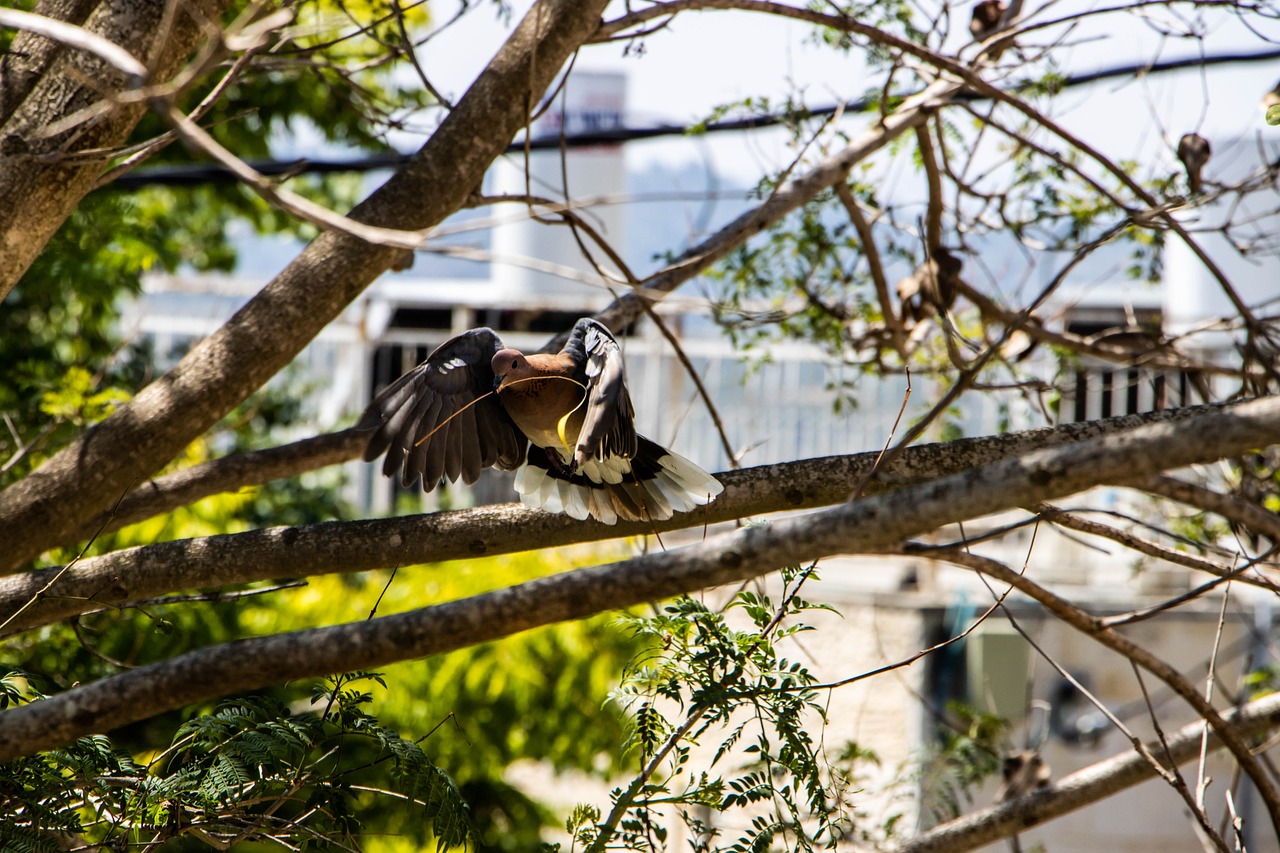
For pigeon enthusiasts, presenting rare breeds in their full glory is an art form that demands precision and passion. The right equipment can transform a simple exhibition into a breathtaking showcase, highlighting every intricate feather and unique characteristic. This guide delves into the essential tools and techniques for creating stunning displays and capturing professional-quality images of your prized pigeons.
Mastering the Show Cage Setup for Optimal Presentation
A well-designed show cage setup is the foundation of any successful pigeon exhibition, providing a safe and visually appealing environment that allows rare breeds to shine. It's not just about containment; it's about creating a stage that enhances the bird's natural beauty and behavior. Investing time in selecting and arranging the right cage can make a significant difference in how judges and spectators perceive your pigeons, turning a good display into an award-winning one.
Choosing the Right Cage Design and Materials
When selecting a cage for your show cage setup, prioritize designs that offer both security and visibility. Opt for cages made from durable, non-toxic materials like stainless steel or powder-coated wire, which resist corrosion and are easy to clean. The size should allow the pigeon to move comfortably without appearing cramped, typically around 24 inches in length for most breeds. Look for features such as removable trays for easy maintenance and smooth edges to prevent injuries. Aesthetic considerations matter too; sleek, minimalist cages often work best, as they don't distract from the bird's appearance. For rare breeds, consider custom cages that accommodate specific traits, such as longer tails or unique postures, ensuring every detail is showcased effectively.
Beyond basic construction, the layout within the cage plays a crucial role in presentation. Include perches at varying heights to encourage natural movement and display the pigeon's posture. Use natural-looking materials like wooden branches or textured platforms to create a more engaging environment. Avoid overcrowding with decorations; simplicity often highlights the bird's features better. Regularly inspect the cage for wear and tear, as a pristine setup reflects your dedication and enhances the overall impression. By focusing on both functionality and aesthetics, you can create a show cage setup that not only protects your rare pigeons but also elevates their presentation to a professional level.
Enhancing Visibility with Strategic Placement and Accessories
Strategic placement of the cage within the exhibition space is key to maximizing visibility and impact. Position it at eye level for most viewers, ensuring that the pigeon is easily seen without straining. Consider the background; a neutral or contrasting color can make the bird's colors pop, while cluttered surroundings might detract from its beauty. Use accessories like small, discreet nameplates or breed information cards to educate spectators without overwhelming the display. For photography, place the cage in a location with consistent, indirect light to avoid harsh shadows that could obscure details.
Accessories should complement the show cage setup without becoming distractions. Simple additions like clean water dispensers and food bowls maintain the pigeon's health during shows while keeping the area tidy. Avoid using bright or flashy items that might draw attention away from the bird. Instead, focus on elements that enhance natural behaviors, such as providing space for preening or stretching. By thoughtfully arranging the cage and its surroundings, you create a cohesive presentation that directs all eyes to the rare pigeon, making it the undeniable star of the show. This attention to detail not only improves the viewing experience but also demonstrates your expertise in pigeon exhibition.
Optimizing Lighting for Pigeons to Highlight Rare Features
Lighting for pigeons is a critical element in both live displays and photography, as it can dramatically affect how colors, textures, and forms are perceived. Proper illumination brings out the subtle hues in feathers, emphasizes unique markings, and creates a flattering ambiance that showcases the bird's best attributes. Whether you're preparing for a competition or capturing images for documentation, understanding how to manipulate light will elevate your presentation from ordinary to extraordinary.
Natural vs. Artificial Light: Balancing for Best Results
Natural light offers a soft, diffused quality that can beautifully illuminate pigeons, especially during daytime exhibitions. Position cages near windows or in well-lit areas to take advantage of sunlight, but avoid direct exposure that might cause overheating or glare. Morning or late afternoon light tends to be warmer and more flattering, enhancing golden or reddish tones in feathers. However, reliance on natural light alone can be unpredictable due to weather changes, so it's wise to have backup options. For indoor shows, supplement with artificial sources to ensure consistent lighting for pigeons throughout the event.
Artificial lighting provides control and consistency, making it ideal for photography and evening displays. Use LED panels or softbox lights that emit a balanced, white light to avoid color distortion. Position lights at angles that minimize shadows, such as from the sides or above, to highlight feather textures without creating harsh contrasts. Adjust brightness to suit the pigeon's coloration; darker breeds may require more illumination to reveal details, while lighter ones might need softer light to prevent washout. By blending natural and artificial sources, you can achieve optimal lighting for pigeons that adapts to any environment, ensuring your rare breeds always look their best. This balance not only improves visual appeal but also supports the bird's comfort, as excessive heat from lights should be avoided.
Advanced Techniques for Photographic Lighting
For photography, lighting for pigeons requires more precision to capture stunning, detailed images. Start with a three-point lighting setup: a key light as the primary source, a fill light to reduce shadows, and a backlight to separate the bird from the background. Use diffusers or reflectors to soften the light and prevent harsh highlights on glossy feathers. Experiment with angles to emphasize specific features, such as sidelighting to show off iridescence or front lighting for overall clarity. Macro photography of rare breeds benefits from focused, adjustable lights that highlight intricate patterns without overexposing the image.
Consider the color temperature of your lights, measured in Kelvin, to match the pigeon's natural tones. Warmer lights (around 3000K) can enhance reds and yellows, while cooler lights (5000K or above) may better suit blues and grays. Use a color checker or white balance tools during post-processing to ensure accuracy. For action shots, such as pigeons in flight or displaying behaviors, faster shutter speeds require brighter lighting to freeze motion without blur. By mastering these techniques, you can create professional-quality photographs that showcase the unique beauty of rare pigeons, making them stand out in portfolios or online galleries. This attention to lighting not only improves image quality but also helps preserve the visual legacy of these special breeds.
Essential Photography Equipment for Capturing Rare Breeds
Beyond lighting, the right photography equipment is crucial for documenting and promoting rare pigeons with clarity and artistry. High-quality gear allows you to capture fine details, vibrant colors, and dynamic poses that do justice to these unique birds. From cameras to lenses and accessories, each component plays a role in producing images that can be used for exhibitions, breeding records, or sharing with the pigeon community.
Selecting the Right Camera and Lenses
Choose a camera with a high-resolution sensor, such as a DSLR or mirrorless model, to capture detailed images that can be enlarged without losing quality. Look for features like fast autofocus and good low-light performance, which are essential for photographing active pigeons in varying conditions. A camera with manual settings gives you control over exposure, aperture, and shutter speed, allowing for creative adjustments. For lenses, a versatile zoom lens (e.g., 70-200mm) is excellent for capturing pigeons from a distance without disturbing them, while a macro lens is ideal for close-ups of feathers, eyes, and other intricate details.
Consider the aperture range of your lenses; a wide aperture (low f-number) creates a shallow depth of field, blurring the background to make the pigeon stand out. This technique is particularly effective for portrait-style shots of rare breeds. For group photos or action shots, a narrower aperture (higher f-number) ensures more of the scene is in focus. Invest in lens hoods and filters to reduce glare and protect against dust, especially when shooting outdoors. By pairing the right camera with appropriate lenses, you can adapt to different shooting scenarios, whether in a controlled studio setting or at a lively pigeon show, ensuring every image highlights the bird's best features.
Accessories for Stability and Precision
Stability is key to sharp, clear photographs, so include a sturdy tripod in your kit. It allows for longer exposures without camera shake, useful in low-light situations or for detailed macro work. Look for tripods with adjustable legs and a ball head for flexible positioning. A remote shutter release or intervalometer can help minimize vibrations when triggering the camera, especially for time-lapse or behavior shots. For mobility during exhibitions, a monopod offers a lighter alternative while still providing support.
Other useful accessories include external flashes for fill lighting in dark environments, memory cards with high write speeds for continuous shooting, and backup batteries to avoid missing crucial moments. A cleaning kit with lens wipes and a blower helps maintain equipment in dusty pigeon lofts. For post-processing, software like Adobe Lightroom or Photoshop enables fine-tuning of colors, contrast, and sharpness to perfect your images. By equipping yourself with these tools, you enhance your ability to capture rare pigeons in their full splendor, creating a visual archive that celebrates their uniqueness and supports breeding and conservation efforts.
Integrating Display and Photography for Maximum Impact
Combining an effective show cage setup with professional photography creates a powerful synergy that amplifies the appeal of rare pigeons. When display and imaging work together, you can present your birds in ways that captivate live audiences and immortalize their beauty in digital form. This integration not only enhances exhibitions but also builds a strong online presence, sharing your passion with a global community of pigeon enthusiasts.
Creating a Cohesive Exhibition Experience
Design your show cage setup with photography in mind, ensuring that the cage and its surroundings are photogenic from multiple angles. Use backgrounds that complement the pigeon's colors and are easy to light, such as solid-colored drapes or textured panels. Arrange perches and accessories to encourage natural poses that look good both in person and on camera. During exhibitions, coordinate lighting for pigeons to be consistent across the display area, making it easier to capture uniform images. This approach allows you to document the event seamlessly, providing high-quality photos for promotional materials or personal records.
Engage spectators by sharing photography tips or behind-the-scenes insights, fostering a deeper appreciation for the art of pigeon presentation. Consider setting up a dedicated photo booth area where visitors can take pictures of their favorite birds, using your optimized lighting and backgrounds. By integrating display and photography, you create an immersive experience that highlights the craftsmanship behind showcasing rare breeds. This not only boosts the prestige of your pigeons but also encourages others to adopt similar practices, raising standards across the hobby.
Leveraging Images for Promotion and Education
High-quality photographs serve as valuable tools for promoting rare pigeons beyond physical exhibitions. Use them in online portfolios, social media posts, or breeding catalogs to attract interest from potential buyers or collaborators. Include detailed captions that explain the breed's rarity and characteristics, educating viewers about conservation efforts. For educational purposes, create guides or tutorials that showcase your show cage setup and lighting techniques, helping fellow enthusiasts improve their own displays.
Regularly update your image library to document growth, changes in plumage, or new acquisitions, building a comprehensive visual history of your collection. Share these resources with organizations dedicated to pigeon preservation, contributing to broader awareness. By effectively integrating photography into your display strategy, you not only enhance the immediate impact of your pigeons but also ensure their legacy endures through compelling visual storytelling. This holistic approach demonstrates a commitment to excellence that resonates with judges, peers, and the public alike.
Conclusion
Showcasing rare pigeons requires a blend of artistry and technical skill, from crafting the perfect show cage setup to mastering lighting for pigeons and photography. By focusing on quality equipment and thoughtful techniques, you can highlight the unique beauty of these breeds in both live displays and images. Remember, the goal is to create an environment where every feather and feature shines, captivating audiences and preserving these special birds for future generations. For those looking to streamline their pigeon management and exhibition efforts, consider exploring tools like Ghawy – Pigeon Manager (غاوي – إدارة الحمام) to enhance your workflow and connect with a wider community of enthusiasts.