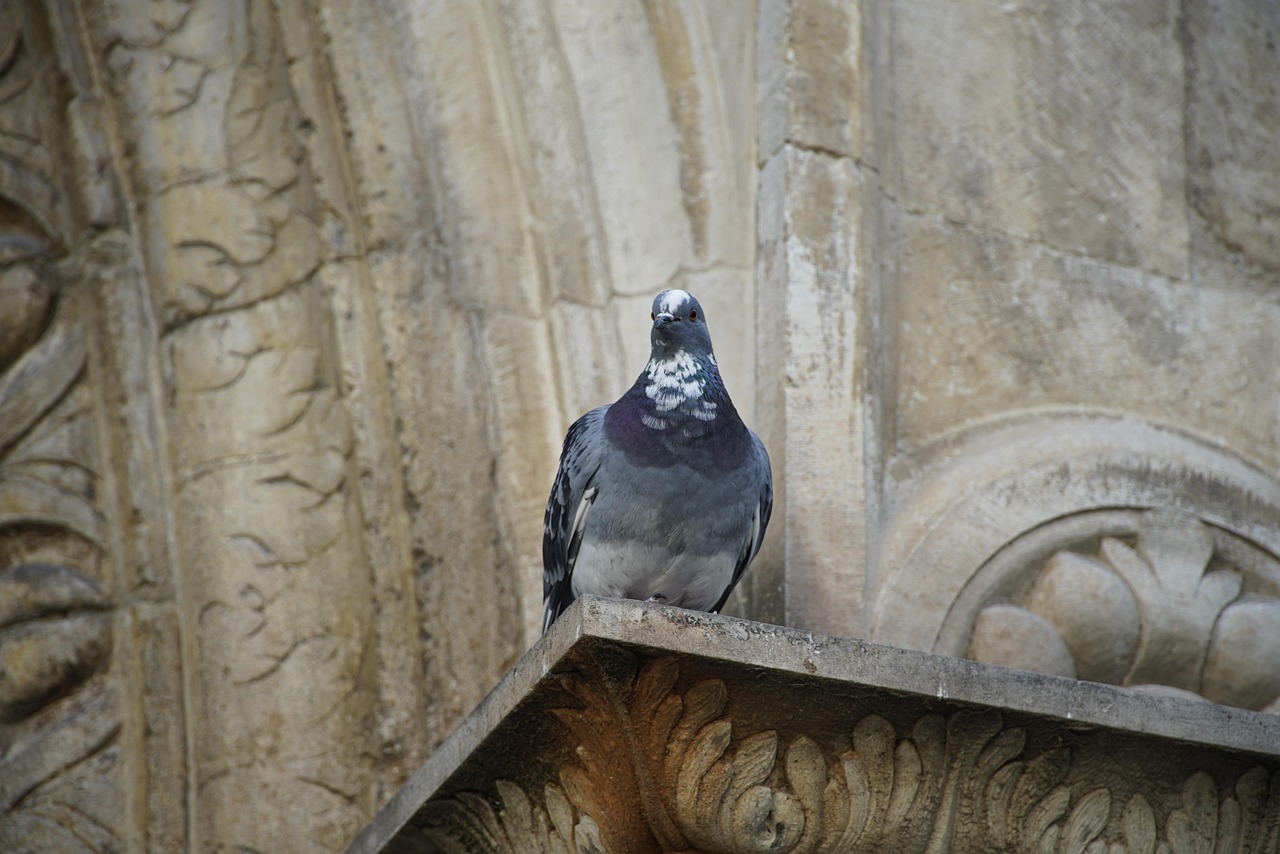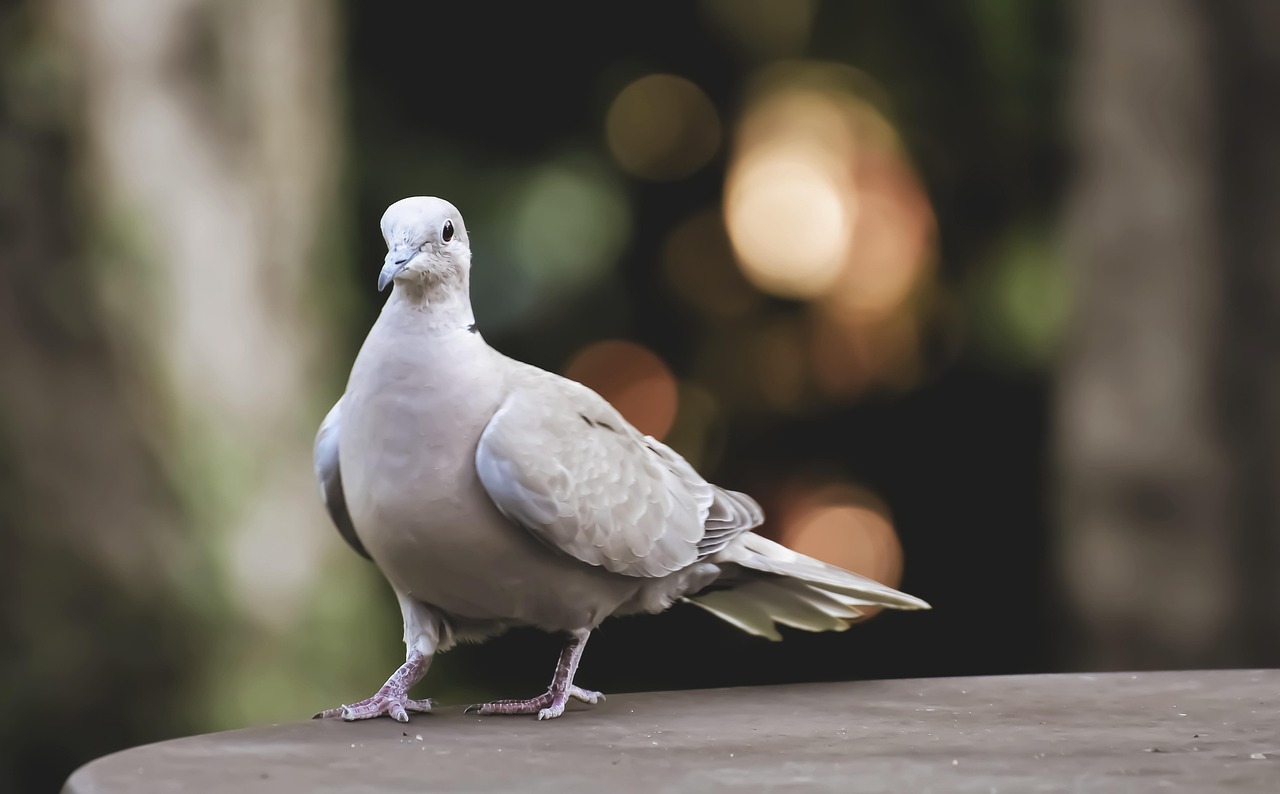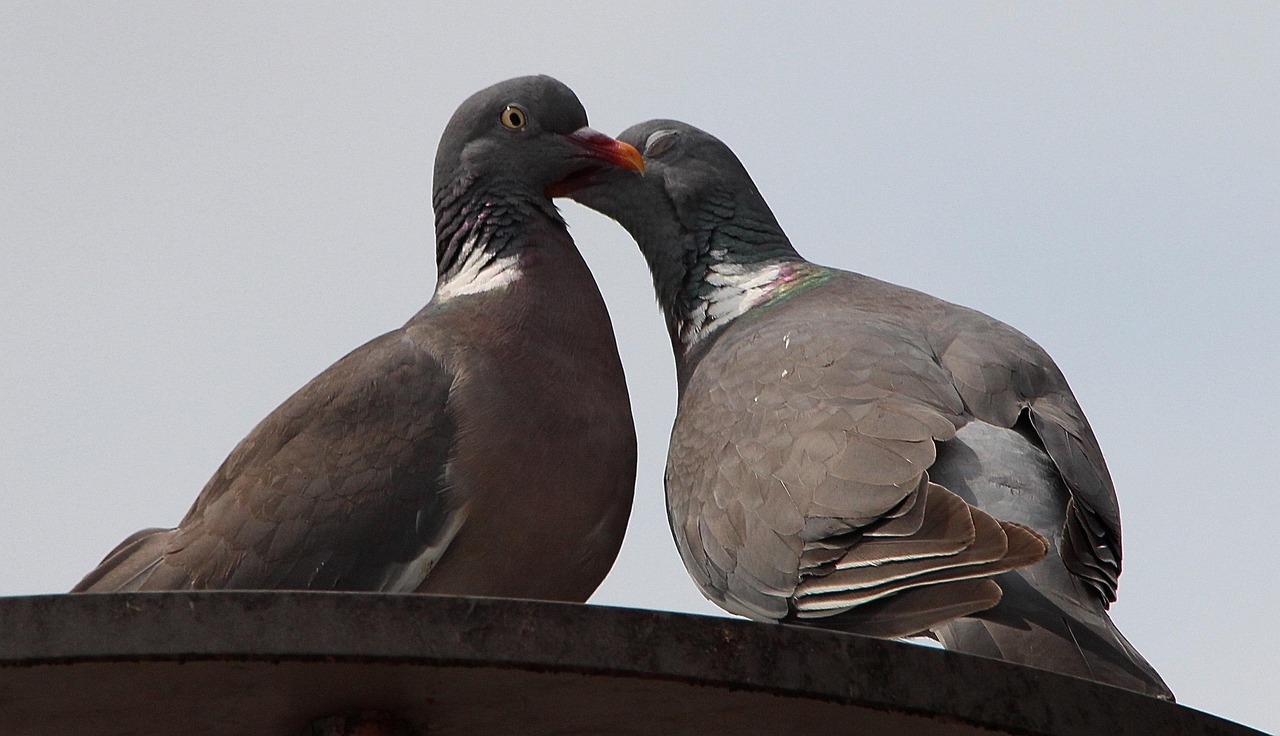
For pigeon enthusiasts, showcasing rare breeds is an art that demands precision and passion. The right equipment can transform a simple display into a breathtaking exhibition, highlighting every unique feather and graceful posture. This guide delves into the essential gear for creating stunning visual presentations that captivate judges and audiences alike.
Mastering the Show Cage Setup for Optimal Presentation
A well-designed show cage setup is the foundation of any successful pigeon exhibition. It not only ensures the safety and comfort of your birds but also enhances their natural beauty, allowing their rare traits to shine. Investing in quality cages tailored to your breed's specific needs can make a significant difference in competitive settings.
Choosing the Right Cage Design and Materials
When selecting a cage, prioritize materials that are durable, easy to clean, and non-toxic. Stainless steel or powder-coated wire cages are excellent choices as they resist corrosion and provide a sleek, professional look. The design should include ample space for the pigeon to move comfortably without feeling cramped, with dimensions typically ranging from 24 to 36 inches in length, depending on the breed size. Ensure the bars are spaced appropriately to prevent injury, and consider cages with removable trays for effortless maintenance. Aesthetic elements like rounded corners and smooth finishes can add to the visual appeal, making your rare pigeons stand out in a crowded showroom.
Beyond basic construction, customization plays a key role in an effective show cage setup. Many enthusiasts opt for modular systems that allow for easy reconfiguration based on the exhibition layout. Features such as adjustable perches, integrated feeding stations, and transparent acrylic panels can enhance visibility while maintaining a clean appearance. It's also wise to test the cage in various lighting conditions to ensure it doesn't cast unwanted shadows or glare, which could detract from your pigeon's presentation. Remember, the goal is to create a seamless backdrop that directs all attention to the bird itself.
Enhancing Comfort and Safety in the Display Environment
Comfort is paramount in any show cage setup, as stressed pigeons may exhibit poor posture or dull plumage. Start by lining the cage floor with soft, absorbent bedding materials like paper-based pellets or corn cob bedding, which are gentle on feet and easy to replace. Provide perches of varying diameters to encourage natural gripping and prevent foot sores, positioning them to allow the pigeon to rest at different heights. Ventilation is another critical factor; ensure the cage has adequate airflow without creating drafts that could cause discomfort or health issues.
Safety measures should never be overlooked in a display environment. Secure all latches and doors to prevent accidental escapes, and avoid sharp edges or protruding wires that could harm your birds. If transporting the cage to shows, invest in sturdy carrying cases with padding to minimize stress during travel. Regularly inspect the setup for wear and tear, replacing any damaged components promptly. By prioritizing both comfort and safety, you create a stress-free space where your rare pigeons can exhibit their best qualities with confidence.
Optimizing Lighting for Pigeons to Highlight Rare Features
Lighting for pigeons is a game-changer in photography and live displays, as it can accentuate subtle details like iridescent feathers or unique color patterns. Proper illumination not only enhances visual appeal but also ensures accurate color representation, which is crucial for judging and documentation. Understanding the principles of light quality, direction, and intensity will help you showcase your birds in their most flattering light.
Selecting the Best Light Sources and Color Temperatures
Natural light is often ideal for pigeon photography, but controlled artificial lighting offers consistency in show settings. LED panels with adjustable color temperatures (ranging from 3000K to 6500K) are highly recommended, as they provide bright, even illumination without generating excessive heat. For most rare breeds, a neutral white light around 5000K mimics daylight and brings out true colors without distortion. Avoid harsh fluorescent lights that can cast unflattering tones or cause glare, and instead opt for diffused sources that soften shadows and reduce eye strain for both birds and viewers.
When setting up lighting for pigeons, consider the placement and angle to highlight key features. Position lights at a 45-degree angle to the cage to create depth and dimension, avoiding direct overhead lighting that can flatten the image. Use multiple light sources to eliminate dark spots, with one as the main key light and others as fill lights to balance the scene. For photography, ring lights or softboxes can provide uniform coverage, ensuring every feather detail is captured crisply. Experiment with different setups during practice sessions to find what works best for your specific breed's characteristics.
Avoiding Common Lighting Mistakes in Pigeon Displays
One of the most frequent errors in lighting for pigeons is using overly bright or direct light, which can cause discomfort and lead to squinting or agitated behavior in the birds. To prevent this, always test the intensity before a show, adjusting brightness to a level that illuminates without overwhelming. Another mistake is neglecting color accuracy; improper lighting can alter the perception of rare color mutations, so use color-corrected bulbs or filters if needed. Additionally, be mindful of reflections from cage materials, which can create distracting hotspots in photos or live views.
To optimize your setup, incorporate dimmers or adjustable stands that allow for fine-tuning during different times of day or in varying exhibition halls. Consider the background as well; a neutral-colored backdrop can enhance lighting effects by reducing contrast issues. For video recordings, ensure consistent lighting throughout the session to avoid flicker or color shifts. By avoiding these pitfalls, you'll create a professional display that truly showcases the elegance of your rare pigeons, making them the star of any show.
Essential Photography Equipment for Capturing Pigeon Beauty
Photography is a powerful tool for documenting and promoting rare pigeon breeds, allowing enthusiasts to share their passion with a wider audience. The right equipment can capture intricate details that might be missed in person, from the shimmer of feathers to the intensity of eye color. Investing in quality cameras, lenses, and accessories will elevate your imagery and help preserve the legacy of your birds.
Creating an Engaging Display Layout for Maximum Impact
An effective display layout goes beyond individual cages and lighting, focusing on the overall presentation that draws viewers in. By strategically arranging elements, you can guide the eye and tell a compelling story about your rare pigeons. This involves considering flow, spacing, and thematic coherence to create a memorable experience at shows or in personal collections.
Maintaining Equipment for Long-Term Success in Pigeon Shows
Regular maintenance of your display and photography gear ensures reliability and longevity, saving you time and money in the long run. From cleaning cages to calibrating lights, a proactive approach prevents issues during critical moments. This section covers best practices for upkeep, helping you stay prepared for every exhibition opportunity.
Conclusion
Mastering the art of showcasing rare pigeons requires a blend of thoughtful equipment choices and creative execution. From a meticulous show cage setup to precise lighting for pigeons, each element plays a vital role in highlighting their unique beauty. By applying these insights, you can elevate your presentations and connect with fellow enthusiasts. For those looking to streamline their pigeon management, consider exploring tools like Ghawy – Pigeon Manager (غاوي – إدارة الحمام) to enhance your overall experience.