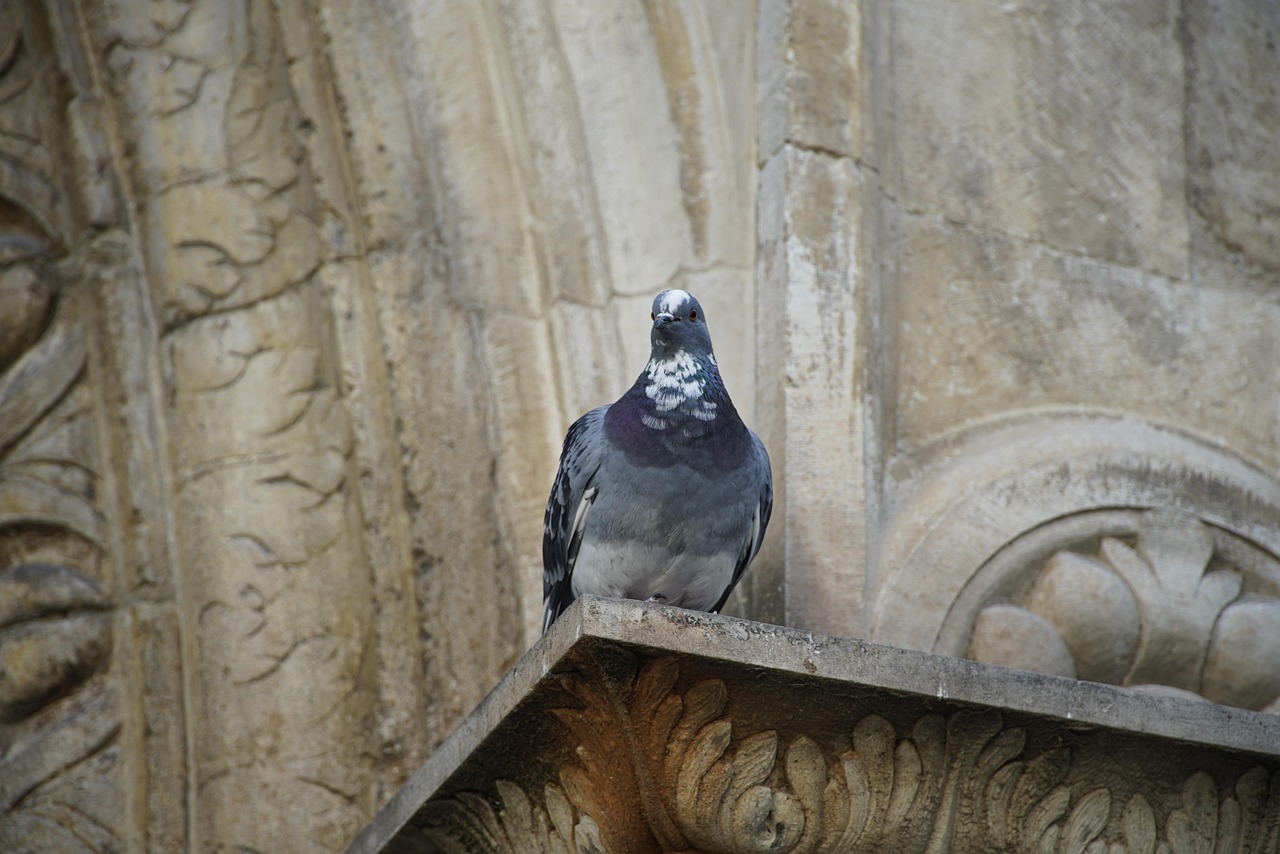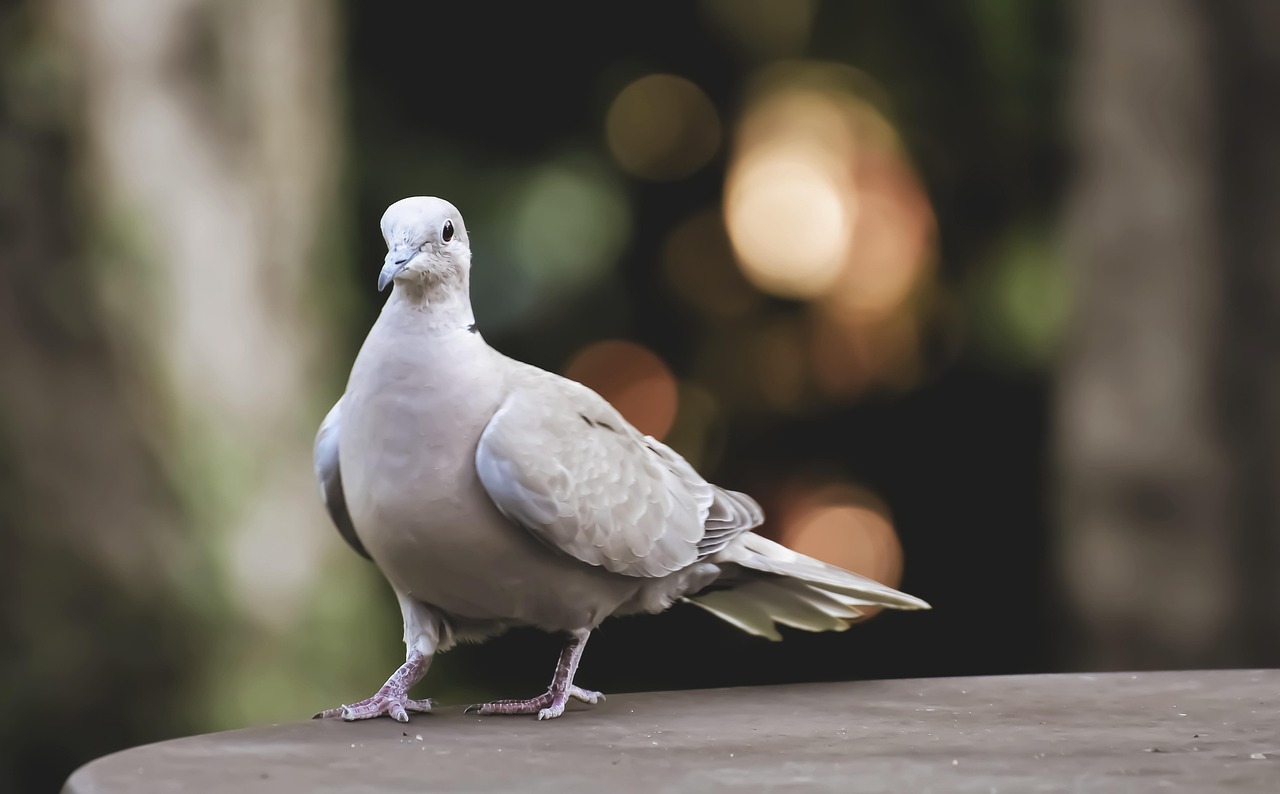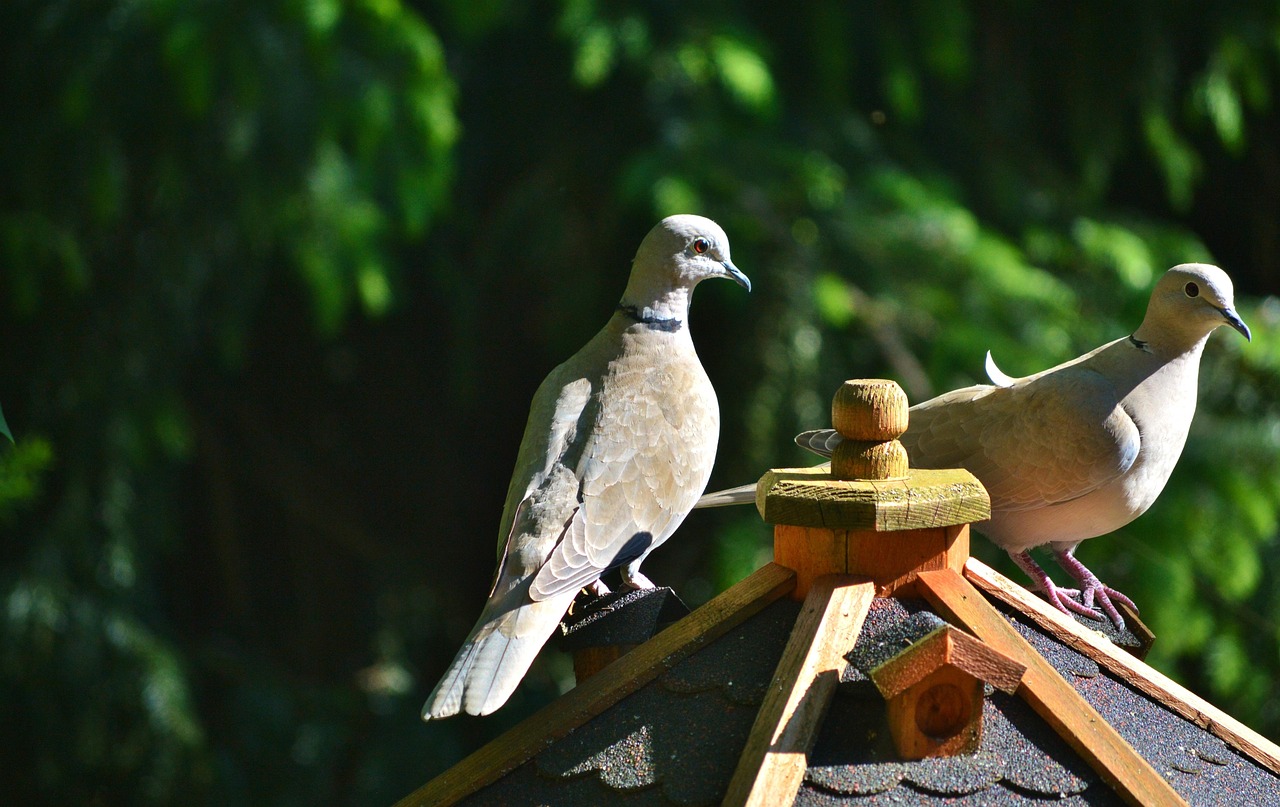
For pigeon enthusiasts, showcasing rare breeds is an art form that demands precision and passion. The right equipment can transform a simple display into a breathtaking exhibition, highlighting every unique feather and graceful posture. This guide delves into the essential gear for creating stunning visual presentations that captivate audiences and judges alike.
Mastering the Show Cage Setup
A well-designed show cage setup is the foundation of any successful pigeon exhibition. It not only provides a safe and comfortable environment for the birds but also enhances their natural beauty, allowing their rare traits to shine. Investing in quality cages tailored to specific breeds can make a significant difference in competitive settings.
Choosing the Right Cage Design
Selecting an appropriate cage involves considering factors like size, material, and accessibility. For rare breeds, spacious cages with smooth interiors prevent feather damage and stress. Opt for designs that allow easy viewing from multiple angles, ensuring judges and spectators can appreciate every detail. Customizable setups, such as modular cages, offer flexibility for different show formats and pigeon sizes.
Durability is key, as cages must withstand transport and frequent use. Stainless steel or powder-coated frames resist corrosion and are easy to clean, maintaining a professional appearance. Additionally, features like removable perches and feeding stations simplify maintenance, keeping the focus on the pigeons' presentation.
Enhancing Display with Accessories
Accessories play a crucial role in elevating a show cage setup. Incorporate elements like natural-looking perches that mimic the birds' habitat, encouraging natural postures. Background panels in neutral colors, such as white or beige, create contrast that makes plumage colors pop. Avoid cluttered designs that distract from the pigeons themselves.
- Use soft bedding materials for comfort and hygiene
- Include discreet water and food dispensers to maintain bird health during shows
- Add informational plaques with breed details to educate viewers
Lighting integration within the cage can further enhance visibility, but it should complement rather than overpower the birds. Subtle LED strips or spotlights directed away from the pigeons' eyes reduce stress while illuminating key features.
Optimizing Lighting for Pigeons
Proper lighting for pigeons is essential in both display and photography, as it reveals the intricate details of rare breeds. The right light setup can accentuate iridescent feathers, vibrant colors, and unique markings, making your pigeons stand out in any setting. Understanding light quality and direction is fundamental to achieving professional results.
Natural vs. Artificial Light Sources
Natural light offers a soft, flattering effect that brings out true colors, but it can be unpredictable. Position cages near windows during daytime shows to utilize diffused sunlight, avoiding harsh shadows. For indoor events, artificial lighting provides consistency and control. LED panels with adjustable color temperatures (around 5000K) mimic daylight, reducing eye strain for both birds and viewers.
When using artificial lights, ensure they are evenly distributed to prevent hotspots or glare. Softboxes or diffusers spread light gently, minimizing reflections on feathers. Test different setups before shows to find the optimal balance that highlights your pigeons' best attributes without causing discomfort.
Advanced Lighting Techniques for Photography
Photographing rare pigeons requires specialized lighting techniques to capture their elegance. Use a three-point lighting system: a key light to illuminate the main subject, a fill light to soften shadows, and a backlight to separate the bird from the background. This setup creates depth and dimension, making images appear lifelike.
Experiment with angles to showcase unique features, such as side lighting for feather texture or front lighting for color accuracy. Macro lenses paired with ring lights can reveal minute details like eye color or beak structure. Always prioritize the pigeons' well-being by using low-heat lights and allowing breaks during sessions.
Photography Equipment for Capturing Beauty
High-quality photography equipment is indispensable for documenting and promoting rare pigeon breeds. From cameras to lenses, each tool contributes to creating stunning images that tell a story. Investing in reliable gear ensures consistency and professionalism in your visual portfolio.
Essential Camera and Lens Choices
A DSLR or mirrorless camera with manual settings offers the flexibility needed for pigeon photography. Look for models with fast autofocus and high resolution to capture sharp details. Pair it with a versatile lens, such as a 50mm prime for portraits or a 70-200mm zoom for action shots during flight displays.
Macro lenses are particularly valuable for close-ups of rare markings or feather patterns. They allow you to focus on small areas without disturbing the birds. Consider adding a tripod for stability, especially in low-light conditions, to avoid blurry images.
Accessories for Enhanced Shots
Beyond the basics, accessories like reflectors, remote triggers, and editing software can elevate your photography. Reflectors bounce light onto shadowed areas, ensuring even exposure. Remote triggers enable you to capture candid moments without startling the pigeons. Post-processing tools help refine colors and contrast, but aim for natural edits that stay true to the breed's appearance.
Practice regularly to develop an eye for composition, framing pigeons against simple backgrounds to keep the focus on their beauty. Share your work online to connect with other enthusiasts and showcase your rare breeds to a wider audience.
Creating an Immersive Display Environment
An immersive display environment goes beyond cages and lighting, incorporating elements that engage all senses. By designing a cohesive space, you can tell a compelling story about your rare pigeons, enhancing their appeal and educational value.
Incorporating Thematic Elements
Thematic displays based on breed origins or characteristics add depth to your presentation. For example, use rustic decor for heritage breeds or modern minimalism for sleek varieties. Include informational signage with breed history, conservation status, and unique traits to inform and captivate viewers.
Audio elements, such as gentle background music or recorded pigeon calls, can create an atmospheric experience. Ensure sound levels are low to avoid stressing the birds. Visual aids like videos or interactive screens can further enrich the display, offering insights into pigeon behavior and care.
Ensuring Bird Welfare and Comfort
Prioritizing bird welfare is crucial in any display setup. Monitor temperature and humidity levels to match the pigeons' natural habitat, preventing stress or health issues. Provide hiding spots or covered areas within cages where birds can retreat if overwhelmed.
- Schedule regular breaks during long shows to allow rest
- Maintain clean environments to prevent disease transmission
- Train pigeons gradually to acclimate them to display settings
Engage with visitors to share knowledge and foster appreciation, but set boundaries to minimize disturbance. A happy, healthy pigeon will naturally exhibit its best qualities, making your display more effective.
Conclusion
Showcasing rare pigeon breeds requires a blend of artistic vision and technical expertise. From a meticulous show cage setup to strategic lighting for pigeons, each element contributes to a memorable presentation. By investing in quality equipment and prioritizing bird welfare, you can create displays that honor these magnificent birds. For enthusiasts looking to streamline their management, tools like Ghawy – Pigeon Manager (غاوي – إدارة الحمام) offer valuable support in organizing and promoting your collection.