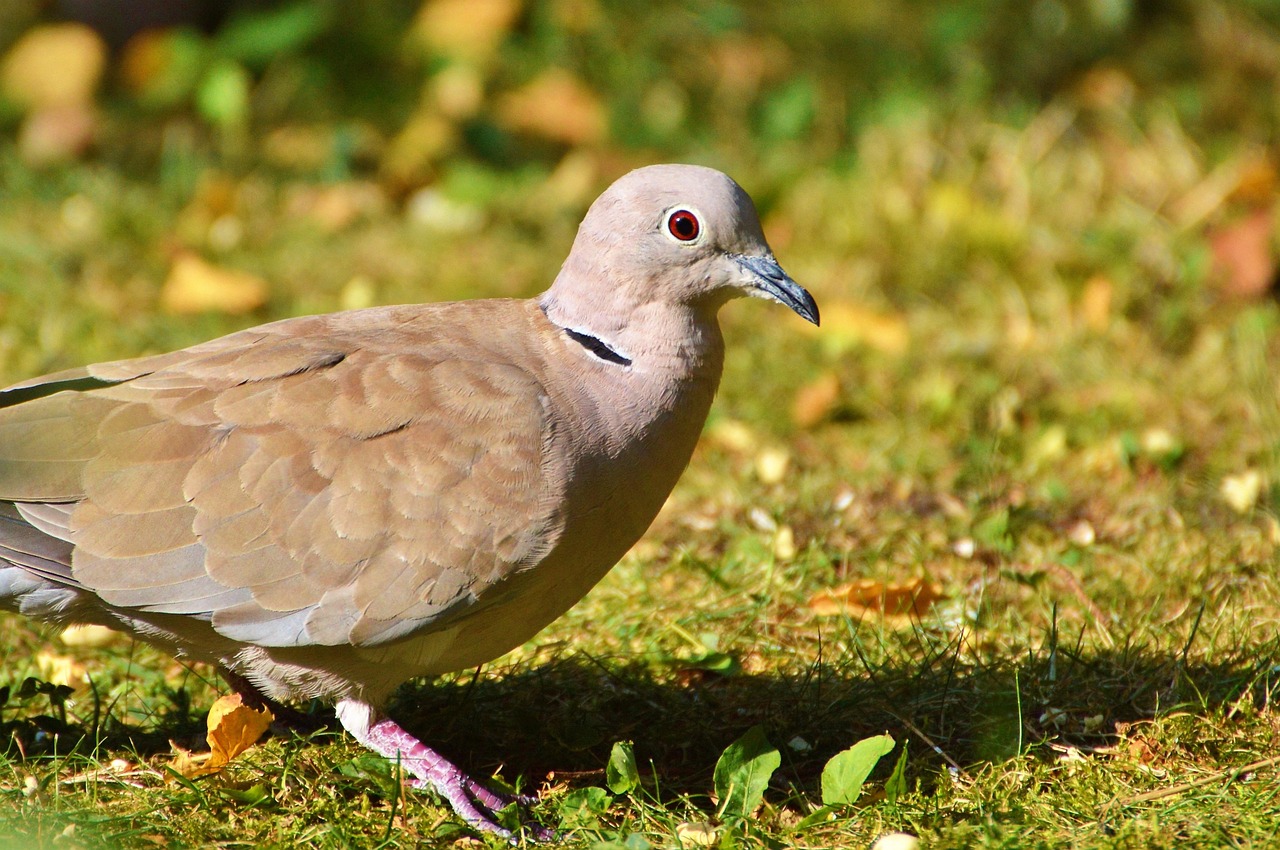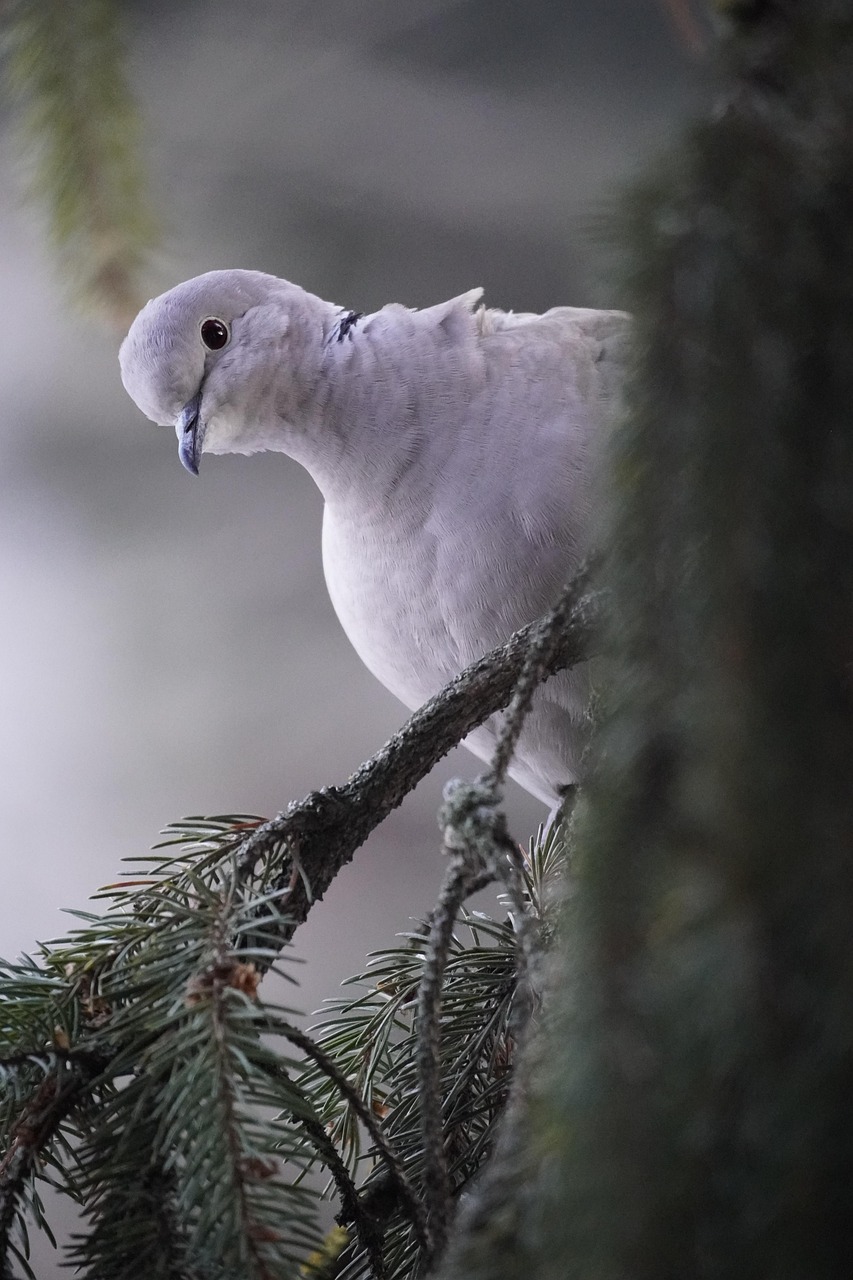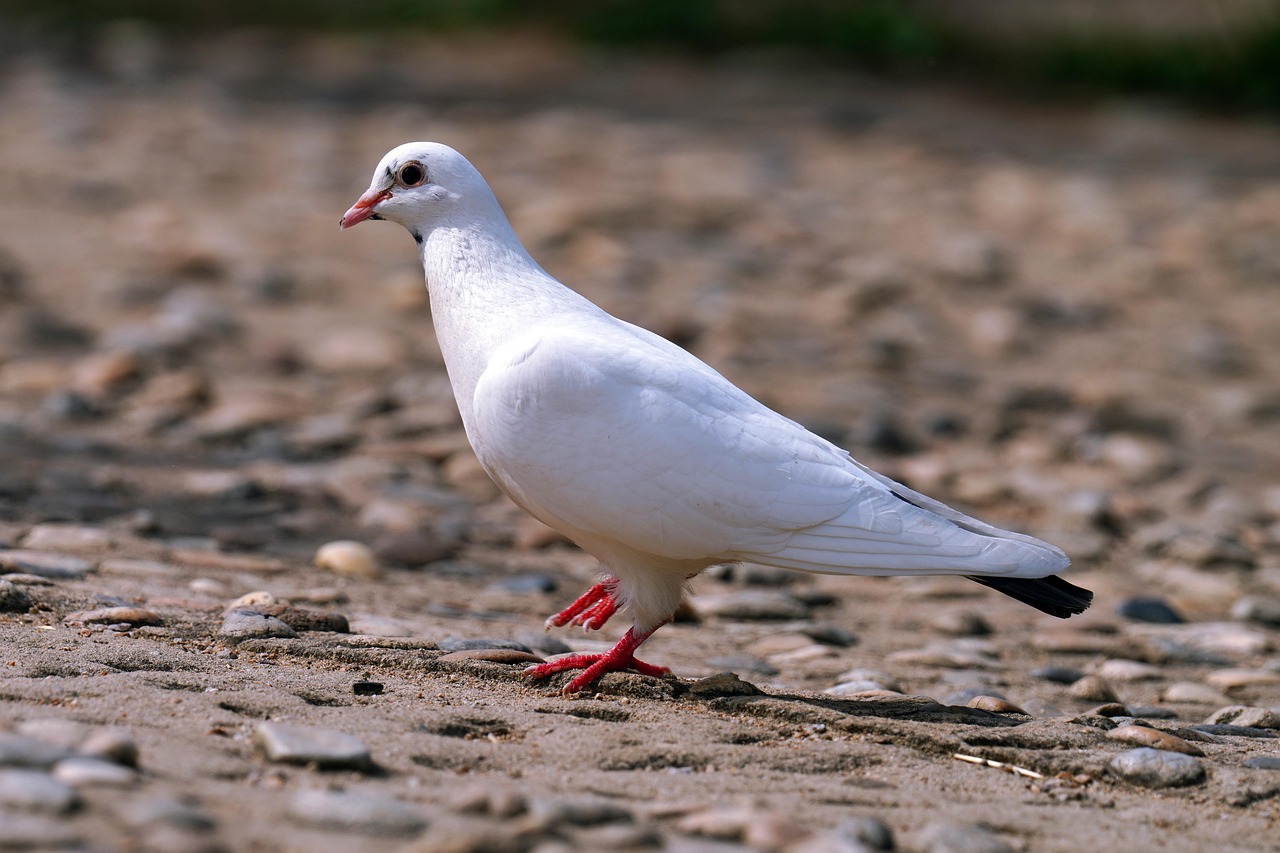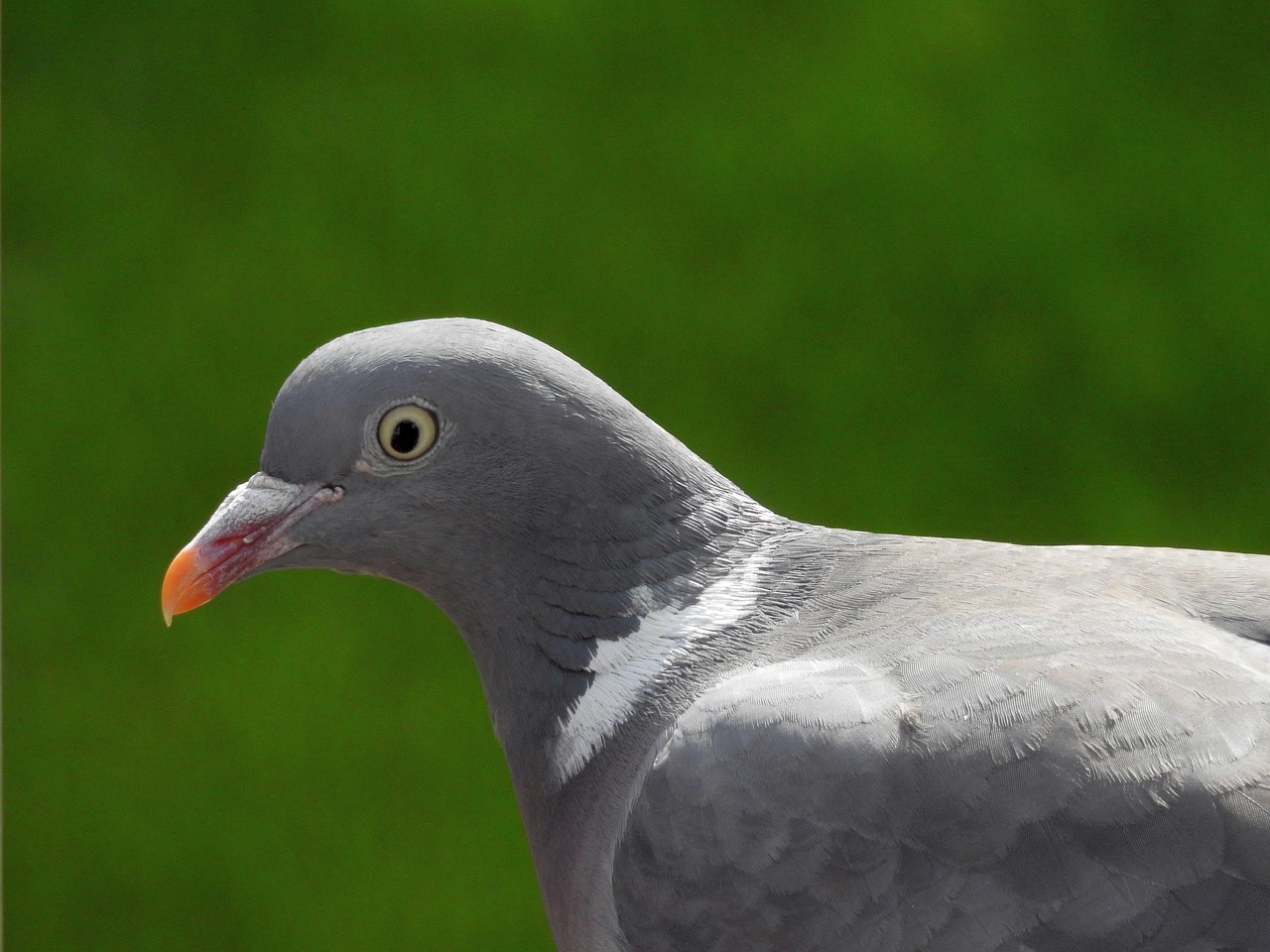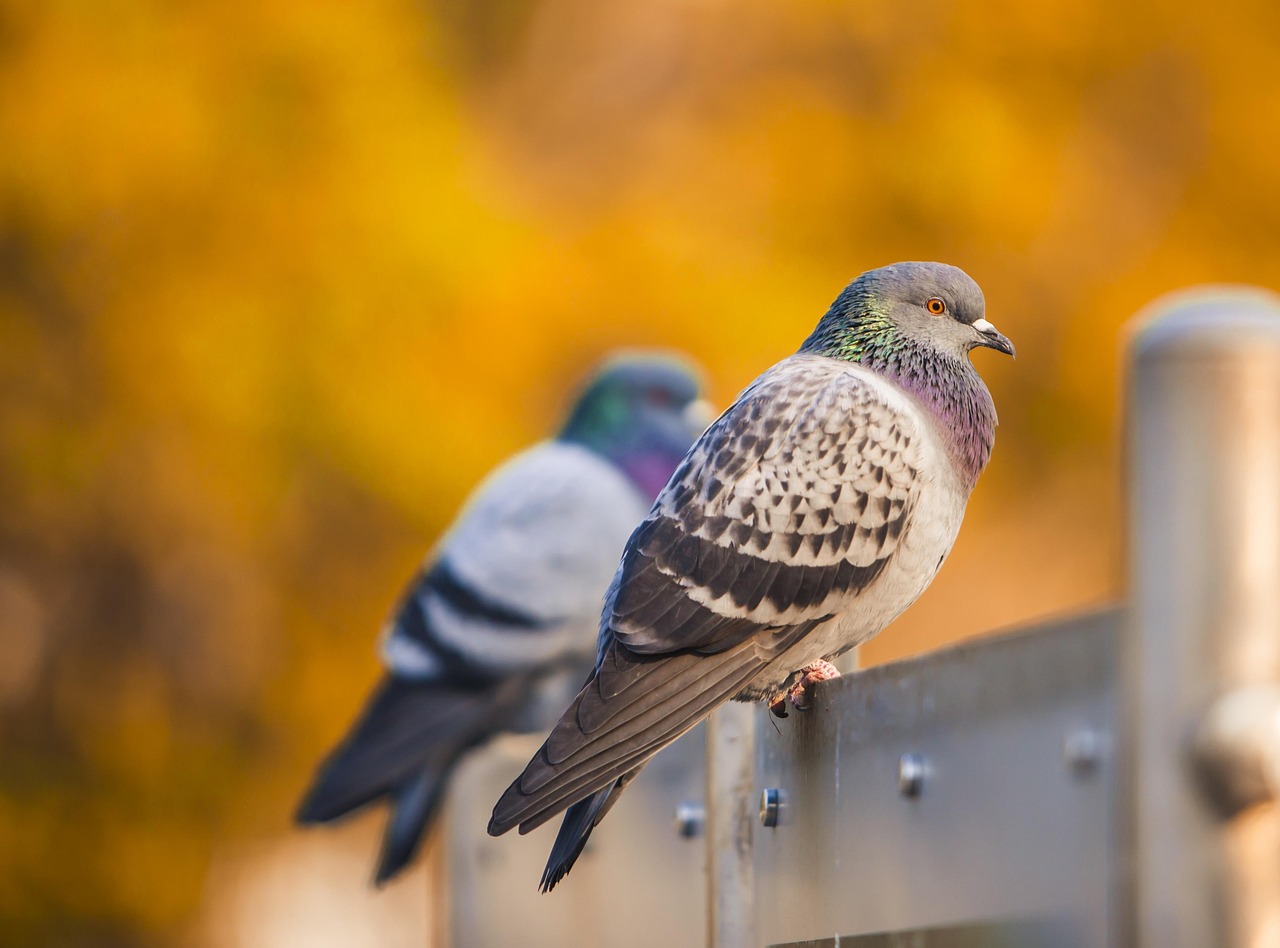
The King pigeon, known as 'حمام كنجي' in Arabic, has become a highly sought-after breed in the Gulf market, captivating enthusiasts with its unique characteristics and cultural significance. This article delves into the specifications and reasons behind its popularity, offering insights for breeders and hobbyists alike. Understanding these traits can help you appreciate why this breed stands out in the competitive pigeon scene.
Introduction to the King Pigeon
The King pigeon, originally developed in the United States, has found a special place in the hearts of Gulf pigeon fanciers due to its impressive size and gentle nature. In the Gulf region, pigeon breeding is not just a hobby but a cherished tradition, and the King pigeon fits perfectly into this cultural fabric. Its adaptability to various climates and ease of care make it an ideal choice for both novice and experienced breeders.
Origins and History
The King pigeon was bred in the late 19th century by crossing various utility breeds to create a bird that excels in both meat production and exhibition. Over time, it gained international recognition and was introduced to the Gulf market, where it quickly became popular for its dual-purpose qualities. In the Gulf, breeders have embraced this breed, integrating it into local practices and even developing regional variations that cater to specific tastes. The history of the King pigeon in the Gulf is a testament to how global breeds can be adapted to local preferences, enriching the pigeon breeding community.
As the demand for high-quality pigeons grew in the Gulf, the King pigeon emerged as a favorite due to its reliable performance and aesthetic appeal. Breeders in countries like Saudi Arabia, UAE, and Kuwait have played a key role in promoting this breed, organizing events and competitions that highlight its virtues. This historical journey underscores the breed's resilience and the Gulf market's openness to innovative breeding practices.
Basic Characteristics
King pigeons are known for their large, robust bodies, typically weighing between 800 grams to 1.2 kilograms, which makes them one of the heavier pigeon breeds. They have a broad chest, short beak, and a calm demeanor, making them easy to handle and ideal for families. Their feathers come in a variety of colors, including white, black, and mottled patterns, adding to their visual appeal in the Gulf market where aesthetics are highly valued.
In terms of behavior, King pigeons are docile and sociable, often forming strong bonds with their owners. This trait is particularly appreciated in the Gulf, where pigeons are often kept as pets or for ceremonial purposes. Their low maintenance requirements and high fertility rates further enhance their suitability for the region's breeding environments. Overall, these characteristics make the King pigeon a versatile and dependable breed for various applications.
Physical Specifications of the King Pigeon
The physical attributes of the King pigeon are a major factor in its high demand in the Gulf market, as they contribute to both functionality and beauty. Breeders in the Gulf often prioritize birds that not only perform well but also look impressive in shows and collections. This section explores the key physical features that set the King pigeon apart from other breeds.
Size and Weight
King pigeons are notably large, with males typically reaching up to 1.2 kilograms and females slightly smaller, around 900 grams to 1 kilogram. This substantial size makes them excellent for meat production, a growing trend in the Gulf where pigeon meat is considered a delicacy. The weight distribution is even, with a well-muscled body that ensures good health and longevity, factors that are crucial for breeders aiming for high returns in the market.
In the Gulf, the emphasis on size aligns with cultural preferences for robust and majestic birds, often showcased in competitions. Breeders should monitor weight through proper diet and exercise to prevent obesity, which can affect breeding performance. Regular weighing and veterinary check-ups are recommended to maintain optimal health, ensuring that these pigeons remain a valuable asset in any collection.
Feathers and Coloration
The feather quality of King pigeons is another standout feature, with dense, smooth plumage that provides excellent insulation against the Gulf's hot climate. Common color varieties include pure white, which is highly prized for its symbolic purity in many Gulf cultures, as well as blue-barred and red patterns that add diversity to breeding programs. The feathers are also resistant to common pests, reducing the need for frequent treatments.
Coloration plays a significant role in the Gulf market, where specific hues may be associated with prestige or tradition. For instance, white King pigeons are often used in weddings and other ceremonies, enhancing their demand. Breeders can selectively breed for desired colors, but it's important to maintain genetic diversity to avoid health issues. Proper grooming and nutrition are essential to keep the feathers in prime condition, reflecting the breed's overall vitality.
Behavioral Traits and Temperament
Understanding the behavioral traits of the King pigeon is essential for successful breeding and integration into Gulf pigeon communities. These birds are known for their calm and friendly nature, which makes them suitable for various settings, from backyard lofts to commercial farms. In the Gulf, where pigeon keeping is often a social activity, temperament can influence a breed's popularity and market value.
Social Behavior
King pigeons are highly social creatures that thrive in flocks, displaying minimal aggression towards other birds or humans. This makes them ideal for group housing, a common practice in the Gulf where breeders maintain large collections. Their ability to coexist peacefully reduces stress levels, leading to better health and higher breeding success rates. Observing their interactions can provide insights into flock dynamics, helping breeders manage their aviaries more effectively.
In the Gulf market, the social nature of King pigeons aligns with cultural values of community and sharing, as breeders often exchange birds and knowledge. Encouraging social interactions through spacious lofts and regular handling can enhance their well-being. Breeders should introduce new birds gradually to prevent conflicts, ensuring a harmonious environment that supports overall productivity and satisfaction.
Breeding and Nesting Habits
King pigeons are prolific breeders, with pairs capable of producing multiple clutches per year under optimal conditions. They exhibit strong parental instincts, with both males and females sharing incubation and feeding duties. In the Gulf, where breeding seasons can be influenced by climate, providing controlled environments can boost reproduction rates. Nesting boxes should be spacious and secure to accommodate their size and ensure chick survival.
Successful breeding in the Gulf market requires attention to factors like diet, lighting, and temperature control. King pigeons respond well to consistent routines, and breeders can use this to their advantage by maintaining stable conditions. Monitoring breeding pairs for signs of stress or illness is crucial, as early intervention can prevent losses. With proper care, King pigeons can become a reliable source of offspring for both sale and personal enjoyment.
Market Dynamics in the Gulf Region
The Gulf market for pigeons, including the King breed, is dynamic and influenced by cultural, economic, and social factors. Understanding these dynamics can help breeders and enthusiasts navigate the industry effectively. The high demand for King pigeons in the Gulf is driven by their versatility and the region's growing interest in pigeon-related activities.
Demand Factors
Several factors contribute to the high demand for King pigeons in the Gulf, including their use in meat production, exhibitions, and as status symbols. In countries like Qatar and Oman, pigeon shows are popular events where King pigeons often win awards for their size and beauty. Additionally, the rising health consciousness has increased the appeal of pigeon meat as a lean protein source, further boosting market interest.
Economic factors also play a role, as disposable incomes in the Gulf allow for greater investment in hobbies like pigeon breeding. Breeders can capitalize on this by focusing on quality and uniqueness, such as offering rare color variants. Marketing strategies that highlight the breed's benefits, such as low maintenance and high yield, can attract more buyers. Staying informed about market trends is key to sustaining demand and maximizing profits.
Pricing and Availability
The pricing of King pigeons in the Gulf market varies based on factors like age, color, and breeding history, with prices ranging from $50 to over $200 per bird. High-quality specimens from reputable breeders command premium prices, especially if they have proven lineage or competition wins. Availability can be seasonal, with higher demand during festival periods or breeding seasons, so timing purchases and sales strategically is important.
Breeders should consider the costs of raising King pigeons, including feed, housing, and healthcare, to ensure profitability. In the Gulf, online platforms and local markets are common channels for buying and selling, making it easier to reach a broad audience. Building a network of trusted suppliers and customers can enhance reliability and reduce risks. By understanding pricing dynamics, breeders can set competitive rates that reflect the breed's value in the market.
Care and Maintenance Guidelines
Proper care and maintenance are crucial for keeping King pigeons healthy and productive, especially in the Gulf's challenging climate. This section provides practical advice on housing, diet, and health management to help breeders achieve optimal results. Following these guidelines can prevent common issues and ensure that your pigeons thrive in any environment.
Housing Requirements
King pigeons require spacious, well-ventilated lofts that protect them from extreme temperatures and predators. In the Gulf, where summers can be intensely hot, incorporating shade, insulation, and cooling systems is essential. The loft should have perches, nesting areas, and easy access for cleaning to maintain hygiene. Regular maintenance, such as disinfecting surfaces and removing waste, helps prevent diseases and promotes overall well-being.
When designing lofts, consider the social nature of King pigeons by providing enough space for flock interactions. In the Gulf market, breeders often use custom-built lofts that blend functionality with aesthetics, reflecting local architectural styles. Investing in durable materials can save costs in the long run, as King pigeons are long-lived birds. Proper housing not only supports health but also enhances breeding success and market appeal.
Diet and Nutrition
A balanced diet is vital for King pigeons, consisting of high-quality grains, seeds, and supplements to meet their nutritional needs. In the Gulf, common feed options include barley, corn, and peas, which provide essential carbohydrates, proteins, and fats. Fresh water should always be available, and adding vitamins or minerals can address specific deficiencies, especially during breeding or molting periods.
Breeders in the Gulf should adjust diets based on seasonal changes and activity levels to prevent obesity or malnutrition. For example, increasing protein intake during breeding can support egg production and chick growth. Monitoring food consumption and weight helps tailor feeding regimens for individual birds. By prioritizing nutrition, breeders can ensure that their King pigeons remain vibrant and productive, contributing to their high demand in the market.
Health and Disease Prevention
Maintaining the health of King pigeons involves regular check-ups, vaccinations, and prompt treatment of illnesses. Common health issues in the Gulf include respiratory infections due to dust and heat, as well as parasitic infestations. Implementing a preventive care schedule, such as deworming and cleaning routines, can minimize risks and keep your flock in top condition.
Breeders should work with veterinarians who have experience with pigeons to address any health concerns early. In the Gulf market, where pigeons are often transported, quarantine measures for new birds are essential to prevent disease spread. Educating yourself on symptoms and treatments empowers you to act quickly, safeguarding your investment. Healthy King pigeons are more likely to breed successfully and attract buyers, reinforcing their popularity.
Breeding Strategies for Success
Effective breeding strategies can maximize the potential of King pigeons in the Gulf market, leading to higher quality offspring and increased profitability. This section covers selection, pairing, and genetic considerations to help breeders achieve their goals. By applying these strategies, you can enhance the traits that make King pigeons so desirable.
Selection of Breeding Stock
Choosing the right breeding stock is the first step toward success, focusing on birds with excellent health, size, and temperament. In the Gulf, breeders often prefer King pigeons with proven lineage or unique color patterns to stand out in the market. Evaluating physical attributes like feather quality and body structure ensures that only the best specimens are used for reproduction, improving the overall gene pool.
It's important to avoid inbreeding by introducing new bloodlines periodically, which can be sourced from reputable breeders in the Gulf or internationally. Keeping detailed records of breeding pairs and their offspring helps track progress and identify any issues. By selecting stock carefully, breeders can produce consistent, high-quality King pigeons that meet market demands and uphold the breed's standards.
Pairing and Genetic Management
Pairing King pigeons should be based on complementary traits to enhance desirable characteristics in the offspring. For example, pairing a large male with a female known for high fertility can result in robust chicks. In the Gulf, where specific traits are valued, such as certain colors or sizes, genetic management becomes a key aspect of breeding programs. Using tools like pedigree charts can aid in making informed decisions.
Genetic diversity is crucial to prevent health problems and maintain vitality, so breeders should rotate pairs and avoid overusing popular sires. In the Gulf market, experimenting with cross-breeding under controlled conditions can yield innovative variations, but it's essential to preserve the core attributes of the King pigeon. With careful pairing, breeders can achieve a balance between consistency and innovation, driving long-term success.
Conclusion
In summary, the King pigeon's high demand in the Gulf market stems from its impressive physical specifications, gentle temperament, and adaptability to local conditions. By focusing on proper care, strategic breeding, and understanding market dynamics, breeders can capitalize on this popularity. For those looking to elevate their pigeon management, consider exploring tools and resources from Ghawy – Pigeon Manager (غاوي – إدارة الحمام) to streamline your efforts and achieve greater success in this rewarding hobby.