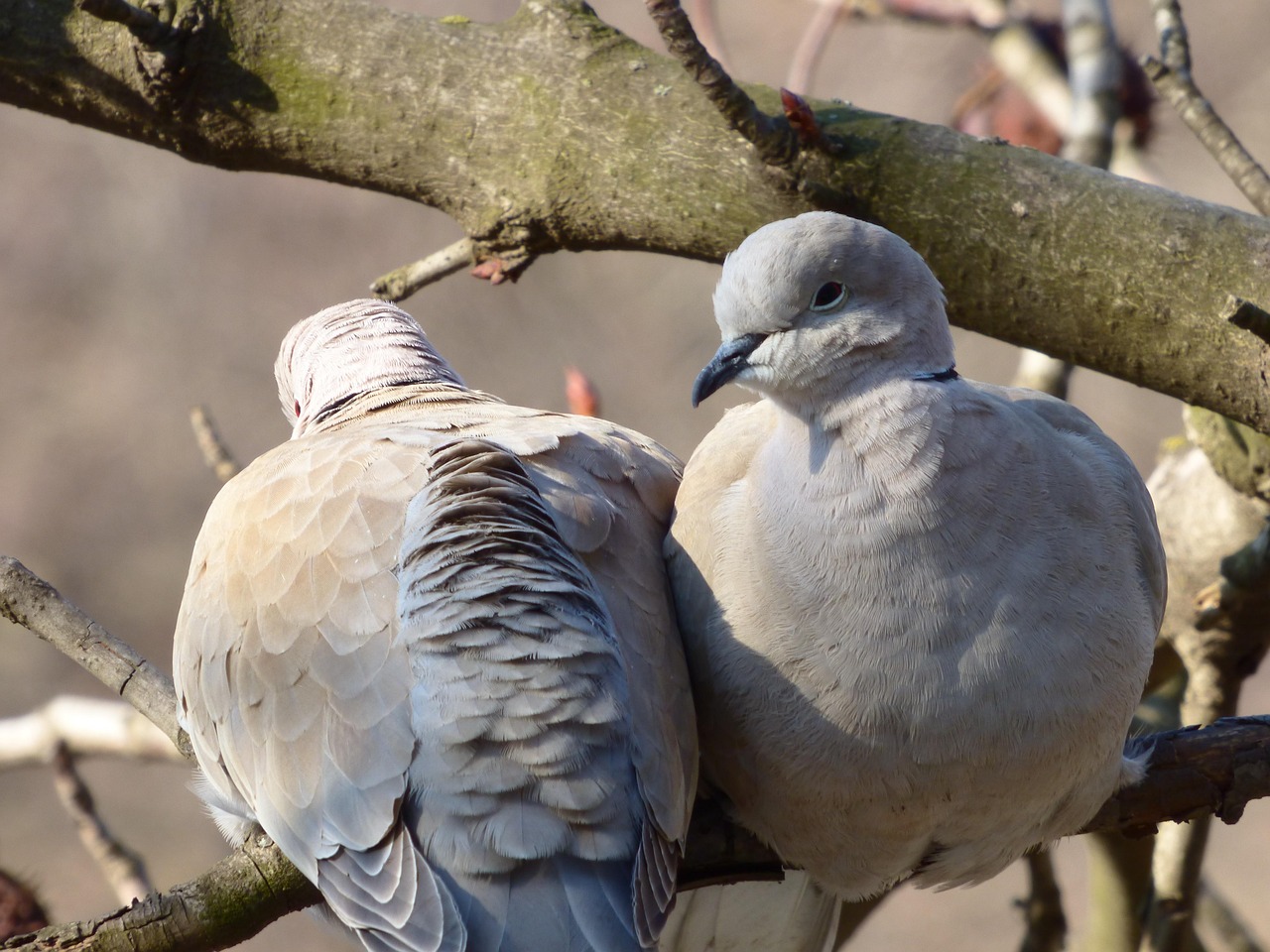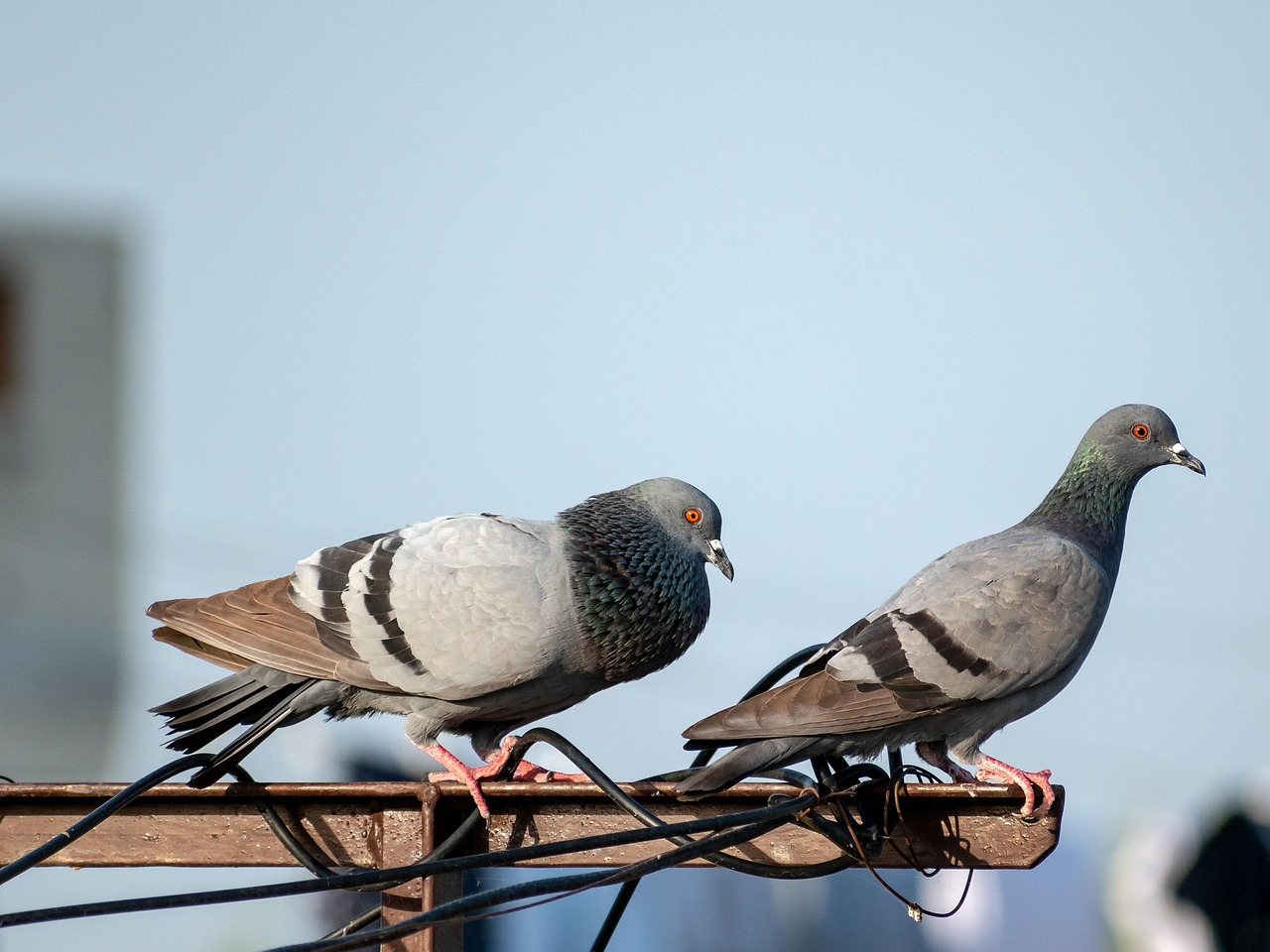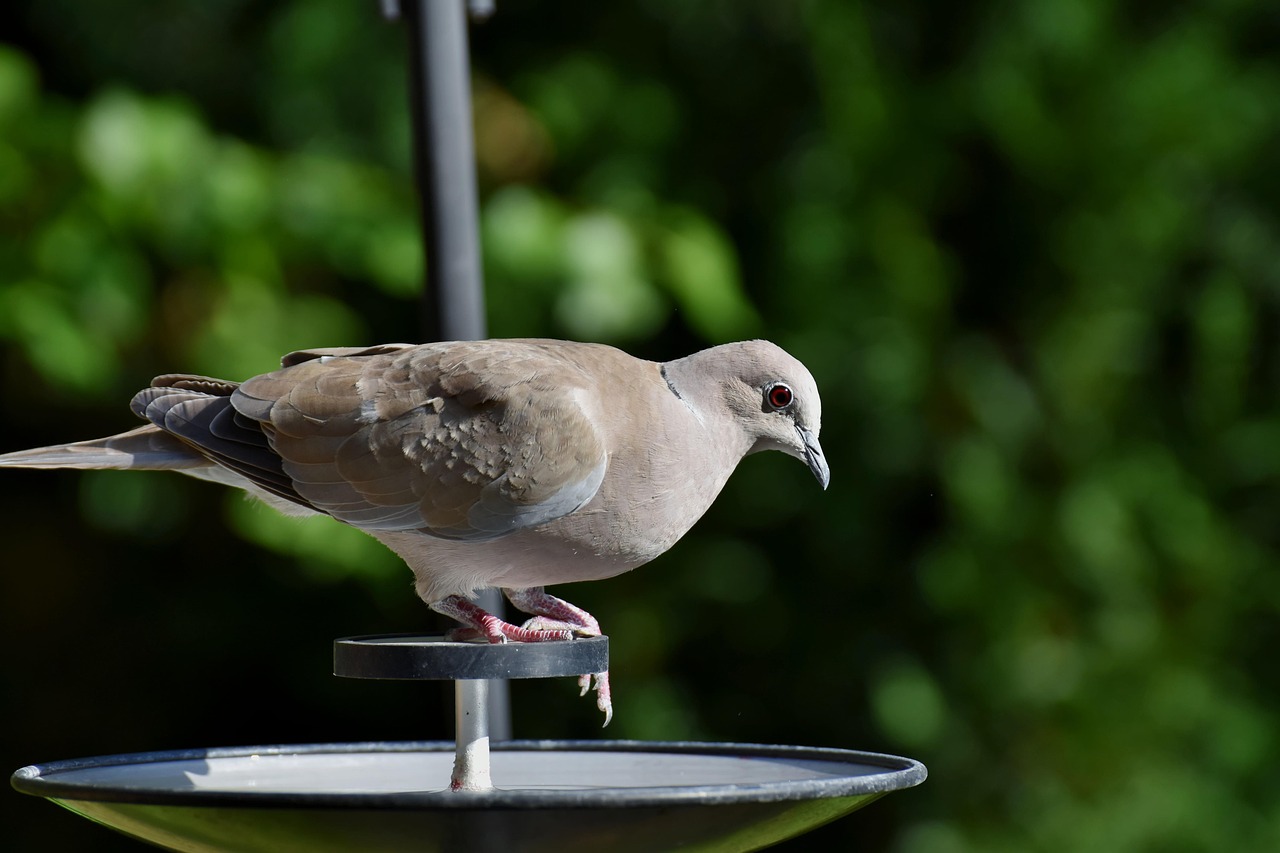
The widowhood system is a powerful training method for pigeon racing, designed to create elite racing birds that excel in long-distance competitions. By leveraging natural instincts and strategic conditioning, this approach transforms ordinary pigeons into high-performance athletes. In this article, we explore how to build and maintain a team of widowhood pigeons for superior results.
Understanding the Widowhood System
The widowhood system is a specialized training regimen that capitalizes on the mating instincts of pigeons to enhance their racing performance. Originating in Europe, it has become a cornerstone for breeders aiming to develop elite racing birds. This method involves separating mated pairs during the racing season, using the desire to reunite as a motivational tool for faster homing.
Origins and Principles
The widowhood system dates back to the mid-20th century, pioneered by Belgian fanciers who observed that pigeons separated from their mates exhibited increased drive and speed. The core principle revolves around emotional motivation; by keeping birds apart, they develop a strong urge to return home quickly after a race. This emotional bond is harnessed to push elite racing birds to their limits, making it ideal for long-distance events where endurance and determination are crucial. Understanding these foundations helps in applying the system effectively, ensuring that each pigeon reaches its full potential as a competitive athlete.
To implement this, fanciers typically house widowhood pigeons in individual lofts, allowing controlled interactions only before races. This setup not only boosts motivation but also reduces distractions, fostering a focused environment for training. By mastering these principles, breeders can consistently produce birds that outperform others, turning their lofts into hubs of champion racers. It's a blend of science and art, requiring patience and insight into pigeon behavior.
Key Benefits for Racing Performance
Adopting the widowhood system offers numerous advantages for developing elite racing birds. Firstly, it significantly improves homing speed, as pigeons are driven by the anticipation of reuniting with their mates. This emotional stimulus can lead to faster flight times and better race outcomes. Additionally, the system allows for better health management, as separated birds are less prone to stress-related issues and can be monitored more closely for diet and exercise.
Another key benefit is the enhanced consistency in performance. Widowhood pigeons often show reliable results across multiple races, thanks to the structured training and motivational techniques. This makes them valuable assets in competitive circuits, where every second counts. By focusing on these benefits, breeders can build a reputation for producing top-tier birds that dominate long-distance events. It's not just about speed; it's about creating a sustainable system for ongoing success in pigeon racing.
Setting Up Your Widowhood Loft
Creating an optimal environment is essential for the success of widowhood pigeons. A well-designed loft supports their physical and psychological needs, contributing to the development of elite racing birds. This section covers the key elements of loft setup, from space planning to maintenance routines that ensure a healthy and motivating habitat.
Design and Space Requirements
When designing a loft for widowhood pigeons, prioritize ample space and segregation to prevent conflicts and stress. Each bird should have its own compartment, typically measuring at least 60x60 centimeters, to allow for comfortable movement and rest. The loft must include separate areas for feeding, perching, and nesting, with good ventilation to maintain air quality and reduce disease risks. Proper lighting is also crucial, as it regulates the birds' circadian rhythms and supports their training schedules.
In addition to size, the materials used should be durable and easy to clean, such as wood or metal with smooth surfaces to avoid injuries. Incorporating features like one-way doors can help in managing entries and exits during training sessions. By investing in a thoughtfully designed loft, breeders provide a foundation that encourages the growth of elite racing birds, minimizing distractions and maximizing focus on performance. Remember, a well-structured environment directly influences the pigeons' willingness to train and compete at high levels.
Essential Equipment and Maintenance
Equipping your loft with the right tools is vital for managing widowhood pigeons effectively. Key items include individual feeding and watering systems to monitor intake, perches of varying heights to simulate natural roosting, and nesting boxes that can be opened or closed to control mating access. Hygiene equipment, such as disinfectants and cleaning tools, is essential to prevent infections and maintain a sterile environment. Regular maintenance routines should involve daily cleaning of droppings, weekly inspections for pests, and monthly deep cleans to ensure overall loft health.
- Automatic feeders for consistent diet control
- Water dispensers with filters to ensure clean hydration
- Ventilation fans to regulate temperature and humidity
By maintaining a clean and well-equipped loft, breeders reduce stress on the birds, which is critical for sustaining their performance as elite racing birds. This proactive approach not only enhances longevity but also builds a reliable system that supports continuous improvement in racing outcomes. Consistency in upkeep fosters a stable environment where pigeons can thrive and excel.
Training Techniques for Elite Racing Birds
Effective training is the backbone of developing widowhood pigeons into elite racing birds. This involves a combination of physical conditioning, mental preparation, and strategic exercises tailored to long-distance races. By following proven methods, breeders can enhance stamina, speed, and homing abilities in their pigeons.
Basic Conditioning and Exercise Routines
Start with basic conditioning to build the foundation for elite racing birds. This includes daily exercise flights, gradually increasing in duration and distance to improve cardiovascular health and muscle strength. For widowhood pigeons, it's beneficial to schedule training during times when they are most motivated, such as after brief interactions with their mates. Incorporate variety by mixing short sprints with longer endurance flights, simulating race conditions to prepare them for actual competitions.
Monitoring the birds' response is key; adjust routines based on their energy levels and recovery times to avoid overtraining. Use tools like loft traps to track flight times and identify areas for improvement. By consistently applying these exercises, breeders can develop pigeons that are not only fast but also resilient, capable of handling the demands of long-distance events. This disciplined approach ensures that widowhood pigeons reach peak physical condition, ready to outperform rivals on race day.
Advanced Motivation Strategies
Advanced training for widowhood pigeons involves psychological tactics to boost their racing drive. One effective method is the use of mate teasing, where birds are allowed to see or briefly interact with their partners before a training session, heightening their desire to return quickly. Another strategy is varying the training routes to prevent boredom and enhance navigational skills, which is crucial for elite racing birds facing unpredictable race conditions.
Incorporating rest periods is equally important; over-motivation can lead to burnout, so balance intense sessions with adequate recovery. By understanding each pigeon's personality, breeders can tailor these strategies to maximize individual performance. This personalized approach fosters a deep connection between the fancier and the birds, leading to a more responsive and dedicated team. Ultimately, these advanced techniques transform widowhood pigeons into highly motivated athletes, consistently achieving top placements in races.
Nutrition and Health Management
Proper nutrition and health care are critical for sustaining widowhood pigeons as elite racing birds. A balanced diet supports energy levels and recovery, while proactive health measures prevent illnesses that could derail training. This section delves into dietary plans and common health issues, offering actionable advice for optimal pigeon care.
Dietary Plans for Peak Performance
Designing a dietary plan for widowhood pigeons requires a focus on high-energy foods that fuel long flights. A mix of grains, seeds, and legumes should form the base, with proportions adjusted based on training intensity and race schedules. For example, increase carbohydrate-rich foods like corn and wheat before races for an energy boost, and incorporate proteins such as peas for muscle repair post-exercise. Supplements like vitamins and minerals can address specific needs, ensuring elite racing birds receive all essential nutrients for peak condition.
Hydration is another vital aspect; always provide fresh, clean water, and consider electrolyte solutions during intense training to prevent dehydration. Monitor feeding times to align with exercise routines, avoiding overfeeding that could lead to weight issues. By customizing diets to individual birds' requirements, breeders can enhance endurance and speed, making their widowhood pigeons stand out in competitions. A well-nourished pigeon is more likely to maintain consistency and recover quickly, key traits for success in racing.
Common Health Issues and Prevention
Widowhood pigeons are susceptible to various health problems, such as respiratory infections, parasites, and stress-related conditions. Regular health checks are essential to catch issues early; look for signs like lethargy, ruffled feathers, or changes in appetite. Vaccinations and deworming should be part of a routine schedule to protect against common diseases, ensuring that elite racing birds remain in top form throughout the season.
- Respiratory issues from poor ventilation
- Parasitic infestations in loft environments
- Nutritional deficiencies affecting performance
Preventive measures include maintaining loft hygiene, providing a balanced diet, and minimizing stress through stable routines. If health issues arise, consult a veterinarian promptly to avoid long-term impacts. By prioritizing health management, breeders safeguard their investment in widowhood pigeons, enabling them to compete reliably and achieve their potential as elite racing birds. A healthy pigeon is a competitive pigeon, ready to tackle any challenge on the racecourse.
Breeding and Selection for Long-Distance Races
Breeding plays a pivotal role in developing widowhood pigeons suited for long-distance events. By selecting birds with strong genetic traits and applying strategic pairing methods, breeders can produce elite racing birds with enhanced endurance and homing abilities. This section explores how to build a breeding program that focuses on quality and performance.
Genetic Traits and Pairing Strategies
When breeding widowhood pigeons, focus on genetic traits that contribute to long-distance success, such as strong flight muscles, efficient respiratory systems, and keen navigational instincts. Select parent birds from proven bloodlines with a history of high performance in races, as this increases the likelihood of offspring inheriting desirable characteristics. Pairing strategies should consider compatibility; for example, match birds with complementary strengths to balance speed and stamina in the next generation.
It's also important to avoid inbreeding by introducing new stock periodically, which adds genetic diversity and reduces the risk of hereditary issues. By carefully planning pairings, breeders can cultivate a lineage of elite racing birds that excel in widowhood systems. This proactive approach not only improves race results but also builds a sustainable breeding program that produces champions year after year. Investing in genetics is a long-term strategy that pays off in consistent top-tier performances.
Raising and Socializing Young Birds
Raising young widowhood pigeons involves early socialization and training to prepare them for future races. Start by handling chicks regularly to build trust and reduce stress, which is crucial for their development into elite racing birds. Introduce them to the loft environment gradually, allowing them to explore and become familiar with their surroundings before beginning formal training. This early exposure helps in developing confidence and strong homing instincts.
Incorporate basic flight exercises as they grow, focusing on short distances to build foundational skills. Monitor their progress and adjust training based on individual aptitudes, ensuring that each bird reaches its potential. By fostering a supportive upbringing, breeders set the stage for successful integration into the widowhood system. Well-socialized pigeons are more adaptable and responsive, making them ideal candidates for long-distance competitions where mental fortitude is as important as physical ability.
Conclusion
In summary, the widowhood system is a highly effective approach for building elite racing birds, combining emotional motivation with rigorous training and care. By understanding its principles, setting up optimal lofts, implementing advanced techniques, and focusing on nutrition and breeding, breeders can achieve remarkable success in long-distance pigeon racing. Embrace these strategies to elevate your team's performance and consistency. For expert guidance and tools to manage your pigeons, consider exploring Ghawy – Pigeon Manager, a resource designed to support enthusiasts in their racing journeys.