The King pigeon, known as 'حمام كنجي' in Arabic, has become a highly sought-after breed in the Gulf market, captivating enthusiasts with its unique characteristics and cultural significance. This article delves into the specifications that make this pigeon a standout choice, exploring its origins, physical traits, and the booming demand in regions like Saudi Arabia and the UAE. By understanding these aspects, breeders and hobbyists can better appreciate why the King pigeon reigns supreme in the السوق الخليجي.
Origins and Historical Background of the King Pigeon
The King pigeon boasts a rich history that traces back to selective breeding practices aimed at enhancing its utility and beauty. Originally developed for meat production, this breed has evolved into a symbol of prestige in pigeon keeping circles, particularly in the Gulf where traditional aviculture meets modern interests. Its journey from functional bird to cherished companion highlights the dynamic nature of pigeon breeding in the region.
Early Development and Breed Evolution
The early development of the King pigeon involved crossbreeding various utility breeds to achieve a robust and productive bird. Breeders focused on traits like size and temperament, leading to a pigeon that could thrive in diverse environments. Over time, this evolution incorporated elements from local breeds in the Middle East, adapting the King pigeon to the specific conditions of the السوق الخليجي. Today, it stands as a testament to careful selection and cultural adaptation, with its history reflecting the broader trends in avian husbandry.
As the breed gained popularity, it became intertwined with Gulf traditions, where pigeon keeping is not just a hobby but a cherished pastime. The King pigeon's ability to blend practicality with aesthetic appeal made it a favorite among enthusiasts, driving its demand in markets across Saudi Arabia, Kuwait, and beyond. Understanding this historical context helps explain why it remains a top choice, offering insights into how breeds can shape and be shaped by regional preferences.
Cultural Significance in the Gulf Region
In the Gulf, pigeons like the King breed hold deep cultural significance, often associated with heritage and social status. They feature in local festivals, competitions, and even as gifts, symbolizing generosity and connection to nature. The حمام كنجي, in particular, is prized for its elegance and reliability, making it a common sight in urban and rural settings alike. This cultural embrace has fueled its high demand, as more people seek to own a piece of this avian tradition.
The integration of King pigeons into daily life extends beyond mere ownership; they are part of community events and family legacies. For instance, in countries like Qatar and Oman, pigeon races and shows highlight the breed's agility and beauty, drawing crowds and fostering a sense of camaraderie among breeders. This cultural backdrop not only sustains the السوق الخليجي but also ensures that the King pigeon remains a vibrant part of the region's identity, encouraging new generations to engage in pigeon keeping.
Physical Characteristics and Unique Traits
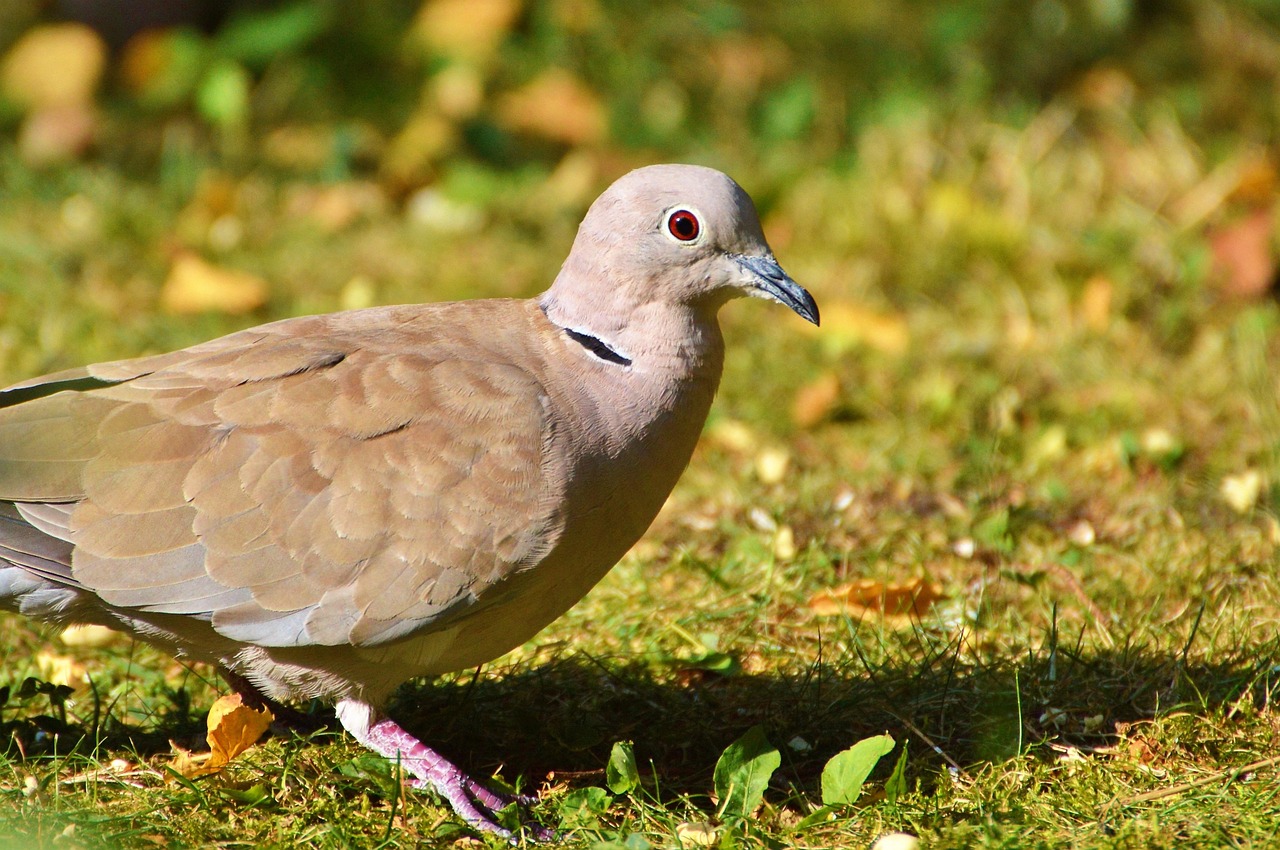
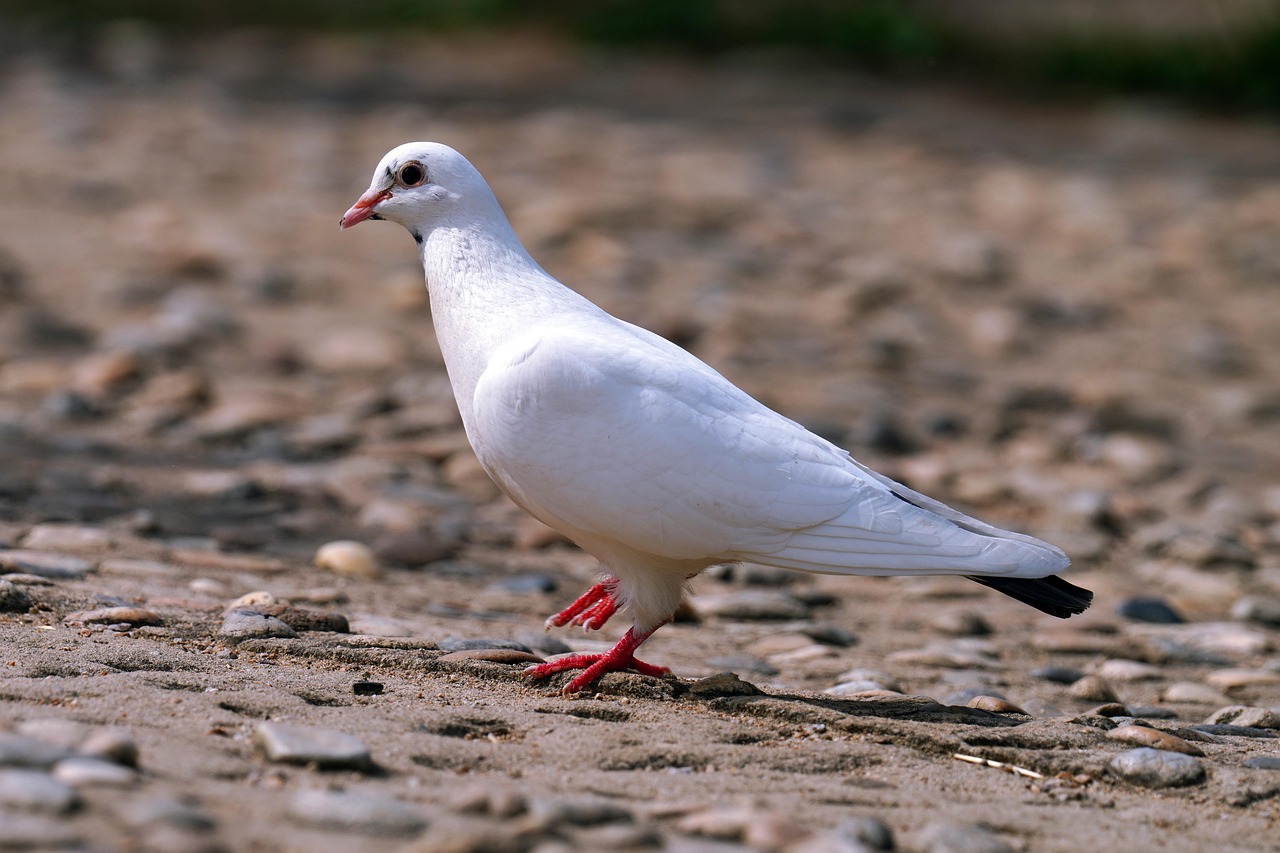
King pigeons are distinguished by their impressive physical attributes, which set them apart from other breeds in the pigeon world. Typically, they exhibit a large, muscular build, broad chest, and a calm demeanor, making them ideal for both meat production and ornamental purposes. Their feathers can range from pure white to various patterns, adding to their visual appeal and making them a favorite in the السوق الخليجي for their versatility and beauty.
Size, Weight, and Body Structure
One of the most notable features of the King pigeon is its substantial size, with adults often weighing between 800 grams to over 1 kilogram. This heft is complemented by a sturdy body structure, including a deep keel and strong wings, which contribute to their overall robustness. In the Gulf market, this size is highly valued for meat yield, but it also enhances their presence in shows and collections. Breeders in regions like the UAE often prioritize these traits when selecting birds, ensuring they meet the high standards demanded by local enthusiasts.
Beyond weight, the King pigeon's body proportions are carefully balanced, with a broad back and well-developed muscles that support their active lifestyle. This physical makeup not only makes them efficient for breeding but also adds to their aesthetic charm, as a well-proportioned bird is often seen as a sign of quality. In the context of the السوق الخليجي, where appearance and functionality go hand in hand, these characteristics make the حمام كنجي a prime example of a breed that excels in multiple areas, from practical uses to competitive displays.
Feather Colors and Patterns
The diversity in feather colors and patterns among King pigeons is a key factor in their popularity, offering a range of options for breeders and collectors. Common variations include solid white, black, blue, and red, often with iridescent sheens that catch the light beautifully. In the Gulf, where visual appeal is crucial, these patterns are highly sought after, with some enthusiasts specializing in rare color mutations that can command premium prices in the market.
Patterns such as barred, laced, or mottled feathers add another layer of uniqueness, making each bird distinct and desirable. This variety not only caters to aesthetic preferences but also allows for selective breeding to enhance specific traits. For instance, in the السوق الخليجي, breeders might focus on developing lines with consistent coloring to meet demand for uniform flocks. Understanding these feather characteristics helps in appreciating why the King pigeon is so versatile, adapting to different roles from show birds to reliable breeders in aviaries across the region.
Behavior and Temperament Insights
King pigeons are renowned for their gentle and docile temperament, which makes them easy to handle and ideal for both novice and experienced keepers. Unlike some high-strung breeds, they exhibit a calm demeanor, reducing stress in aviary settings and facilitating better breeding outcomes. This behavioral trait is particularly valued in the السوق الخليجي, where pigeon keeping often involves family participation and community events, emphasizing the need for manageable and friendly birds.
Social Interactions and Flock Dynamics
In flock settings, King pigeons display strong social bonds, often forming pairs and engaging in cooperative behaviors like preening and feeding together. This sociability enhances their suitability for group housing, common in Gulf aviaries, where space is optimized for multiple birds. Their ability to integrate smoothly reduces aggression and promotes a harmonious environment, which is essential for maintaining healthy populations and successful breeding programs in the حمام كنجي community.
Observations in the السوق الخليجي show that these pigeons thrive in environments with regular human interaction, becoming tame and responsive over time. This makes them excellent for educational purposes or as pets, further boosting their appeal. Breeders often note that King pigeons' flock-oriented nature aligns well with cultural practices in the Gulf, where pigeons are seen as communal assets. By fostering these social dynamics, keepers can ensure higher productivity and satisfaction, reinforcing the breed's status as a top choice in the region.
Adaptability to Gulf Climates
The King pigeon's adaptability to the harsh climates of the Gulf, characterized by high temperatures and arid conditions, is a significant advantage. They possess a robust constitution that allows them to tolerate heat better than many other breeds, thanks to features like efficient respiratory systems and heat-dissipating behaviors. This resilience makes them a practical option for breeders in countries like Saudi Arabia and Bahrain, where environmental challenges can impact avian health.
In practice, this adaptability means lower mortality rates and reduced need for intensive climate control, which is cost-effective for aviary operations. The حمام كنجي's ability to thrive in such settings has contributed to its high demand in the السوق الخليجي, as it reduces the barriers to entry for new enthusiasts. By selecting for traits that enhance survival in local conditions, breeders can maintain strong, vibrant flocks that continue to attract interest and investment in the pigeon market.
Breeding and Rearing Practices
Successful breeding of King pigeons requires attention to detail, from selecting high-quality pairs to providing optimal nesting conditions. In the Gulf, where the السوق الخليجي emphasizes productivity and genetic purity, breeders follow specific protocols to ensure healthy offspring. This involves monitoring factors like diet, housing, and genetic diversity, all of which play a role in sustaining the breed's popularity and meeting the demand for حمام كنجي.
Optimal Breeding Conditions and Techniques
To achieve high breeding success, it's essential to create environments that mimic the King pigeon's natural preferences, such as spacious lofts with adequate ventilation and nesting boxes. In the Gulf, breeders often use shaded areas and cooling systems to combat heat stress, ensuring that pairs remain comfortable and productive. Techniques like controlled pairing and record-keeping help track lineage and avoid inbreeding, which is crucial for maintaining the breed's integrity in the السوق الخليجي.
Additionally, timing breeding cycles to align with cooler months can improve outcomes, as extreme heat may reduce fertility rates. By adopting these practices, breeders can maximize egg production and chick survival, leading to a steady supply of King pigeons for the market. This focus on optimal conditions not only supports the breed's growth but also enhances its reputation for reliability, making it a staple in aviaries across the region and reinforcing its high demand among enthusiasts.
Chick Rearing and Growth Monitoring
Rearing King pigeon chicks involves careful monitoring from hatching to fledging, with emphasis on nutrition and health checks. A balanced diet rich in proteins and vitamins is vital for rapid growth, and in the السوق الخليجي, breeders often supplement with local feeds to ensure robustness. Regular weight checks and disease prevention measures, such as vaccinations, help reduce mortality and produce strong adults ready for sale or further breeding.
As chicks develop, their progress is tracked to identify any issues early, allowing for interventions that support overall flock health. This hands-on approach is common in Gulf breeding programs, where the goal is to yield pigeons that meet the high standards of the حمام كنجي market. By prioritizing chick rearing, breeders contribute to the sustainability of the breed, ensuring that future generations continue to thrive and attract interest in the ever-evolving pigeon industry.
Market Dynamics and Economic Impact
The demand for King pigeons in the Gulf market has created a vibrant economic ecosystem, driven by factors like cultural trends, breeding innovations, and consumer preferences. The السوق الخليجي for حمام كنجي is characterized by high transaction volumes, with prices varying based on traits such as color, size, and lineage. This dynamic not only benefits breeders but also supports ancillary industries, from feed suppliers to aviary designers, highlighting the breed's broader economic significance.
Pricing Trends and Value Determinants
In the Gulf, King pigeons can command prices ranging from moderate to premium, depending on their specifications. Factors like rare feather patterns, proven breeding records, and overall health play a key role in determining value, with top-quality birds often selling for significant sums in auctions or private sales. This pricing trend reflects the high demand in the السوق الخليجي, where enthusiasts are willing to invest in birds that enhance their collections or breeding programs.
Market analysis shows that fluctuations in pricing are often tied to seasonal events, such as festivals or competitions, which spike interest and sales. By understanding these trends, breeders can strategically time their offerings to maximize profits. The economic impact extends beyond individual transactions, fostering a community of traders and experts who contribute to the region's aviculture sector. This makes the King pigeon not just a cultural icon but an economic driver in the Gulf's pigeon market.
Future Outlook and Growth Opportunities
The future of the King pigeon in the Gulf looks promising, with opportunities for growth in areas like export markets and technological integration. As global interest in unique breeds increases, the السوق الخليجي could expand its reach, leveraging online platforms to connect with international buyers. Innovations in breeding techniques, such as genetic testing, may further enhance the breed's appeal, ensuring its continued relevance in the حمام كنجي niche.
Potential challenges, like climate change or regulatory changes, require adaptive strategies to sustain demand. However, the breed's resilience and cultural embeddedness suggest a positive trajectory. By embracing these opportunities, stakeholders can bolster the economic impact of King pigeons, creating a sustainable model that benefits both local communities and the broader pigeon industry. This forward-looking perspective underscores why the breed remains a high-demand asset in the Gulf market.
Conclusion
In summary, the King pigeon's appeal in the Gulf market stems from its rich history, distinctive physical traits, adaptable behavior, and robust breeding potential. Its high demand in the السوق الخليجي is a testament to its versatility and cultural significance, making it a valuable addition to any aviary. For those looking to delve deeper into pigeon management, consider exploring resources from Ghawy – Pigeon Manager (غاوي – إدارة الحمام) to enhance your expertise and connect with a community of like-minded enthusiasts.