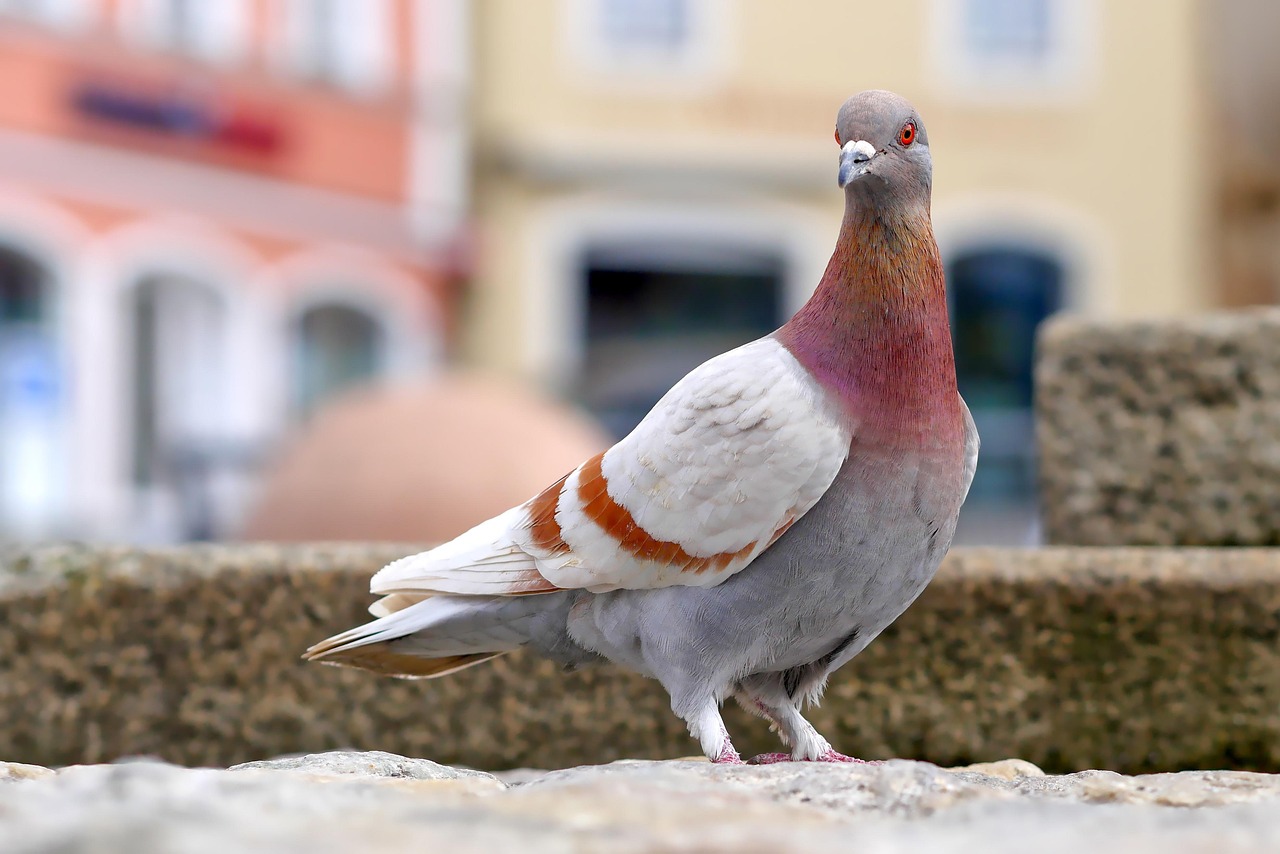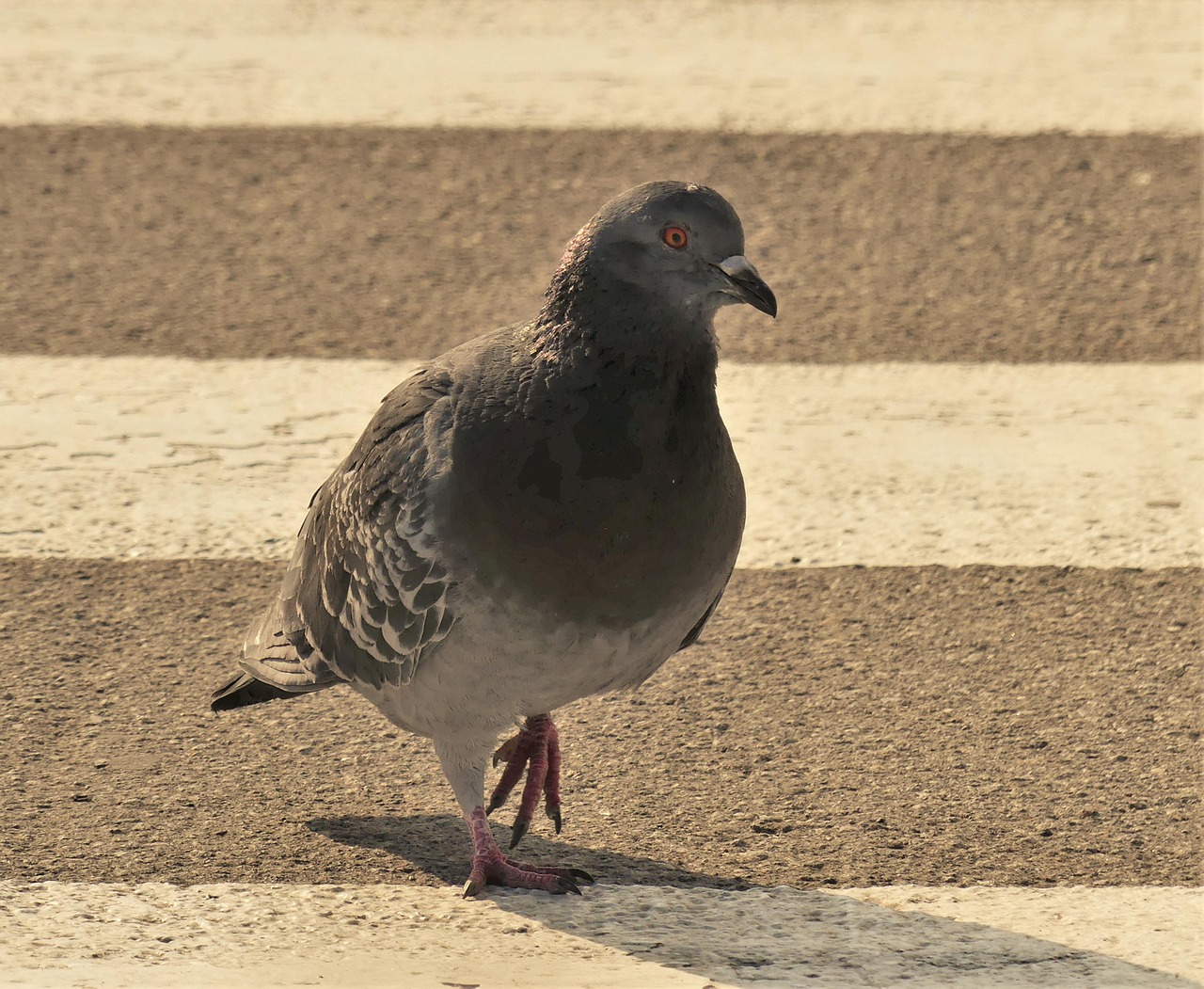
The Old German Owl pigeon is a beloved breed among enthusiasts, known for its elegant appearance and gentle nature. This article delves into the detailed standards of this breed, providing insights and examples relevant to the Arab pigeon market. Understanding these criteria is essential for breeders aiming to excel in shows and maintain high-quality stock.
Introduction to Old German Owl Pigeons
Old German Owl pigeons, often referred to simply as Old German Owls, are a classic breed with a rich history in pigeon fancying. Originating in Germany, they have gained popularity worldwide for their distinctive features and calm demeanor. In the Arab world, these pigeons are prized for their beauty and are often featured in local competitions and breeding programs. This section explores their origins and why they resonate with pigeon keepers in regions like the Middle East.
Historical Background
The Old German Owl breed dates back to the 19th century, developed through selective breeding for specific traits such as a rounded head and compact body. Initially bred for utility and show, they have evolved into a symbol of avian elegance. In Arab countries, their introduction has been gradual, with breeders adapting them to local climates and preferences. For instance, in Egypt and Saudi Arabia, Old German Owls are often crossbred to enhance resilience while maintaining show standards. This historical context helps breeders appreciate the breed's journey and its place in modern pigeon culture.
Popularity in Arab Markets
In the Arab pigeon market, Old German Owls are highly sought after for their aesthetic appeal and compatibility with local breeding practices. Markets in countries like the UAE and Jordan see regular trade of these birds, with prices varying based on conformity to show pigeon standards. Examples include sales in Dubai's pigeon auctions, where top-quality Old German Owls can fetch premium prices due to their impeccable markings and posture. Breeders often share success stories, such as winning regional shows, which fuels interest and investment in this breed. Understanding this popularity can guide newcomers in making informed purchases and breeding decisions.
Key Standards for Old German Owl Pigeons
Adhering to show pigeon standards is crucial for success in competitions and breeding programs. The Old German Owl has specific criteria set by international organizations, covering aspects like size, color, and behavior. This section breaks down these standards, offering practical advice for breeders in the Arab world to evaluate and improve their flocks. By focusing on these key areas, you can ensure your pigeons meet the high expectations of judges and enthusiasts alike.
Physical Appearance and Size
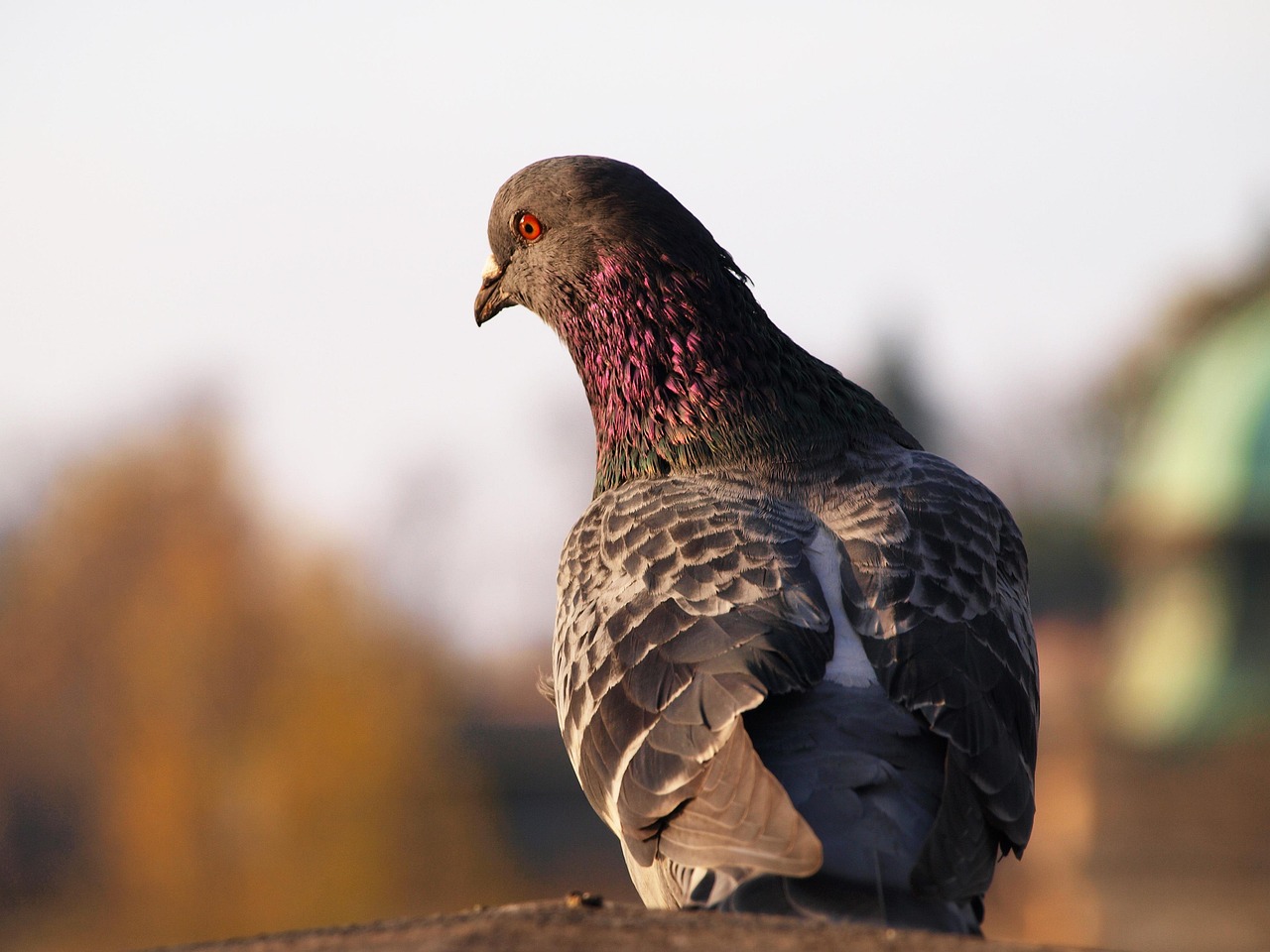
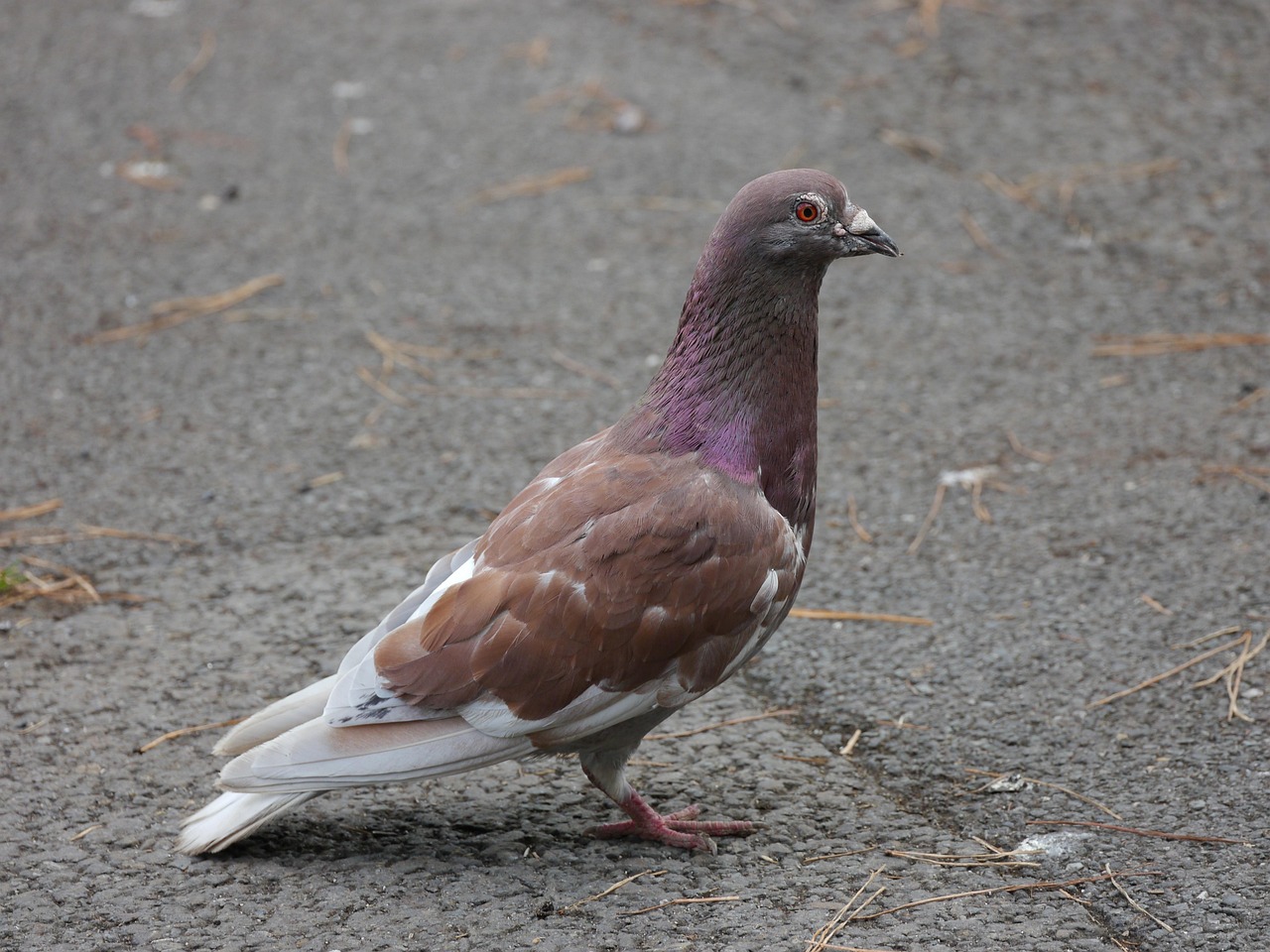
The physical standards for Old German Owl pigeons emphasize a balanced and harmonious build. Ideally, they should have a medium size, with a body length of around 28-32 cm and a weight of 300-400 grams. Key features include a broad, rounded head, large, bright eyes, and a short, stout beak. In Arab markets, breeders often look for birds with vibrant feather colors, such as blue, black, or red, which are common in local varieties. For example, a pigeon from a Syrian breeder might showcase a glossy black plumage that aligns perfectly with show pigeon standards, making it a standout in competitions. Regular assessments using these criteria can help maintain breed purity and appeal.
Feather Quality and Markings
Feather quality is a critical aspect of Old German Owl standards, requiring smooth, tight plumage without any defects. Markings should be clear and symmetrical, with specific patterns like bars or checks depending on the variety. In the Arab pigeon scene, breeders prioritize birds with minimal feather faults, as seen in examples from Kuwaiti shows where pigeons with flawless white lacing have won top awards. Proper grooming and diet play a role here; for instance, incorporating omega-rich feeds can enhance feather sheen. By monitoring these details, you can elevate your breeding program and increase the value of your Old German Owls in the market.
Breeding and Care Guidelines
Successful breeding of Old German Owl pigeons involves more than just meeting show standards; it requires dedicated care and management. This section covers best practices for rearing these birds, tailored to the environments common in Arab countries. From nutrition to housing, following these guidelines can lead to healthier, more productive flocks that thrive in local conditions and excel in competitions.
Nutrition and Health Management
A balanced diet is essential for Old German Owls to maintain their show-ready condition. They thrive on a mix of grains, seeds, and supplements, with particular attention to protein intake for feather development. In hot climates like those in the Gulf region, ensuring access to fresh water and shade is vital to prevent heat stress. Common health issues, such as respiratory infections, can be mitigated with regular vet check-ups and clean living spaces. For example, breeders in Oman have reported better outcomes by using locally sourced feeds enriched with vitamins, which support overall vitality and adherence to show pigeon standards. Implementing these nutritional strategies can boost immunity and longevity.
Housing and Environment
Proper housing for Old German Owl pigeons should provide ample space, ventilation, and protection from predators. In Arab countries, where temperatures can soar, insulated lofts with cooling systems are recommended to keep birds comfortable. Breeding pairs need separate nesting areas to reduce stress and encourage successful mating. Instances from the Egyptian market show that well-designed lofts lead to higher breeding rates and better conformity to standards. Additionally, regular cleaning prevents diseases, ensuring that your pigeons remain healthy and ready for shows. By optimizing the environment, you can create an ideal setting for raising top-quality Old German Owls.
Training and Showing Techniques
Preparing Old German Owl pigeons for shows requires specific training techniques to highlight their best features. This section explores methods for conditioning and presenting these birds, with examples from Arab competitions. Whether you're a novice or experienced breeder, these insights can help you maximize your chances of success in the ring and build a reputation for excellence.
Conditioning for Competitions
Conditioning involves gradual training to improve a pigeon's posture, alertness, and overall presentation. Techniques include handling sessions to acclimate birds to human contact and flight exercises to build muscle tone. In the Arab world, breeders often start conditioning months before events, using methods inspired by local traditions. For instance, a Jordanian enthusiast might incorporate short daily flights to enhance stamina, resulting in pigeons that stand out for their vigor and alignment with show pigeon standards. Consistency in this routine ensures that Old German Owls perform optimally under judge scrutiny.
Presentation and Judging Criteria
During shows, presentation is key, with judges evaluating factors like stance, feather condition, and behavior. Old German Owls should be calm and cooperative, allowing for easy inspection of their features. In Arab markets, it's common to see breeders using gentle handling techniques to showcase their birds' strengths. Examples from UAE competitions highlight how pigeons with perfect head carriage and bright eyes often score high. Understanding the judging criteria, such as point systems for specific traits, can guide your preparation efforts. By focusing on these aspects, you can ensure your Old German Owls make a strong impression and potentially win awards.
Market Insights and Examples
The Arab pigeon market offers unique opportunities and challenges for Old German Owl breeders. This section provides insights into current trends, pricing, and real-world examples from the region. By analyzing market dynamics, you can make informed decisions about buying, selling, and breeding these pigeons to capitalize on their growing popularity.
Pricing and Demand Trends
Demand for Old German Owl pigeons in Arab countries fluctuates based on factors like show results and breeding success. Prices can range from $50 for pet-quality birds to over $500 for show champions, depending on conformity to standards. In markets like Saudi Arabia, there's a rising trend toward importing high-quality stock from Europe to improve local bloodlines. For example, a recent auction in Qatar saw a record sale of a blue Old German Owl with impeccable markings, underscoring the value of meeting show pigeon standards. Monitoring these trends helps breeders set competitive prices and identify lucrative opportunities.
Success Stories from Arab Breeders
Many Arab breeders have achieved remarkable success with Old German Owls, serving as inspiration for others. Stories from Lebanon, for instance, detail how a small-scale breeder won national awards by focusing on selective breeding and adherence to standards. These examples often emphasize the importance of patience and knowledge, such as using genetic testing to avoid common defects. By learning from these successes, you can apply similar strategies to your own endeavors. This not only enhances your flock but also contributes to the broader community of pigeon enthusiasts in the region.
Conclusion
In summary, mastering the standards of Old German Owl pigeons is essential for anyone involved in the Arab pigeon market. From physical traits to breeding care, this guide has covered key aspects to help you excel. By applying these insights, you can improve your flock's quality and competitiveness. For further assistance in managing your pigeons, consider using Ghawy – Pigeon Manager (غاوي – إدارة الحمام) to streamline your efforts and achieve better results.