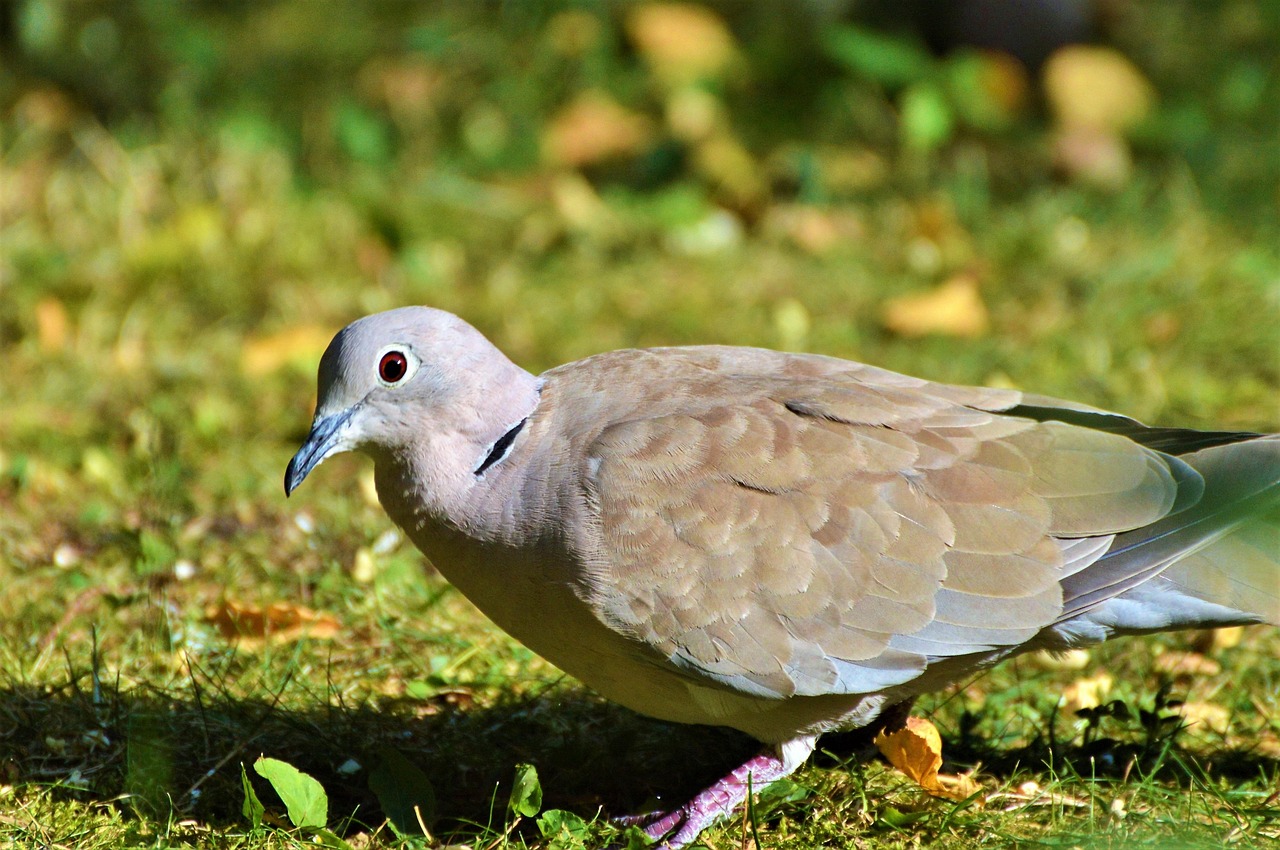
The King pigeon, known as 'حمام كنجي' in Arabic, has become a highly sought-after breed in the Gulf market, captivating enthusiasts with its unique characteristics and cultural significance. This article delves into the specifications that make this pigeon a standout choice, exploring its origins, physical traits, and the booming demand in regions like Saudi Arabia and the UAE. By understanding these aspects, breeders and hobbyists can better appreciate why the King pigeon reigns supreme in the السوق الخليجي.
Origins and Historical Background of the King Pigeon
The King pigeon boasts a rich history that traces back to selective breeding practices aimed at enhancing its utility and beauty. Originally developed for meat production, this breed has evolved into a symbol of prestige among pigeon fanciers in the Gulf, where its heritage is deeply intertwined with local traditions. Over the years, it has gained prominence due to its adaptability and the growing interest in pigeon racing and shows, making it a staple in the السلالات العربية category.
Development and Breeding History
The breeding history of the King pigeon is marked by careful selection for traits like size and temperament, leading to the robust variety we see today. In the early 20th century, breeders in the United States focused on crossbreeding to create a pigeon that could thrive in various climates, which later influenced its adoption in the Gulf. This historical development explains why the حمام كنجي is now prized for its consistency and reliability, factors that drive its high demand in the السوق الخليجي. As enthusiasts in regions like Qatar and Kuwait embraced these birds, they incorporated local breeding techniques to enhance features such as feather quality and overall health.
Understanding this background helps appreciate how the King pigeon became integral to pigeon culture in the Arab world, where it is often featured in competitions and private collections. The breed's journey from utilitarian purposes to ornamental and competitive roles highlights its versatility, making it a fascinating subject for anyone interested in السلالات العربية. By learning about its origins, breeders can make informed decisions to preserve and improve the lineage, ensuring its continued popularity in markets across the Gulf.
Cultural Significance in the Gulf Region
In the Gulf, the King pigeon holds cultural importance beyond its physical attributes, often symbolizing wealth and status among collectors. This cultural resonance stems from historical practices where pigeons were used in messaging and as pets in royal courts, evolving into a modern hobby that unites communities. The حمام كنجي, in particular, is celebrated during festivals and pigeon shows, where its presence underscores the region's deep-rooted appreciation for avian beauty and heritage.
This significance fuels the demand in the السوق الخليجي, as owning a high-quality King pigeon can enhance social standing and provide a sense of pride. For instance, in countries like the UAE, pigeon keeping is a popular pastime that fosters camaraderie among enthusiasts, with the King breed often being the centerpiece of discussions and trades. By recognizing this cultural aspect, breeders can tailor their approaches to meet the expectations of the local market, ensuring that the pigeons not only meet physical standards but also align with traditional values. This blend of history and modernity makes the King pigeon a enduring icon in the world of السلالات العربية.
Physical Characteristics and Unique Traits
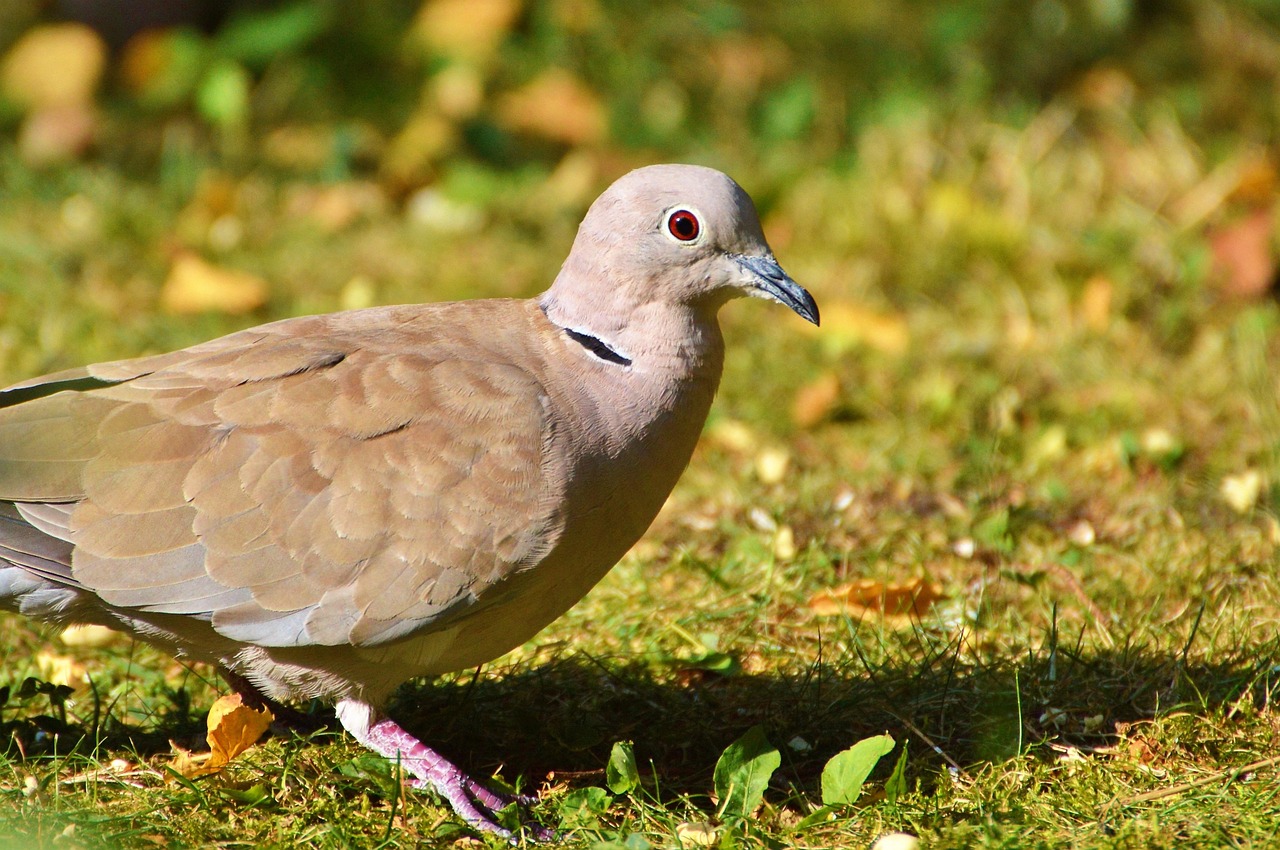
The King pigeon is distinguished by its impressive physical features, which include a large body, broad chest, and vibrant plumage that appeals to collectors in the Gulf. These traits are not just aesthetic but also functional, contributing to the bird's health and performance in various settings. In the السوق الخليجي, such characteristics are highly valued, as they indicate quality and breeding potential, making the حمام كنجي a top choice for those seeking reliable and attractive pigeons.
Body Structure and Size
One of the most notable aspects of the King pigeon is its substantial body structure, typically weighing between 800 grams to 1 kilogram, which gives it a commanding presence. This size is complemented by a strong, muscular build that supports its agility and endurance, essential for activities like flying and breeding. In the context of the السوق الخليجي, this robustness is a key selling point, as enthusiasts prefer pigeons that can withstand the region's hot climate and thrive in aviaries or lofts.
Moreover, the breed's size contributes to its meat production potential, although in the Gulf, it is more commonly kept for show and companionship. The حمام كنجي's body proportions, including a short beak and well-defined wings, are often highlighted in competitions, where judges assess symmetry and overall conformation. By focusing on these structural elements, breeders can ensure their pigeons meet the high standards demanded in markets like Saudi Arabia and Oman, ultimately boosting their appeal and value in the competitive world of السلالات العربية.
Feather Colors and Patterns
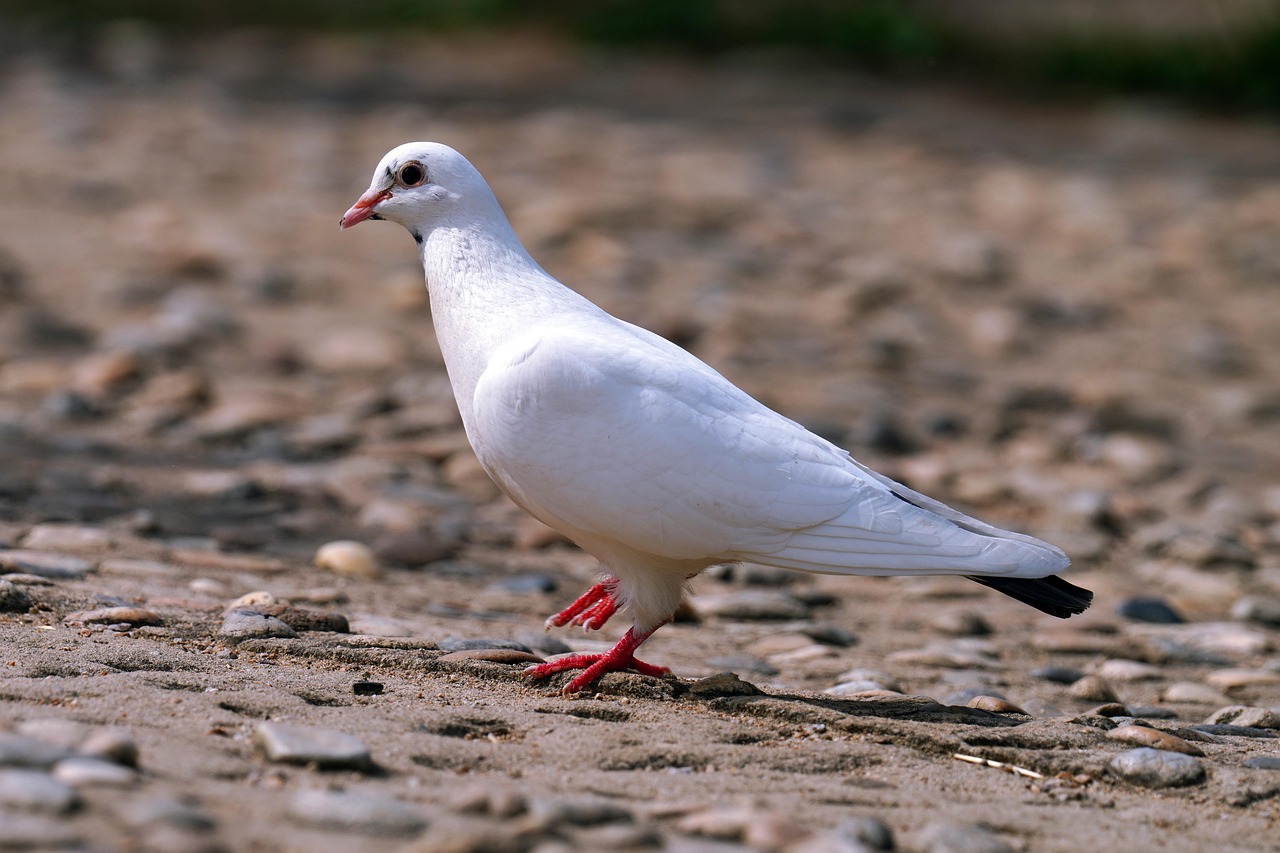
The King pigeon exhibits a wide range of feather colors and patterns, from solid whites and blacks to mottled and pied varieties, which add to its visual appeal. These variations are a result of genetic diversity and selective breeding, allowing for customization based on regional preferences in the السوق الخليجي. For example, in Kuwait, brighter colors might be favored for their aesthetic value in displays, while in Bahrain, more subdued tones could be preferred for traditional reasons.
This diversity not only makes the حمام كنجي a versatile breed but also enhances its marketability, as collectors often seek unique specimens to diversify their flocks. The feathers are typically smooth and dense, providing insulation and protection, which is crucial in the Gulf's variable weather conditions. By understanding the genetics behind these traits, breeders can produce pigeons that stand out in shows and sales, reinforcing the breed's status as a premier choice among السلالات العربية. Additionally, maintaining feather quality through proper nutrition and care ensures that these birds remain healthy and attractive, further driving demand in the region.
Behavioral Traits and Temperament
Beyond physical attributes, the King pigeon is known for its calm and friendly temperament, making it an ideal pet for families and enthusiasts in the Gulf. This behavioral profile is crucial in the السوق الخليجي, where pigeons are often kept in close quarters and expected to interact harmoniously with humans and other birds. The حمام كنجي's docile nature reduces stress in aviaries, promoting better health and breeding outcomes, which aligns with the preferences of hobbyists in the region.
Social Behavior and Interaction
King pigeons are highly social creatures that thrive in flock settings, displaying behaviors like cooing and preening that strengthen bonds within groups. In the Gulf, where pigeon keeping is a communal activity, this sociability makes the حمام كنجي a popular choice for group aviaries and competitive events. Their ability to adapt to human presence allows for easier handling and training, which is essential for shows and breeding programs in the السوق الخليجي.
This social aspect also influences their market value, as well-behaved pigeons are more likely to be sought after by collectors. For instance, in the UAE, enthusiasts often prioritize temperament when selecting birds, as it affects overall satisfaction and success in pigeon-related hobbies. By fostering positive interactions through regular socialization, breeders can enhance the appeal of their King pigeons, ensuring they meet the expectations of the discerning السلالات العربية market. Ultimately, a balanced temperament contributes to the breed's reputation as a reliable and enjoyable companion.
Intelligence and Trainability
The King pigeon demonstrates notable intelligence, capable of learning simple commands and routines, which enhances its suitability for training and competitions. This trainability is a significant advantage in the السوق الخليجي, where pigeons are often involved in racing or trick performances that require discipline and responsiveness. The حمام كنجي's ability to quickly adapt to new environments makes it a low-maintenance option for breeders in regions like Qatar, where time and resources may be limited.
Moreover, their cognitive skills allow for enrichment activities that prevent boredom and promote mental health, leading to longer, happier lives. In the context of السلالات العربية, this intelligence is celebrated through events that showcase the birds' abilities, further boosting their demand. By incorporating training into daily care routines, owners can unlock the full potential of their King pigeons, making them not just pets but partners in the hobby. This focus on behavioral excellence ensures that the breed remains a top contender in the competitive Gulf market.
Breeding and Care Requirements
Successful breeding and care of King pigeons require attention to detail, from nutrition to housing, to ensure optimal health and productivity. In the السوق الخليجي, these aspects are critical, as they directly impact the quality and availability of the حمام كنجي. By following best practices, breeders can maintain strong lineages and meet the high standards expected in the region, supporting the sustained demand for this beloved breed.
Nutrition and Diet Management
A balanced diet is essential for King pigeons, typically consisting of grains, seeds, and supplements to support their energy needs and feather health. In the Gulf, where temperatures can soar, providing adequate hydration and nutrient-rich foods helps prevent common issues like dehydration or malnutrition. The حمام كنجي benefits from a varied diet that includes proteins and vitamins, which are crucial for breeding success and overall vitality in the السوق الخليجي.
Breeders should also consider seasonal adjustments, such as increasing food intake during colder months or molting periods, to maintain the birds' condition. By monitoring dietary intake and consulting with experts, owners can ensure their pigeons thrive, enhancing their appeal in the competitive market of السلالات العربية. Additionally, proper nutrition reduces veterinary costs and increases longevity, making it a smart investment for anyone involved in pigeon husbandry. This proactive approach to care not only benefits the individual birds but also strengthens the breed's reputation in the Gulf.
Housing and Environmental Needs
Providing suitable housing for King pigeons involves designing lofts or aviaries that offer protection from predators, extreme weather, and disease. In the السوق الخليجي, where sandstorms and high humidity are common, enclosures must be well-ventilated and secure to ensure the birds' comfort and safety. The حمام كنجي requires ample space for flying and perching, which promotes physical health and reduces stress, key factors in maintaining their high demand.
Key elements of ideal housing include:
- Spacious design to allow free movement and social interaction
- Clean, dry bedding to prevent infections and parasites
- Shaded areas to protect from direct sunlight and heat
Market Dynamics and Economic Impact
The demand for King pigeons in the Gulf market is driven by a combination of cultural trends, economic factors, and the breed's inherent qualities. Understanding these dynamics helps breeders and sellers navigate the السوق الخليجي effectively, maximizing opportunities for growth and profitability. The حمام كنجي's popularity has led to a thriving trade that supports local economies and fosters innovation in pigeon husbandry.
Pricing and Valuation Trends
In the السوق الخليجي, the price of a King pigeon can vary widely based on factors like age, color, pedigree, and overall health, with premium specimens fetching high sums. This valuation reflects the breed's status as a luxury item in some circles, where collectors are willing to invest significantly in unique or award-winning birds. The حمام كنجي's economic impact is evident in events like pigeon auctions in Dubai, where sales can reach thousands of dollars, highlighting its role in the broader market of السلالات العربية.
To capitalize on these trends, breeders should focus on producing high-quality pigeons that meet specific market demands, such as those with rare color patterns or proven breeding records. By staying informed about pricing fluctuations and consumer preferences, they can adjust their strategies to remain competitive. This economic aspect not only benefits individual sellers but also contributes to the sustainability of pigeon keeping as a hobby and business in the Gulf, ensuring that the King pigeon continues to be a driving force in the region's avian industry.
Supply Chain and Distribution Channels
The supply chain for King pigeons in the Gulf involves breeders, distributors, and retailers working together to meet the steady demand from enthusiasts. Key channels include local markets, online platforms, and specialized fairs, where the حمام كنجي is prominently featured. In the السوق الخليجي, efficient distribution is crucial to ensure that birds reach buyers in optimal condition, maintaining the breed's reputation for quality and reliability.
Challenges in this supply chain, such as transportation logistics or health regulations, require careful management to avoid disruptions. For example, in Saudi Arabia, partnerships with veterinary services help ensure that pigeons are healthy upon arrival, boosting consumer confidence. By streamlining these processes, stakeholders can enhance the accessibility of the King pigeon, making it easier for new enthusiasts to enter the hobby. This organized approach supports the growth of the السلالات العربية market, fostering a community that values both tradition and innovation in pigeon breeding.
Future Prospects and Innovations
Looking ahead, the King pigeon is poised for continued growth in the Gulf, with innovations in breeding technology and market strategies shaping its future. The حمام كنجي's adaptability and appeal suggest that it will remain a cornerstone of the السوق الخليجي, driven by evolving consumer interests and advancements in avian care. By embracing these changes, breeders can ensure the breed's longevity and relevance in the dynamic world of السلالات العربية.
Technological Advancements in Breeding
Emerging technologies, such as genetic testing and automated feeding systems, are revolutionizing the breeding of King pigeons, allowing for more precise selection and improved health outcomes. In the السوق الخليجي, these innovations help breeders produce pigeons with enhanced traits, such as disease resistance or unique colors, that cater to specific market demands. The حمام كنجي benefits from these advancements by maintaining its competitive edge, ensuring it stays in high demand among collectors and hobbyists.
Adopting these technologies requires investment and education, but the long-term rewards include higher productivity and better animal welfare. For instance, in the UAE, some breeders use digital tracking to monitor their flocks, leading to more efficient management and sales. By staying at the forefront of these developments, the pigeon community can elevate the standards of السلالات العربية, making the King pigeon a symbol of modern avian excellence. This forward-thinking approach not only secures the breed's future but also enriches the cultural heritage of pigeon keeping in the Gulf.
Trends in Consumer Preferences
Consumer preferences in the Gulf are shifting towards more sustainable and ethical practices in pigeon keeping, influencing how the King pigeon is bred and marketed. The حمام كنجي is increasingly valued for its natural behaviors and health, rather than just its appearance, reflecting a broader trend in the السوق الخليجي towards animal welfare. This shift encourages breeders to adopt humane methods, such as free-range environments or organic diets, which enhance the breed's appeal and align with global standards.
By responding to these trends, the pigeon industry can attract a wider audience, including younger generations who prioritize sustainability. In countries like Oman, this has led to new initiatives that promote responsible ownership and breeding of السلالات العربية. The King pigeon, with its robust nature and cultural significance, is well-positioned to benefit from these changes, ensuring its place in the future of Gulf pigeon culture. Ultimately, understanding and adapting to consumer desires will drive continued success and innovation in this vibrant market.
Conclusion
In summary, the King pigeon, or حمام كنجي, stands out in the السوق الخليجي for its impressive physical traits, calm temperament, and deep cultural roots, making it a top choice among السلالات العربية. From its origins and breeding requirements to market dynamics and future innovations, this breed offers immense value to enthusiasts and breeders alike. By focusing on quality care and staying attuned to trends, one can fully appreciate and benefit from this remarkable pigeon. For expert guidance and resources, consider reaching out to Ghawy – Pigeon Manager (غاوي – إدارة الحمام) to enhance your pigeon-keeping journey.