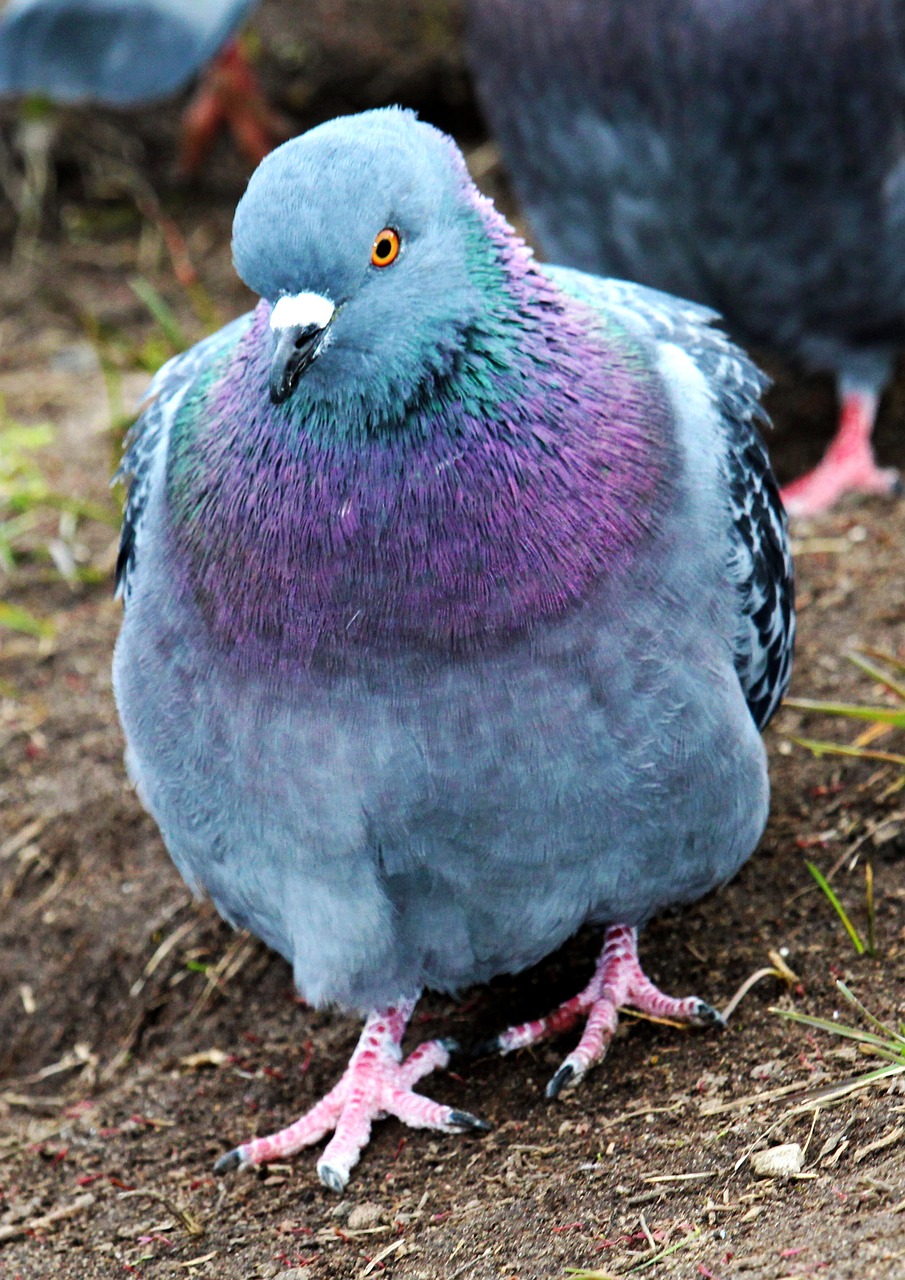
High-value pigeon racing has evolved with advanced GPS technology, offering precise tracking and performance insights. This article delves into the technical aspects of devices like AviRings GPS, exploring how they enhance the sport for enthusiasts. We'll cover key features, benefits, and practical applications for optimizing your pigeon racing strategies.
Understanding GPS Technology in Pigeon Racing
GPS devices have revolutionized pigeon racing by providing real-time location data and detailed flight analytics. These tools help breeders and racers monitor their birds' paths, speeds, and behaviors during competitions. By integrating pigeon tracking devices, enthusiasts can make informed decisions to improve training and breeding programs.
How GPS Tracking Works
GPS tracking in pigeon racing relies on satellite signals to pinpoint a bird's exact location and movement. Devices like AviRings GPS use lightweight sensors attached to the pigeon, transmitting data to a central system for analysis. This technology captures metrics such as altitude, velocity, and route deviations, allowing for precise performance evaluation. With high accuracy, racers can identify strengths and weaknesses in their pigeons' flight patterns.
Advanced GPS systems incorporate algorithms to filter noise and enhance data reliability, ensuring that even in adverse weather, tracking remains consistent. This reliability is crucial for high-stakes races where every second counts. By understanding these mechanisms, users can better interpret the data to refine training regimens and boost overall race outcomes.
Benefits for High-Value Racing Pigeons
For high value racing pigeons, GPS tracking offers unparalleled advantages in health monitoring and competitive edge. These devices help detect early signs of fatigue or injury by analyzing flight consistency and speed variations. Breeders can use this data to select superior genetics, focusing on traits that enhance endurance and speed in future generations.
Moreover, GPS insights enable personalized training plans, adjusting routes and intensities based on individual pigeon performance. This targeted approach reduces overtraining risks and maximizes potential in races. Ultimately, investing in a reliable pigeon tracking device can lead to higher success rates and increased value for prized birds.
Key Features of Modern GPS Devices
Modern GPS devices for pigeon racing boast features like long battery life, compact designs, and real-time data syncing. These elements ensure minimal interference with the bird's flight while providing comprehensive analytics. Brands like AviRings GPS focus on user-friendly interfaces and robust construction to withstand rigorous racing conditions.
Battery Life and Durability
Battery performance is critical in GPS devices, as races can last hours or even days. High-quality units offer extended battery life, often lasting through multiple flights without recharging. Durability is equally important, with waterproof and shock-resistant designs protecting the device from environmental hazards. This reliability ensures continuous data collection, even in challenging scenarios.
Innovations in energy-efficient components have led to lighter devices that don't burden the pigeon, maintaining natural flight dynamics. Regular updates and maintenance tips from manufacturers help users optimize battery usage. By prioritizing these features, racers can rely on consistent tracking without compromising their pigeons' well-being.
Data Accuracy and Real-Time Updates
Accurate data is the cornerstone of effective GPS tracking, with modern devices providing precision within meters. Real-time updates allow racers to monitor their pigeons remotely, receiving alerts on deviations or emergencies. This immediacy enables quick interventions, such as rerouting birds away from predators or adverse weather.
Integration with mobile apps and cloud platforms enhances accessibility, letting users analyze historical trends and compare performances. For high value racing pigeons, this level of detail supports strategic decisions in breeding and competition. Emphasizing accuracy in device selection ensures that investments yield meaningful insights for long-term success.
Integrating GPS into Training Regimens
Incorporating GPS data into training helps tailor exercises to individual pigeon capabilities, improving overall race readiness. By analyzing flight patterns, racers can identify optimal routes and adjust intensities to build stamina. This personalized approach fosters better health and performance in high-stakes environments.
Customizing Flight Paths
Using GPS insights, trainers can design custom flight paths that mimic race conditions, enhancing pigeons' navigation skills. This method allows for gradual increases in distance and complexity, reducing stress and improving adaptation. Devices like AviRings GPS provide detailed maps and analytics to fine-tune these paths based on real-world data.
Regular assessments of flight metrics help track progress and make necessary adjustments, ensuring continuous improvement. This proactive training strategy not only boosts confidence in races but also minimizes risks of disorientation or fatigue. Ultimately, customized paths lead to more consistent and reliable performances from high value racing pigeons.
Monitoring Health and Recovery
GPS devices play a vital role in monitoring pigeon health by tracking vital signs and recovery rates post-flight. Metrics such as heart rate variability and rest periods can indicate overall well-being, allowing for timely veterinary care if needed. This holistic approach prevents overexertion and promotes longevity in racing careers.
By correlating health data with performance, breeders can identify resilient traits for selective breeding. This integration ensures that pigeons remain in peak condition, ready for competitive events. Emphasizing health monitoring through advanced pigeon tracking devices supports ethical practices and sustainable racing.
Selecting the Right GPS Device
Choosing an appropriate GPS device involves evaluating factors like compatibility, cost, and feature sets to match specific racing needs. High-value pigeon enthusiasts should prioritize devices that offer comprehensive analytics and ease of use. Comparing options like AviRings GPS can help in making an informed decision for optimal results.
Factors to Consider
When selecting a pigeon tracking device, consider weight, battery life, and data accuracy to ensure it doesn't hinder performance. Compatibility with existing systems and software is also crucial for seamless integration. Cost-effectiveness should balance with features, as investing in premium devices often pays off through enhanced race outcomes.
User reviews and expert recommendations can guide choices, highlighting devices that excel in real-world conditions. Additionally, warranty and support services provide peace of mind for long-term use. By carefully assessing these factors, racers can equip their high value racing pigeons with tools that maximize potential.
Top Brands and Models
Several brands stand out in the pigeon GPS market, with AviRings GPS being a popular choice for its reliability and advanced features. Other models may offer unique benefits, such as enhanced connectivity or specialized analytics. Evaluating each brand's strengths helps in selecting a device that aligns with individual racing goals.
Key features to look for include:
- Real-time tracking capabilities
- Long battery endurance
- Durable, lightweight design
- User-friendly software interfaces
Staying updated on new releases and technological advancements ensures that investments remain relevant. By choosing reputable brands, enthusiasts can trust their pigeon tracking device to deliver consistent, actionable data.
Future Trends in Pigeon Racing Technology
The future of pigeon racing technology points towards AI integration, enhanced sensors, and global connectivity for smarter tracking. These advancements will further refine performance analysis and breeding strategies, pushing the boundaries of the sport. Embracing these trends can give racers a competitive edge in the evolving landscape.
AI and Predictive Analytics
Artificial intelligence is set to transform GPS data into predictive insights, forecasting race outcomes and health risks. By analyzing historical data, AI can suggest optimal training schedules and breeding pairs for high value racing pigeons. This proactive approach minimizes guesswork and enhances decision-making precision.
Machine learning algorithms will continuously improve based on new data, offering increasingly accurate recommendations. As these technologies become more accessible, even small-scale breeders can leverage them for better results. Investing in AI-enhanced pigeon tracking devices now prepares enthusiasts for future innovations.
Global Connectivity and Collaboration
Enhanced connectivity through IoT devices will enable global data sharing among pigeon racing communities. This collaboration allows for benchmarking performances and sharing best practices, fostering a more unified sport. Real-time updates from anywhere in the world will make races more interactive and engaging.
Such networks could lead to standardized metrics and fairer competitions, benefiting all participants. By adopting these technologies early, racers can stay ahead of trends and contribute to the sport's growth. The integration of global systems with devices like AviRings GPS promises a more connected and efficient racing environment.
Conclusion
In summary, GPS technology like AviRings GPS has become indispensable in high-value pigeon racing, offering precise tracking and actionable insights. From enhancing training regimens to monitoring health, these devices empower enthusiasts to optimize their strategies. As technology advances, embracing innovations will further elevate the sport. For expert guidance and tools, consider reaching out to Ghawy – Pigeon Manager to enhance your racing experience.