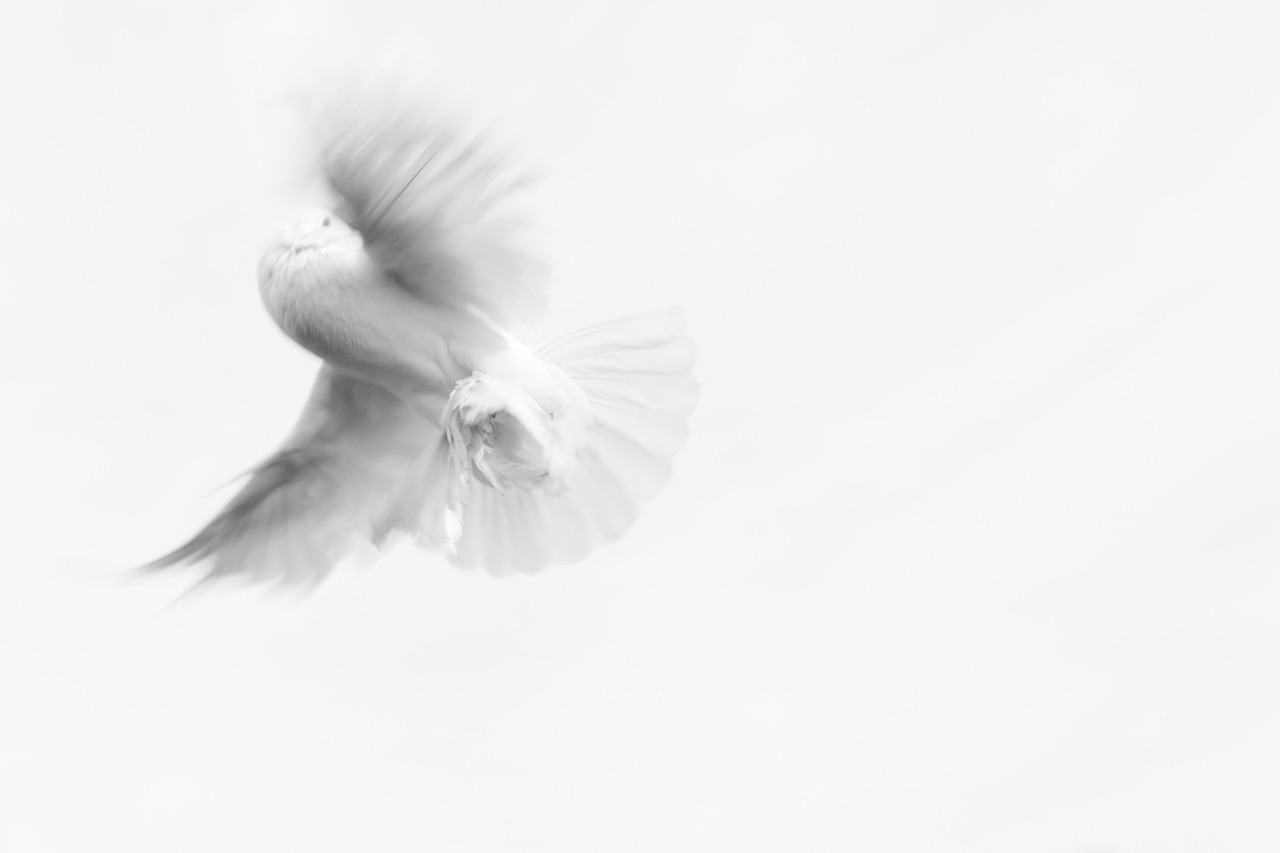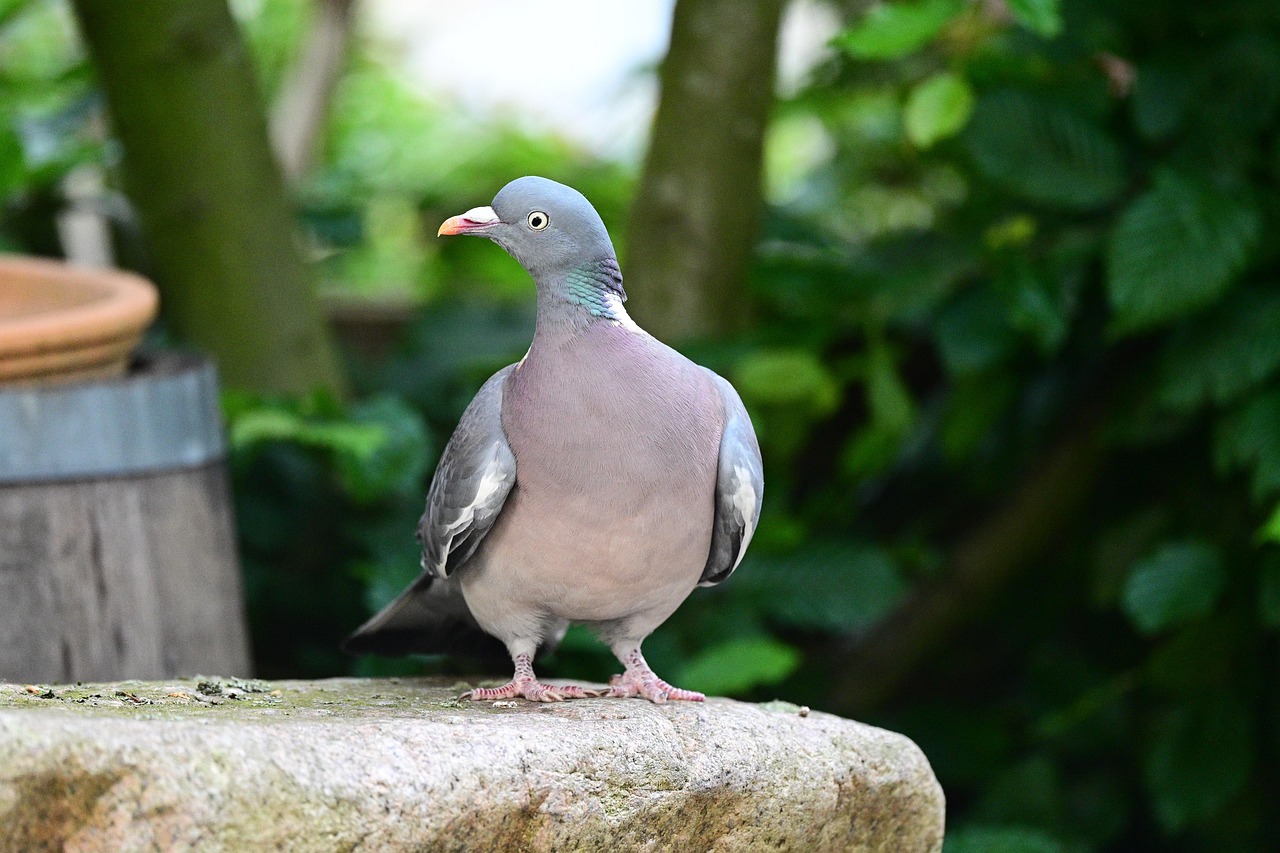
Kashki pigeons, a cherished Arabian breed, captivate enthusiasts with their unique aesthetics and spirited nature. This article delves into their beauty, advantages, and drawbacks, offering expert guidance for selecting healthy birds. Whether you're a novice or seasoned fancier, understanding these aspects ensures a rewarding pigeon-keeping experience.
Introduction to Kashki Pigeons
Kashki pigeons, often referred to as حمام كشكي, are a distinguished Arabian breed known for their elegance and historical significance in pigeon culture. Originating from the Middle East, these birds have been bred for centuries, prized for their striking appearance and lively demeanor. In this section, we explore their origins and cultural importance, setting the stage for a deeper analysis of their traits. By appreciating their background, pigeon enthusiasts can better understand what makes Kashki pigeons a standout choice in aviculture.
Historical Roots and Cultural Significance
The history of Kashki pigeons traces back to ancient Arabian traditions, where they were symbols of status and beauty in royal courts and common households alike. Bred selectively for their unique features, these pigeons have evolved to embody the aesthetic ideals of their region, often featured in local folklore and art. Their cultural role extends beyond mere pets; they represent a living heritage, connecting modern breeders to a rich past. Understanding this history enriches the appreciation for Kashki pigeons and highlights why they remain popular today among pigeon fanciers.
Over time, Kashki pigeons have been integrated into various pigeon-keeping practices, from competitive shows to casual hobbyist collections. Their adaptability to different environments has allowed them to thrive, making them a versatile breed for enthusiasts worldwide. By learning about their historical journey, one can grasp the breed's resilience and the careful breeding that has preserved their distinctive qualities. This knowledge not only adds depth to ownership but also informs better care and selection decisions, ensuring these birds continue to flourish in contemporary settings.
General Characteristics and Breed Standards
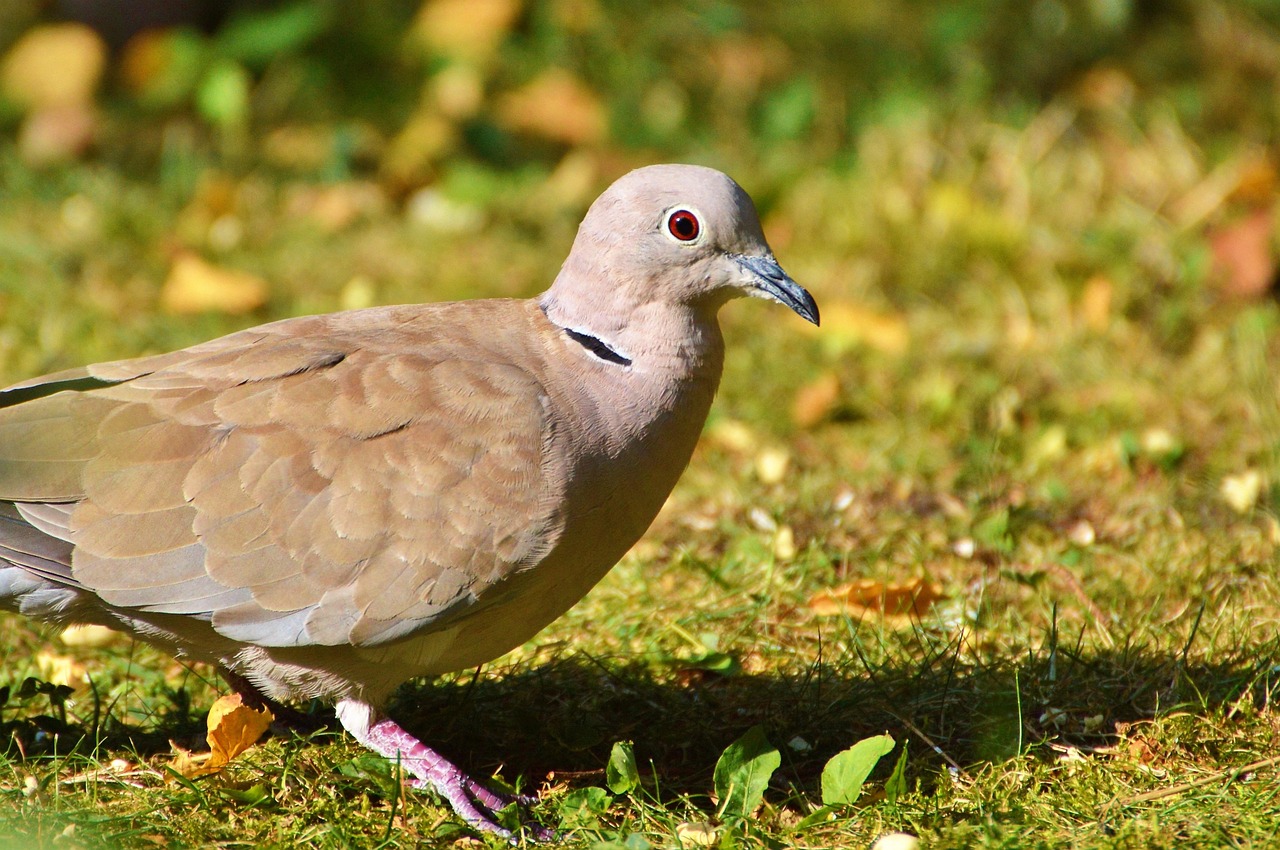
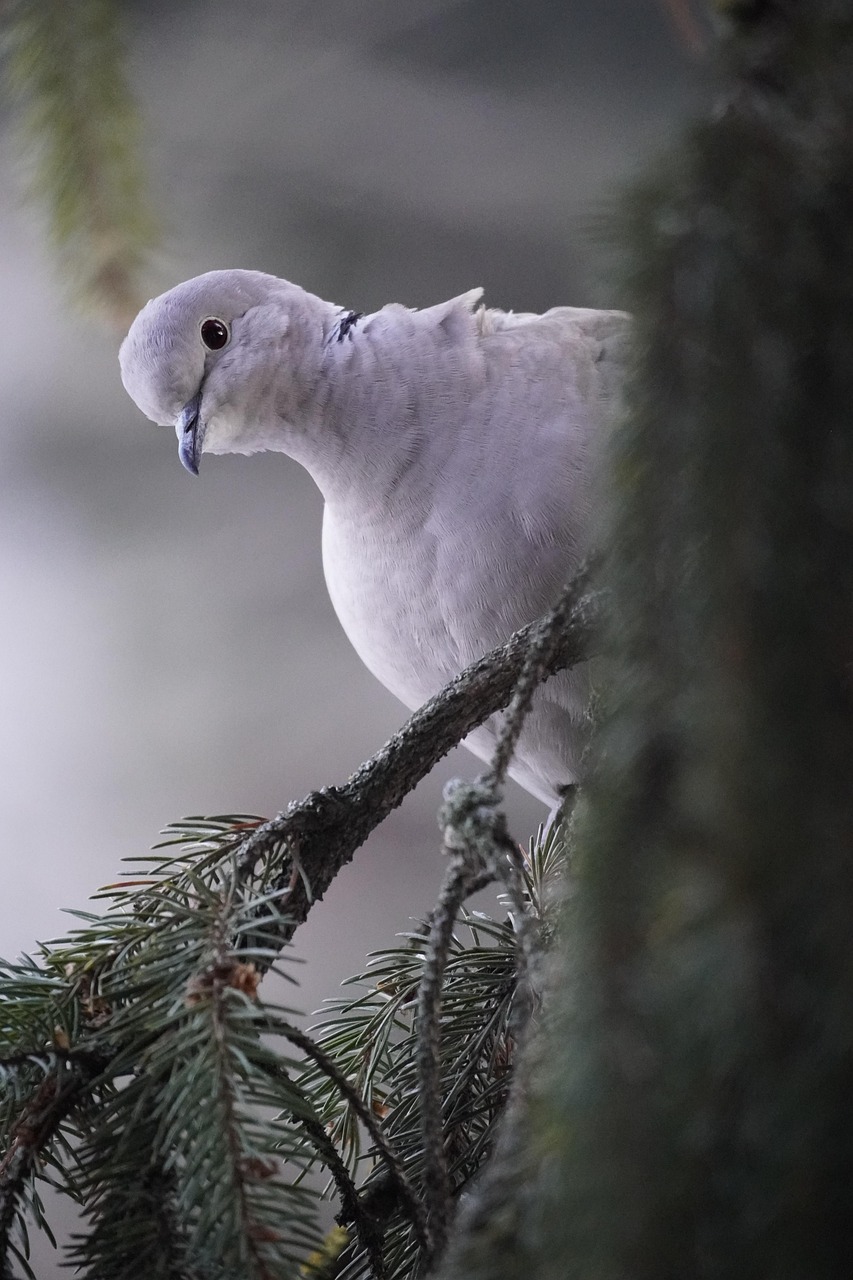
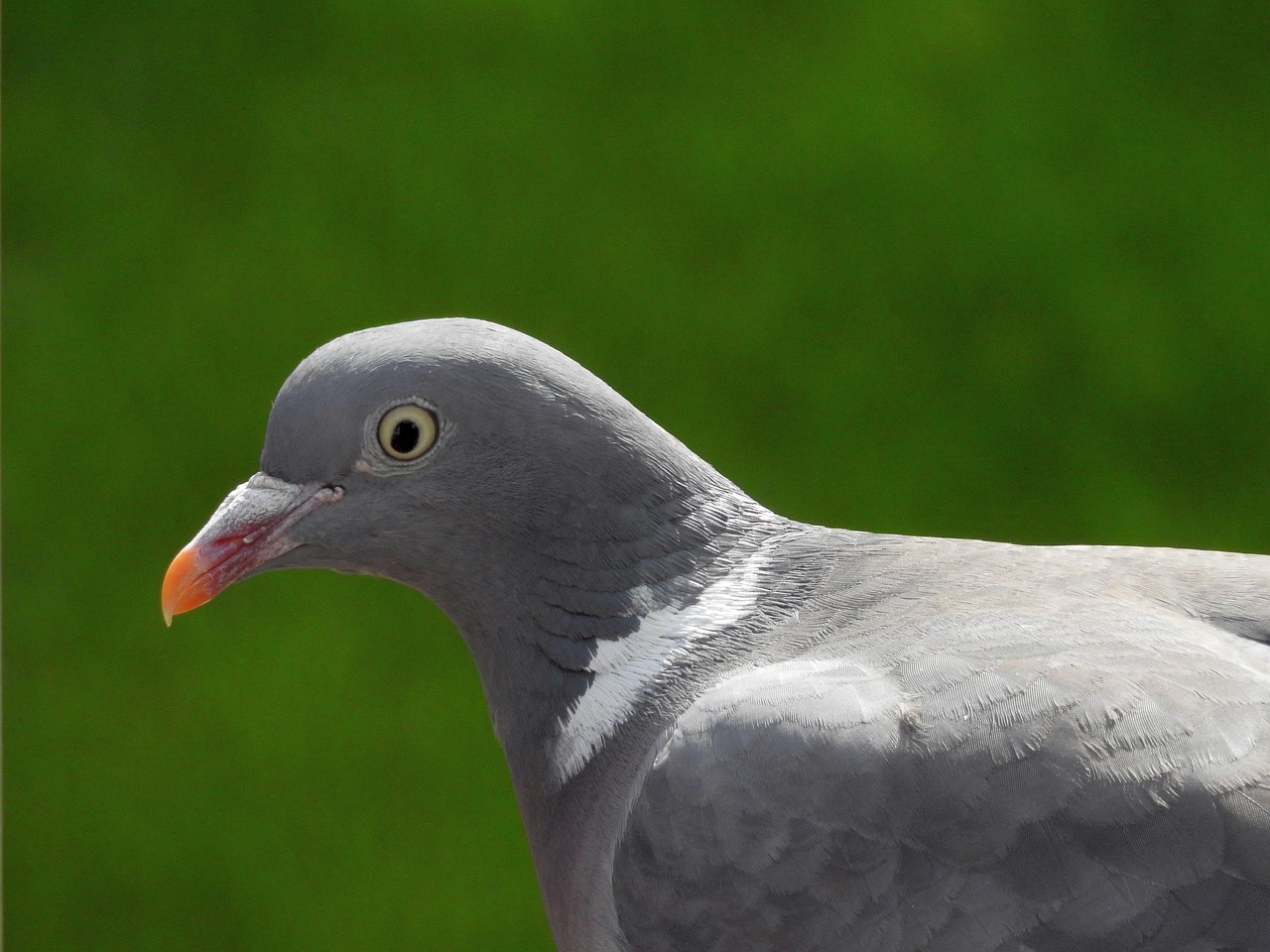
Kashki pigeons are characterized by their medium size, sleek bodies, and vibrant plumage that often features iridescent shades of gray, white, or brown. Their heads are typically adorned with distinctive crests or tufts, and they possess bright, expressive eyes that convey their alert and active nature. Breed standards emphasize a balanced physique, with strong wings and legs that support their agile flight and ground movements. These physical traits not only contribute to their beauty but also indicate their health and breeding quality, making them a favorite among those who value both form and function in pigeons.
In terms of behavior, Kashki pigeons are known for their intelligence and social tendencies, often forming strong bonds with their owners and flock mates. They exhibit playful antics and can be trained for various activities, enhancing their appeal as companion birds. However, their high energy levels require ample space and stimulation to prevent boredom and stress. By adhering to breed standards, enthusiasts can ensure they are selecting birds that meet aesthetic and behavioral benchmarks, leading to a more satisfying pigeon-keeping experience. This focus on standards helps maintain the breed's integrity and promotes responsible ownership practices.
Analyzing the Beauty of Kashki Pigeons
The aesthetic appeal of Kashki pigeons lies in their harmonious blend of color, form, and movement, making them a visual delight for any observer. This section breaks down the elements that define their beauty, from feather patterns to overall posture, and how these traits influence their desirability. By examining these aspects, pigeon lovers can develop a keener eye for quality and appreciate the artistry involved in breeding these magnificent birds. Ultimately, understanding their beauty enhances the joy of ownership and informs better selection criteria.
Feather Patterns and Color Variations
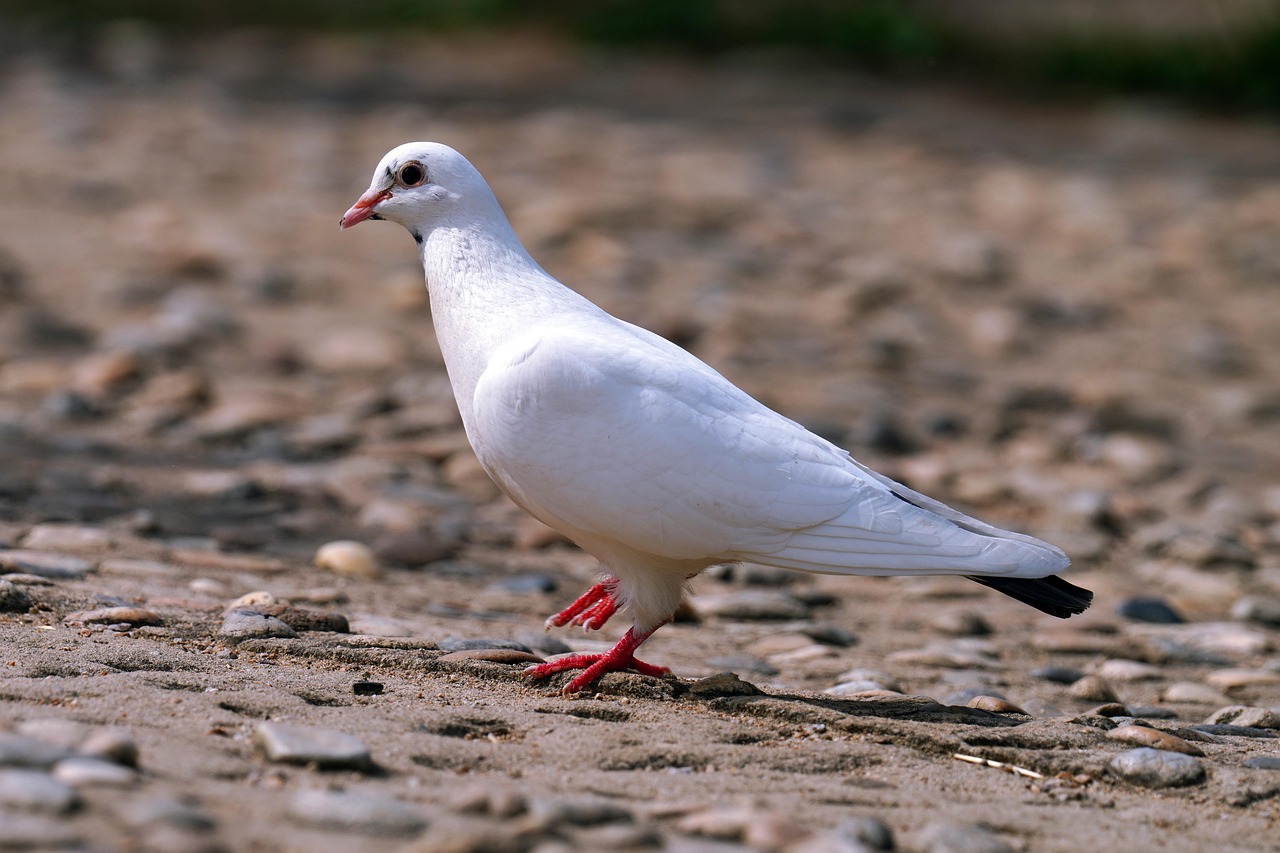
Kashki pigeons boast a wide array of feather patterns, including solid colors, mottled designs, and intricate markings that can range from subtle to bold. Common color variations include shades like silver, blue, and red, often with glossy finishes that catch the light beautifully. These patterns are not just visually striking; they can also indicate genetic health and breeding lineage, with certain colors being more prized in shows and competitions. For enthusiasts, recognizing these variations is key to selecting birds that align with personal preferences and breeding goals, adding a layer of customization to their collections.
Beyond aesthetics, the quality of feathers in Kashki pigeons reflects their overall well-being, with smooth, clean plumage signaling good nutrition and care. Regular grooming and a balanced diet are essential to maintain their vibrant appearance, as dull or damaged feathers can be a sign of underlying health issues. By paying attention to these details, owners can ensure their pigeons not only look their best but also thrive in their environment. This focus on feather health ties into broader care practices, making it a crucial aspect of responsible pigeon management.
Physical Structure and Posture
The physical structure of Kashki pigeons is defined by a well-proportioned body, with a broad chest, strong back, and elegant neck that contribute to their poised stance. Their posture is often upright and confident, reflecting their active and alert nature, which is essential for both flight and social interactions. Breeders value these structural traits because they impact the bird's agility and longevity, with ideal postures reducing the risk of injuries and health problems. When selecting Kashki pigeons, observing their stance and movement can reveal much about their condition and suitability for breeding or showing.
In addition to static posture, the dynamic movements of Kashki pigeons—such as their graceful flight and ground strut—add to their aesthetic charm. These behaviors are influenced by their muscle tone and skeletal health, emphasizing the importance of proper exercise and habitat design. Enthusiasts should provide spacious aviaries that allow for natural behaviors, enhancing both the birds' beauty and well-being. By understanding the link between structure and posture, one can make informed choices that support the breed's vitality, ensuring these pigeons remain a joy to watch and care for.
Advantages of Owning Kashki Pigeons
Owning Kashki pigeons comes with numerous benefits, from their engaging personalities to their adaptability in various settings. This section highlights the key advantages, such as their low maintenance needs and social nature, which make them ideal for both beginners and experts. By focusing on these pros, potential owners can see why حمام كشكي are a rewarding addition to any aviary, offering companionship and aesthetic pleasure without excessive demands.
Low Maintenance and Hardiness
One of the standout advantages of Kashki pigeons is their relatively low maintenance requirements compared to other breeds. They are hardy birds that can adapt to a range of climates, from hot arid regions to more temperate zones, reducing the need for specialized housing or constant monitoring. Their diet is straightforward, consisting of standard pigeon feeds supplemented with grains and fresh water, making them cost-effective to care for. This resilience makes Kashki pigeons an excellent choice for hobbyists with busy schedules or those new to pigeon keeping, as they are less prone to stress-related issues and common ailments.
Additionally, their robust health means fewer veterinary visits and lower long-term costs, allowing owners to focus more on enjoyment than upkeep. Regular tasks like cleaning coops and providing fresh bedding are simple, and their social nature often means they thrive in group settings with minimal intervention. By emphasizing these low-maintenance traits, enthusiasts can feel confident in adding Kashki pigeons to their collections, knowing that they offer great value without overwhelming responsibilities. This advantage is particularly appealing in today's fast-paced world, where time-efficient pets are increasingly sought after.
Social and Interactive Nature
Kashki pigeons are highly social creatures that enjoy interaction with both humans and other pigeons, making them delightful companions for those who value engagement. They often exhibit playful behaviors, such as cooing, preening, and following their owners, which can strengthen the bond between bird and keeper. This interactivity not only enhances the ownership experience but also provides mental stimulation for the pigeons, reducing the risk of behavioral problems like feather plucking or aggression. For families or individuals seeking a pet that offers more than just visual appeal, Kashki pigeons deliver on emotional connection and entertainment.
In flock settings, their social dynamics are fascinating to observe, as they establish hierarchies and communicate through various vocalizations and body language. This makes them ideal for community aviaries or breeding projects, where their cooperative nature can lead to harmonious groups. Owners can further enrich their lives by introducing toys or training exercises, tapping into their intelligence and curiosity. By leveraging these social advantages, pigeon enthusiasts can create a vibrant, interactive environment that benefits both the birds and themselves, fostering a deeper appreciation for the breed.
Disadvantages and Common Issues
Despite their many benefits, Kashki pigeons have certain drawbacks that potential owners should consider. This section addresses common issues, such as health vulnerabilities and behavioral challenges, providing a balanced view to help in decision-making. By understanding these عيوب ومميزات, enthusiasts can prepare adequately and mitigate risks, ensuring a positive experience with their pigeons.
Health Vulnerabilities and Common Ailments
Kashki pigeons, like all breeds, are susceptible to specific health issues, including respiratory infections, parasitic infestations, and nutritional deficiencies if not properly cared for. Their dense feathering can sometimes lead to skin problems or overheating in hot climates, requiring vigilant monitoring and appropriate shelter. Common ailments such as canker or pox can spread quickly in crowded conditions, emphasizing the need for clean habitats and regular health checks. By being aware of these vulnerabilities, owners can take preventive measures, like vaccinations and balanced diets, to keep their birds healthy and reduce the impact of these disadvantages.
Early detection is key to managing health problems in Kashki pigeons, as symptoms like lethargy, loss of appetite, or abnormal droppings can signal underlying issues. Consulting with a veterinarian experienced in avian care is advisable for addressing these concerns promptly. Additionally, providing a stress-free environment with adequate ventilation and space can minimize the risk of disease outbreaks. While these health challenges are part of pigeon ownership, they are manageable with proper knowledge and care, allowing enthusiasts to enjoy the breed's positives without undue worry.
Behavioral Challenges and Space Requirements
Kashki pigeons can exhibit behavioral challenges, such as aggression during breeding seasons or noise levels that might disturb neighbors in urban settings. Their high energy and intelligence mean they require ample space to fly and explore; confined conditions can lead to frustration, feather damaging, or escape attempts. This makes them less suitable for small apartments or areas with strict noise ordinances, as their cooing and activity peaks during dawn and dusk. Understanding these behavioral traits helps owners set realistic expectations and implement solutions, like soundproofing coops or providing enrichment toys, to address these issues effectively.
Space requirements are a significant consideration, as Kashki pigeons thrive in aviaries that allow for free movement and social interaction. Inadequate space can exacerbate behavioral problems and impact their overall well-being, leading to a less enjoyable ownership experience. Prospective owners should assess their available area and commit to providing a suitable environment before acquiring these birds. By acknowledging these disadvantages and planning accordingly, one can turn potential challenges into manageable aspects of care, ensuring that the joys of keeping Kashki pigeons outweigh the drawbacks.
Guidelines for Selecting Healthy Kashki Pigeons
Choosing the right Kashki pigeons involves evaluating their health, temperament, and conformity to breed standards. This section offers practical tips for selection, covering aspects like physical checks and source reliability, to help enthusiasts make informed decisions. By following these guidelines, one can avoid common pitfalls and start with birds that are likely to thrive, enhancing the overall success of their pigeon-keeping endeavors.
Physical Health Indicators
When selecting Kashki pigeons, key physical health indicators include bright, clear eyes, smooth and clean feathers, and active behavior that shows no signs of lethargy or distress. The bird's weight should be appropriate for its size, with a firm breast muscle and no visible lumps or injuries, indicating good nutrition and absence of disease. Checking the vent area for cleanliness and the legs for strength can also reveal overall health, as issues here often point to internal problems. By conducting these simple assessments, buyers can identify birds that are in prime condition, reducing the risk of introducing sick individuals into their flock.
It's also important to observe the pigeon's breathing and vocalizations; labored breathing or unusual sounds could signal respiratory issues, while a strong, consistent coo suggests vitality. Requesting health records or certifications from breeders can provide additional assurance, especially for those new to the hobby. Taking the time to inspect these physical aspects not only ensures a healthier start but also promotes long-term well-being, as initial health often predicts future robustness. This careful approach aligns with responsible ownership and supports the sustainability of the breed.
Evaluating Temperament and Social Compatibility
Temperament is a crucial factor in selecting Kashki pigeons, as it affects their adaptability to new environments and interactions with other birds. Look for individuals that are curious and responsive rather than overly shy or aggressive, as these traits indicate a well-socialized bird that will integrate smoothly into existing flocks. Observing how they interact with peers during visits to breeders can offer insights into their social compatibility, helping to prevent conflicts later on. For those planning to keep multiple pigeons, choosing birds with similar temperaments can foster a harmonious group dynamic, enhancing overall satisfaction.
In addition to initial observations, consider the bird's history and handling; pigeons raised in stimulating, positive environments tend to have better temperaments and are easier to train. If possible, spend time with potential selections to gauge their comfort levels with human contact, which is especially important for companion-oriented keeping. By prioritizing temperament in the selection process, owners can build a flock that is not only healthy but also enjoyable to manage, reducing stress and increasing the rewards of pigeon ownership. This focus on social factors complements physical health checks, providing a holistic approach to selection.
Conclusion
In summary, Kashki pigeons offer a blend of aesthetic beauty, social engagement, and manageable care, but they require attention to health and behavioral needs. By understanding their advantages and disadvantages, enthusiasts can make informed choices that lead to fulfilling ownership experiences. For further guidance on managing these delightful birds, consider exploring resources from Ghawy – Pigeon Manager (غاوي – إدارة الحمام), which offers expert advice and support for pigeon lovers. Embrace the journey of keeping Kashki pigeons, and enjoy the unique rewards they bring to your aviary.