Kashki pigeons, a cherished breed among Arab pigeon enthusiasts, captivate with their unique beauty and distinct characteristics. This article delves into an aesthetic analysis of these birds and provides essential guidelines for making informed selection choices. By exploring their features and practical aspects, you can appreciate and care for Kashki pigeons more effectively.
Understanding the Kashki Pigeon Breed
The Kashki pigeon, often referred to as حمام كشكي, holds a special place in Arab pigeon culture due to its elegant appearance and historical significance. Originating from specific regions in the Arab world, this breed has been selectively bred for generations to enhance its desirable traits. Enthusiasts value Kashki pigeons not only for their visual appeal but also for their role in traditional pigeon-keeping practices, which emphasize harmony and beauty in aviculture.
Historical Background and Origins
The history of Kashki pigeons traces back to ancient breeding practices in the Middle East, where they were developed for their striking plumage and graceful flight. Over time, these pigeons have become symbols of cultural heritage, often featured in local festivals and competitions. Understanding their origins helps breeders appreciate the breed's evolution and the efforts to maintain its purity. This historical context enriches the experience of keeping Kashki pigeons, connecting modern enthusiasts with a rich tradition of avian artistry.
In regions like Saudi Arabia and Egypt, Kashki pigeons have been integral to pigeon fancying communities, with breeders sharing knowledge across generations. The breed's resilience and adaptability have allowed it to thrive in various environments, making it a popular choice for both novice and experienced keepers. By learning about their past, you can better grasp the importance of preserving these birds and the cultural values they represent.
Physical Characteristics and Appearance
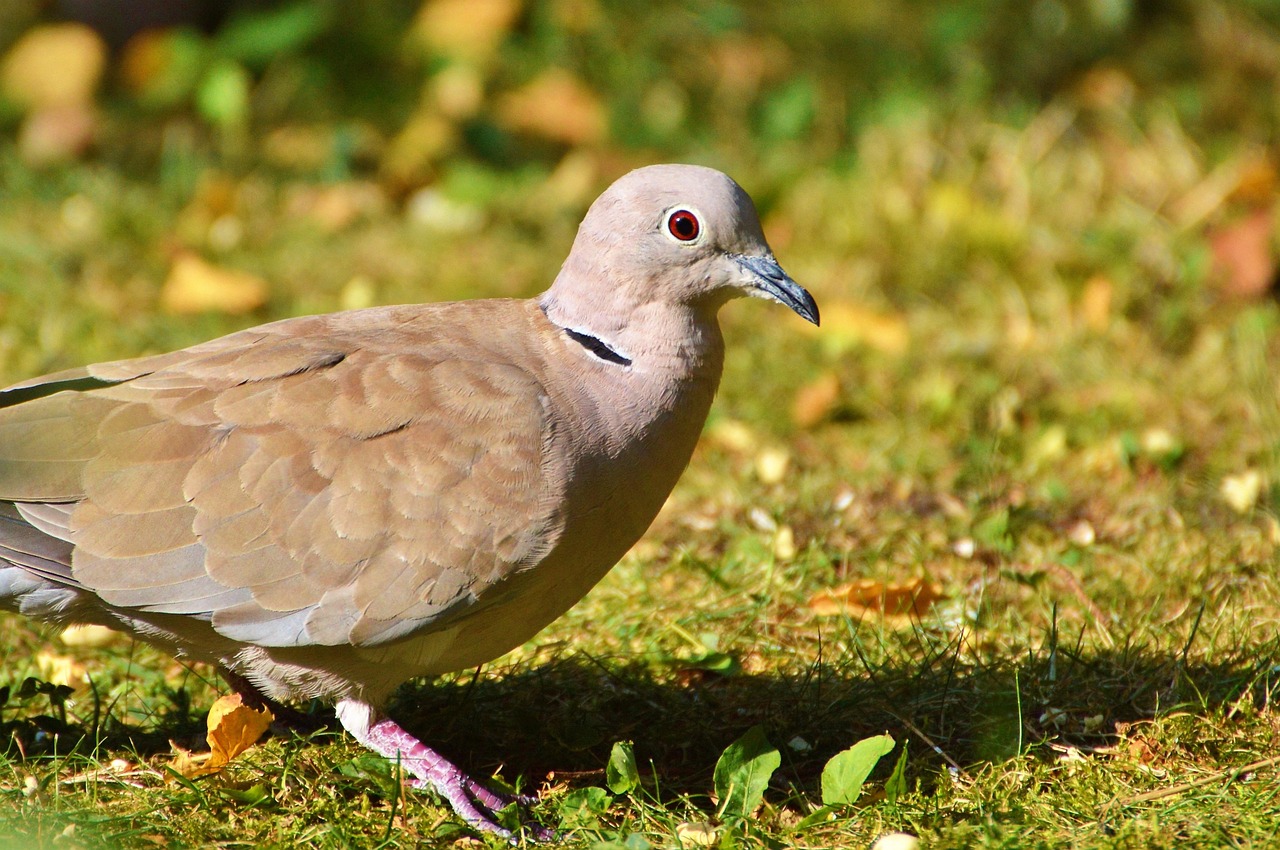
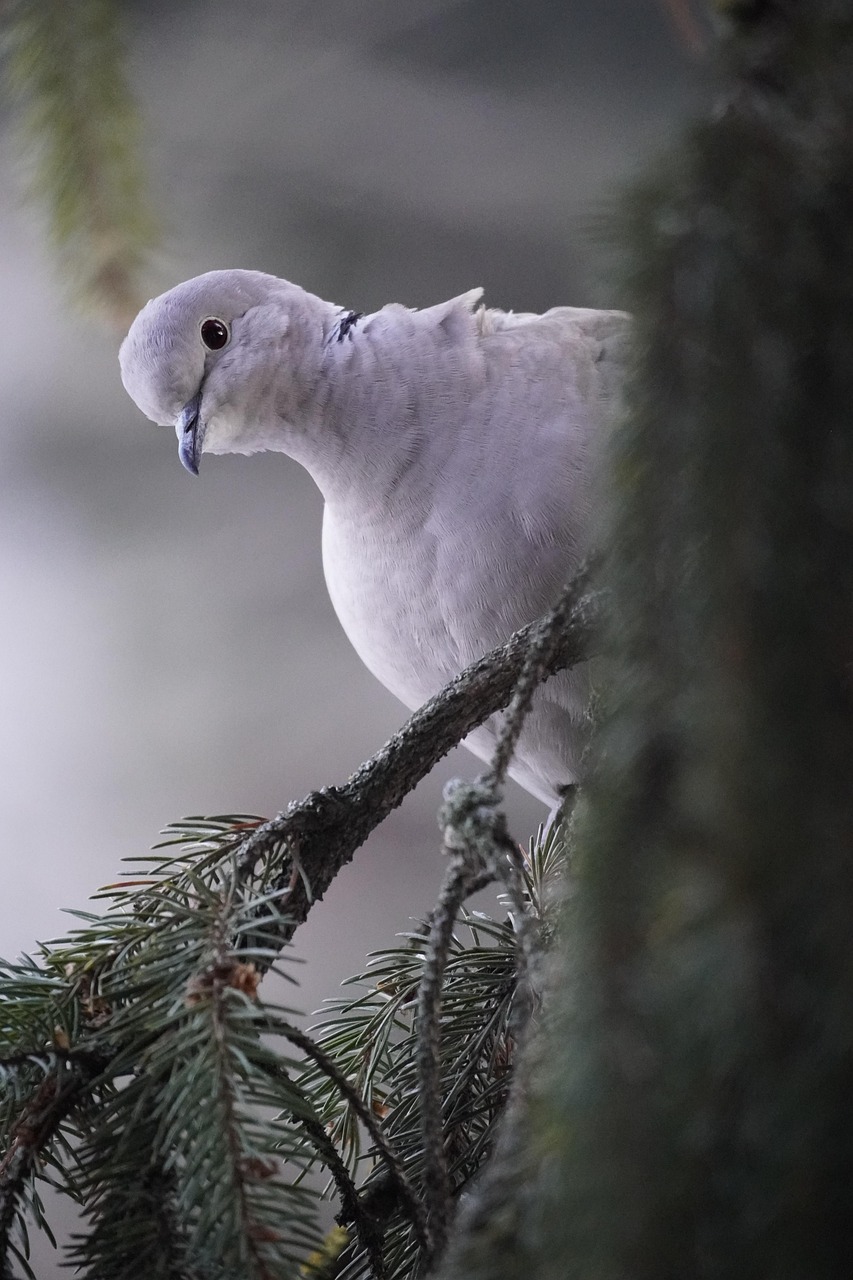
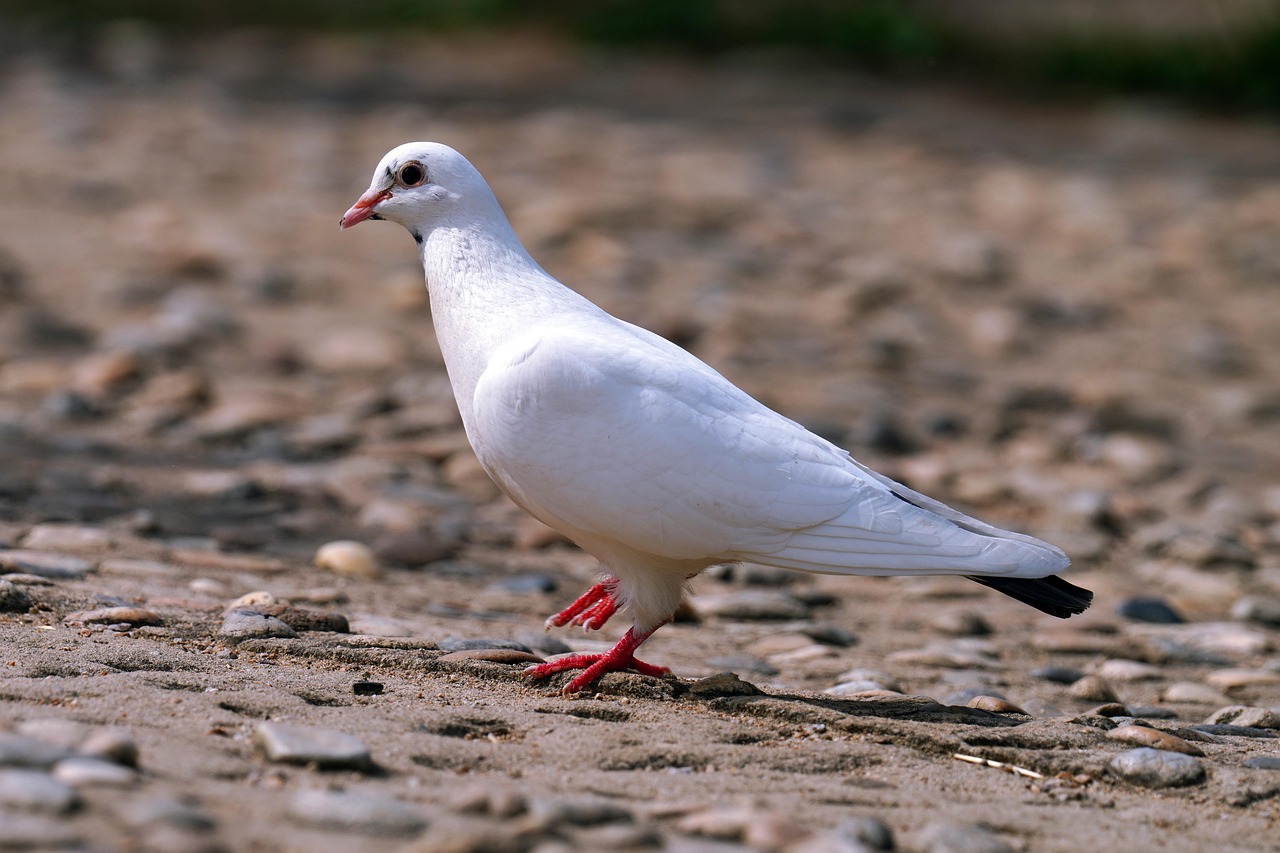
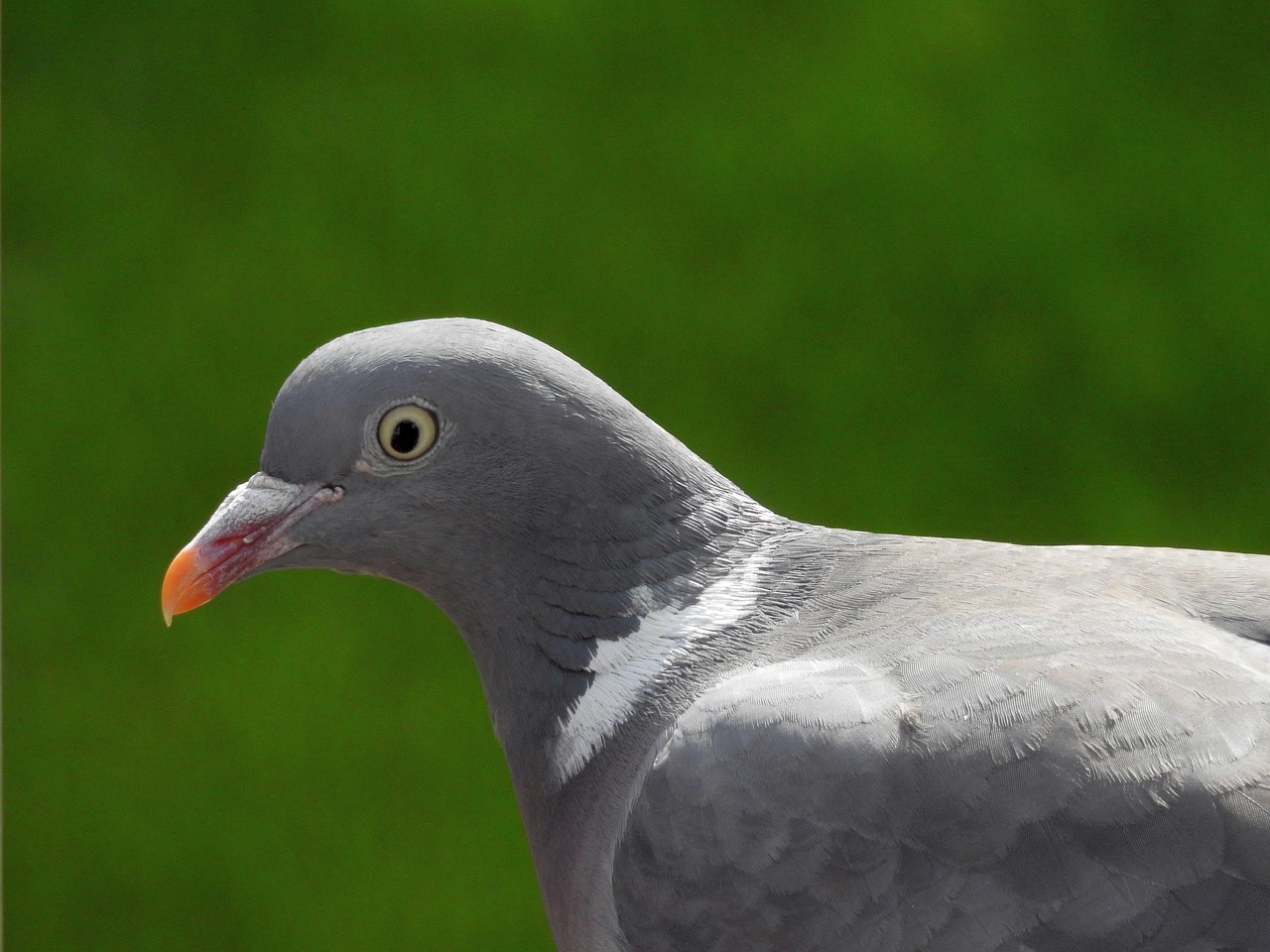
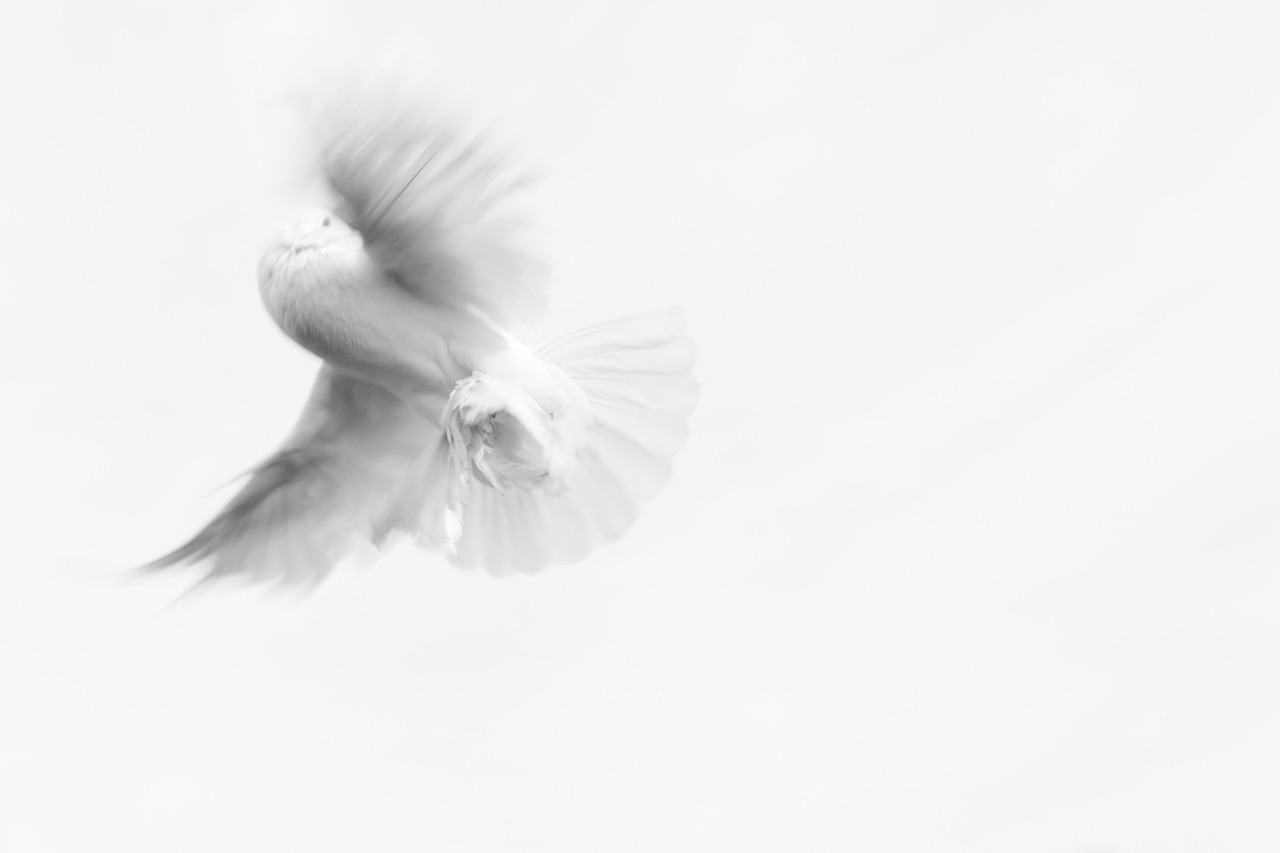
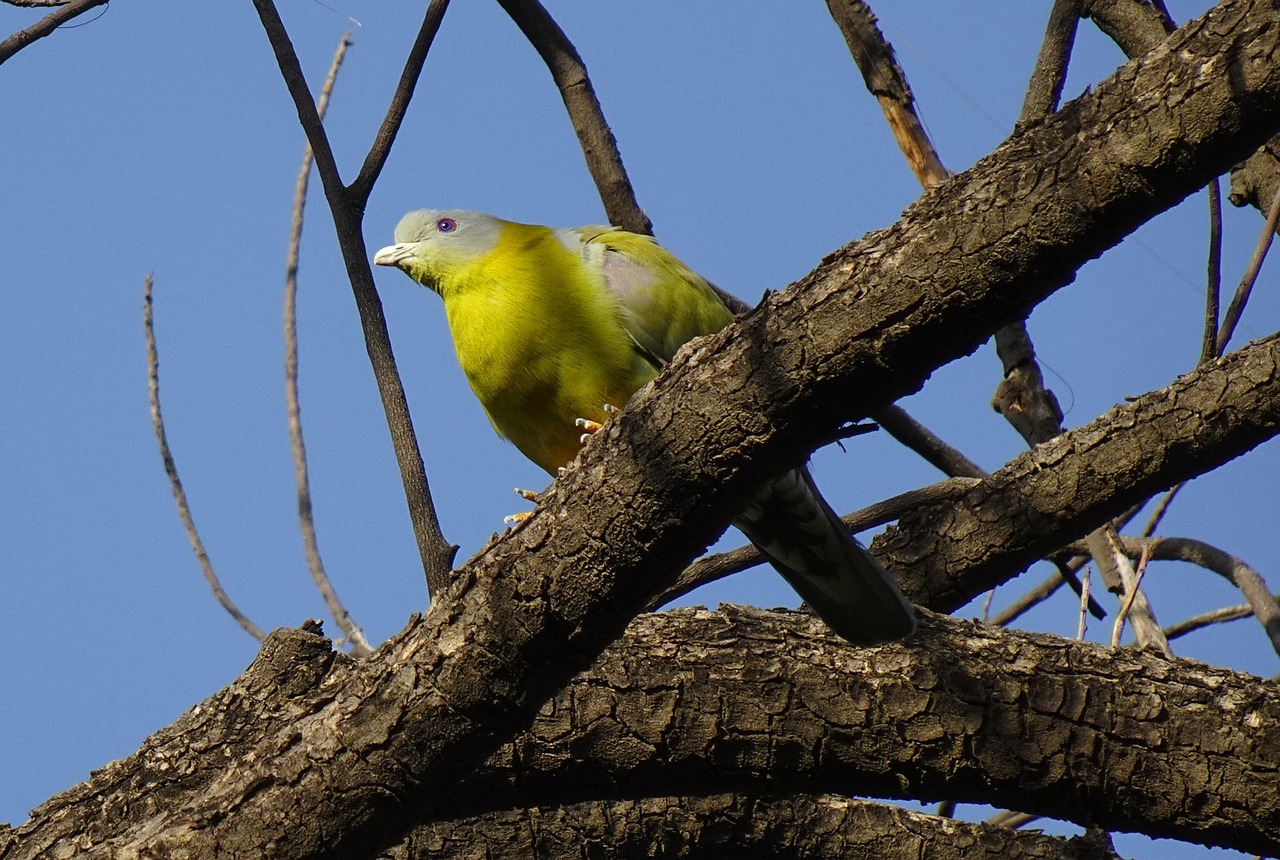
Kashki pigeons are renowned for their distinctive physical traits, which include a sleek body, vibrant feather colors, and expressive eyes. Typically, they exhibit a balanced posture with a medium-sized build, making them both aesthetically pleasing and functional for flight. Their feathers often display patterns of white, gray, or brown, with some variations featuring intricate markings that add to their visual appeal. These characteristics make them a favorite among breeders who prioritize beauty in their flocks.
Beyond color, the structure of Kashki pigeons includes strong wings and a robust chest, which contribute to their agility and endurance. Observing these physical attributes can help in identifying high-quality specimens and understanding how they compare to other breeds. For instance, their tail feathers are usually well-proportioned, enhancing their overall symmetry. By focusing on these details, enthusiasts can develop a keen eye for selecting pigeons that meet breed standards and personal preferences.
Advantages and Disadvantages of Kashki Pigeons
When considering Kashki pigeons, it's essential to weigh their benefits and drawbacks to make informed decisions. This section explores the عيوب ومميزات (advantages and disadvantages) of owning and breeding these birds, providing a balanced perspective for potential keepers. By understanding both sides, you can optimize your pigeon-keeping experience and address any challenges proactively.
Key Advantages of Keeping Kashki Pigeons
One of the primary advantages of Kashki pigeons is their aesthetic value, which brings joy and pride to breeders. Their beautiful appearance makes them excellent for shows and exhibitions, where they often garner admiration from judges and spectators. Additionally, Kashki pigeons are known for their relatively calm temperament, making them easier to handle and train compared to more aggressive breeds. This trait is particularly beneficial for beginners who are new to pigeon keeping and want a manageable introduction to the hobby.
Another significant benefit is their adaptability to various living conditions, from urban lofts to rural settings. Kashki pigeons can thrive in different climates with proper care, reducing the need for extensive modifications to their environment. They also have a good reproductive rate, allowing breeders to expand their flocks efficiently. These advantages make Kashki pigeons a practical choice for those looking to build a sustainable and visually appealing pigeon collection.
Common Disadvantages and Challenges
Despite their many benefits, Kashki pigeons come with certain disadvantages that breeders should be aware of. One common issue is their susceptibility to specific health problems, such as respiratory infections or feather mites, which require vigilant monitoring and timely treatment. Regular health checks and a clean living environment are crucial to mitigate these risks. Additionally, some Kashki pigeons may exhibit behavioral quirks, like skittishness, which can make handling more challenging for inexperienced keepers.
Another drawback is the potential for high maintenance costs, including expenses for quality feed, veterinary care, and loft maintenance. Breeders on a tight budget might find these costs burdensome, especially if they aim to maintain a large flock. Furthermore, Kashki pigeons may not perform as well in high-intensity racing or endurance flights compared to specialized breeds, limiting their utility in competitive sports. Understanding these disadvantages helps in planning and managing resources effectively.
Aesthetic Analysis of Kashki Pigeons
The beauty of Kashki pigeons lies in their intricate details and overall harmony, making them a subject of artistic appreciation in the pigeon world. This section provides an in-depth aesthetic analysis, focusing on elements like color patterns, body symmetry, and behavioral grace. By examining these aspects, you can deepen your appreciation for the breed and learn how to evaluate their aesthetic qualities critically.
Color Patterns and Feather Quality
Kashki pigeons exhibit a wide range of color patterns, from solid hues to mixed shades that create a mesmerizing effect. Common colors include soft grays, creamy whites, and rich browns, often arranged in patterns that enhance their visual appeal. The quality of their feathers is another key factor; healthy Kashki pigeons have smooth, glossy plumage that reflects light beautifully, indicating good nutrition and care. Breeders often select birds based on these color traits to achieve specific aesthetic goals in their breeding programs.
In addition to color, the texture and density of the feathers play a role in the pigeon's overall appearance. Dense feathering provides insulation and contributes to a fuller, more robust look, while finer feathers can give a delicate, elegant impression. When analyzing Kashki pigeons, it's important to consider how these elements combine to create a cohesive and attractive profile. This attention to detail can guide selection processes and help in maintaining breed standards over time.
Body Symmetry and Posture
Body symmetry is a crucial aspect of the aesthetic appeal in Kashki pigeons, as it reflects overall health and breeding quality. Ideal specimens display balanced proportions between the head, body, and tail, with a straight back and well-aligned wings. This symmetry not only enhances their beauty but also supports efficient movement and flight. Observing a pigeon's posture during rest and activity can reveal insights into its physical condition and genetic background.
Posture also influences how Kashki pigeons are perceived in competitions, where judges assess alignment and grace. A pigeon with poor symmetry might have underlying health issues or improper breeding, so breeders should prioritize this in their selection criteria. By focusing on symmetry, you can ensure that your flock consists of birds that are not only beautiful but also functionally sound, contributing to their longevity and performance.
Guidelines for Selecting Healthy Kashki Pigeons
Selecting the right Kashki pigeons involves careful evaluation of health, behavior, and genetic factors to build a thriving flock. This section offers practical guidelines for making informed choices, covering aspects like health indicators, temperament assessment, and sourcing recommendations. By following these tips, you can avoid common pitfalls and invest in pigeons that will bring long-term satisfaction.
Health Indicators to Look For
When selecting Kashki pigeons, start by examining key health indicators such as clear eyes, clean nostrils, and smooth feathers. Healthy birds should have bright, alert eyes without any discharge, and their breathing should be quiet and regular. Check for signs of parasites or injuries, which could indicate neglect or underlying issues. It's also wise to observe their droppings; normal, firm droppings suggest good digestive health, while abnormalities might require veterinary attention.
Another important aspect is the pigeon's weight and muscle tone; a well-fed Kashki pigeon should feel firm but not overweight, with strong legs and wings. Avoid birds that appear lethargic or underweight, as these could be suffering from illnesses or malnutrition. By prioritizing health in your selection, you reduce the risk of introducing diseases into your flock and ensure that your pigeons have the foundation for a happy, active life.
Assessing Temperament and Behavior
Temperament plays a significant role in the manageability of Kashki pigeons, so it's essential to assess their behavior during selection. Look for birds that are calm and curious rather than overly aggressive or fearful. A pigeon that allows gentle handling and shows interest in its surroundings is likely easier to train and integrate into your loft. Spend time observing potential purchases in their current environment to gauge how they interact with other pigeons and humans.
Behavioral assessment also includes watching for signs of stress, such as excessive pacing or feather plucking, which could indicate poor adaptation or health problems. Ideally, choose Kashki pigeons that demonstrate a balanced demeanor, as this often correlates with better overall well-being. By focusing on temperament, you can build a flock that is not only beautiful but also harmonious and easy to care for.
Breeding and Care Tips for Kashki Pigeons
Successful breeding and care of Kashki pigeons require knowledge of their specific needs and best practices. This section covers essential tips for nurturing these birds, from setting up an ideal loft to managing their diet and health. By implementing these strategies, you can promote the well-being of your pigeons and enhance their aesthetic and functional qualities.
Setting Up the Perfect Loft Environment
Creating a suitable loft environment is fundamental for the health and happiness of Kashki pigeons. The loft should be spacious, well-ventilated, and protected from extreme weather conditions, with perches and nesting areas that accommodate their natural behaviors. Use materials that are easy to clean, such as wood or plastic, to maintain hygiene and prevent disease. Ensure that the loft has adequate lighting, as natural light supports their circadian rhythms and overall vitality.
In addition to structure, consider the loft's location; it should be quiet and free from predators to minimize stress. Regular cleaning is crucial to remove droppings and debris, reducing the risk of infections. By designing a loft that meets these criteria, you provide a safe and comfortable home for your Kashki pigeons, encouraging breeding and longevity.
Nutrition and Health Management
Proper nutrition is key to maintaining the health and beauty of Kashki pigeons. Feed them a balanced diet that includes high-quality grains, seeds, and occasional supplements like grit for digestion. Fresh water should always be available, and it's beneficial to incorporate vitamins or minerals to support feather quality and immune function. Monitor their food intake to prevent obesity or deficiencies, adjusting portions based on activity levels and life stages.
Health management involves regular check-ups and preventive measures, such as vaccinations and parasite control. Establish a routine for observing your pigeons' behavior and physical condition, addressing any issues promptly. Common health practices include:
- Weekly loft inspections for signs of illness
- Quarantining new birds before introduction
- Consulting a vet for annual exams
Conclusion
In summary, Kashki pigeons offer a blend of aesthetic beauty and practical benefits, making them a rewarding choice for enthusiasts. By understanding their advantages and disadvantages, conducting thorough aesthetic analyses, and following selection and care guidelines, you can build a successful pigeon-keeping experience. Remember, tools like Ghawy – Pigeon Manager (غاوي – إدارة الحمام) can simplify management tasks and enhance your journey. Embrace these insights to enjoy the timeless appeal of حمام كشكي and contribute to preserving this beloved breed.