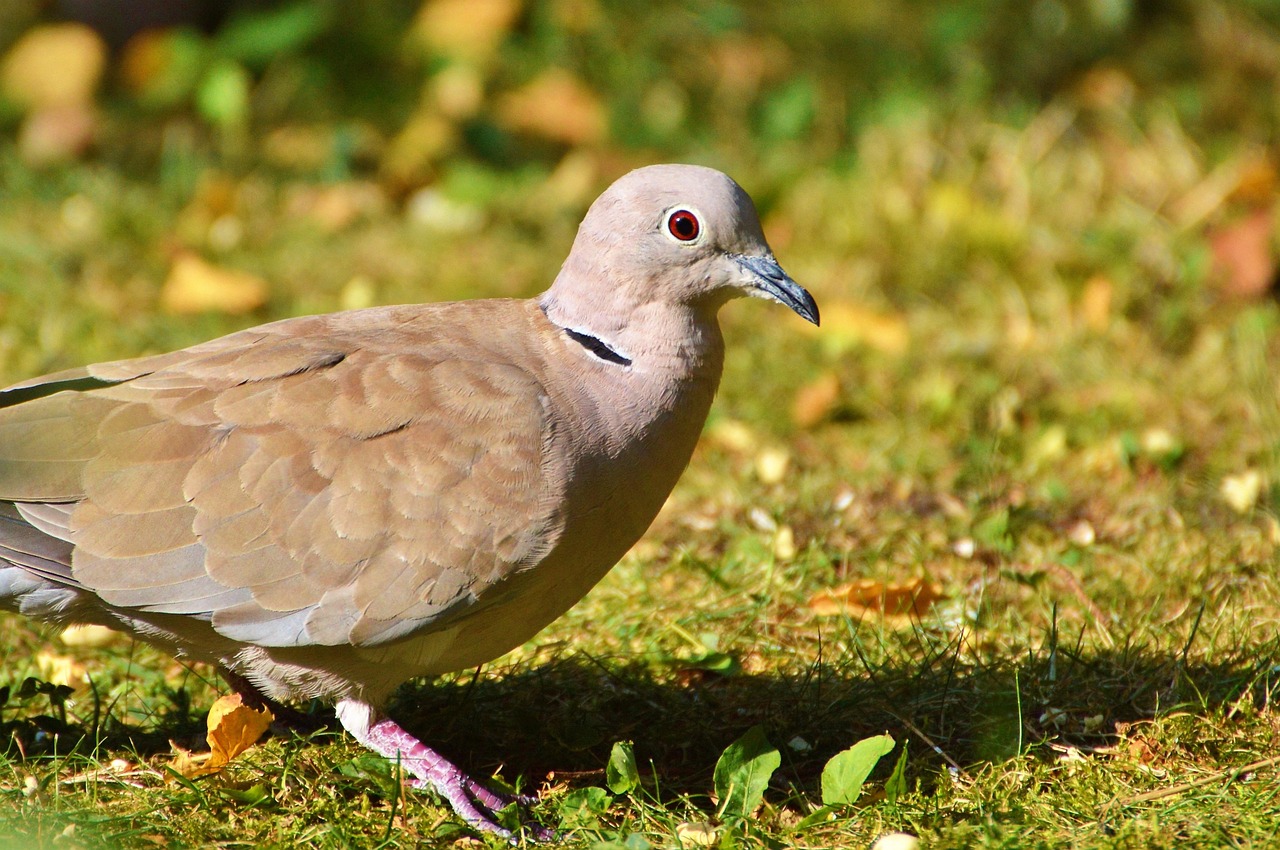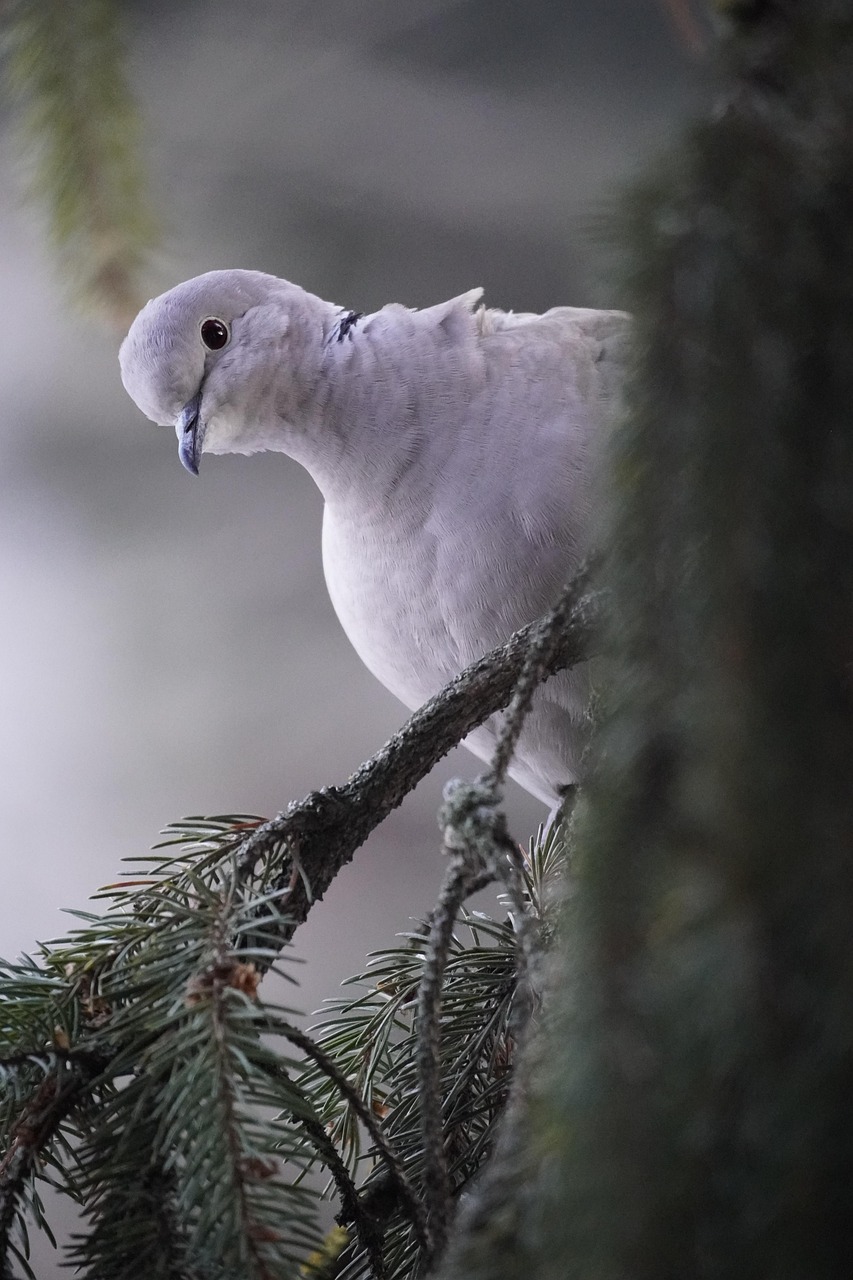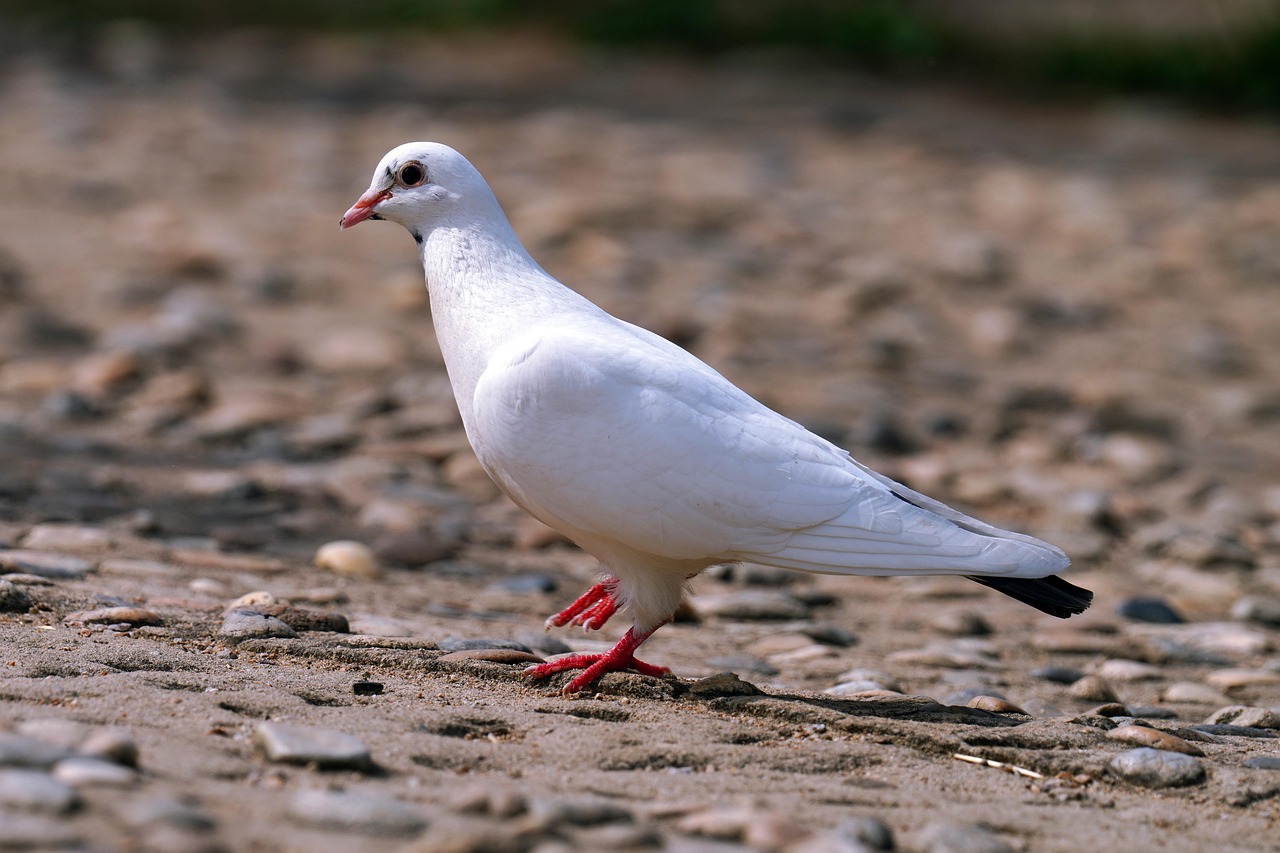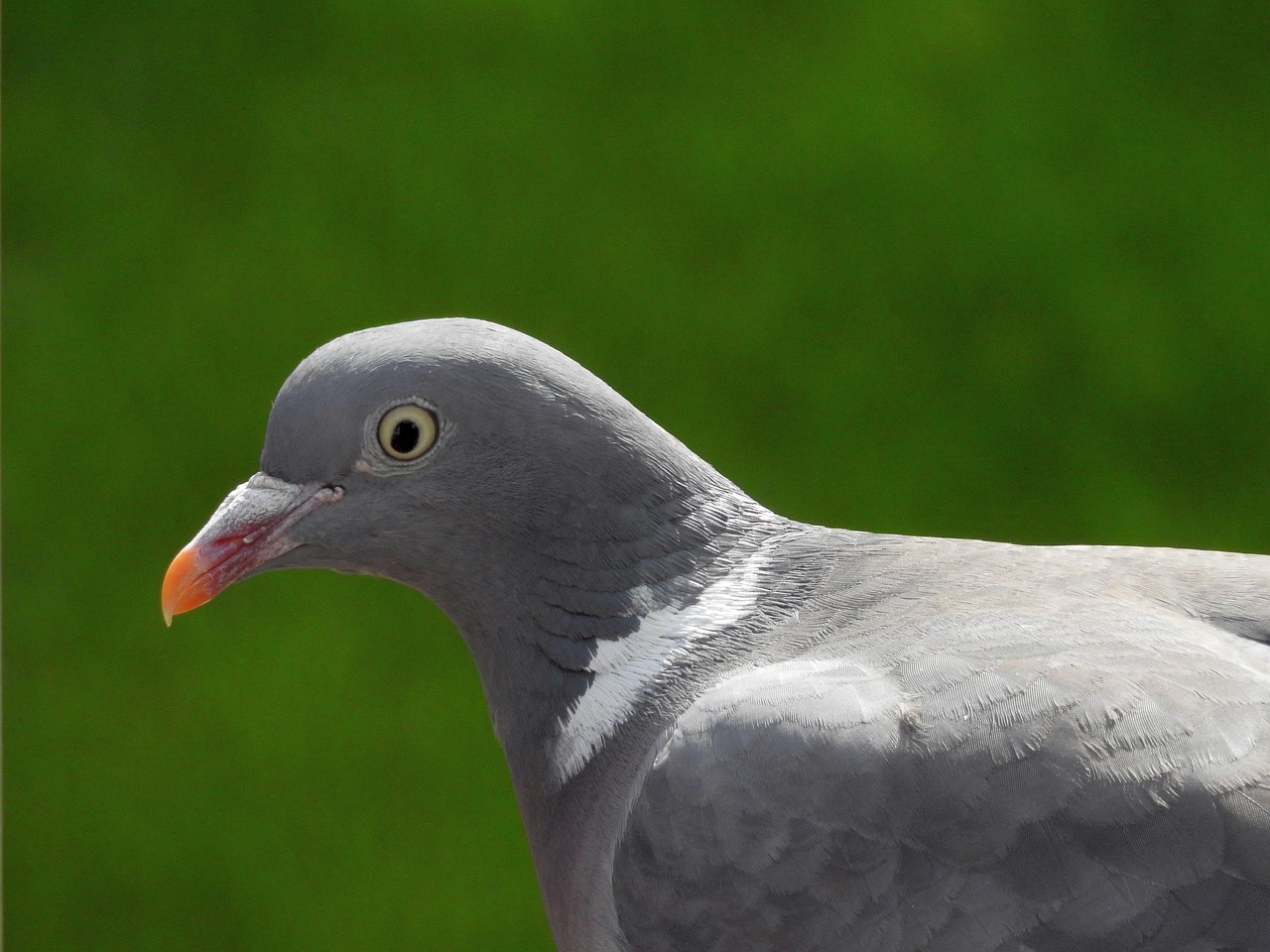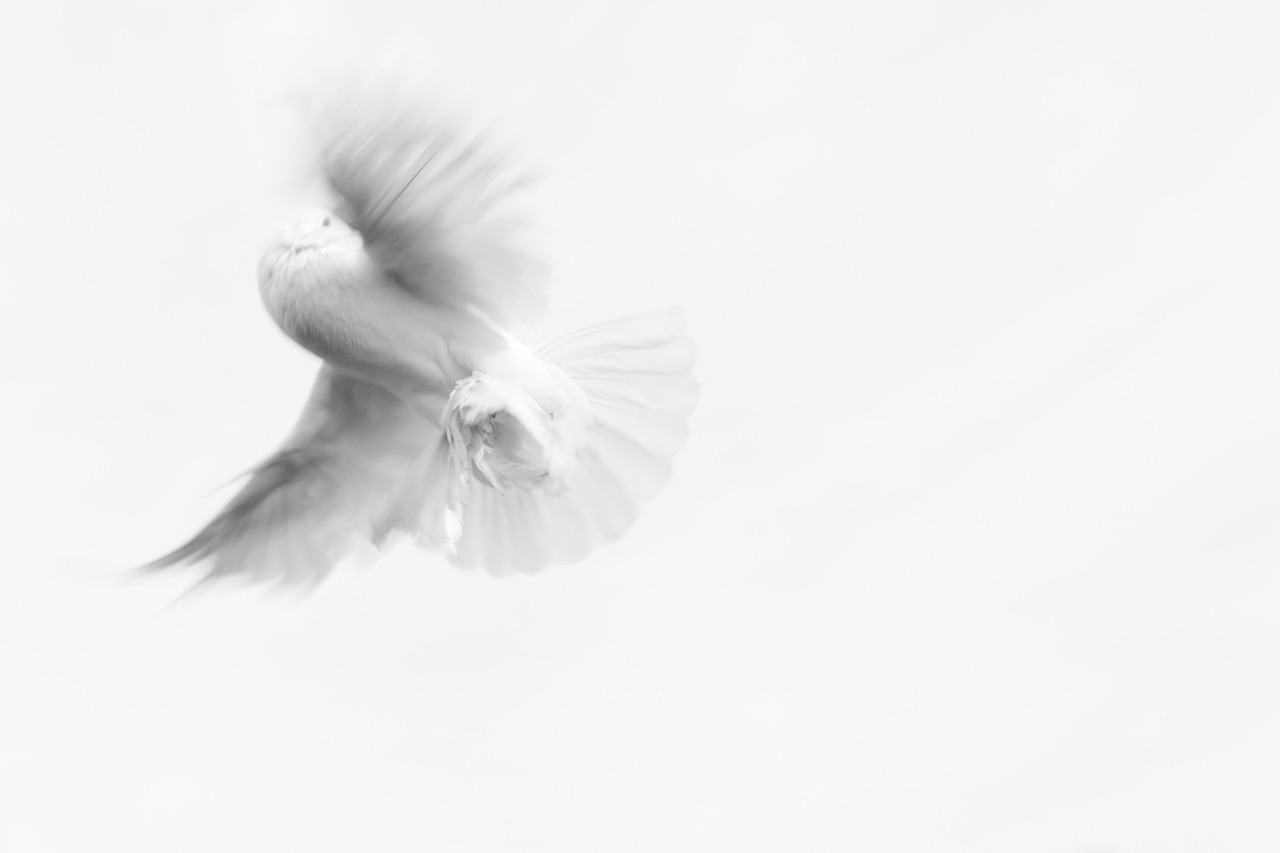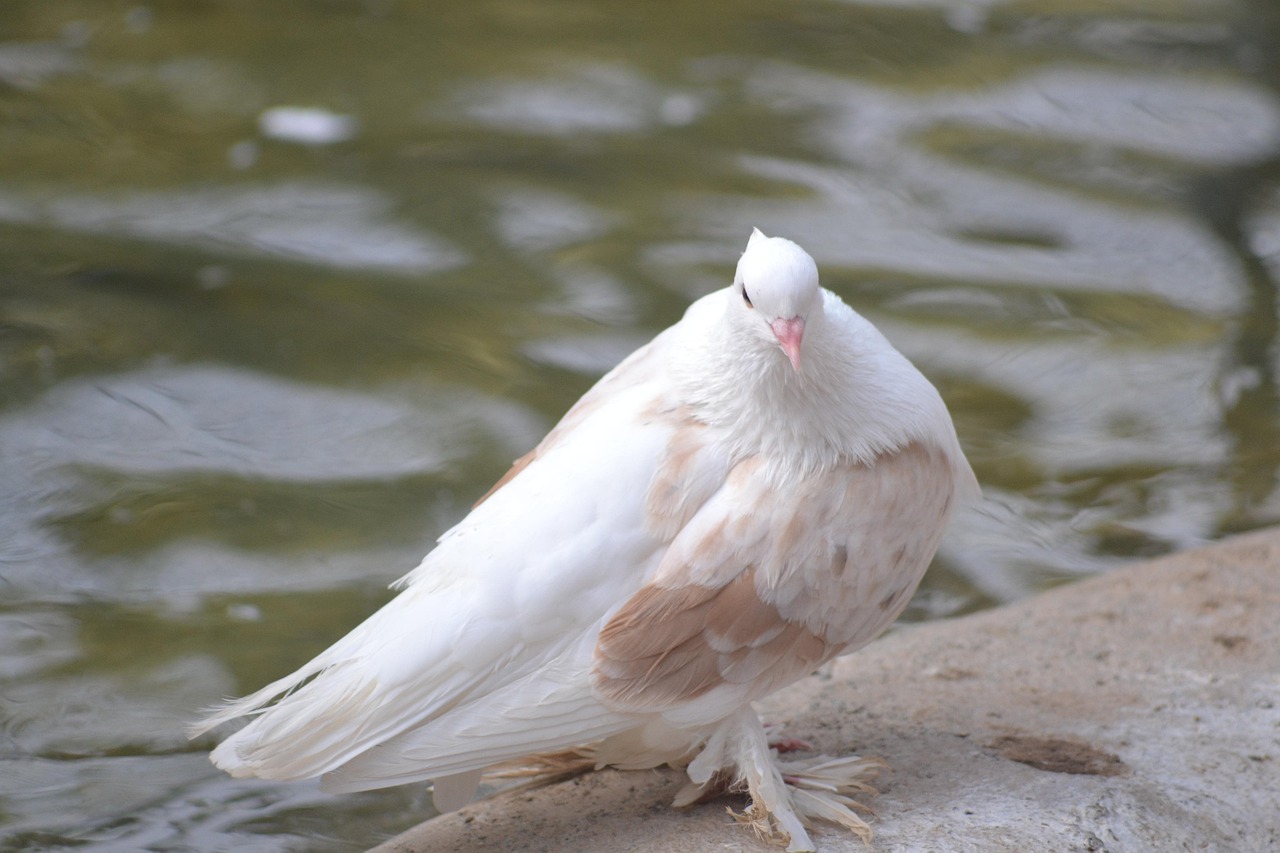
Shami pigeons, known for their elegance and rich heritage, are a prized breed among enthusiasts in the Arab world. This comprehensive guide delves into their vibrant colors, detailed specifications, and current market prices, offering valuable insights for both beginners and seasoned breeders. Understanding these aspects can enhance your appreciation and care for these magnificent birds.
Introduction to Shami Pigeons
Shami pigeons, or حمام شامي, have a storied history rooted in the Middle East, particularly in Syria and surrounding regions. They are celebrated for their distinctive appearance and gentle temperament, making them a favorite in pigeon breeding circles. This section explores their origins and why they hold such cultural significance.
Historical Background
The history of Shami pigeons dates back centuries, with roots in ancient Arab civilizations where they were bred for their beauty and utility. Initially used in messenger roles and as symbols of status, these pigeons have evolved into a breed admired for their aesthetic qualities. Over time, selective breeding has refined their characteristics, leading to the diverse varieties seen today. Their resilience and adaptability have allowed them to thrive in various environments, contributing to their enduring popularity.
In modern times, Shami pigeons continue to be a symbol of heritage and pride, often featured in competitions and exhibitions. Breeders value them not only for their looks but also for their intelligence and loyalty. Understanding this history helps enthusiasts appreciate the breed's journey and the efforts behind its preservation. It also highlights the importance of maintaining breed standards to honor this rich legacy.
Cultural Significance
In Arab culture, Shami pigeons are more than just birds; they represent tradition, artistry, and community bonds. They are often associated with hospitality and are kept in homes as a sign of prestige. Many families pass down breeding knowledge through generations, fostering a deep connection to these animals. This cultural aspect adds to their appeal, making them a meaningful addition to any aviary.
Beyond symbolism, Shami pigeons play a role in social gatherings and festivals, where they are showcased and traded. Their presence in literature and art further cements their status in the region's identity. For breeders, this cultural depth enhances the joy of raising them, as it ties personal passion to broader historical narratives. Embracing this significance can enrich the breeding experience and inspire conservation efforts.
Colors and Varieties of Shami Pigeons
Shami pigeons boast a stunning array of colors and patterns, each with unique characteristics that appeal to different tastes. This section categorizes the common color types and explains how genetics influence their appearance, helping breeders make informed choices.
Common Color Patterns
The most popular colors in Shami pigeons include ash, red, yellow, and black, often with intricate markings like bars or spots. Ash-colored pigeons, for instance, have a silvery-gray hue that can vary in intensity, while red varieties exhibit warm, earthy tones that are highly sought after. These colors are not just aesthetic; they can indicate lineage and purity, with certain shades being more prevalent in specific bloodlines.
In addition to solid colors, many Shami pigeons feature combinations, such as pied or mottled patterns, which add to their visual appeal. Breeders often select for these traits to produce offspring with desired characteristics, using careful pairing to enhance color consistency. Understanding these patterns allows enthusiasts to identify quality birds and avoid common pitfalls in breeding, such as color fading or mismatches.
Genetic Influences on Color
Color in Shami pigeons is governed by complex genetic factors, including dominant and recessive genes that determine hue and pattern. For example, the gene for red color might be dominant over others, leading to a higher likelihood of red offspring if both parents carry it. Breeders use this knowledge to plan matings, aiming for specific outcomes like vibrant or rare colorations.
Environmental factors, such as diet and sunlight, can also affect color intensity, so proper care is essential. By studying genetics, breeders can avoid inbreeding issues that might dilute colors or cause health problems. This scientific approach not only improves the breed's aesthetics but also ensures its long-term vitality, making it a key aspect of responsible pigeon management.
Specifications and Physical Traits
Shami pigeons are defined by specific physical traits that set them apart from other breeds. This section covers their size, weight, and other key specifications, providing a clear picture of what to look for in a healthy bird.
Size and Weight Standards
Typically, Shami pigeons measure between 25 to 30 centimeters in length and weigh around 300 to 400 grams, with variations based on gender and lineage. Males are often slightly larger and more robust, while females tend to be more slender. These size standards are crucial for judging quality in competitions, where adherence to breed norms is highly valued.
Maintaining ideal weight is important for health and performance; underweight birds may lack vitality, while overweight ones can face mobility issues. Breeders should monitor diet and exercise to keep pigeons within these ranges. Regular checks and comparisons with established benchmarks help ensure that birds meet expectations, contributing to their overall well-being and breeding potential.
Distinctive Features
Key features of Shami pigeons include a broad chest, strong wings, and a graceful posture that exudes elegance. Their beaks are typically short and stout, suited for feeding, and their eyes are bright and alert, indicating good health. Feather quality is another highlight, with smooth, well-groomed plumage that reflects proper care.
Other notable traits include their vocalizations and flight patterns, which are often used to assess temperament and agility. Breeders prize birds with balanced proportions and minimal defects, as these traits enhance both aesthetics and functionality. By focusing on these specifications, enthusiasts can select superior individuals for breeding or showing, ensuring the breed's standards are upheld.
Care and Maintenance for Shami Pigeons
Proper care is essential for keeping Shami pigeons healthy and thriving. This section outlines housing, feeding, and health management practices, offering practical advice for daily maintenance.
Housing Requirements
Shami pigeons need spacious, clean lofts that protect them from predators and harsh weather. The ideal loft should have good ventilation, perches for resting, and nesting areas for breeding pairs. Regular cleaning prevents diseases and ensures a comfortable environment, which is vital for their mental and physical health.
Additionally, providing flying space allows pigeons to exercise, strengthening their wings and overall fitness. Breeders should inspect lofts frequently for hazards like sharp edges or dampness, and use materials that are easy to sanitize. A well-designed loft not only supports the birds' well-being but also encourages natural behaviors, leading to happier, more productive pigeons.
Feeding and Nutrition
A balanced diet for Shami pigeons includes grains, seeds, and supplements to meet their nutritional needs. Common feeds consist of corn, wheat, and legumes, which provide essential carbohydrates and proteins. Fresh water should always be available, and occasional treats like greens can add variety and vitamins.
Overfeeding or poor diet can lead to obesity or deficiencies, so portion control and variety are key. Breeders might adjust feed based on activity levels and breeding cycles, ensuring optimal health. By following these guidelines, pigeons maintain energy and vitality, reducing the risk of common ailments and supporting longevity.
Breeding and Rearing Shami Pigeons
Breeding Shami pigeons requires knowledge and patience to produce healthy offspring. This section discusses mating practices, incubation, and chick care, guiding breeders through the process.
Mating and Pairing Strategies
Selecting compatible pairs is crucial for successful breeding, focusing on traits like color, health, and temperament. Breeders often use proven males and females to enhance desired characteristics, avoiding close relatives to prevent genetic issues. The mating process involves introducing pairs gradually and monitoring their interactions to ensure harmony.
During breeding seasons, providing a stress-free environment encourages natural behaviors and higher success rates. Keeping records of pairings and outcomes helps track lineage and improve future breeding efforts. This strategic approach not only yields better pigeons but also preserves the breed's integrity over generations.
Incubation and Chick Development
After mating, eggs are incubated for about 17 to 19 days, with both parents sharing brooding duties. Hatching chicks need warmth and protection, along with a diet of softened grains or specialized feed. Breeders should monitor growth milestones, such as feather development and first flights, to ensure normal progress.
Common challenges include weak chicks or parental neglect, which can be addressed with supplemental care. By understanding these stages, breeders can intervene when necessary, raising strong, viable pigeons. This hands-on involvement fosters a deeper bond with the birds and contributes to the breed's sustainability.
Pricing and Market Insights for Shami Pigeons
أسعار الحمام الشامي vary widely based on factors like color, age, and lineage. This section analyzes current market trends and what influences costs, helping buyers make informed decisions.
Factors Affecting Prices
Key factors include rarity of color, with unique patterns commanding higher prices, and the bird's health and pedigree. Younger, proven breeders often cost more due to their potential, while older birds might be cheaper but require more care. Market demand also plays a role, with prices fluctuating during breeding seasons or exhibitions.
Other considerations include the breeder's reputation and location, as well as additional costs for transportation or certifications. By evaluating these elements, buyers can budget effectively and avoid overpaying. Understanding this dynamic helps enthusiasts navigate the market wisely, ensuring they get value for their investment.
Current Market Trends
In recent years, أسعار الحمام الشامي have seen increases due to growing interest and limited supply of high-quality birds. Online platforms and auctions have made it easier to buy and sell, expanding access but also intensifying competition. Trends show a preference for pigeons with show-winning backgrounds or rare genetic traits.
To stay updated, breeders should follow industry news and network with other enthusiasts. This awareness allows for timely purchases or sales, maximizing opportunities. Embracing these trends can lead to better deals and a more engaged involvement in the pigeon community.
Conclusion
In summary, Shami pigeons offer a fascinating blend of beauty, history, and practicality, with their colors, specifications, and prices reflecting their esteemed status. By applying the insights from this guide, enthusiasts can enhance their breeding practices and enjoy the rewards of raising these remarkable birds. For those looking to streamline their pigeon management, consider exploring tools from Ghawy – Pigeon Manager (غاوي – إدارة الحمام) to support your journey.