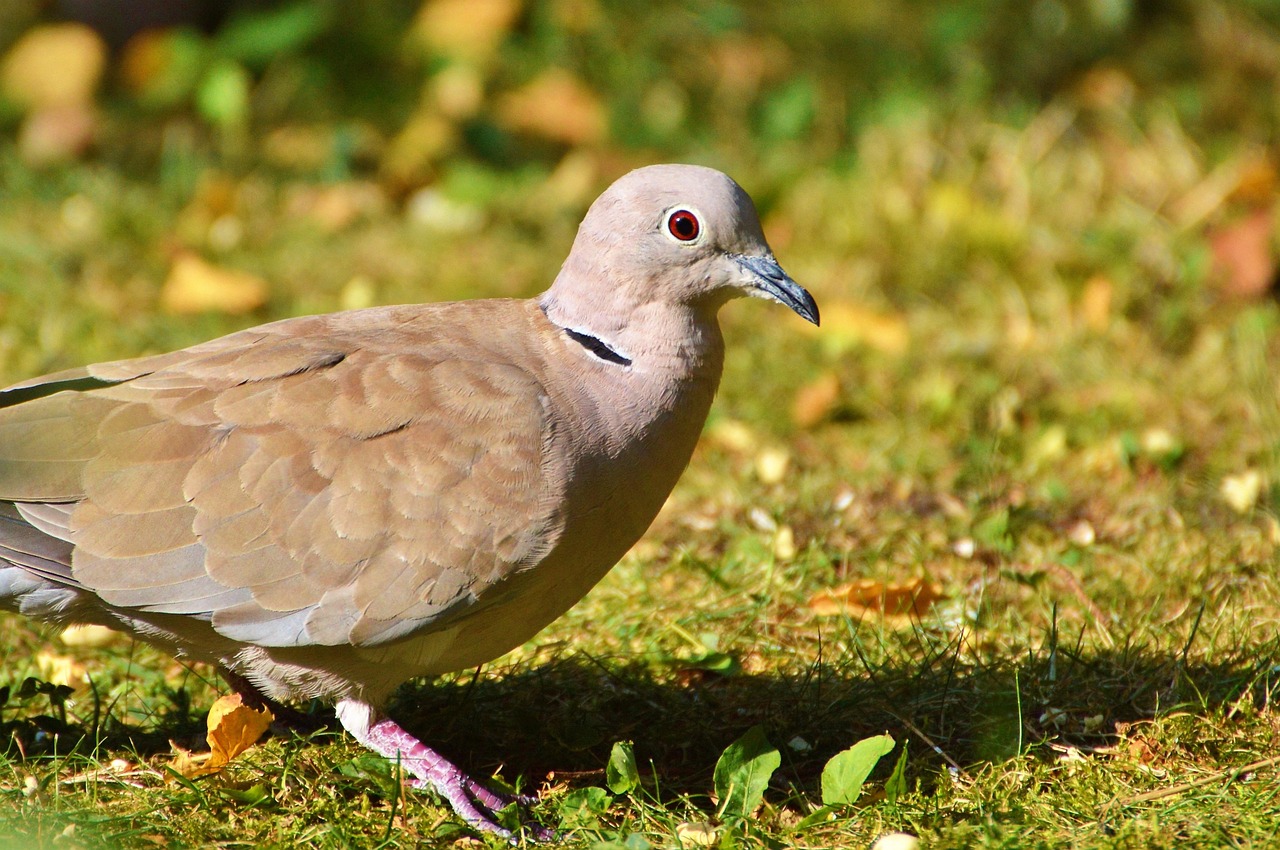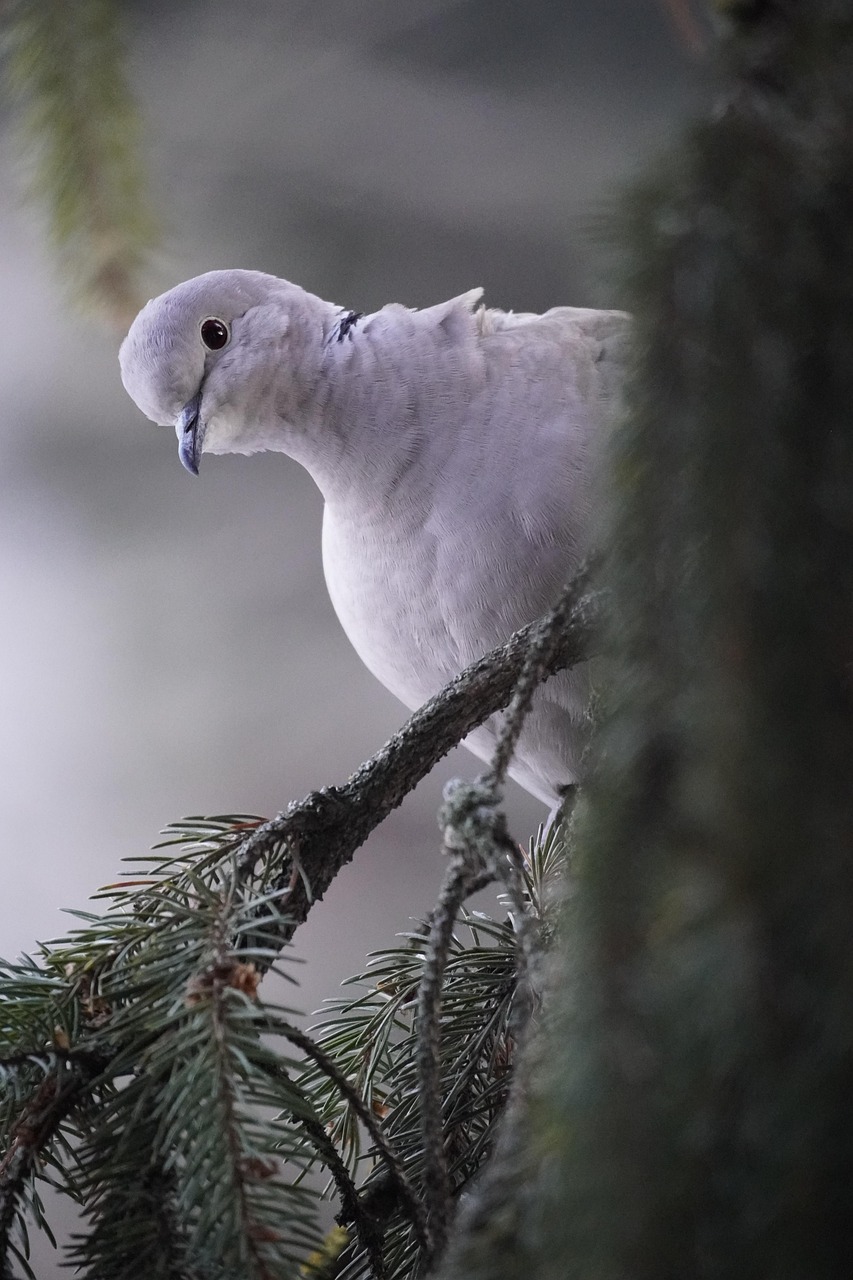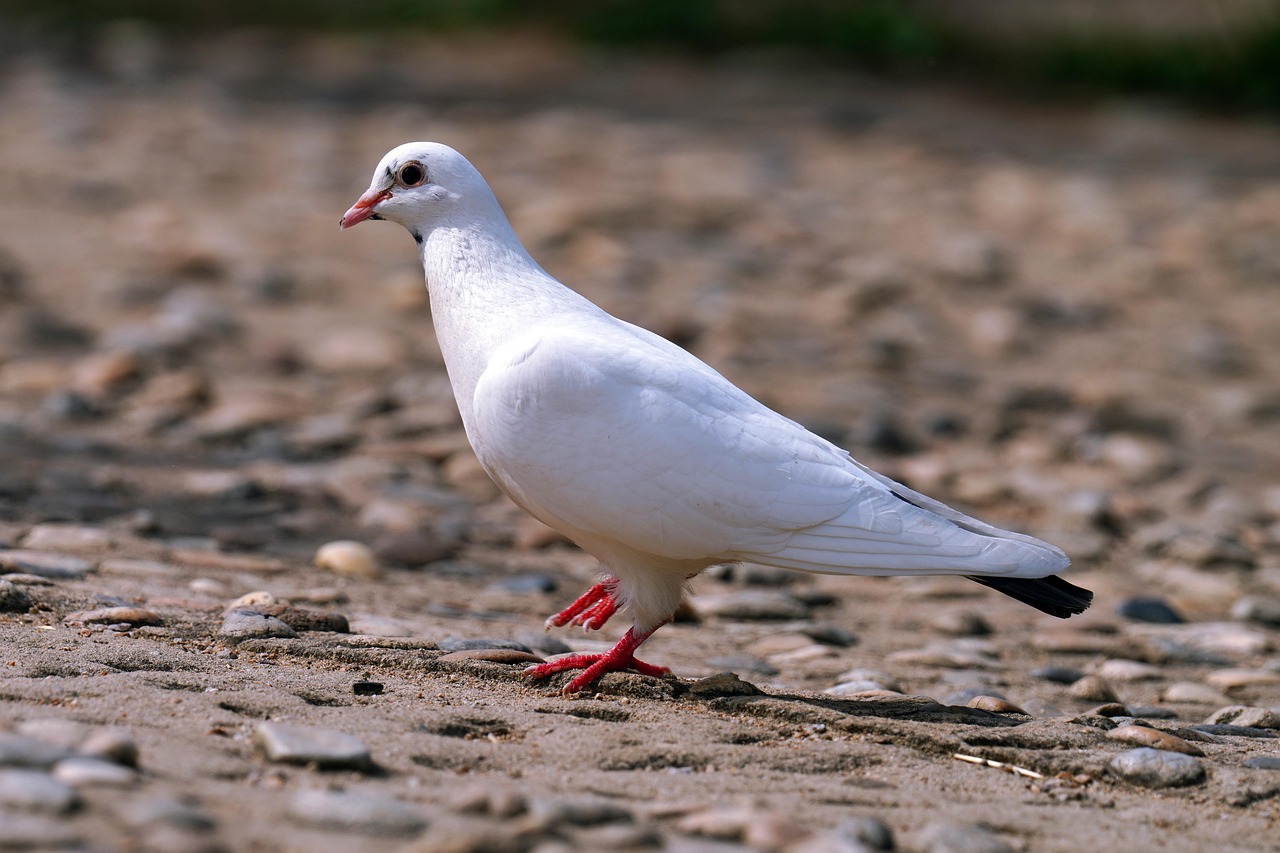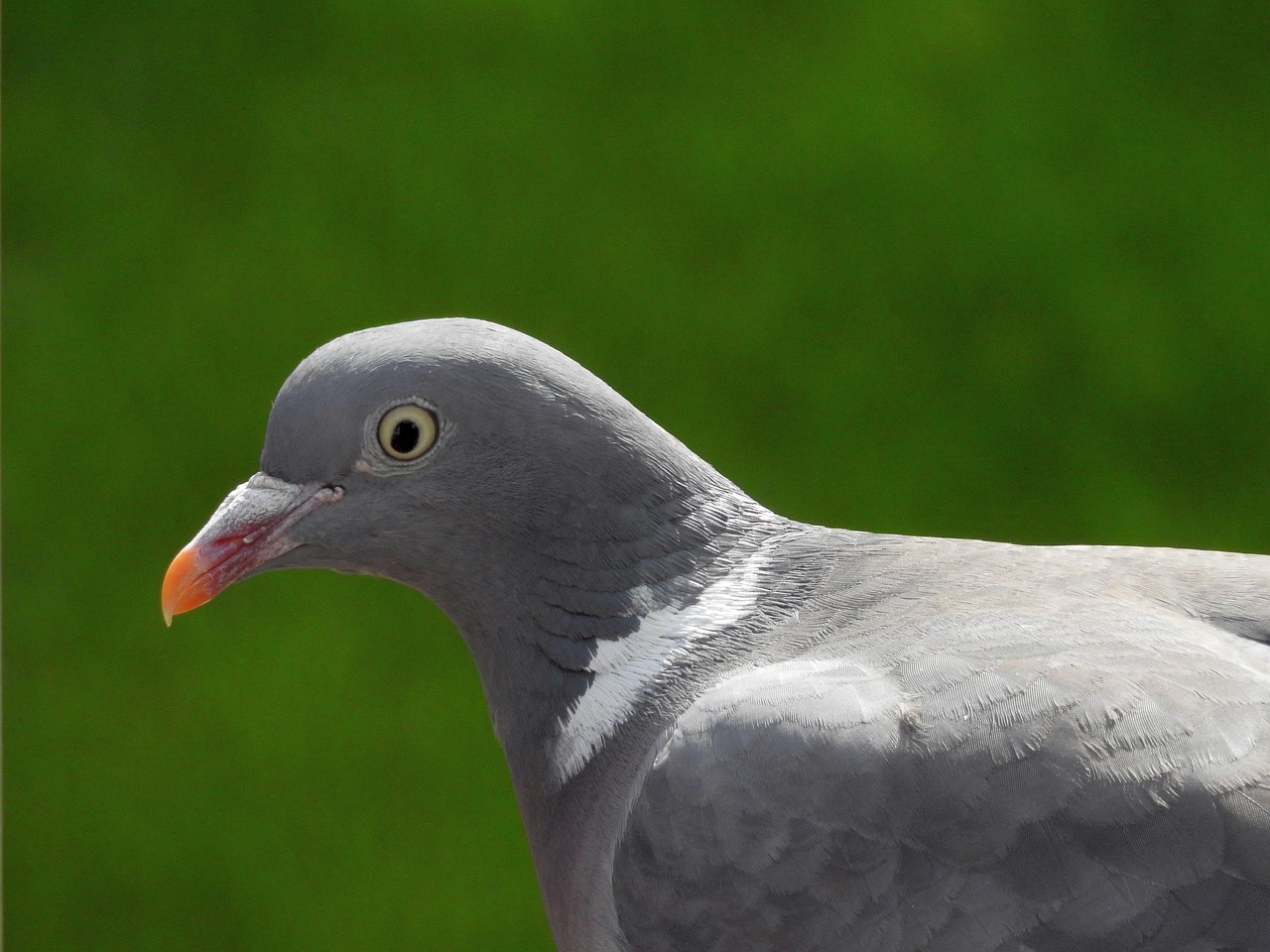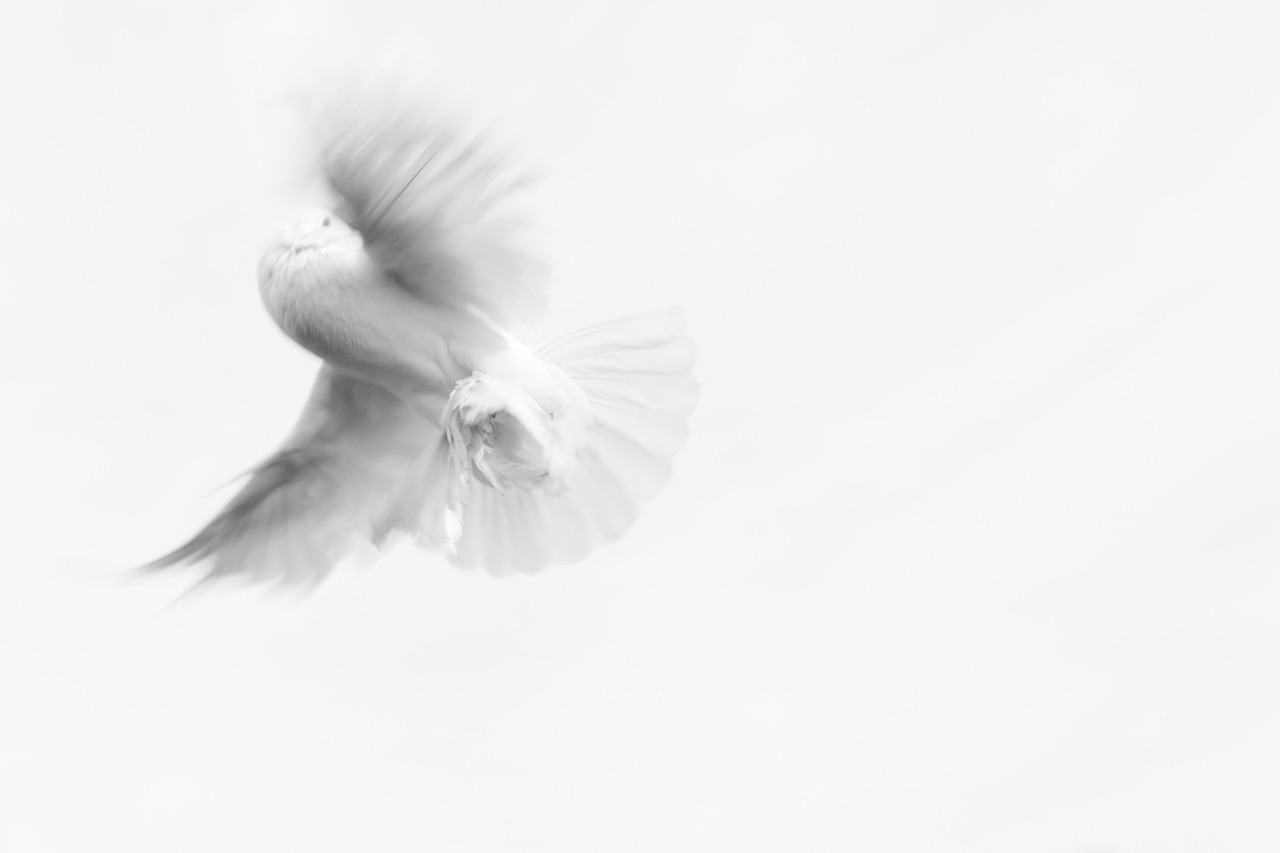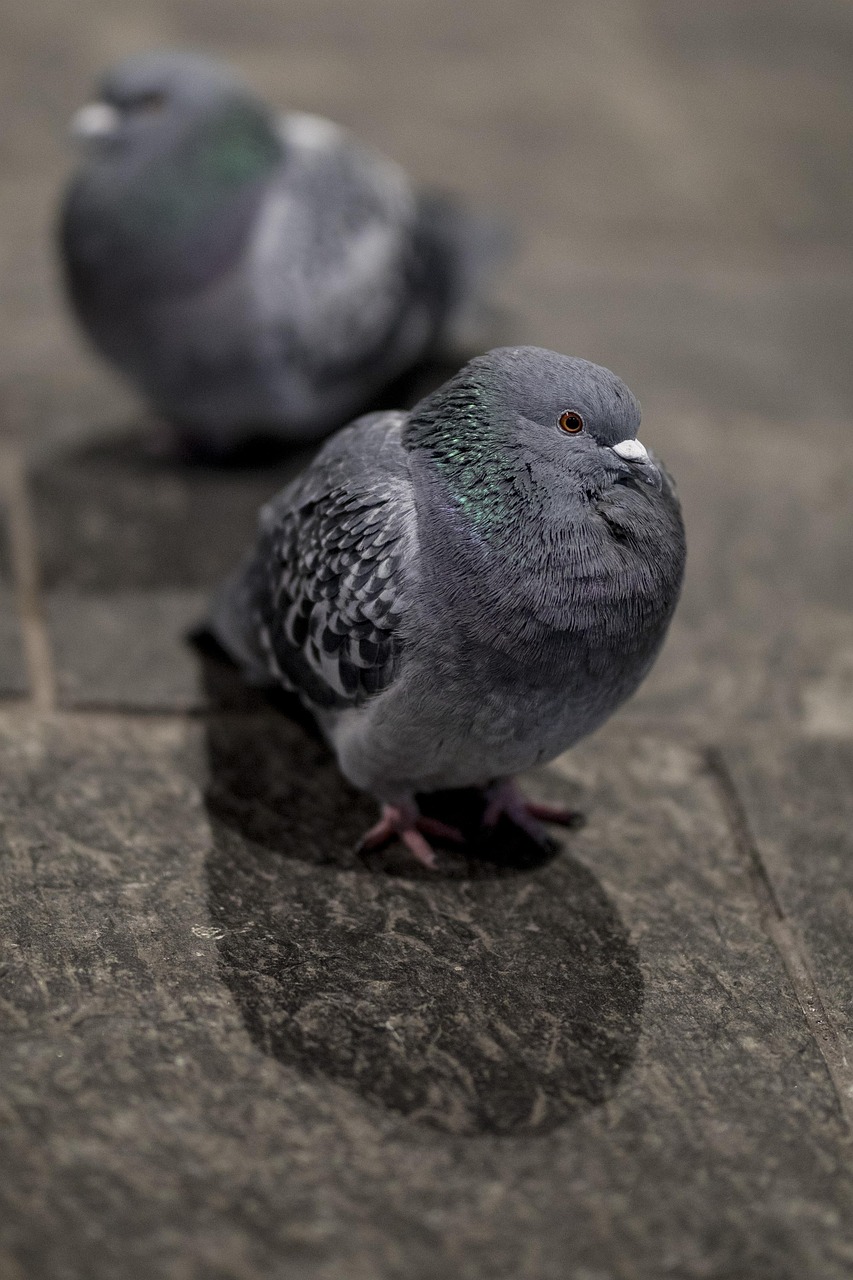
Shami pigeons, known for their elegance and rich heritage, are a prized breed among enthusiasts in the Arab world. This comprehensive guide delves into their vibrant colors, detailed specifications, and current market prices, offering valuable insights for both beginners and seasoned breeders. Understanding these aspects can enhance your appreciation and care for these magnificent birds.
Introduction to Shami Pigeons
Shami pigeons, or حمام شامي, have a storied history rooted in the Middle East, particularly Syria, where they are celebrated for their beauty and resilience. These birds are not just pets but symbols of cultural pride, often featured in competitions and breeding programs. Their popularity stems from their adaptability and the joy they bring to pigeon fanciers worldwide.
Origins and Cultural Significance
The origins of Shami pigeons trace back centuries, with historical records highlighting their role in Arab traditions and falconry. They were bred for their flying abilities and aesthetic appeal, making them a staple in rural and urban settings alike. Over time, selective breeding has refined their traits, resulting in the diverse varieties seen today. This cultural heritage adds depth to their allure, connecting modern breeders to ancient practices.
In many Arab communities, Shami pigeons are more than just birds; they represent a hobby that fosters community bonds and friendly rivalries. Enthusiasts often gather to share tips and showcase their flocks, emphasizing the social aspect of pigeon keeping. This tradition continues to thrive, with new generations embracing the passion for these graceful creatures.
Basic Characteristics and Appeal
Shami pigeons are distinguished by their medium size, strong build, and lively demeanor, making them ideal for both exhibition and companionship. They typically weigh between 400 to 600 grams, with a lifespan of up to 15 years under proper care. Their intelligence and trainability add to their charm, as they can learn to return home from long distances.
What sets Shami pigeons apart is their versatility; they excel in various roles, from racing to ornamental display. Breeders appreciate their hardiness, as they adapt well to different climates and diets. This adaptability, combined with their striking appearance, makes them a top choice for pigeon enthusiasts seeking a rewarding and engaging hobby.
Colors and Varieties of Shami Pigeons
The color diversity in Shami pigeons is astounding, ranging from solid hues to intricate patterns that captivate the eye. Each color variation not only enhances their visual appeal but also influences their value and breeding potential. Understanding these colors can help you select the perfect birds for your flock or collection.
Common Color Patterns
Common colors include pure white, jet black, and various shades of red and yellow, often with glossy feathers that shimmer in sunlight. These base colors are frequently combined with patterns like mottling, barring, or pied markings, creating unique individuals. For instance, a white pigeon with black spots is highly sought after for its contrast and elegance.
In breeding, color genetics play a crucial role, as certain patterns are recessive or dominant. Breeders often aim for specific combinations to produce show-quality birds, such as those with uniform coloration or rare blends. This attention to detail ensures that Shami pigeons remain a dynamic and evolving breed in the pigeon world.
Rare and Premium Colors
Rare colors, like metallic blue or lavender, are prized for their uniqueness and can significantly increase a pigeon's market value. These hues result from selective breeding and genetic mutations, making them less common in standard flocks. Enthusiasts may pay premium prices for such birds, viewing them as investments or centerpieces for breeding programs.
Beyond aesthetics, rare colors often correlate with specific traits, such as improved health or flying stamina. For example, some breeders believe that pigeons with iridescent feathers are hardier, though this is anecdotal. Regardless, the pursuit of these varieties adds excitement to the hobby, driving innovation and conservation efforts.
Specifications and Physical Traits
Shami pigeons boast a range of physical specifications that define their breed standards and functionality. From body structure to behavioral traits, these details are essential for proper identification and care. Knowing what to look for can prevent common mistakes and ensure your pigeons thrive.
Body Structure and Size
The ideal Shami pigeon has a balanced body with a broad chest, strong wings, and a graceful neck, typically measuring 25 to 30 cm in length. Their legs are sturdy and well-proportioned, supporting agile movements and long flights. Key measurements include a wingspan of 50 to 60 cm and a weight that aligns with breed standards for optimal health.
When evaluating body structure, breeders focus on symmetry and posture, as deviations can indicate health issues or poor breeding. Regular assessments help maintain flock quality, ensuring that birds meet exhibition or racing criteria. This attention to physical details is what sets dedicated fanciers apart in the community.
Behavioral and Health Traits
Shami pigeons are known for their active and social behavior, often forming strong bonds with their owners and flock mates. They exhibit intelligence in tasks like homing and training, making them enjoyable to work with. Common health traits include resistance to common avian diseases, provided they receive proper nutrition and housing.
To maintain these traits, regular health checks are vital, focusing on aspects like feather condition, eye clarity, and appetite. A healthy Shami pigeon should be alert and energetic, with no signs of lethargy or distress. By prioritizing these specifications, breeders can ensure long-term well-being and performance.
Pricing and Market Insights
أسعار الحمام الشامي vary widely based on factors like color, age, and breeding history, making it essential to understand the market dynamics. Whether you're buying or selling, knowing the price ranges can help you make informed decisions and avoid overpaying or underselling.
Factors Influencing Prices
Key factors affecting أسعار الحمام الشامي include the pigeon's pedigree, with birds from champion bloodlines commanding higher prices. Age also plays a role, as younger pigeons are often more expensive due to their potential for breeding and training. Additionally, rarity in color or physical traits can drive up costs, especially in competitive markets.
Other considerations include the seller's reputation and geographic location, as prices may differ between regions. For instance, pigeons in urban areas might be priced higher due to demand, while rural breeders offer more affordable options. Understanding these variables allows buyers to negotiate effectively and find value in their purchases.
Current Price Ranges and Trends
Currently, أسعار الحمام الشامي range from $50 for common varieties to over $500 for premium or rare birds, with averages around $150 to $300. Market trends show increasing interest in exotic colors and proven performers, driving up prices for top-quality specimens. Seasonal fluctuations, such as higher demand during breeding seasons, also impact costs.
To stay updated, enthusiasts should monitor online marketplaces and breeder networks, where prices are often listed transparently. Investing in well-documented birds can yield long-term returns, especially if they excel in shows or produce offspring. This economic aspect adds a strategic layer to the hobby, blending passion with practicality.
Care and Maintenance Tips
Proper care is crucial for keeping Shami pigeons healthy and happy, covering aspects like diet, housing, and routine maintenance. By following best practices, you can prevent common issues and enjoy a thriving flock for years to come.
Housing and Environment
Ideal housing for Shami pigeons includes spacious lofts with good ventilation, protection from predators, and perches for resting. The environment should be clean and dry, with regular cleaning to prevent diseases. Temperature control is important, as extreme heat or cold can stress the birds, so provide shade and insulation as needed.
Additionally, ensure the loft has adequate lighting and space for exercise, as Shami pigeons are active flyers. A secure outdoor area for free flight can enhance their well-being, reducing boredom and promoting natural behaviors. Investing in quality housing upfront saves time and money on vet bills later.
Diet and Nutrition
A balanced diet for Shami pigeons consists of grains, seeds, and supplements like grit for digestion, provided in measured portions to avoid obesity. Fresh water should always be available, and occasional treats like greens can add variety. Nutritional needs vary with age and activity level, so adjust feed accordingly for growing chicks or breeding pairs.
Common dietary mistakes include overfeeding or relying on low-quality mixes, which can lead to health problems. Consult with experienced breeders or veterinarians to tailor a diet that supports strong immunity and vibrant feathers. This proactive approach ensures your pigeons remain in peak condition.
Breeding and Training Techniques
Breeding and training Shami pigeons require patience and knowledge, focusing on genetic selection and behavioral conditioning. Mastering these techniques can lead to successful offspring and well-trained birds that excel in various activities.
Breeding Best Practices
Successful breeding starts with selecting healthy, compatible pairs based on traits like color, size, and temperament. Provide a calm nesting environment with materials like straw or wood shavings, and monitor the eggs for proper incubation. Chicks should be handled gently and weaned gradually to ensure strong development.
Genetic diversity is key to avoiding inbreeding issues, so rotate breeding pairs and introduce new bloodlines when possible. Keep detailed records of pedigrees and health history to track progress and make informed decisions. This systematic approach maximizes the chances of producing high-quality Shami pigeons.
Training for Homing and Shows
Training Shami pigeons for homing involves gradual distance increases from their loft, using rewards to reinforce return behavior. Start with short flights and slowly extend the range, ensuring the birds are fit and motivated. For shows, focus on socialization and presentation, teaching them to perch calmly and display their features confidently.
Consistency is vital in training, as irregular sessions can confuse the birds. Use positive reinforcement, like food treats, to build trust and encourage desired behaviors. With dedication, you can develop pigeons that not only perform well but also strengthen your bond with them.
Conclusion
In summary, Shami pigeons offer a rich tapestry of colors, specifications, and pricing options that cater to diverse interests in the pigeon community. From their historical roots to modern care practices, this guide has covered essential aspects to help you appreciate and manage these birds effectively. By applying these insights, you can enhance your flock's health and value. For expert tools and resources to streamline your pigeon management, consider exploring Ghawy – Pigeon Manager (غاوي – إدارة الحمام), a trusted platform for enthusiasts.