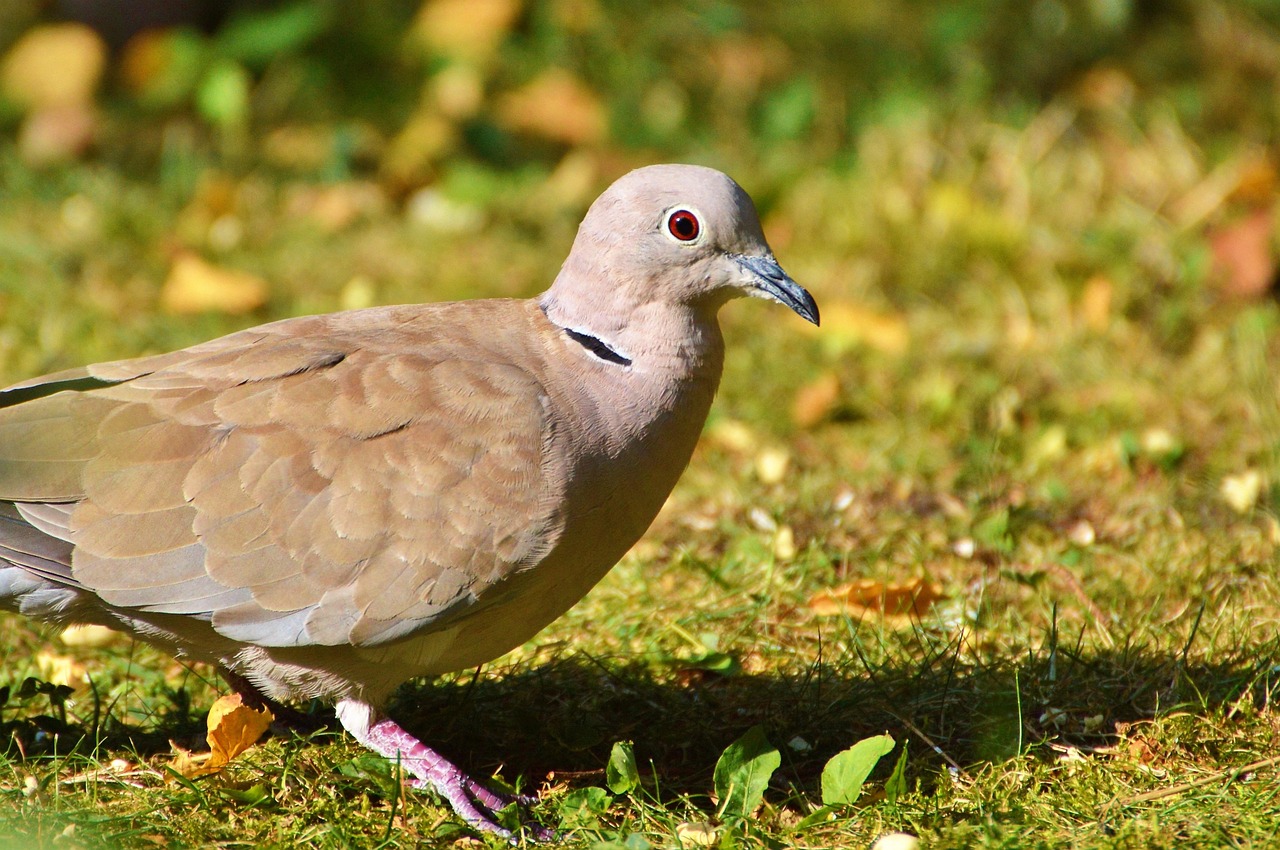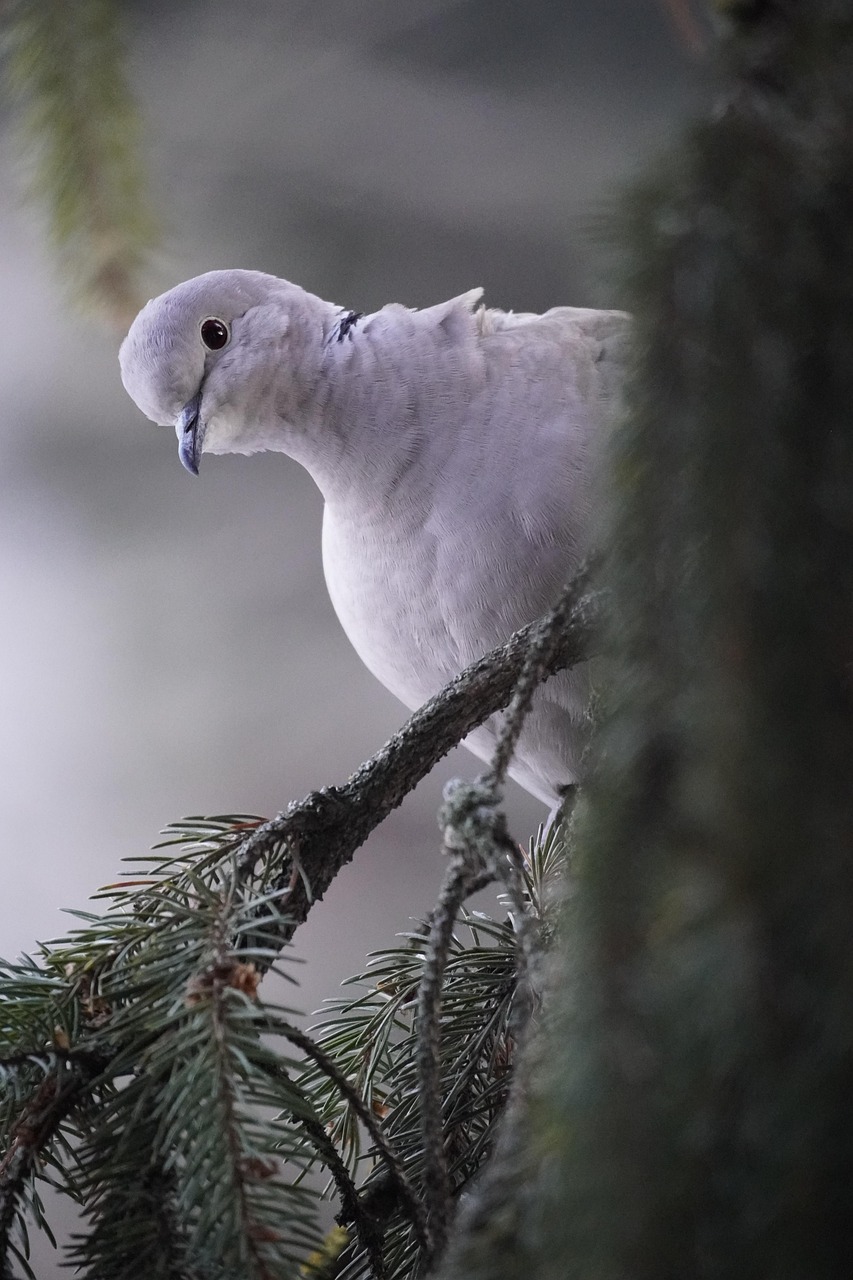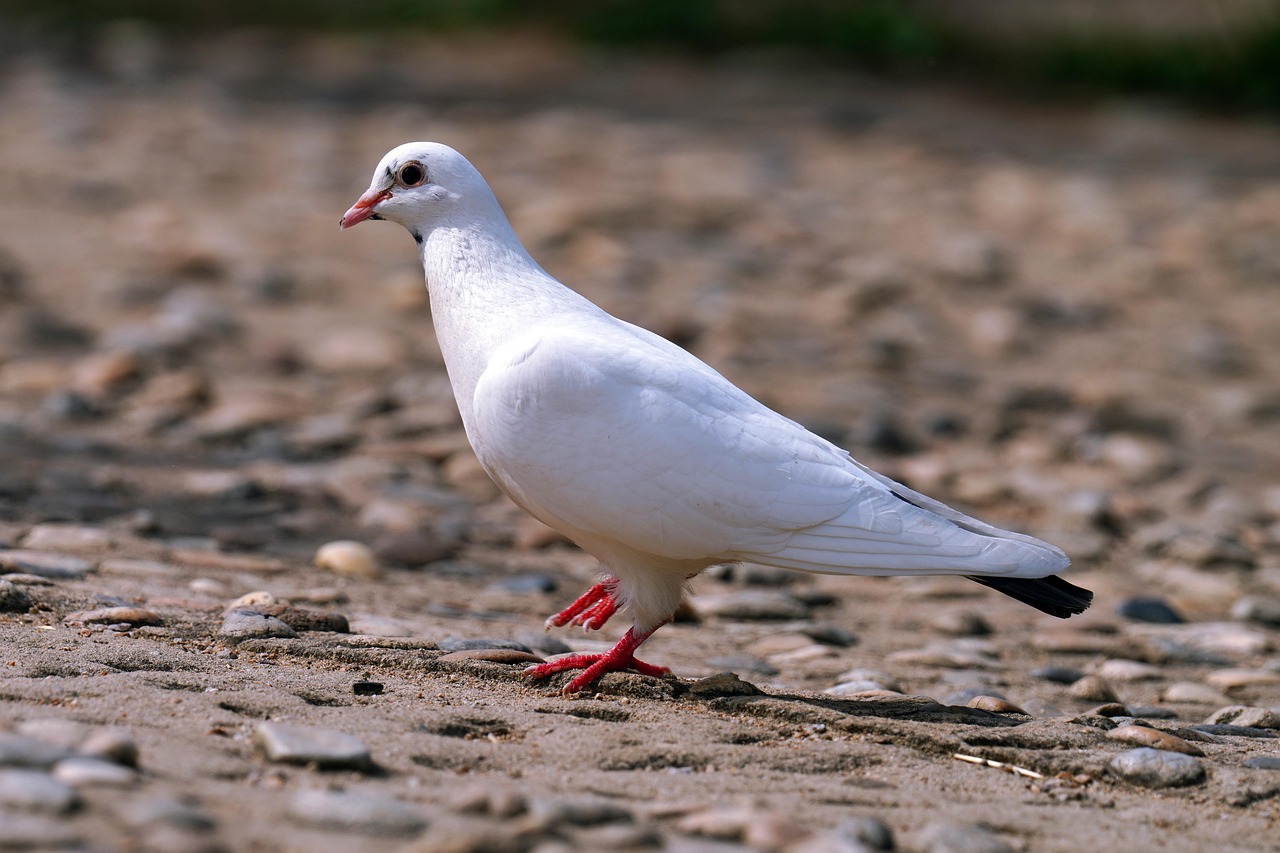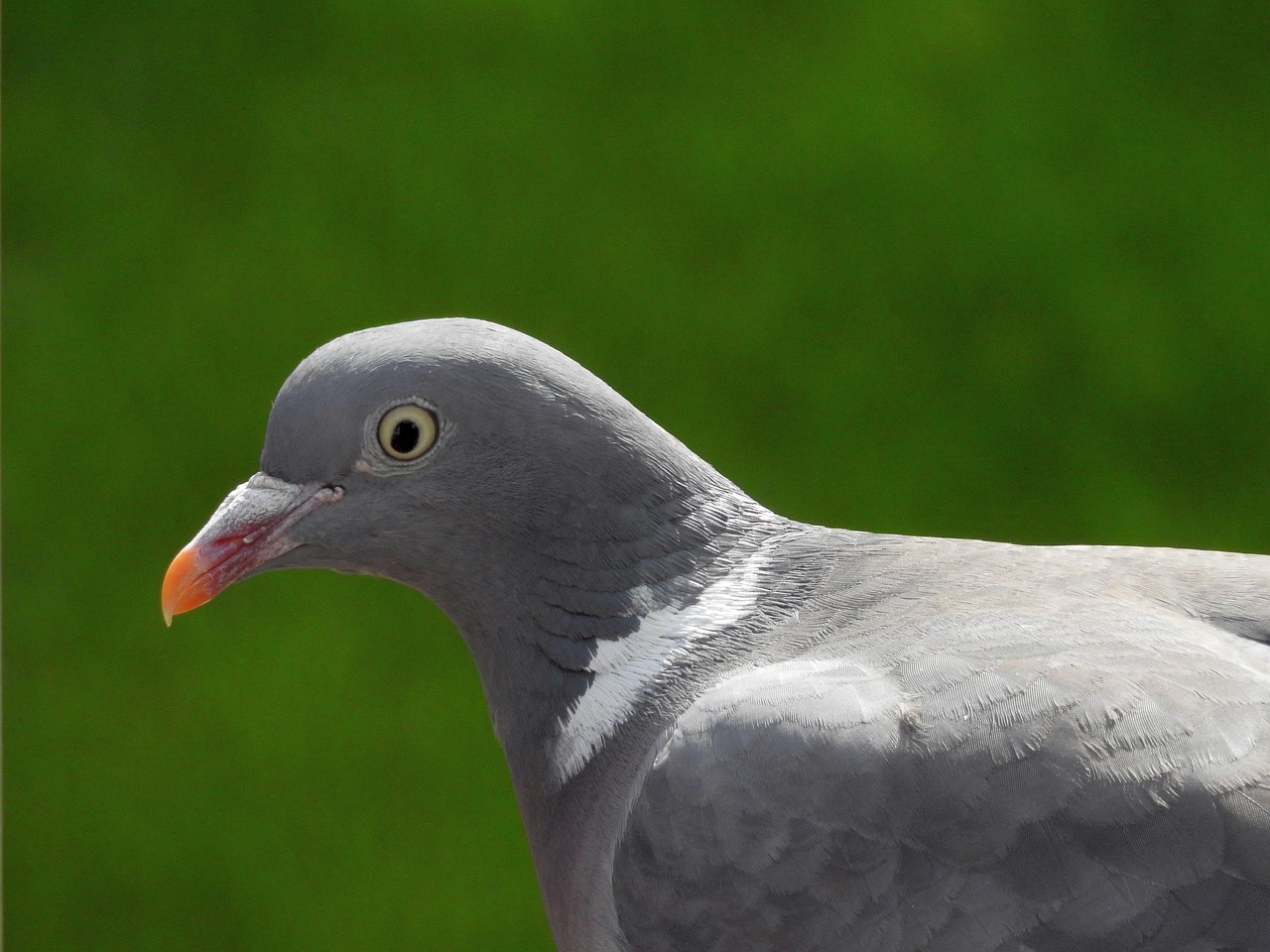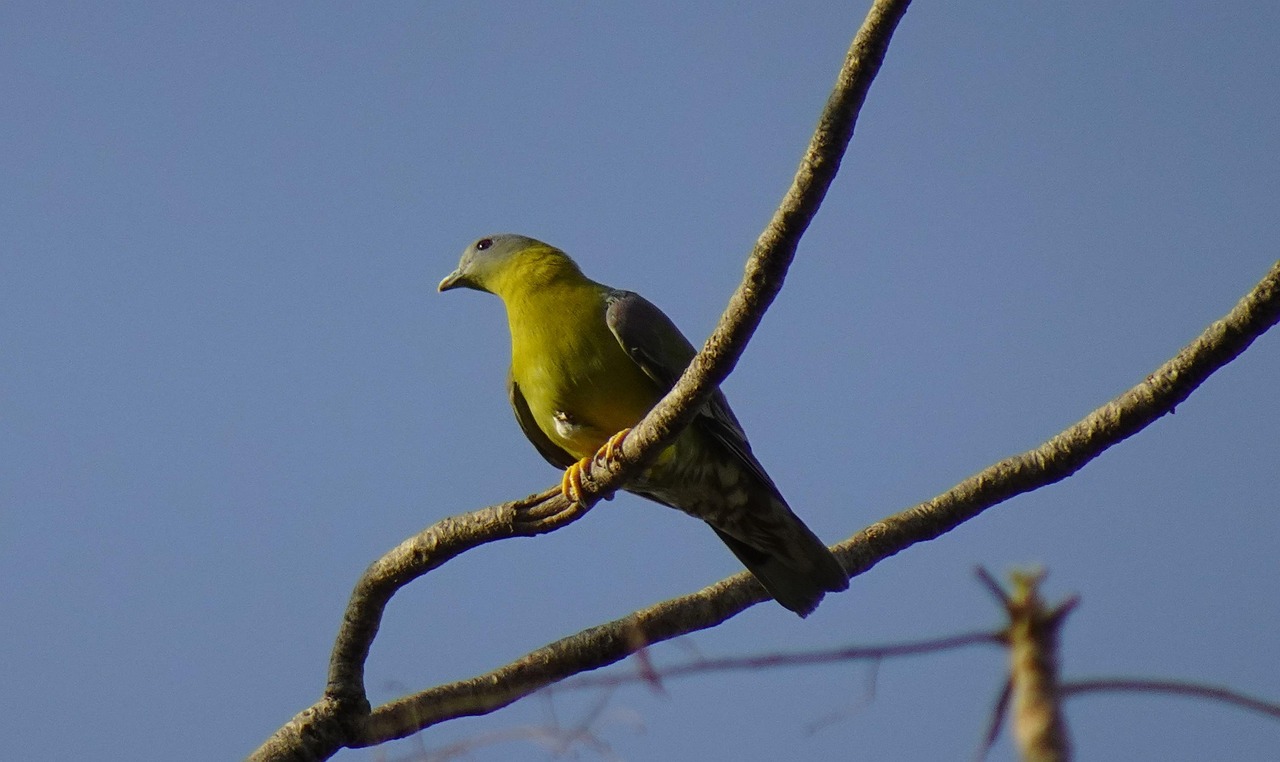
The King pigeon, known as 'حمام كنجي' in Arabic, has become a highly sought-after breed in the Gulf market, captivating enthusiasts with its unique characteristics and cultural significance. This article delves into the specifications that make this pigeon a standout choice, exploring its origins, physical traits, and the booming demand in regions like Saudi Arabia and the UAE. By understanding these aspects, breeders and hobbyists can better appreciate why the King pigeon reigns supreme in the السوق الخليجي.
Origins and Historical Background of the King Pigeon
The King pigeon's roots trace back to selective breeding efforts that combined various pigeon strains to enhance desirable traits. Initially developed for utility purposes, such as meat production, it has evolved into a prized ornamental and competitive breed. In the Gulf region, its adoption reflects a blend of tradition and modern aviculture, where it symbolizes status and passion among pigeon fanciers. This historical journey underscores its resilience and adaptability, making it a perennial favorite.
Development and Breeding History
The breeding history of the King pigeon is marked by meticulous selection for size, temperament, and aesthetic appeal. Early breeders focused on crossing robust varieties to create a bird that could thrive in diverse environments, including the arid climates of the Gulf. Over generations, this has resulted in a pigeon that not only meets practical needs but also excels in shows and competitions. The evolution of breeding techniques, such as line-breeding and outcrossing, has played a crucial role in refining its characteristics, ensuring consistency in quality across the السوق الخليجي.
In recent decades, the King pigeon has gained prominence in the Gulf due to its association with local cultural events and pigeon racing. Breeders in countries like Kuwait and Qatar have contributed to its popularity by sharing knowledge and best practices, fostering a community that values heritage and innovation. This collaborative spirit has helped preserve the breed's integrity while introducing new variations that cater to evolving tastes. As a result, the King pigeon continues to be a dynamic part of the region's avicultural landscape.
Cultural Significance in the Gulf
In the Gulf, pigeons hold a special place in cultural traditions, often featured in festivals, weddings, and other social gatherings. The King pigeon, in particular, is revered for its majestic appearance and symbolic meanings, such as peace and prosperity. Its presence in these events highlights the deep connection between people and these birds, reinforcing their role beyond mere pets or livestock. This cultural embedding has fueled demand, as owning a King pigeon is seen as a mark of prestige and connection to heritage.
The integration of the King pigeon into daily life in the Gulf extends to its use in competitive sports like pigeon racing, where its endurance and speed are highly valued. Enthusiasts often form clubs and associations to promote breeding standards and organize events, creating a vibrant subculture. This not only boosts the local economy but also strengthens social bonds, as families and communities come together to celebrate their shared passion. Understanding this cultural context is essential for appreciating why the حمام كنجي remains so popular in the السوق الخليجي.
Physical Characteristics and Unique Traits
The King pigeon is distinguished by its impressive physical attributes, which set it apart from other breeds. Typically, it boasts a large, muscular body, a broad chest, and a proud posture that exudes elegance. Its feathers can range from pure white to various patterns, adding to its visual appeal. These traits are not just for show; they contribute to the bird's functionality, such as in flight performance and health resilience, making it a versatile choice for breeders in the Gulf.
Size, Weight, and Body Structure
On average, the King pigeon weighs between 500 to 700 grams, with a body length of up to 30 centimeters, making it one of the larger pigeon breeds. Its robust frame is supported by strong legs and wings, allowing for powerful flight and stability. The broad chest and well-developed muscles are key indicators of its health and breeding quality, often assessed in competitions. In the السوق الخليجي, these size specifications are highly prized, as they reflect the bird's ability to adapt to local conditions and perform in events.
Breeders focus on maintaining these physical standards through selective pairing, ensuring that offspring inherit the desired traits. Regular health checks and proper nutrition are essential to sustain this body structure, especially in the Gulf's hot climate. By prioritizing size and weight, enthusiasts can maximize the pigeon's potential for both ornamental and practical uses, such as in homing or display. This attention to detail underscores the importance of physical characteristics in the overall appeal of the حمام كنجي.
Feather Colors and Patterns
The King pigeon exhibits a wide array of feather colors, including solid shades like white, black, and red, as well as intricate patterns such as mottled or barred designs. These variations are not only aesthetically pleasing but also serve as markers for breed purity and genetic diversity. In the Gulf market, certain colors may be more sought after due to cultural preferences or trends, influencing breeding decisions and market value. The lustrous quality of the feathers is often enhanced through grooming and diet, highlighting the bird's overall vitality.
Beyond beauty, feather characteristics can indicate the pigeon's health and lineage. For instance, consistent coloring and minimal defects suggest good genetics, which is crucial for breeding programs. Enthusiasts in the السوق الخليجي often exchange tips on maintaining feather quality, such as using specific supplements or avoiding environmental stressors. This collective knowledge helps preserve the breed's distinctive appearance, ensuring that the King pigeon remains a standout in aviculture. By appreciating these details, one can see why the حمام كنجي is so highly regarded.
Behavior and Temperament Insights
The King pigeon is known for its calm and docile temperament, making it an excellent choice for both novice and experienced breeders. Unlike some breeds that can be skittish or aggressive, it tends to be friendly and adaptable, easily bonding with handlers. This behavioral trait is particularly valuable in the Gulf, where pigeons are often kept in communal lofts or as part of family collections. Its intelligence and trainability also make it suitable for various activities, from racing to simple companionship.
Social Behavior and Interaction
In social settings, King pigeons display a hierarchical structure within flocks, often forming strong pair bonds that last for life. They are generally peaceful and can coexist with other pigeon breeds, reducing the risk of conflicts in mixed aviaries. This sociability extends to human interactions, as they readily respond to training and handling, which is essential for shows and competitions in the السوق الخليجي. Breeders appreciate this trait, as it simplifies care and enhances the overall experience of pigeon keeping.
Understanding their social dynamics can help in managing lofts effectively, such as by providing adequate space and enrichment to prevent stress. In the Gulf, where community events often feature pigeon displays, this behavior makes the King pigeon a reliable participant. By fostering positive interactions, breeders can ensure their birds thrive, contributing to the breed's reputation for amiability. This aspect of temperament is a key reason why the حمام كنجي remains a top choice in the region.
Training and Adaptability
Training King pigeons involves consistent routines for feeding, flying, and handling, which they adapt to quickly due to their intelligent nature. They can learn to return to their lofts over long distances, a trait highly valued in homing pigeon competitions common in the Gulf. Their adaptability to different environments, including urban and rural settings, makes them versatile for various breeding setups. This flexibility is crucial in the السوق الخليجي, where climatic conditions can vary, and breeders need birds that can perform reliably.
Effective training methods include positive reinforcement and gradual exposure to new stimuli, ensuring the pigeons remain calm and focused. In the Gulf, many breeders share success stories of King pigeons excelling in races or shows, attributing it to their trainable disposition. This not only boosts their market demand but also encourages more people to engage in pigeon fancying. By leveraging their behavioral strengths, enthusiasts can maximize the potential of the حمام كنجي, making it a rewarding breed to work with.
Breeding and Care Guidelines
Breeding King pigeons requires attention to genetics, health, and environment to produce high-quality offspring. Start by selecting healthy, unrelated pairs to avoid inbreeding and maintain genetic diversity. Provide a clean, spacious loft with proper ventilation and nesting areas to support breeding activities. In the Gulf, where temperatures can soar, additional measures like shading and hydration are essential to ensure the birds' well-being and reproductive success.
Selecting Breeding Pairs
When choosing breeding pairs, focus on birds that exhibit the desired traits, such as size, color, and temperament, to enhance the lineage. Avoid pairs with common health issues or behavioral problems to reduce the risk of passing on defects. In the السوق الخليجي, breeders often consult with experts or use tools like pedigree records to make informed decisions. This careful selection process helps maintain the breed's standards and meets the high demand for quality حمام كنجي.
Regular monitoring during the breeding season is crucial, as King pigeons can produce multiple clutches per year. Ensure pairs have a balanced diet rich in proteins and vitamins to support egg-laying and chick development. By following these guidelines, breeders can increase the chances of successful hatches and raise robust pigeons that thrive in the Gulf environment. This proactive approach not only benefits individual lofts but also contributes to the overall health of the breed in the market.
Health and Nutrition Management
Maintaining the health of King pigeons involves a balanced diet, regular vet check-ups, and preventive care against common ailments like parasites or respiratory issues. Feed them a mix of grains, seeds, and supplements to meet their nutritional needs, adjusting for age and activity level. In the Gulf's hot climate, ensure access to fresh water and cool areas to prevent heat stress, which can impact their overall vitality and breeding performance.
Common health practices include vaccination schedules and hygiene routines, such as cleaning lofts regularly to avoid disease outbreaks. Breeders in the السوق الخليجي often share insights on local challenges, like sandstorms or humidity, and how to mitigate their effects. By prioritizing health management, one can extend the lifespan of King pigeons and enhance their value in competitions and sales. This holistic care approach is key to sustaining the popularity of the حمام كنجي.
Market Dynamics and Demand in the Gulf
The demand for King pigeons in the Gulf market has surged due to their versatility, cultural relevance, and competitive appeal. Prices can vary based on factors like age, color, and pedigree, with premium birds fetching high sums in auctions or private sales. The السوق الخليجي is characterized by a growing community of enthusiasts who drive innovation in breeding and marketing, making it a dynamic sector for aviculture investments.
Factors Influencing Pricing
Several factors affect the pricing of King pigeons, including rarity of color patterns, proven performance in races, and overall health condition. In the Gulf, events like pigeon shows and festivals can spike demand, leading to temporary price increases. Breeders who focus on quality over quantity often achieve better returns, as buyers are willing to pay more for birds that meet high standards. Understanding these market trends helps in making strategic breeding and sales decisions.
Additionally, economic conditions and cultural trends in the السوق الخليجي can influence demand, such as during holidays or social gatherings when pigeons are in high demand for gifting or displays. By staying informed about these dynamics, breeders can adapt their strategies to capitalize on opportunities. This market awareness is essential for anyone involved in the حمام كنجي trade, ensuring long-term success and sustainability.
Future Trends and Opportunities
The future of the King pigeon in the Gulf looks promising, with trends pointing towards increased interest in sustainable breeding and digital marketing. Online platforms are making it easier for breeders to connect and sell birds, expanding the reach of the السوق الخليجي. Opportunities also exist in educational initiatives, such as workshops on advanced breeding techniques, which can elevate the overall quality of the breed.
As environmental concerns grow, there may be a shift towards eco-friendly practices in pigeon keeping, such as using renewable resources for lofts. Embracing these trends can position breeders at the forefront of the industry, attracting new enthusiasts to the حمام كنجي. By anticipating changes and innovating, the Gulf market can continue to thrive, ensuring the King pigeon remains a beloved part of regional culture.
Conclusion
In summary, the King pigeon's appeal in the Gulf market stems from its impressive physical traits, gentle temperament, and deep cultural roots. By focusing on proper breeding, care, and market strategies, enthusiasts can fully leverage its potential. For those looking to enhance their pigeon management, consider tools from Ghawy – Pigeon Manager (غاوي – إدارة الحمام) to streamline your efforts and achieve greater success in this passionate hobby.