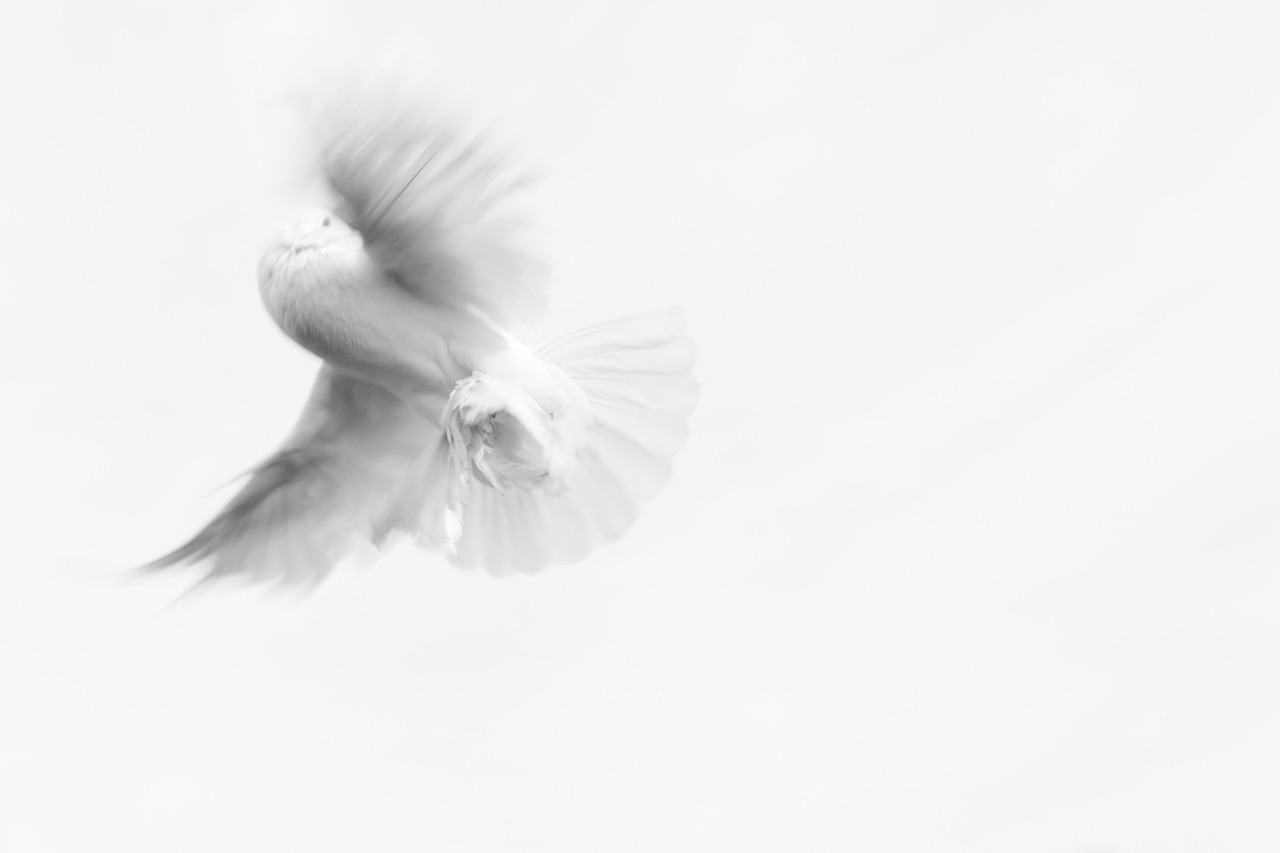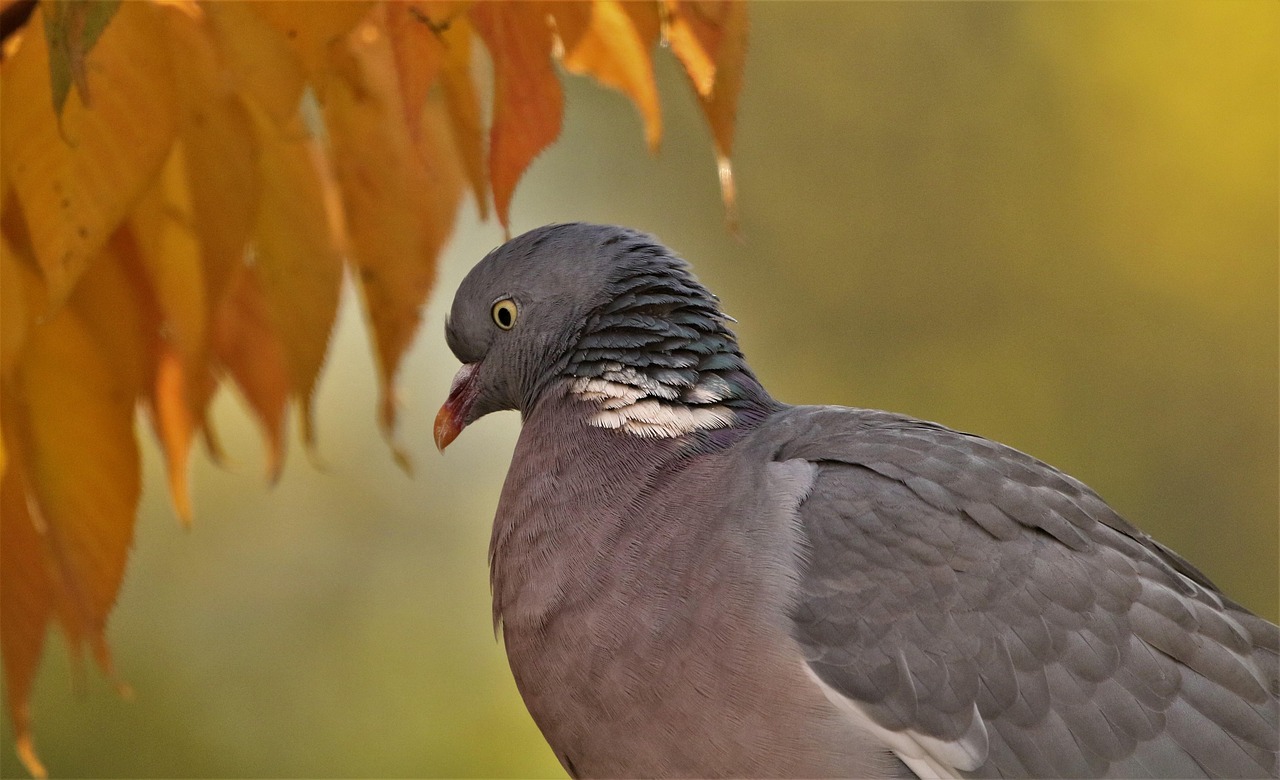
Kashki pigeons, a cherished breed among Arab pigeon enthusiasts, captivate with their unique beauty and distinct characteristics. This article delves into an aesthetic analysis of these birds and provides essential guidelines for making informed selection choices. By exploring their features and practical aspects, you can deepen your appreciation and ensure successful pigeon keeping.
Understanding the Kashki Pigeon Breed
The Kashki pigeon, often referred to as حمام كشكي, is a prominent member of the Arab pigeon breeds, known for its elegance and historical significance in Middle Eastern cultures. Originating from regions with rich pigeon-keeping traditions, these birds have been bred for both their visual appeal and performance in flying competitions. Their name derives from local dialects, symbolizing purity and grace, making them a favorite among hobbyists and breeders alike. In this section, we will uncover the origins and general traits that define the Kashki pigeon, setting the stage for a deeper dive into their aesthetic and practical attributes.
Historical Background and Origins
The history of Kashki pigeons traces back centuries, with roots in ancient Arab societies where pigeon breeding was both an art and a status symbol. These birds were initially developed in areas like Iraq and Syria, where they were prized for their ability to navigate long distances and their striking appearance. Over time, selective breeding enhanced their features, leading to the modern Kashki we see today. Historical records and oral traditions highlight their role in cultural ceremonies and as messengers, underscoring their importance beyond mere aesthetics. Understanding this background helps appreciate why they remain popular and how their traits have evolved to meet contemporary standards in pigeon fancying.
In the early days, Kashki pigeons were often associated with nobility and wealth, as only affluent families could afford to maintain large flocks. This historical context adds a layer of cultural value, making them more than just pets but symbols of heritage. Today, breeders continue to honor these traditions while incorporating modern techniques to preserve and improve the breed. By learning about their origins, enthusiasts can better grasp the significance of maintaining pure bloodlines and the ethical considerations in breeding practices. This knowledge not only enriches the hobby but also fosters a sense of responsibility toward conserving this iconic Arab breed for future generations.
General Characteristics and Physical Traits
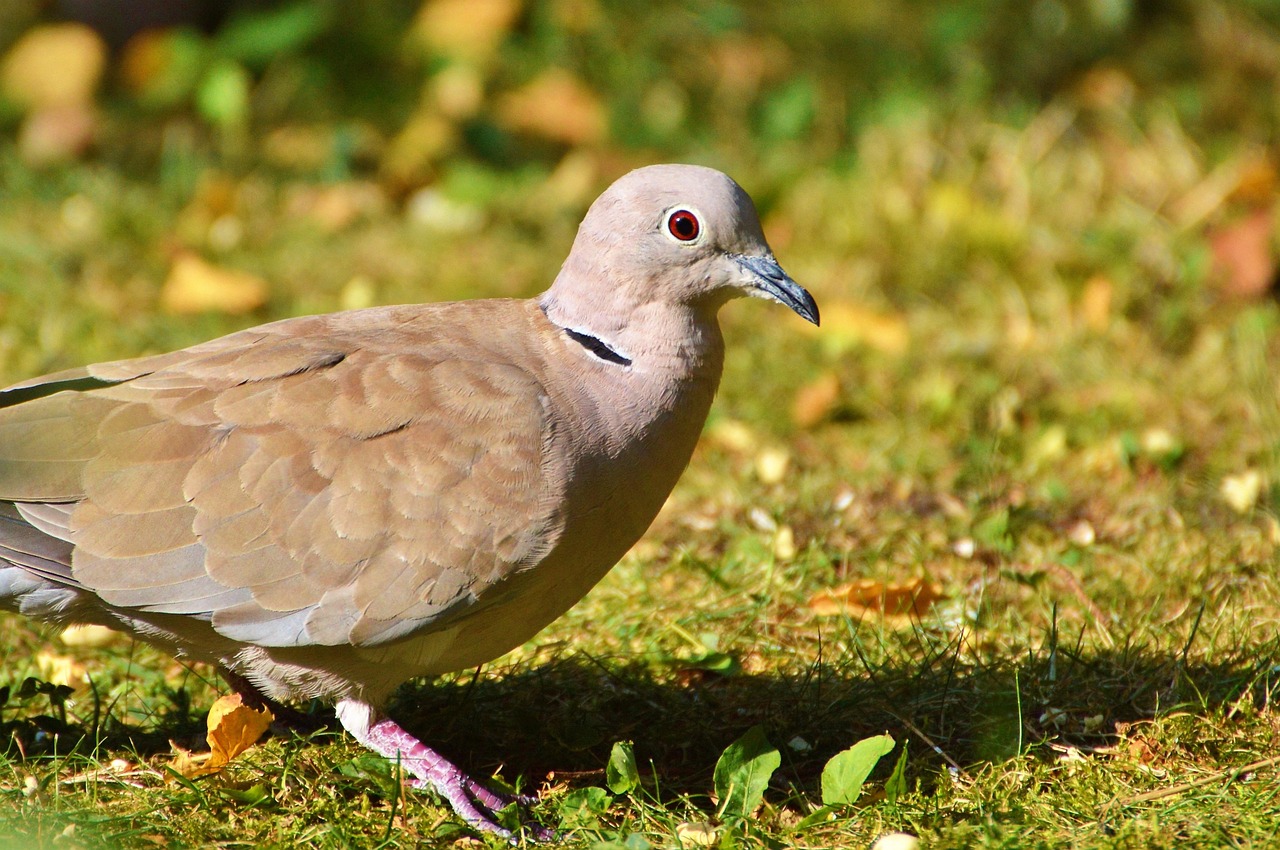
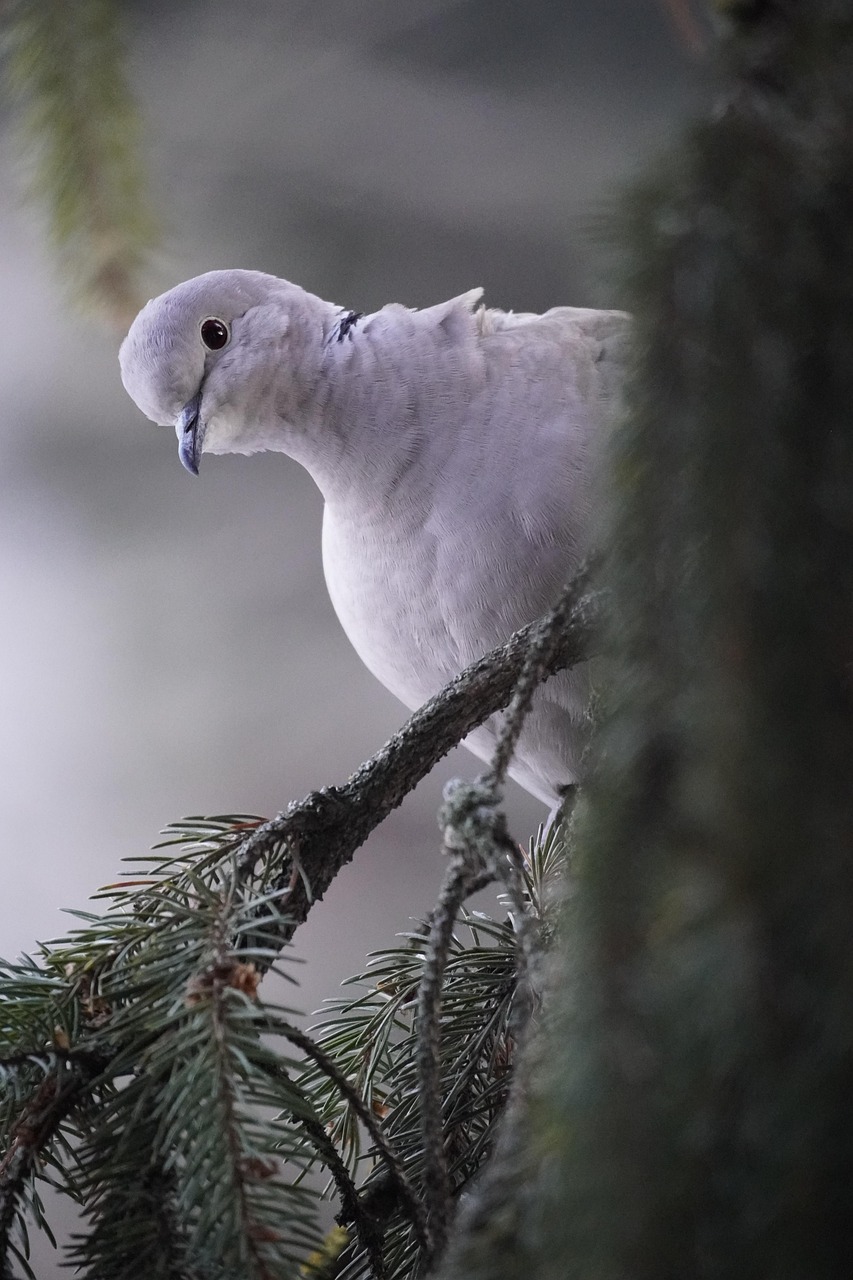
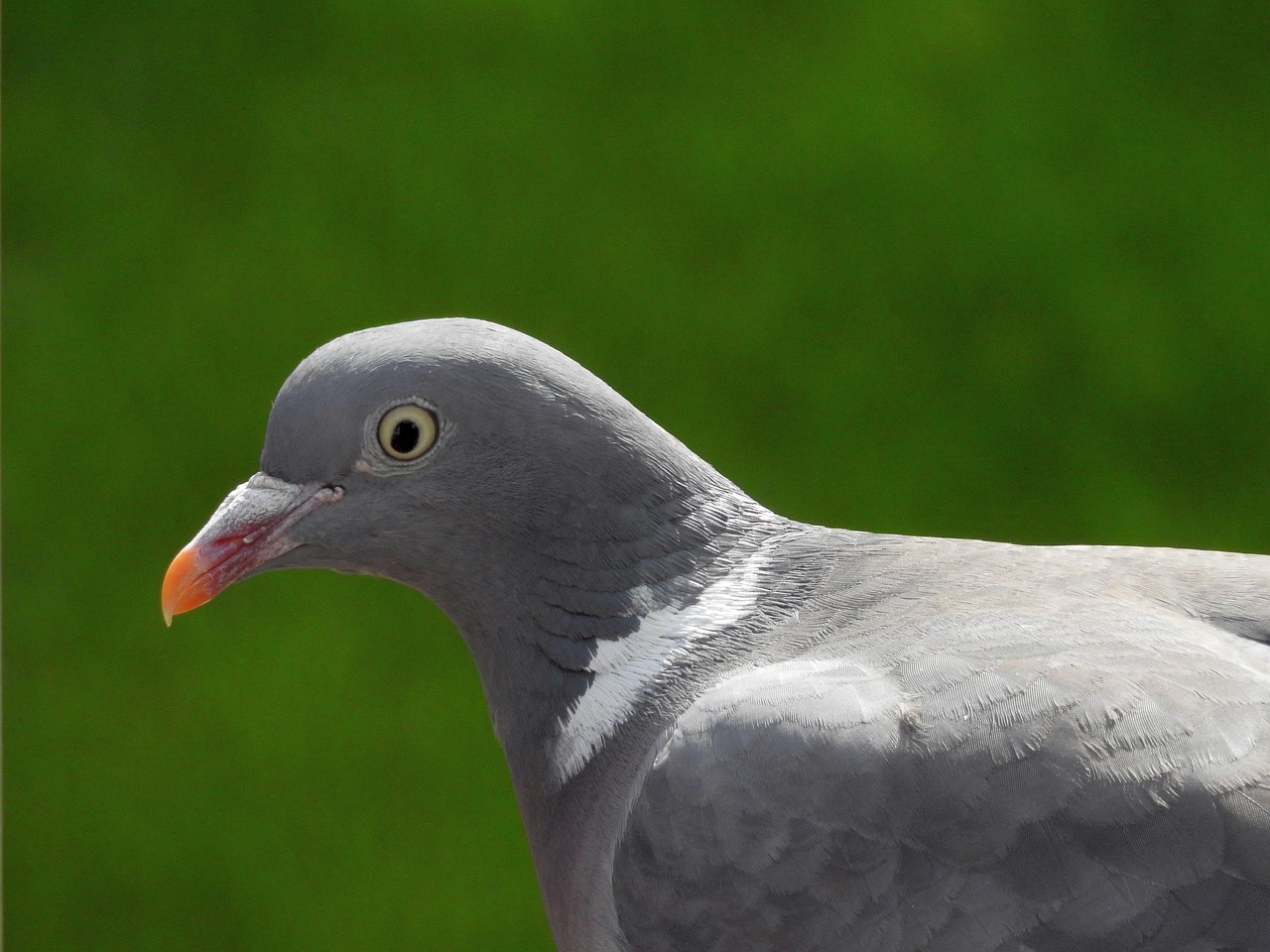
Kashki pigeons are distinguished by their medium size, sleek bodies, and vibrant plumage that often features a mix of colors like white, gray, and black, with iridescent sheens in sunlight. Their heads are typically small and rounded, with bright, expressive eyes that convey alertness and intelligence. The beak is short and sturdy, ideal for feeding and grooming, while their legs are strong and well-proportioned, supporting agile movements both on the ground and in flight. These physical traits contribute to their overall aesthetic appeal, making them a standout in any aviary or loft setting, and are key factors in breed standards upheld by pigeon associations worldwide.
Beyond appearance, Kashki pigeons exhibit behavioral traits such as high energy levels, social nature, and a strong homing instinct, which make them excellent for flying sports and companionship. Their feathers are dense and smooth, providing insulation and durability in various climates, a testament to their adaptation over generations. When evaluating these birds, it's essential to consider factors like symmetry, color consistency, and overall health, as these elements directly impact their value and performance. By familiarizing yourself with these general characteristics, you can start to identify quality specimens and understand what sets the Kashki breed apart from other Arab pigeon varieties, paving the way for informed selection and care.
Aesthetic Analysis of Kashki Pigeons
The beauty of Kashki pigeons lies in their harmonious blend of form and function, making them a subject of admiration in the pigeon fancying community. This section explores the visual elements that define their aesthetic appeal, from color patterns to body structure, and how these features influence their desirability. By analyzing these aspects, we can appreciate why they are often featured in exhibitions and why breeders invest time in enhancing their looks. Let's break down the key aesthetic components that make حمام كشكي a visual delight and a benchmark for beauty in avian breeds.
Color Patterns and Feather Quality
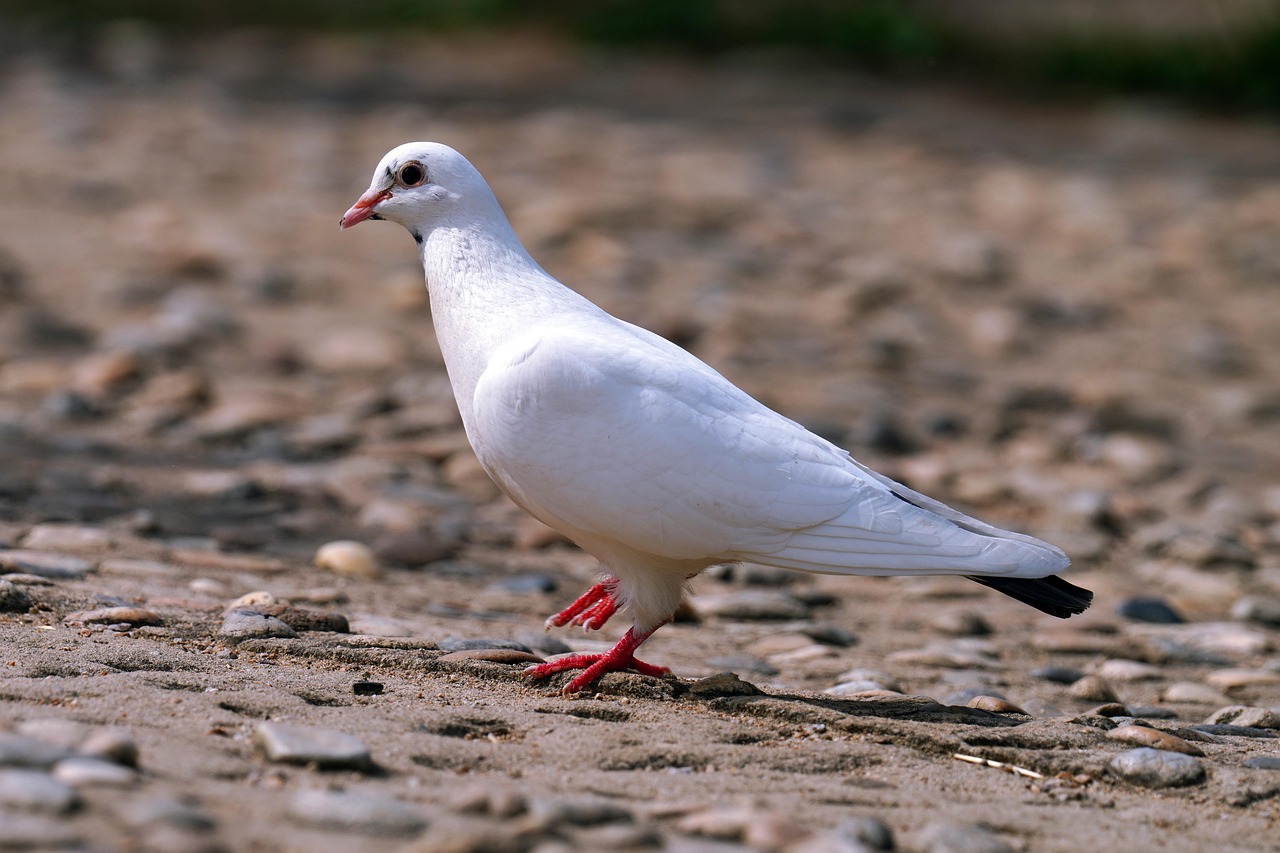
One of the most striking features of Kashki pigeons is their diverse color patterns, which range from solid hues to intricate mosaics, often with glossy finishes that catch the light beautifully. Common color schemes include pure white, which symbolizes purity and is highly sought after, as well as combinations like pied or mottled patterns that add uniqueness to each bird. The feather quality is equally important, characterized by smooth, tight-knit plumage that resists matting and maintains its luster with proper care. This not only enhances their visual appeal but also indicates good health and genetic vigor, as feathers can reflect nutritional status and overall well-being in pigeons.
In-depth analysis reveals that certain color mutations, such as recessive genes leading to rare shades, can increase a Kashki pigeon's value among collectors and breeders. For instance, birds with metallic or pearl-like sheens are often prized for their rarity and aesthetic impact. When assessing feather quality, look for uniformity, absence of bald spots, and resilience to environmental factors, as these traits contribute to longevity and show potential. By paying attention to these details, enthusiasts can select birds that not only look stunning but also possess the genetic makeup for producing offspring with similar desirable traits, ultimately enriching their breeding programs and enhancing the breed's aesthetic standards over time.
Body Structure and Symmetry
The body structure of Kashki pigeons is a key element of their aesthetic charm, characterized by a balanced proportions that exude grace and strength. Ideally, these birds should have a well-arched neck, a broad chest, and a streamlined back that facilitates efficient flight and elegant posture. Symmetry is crucial, as it affects both appearance and functionality; for example, evenly spaced wings and legs ensure stable movement and reduce the risk of injuries. Breeders often use detailed scoring systems in competitions to evaluate these aspects, emphasizing how minor deviations can impact overall beauty and performance in flying or showing events.
From a practical standpoint, a symmetrical body also correlates with better health, as it suggests proper development and absence of congenital defects. When observing Kashki pigeons, note the alignment of features like the eyes, beak, and tail, which should form a cohesive and pleasing silhouette. This focus on structure not only highlights the breed's aesthetic ideals but also underscores the importance of selective breeding to maintain these standards. By understanding and appreciating these structural nuances, pigeon keepers can make more informed decisions when acquiring or breeding Kashki pigeons, ensuring that their flocks embody the pinnacle of avian elegance and vitality.
Advantages and Disadvantages of Kashki Pigeons
When considering حمام كشكي for your aviary, it's essential to weigh the عيوب ومميزات to make a balanced decision. This section provides a comprehensive look at the pros and cons, covering aspects like temperament, maintenance, and suitability for different environments. By examining both the strengths and weaknesses, you can determine if this breed aligns with your goals as a pigeon enthusiast, whether you're focused on showing, racing, or simply keeping them as pets. Let's explore the key advantages that make Kashki pigeons a rewarding choice, as well as the potential drawbacks that require careful management.
Key Advantages and Benefits
Kashki pigeons offer numerous benefits that make them a popular choice among breeders and hobbyists. One of the primary advantages is their exceptional flying ability, which includes strong homing instincts and endurance, making them ideal for racing and aerial displays. Their social and friendly nature allows them to bond well with handlers, reducing stress during handling and training sessions. Additionally, they are relatively low-maintenance in terms of diet and housing, adapting well to various climates due to their robust genetic background. These traits not only enhance their appeal but also make them a practical option for both novice and experienced pigeon keepers seeking reliable and engaging companions.
Another significant benefit is their aesthetic versatility, as Kashki pigeons come in a wide range of colors and patterns, allowing for customization in breeding projects and exhibitions. Their intelligence and trainability further add to their advantages, enabling them to learn tricks and commands, which can be a source of entertainment and pride. From a health perspective, they generally have strong immune systems when provided with proper care, reducing veterinary costs and ensuring longevity. By leveraging these advantages, enthusiasts can build thriving flocks that excel in multiple areas, from competitive events to personal enjoyment, ultimately enriching the pigeon-keeping experience with minimal hassles.
Common Disadvantages and Challenges
Despite their many strengths, Kashki pigeons have certain disadvantages that potential owners should consider. One notable challenge is their susceptibility to specific health issues, such as respiratory infections or feather mites, which can arise in crowded or unsanitary conditions. Their high energy levels require ample space for exercise, meaning they may not thrive in small, confined aviaries, leading to behavioral problems like feather plucking or aggression if not managed properly. Additionally, breeding Kashki pigeons can be complex due to genetic diversity concerns, as inbreeding might result in weaker offspring or loss of desirable traits, necessitating careful pedigree tracking and expert knowledge.
Other drawbacks include their potential for noise, as they are vocal birds that can disturb neighbors in urban settings, and their dietary needs, which might require specialized feeds to maintain optimal health and appearance. Financial considerations also play a role, as initial costs for quality birds and setup can be high, and ongoing expenses for healthcare and supplements add up over time. By acknowledging these عيوم ومميزات, you can prepare adequately, implementing preventive measures like regular health checks and spacious housing to mitigate risks. This balanced understanding ensures that you enjoy the rewards of keeping Kashki pigeons while effectively addressing any challenges that arise.
Guidelines for Selecting Healthy Kashki Pigeons
Choosing the right Kashki pigeons is crucial for building a successful and sustainable flock, whether for breeding, showing, or companionship. This section outlines practical criteria and steps to identify healthy, high-quality birds, focusing on physical indicators, behavior, and sourcing tips. By following these guidelines, you can avoid common pitfalls and ensure that your selections align with your objectives, maximizing the benefits discussed earlier. Let's dive into the key factors to consider during the selection process, empowering you to make confident and informed decisions.
Physical Health Indicators
When evaluating Kashki pigeons for purchase or breeding, start by assessing their physical health through observable signs. Look for clear, bright eyes free from discharge, which indicate good vision and overall wellness, and check the nostrils for any blockages or signs of respiratory issues. The feathers should be smooth, glossy, and intact, without bald patches or parasites, as this reflects proper nutrition and grooming. Additionally, examine the legs and feet for strength and flexibility, ensuring there are no swellings or deformities that could hinder movement or indicate underlying health problems. These indicators are essential for spotting potential issues early and selecting birds that are likely to thrive in your care.
Beyond surface checks, pay attention to weight and body condition; a healthy Kashki pigeon should feel firm but not overweight, with a well-proportioned body that suggests balanced growth. Listen to their breathing for any wheezing or labored sounds, which could signal infections, and observe their droppings for consistency and color, as abnormalities might indicate digestive troubles. It's also wise to inquire about vaccination history and any past illnesses from the seller, as this information can help you anticipate future health needs. By prioritizing these physical health indicators, you reduce the risk of introducing sick birds into your flock, promoting a healthier environment and better outcomes in your pigeon-keeping endeavors.
Behavioral and Temperament Assessment
Behavior is a critical aspect of selecting Kashki pigeons, as it influences their adaptability, trainability, and overall compatibility with your setup. Observe how the birds interact with others in their group; ideally, they should be active, curious, and social, without signs of excessive aggression or fearfulness. A healthy Kashki pigeon will exhibit alertness and responsiveness to its surroundings, such as perching confidently and engaging in preening or feeding behaviors. If possible, spend time watching them in different situations, like during feeding or handling, to gauge their temperament and ensure they match your expectations for ease of management and potential in activities like racing or showing.
Specific behavioral red flags to watch for include lethargy, which could indicate illness or stress, and repetitive actions like pacing or feather picking, often linked to boredom or poor housing conditions. When assessing temperament, consider factors like age and previous handling; younger birds might be more adaptable, while older ones could have established habits that are harder to change. By focusing on these behavioral cues, you can select Kashki pigeons that are not only physically sound but also mentally balanced, leading to a more harmonious flock and reducing the likelihood of behavioral issues down the line. This proactive approach ensures that your investment pays off in terms of both enjoyment and practical benefits.
Breeding and Care Tips for Kashki Pigeons
Successfully breeding and caring for Kashki pigeons requires a blend of knowledge, patience, and attention to detail, ensuring these beautiful birds reach their full potential. This section covers best practices for reproduction, daily maintenance, and long-term health management, drawing on expert insights to provide actionable advice. Whether you're a beginner or seasoned breeder, these tips will help you create an optimal environment for your حمام كشكي, fostering growth and sustainability in your pigeon-keeping journey. Let's explore the key areas of focus for effective breeding and care.
Optimal Breeding Practices
Breeding Kashki pigeons starts with selecting compatible pairs based on health, genetics, and desired traits, such as color or flying ability, to produce strong offspring. Aim for birds that complement each other, avoiding close relatives to prevent inbreeding depression, which can lead to health issues or reduced vitality. Provide a dedicated breeding space with nesting boxes, ample privacy, and a balanced diet rich in proteins and vitamins to support egg production and chick development. Monitor the breeding process closely, from courtship behaviors to egg laying and hatching, intervening only if necessary to ensure safety and success, such as by candling eggs to check for fertility.
After hatching, focus on chick care by ensuring a warm, clean environment and offering specialized feed like soft grains or supplements to promote growth. Keep records of breeding outcomes, including traits and any problems, to refine your strategies over time and build a lineage that excels in both aesthetics and performance. By adhering to these optimal breeding practices, you can increase the likelihood of producing high-quality Kashki pigeons that meet breed standards and contribute positively to your flock's diversity and resilience. This disciplined approach not only enhances your breeding results but also supports the broader community by maintaining the integrity of this beloved Arab breed.
Daily Care and Maintenance Routines
Maintaining Kashki pigeons involves consistent daily routines that prioritize their health, comfort, and well-being. Start with a clean and spacious loft or aviary, regularly removing droppings and replacing bedding to prevent disease and parasites. Provide fresh water and a balanced diet consisting of grains, seeds, and occasional greens, adjusting portions based on activity levels and seasonal changes to avoid obesity or malnutrition. Incorporate exercise opportunities, such as free flight in a secure area, to keep them physically fit and mentally stimulated, reducing the risk of behavioral issues and promoting natural behaviors like social interaction and exploration.
Other essential care aspects include regular health checks for signs of illness, grooming to maintain feather quality, and environmental controls like ventilation and temperature regulation to suit their needs. Establish a schedule for vaccinations and deworming as recommended by avian veterinarians, and be prepared for emergencies with a basic first-aid kit. By integrating these daily care and maintenance routines into your practice, you create a supportive environment where Kashki pigeons can thrive, leading to longer lifespans and better performance in various activities. This commitment to thorough care not only benefits the birds but also deepens your connection to the hobby, making pigeon keeping a rewarding and sustainable pursuit.
Conclusion
In summary, Kashki pigeons stand out for their aesthetic beauty, practical advantages, and rich cultural heritage, making them a valuable addition to any pigeon enthusiast's collection. By understanding their history, evaluating عيوب ومميزات, and following guidelines for selection and care, you can enjoy the rewards of keeping these remarkable birds. Remember to apply the insights shared here to enhance your flock's health and vitality. For expert tools and support in managing your pigeons, consider exploring Ghawy – Pigeon Manager (غاوي – إدارة الحمام) to streamline your efforts and achieve greater success in your pigeon-keeping endeavors.