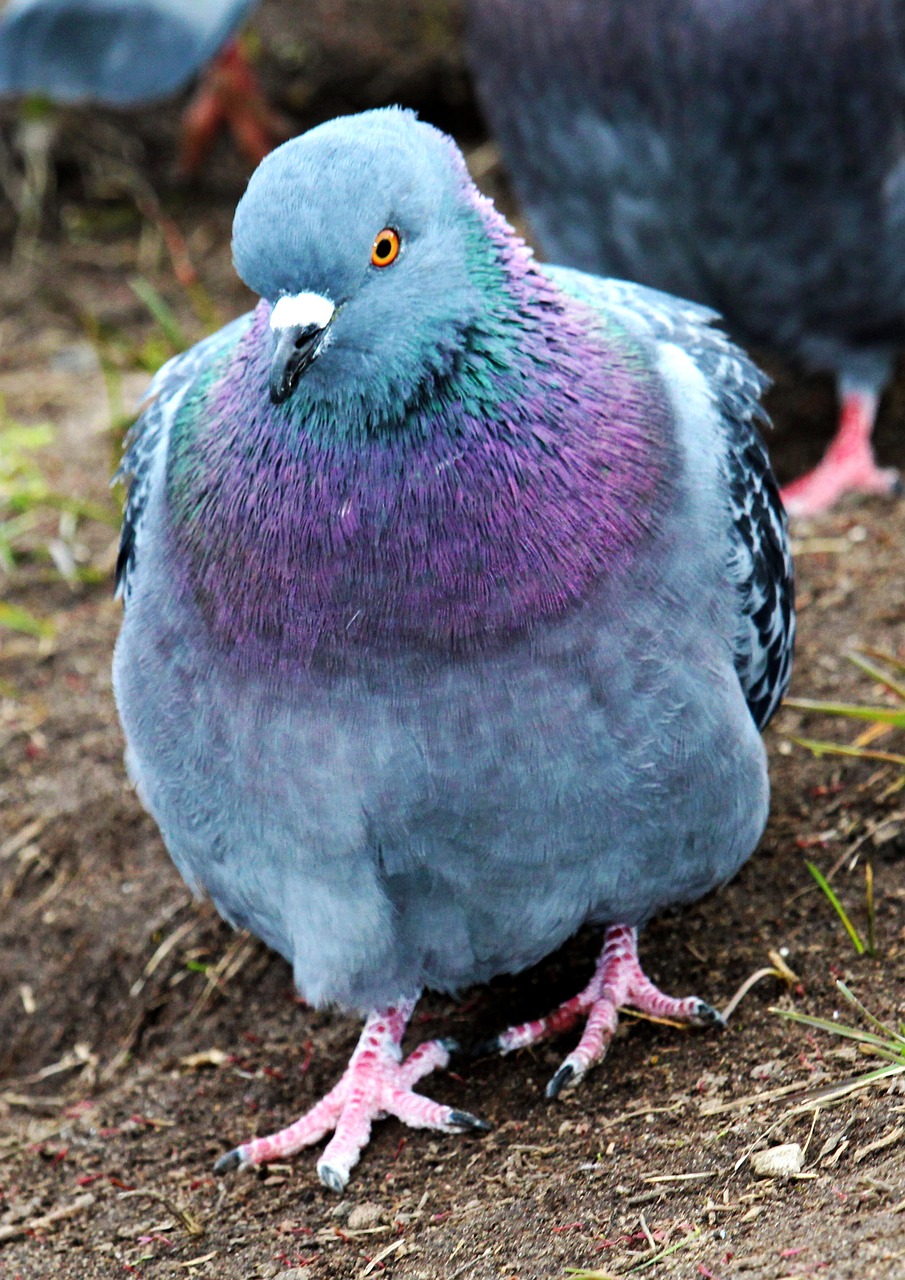
High-value pigeon racing has evolved with advanced technology, particularly GPS devices that offer precise tracking and performance insights. This article delves into the technical aspects of these tools, focusing on how innovations like AviRings GPS enhance the management and success of racing pigeons. By understanding these devices, enthusiasts can optimize their strategies for competitive advantage.
Understanding GPS Technology in Pigeon Racing
GPS technology has revolutionized pigeon racing by providing real-time location data and detailed flight analytics. For high-value racing pigeons, this means breeders and trainers can monitor every aspect of a bird's journey, from takeoff to landing. The integration of devices like the pigeon tracking device ensures that even the smallest deviations in flight paths are recorded, allowing for immediate adjustments in training regimens. This section explores the core components and benefits of GPS systems in this niche sport.
How GPS Devices Work
GPS devices for pigeons operate by receiving signals from satellites to determine the bird's exact position, speed, and altitude. These devices are typically lightweight and attached to the pigeon's leg or back, transmitting data to a central system via cellular or radio networks. For instance, the AviRings GPS model uses advanced algorithms to filter out noise and provide accurate coordinates, even in challenging weather conditions. This real-time data helps trainers assess performance metrics, such as average speed and route efficiency, which are crucial for identifying top performers in high-stakes races.
Moreover, the technology includes features like geofencing, which alerts owners if a pigeon strays from its intended path, reducing the risk of loss. By leveraging these insights, breeders can make informed decisions about breeding pairs and training schedules, ultimately enhancing the value of their pigeons. The pigeon tracking device not only tracks location but also monitors health indicators, such as heart rate and fatigue levels, providing a holistic view of the bird's condition during races.
Benefits for High-Value Pigeons
High-value racing pigeons represent significant investments, often costing thousands of dollars, making their protection and performance optimization paramount. GPS devices offer unparalleled benefits, including reduced theft risks through constant monitoring and improved training outcomes by analyzing flight patterns. For example, data from a pigeon tracking device can reveal if a bird is consistently taking inefficient routes, allowing trainers to implement corrective measures. This proactive approach minimizes losses and maximizes returns in competitive events.
Additionally, these devices facilitate better race planning by providing historical data on past performances, enabling breeders to select the best pigeons for specific conditions. The use of AviRings GPS in this context ensures that every flight is logged and analyzed, leading to continuous improvement in breeding programs. By integrating GPS technology, owners can enhance the overall health and longevity of their pigeons, as early detection of stress or injury becomes possible through detailed analytics.
Key Features of Modern GPS Devices
Modern GPS devices for pigeon racing come equipped with a range of features designed to meet the demands of high-value competitions. From long battery life to high-precision tracking, these tools are engineered to withstand the rigors of long-distance flights. This section examines the essential characteristics that make devices like AviRings GPS stand out, including their durability, data accuracy, and user-friendly interfaces. Understanding these features helps enthusiasts choose the right equipment for their needs.
Accuracy and Reliability
Accuracy is critical in GPS devices for pigeon racing, as even minor errors can lead to misinterpretations of performance. High-quality devices, such as the pigeon tracking device from leading brands, boast sub-meter precision, ensuring that location data is reliable under various environmental conditions. This reliability is achieved through multi-frequency satellite reception and error-correction algorithms, which compensate for factors like atmospheric interference. For high-value racing pigeons, this means trainers can trust the data to make split-second decisions during races.
Furthermore, reliability extends to the device's ability to maintain connectivity in remote areas, where races often take place. AviRings GPS, for instance, uses hybrid connectivity options, switching between satellite and cellular networks to ensure uninterrupted data transmission. This feature is vital for long-distance events, where losing track of a pigeon could result in financial losses. By prioritizing accuracy and reliability, these devices provide peace of mind to owners, knowing that their investments are secure and performance is accurately measured.
Battery Life and Durability
Battery life is a crucial consideration for GPS devices in pigeon racing, as races can last for hours or even days. Modern devices are designed with energy-efficient components that extend battery longevity, often lasting through multiple races without needing a recharge. For example, the AviRings GPS model incorporates low-power processors and solar charging capabilities, making it ideal for extended use. This ensures that high-value racing pigeons are tracked consistently, without interruptions that could compromise data integrity.
Durability is equally important, as devices must withstand harsh weather, impacts, and the physical strain of flight. Pigeon tracking devices are typically built with waterproof and shock-resistant materials, protecting them from rain, wind, and accidental drops. This robustness allows them to perform reliably in diverse conditions, from sunny skies to stormy weather. By combining long battery life with rugged construction, these devices support continuous monitoring, enabling breeders to gather comprehensive data over time for better decision-making.
Integrating GPS Data into Training Programs
Integrating GPS data into training programs transforms how breeders and trainers develop high-value racing pigeons. By analyzing flight metrics, such as speed, altitude, and route efficiency, trainers can tailor exercises to address specific weaknesses. This section discusses practical strategies for using data from devices like AviRings GPS to enhance training routines, improve performance, and reduce injury risks. Effective integration leads to smarter, more efficient training that maximizes a pigeon's potential.
Analyzing Flight Patterns
Analyzing flight patterns through GPS data provides insights into a pigeon's strengths and areas for improvement. For instance, data from a pigeon tracking device might show that a bird consistently slows down over certain terrains, indicating a need for targeted endurance training. By reviewing historical routes, trainers can identify patterns related to weather conditions or time of day, allowing them to schedule practices that mimic race environments. This analytical approach helps in developing customized training plans that boost performance in high-stakes competitions.
Moreover, GPS data can reveal behavioral trends, such as flocking tendencies or solo flight preferences, which influence race strategies. Tools like AviRings GPS offer visualization features that map out flight paths, making it easier to spot anomalies or optimal routes. This level of detail enables trainers to experiment with different training methods, such as interval training or altitude exposure, based on empirical evidence. Ultimately, this data-driven approach leads to more effective training, reducing trial and error and increasing the success rate of high-value racing pigeons.
Enhancing Health and Recovery
GPS devices not only track location but also monitor physiological indicators that affect a pigeon's health and recovery. By correlating flight data with metrics like heart rate and activity levels, trainers can detect signs of fatigue or stress early on. For example, if a pigeon tracking device shows a sudden drop in speed combined with elevated heart rate, it might indicate overexertion, prompting immediate rest or veterinary care. This proactive monitoring helps prevent injuries and ensures that pigeons remain in peak condition for races.
Additionally, recovery periods can be optimized using GPS data to assess how quickly a pigeon returns to baseline performance after intense training. Devices like AviRings GPS provide alerts for abnormal patterns, allowing for timely interventions. This holistic approach to health management extends the career span of high-value racing pigeons, as proper recovery reduces the risk of burnout. By integrating health metrics into training programs, breeders can maintain a competitive edge while prioritizing animal welfare.
Case Studies and Real-World Applications
Real-world applications of GPS technology in pigeon racing demonstrate its transformative impact on the sport. This section presents case studies where devices like AviRings GPS have led to significant improvements in race outcomes and pigeon management. From amateur breeders to professional circuits, these examples highlight how data-driven insights can elevate performance and profitability. By learning from these scenarios, enthusiasts can apply similar strategies to their own operations.
Success Stories from Top Breeders
Top breeders have shared success stories where GPS devices played a pivotal role in achieving race victories. For instance, one breeder used AviRings GPS to track a high-value racing pigeon during a 500-mile race, discovering that the bird took a detour that added extra time. By analyzing this data, they adjusted training to focus on navigation skills, resulting in a win in the next event. Such stories underscore how the pigeon tracking device can turn setbacks into opportunities for growth, providing actionable insights that drive continuous improvement.
Another example involves a breeding program that integrated GPS data to select pigeons with optimal flight efficiencies for breeding. Over time, this led to a lineage of champions, as genetic traits for speed and endurance were reinforced. The use of AviRings GPS in these scenarios not only enhanced individual performance but also contributed to the overall advancement of the breed. These real-world applications show that investing in advanced tracking technology pays off in terms of both financial returns and sporting achievements.
Lessons from Challenges and Failures
Not all implementations of GPS technology are seamless, and learning from challenges is essential for progress. In one case, a breeder faced issues with device connectivity during a race, leading to incomplete data from their pigeon tracking device. This failure highlighted the importance of testing equipment in various conditions and having backup systems in place. By addressing these pitfalls, such as upgrading to more reliable models like AviRings GPS, breeders can avoid similar mistakes and ensure consistent performance monitoring.
Another challenge involves data overload, where breeders struggle to interpret the vast amount of information generated by GPS devices. To overcome this, many turn to software solutions that simplify analysis, focusing on key metrics like average speed and route consistency. These lessons emphasize the need for a balanced approach, combining technology with expert knowledge. By sharing these experiences, the pigeon racing community can collectively improve, making GPS integration more effective for high-value racing pigeons.
Future Trends in Pigeon Racing Technology
The future of pigeon racing technology is poised for exciting advancements, with GPS devices at the forefront of innovation. This section explores emerging trends, such as AI integration, enhanced sensors, and global connectivity, that will further revolutionize the sport. As devices like AviRings GPS evolve, they will offer even deeper insights into pigeon behavior and performance. Staying ahead of these trends allows breeders to adapt and maintain a competitive edge in the dynamic world of high-value racing.
AI and Predictive Analytics
Artificial intelligence (AI) is set to transform GPS data analysis by enabling predictive analytics that forecast race outcomes and health risks. For example, AI algorithms could process data from a pigeon tracking device to predict a bird's performance based on historical patterns and environmental factors. This would allow trainers to make pre-race adjustments, such as altering release times or routes, to maximize chances of success. The integration of AI with devices like AviRings GPS will make data interpretation more intuitive and actionable.
Moreover, predictive models can identify potential issues before they escalate, such as predicting fatigue levels that might lead to dropouts. This proactive approach reduces losses and enhances the welfare of high-value racing pigeons. As AI technology becomes more accessible, it will democratize advanced analytics, enabling even small-scale breeders to compete at higher levels. Embracing these innovations ensures that the sport continues to grow in sophistication and fairness.
Global Connectivity and Collaboration
Global connectivity is another trend shaping the future of pigeon racing, with GPS devices enabling real-time data sharing across borders. This fosters collaboration among breeders worldwide, as they can compare performance metrics and share best practices. For instance, a network using AviRings GPS could allow users to benchmark their pigeons against international standards, identifying areas for improvement. This interconnectedness promotes a more unified and competitive racing community.
Additionally, enhanced connectivity supports larger-scale events, such as global championships, where precise tracking is essential for fairness. The pigeon tracking device of the future may include features like live streaming and social integration, making races more engaging for audiences. By leveraging these trends, breeders can expand their reach and influence, contributing to the sport's global appeal. The ongoing evolution of GPS technology promises to make pigeon racing more data-driven, transparent, and exciting for all involved.
Conclusion
In summary, GPS technology has become indispensable in high-value pigeon racing, offering precise tracking, enhanced training insights, and improved safety for birds. Devices like AviRings GPS and other pigeon tracking devices provide the data needed to optimize performance and protect investments. By embracing these tools, breeders can achieve greater success in competitions and ensure the well-being of their high-value racing pigeons. For those looking to streamline their management, consider exploring solutions with Ghawy – Pigeon Manager (غاوي – إدارة الحمام) to integrate these advancements seamlessly.