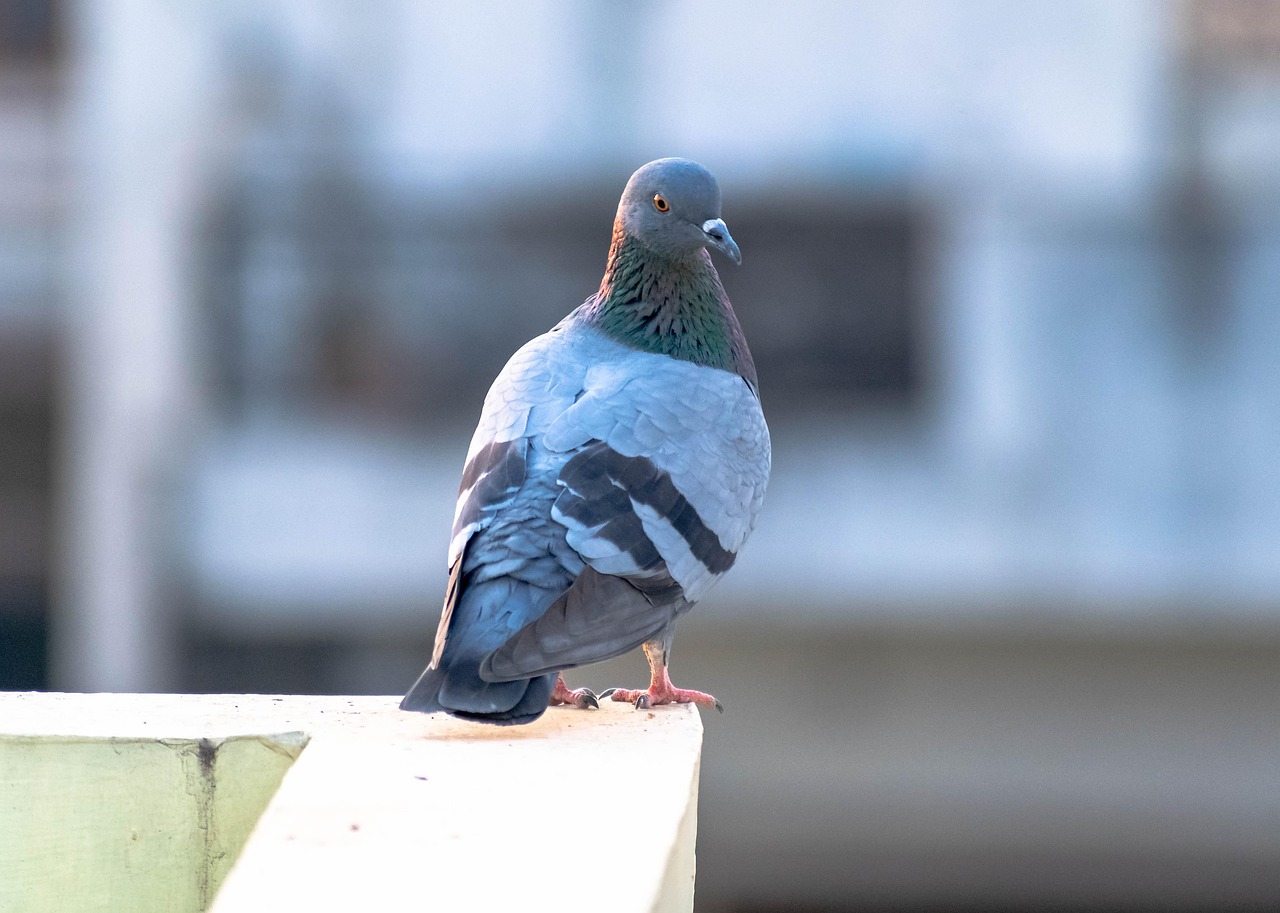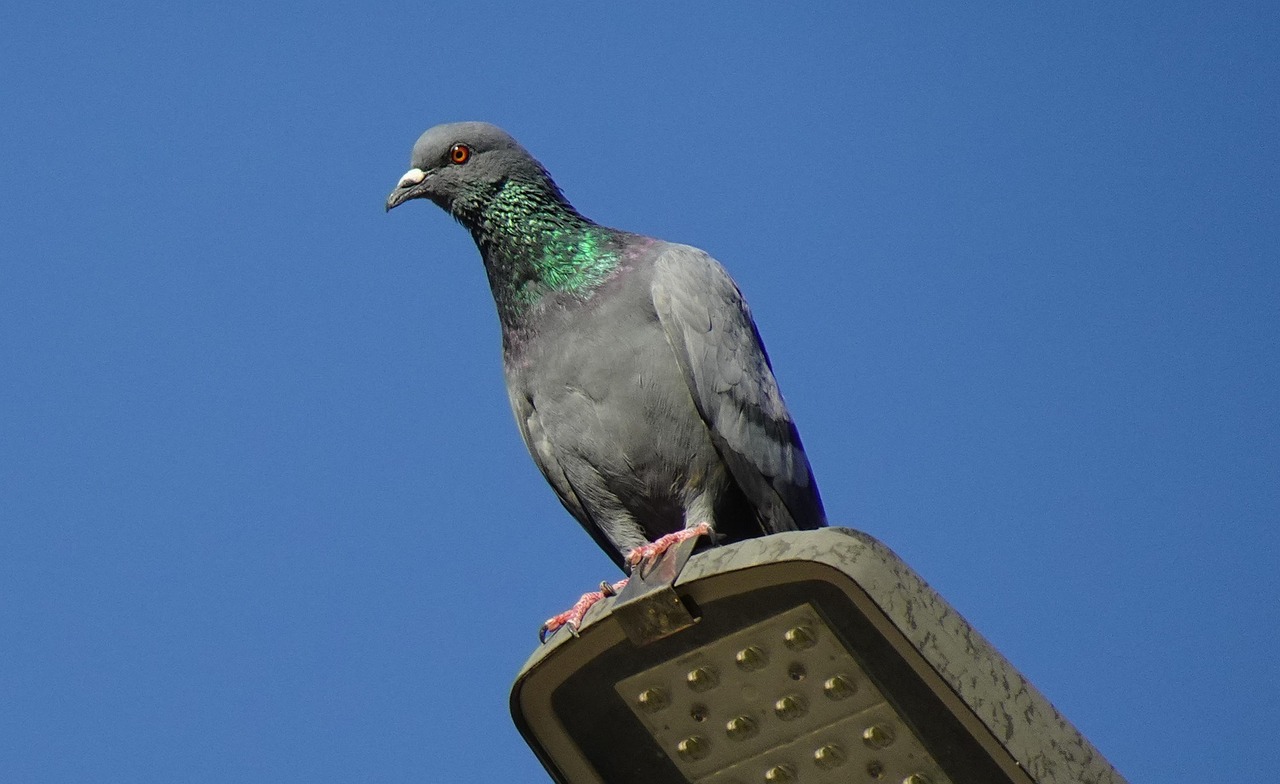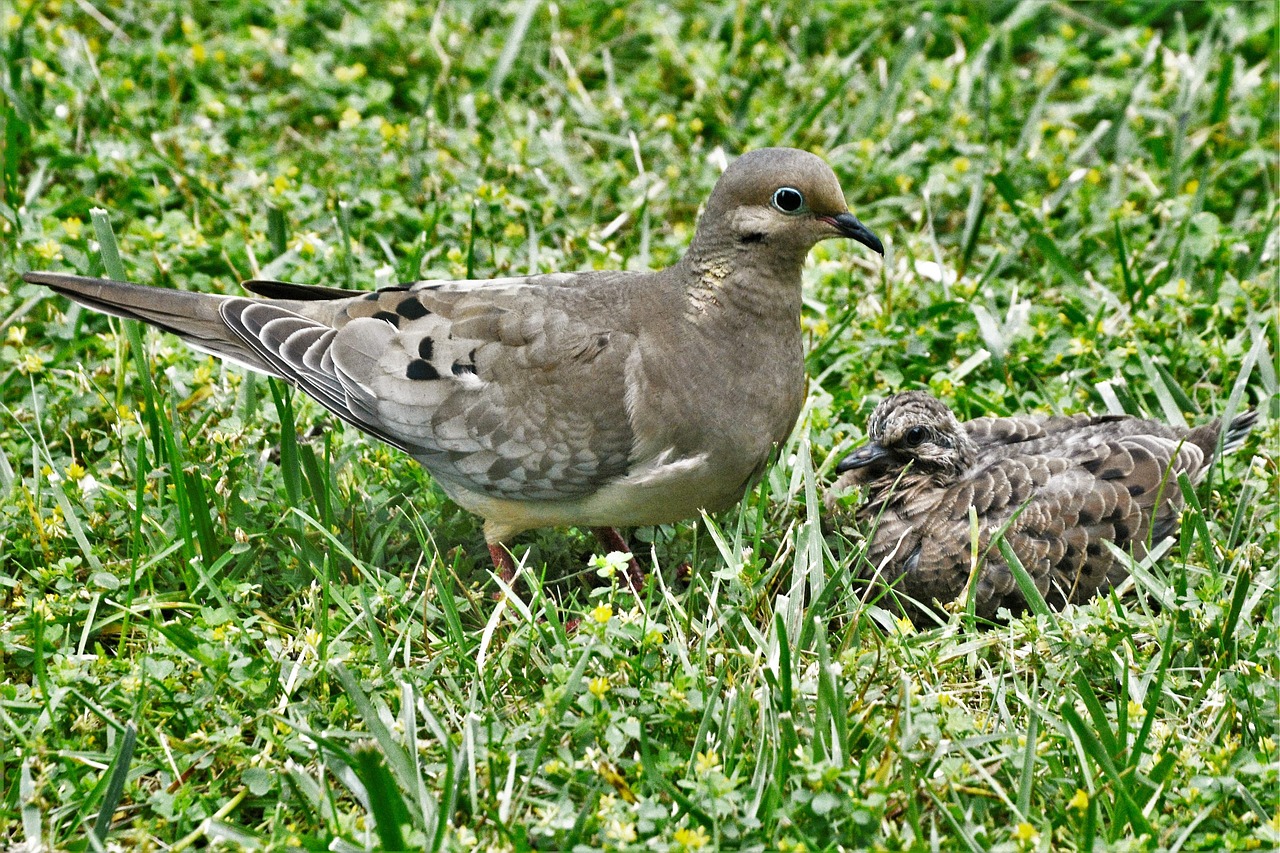
For pigeon enthusiasts, showcasing rare breeds is an art that demands precision and passion. The right equipment can transform a simple display into a breathtaking exhibition, highlighting every unique feather and graceful posture. This guide delves into the essential gear for creating stunning visual presentations that captivate audiences and judges alike.
Mastering the Show Cage Setup for Optimal Presentation
A well-designed show cage setup is the foundation of any successful pigeon exhibition. It not only ensures the safety and comfort of your birds but also enhances their natural beauty, allowing their rare traits to shine. Investing in quality cages tailored to your breed's specific needs can make a significant difference in competitive shows and personal displays.
Choosing the Right Cage Design and Materials
Selecting the perfect cage involves considering both aesthetics and functionality. For rare pigeon breeds, opt for cages made from durable, non-toxic materials like stainless steel or powder-coated wire, which provide longevity and a clean appearance. The design should include ample space for the bird to move comfortably without feeling cramped, as stress can detract from their presentation. Look for cages with smooth edges and secure latches to prevent injuries and escapes, ensuring your prized pigeons remain safe during transport and display. Additionally, consider modular or customizable setups that allow you to adjust the layout based on the venue or specific breed requirements, offering flexibility for various exhibition scenarios.
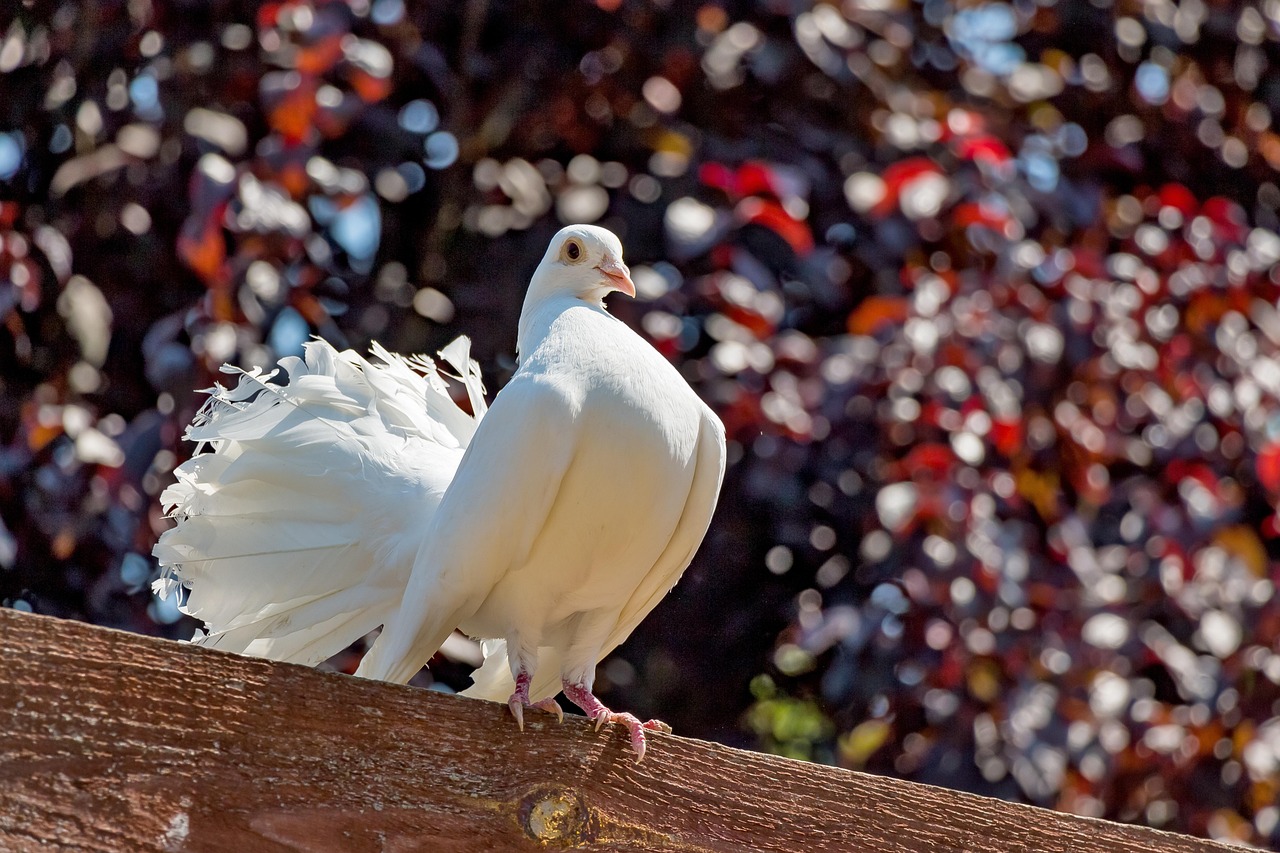
When it comes to dimensions, tailor the cage size to your pigeon's breed standards. Larger breeds, such as Carneau or King pigeons, may require more spacious enclosures to showcase their full stature, while smaller breeds like Fantails can thrive in compact designs that emphasize their delicate features. Incorporate perches at varying heights to encourage natural posturing, and include removable trays for easy cleaning, maintaining a hygienic environment that reflects well on your care. By prioritizing both form and function, you create a show cage setup that not only protects your birds but also elevates their visual appeal, making them stand out in any competition.
Enhancing Visibility with Strategic Placement and Accessories
Once you have the ideal cage, its placement and accessories play a crucial role in maximizing visibility. Position cages at eye level to engage viewers directly, avoiding cluttered backgrounds that might distract from the pigeons. Use neutral-colored backdrops, such as white or light gray, to contrast with the birds' plumage, making their colors pop and drawing attention to rare markings. For added impact, incorporate subtle accessories like decorative plants or themed props that complement the breed's origin, but keep them minimal to avoid overshadowing the main attraction.
Accessories within the cage should serve a practical purpose while enhancing aesthetics. Include non-slip flooring to ensure stability, and consider adding small mirrors or toys to stimulate natural behaviors, which can make displays more dynamic and engaging. For photography sessions, removable panels or open designs allow for unobstructed shots, facilitating better angles. Regularly assess the setup from different viewpoints to identify any obstructions, and adjust lighting or positioning as needed. By thoughtfully curating every element, you transform a simple enclosure into a captivating stage that highlights the elegance of your rare pigeons.
Optimizing Lighting for Pigeons to Highlight Rare Features
Lighting is a powerful tool in pigeon exhibition, capable of accentuating subtle details and creating dramatic effects. Proper lighting for pigeons not only improves visibility but also enhances their natural colors and textures, making rare breeds appear even more striking. Understanding how to manipulate light sources can elevate your displays from ordinary to extraordinary.
Selecting the Best Light Sources and Color Temperatures
Choosing the right light sources is essential for achieving optimal illumination. LED lights are highly recommended due to their energy efficiency, low heat output, and adjustable brightness, reducing stress on the birds. Aim for a color temperature between 5000K and 6500K, which mimics natural daylight and provides a balanced, white light that accurately renders colors without casting harsh shadows. Avoid incandescent bulbs, as they can generate excessive heat and alter color perception, potentially masking the true beauty of rare plumage. For larger displays, consider using track lighting or softbox setups to distribute light evenly, ensuring no part of the cage is underexposed or overly bright.
Incorporate dimmable controls to adjust intensity based on the time of day or specific presentation needs, allowing you to create softer lighting for relaxed viewing or brighter settings for detailed inspections. Test different angles to find the most flattering positions, such as side lighting to emphasize feather textures or front lighting to reduce glare. For photography, use diffusers or reflectors to soften shadows and highlight intricate patterns, capturing every nuance of your pigeons' rare traits. By mastering light selection, you ensure that your birds are showcased in their best possible light, literally and figuratively.
Creating Dynamic Effects with Directional and Ambient Lighting
Beyond basic illumination, directional and ambient lighting can add depth and drama to your displays. Use spotlights to focus attention on key features, such as iridescent neck feathers or unique wing patterns, creating a focal point that draws viewers in. Position these lights at a 45-degree angle to the cage to minimize reflections and enhance dimensionality, making the pigeons appear more three-dimensional. For ambient lighting, install overhead fixtures that provide general brightness without overwhelming the scene, balancing the overall atmosphere and reducing eye strain for observers.
Experiment with colored gels or filters to evoke specific moods or highlight particular hues, but use them sparingly to avoid distorting natural colors. In low-light environments, such as indoor shows, incorporate backlighting to silhouette the birds against a lighter background, emphasizing their轮廓 and movement. Regularly clean light fixtures to maintain clarity and prevent dust buildup, which can diffuse light unevenly. By combining different lighting techniques, you create a versatile setup that adapts to various exhibition contexts, ensuring your rare pigeons always look their best under any conditions.
Photography Equipment for Capturing Stunning Pigeon Portraits
High-quality photography is essential for documenting and promoting rare pigeon breeds, allowing enthusiasts to share their beauty with a wider audience. The right gear can make all the difference in capturing sharp, vibrant images that do justice to these magnificent birds. From cameras to lenses, every component plays a role in achieving professional results.
Essential Camera Gear and Lens Selection
Investing in a reliable camera is the first step toward exceptional pigeon photography. DSLR or mirrorless cameras with high-resolution sensors are ideal, as they offer greater control over settings and produce detailed images suitable for prints or online portfolios. Pair your camera with a versatile lens, such as a 50mm prime or 70-200mm zoom, which provides sharp focus and allows you to shoot from a distance without disturbing the birds. Macro lenses are particularly useful for close-up shots of intricate feather details, revealing textures that might go unnoticed in person. Ensure your gear includes a sturdy tripod to stabilize shots, especially in low-light conditions, and a remote shutter release to minimize camera shake.
When selecting lenses, consider aperture settings; a wide aperture (e.g., f/2.8 or lower) enables shallow depth of field, blurring backgrounds to isolate the pigeon and create a professional look. For action shots, such as birds in flight or during shows, opt for lenses with fast autofocus capabilities to capture fleeting moments crisply. Regularly clean your equipment to prevent dust spots on images, and carry extra batteries and memory cards for extended sessions. By assembling a comprehensive kit, you empower yourself to take stunning photographs that showcase the unique characteristics of your rare breeds.
Mastering Camera Settings and Composition Techniques
Understanding camera settings is crucial for adapting to different lighting and movement scenarios. Use a fast shutter speed (1/500s or higher) to freeze motion, ensuring sharp images even when pigeons are active. Adjust ISO settings to balance brightness and noise, keeping it as low as possible to maintain image quality, and rely on aperture to control exposure depth. In manual mode, experiment with white balance to match the lighting environment, preventing color casts that could misrepresent plumage hues. For consistent results, shoot in RAW format, which allows for greater post-processing flexibility without losing detail.
Composition plays a key role in creating visually appealing photographs. Apply the rule of thirds by positioning the pigeon off-center, leading the viewer's eye through the frame and adding dynamism. Use natural elements, like perches or cage bars, as leading lines to guide attention toward the subject. Capture a variety of angles, from eye-level shots that convey personality to overhead views that highlight symmetry and patterns. In post-processing, use software like Adobe Lightroom to fine-tune colors, contrast, and sharpness, but avoid over-editing to preserve authenticity. By honing these skills, you produce images that not only document your pigeons but also tell a compelling story about their rarity and beauty.
Integrating Technology for Enhanced Display and Management
Modern technology offers innovative solutions to elevate pigeon exhibitions and streamline care routines. From digital displays to management apps, these tools can enhance both the visual impact and practical aspects of showcasing rare breeds. Embracing tech-savvy approaches sets you apart as a forward-thinking enthusiast.
Utilizing Digital Displays and Interactive Elements
Digital displays add a contemporary touch to pigeon shows, allowing you to present information dynamically. Use tablets or monitors near cages to showcase breed histories, pedigrees, or high-resolution photos, engaging viewers with multimedia content. Interactive elements, such as touchscreens with quizzes or videos, can educate audiences about rare traits and conservation efforts, fostering a deeper appreciation. For remote exhibitions, live-stream setups with high-definition cameras enable virtual participation, expanding your reach to global audiences. Ensure all devices are securely mounted and powered to avoid disruptions during events.
Incorporate ambient sound systems to play soft background music or nature sounds, creating a calming atmosphere that reduces stress for the birds and enhances the viewer experience. For photography, use wireless triggers or smartphone apps to control cameras remotely, allowing you to capture candid moments without intrusion. Regularly update digital content to keep displays fresh and relevant, and test technology beforehand to troubleshoot any issues. By integrating these elements, you transform traditional exhibitions into immersive experiences that highlight the sophistication of your rare pigeon collection.
Streamlining Care with Management Software and Tools
Efficient management is key to maintaining healthy, show-ready pigeons. Specialized software, such as Ghawy – Pigeon Manager (غاوي – إدارة الحمام), offers comprehensive tools for tracking health records, breeding schedules, and exhibition histories. This platform simplifies organization, ensuring you never miss important tasks like vaccinations or grooming sessions. Use it to generate reports on performance metrics, helping you identify trends and improve your展示 strategies over time. By centralizing data, you save time and reduce errors, allowing more focus on perfecting your displays.
Complement software with smart devices, like automated feeders or climate controllers, to maintain optimal conditions in your aviary. These tools ensure consistent care, even during busy periods, promoting the well-being that translates into better presentation. For collaboration, use cloud storage to share photos and documents with other enthusiasts, fostering community and knowledge exchange. Regularly back up data to prevent loss, and stay updated on new tech advancements to continuously refine your approach. Embracing technology not only enhances efficiency but also demonstrates a commitment to excellence in pigeon husbandry.
Conclusion
Showcasing rare pigeon breeds is a multifaceted endeavor that blends art and science. From meticulous show cage setups to strategic lighting for pigeons, each element contributes to a compelling presentation. By investing in quality photography gear and integrating modern technology, you can capture and share their beauty with precision. Remember, tools like Ghawy – Pigeon Manager (غاوي – إدارة الحمام) can streamline your efforts, allowing you to focus on what matters most: celebrating these magnificent birds. Apply these insights to elevate your exhibitions and inspire others in the pigeon community.