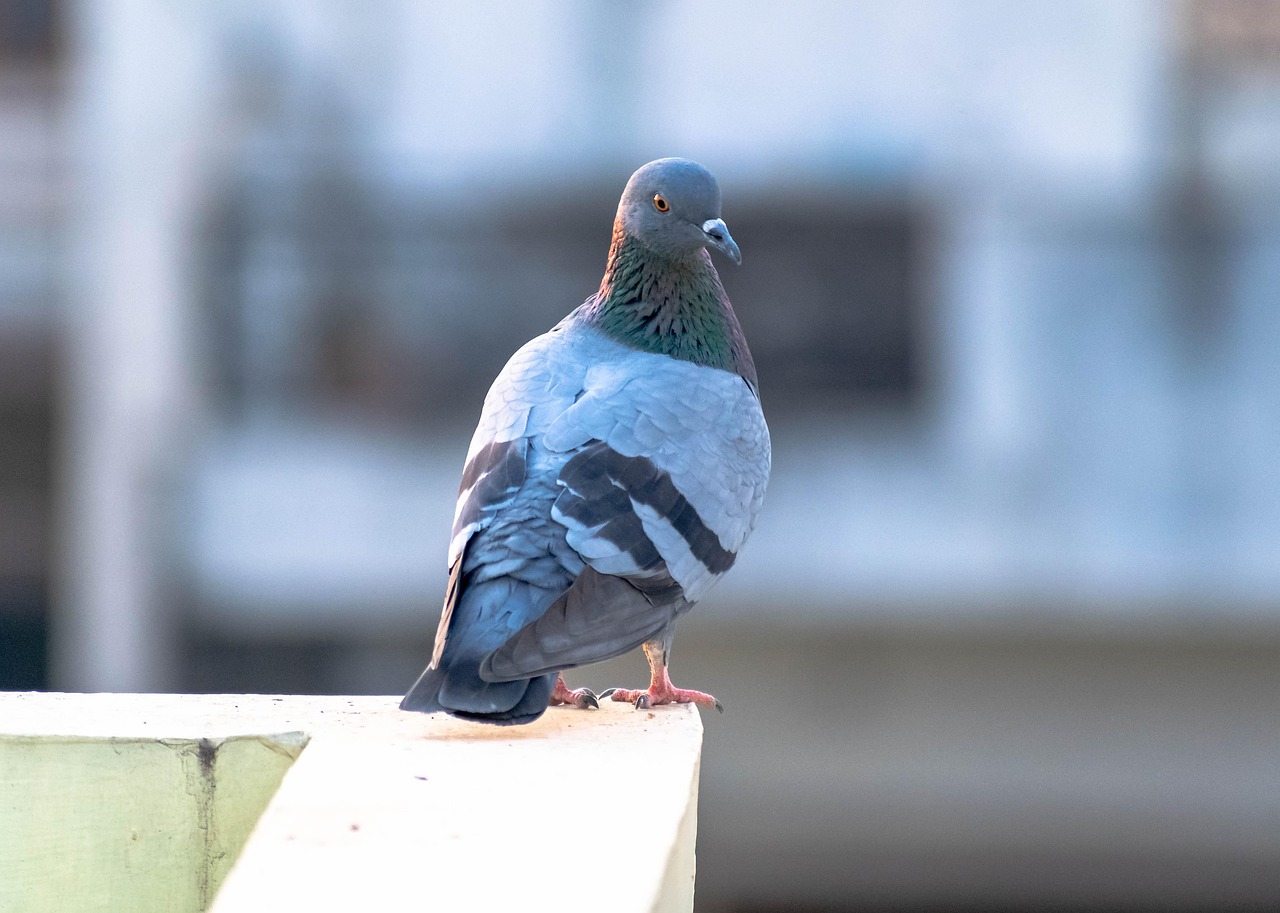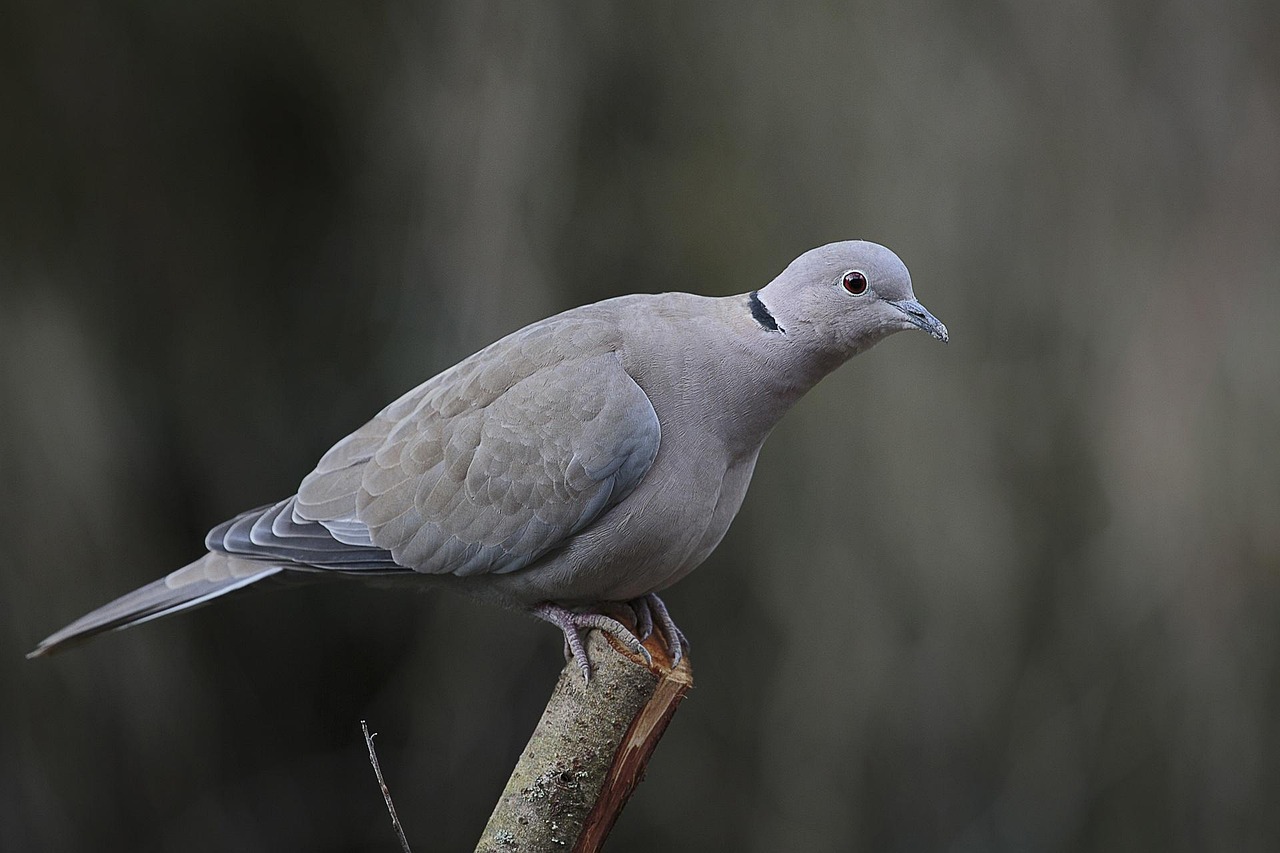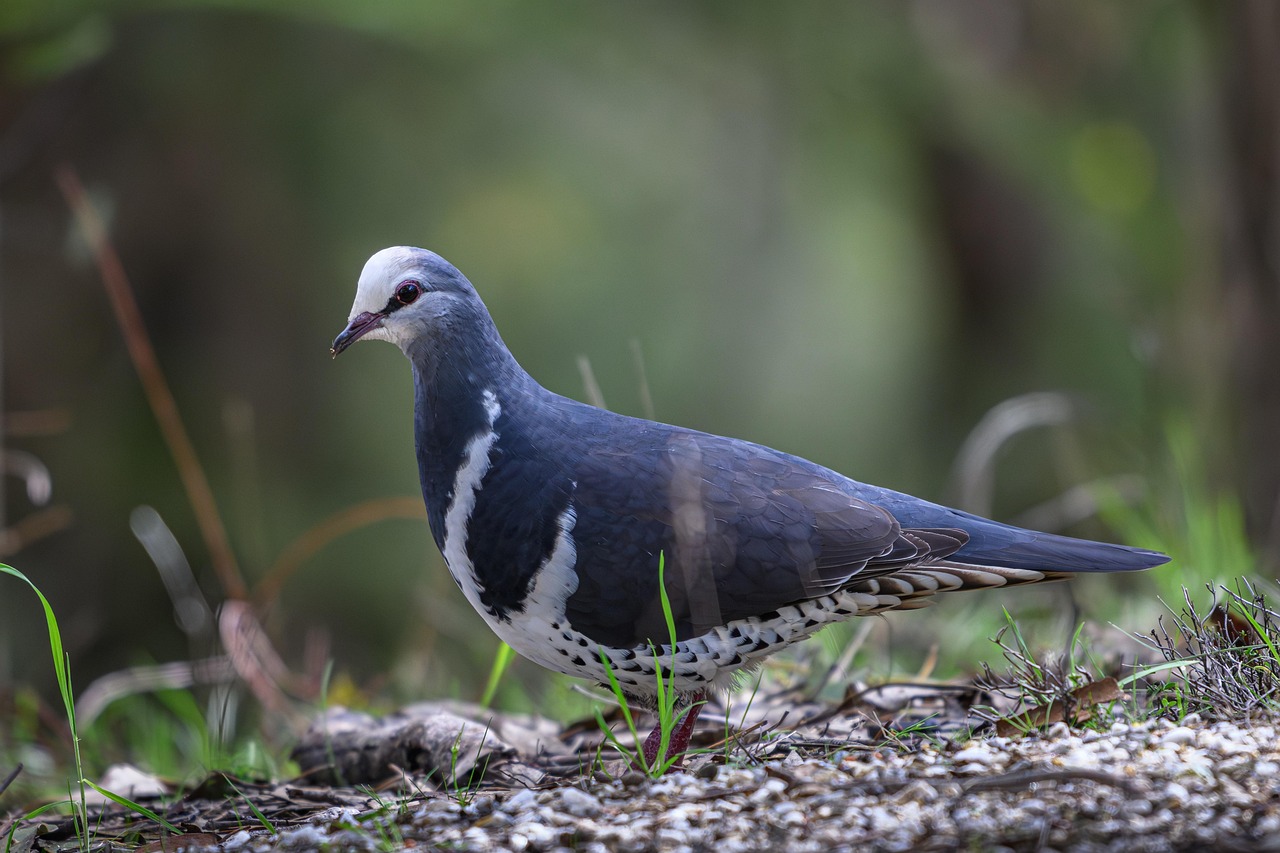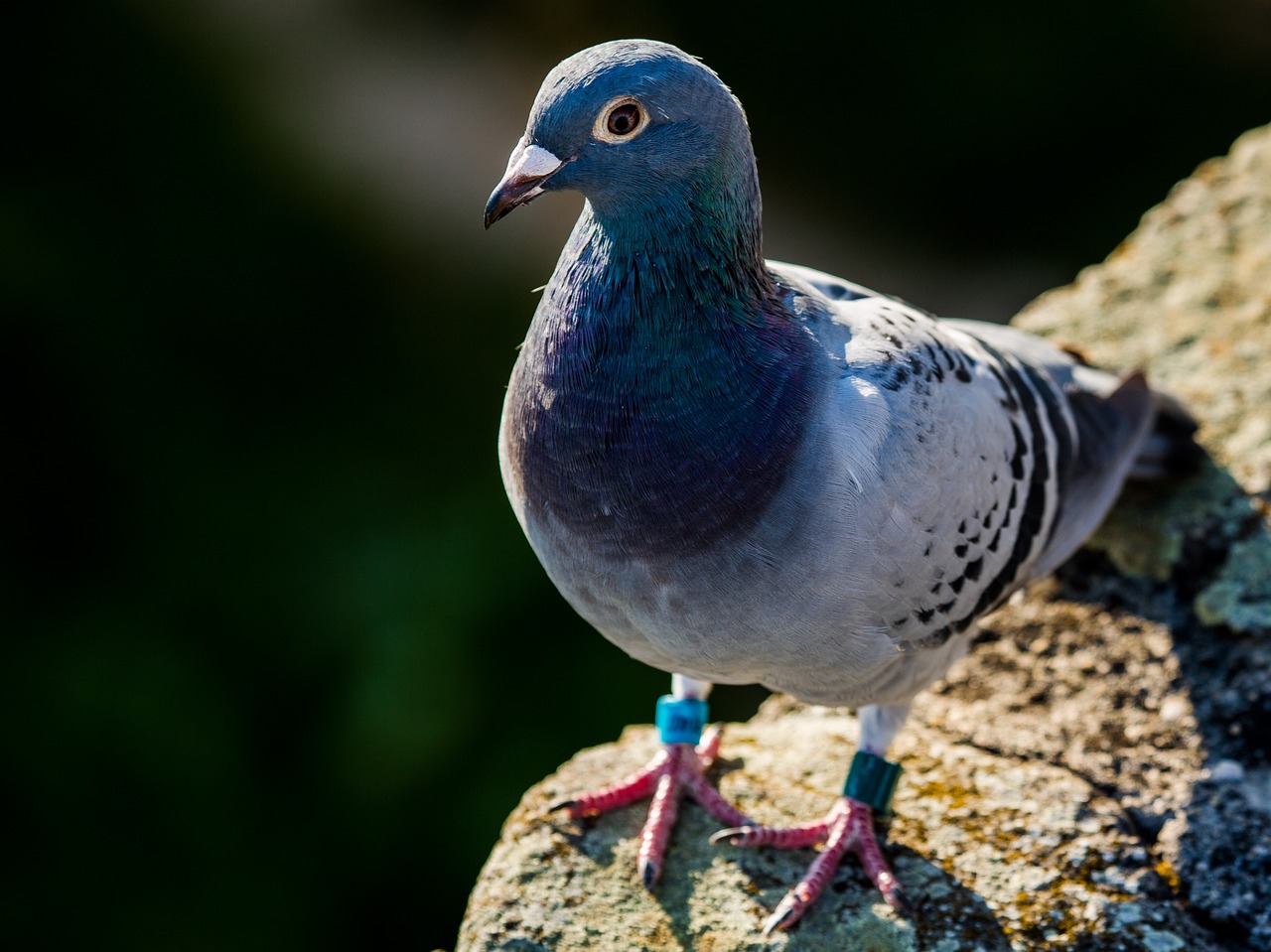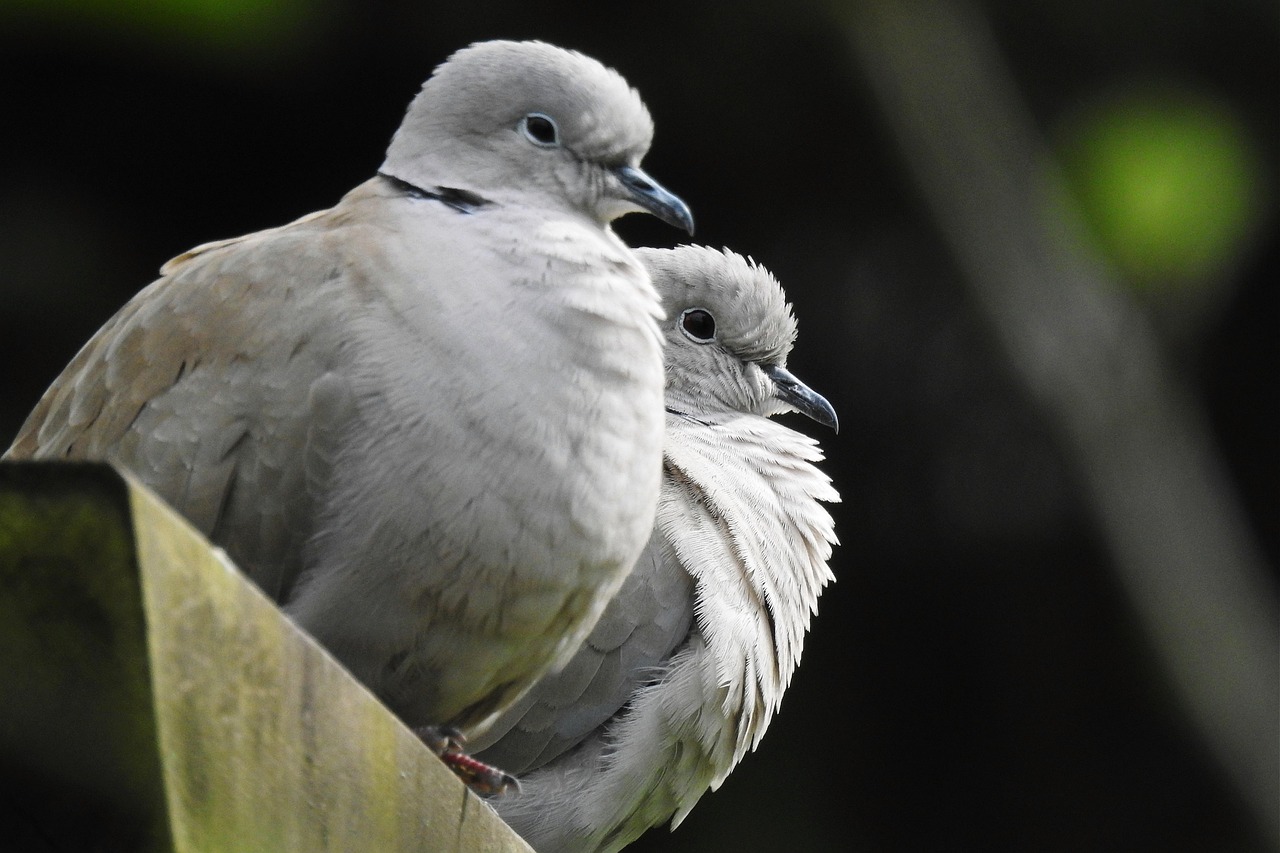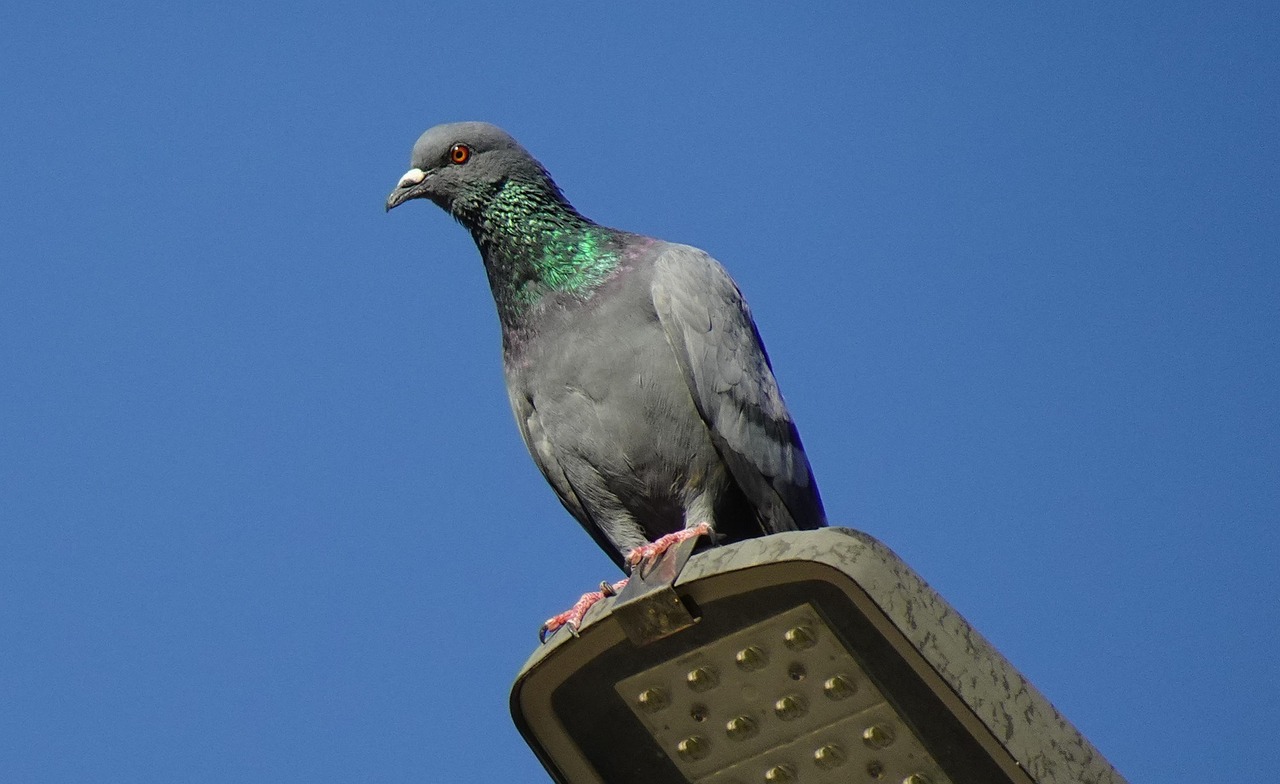
In the competitive world of pigeon shows, a bird's market value is often determined by its visual appeal in photographs. This guide explores how expert pigeon photography and show presentation can transform your birds into standout contenders, boosting their desirability and price. By mastering these techniques, you can capture the essence of your pigeons' beauty and showcase them effectively to judges and buyers alike.
The Art of Pigeon Photography: Capturing True Beauty
Pigeon photography is more than just taking pictures; it's an art form that highlights the unique features and elegance of your birds. A well-photographed pigeon can convey its health, posture, and coloration in ways that live viewing sometimes misses, making it crucial for show preparation and sales. This section delves into the foundational skills needed to excel in this niche, ensuring your images stand out in a crowded field.
Essential Equipment for High-Quality Shots
To achieve professional results in pigeon photography, investing in the right equipment is key. A DSLR or mirrorless camera with a macro lens allows for detailed close-ups of feathers and eyes, while a tripod ensures stability for sharp images. Lighting is equally important; natural light or softbox setups can enhance colors without harsh shadows, making your pigeons look vibrant and true to life. Consider accessories like reflectors to fill in dark areas and a clean backdrop to eliminate distractions, focusing all attention on the bird.
Beyond hardware, understanding camera settings like aperture, shutter speed, and ISO is vital. A wide aperture (e.g., f/2.8) can create a pleasing background blur that emphasizes the pigeon, while a fast shutter speed freezes motion for active shots. Practice in different environments to adapt to various lighting conditions, as consistency in image quality builds trust with potential buyers. Remember, the goal is to produce photos that are not only beautiful but also accurate representations of your pigeons' attributes.
Composition and Angles for Maximum Impact
Effective composition in pigeon photography involves framing your subject to highlight its best features. Use the rule of thirds to place the pigeon off-center, creating a dynamic image that draws the eye. Experiment with angles, such as shooting from a low perspective to emphasize stature or from above to showcase wing patterns. Close-up shots of the head and eyes can convey personality, while full-body images display overall conformation and balance.
When planning your shots, consider the pigeon's posture and behavior. Capture moments of alertness and grace, avoiding images where the bird appears stressed or unkempt. Incorporate elements of the environment subtly, like perches or natural settings, to add context without overpowering the subject. By varying compositions, you create a portfolio that tells a compelling story, enhancing the show presentation and making your pigeons more memorable to judges and enthusiasts.
Show Presentation Techniques: Elevating Your Pigeons' Appeal
Show presentation goes beyond photography, encompassing how you prepare and present your pigeons in competitive settings. A polished presentation can significantly influence judges' perceptions and increase market value by demonstrating care and expertise. This section covers strategies to ensure your birds look their best from every angle, both in photos and in person.
Grooming and Preparation for the Spotlight
Before any photography or show, thorough grooming is essential to make your pigeons shine. Start with a gentle bath to clean feathers and remove dirt, using pigeon-safe shampoos to maintain natural oils. Trim nails and beak if necessary, and check for any mites or parasites that could affect appearance. Regular handling helps pigeons become accustomed to being photographed, reducing stress and allowing for more natural poses during sessions.
Pay attention to details like feather alignment and color enhancement. Use a soft brush to smooth feathers and highlight iridescence, especially in breeds with metallic sheens. For show presentation, practice posing your pigeons to showcase their best attributes, such as holding wings properly or standing tall. Document this process with photos to create a before-and-after narrative that buyers appreciate, as it shows dedication to quality and care.
Staging and Background Selection
The staging environment plays a crucial role in pigeon photography and show presentation. Choose backgrounds that complement your bird's colors without clashing; neutral tones like gray, white, or green often work well to keep focus on the pigeon. Avoid busy patterns or bright colors that can distract viewers. In shows, use clean, well-maintained cages or perches that reflect professionalism and attention to detail.
When setting up for photos, consider the lighting setup discussed earlier to ensure even illumination across the scene. Use props sparingly, such as natural branches or show rings, to add context without overwhelming the subject. For live presentations, practice moving your pigeons smoothly to highlight their gait and posture, as judges often assess movement. By mastering staging, you create a cohesive visual experience that enhances both photographic appeal and real-world show performance.
Integrating Photography into Marketing and Sales
Pigeon photography and show presentation are powerful tools for marketing your birds, directly impacting their market value. High-quality images can attract buyers online and in catalogs, while a strong show record builds credibility. This section explores how to leverage these elements to maximize sales and reputation in the pigeon community.
Building an Online Portfolio
An online portfolio showcasing your best pigeon photography can serve as a virtual storefront, attracting enthusiasts and buyers from around the world. Use a dedicated website or social media platforms to display images organized by breed, color, or show achievements. Include detailed descriptions with each photo, highlighting key features like lineage, health records, and past show results to provide context and build trust.
Regularly update your portfolio with new photos and success stories, such as awards or sales. Engage with followers by sharing behind-the-scenes content of your photography process or show preparations. This not only demonstrates expertise but also fosters a community around your birds, increasing their perceived value. Remember, consistency in quality and presentation across all platforms reinforces your brand as a serious competitor in the pigeon world.
Leveraging Shows for Enhanced Visibility
Participating in pigeon shows offers a prime opportunity to integrate photography into your marketing strategy. Capture high-quality images during events to document your birds' performances and share them online immediately, creating buzz and interest. Use these photos in post-show promotions, highlighting any awards or positive feedback from judges to boost credibility.
Network with other enthusiasts and photographers at shows to exchange tips and potentially collaborate on projects. Offer to share your photography skills with others, positioning yourself as an expert in the field. By actively engaging in the show circuit, you not only improve your pigeons' presentation but also expand your reach, leading to higher sales and a stronger reputation. Consider using tools like Ghawy – Pigeon Manager (غاوي – إدارة الحمام) to organize show schedules and track achievements efficiently.
Advanced Tips for Seasoned Enthusiasts
For those with experience in pigeon photography and show presentation, advancing your skills can lead to even greater success. This section delves into sophisticated techniques that can set your work apart, from creative editing to strategic planning, ensuring your pigeons always look their best in any context.
Creative Editing and Post-Processing
Post-processing is a valuable step in pigeon photography, allowing you to enhance images without altering the bird's true appearance. Use software like Adobe Lightroom or Photoshop to adjust exposure, contrast, and color balance, ensuring photos match the pigeon's natural look. Remove minor distractions like dust spots or background imperfections, but avoid over-editing that could misrepresent the bird, as honesty is key in building trust with buyers.
Experiment with creative effects, such as black-and-white conversions for dramatic shots or selective focus to emphasize specific features. Always keep a backup of original files to maintain integrity. Share your editing process transparently if asked, as this demonstrates professionalism and attention to detail. By mastering post-processing, you can produce gallery-worthy images that captivate viewers and enhance show presentation materials.
Strategic Planning for Long-Term Success
Long-term success in pigeon photography and show presentation requires strategic planning and continuous improvement. Set goals for each season, such as entering specific shows or updating your portfolio with new breeds. Track your progress using metrics like sales increases or social media engagement to refine your approach over time.
- Attend workshops or online courses to stay updated on the latest techniques in photography and avian care.
- Collaborate with other experts to gain new perspectives and insights.
- Invest in ongoing education about pigeon genetics and breed standards to better highlight unique traits in your photos.
By planning ahead, you ensure that your efforts in pigeon photography and show presentation align with market trends and buyer preferences, ultimately raising the value of your birds. Embrace innovation, such as using drone photography for aerial shots or virtual reality for immersive show experiences, to stay ahead of the competition.
Conclusion
Mastering pigeon photography and show presentation is essential for elevating your birds' market value in today's competitive landscape. By focusing on high-quality equipment, effective composition, thorough grooming, and strategic marketing, you can create compelling visual narratives that attract buyers and impress judges. Remember, consistency and honesty in your approach build trust and credibility over time. As you apply these insights, consider leveraging tools like Ghawy – Pigeon Manager (غاوي – إدارة الحمام) to streamline your efforts and achieve greater success. Start implementing these techniques today to transform your pigeons into standout stars of the show circuit.