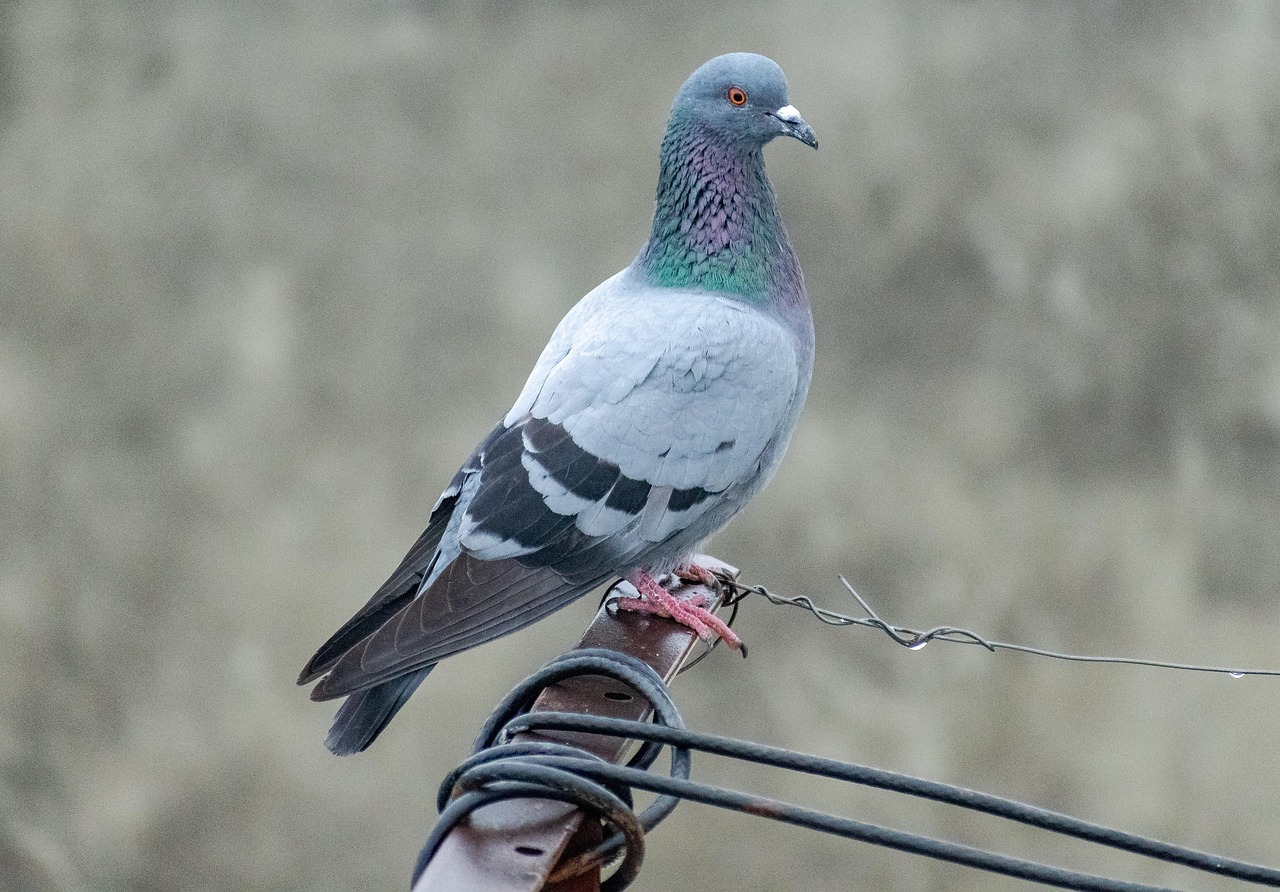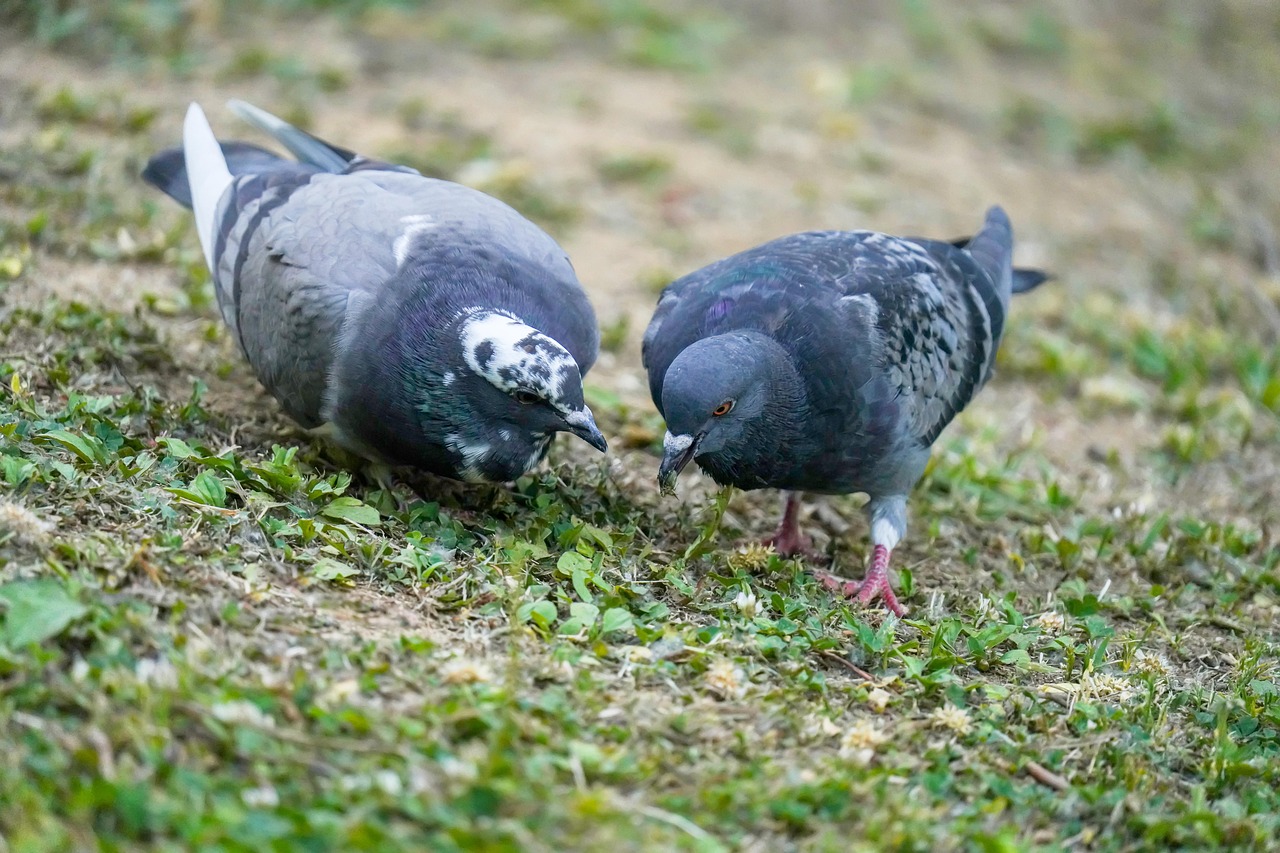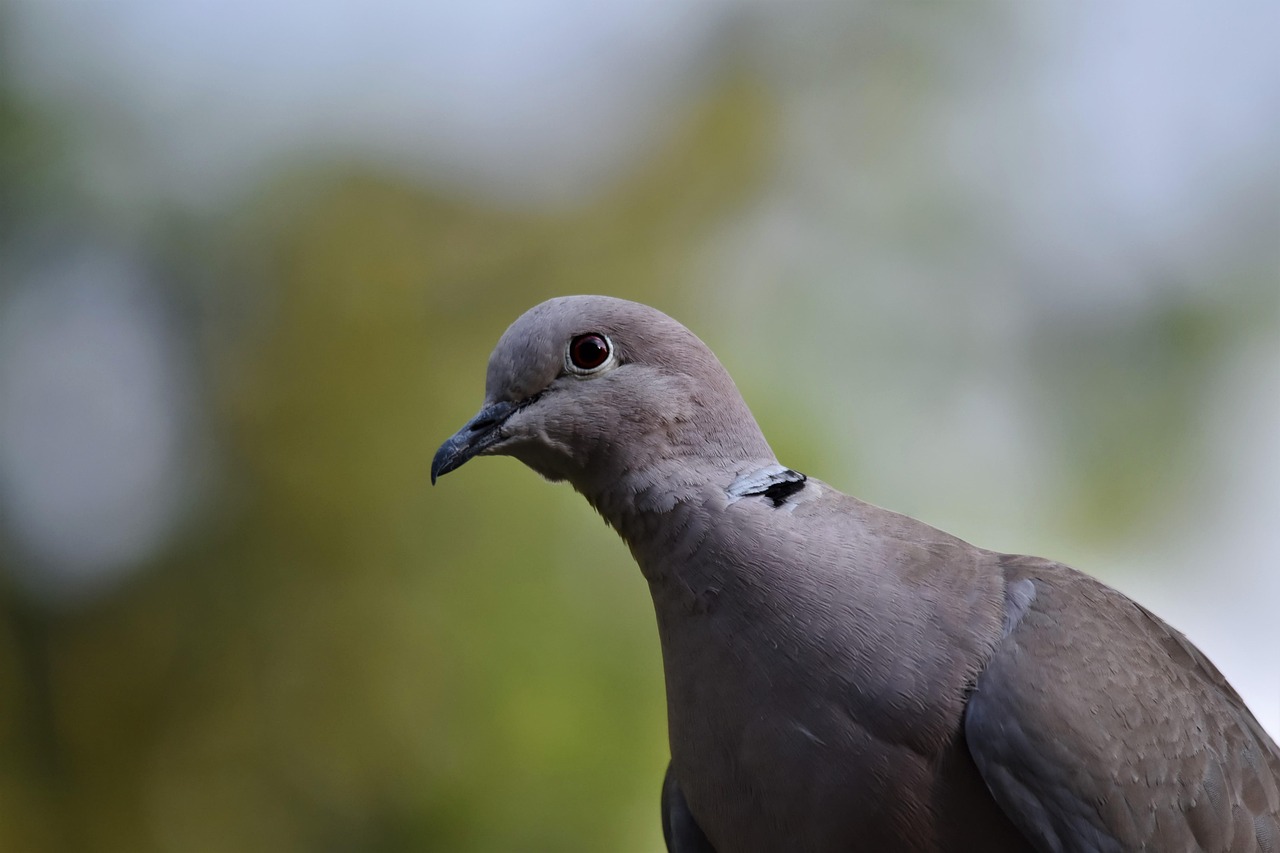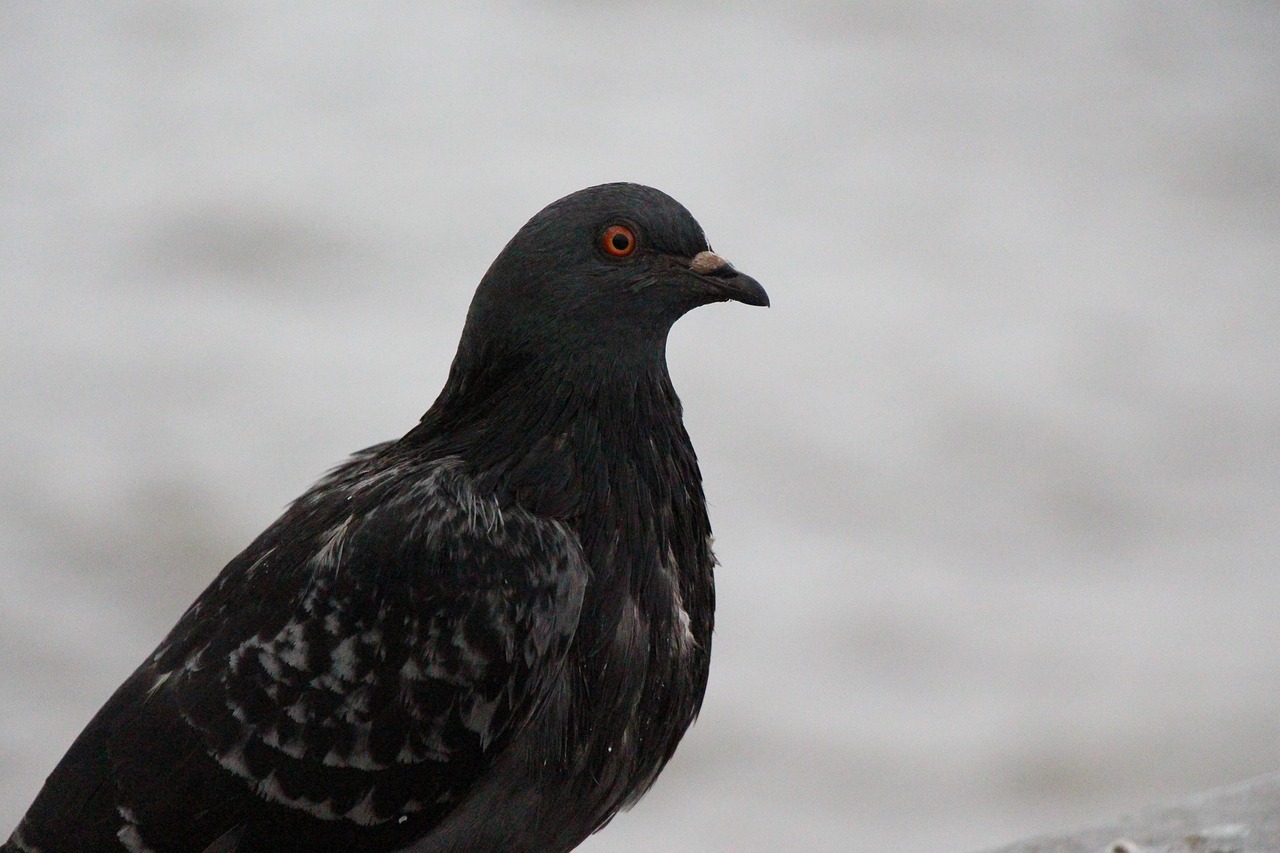
The Old German Owl pigeon, a breed celebrated for its distinctive appearance and gentle demeanor, has captivated enthusiasts worldwide, including a growing community in the Arab region. Understanding the precise show pigeon standards is crucial for breeders aiming to excel in competitions and preserve the breed's integrity. This article delves into the detailed criteria that define a champion Old German Owl, enriched with insights and examples from the vibrant Arab pigeon market.
The Historical Legacy and Breed Characteristics
The Old German Owl, known for its unique "owl" head shape and upright posture, has a rich history rooted in German breeding traditions. This breed stands out not only for its aesthetic appeal but also for its calm temperament, making it a favorite among pigeon fanciers. In the Arab world, where pigeon keeping is a cherished hobby with deep cultural roots, the Old German Owl has gained popularity for its elegance and show potential. Breeders in countries like Egypt, Saudi Arabia, and the UAE are increasingly focusing on this breed, blending local expertise with international standards to produce top-quality birds.
Origins and Evolution of the Breed
The Old German Owl originated in Germany in the early 20th century, developed from crosses of various owl pigeon breeds to enhance specific traits. Over decades, breeders refined its characteristics, leading to the establishment of strict standards that emphasize balance and symmetry. In the Arab market, this historical context is often appreciated, with breeders studying old German lineages to inform their breeding programs. For example, a breeder in Jordan might trace their stock back to renowned German bloodlines, ensuring authenticity while adapting to local conditions. This fusion of history and modern practice helps maintain the breed's purity while fostering innovation in the region.
Key Physical Traits and Temperament
Physically, the Old German Owl is defined by its compact body, broad chest, and distinctive head with a pronounced forehead and short beak, giving it an "owl-like" appearance. The breed typically exhibits a variety of colors, including blue, black, and red, with clean markings being highly valued. Temperamentally, these pigeons are known for their docile and friendly nature, making them ideal for shows and as pets. In Arab markets, breeders often prioritize these traits, with examples from Kuwait showing birds that excel in both conformation and calm behavior, appealing to judges and hobbyists alike. Understanding these characteristics is essential for anyone looking to breed or show Old German Owls successfully.
Detailed Show Pigeon Standards for Old German Owl
Show pigeon standards for the Old German Owl are meticulously defined by organizations like the National Pigeon Association, focusing on every aspect from head to tail. These standards ensure consistency and fairness in competitions, guiding breeders in their selection and breeding decisions. In the Arab region, adherence to these standards is becoming more prevalent, with local clubs and shows incorporating them to elevate the quality of pigeons. By mastering these criteria, breeders can enhance their chances in both local and international arenas, contributing to the breed's global reputation.
Head and Beak Specifications
The head of an Old German Owl should be broad and rounded, with a well-defined forehead that slopes gently to a short, stout beak. The eyes are large and bright, set in a clean, smooth cere, and the overall expression should be alert yet gentle. In shows, judges deduct points for heads that are too narrow or beaks that are overly long. Arab breeders, such as those in the UAE, often showcase birds with impeccable head structure, using selective breeding to emphasize these traits. For instance, a champion from Dubai might have a perfectly proportioned head that meets all standard requirements, serving as a benchmark for others in the market.
Body Conformation and Posture
Body conformation is critical, with the Old German Owl requiring a compact, well-muscled body that stands upright on strong, short legs. The back should be broad and slightly arched, leading to a tail that is carried high and neatly folded. Posture during shows is evaluated for balance and elegance, with any slouching or imbalance leading to penalties. In Saudi Arabia, breeders focus on achieving this ideal posture through careful training and nutrition, with examples from Riyadh demonstrating birds that hold themselves proudly in the show ring. This attention to detail helps Arab enthusiasts compete effectively on the global stage.
Color and Markings: A Critical Aspect of Standards
Color and markings play a significant role in the Old German Owl standards, with specific patterns and shades being preferred for show quality. The breed comes in various colors, including self-colors and patterns like bars and checks, each with its own set of criteria for purity and contrast. In the Arab market, there is a growing interest in rare color variations, with breeders in Egypt and Lebanon experimenting to produce unique birds that still adhere to standard guidelines. Understanding these color requirements is essential for breeders aiming to produce visually striking pigeons that meet judge expectations.
Common Color Varieties and Their Criteria
Common color varieties for Old German Owls include blue, black, red, and yellow, each with specific standards for hue and uniformity. For example, blue birds should have a clear, even color without any bronzing or fading, while black varieties must be deep and glossy. Markings, such as wing bars or tail patterns, should be sharp and well-defined. In the Arab region, breeders often showcase these varieties in local shows, with examples from Oman highlighting birds with flawless color that align with international standards. This focus on color helps diversify the market while maintaining quality.
Evaluating Markings and Patterns in Shows
During shows, judges closely evaluate markings and patterns for clarity, symmetry, and adherence to breed standards. Any smudging, unevenness, or deviations can result in point deductions, making this a key area for breeder attention. Arab breeders, such as those in Qatar, use detailed record-keeping and selective pairing to enhance these traits, with successful examples featuring crisp, symmetrical markings that impress judges. By prioritizing markings, breeders can produce pigeons that not only look beautiful but also score highly in competitions, boosting their reputation in the market.
Breeding and Care Practices for Optimal Standards
Breeding and care are fundamental to achieving and maintaining the high standards required for Old German Owls in shows. Effective breeding strategies involve selecting parent birds with superior traits, while proper care ensures health and vitality. In the Arab world, where environmental conditions can vary, breeders adapt these practices to local contexts, using insights from both traditional and modern methods. By focusing on these aspects, breeders can produce pigeons that excel in conformation, color, and overall quality, contributing to a thriving market.
Selective Breeding Techniques for Show Quality
Selective breeding for show quality involves choosing birds with the best adherence to standards, focusing on traits like head shape, body conformation, and color purity. Breeders often use pedigree analysis and performance records to make informed decisions, avoiding inbreeding to maintain genetic diversity. In the Arab market, examples from Bahrain demonstrate how breeders combine local knowledge with international best practices, resulting in pigeons that meet or exceed standard requirements. This approach helps ensure the long-term health and success of the breed in the region.
Nutrition and Health Management
Nutrition and health are crucial for maintaining the Old German Owl's show-ready condition, with a balanced diet and regular veterinary care being essential. A diet rich in proteins, vitamins, and minerals supports feather quality and overall vitality, while preventive measures like vaccinations protect against common diseases. Arab breeders, such as those in Syria, emphasize these practices, with examples showing well-cared-for birds that thrive in shows. By prioritizing health, breeders can produce pigeons that not only look good but also perform well under the stress of competition.
Examples from the Arab Market: Success Stories and Trends
The Arab market for Old German Owls is vibrant and growing, with numerous success stories and emerging trends that highlight the breed's appeal. From local shows to international competitions, Arab breeders are making their mark, showcasing pigeons that adhere to high standards. These examples provide valuable insights for enthusiasts looking to enter or excel in the hobby, demonstrating how dedication and knowledge can lead to outstanding results. By exploring these cases, we can better understand the dynamics of the Arab pigeon scene and its contribution to the global community.
Notable Breeders and Champion Birds
Notable breeders in the Arab region, such as those in Egypt and the UAE, have produced champion Old German Owls that have won accolades in both local and international shows. These birds often exemplify the best of breed standards, with perfect conformation, color, and temperament. For instance, a breeder in Cairo might have a bird that swept regional competitions, serving as an inspiration for others. These success stories underscore the potential of the Arab market to produce world-class pigeons, encouraging more breeders to pursue excellence.
Market Trends and Future Outlook
Market trends in the Arab region show an increasing interest in Old German Owls, driven by a growing community of enthusiasts and improved access to breeding stock. Trends include a focus on rare colors, enhanced show training, and the use of technology for record-keeping. The future outlook is positive, with more shows and clubs being established to support the hobby. By staying informed about these trends, breeders can adapt and thrive, ensuring the continued growth and quality of the Old German Owl population in the Arab world.
Conclusion
In summary, mastering the Old German Owl standards requires a deep understanding of historical context, physical traits, color criteria, and breeding practices. The Arab market, with its rich tradition of pigeon keeping, offers numerous examples of excellence, from champion birds to innovative breeders. By adhering to these standards and learning from regional successes, enthusiasts can elevate their hobby and contribute to the breed's legacy. For those looking to manage their pigeon breeding efforts more effectively, consider using Ghawy – Pigeon Manager (غاوي – إدارة الحمام) to streamline record-keeping and enhance your breeding program.