In the world of fancy pigeon breeding, the value of a bird is not just in its rarity or color, but in the meticulous details of its morphology. This article delves into how focusing on shoulder genetics and frontal structure can dramatically enhance your pigeon's worth, offering actionable insights for enthusiasts looking to elevate their breeding programs.
The Foundation of Pigeon Morphology Improvement
Understanding pigeon morphology is the first step toward breeding excellence. It involves studying the physical characteristics that define a breed's standard, from head shape to feather quality. By mastering these elements, breeders can make informed decisions that lead to superior birds.
Why Shoulder Genetics Matter in Pigeon Breeding
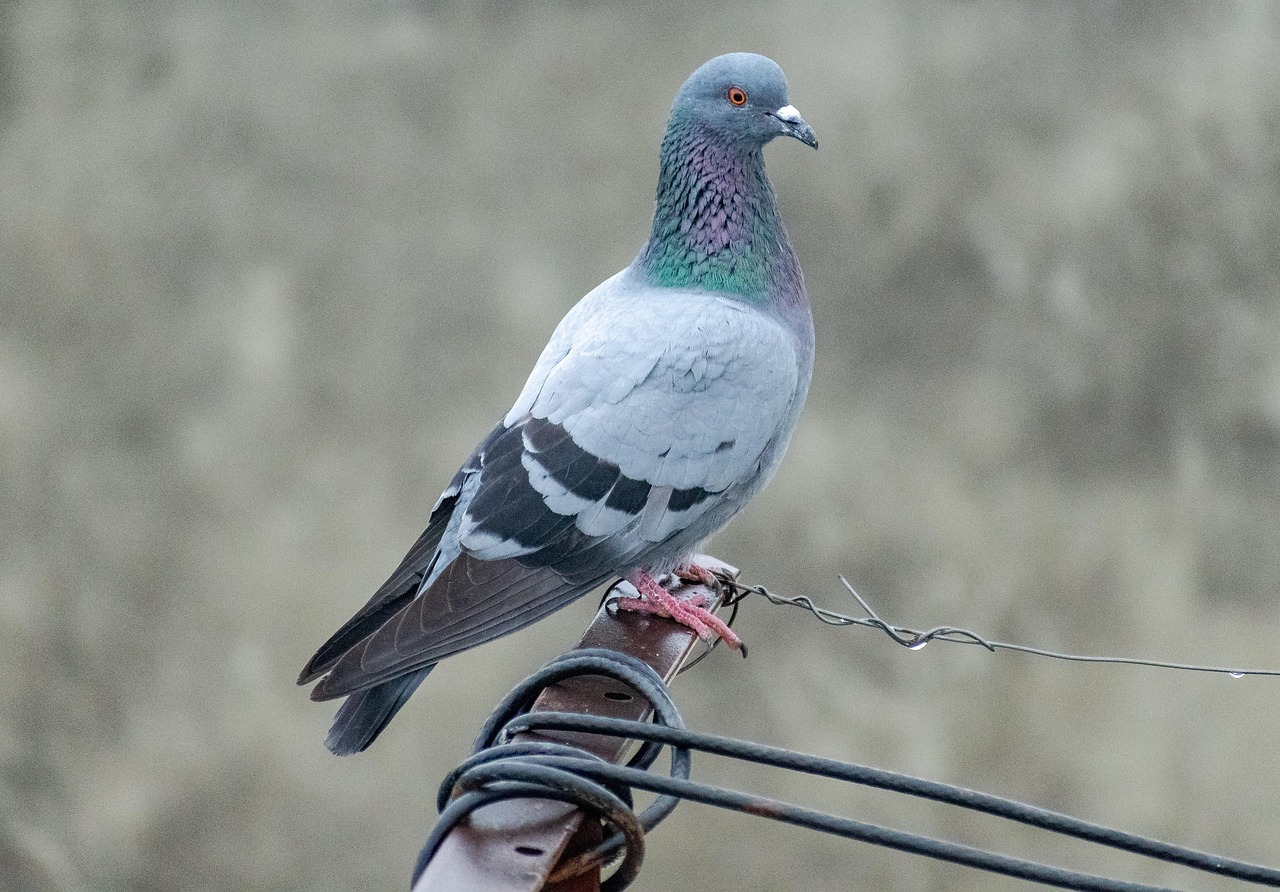
Shoulder genetics play a crucial role in determining a pigeon's posture and overall appearance. The shoulders influence how a bird carries itself, affecting its balance and movement. In fancy pigeons, well-developed shoulders contribute to a majestic stance that is highly prized in shows. By selecting for strong shoulder traits, breeders can enhance both aesthetics and functionality.
Genetic factors control shoulder width, angle, and muscle attachment. Through selective breeding, you can propagate desirable shoulder characteristics, such as a broad and sloping structure that supports a proud carriage. This not only improves the bird's visual appeal but also its health, as proper shoulder alignment reduces strain during flight and perching.
Assessing Frontal Structure for Enhanced Value
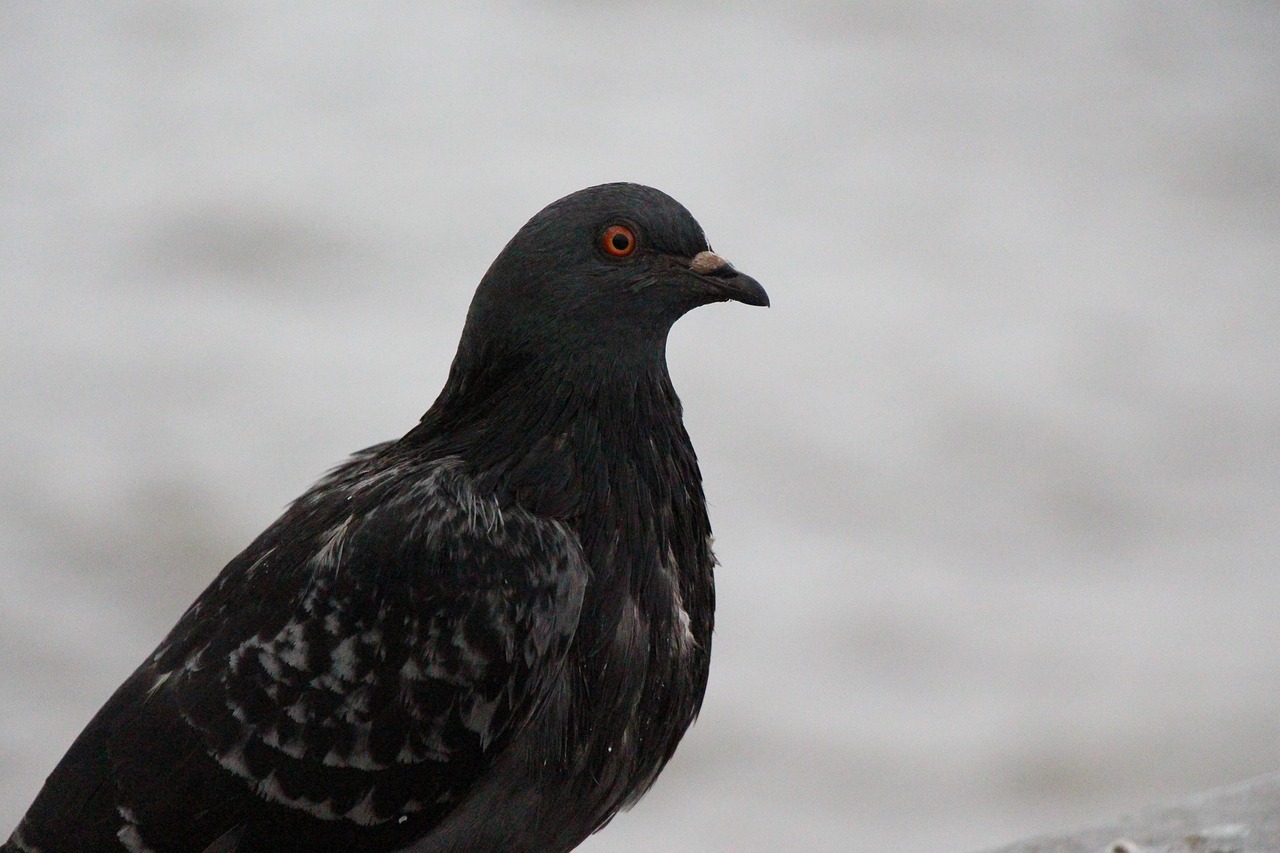
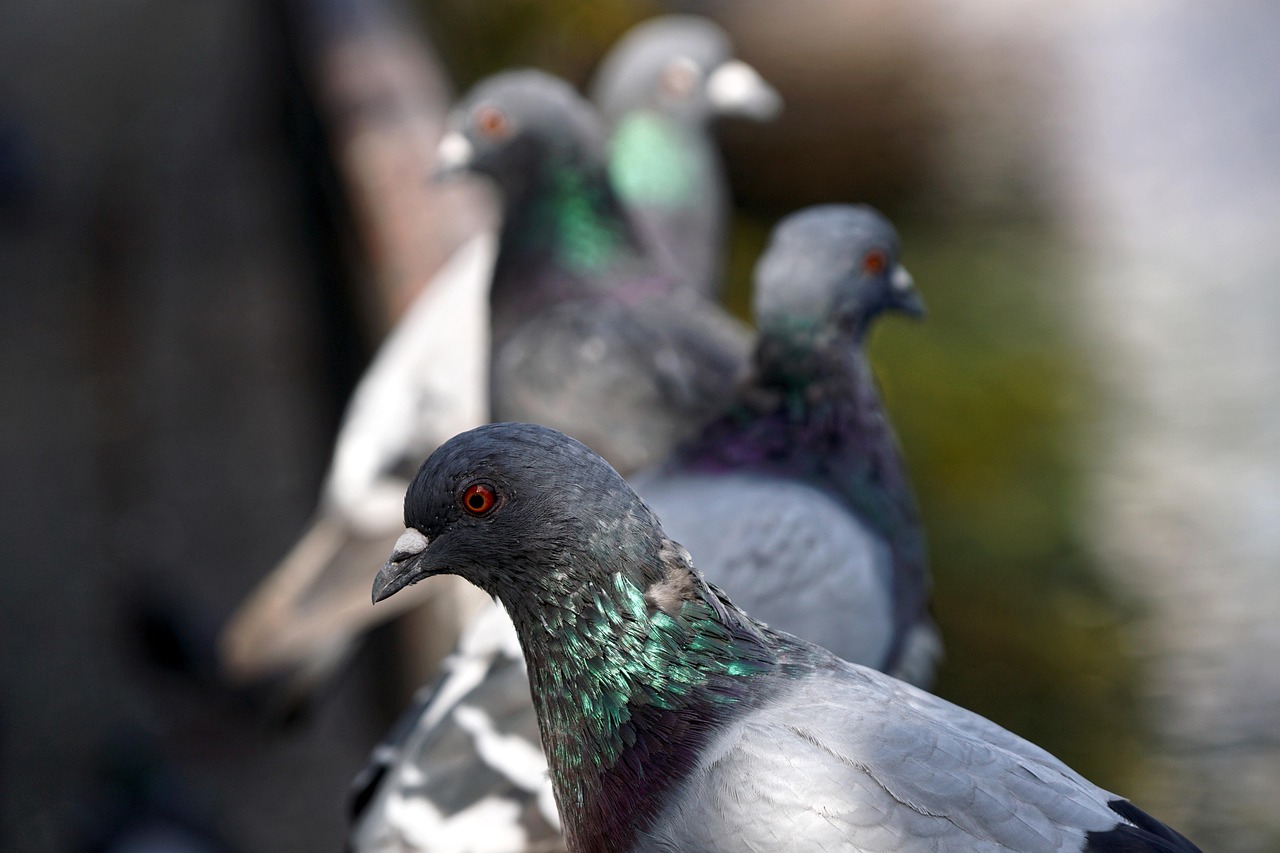
The frontal area, including the head and beak, is a key indicator of breed purity and quality. A well-defined frontal structure, with a smooth forehead and proportional beak, signals good genetics and careful breeding. In competitions, judges often prioritize these features, making them essential for increasing a pigeon's market value.
To assess frontal structure, look for symmetry and adherence to breed standards. For example, some breeds require a rounded head with a short beak, while others favor a more angular profile. By documenting and comparing these traits across generations, breeders can identify patterns and make strategic pairings to reinforce desired characteristics.
Integrating Shoulder Genetics into Your Breeding Strategy
Incorporating shoulder genetics into your breeding plan requires a systematic approach. Start by evaluating your current flock for shoulder traits, noting strengths and weaknesses. This baseline assessment will guide your selection process for future matings.
Selecting Breeding Pairs Based on Shoulder Traits
When choosing breeding pairs, prioritize birds with complementary shoulder characteristics. For instance, pair a pigeon with excellent shoulder width with one that has ideal shoulder angle to produce offspring with balanced morphology. Avoid inbreeding that might amplify negative traits, and instead, seek out diverse genetic lines to introduce robustness.
Keep detailed records of each bird's shoulder measurements and progeny outcomes. This data-driven method allows you to track progress and adjust your strategy over time. Over generations, consistent selection for superior shoulder genetics will lead to a flock that stands out in both form and function.
Practical Tips for Enhancing Shoulder Development
Beyond genetics, environmental factors can influence shoulder development. Ensure your pigeons have access to a spacious loft that encourages natural movement and exercise. A balanced diet rich in protein supports muscle growth, while regular health checks prevent issues that might affect posture.
- Provide perches at varying heights to promote shoulder strength.
- Incorporate flight training to improve muscle tone and coordination.
- Monitor for signs of injury or strain that could impact shoulder health.
By combining genetic selection with optimal care, you can maximize the expression of desirable shoulder traits, leading to pigeons that are not only beautiful but also resilient.
Optimizing Frontal Structure Through Selective Breeding
Focusing on frontal structure involves more than just aesthetics; it's about preserving breed integrity. A well-bred frontal area enhances a pigeon's identity and appeal, making it a valuable asset in competitive circles.
Key Elements of Ideal Frontal Morphology
The ideal frontal structure varies by breed, but common elements include a smooth, unbroken line from the beak to the forehead, and eyes that are set proportionally. These features contribute to a harmonious appearance that judges and buyers favor. By studying breed standards, you can identify the specific frontal traits to target in your breeding program.
Genetic testing and pedigree analysis can help uncover hidden traits related to frontal structure. For example, some genes influence beak shape or head size, which can be selected for over time. Patience is key, as improving frontal morphology often requires multiple breeding cycles to achieve consistent results.
Common Challenges in Frontal Improvement
Breeders may face challenges such as genetic drift or environmental factors that affect frontal development. To mitigate these, maintain a diverse gene pool and avoid over-reliance on a few sires. Regularly review your breeding goals to ensure they align with industry standards and market demands.
If you encounter issues like asymmetrical heads or beak deformities, consider consulting with experienced breeders or using tools like Ghawy – Pigeon Manager (غاوي – إدارة الحمام) to track and analyze your flock's data. This proactive approach helps address problems early and maintain high-quality frontal structures.
Advanced Techniques for Pigeon Morphology Improvement
Taking your breeding to the next level involves advanced methods that integrate both shoulder and frontal genetics. These techniques can accelerate improvement and set your pigeons apart in the marketplace.
Leveraging Technology in Genetic Selection
Modern tools, such as digital imaging and genetic mapping, offer precise ways to assess morphology. Use photos and measurements to create a visual database of your flock's traits, allowing for objective comparisons. This technology supports data-driven decisions that enhance breeding accuracy.
Additionally, software solutions can help manage breeding records and predict trait inheritance. By analyzing historical data, you can identify trends and optimize pairings for maximum genetic gain. Embracing these tools demonstrates a commitment to excellence in pigeon morphology improvement.
Building a Sustainable Breeding Program
Sustainability in breeding means focusing on long-term health and genetic diversity. Avoid shortcuts that might compromise quality, such as excessive line-breeding. Instead, aim for a balanced approach that prioritizes both shoulder and frontal traits while maintaining overall flock vitality.
- Rotate breeding stock to introduce new genetic material.
- Participate in shows and networks to exchange knowledge and birds.
- Set clear, measurable goals for morphology improvement.
By fostering a holistic breeding environment, you ensure that your pigeons not only look impressive but also thrive for generations to come.
Conclusion
Doubling the value of your fancy pigeons through shoulder genetics and frontal structure is a rewarding journey that combines art and science. By focusing on these key morphological aspects, you can breed birds that excel in shows and attract premium prices. Remember, consistency and patience are vital—track your progress, adapt your strategies, and leverage resources like Ghawy – Pigeon Manager (غاوي – إدارة الحمام) to streamline your efforts. Start applying these insights today to transform your flock into a testament of breeding excellence.