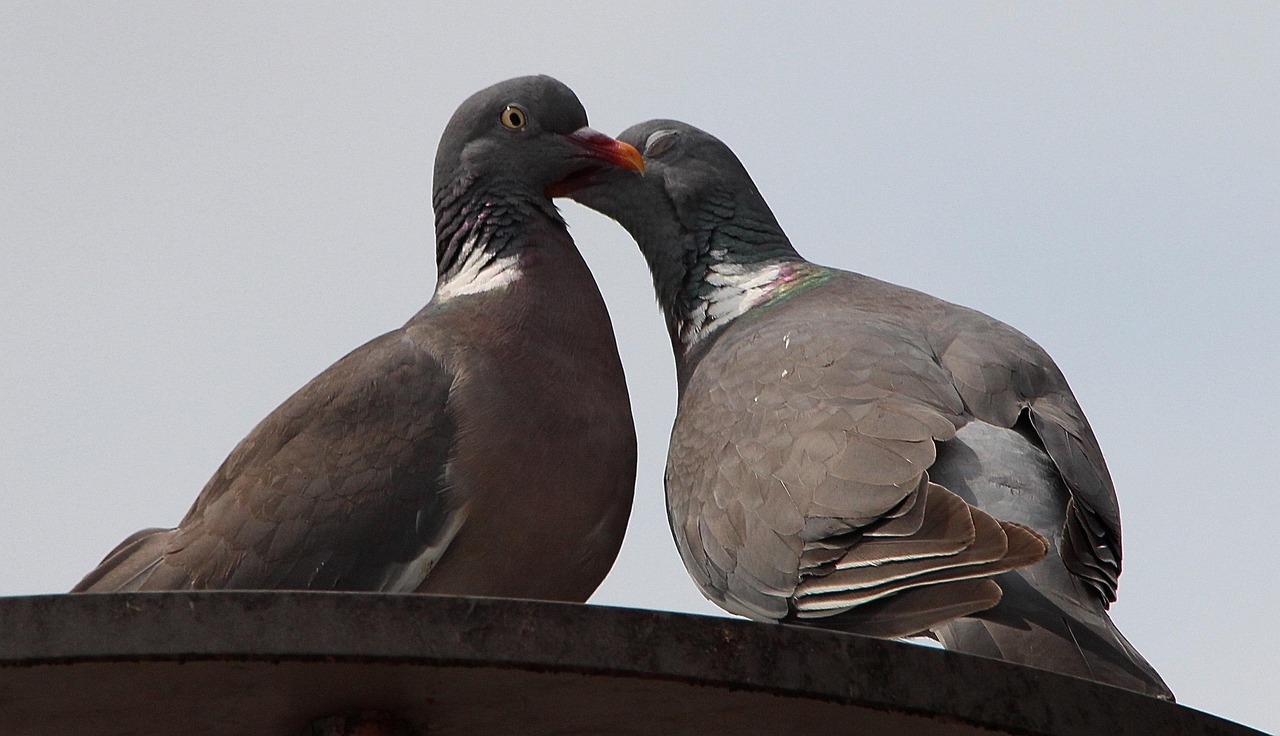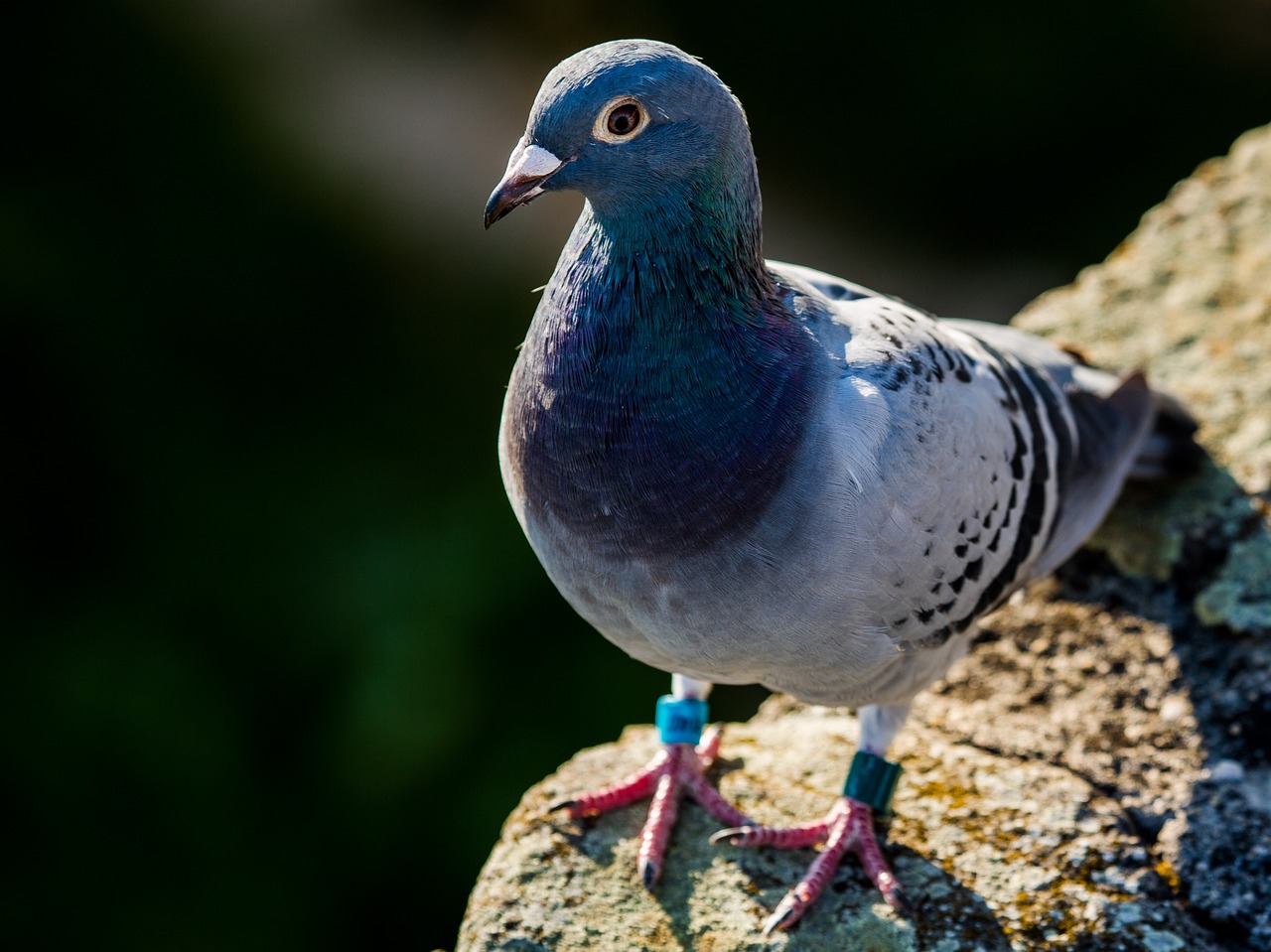
In the world of pigeon shows, a bird's market value is often determined by its visual appeal, making photography a critical skill for enthusiasts. This guide explores how to capture stunning images that highlight your pigeon's best features, enhancing its presentation and boosting its worth in competitive arenas. By mastering pigeon photography, you can transform your birds into standout contenders, attracting buyers and judges alike.
Understanding the Importance of Pigeon Photography
Pigeon photography is more than just taking pictures; it's a strategic tool for showcasing your birds' unique qualities. In shows, where first impressions matter, high-quality images can set your pigeons apart, influencing perceptions and driving interest. This section delves into why photography is essential for elevating your pigeon's market value and how it ties into effective show presentation.
The Role of Visuals in Show Presentation
Visuals play a pivotal role in show presentation, as they allow judges and buyers to assess a pigeon's attributes from afar. A well-photographed bird can convey its health, plumage, and structure, making it more appealing in catalogs or online listings. By investing time in photography, you create a professional image that reflects care and expertise, directly impacting its perceived value. This approach not only enhances individual birds but also builds your reputation as a serious breeder.
Moreover, in today's digital age, most show entries and sales occur online, where photos are the primary means of evaluation. A blurry or poorly lit image can undermine even the finest pigeon, while a crisp, detailed shot can spark interest and command higher prices. Understanding this dynamic is key to leveraging photography as a marketing tool, ensuring your birds stand out in crowded markets. Focus on capturing images that tell a story, highlighting what makes your pigeons exceptional.
Key Benefits for Market Value
Effective pigeon photography offers numerous benefits that directly boost market value. First, it increases visibility, allowing your birds to reach a wider audience through social media, websites, and show platforms. Second, it builds trust, as high-quality images suggest transparency and quality care, reassuring potential buyers. Third, it enhances documentation, providing a visual record of your pigeons' development and achievements over time.
Additionally, photography can highlight specific traits that appeal to niche markets, such as rare colors or unique markings. By showcasing these details, you can target enthusiasts willing to pay a premium. Remember, a pigeon's value isn't just about its genetics; it's about how well you present it. Investing in photography is an investment in your birds' future, turning them into assets that appreciate with each well-captured image. Use this to your advantage in competitive shows.
Essential Equipment for Pigeon Photography
To achieve professional results in pigeon photography, having the right equipment is crucial. This section covers the tools you need, from cameras to lighting, ensuring you can capture clear, vibrant images that enhance show presentation. While you don't need the most expensive gear, understanding basic requirements will help you make informed choices for your setup.
Choosing the Right Camera and Lenses
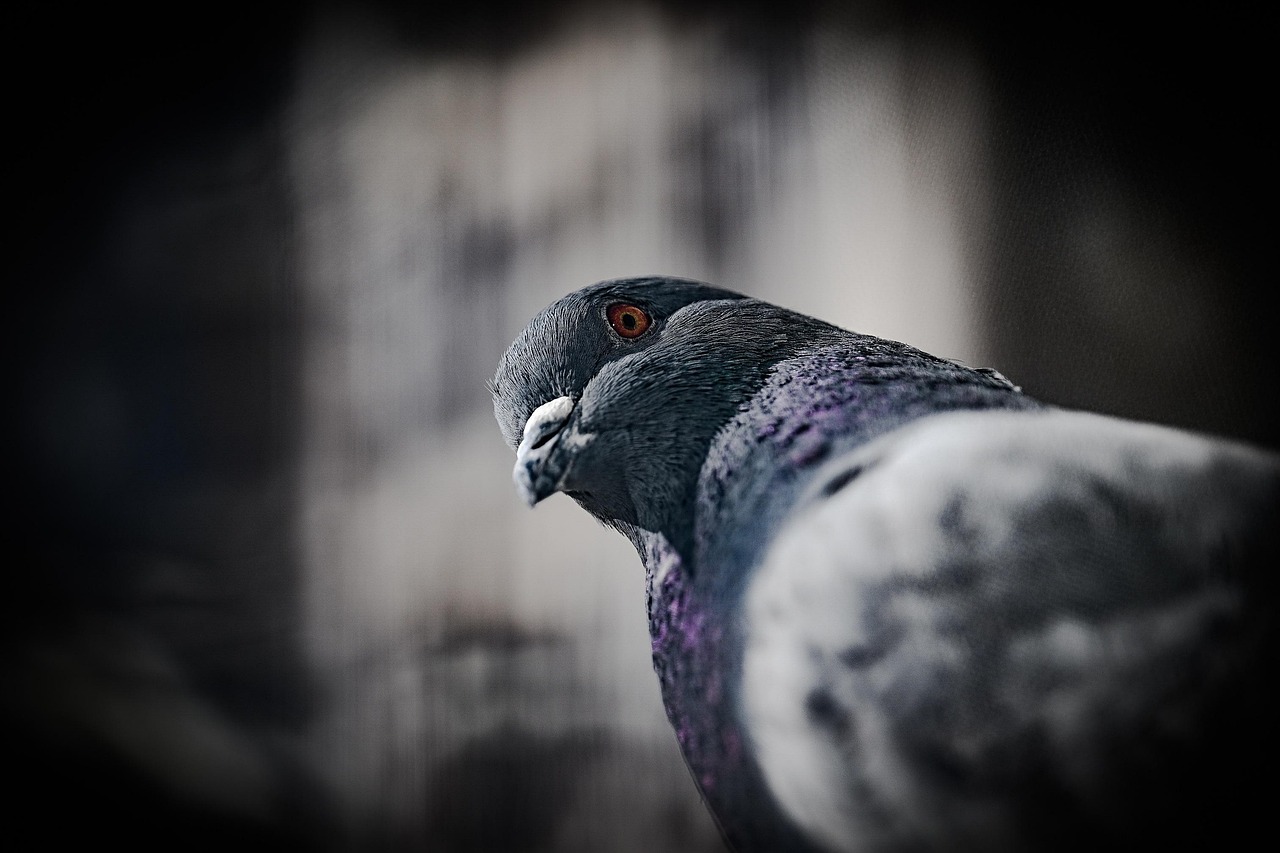
Selecting a camera and lenses is the foundation of pigeon photography. A DSLR or mirrorless camera with manual controls offers flexibility for adjusting settings like aperture and shutter speed, crucial for capturing fast-moving birds. For lenses, a macro lens is ideal for close-up shots of feathers and eyes, while a standard zoom lens works well for full-body images. Aim for a camera with at least 20 megapixels to ensure high resolution for prints and online displays.
Consider factors like autofocus speed and image stabilization, as pigeons can be active and require quick adjustments. If you're on a budget, many smartphones now have advanced cameras that can suffice with proper technique. However, for serious show presentation, investing in dedicated equipment pays off in sharper, more detailed photos. Test different setups to find what works best for your pigeons' environment and behavior, ensuring you capture their essence without distortion.
Lighting and Background Setup
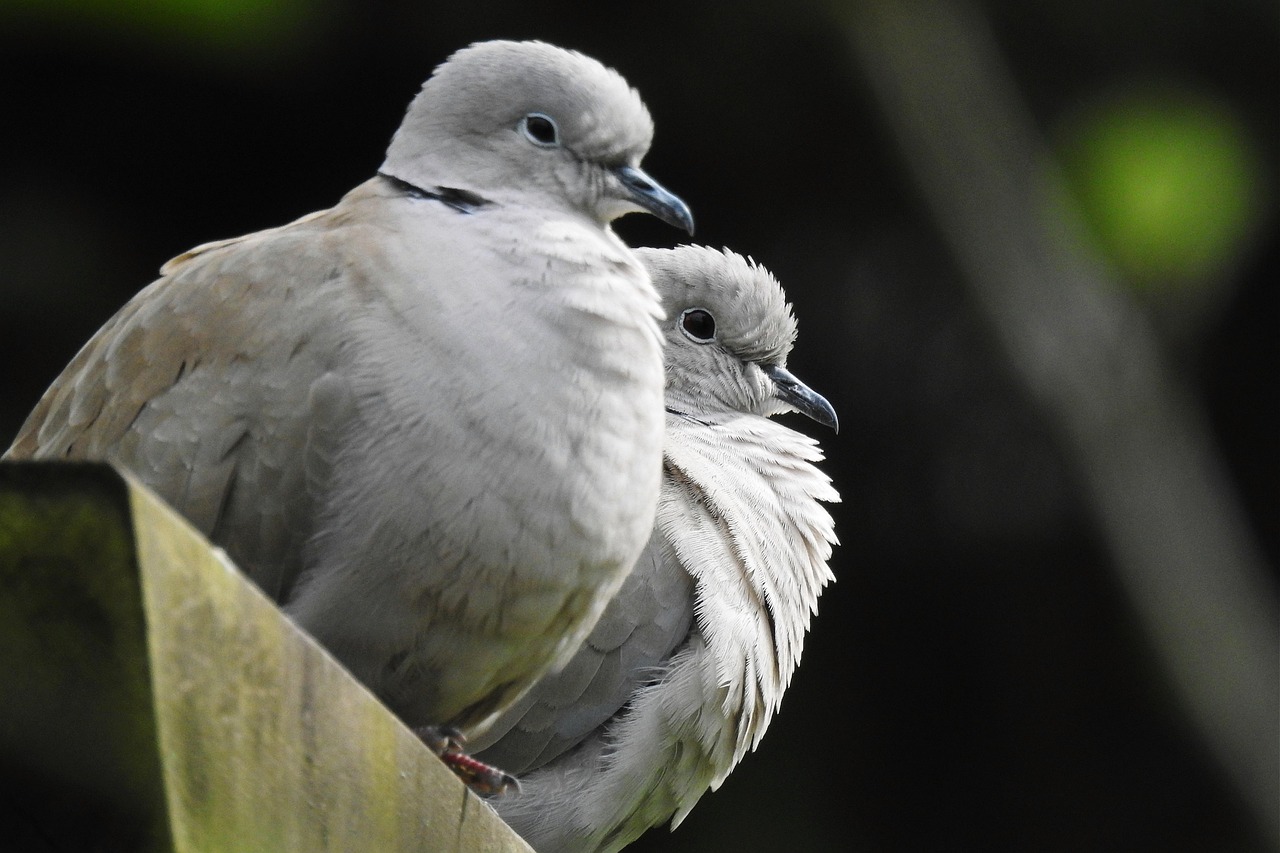
Lighting is perhaps the most critical element in pigeon photography, as it affects color accuracy and detail. Natural light is often best, providing soft, even illumination that highlights a bird's features without harsh shadows. Shoot outdoors on overcast days or in shaded areas to avoid glare. For indoor setups, use softbox lights or reflectors to mimic natural light, positioning them to avoid reflections in the pigeon's eyes.
Backgrounds should be simple and neutral, such as a plain white or gray backdrop, to keep focus on the pigeon. Avoid busy patterns that distract from the bird. Set up a clean, controlled environment to minimize stress for the pigeon, ensuring it remains calm during the shoot. Proper lighting and background not only improve image quality but also contribute to a professional show presentation, making your pigeons look their best. Experiment with angles to capture dynamic shots that showcase movement and posture.
Techniques for Capturing Stunning Pigeon Images
Mastering specific techniques can elevate your pigeon photography from good to exceptional. This section provides actionable tips for posing, composition, and editing, helping you create images that enhance show presentation and market value. Focus on practical steps that you can implement immediately with your birds.
Posing and Composition Strategies
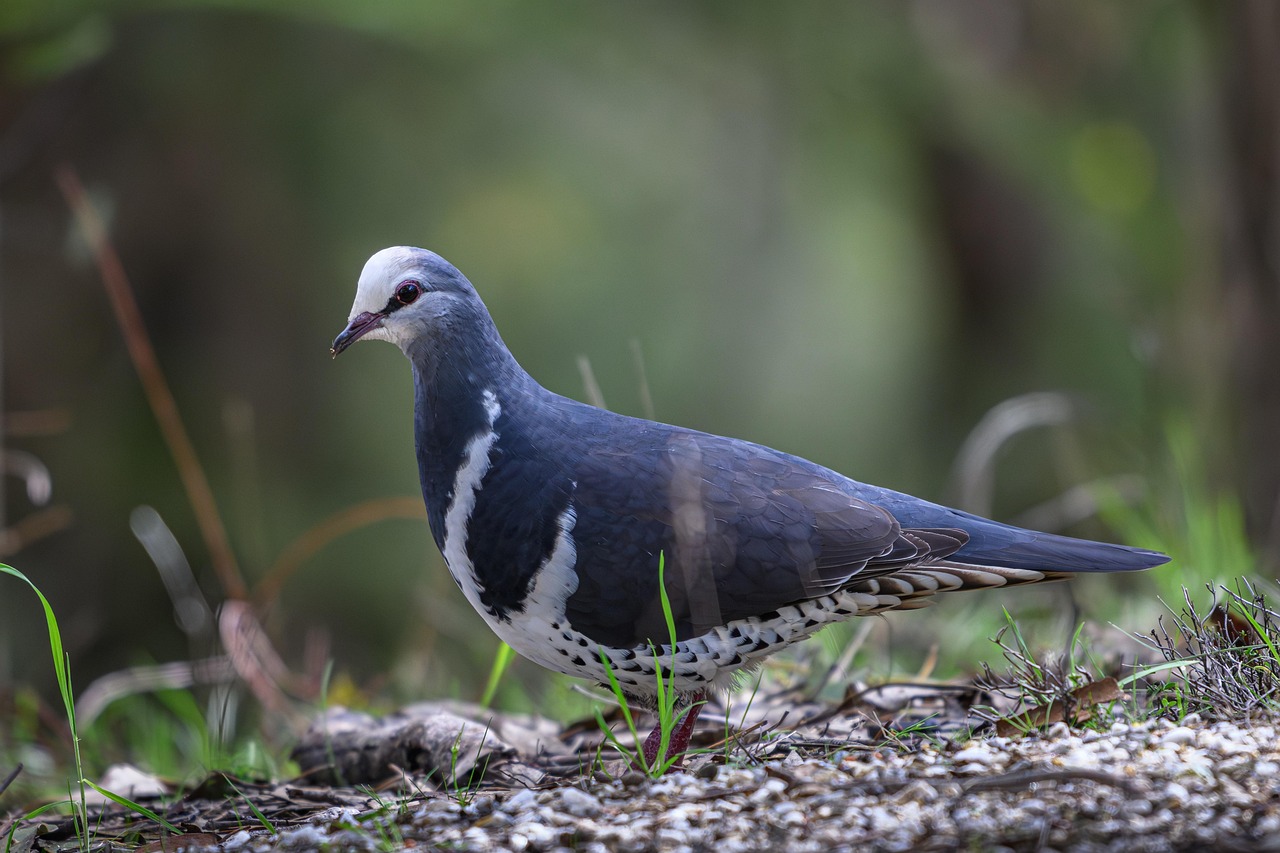
Posing your pigeon effectively is key to highlighting its best attributes for show presentation. Start by ensuring the bird is comfortable and relaxed; use treats or gentle handling to encourage natural postures. Capture images from multiple angles, including side profiles to show body structure and front views to display head features. Pay attention to details like feather alignment and eye clarity, as these can make or break a shot.
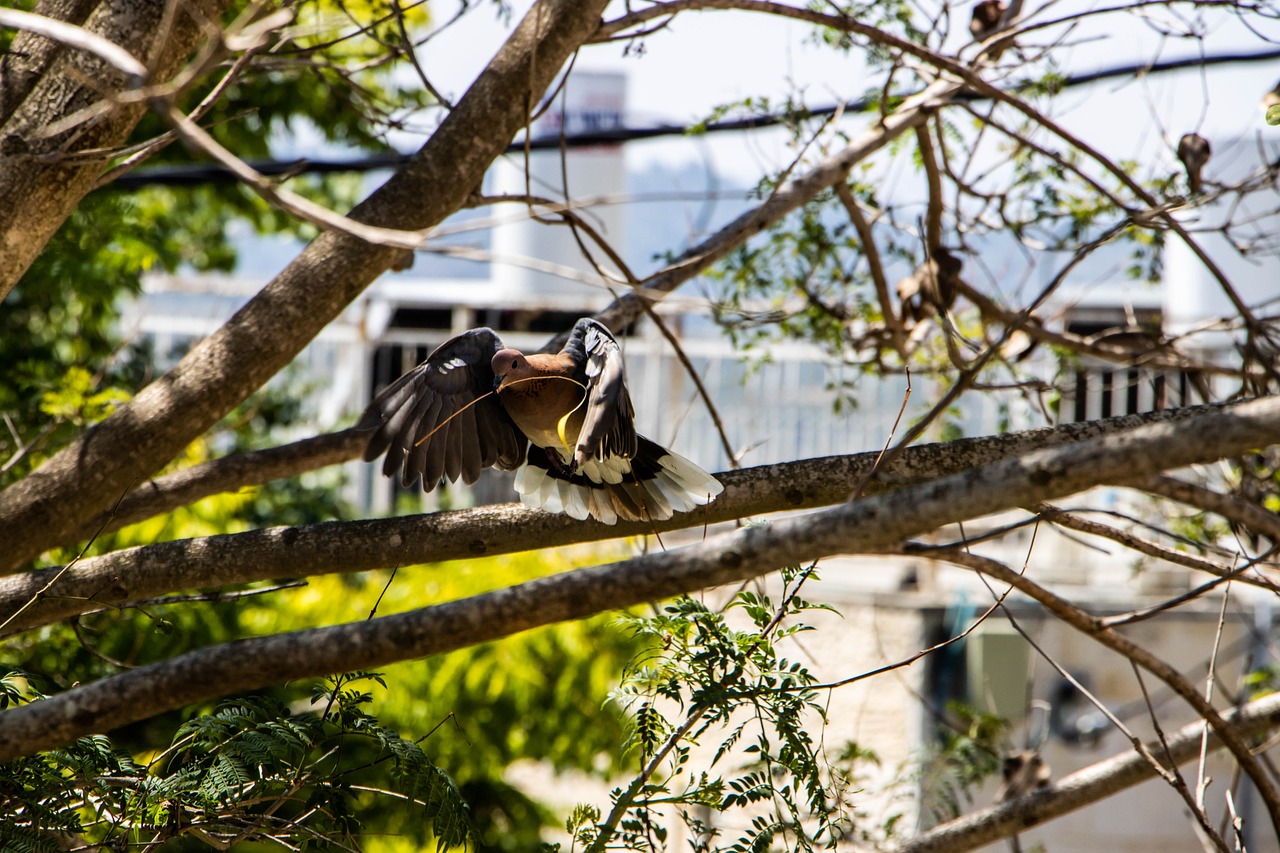
Composition involves framing the pigeon within the image to create balance and interest. Use the rule of thirds by placing the bird off-center, and include negative space to draw focus. For action shots, capture moments like flying or preening to add dynamism. Remember, the goal is to tell a story through your photos, showcasing the pigeon's personality and strengths. Practice regularly to develop an eye for what works, and review your images to identify areas for improvement in your show presentation.
Post-Processing and Editing Tips
Post-processing is an essential step in pigeon photography, allowing you to refine images for optimal show presentation. Use software like Adobe Lightroom or free alternatives to adjust exposure, contrast, and color balance, ensuring the pigeon's true colors are accurately represented. Avoid over-editing, which can make photos look unnatural; instead, aim for subtle enhancements that highlight details without altering the bird's appearance.
Focus on cropping to improve composition and removing minor distractions like dust or stray feathers. Sharpening tools can enhance feather texture, making images pop in online listings. Save edited photos in high-resolution formats for printing and web use. By mastering basic editing, you can transform good shots into great ones, boosting your pigeon's market appeal. Keep a consistent style across your portfolio to build a recognizable brand for your show presentation efforts.
Integrating Photography into Show Presentation
Once you have high-quality images, integrating them into your show presentation strategy is vital for maximizing impact. This section covers how to use photos in catalogs, online platforms, and live events, ensuring your pigeons stand out and attract attention. Think of photography as a continuous process that supports your overall marketing efforts.
Creating Compelling Show Catalogs
Show catalogs are a traditional yet effective way to present your pigeons, and photography plays a central role in their success. Include multiple images per bird, showcasing different angles and features, with captions that highlight key traits like breed standards or awards. Use high-resolution prints to ensure clarity, and organize the catalog logically, grouping birds by category or performance. This not only aids judges but also makes it easier for buyers to browse.
Incorporate your best photos into the catalog's design, using them as focal points to draw the eye. Add brief descriptions that complement the images, explaining why each pigeon is valuable. By creating a professional catalog, you enhance your show presentation, demonstrating commitment and expertise. Distribute these catalogs at events or share them digitally to reach a broader audience, leveraging photography to build your reputation in the pigeon community.
Leveraging Online Platforms for Exposure
Online platforms offer unparalleled opportunities for showcasing your pigeons through photography. Use websites, social media, and specialized forums to share images, engaging with potential buyers and fellow enthusiasts. Post regularly with high-quality photos, using hashtags like #pigeonphotography and #showpresentation to increase visibility. Include stories behind the birds, such as breeding history or show successes, to add context and interest.
Optimize your online presence by ensuring images load quickly and are mobile-friendly, as many users browse on phones. Encourage interactions by asking for feedback or hosting photo contests. This not only boosts engagement but also drives traffic to your listings, enhancing market value. By integrating photography into your digital strategy, you create a cohesive show presentation that resonates across platforms, turning viewers into customers. Monitor analytics to refine your approach based on what works best.
Conclusion
Mastering pigeon photography is a powerful way to enhance show presentation and elevate your birds' market value. By understanding its importance, using the right equipment, applying effective techniques, and integrating photos into your strategy, you can create compelling images that attract attention and command higher prices. Remember, consistency and practice are key to ongoing success. For tools to manage your pigeon portfolio and streamline your efforts, consider exploring Ghawy – Pigeon Manager (غاوي – إدارة الحمام), a friendly resource for enthusiasts. Start applying these tips today to see tangible improvements in your show outcomes and sales.