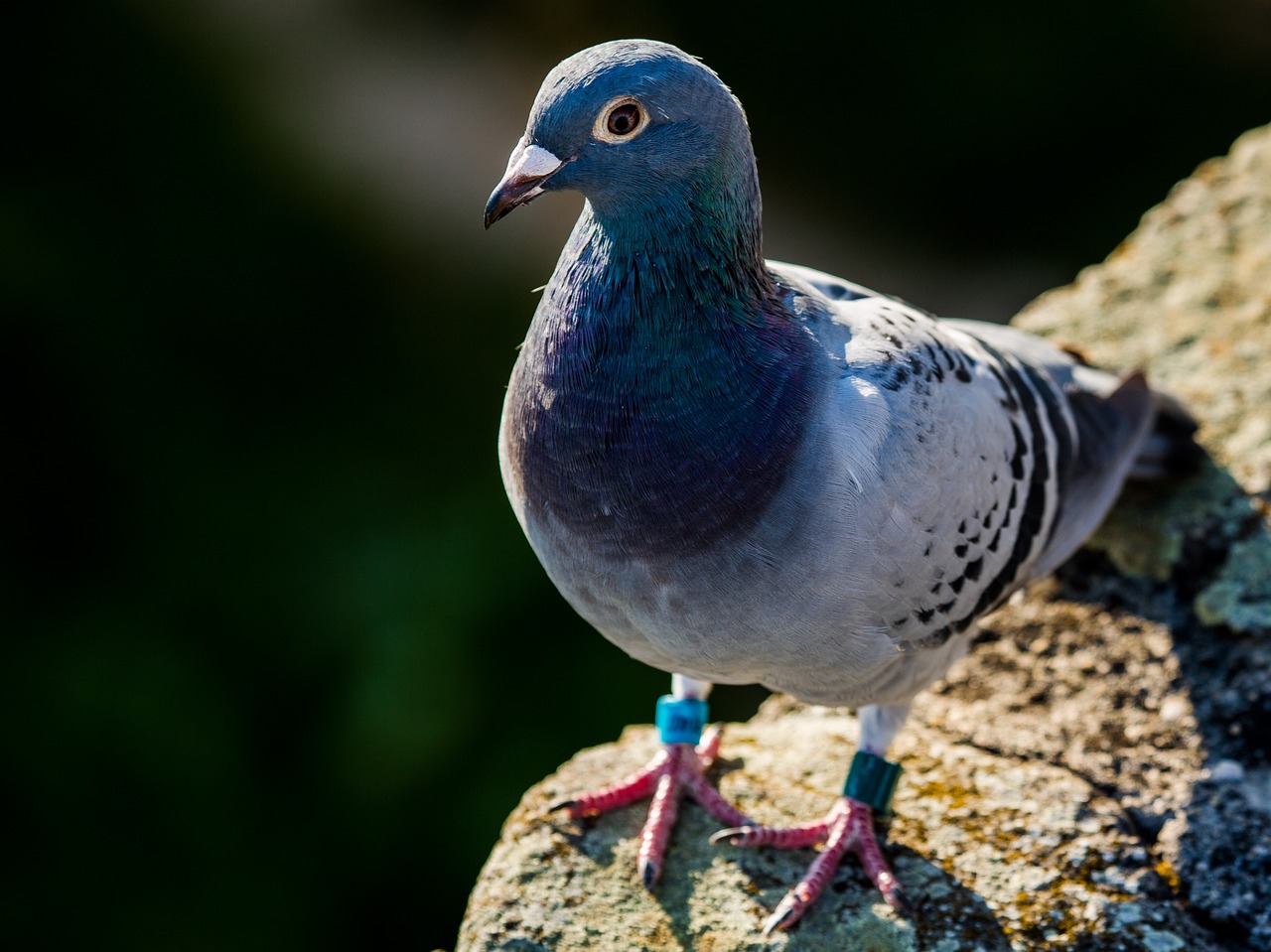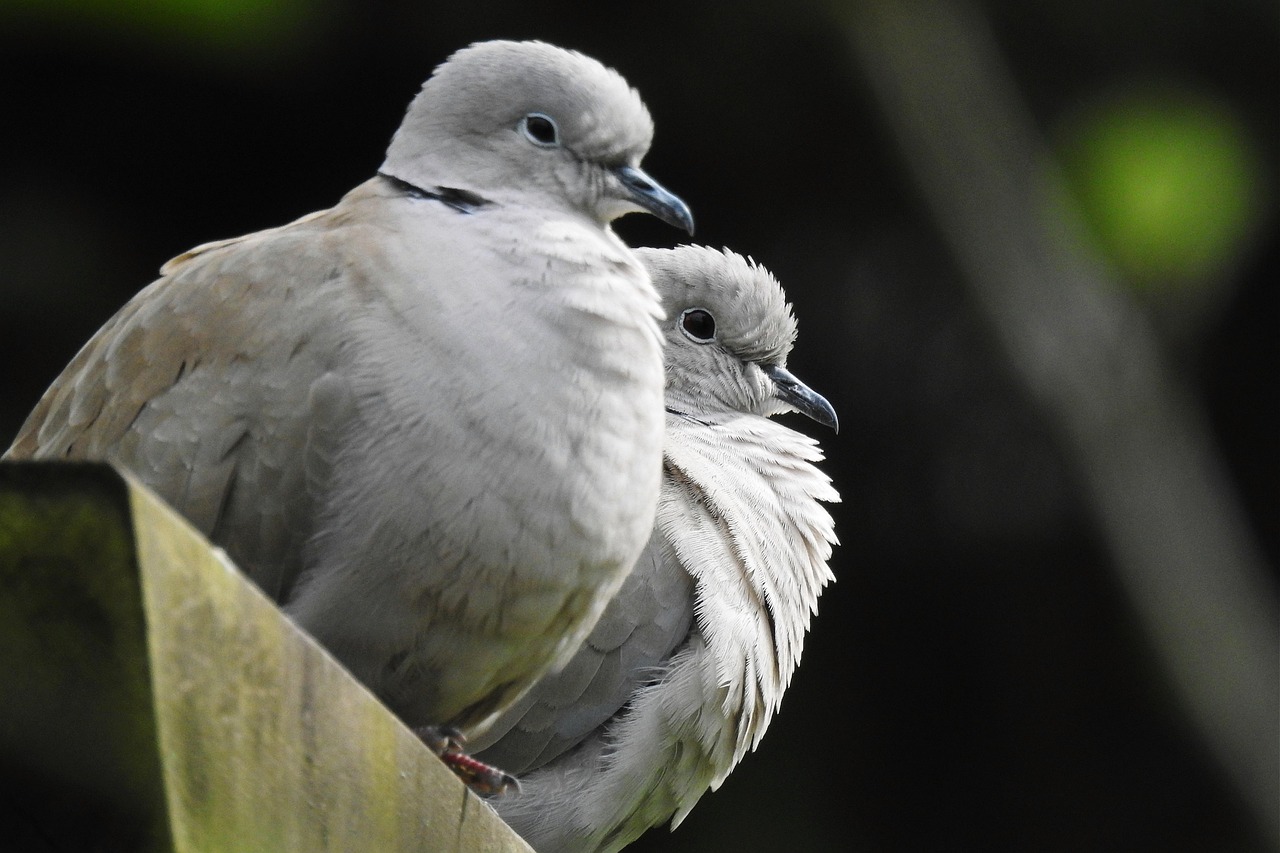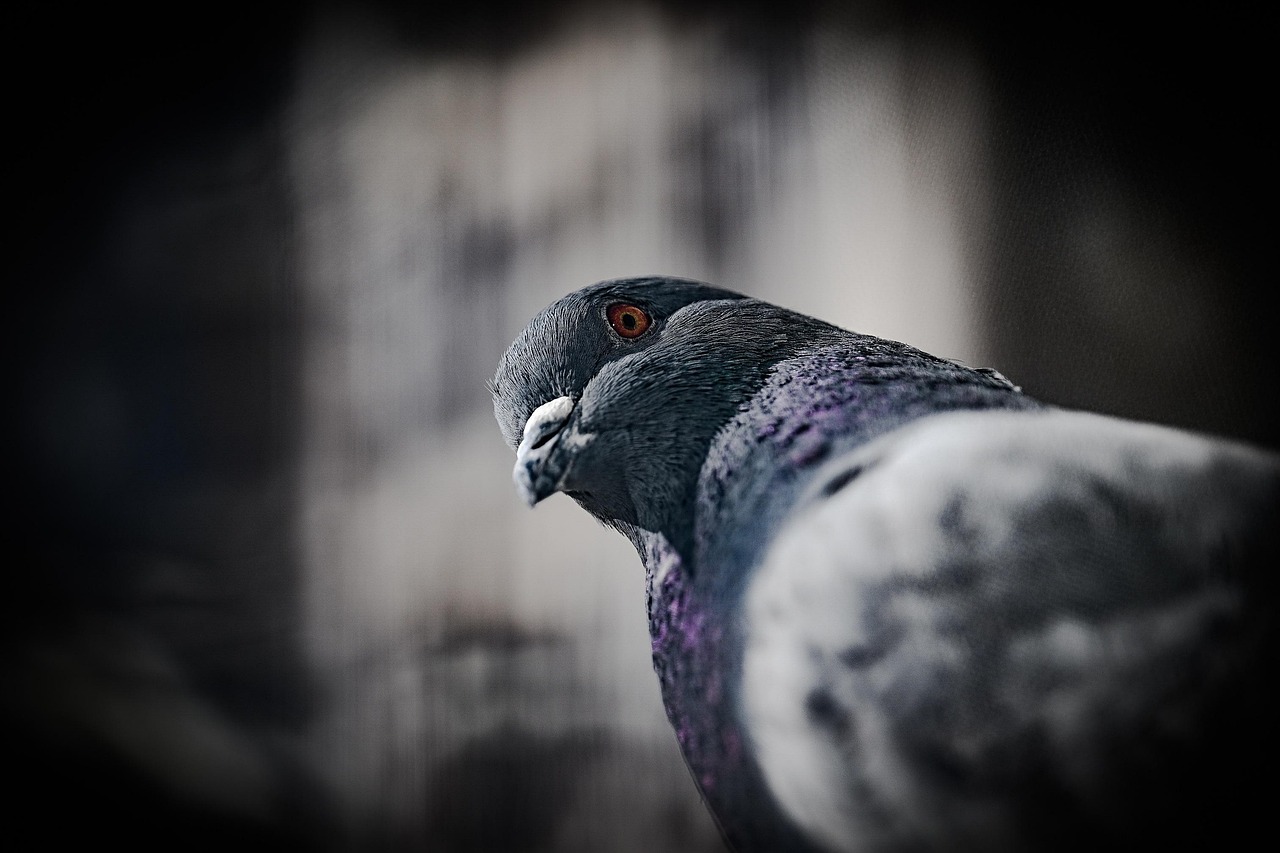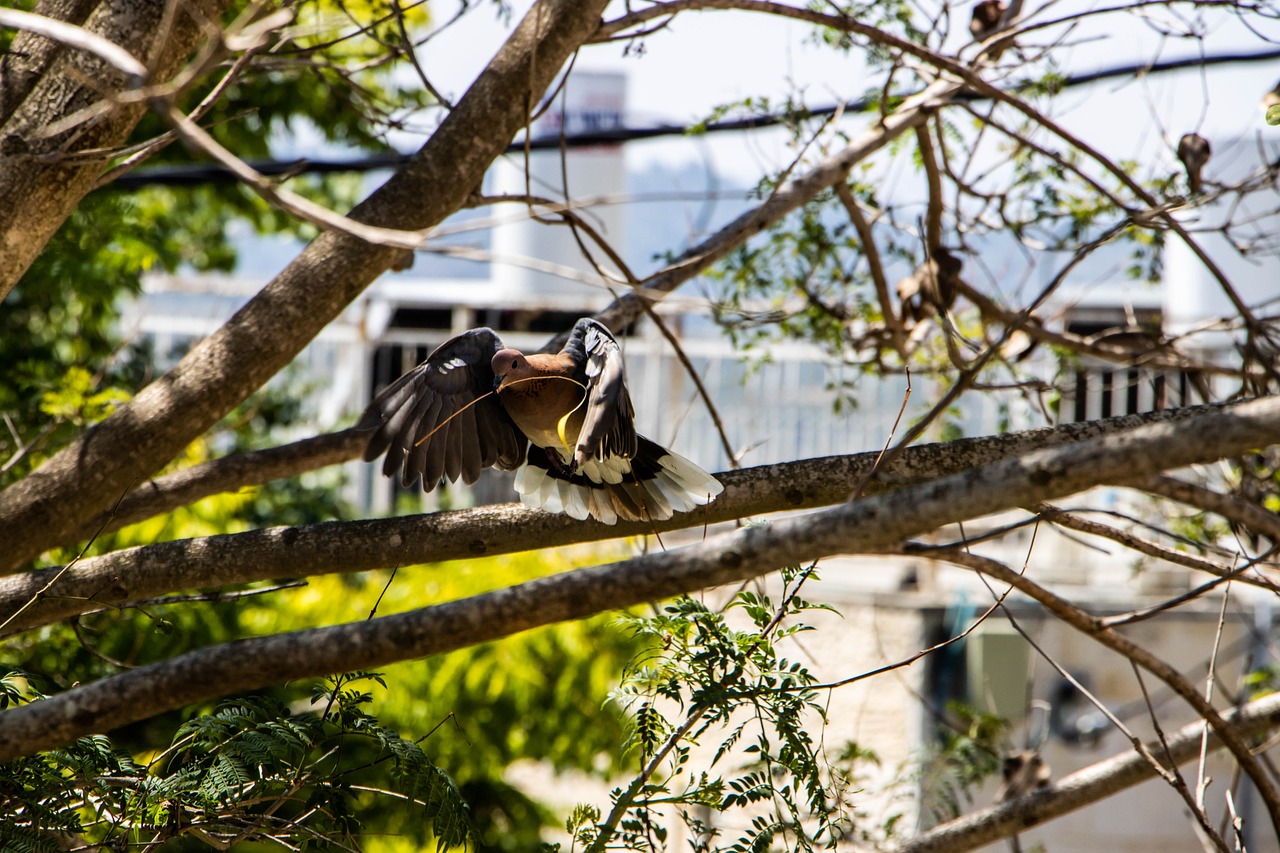
For pigeon enthusiasts, showcasing rare breeds is an art that demands precision and passion. The right equipment can transform a simple display into a breathtaking exhibition, highlighting the unique beauty and elegance of each bird. This guide delves into the essential tools and techniques for creating an optimal environment that accentuates the splendor of rare pigeon strains, ensuring they captivate judges and audiences alike.
The Foundation of Excellence: Crafting the Perfect Show Cage Setup
A well-designed show cage setup is more than just a container; it's a stage that frames your pigeon's finest attributes. It provides safety, comfort, and visibility, allowing the bird's natural grace to shine without distractions. Investing in quality materials and thoughtful design can make a significant difference in competitive settings, where every detail counts toward impressing evaluators.
Choosing the Right Cage Materials and Dimensions
Selecting appropriate materials for your show cage setup is crucial for both aesthetics and functionality. Opt for durable, non-toxic metals like stainless steel or powder-coated wire, which resist corrosion and ensure longevity. The cage should be spacious enough to allow the pigeon to move comfortably, typically measuring at least 24 inches in length, 18 inches in width, and 18 inches in height for standard breeds. Avoid overcrowding, as it can cause stress and obscure the bird's features. Additionally, consider cages with removable trays for easy cleaning, maintaining a hygienic environment that reflects well on your care standards.
Beyond basic dimensions, the design should include smooth edges and secure latches to prevent injuries and escapes. Many enthusiasts prefer cages with clear acrylic panels on the sides or front, offering unobstructed views while protecting the bird from external disturbances. Customizable options, such as adjustable perches and feeding stations, allow you to tailor the setup to your pigeon's specific needs, enhancing its posture and presentation during shows. Remember, a well-crafted cage not only showcases the bird but also demonstrates your dedication as a breeder.
Enhancing Visibility with Strategic Placement and Accessories
Strategic placement of the show cage setup within an exhibition hall can dramatically impact how your pigeon is perceived. Position the cage at eye level, around 4 to 5 feet high, to ensure it's easily viewable by judges and visitors. Avoid placing it near high-traffic areas or noisy equipment, as this can startle the bird and detract from its calm demeanor. Instead, choose a spot with moderate foot traffic where the pigeon can be admired without stress, allowing its natural behaviors to unfold gracefully.
Accessories play a vital role in complementing the cage and highlighting the pigeon's features. Use neutral-colored backdrops, such as soft gray or beige fabrics, to make the bird's plumage stand out without competing for attention. Incorporate natural elements like small branches or faux foliage to create a serene, habitat-like atmosphere that puts the pigeon at ease. Additionally, consider adding informational plaques or digital displays nearby to educate viewers about the breed's rarity and characteristics, fostering engagement and appreciation. These touches not only enhance the visual appeal but also tell a story about your passion for pigeon husbandry.
Illuminating Beauty: Advanced Lighting for Pigeons
Lighting for pigeons is a transformative element that can elevate a display from ordinary to extraordinary. Proper illumination highlights the intricate details of feathers, colors, and movements, creating a dynamic visual experience. By understanding the principles of light quality, direction, and intensity, you can craft an environment that showcases your rare breeds in their best light, literally and figuratively.
Selecting Optimal Light Sources and Color Temperatures
Choosing the right light sources is essential for effective lighting for pigeons. LED lights are highly recommended due to their energy efficiency, low heat emission, and customizable color temperatures. Aim for a color temperature between 5000K and 6500K, which mimics natural daylight and renders colors accurately, making the pigeon's plumage appear vibrant and true-to-life. Avoid incandescent bulbs, as they can generate excessive heat and alter color perception, potentially washing out subtle hues or creating unwanted shadows.
In addition to color temperature, consider the light's intensity and spread. Use diffusers or softboxes to create even, gentle illumination that minimizes harsh shadows and glare. Position lights at multiple angles, such as from above and the sides, to highlight different aspects of the bird, like the sheen on its feathers or the definition of its body structure. Dimmable controls allow you to adjust brightness based on the time of day or specific show requirements, ensuring the pigeon is always presented in flattering light. This attention to detail can make a significant impact in competitive settings, where visual appeal is paramount.
Implementing Dynamic Lighting Techniques for Engagement
Dynamic lighting techniques can add an extra layer of sophistication to your display, captivating audiences and enhancing the pigeon's presence. Incorporate adjustable spotlights to create focal points, drawing attention to key features such as the bird's head crest or tail feathers. Use subtle color-changing LEDs in the background to evoke different moods, like warm tones for a cozy feel or cool blues for a modern aesthetic, but ensure they don't overpower the main lighting for pigeons. Timing is also crucial; consider programming lights to gradually brighten or dim, simulating natural dawn or dusk, which can soothe the bird and create a mesmerizing visual rhythm.
For interactive exhibits, integrate motion-activated lights that respond to the pigeon's movements, highlighting its agility and grace in real-time. This not only engages viewers but also encourages the bird to display its natural behaviors, such as preening or strutting. Always prioritize the pigeon's well-being by avoiding strobe effects or overly bright flashes that could cause stress. Test your lighting setup thoroughly before shows to ensure it's both effective and safe, refining it based on feedback from peers or previous exhibitions. With these techniques, you can transform a static display into an immersive experience that celebrates the rarity and beauty of your pigeons.
Integrating Setup and Lighting for Cohesive Displays
Combining show cage setup and lighting for pigeons into a seamless system requires careful planning and experimentation. A cohesive display harmonizes these elements to create a unified aesthetic that enhances the bird's appeal without overwhelming it. By aligning the cage's design with the lighting strategy, you can craft an environment that feels natural and inviting, allowing the pigeon's unique traits to take center stage.
Balancing Aesthetics and Functionality in Design
To achieve balance, start by considering how the cage and lighting interact visually. Choose cage materials that complement the lighting; for example, metallic finishes can reflect light beautifully, while matte surfaces reduce glare. Ensure that lighting fixtures are integrated discreetly, perhaps mounted on the cage frame or adjacent structures, to maintain a clean, professional look. The goal is to create a setup where the equipment supports the pigeon's presentation without becoming a distraction, allowing viewers to focus solely on the bird's elegance.
Functionality is equally important; the setup should facilitate easy access for maintenance and bird handling. Design lighting controls to be user-friendly, with remote or automated options that allow adjustments without disturbing the pigeon. Incorporate features like adjustable heights or modular components, enabling you to adapt the display for different breeds or show venues. Regularly assess the integration by observing the pigeon's behavior; if it appears stressed or uncomfortable, tweak the elements until it seems relaxed and confident. This iterative process ensures that both aesthetics and practicality are optimized for success.
Showcasing Rare Breeds with Tailored Environments
Tailoring your display to specific rare breeds can elevate their presentation and highlight their unique characteristics. Research the breed's history and natural habitat to inform your choices; for instance, a breed known for iridescent feathers might benefit from directional lighting that enhances shimmer, while a larger breed may require a more spacious show cage setup to accommodate its size. Use lighting to accentuate distinctive traits, such as soft backlighting to outline a pigeon's silhouette or focused beams to illuminate intricate feather patterns.
Consider the emotional impact of your display; rare breeds often have storied backgrounds that can be conveyed through thoughtful design. Incorporate elements that reflect the breed's origin, like subtle cultural motifs in the cage decor or lighting colors that evoke its native environment. This not only educates viewers but also creates a deeper connection to the pigeon's rarity. Test different configurations in practice sessions, soliciting feedback from fellow enthusiasts to refine your approach. By customizing the environment, you demonstrate a high level of expertise and care, setting your display apart in competitive circles.
Practical Tips for Maintenance and Show Day Success
Maintaining your equipment and preparing for show days are critical steps in ensuring consistent, high-quality presentations. Regular upkeep preserves the functionality and appearance of your show cage setup and lighting for pigeons, while thorough planning minimizes stress and maximizes impact during exhibitions. By adopting proactive habits, you can focus on showcasing your birds with confidence and flair.
Routine Care and Cleaning Protocols
Establish a routine care schedule to keep your equipment in top condition. Clean the show cage setup after each use, removing debris and sanitizing surfaces with bird-safe disinfectants to prevent disease transmission. Inspect wires, latches, and lighting fixtures for wear and tear, replacing any damaged components promptly to avoid malfunctions during shows. For lighting systems, dust bulbs and diffusers regularly to maintain brightness and clarity, and check electrical connections for safety. Store equipment in a dry, protected area when not in use to extend its lifespan and ensure it's ready for impromptu displays.
Involve your pigeons in the maintenance process by acclimating them to the setup during non-show times. Allow them to explore the cage and experience the lighting in a low-stress environment, which can reduce anxiety on show days. Keep a log of maintenance activities and any adjustments made, helping you track what works best for different breeds or situations. This disciplined approach not only safeguards your investment but also reinforces your reputation as a meticulous and responsible enthusiast.
Pre-Show Preparation and On-Site Strategies
Effective pre-show preparation begins weeks in advance, with thorough checks of all equipment. Assemble a checklist that includes packing the show cage setup, lighting kits, tools for adjustments, and backup supplies like extra bulbs or batteries. Practice setting up and dismantling the display at home to streamline the process on-site, aiming for efficiency without rushing. Coordinate with show organizers to understand venue specifications, such as power availability or space constraints, and plan accordingly to avoid last-minute surprises.
On show day, arrive early to set up in a calm, methodical manner. Position your display strategically, considering sightlines and proximity to other exhibitors to minimize distractions. Test the lighting for pigeons thoroughly, making fine-tuned adjustments based on the ambient light in the hall. Stay attentive to your pigeon's condition, providing water and rest breaks as needed, and be prepared to adapt if issues arise, such as changing light conditions or unexpected noises. Engage with judges and visitors confidently, sharing insights about your rare breed and the thought behind your display. This proactive approach ensures a smooth, successful exhibition that highlights your hard work and dedication.
Conclusion
Mastering the art of showcasing rare pigeon breeds involves a harmonious blend of show cage setup and lighting for pigeons, transforming simple displays into captivating exhibitions. By focusing on quality materials, strategic design, and dynamic illumination, you can highlight the unique beauty of each bird while ensuring their comfort and well-being. Remember, the goal is to create an environment that tells a story and engages audiences, elevating your passion into a professional presentation. For those looking to streamline their pigeon management and enhance their breeding programs, consider exploring tools like Ghawy – Pigeon Manager (غاوي – إدارة الحمام) to support your journey. With dedication and creativity, you can set new standards in the world of pigeon showing, celebrating the rarity and elegance of these magnificent birds.