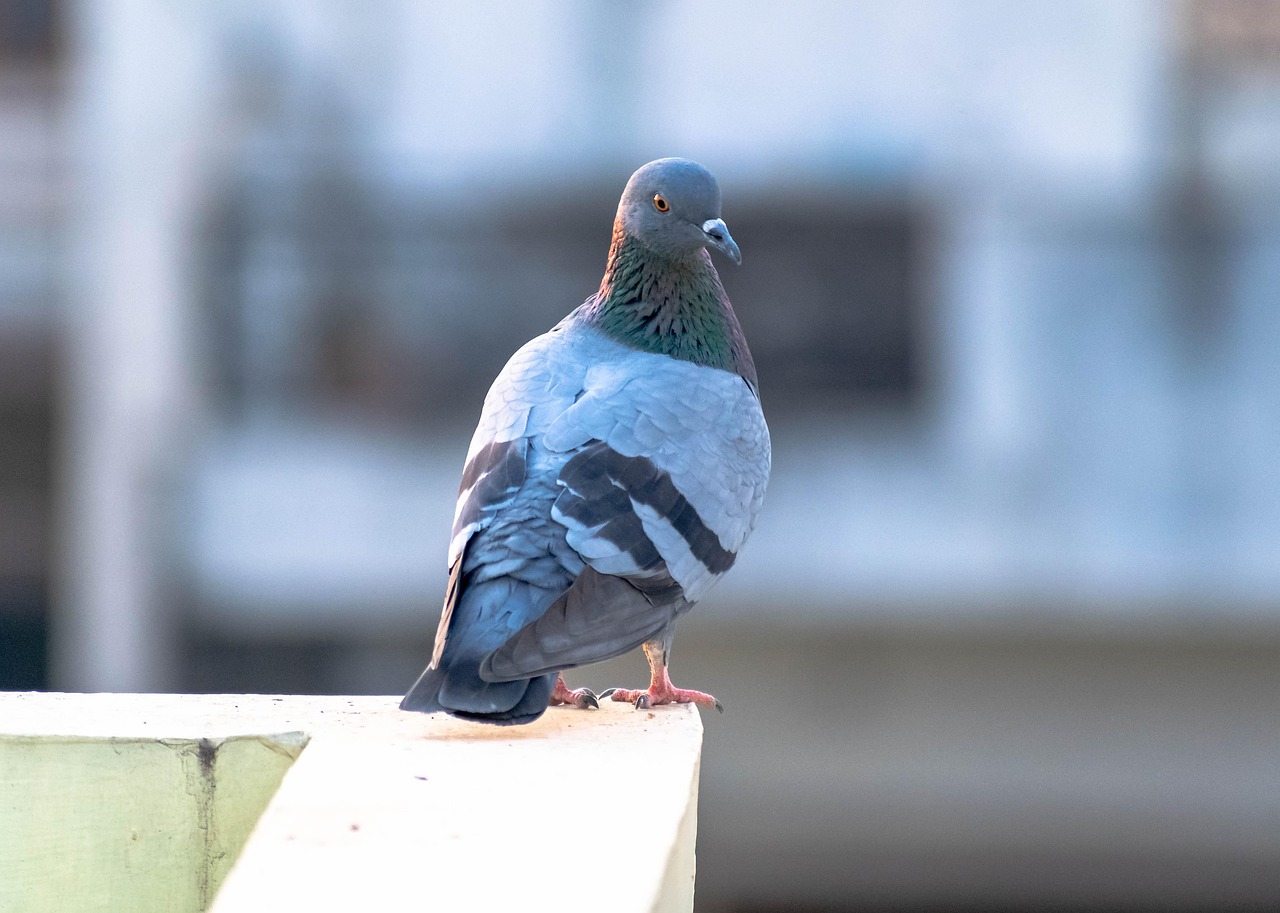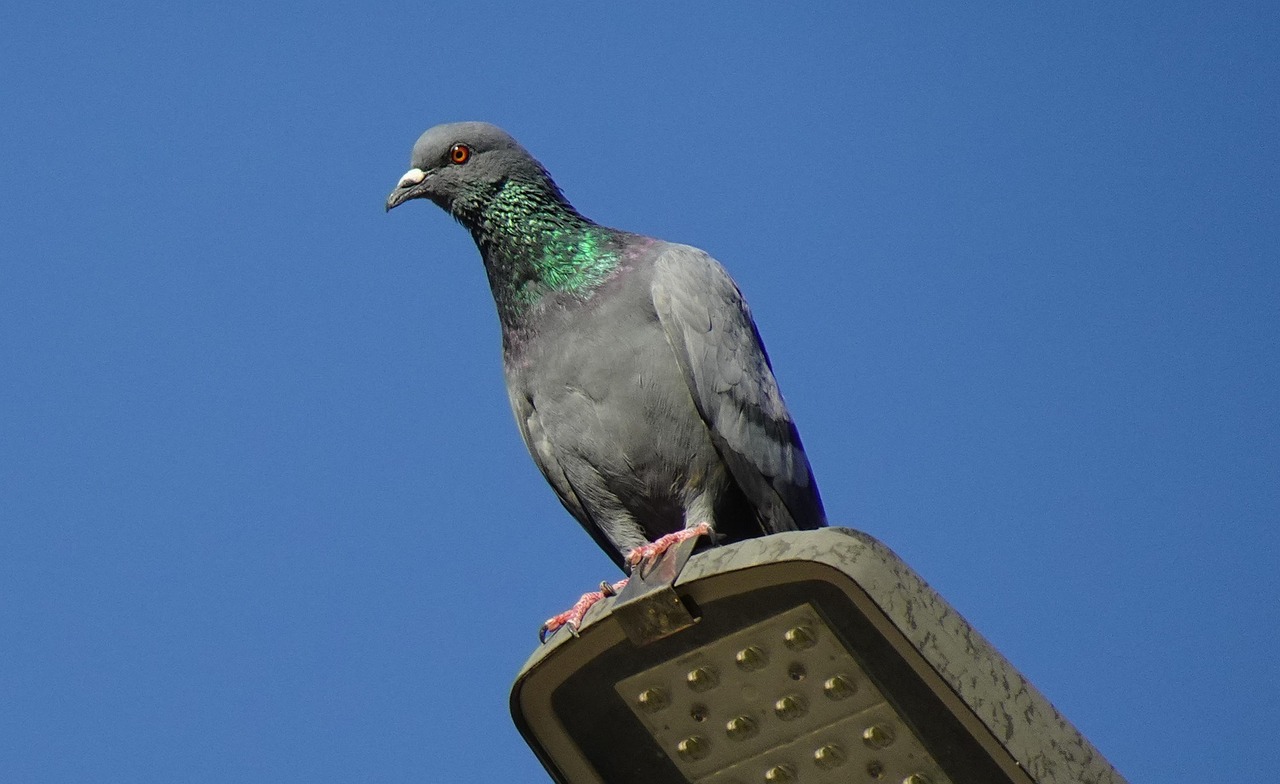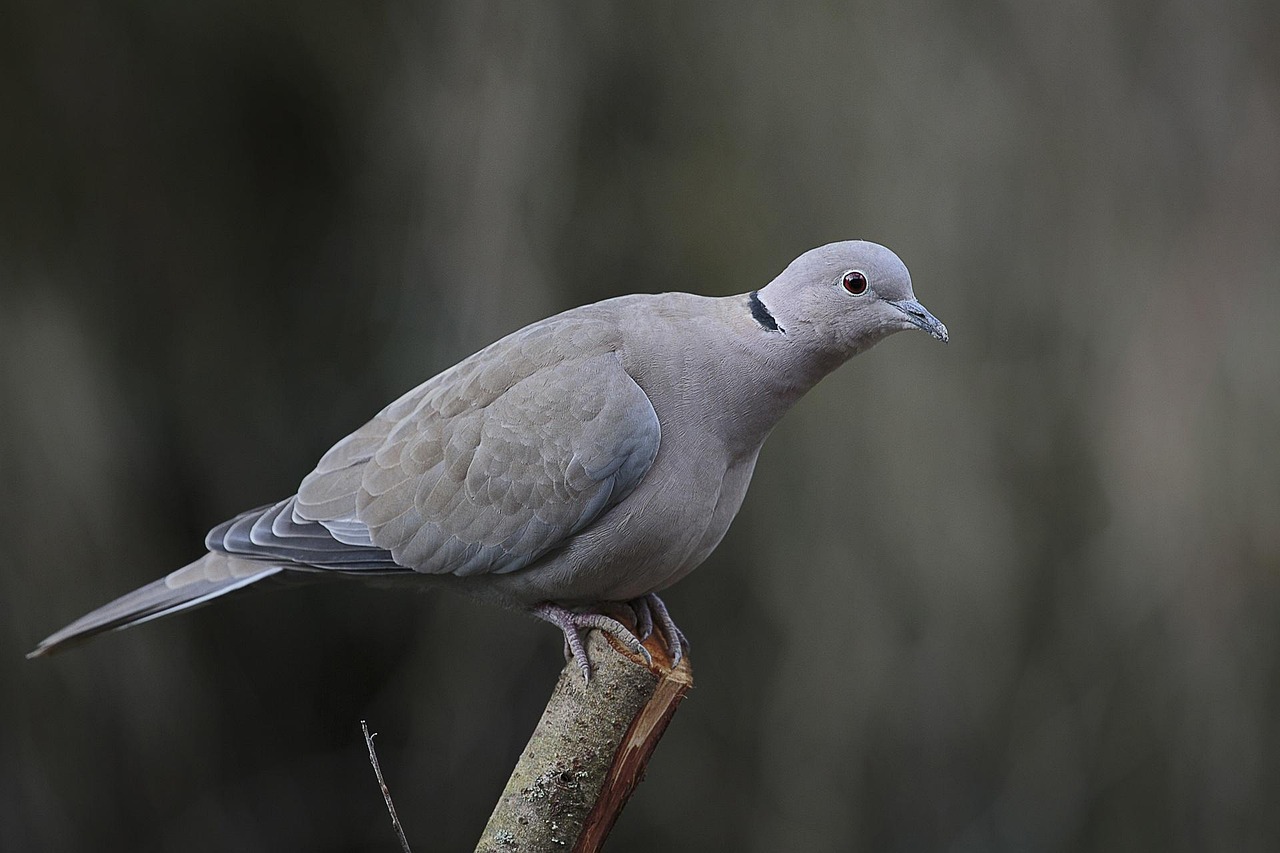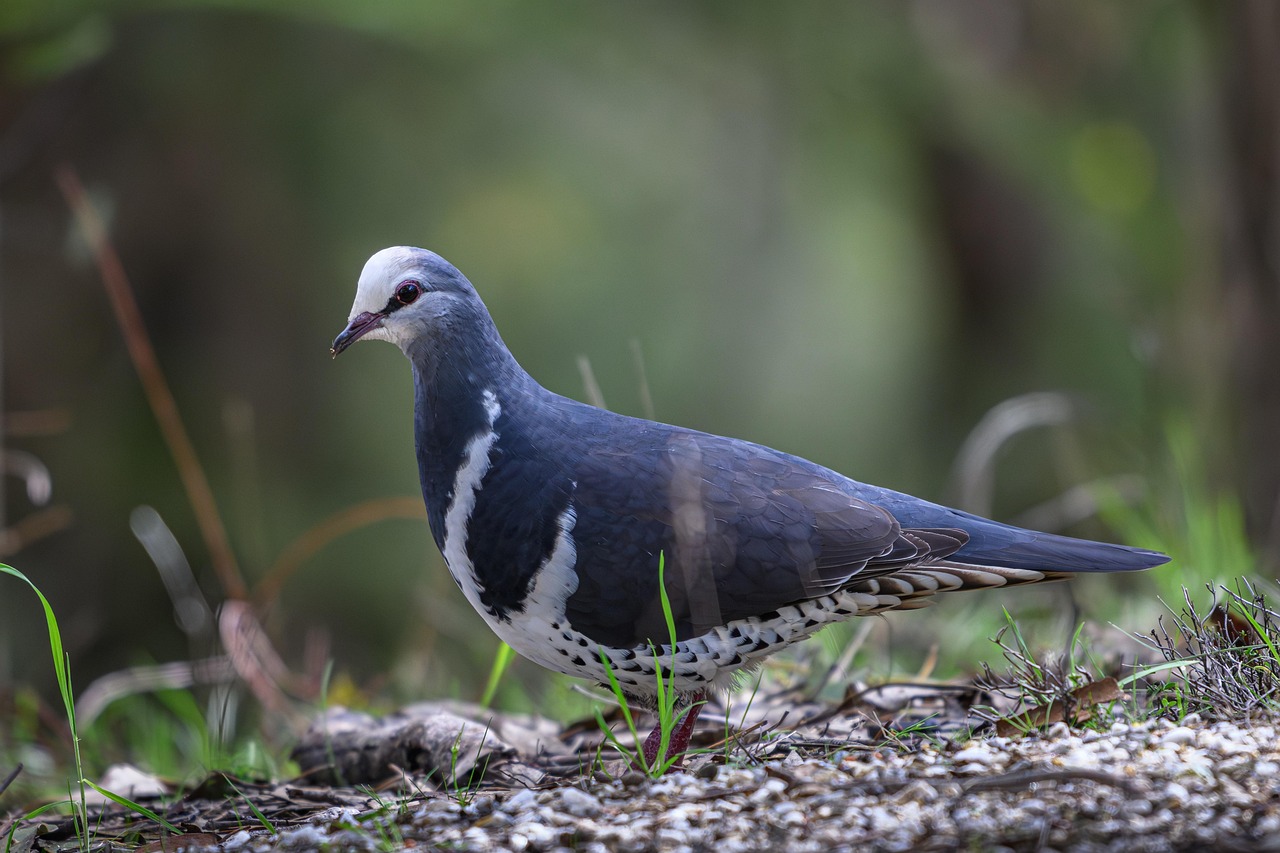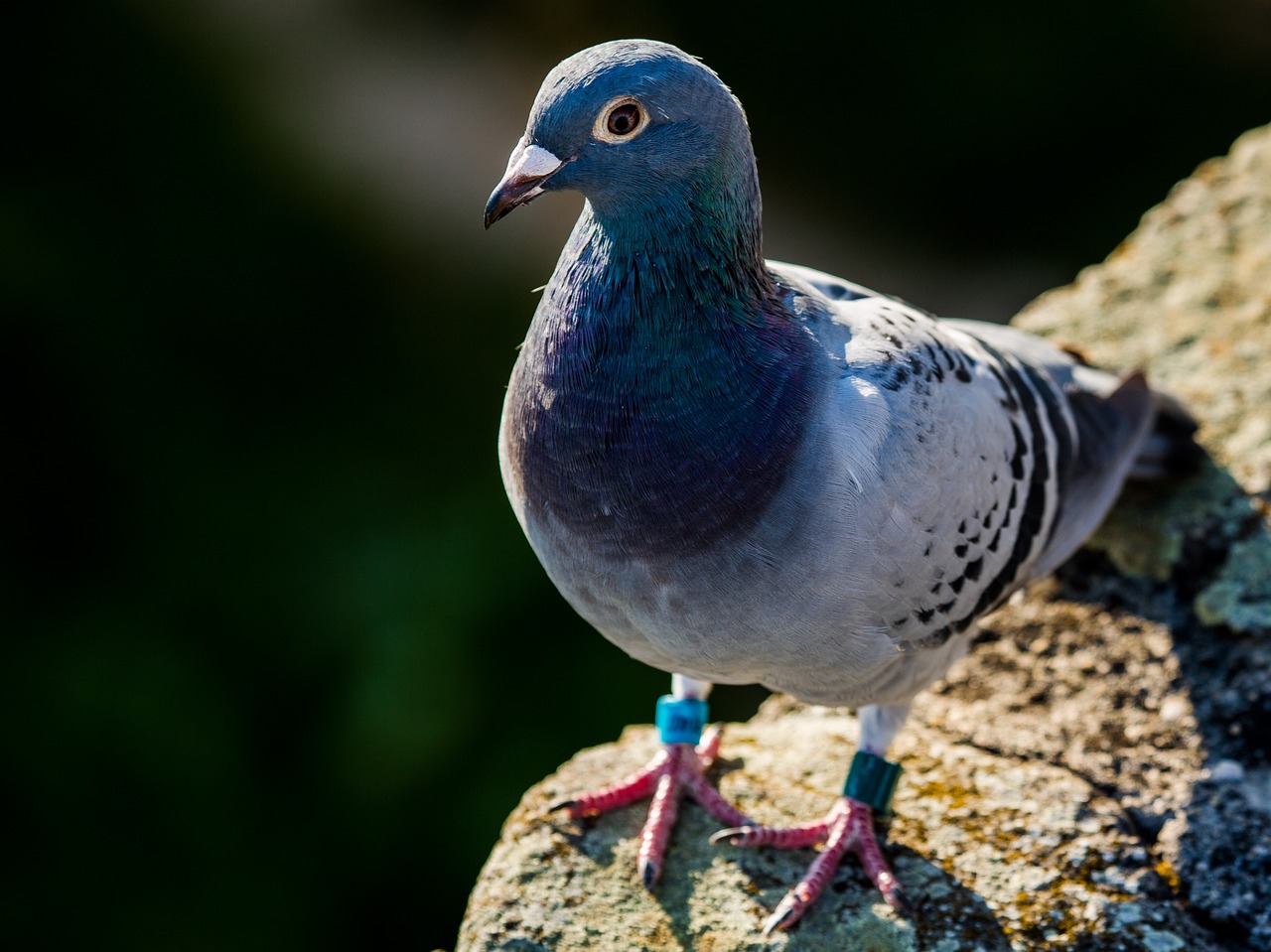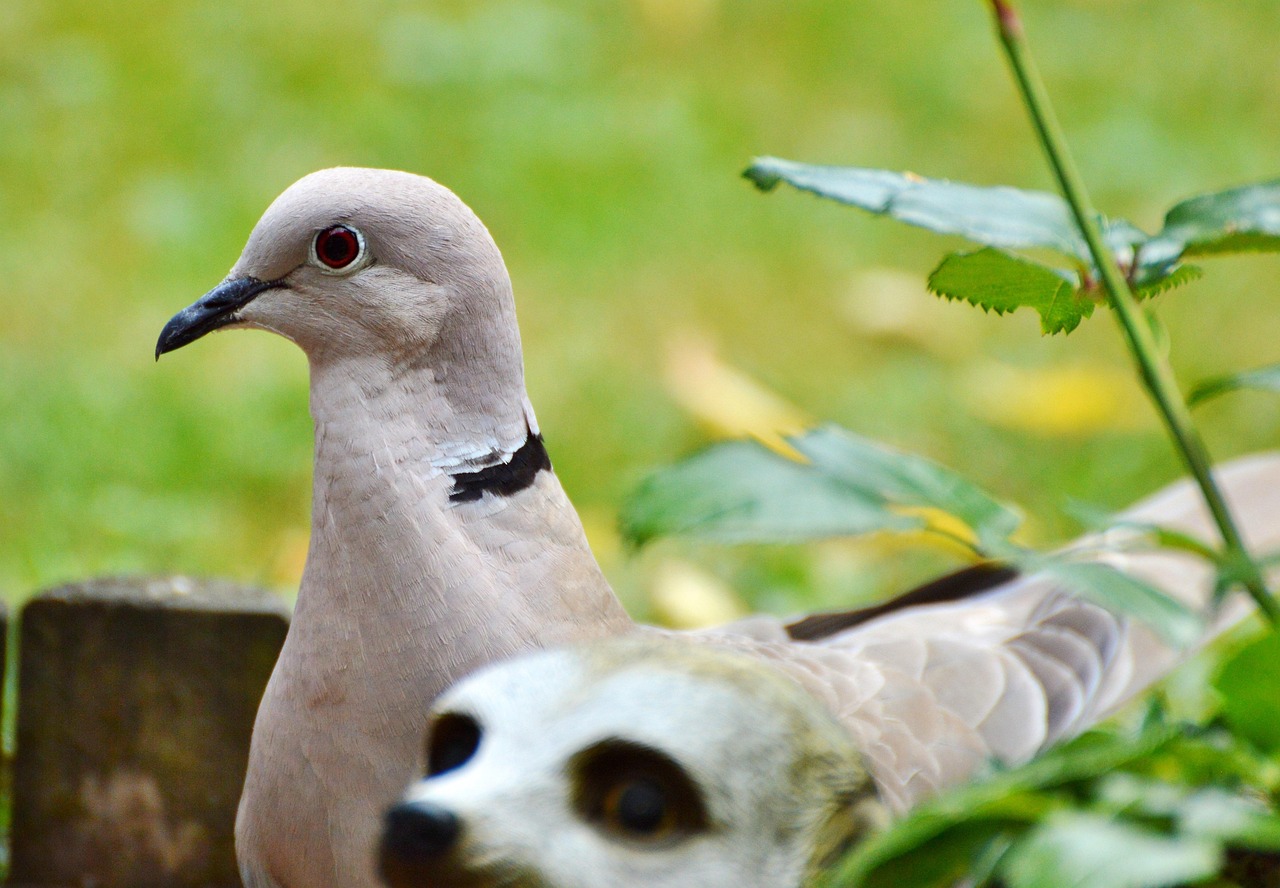
In the competitive world of pigeon shows, a stunning photograph can be the difference between a bird blending in and one that commands attention and value. This guide delves into the art of pigeon photography, offering expert techniques to capture your bird's best angles and enhance its market appeal through professional show presentation. By mastering these skills, you can transform how your pigeons are perceived, potentially increasing their worth and recognition in the enthusiast community.
Understanding the Importance of Pigeon Photography
Pigeon photography is not just about taking pictures; it's a strategic tool for showcasing the unique qualities of your birds. In show presentation, a well-captured image can highlight features like plumage, posture, and health, making your pigeon stand out to judges and buyers. This section explores why investing time in photography is crucial for anyone serious about elevating their pigeons' market value.
The Role of Visuals in Show Presentation
Visuals play a pivotal role in show presentation, as they provide the first impression of your pigeon to potential buyers and judges. A high-quality photograph can convey details that might be missed in person, such as the sheen of feathers or the intensity of eye color. By focusing on pigeon photography, you create a portfolio that tells a story of excellence, making your birds more desirable and easier to market. This approach helps build a reputation for quality, which can translate into higher prices and increased demand.
Moreover, in today's digital age, most pigeon transactions and show entries begin online, where images are the primary means of evaluation. A professional photo can set your bird apart from competitors, attracting attention and fostering trust. It's essential to treat pigeon photography as an integral part of your breeding and showing strategy, not just an afterthought. By doing so, you ensure that every aspect of your pigeon's presentation is optimized for success.
Key Elements of Effective Pigeon Photography
Effective pigeon photography hinges on several key elements that work together to create compelling images. First, lighting is critical; natural light often yields the best results, as it brings out the true colors and textures of the feathers without harsh shadows. Position your pigeon in a well-lit area, preferably during the golden hours of early morning or late afternoon, to capture soft, flattering light. This enhances the bird's features and makes for a more appealing show presentation.
Second, composition and background matter greatly. Use a clean, uncluttered background that doesn't distract from the pigeon, such as a neutral-colored wall or a simple outdoor setting. Frame the shot to highlight the bird's best attributes, like its head crest or wing span. Additionally, patience is key; wait for the pigeon to assume a natural, confident pose that reflects its breed standards. By mastering these elements, you can produce images that not only look professional but also accurately represent your pigeon's quality, boosting its market value through superior show presentation.
Essential Equipment for Pigeon Photography
To excel in pigeon photography, having the right equipment is essential. While you don't need the most expensive gear, investing in a few key tools can significantly improve your results. This section covers the basics, from cameras to accessories, helping you set up for success in capturing stunning images for show presentation.
Choosing the Right Camera and Lenses
When selecting a camera for pigeon photography, consider a DSLR or mirrorless model with manual controls, as they offer greater flexibility in adjusting settings like aperture and shutter speed. A camera with a high-resolution sensor ensures sharp, detailed images that can be enlarged for prints or online displays. For lenses, a macro lens is ideal for close-up shots that capture intricate feather details, while a standard zoom lens works well for full-body portraits. These tools allow you to adapt to different shooting scenarios, enhancing your show presentation by providing varied perspectives.
In addition to the camera body, invest in a sturdy tripod to eliminate camera shake and ensure consistent framing, especially in low-light conditions. A remote shutter release can also be helpful for minimizing movement when taking shots. Remember, the goal is to produce clear, high-quality images that showcase your pigeon's attributes without distortion. By choosing equipment that suits your needs and budget, you can build a reliable setup for effective pigeon photography, ultimately supporting better show presentation and increased market value.
Accessories to Enhance Your Shots
Beyond the camera and lenses, several accessories can elevate your pigeon photography. Lighting equipment, such as a softbox or reflector, can help control shadows and highlight your bird's features, even in indoor settings. These tools are particularly useful for creating a professional look in show presentation, as they ensure even illumination that brings out the best in your pigeon. Additionally, consider using a backdrop stand and seamless paper to create a clean, consistent background that focuses attention on the bird.
Other useful accessories include a grooming kit to prepare your pigeon before the shoot, ensuring its feathers are clean and well-arranged. A perch or stand can help position the bird comfortably, allowing for natural poses that enhance the overall image. By incorporating these accessories into your workflow, you streamline the photography process and produce higher-quality results. This attention to detail not only improves your pigeon photography but also reinforces a professional image in show presentation, making your birds more attractive to potential buyers.
Techniques for Capturing Stunning Pigeon Photos
Mastering specific techniques is crucial for taking stunning pigeon photos that enhance show presentation. This section provides actionable tips on posing, lighting, and editing, helping you create images that truly showcase your bird's value.
Posing and Handling Your Pigeon
Posing your pigeon correctly is a fundamental aspect of pigeon photography that directly impacts show presentation. Start by handling the bird gently to keep it calm and cooperative; a stressed pigeon will not photograph well. Use treats or familiar objects to encourage natural behaviors, such as perching or preening, which can result in dynamic and engaging shots. Position the bird to highlight its breed-specific features, like a puffed chest or extended wings, ensuring the pose aligns with show standards.
It's also important to consider the angle of the shot. Shoot from the bird's eye level to create a connection with the viewer, and experiment with different perspectives, such as overhead or side views, to capture unique aspects. Practice patience, as pigeons may need time to settle into a pose. By developing these handling and posing skills, you can produce images that not only look professional but also accurately represent your pigeon's qualities, boosting its appeal in show presentation and market value.
Lighting and Composition Strategies
Lighting and composition are key components of successful pigeon photography. For lighting, aim for soft, diffused light that minimizes harsh shadows and highlights the bird's textures. If shooting indoors, use window light or artificial sources with modifiers to achieve this effect. In outdoor settings, take advantage of overcast days or shaded areas to avoid direct sunlight that can cause glare. Proper lighting enhances the details in feathers and eyes, making for a more compelling show presentation.
In terms of composition, apply the rule of thirds by placing your pigeon off-center to create a balanced and interesting image. Use leading lines, such as perches or backgrounds, to draw attention to the bird. Additionally, focus on the eyes to convey personality and vitality. By combining effective lighting with thoughtful composition, you can create photos that stand out in pigeon photography, ultimately improving your show presentation and helping to raise your bird's market value through visually appealing imagery.
Editing and Presenting Your Pigeon Photos
After capturing your images, editing and presentation are vital steps in pigeon photography that refine your work for show presentation. This section covers basic editing techniques and best practices for showcasing your photos to maximize impact.
Basic Editing Tips for Enhancement
Editing your pigeon photos can significantly enhance their quality for show presentation. Start with basic adjustments like cropping to improve composition and remove distractions. Adjust brightness, contrast, and saturation to ensure colors are vibrant and true to life, but avoid over-editing that makes the image look unnatural. Sharpening can help bring out feather details, while noise reduction is useful for shots taken in low light. Use software like Adobe Lightroom or free alternatives to apply these edits consistently across your portfolio.
It's also important to maintain a consistent style in your edits to create a cohesive look for your pigeon photography. This professionalism reflects well on your brand and makes your birds more appealing in show presentation. Remember, the goal of editing is to enhance, not alter, the natural beauty of your pigeon. By mastering these basic techniques, you can produce polished images that highlight your bird's best features, supporting a stronger market presence and higher value.
Showcasing Your Photos for Maximum Impact
Once edited, showcasing your pigeon photos effectively is crucial for show presentation. Create a digital portfolio or gallery on your website or social media, organizing images by breed or show category. Use high-resolution files for online displays to ensure clarity, and consider printing select photos for physical shows or marketing materials. When presenting, include captions that highlight key attributes, such as breed name, awards, or unique features, to provide context and engage viewers.
Additionally, leverage platforms like Instagram or Facebook to share your pigeon photography, using relevant hashtags like #pigeonphotography and #showpresentation to reach a wider audience. Engage with the community by participating in online forums or groups, where you can showcase your work and gain feedback. By presenting your photos strategically, you not only enhance your show presentation but also build a reputation for quality, which can lead to increased interest and higher market value for your pigeons. For those looking to streamline their efforts, tools like Ghawy – Pigeon Manager (غاوي – إدارة الحمام) offer integrated solutions for managing and presenting your pigeon portfolio with ease.
Conclusion
Mastering pigeon photography is a powerful way to elevate your birds' show presentation and market value. By understanding the importance of visuals, investing in the right equipment, applying effective techniques, and refining your edits, you can create stunning images that capture attention and convey quality. Remember, consistency and professionalism in your approach will set you apart in the competitive world of pigeon shows. Start implementing these strategies today to see a tangible impact on your success, and consider using resources like Ghawy – Pigeon Manager (غاوي – إدارة الحمام) to enhance your workflow and presentation efforts.