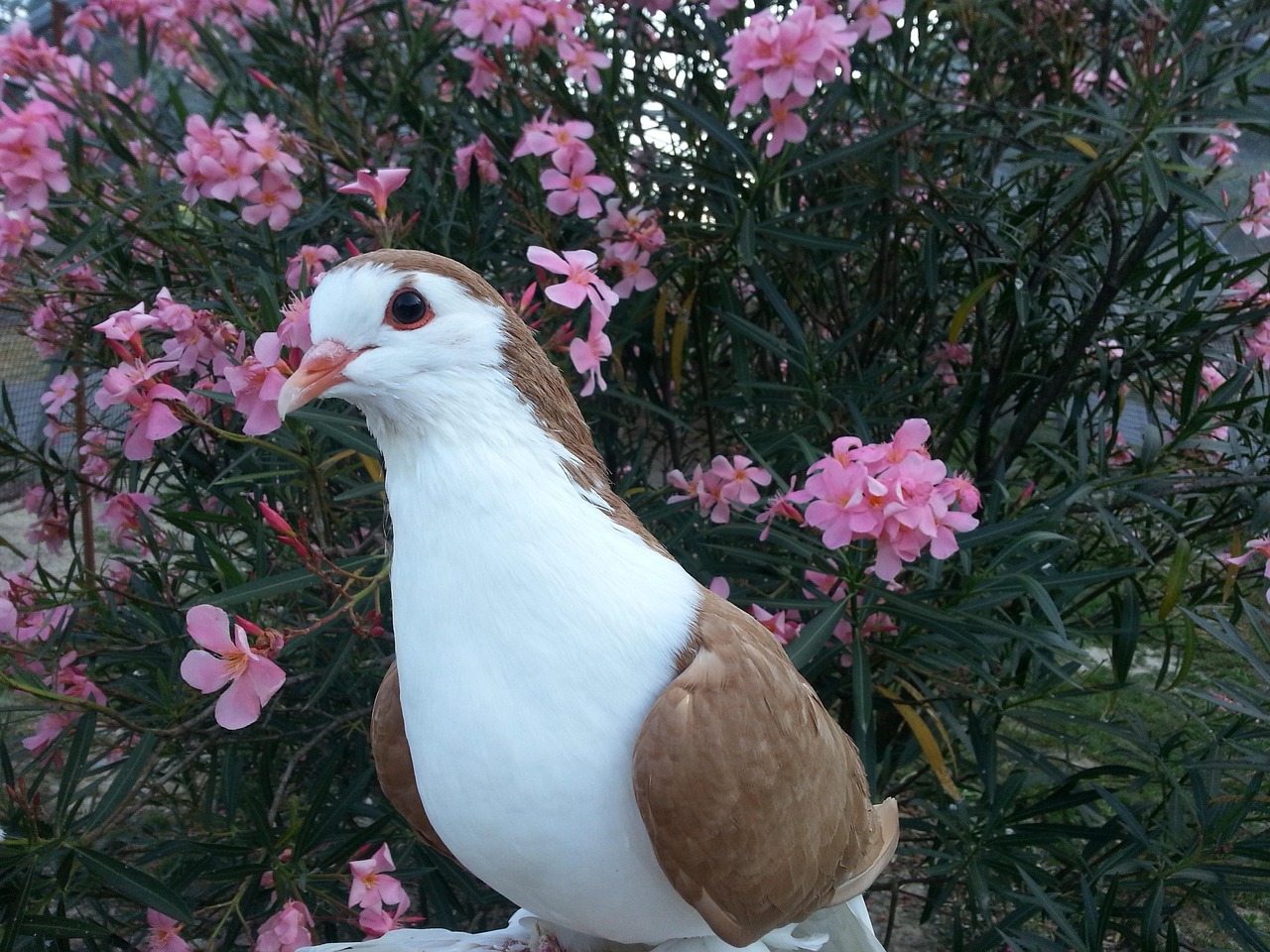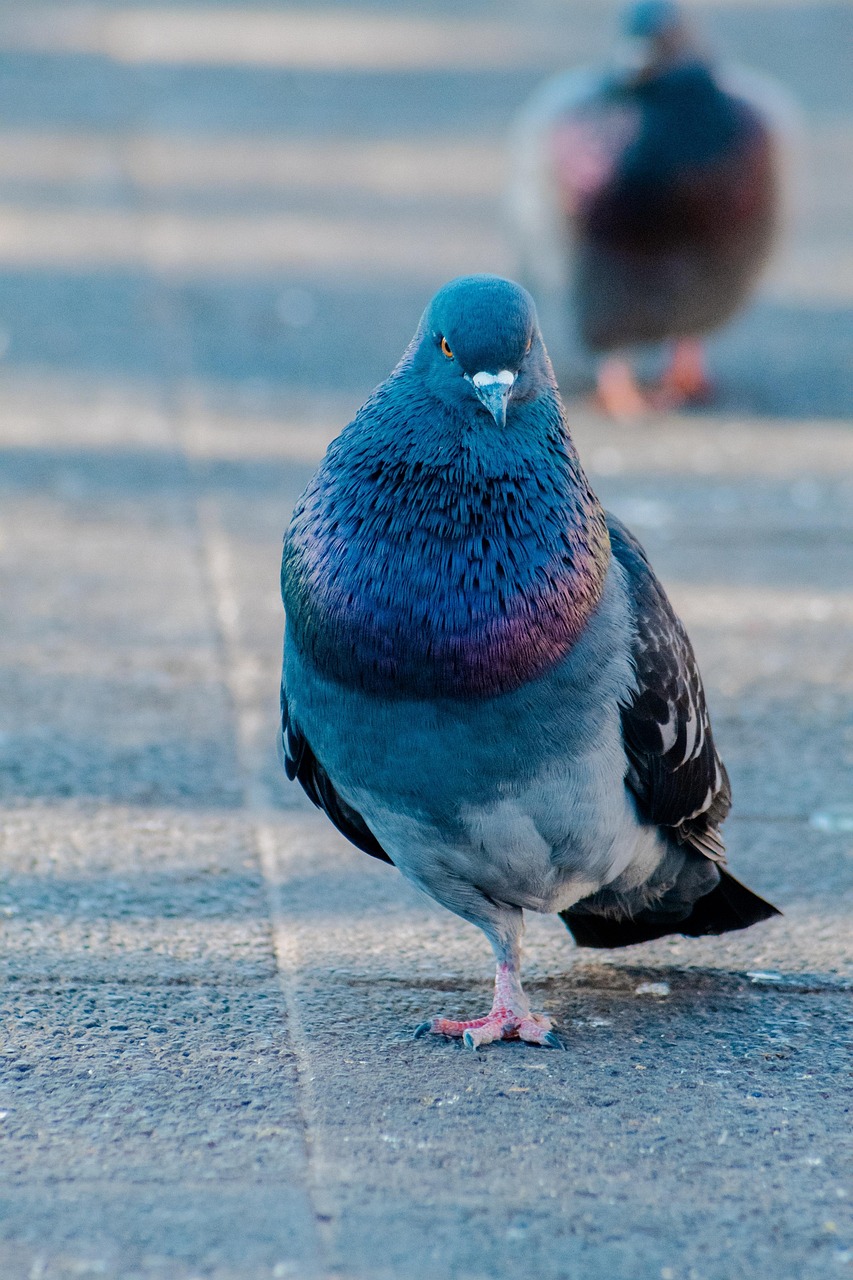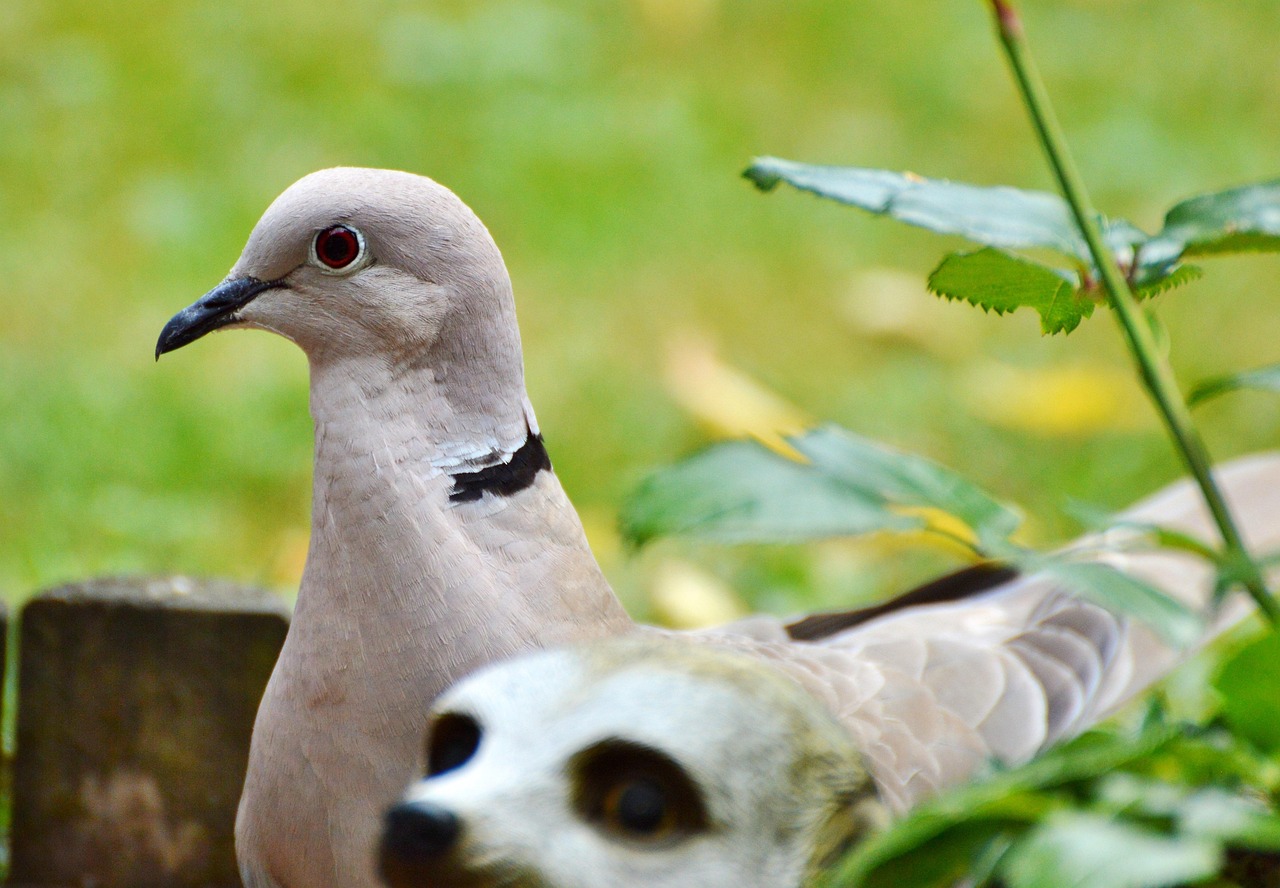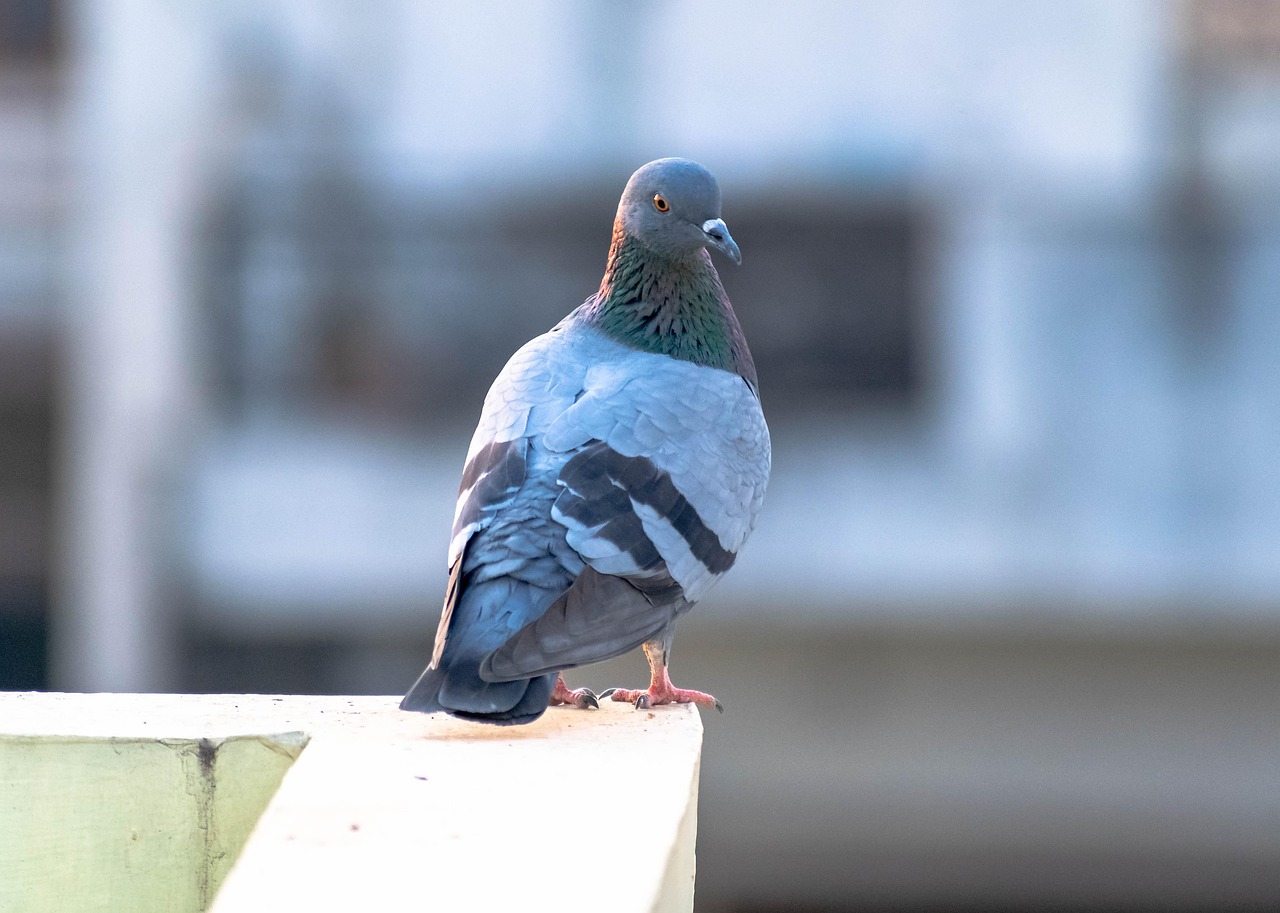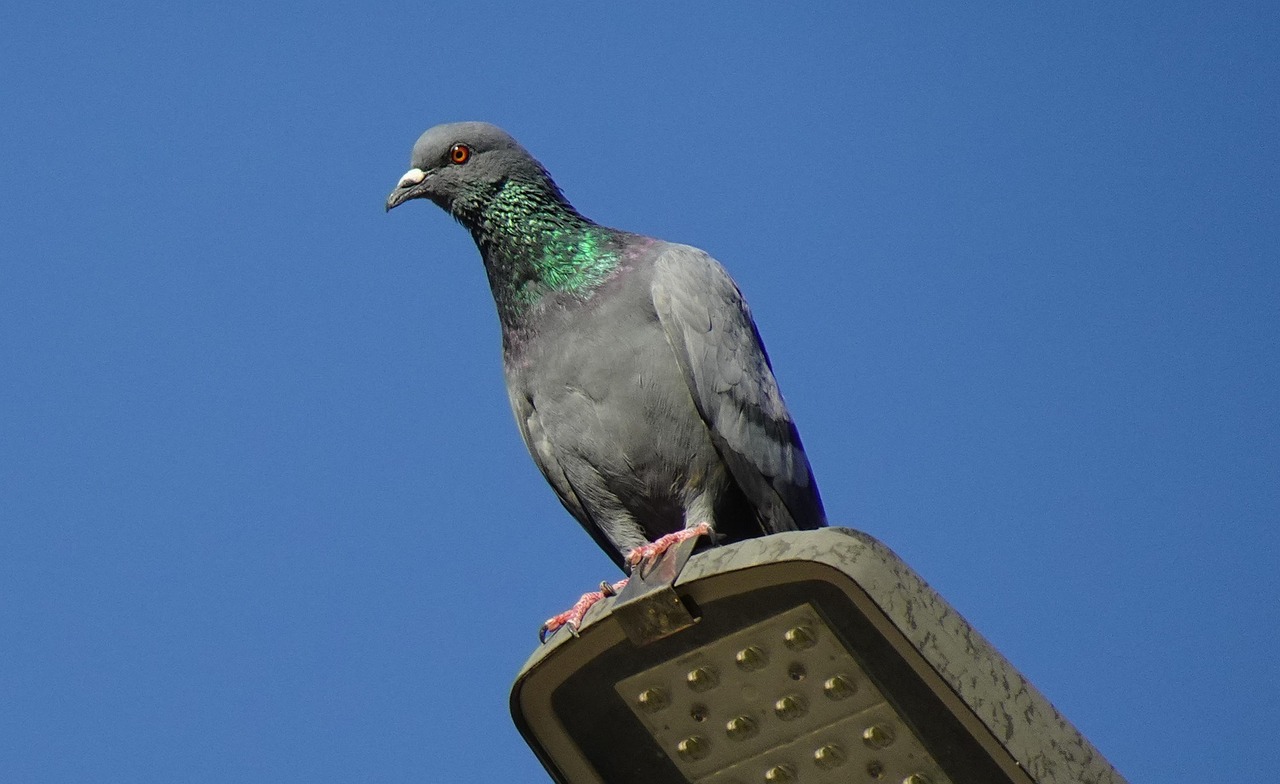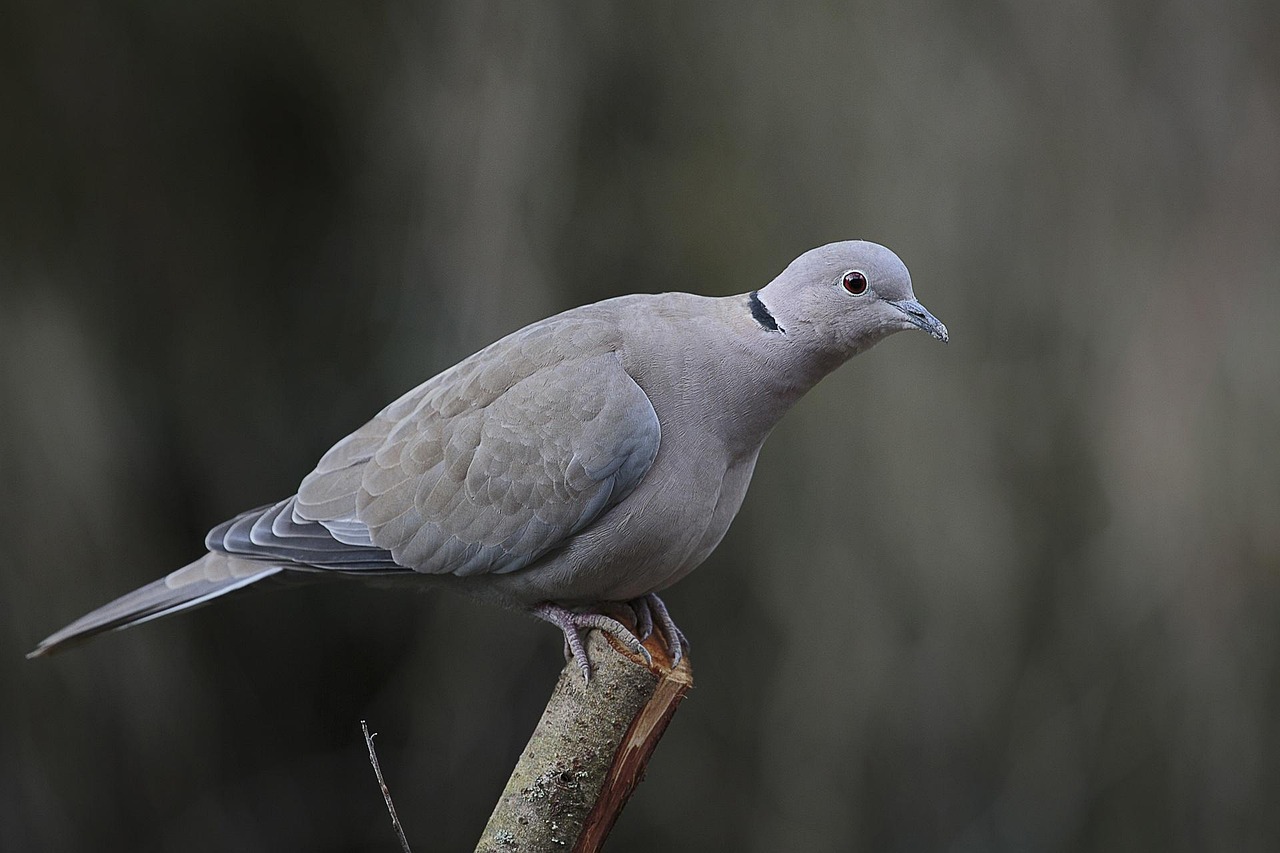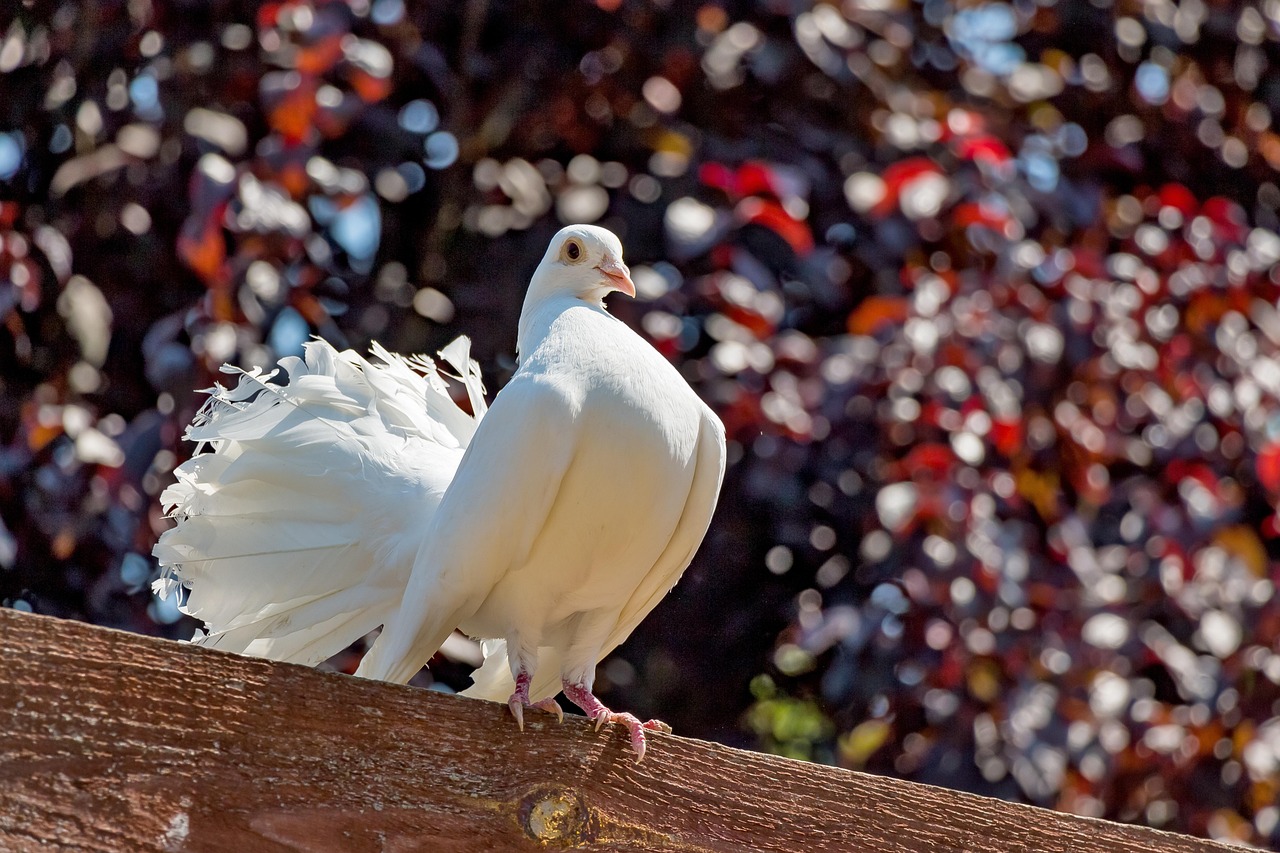
In the competitive world of pigeon shows, a stunning photograph can be the difference between a bird blending in and one that commands attention and value. This guide delves into the art of pigeon photography, offering expert techniques to capture your bird's best angles and enhance its market appeal through professional show presentation. By mastering these skills, you can transform how your pigeons are perceived, potentially increasing their worth and recognition in the enthusiast community.
The Art of Pigeon Photography: Capturing Beauty and Character
Pigeon photography is more than just taking pictures; it's about telling a story of elegance, health, and breed standards through the lens. A well-executed photo highlights the unique features that make your bird stand out, from its plumage to its posture. This section explores the foundational principles of capturing your pigeon's essence, setting the stage for effective show presentation that resonates with judges and buyers alike.
Understanding Your Subject: Know Your Pigeon's Best Features
Before you even pick up a camera, spend time observing your pigeon to identify its most attractive attributes. Each breed has specific standards, such as color patterns, feather quality, and body shape, that should be emphasized in photography. For example, a show racer might showcase its sleek build and vibrant eyes, while a fancy pigeon could highlight intricate feather designs. By understanding these details, you can plan shots that accentuate strengths, making your bird more appealing in competitive settings. This knowledge also helps in positioning the pigeon to avoid unflattering angles that might detract from its value.
Consider the pigeon's personality and behavior, as these can add character to your photos. A calm, confident bird might pose naturally, while a more active one could require patience to capture dynamic shots. Use this insight to choose the right moments for photography, ensuring the images reflect the pigeon's true potential. Remember, the goal is to create a portfolio that not only meets show standards but also tells a compelling story, enhancing its marketability through authentic representation.
Essential Equipment for Professional Pigeon Shots
Investing in the right gear can elevate your pigeon photography from amateur to professional. A DSLR or mirrorless camera with a macro lens is ideal for capturing fine details like feather texture and eye clarity, while a tripod ensures stability for sharp images. Lighting is crucial; natural light often works best, but softbox lights or reflectors can help control shadows and highlight colors without causing glare. Additionally, a clean, neutral background—such as a plain sheet or specialized backdrop—keeps the focus on the pigeon, avoiding distractions that could lower its perceived value.
Don't overlook accessories like remote shutters to minimize camera shake, or props that complement the pigeon's features without overpowering them. For instance, a simple perch can encourage natural poses that showcase posture. Regular maintenance of your equipment ensures consistent quality, which is key for building a reputation in show presentation. By using these tools effectively, you can produce high-resolution images that stand out in catalogs and online listings, directly impacting your pigeon's market appeal.
Techniques for Flawless Show Presentation Through Photography
Show presentation relies on photography to communicate a pigeon's quality before it even steps into the ring. This section covers practical techniques to create images that impress judges and potential buyers, focusing on composition, lighting, and editing. By applying these methods, you can present your pigeons in their best light, boosting their competitiveness and value in the market.
Composition and Angles: Framing Your Pigeon for Impact
Effective composition starts with the rule of thirds, placing your pigeon off-center to create a balanced, engaging image. Experiment with angles to highlight different aspects; a side view might show body symmetry, while a front view can emphasize head shape and eye color. Close-ups are excellent for detailing unique markings, but include full-body shots to give a complete picture of size and posture. Avoid cluttered backgrounds and ensure the pigeon is the clear focal point, as this enhances professionalism and appeal in show contexts.
Consider the pigeon's environment during shoots. A controlled setting, like a studio or clean coop area, allows for consistent results, while outdoor shots can add natural charm if managed well. Use leading lines or negative space to draw attention to key features, and vary perspectives to create a diverse portfolio. This approach not only improves visual interest but also demonstrates your attention to detail, which can translate to higher market value through perceived care and expertise.
Lighting and Color Management for Vibrant Images
Proper lighting is essential for capturing the true colors and textures of your pigeon's feathers. Shoot during golden hour—early morning or late afternoon—for soft, warm light that reduces harsh shadows. If indoors, use diffused light sources to avoid hotspots and maintain natural tones. Pay attention to color accuracy; calibrate your camera settings or use editing tools to ensure hues match reality, as discrepancies can misrepresent your bird's quality in show presentation.
In post-processing, subtle adjustments can enhance images without altering the pigeon's appearance. Increase contrast slightly to make features pop, and sharpen details for clarity, but avoid over-editing that might look artificial. Consistency across your photo set is key for building a cohesive portfolio that showcases reliability. By mastering lighting and color, you create images that are not only beautiful but also trustworthy, encouraging confidence in buyers and judges alike.
Showcasing Your Pigeon: From Photos to Market Value
Once you have compelling photographs, the next step is to use them strategically to elevate your pigeon's market value. This section discusses how to integrate photography into marketing materials, online platforms, and show entries, turning visual appeal into tangible benefits. A strong show presentation can attract higher bids and recognition, making photography a critical investment for any enthusiast.
Building a Professional Portfolio for Sales and Shows
A well-organized portfolio showcases your pigeon's best attributes through a curated selection of images. Include variety: action shots, posed portraits, and detail close-ups to provide a comprehensive view. Use high-resolution files for print materials like flyers or show catalogs, and optimized versions for online sharing to ensure fast loading without quality loss. Label each photo with relevant details, such as breed name and awards, to add context and credibility.
Present your portfolio in formats that cater to different audiences. For online sales, create a dedicated webpage or social media album with clear descriptions and pricing. In shows, display prints or digital slideshows that highlight key selling points. Regularly update the portfolio with new photos as your pigeon grows or achieves milestones, keeping it fresh and engaging. This proactive approach demonstrates commitment to quality, which can justify higher prices and enhance reputation in the community.
Leveraging Social Media and Online Platforms for Exposure
Social media is a powerful tool for amplifying your pigeon's visibility through photography. Share images on platforms like Instagram or Facebook, using hashtags related to pigeon photography and show presentation to reach targeted audiences. Engage with followers by posting behind-the-scenes content or tips, building a community around your brand. This not only drives interest but also establishes you as an expert, indirectly boosting your pigeon's market value through perceived authority.
Consider creating video content, such as short clips or tutorials, to complement photos and show your pigeon in motion. Collaborate with other enthusiasts or influencers to expand reach, and participate in online contests to gain recognition. Monitor analytics to understand what resonates with your audience, refining your strategy over time. By effectively using digital tools, you can turn photography into a marketing engine, increasing demand and value for your pigeons in competitive markets.
Advanced Tips for Competitive Edge in Pigeon Shows
To truly excel, go beyond basics with advanced techniques that set your pigeon apart in shows. This section covers niche strategies, from capturing unique behaviors to integrating technology, helping you stay ahead in the competitive landscape of pigeon photography and show presentation.
Capturing Action and Behavior for Dynamic Presentations
Action shots can add excitement and showcase your pigeon's vitality, which is appealing in show contexts. Photograph your bird during flight, feeding, or interacting with others to highlight its energy and health. Use fast shutter speeds to freeze motion without blur, and anticipate moments to capture natural expressions. These images tell a richer story than static poses, suggesting a well-cared-for and active pigeon that judges might favor.
Incorporate behavioral insights into your photography; for example, a pigeon displaying courtship rituals could indicate good breeding potential. Document these moments with patience, as they require timing and observation. Share such photos in show entries or sales pitches to demonstrate unique qualities, potentially increasing interest and value. By focusing on behavior, you create a more holistic presentation that appeals to both emotional and practical buyers.
Using Technology for Enhanced Show Preparation
Embrace modern tools to refine your pigeon photography and show presentation. Drones can capture aerial views for a unique perspective, while smartphone apps offer editing on-the-go for quick adjustments. Consider 3D scanning or virtual reality to create immersive experiences for remote buyers, though ensure these complement rather than replace traditional photos. Stay updated on industry trends, such as new camera features or software, to maintain a competitive edge.
Integrate technology into your workflow for efficiency; for instance, use cloud storage to organize images or AI tools to suggest optimal shots. However, balance innovation with authenticity, ensuring technology enhances rather than distorts your pigeon's true appearance. By adopting these advancements, you can produce cutting-edge content that stands out in shows, ultimately driving higher market value through innovation and professionalism.
Conclusion
Mastering pigeon photography is a transformative skill that directly impacts show presentation and market value. By focusing on techniques like composition, lighting, and strategic showcasing, you can create images that highlight your bird's best features and attract attention in competitive settings. Remember, consistency and authenticity are key to building trust and driving interest. For those looking to streamline their efforts, tools like Ghawy – Pigeon Manager (غاوي – إدارة الحمام) offer support in managing and presenting your pigeons effectively. Start applying these insights today to elevate your pigeons and achieve greater success in the show ring.