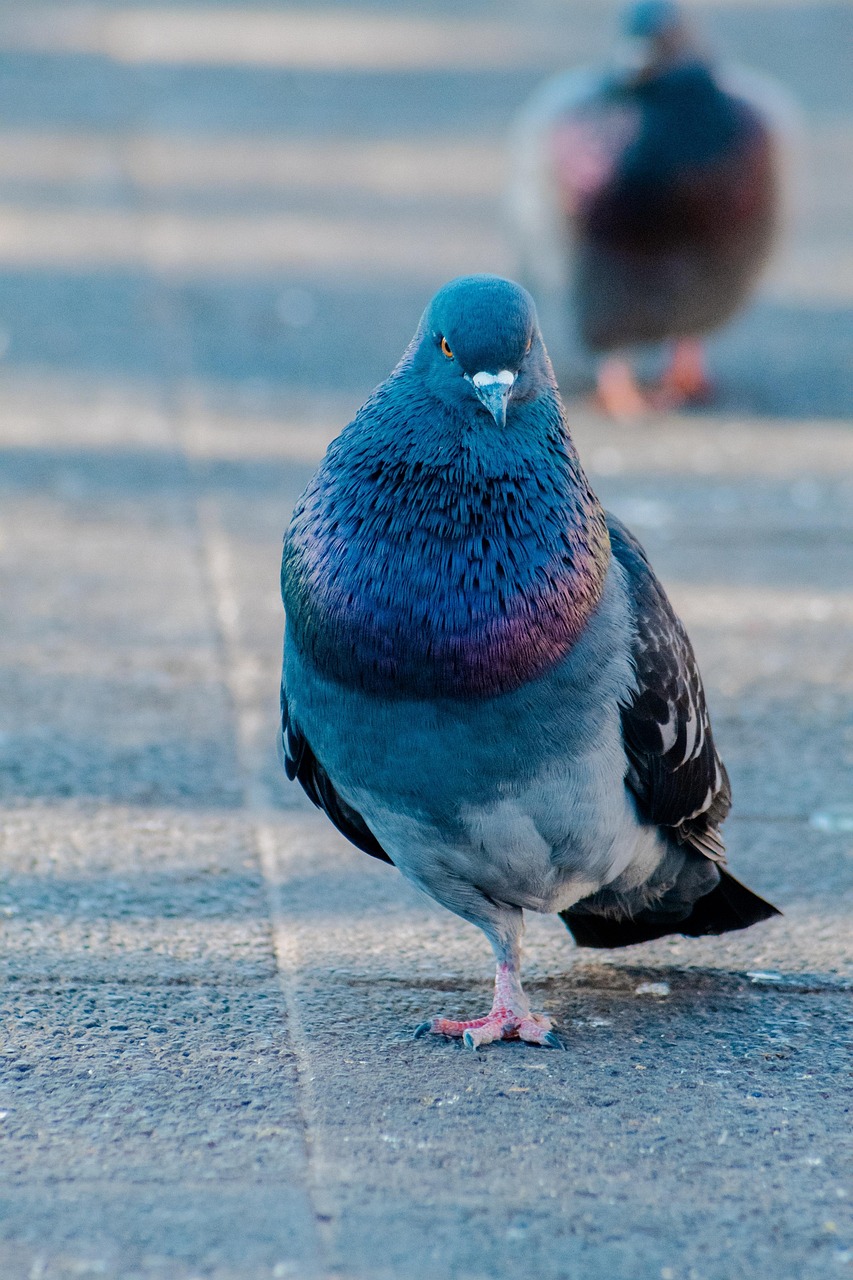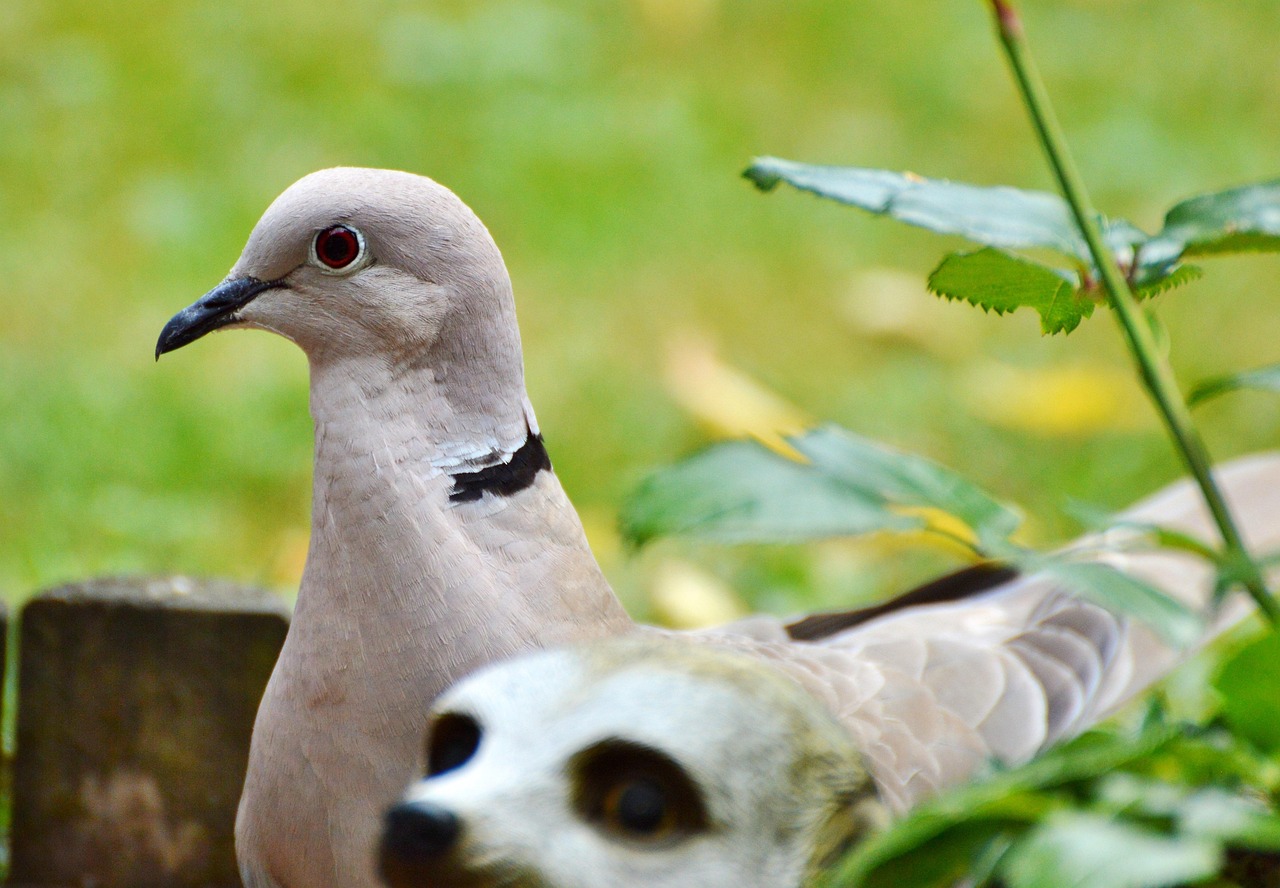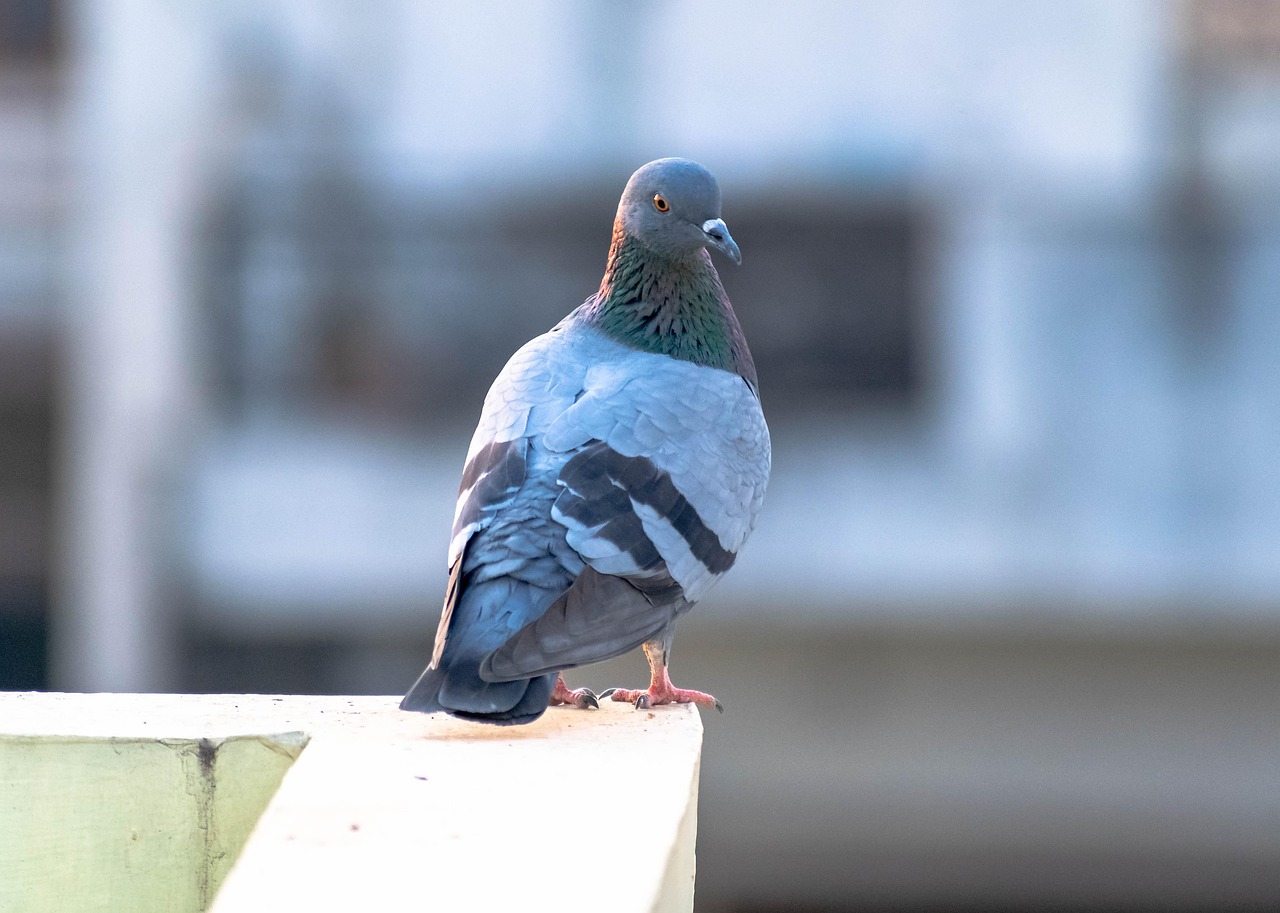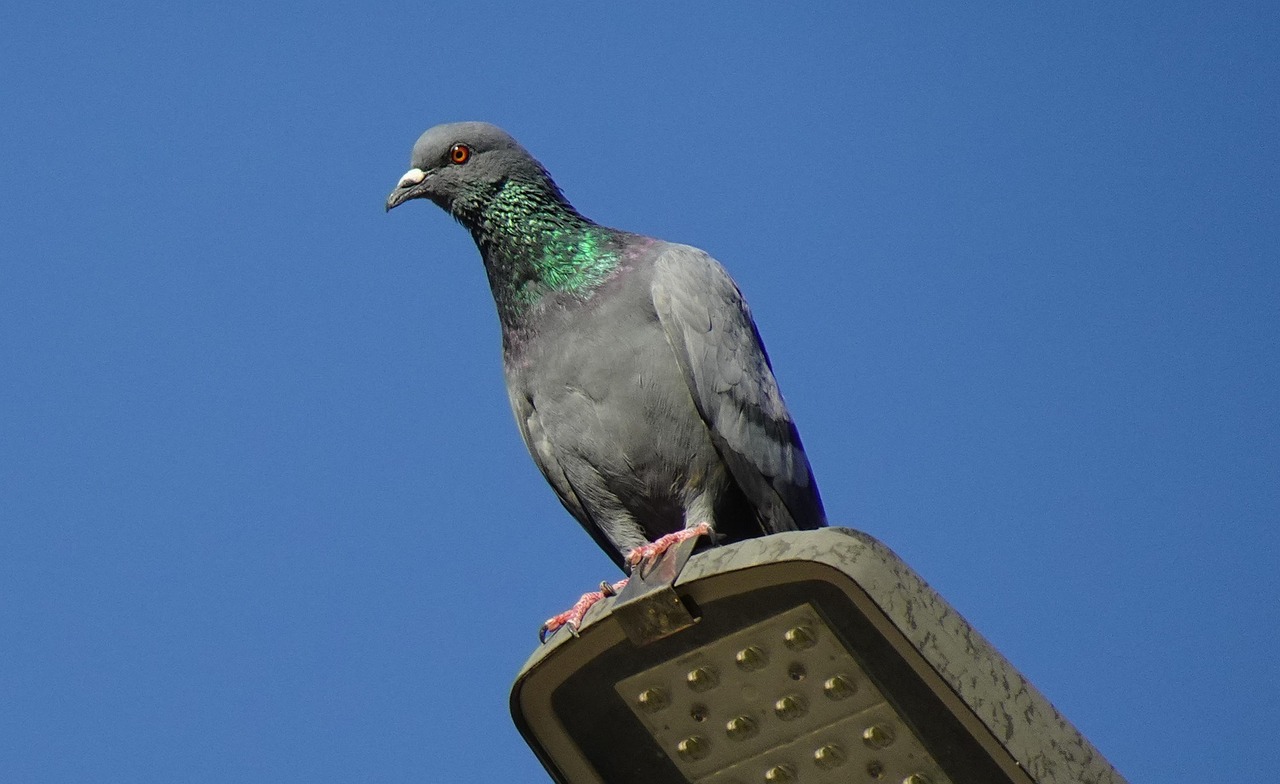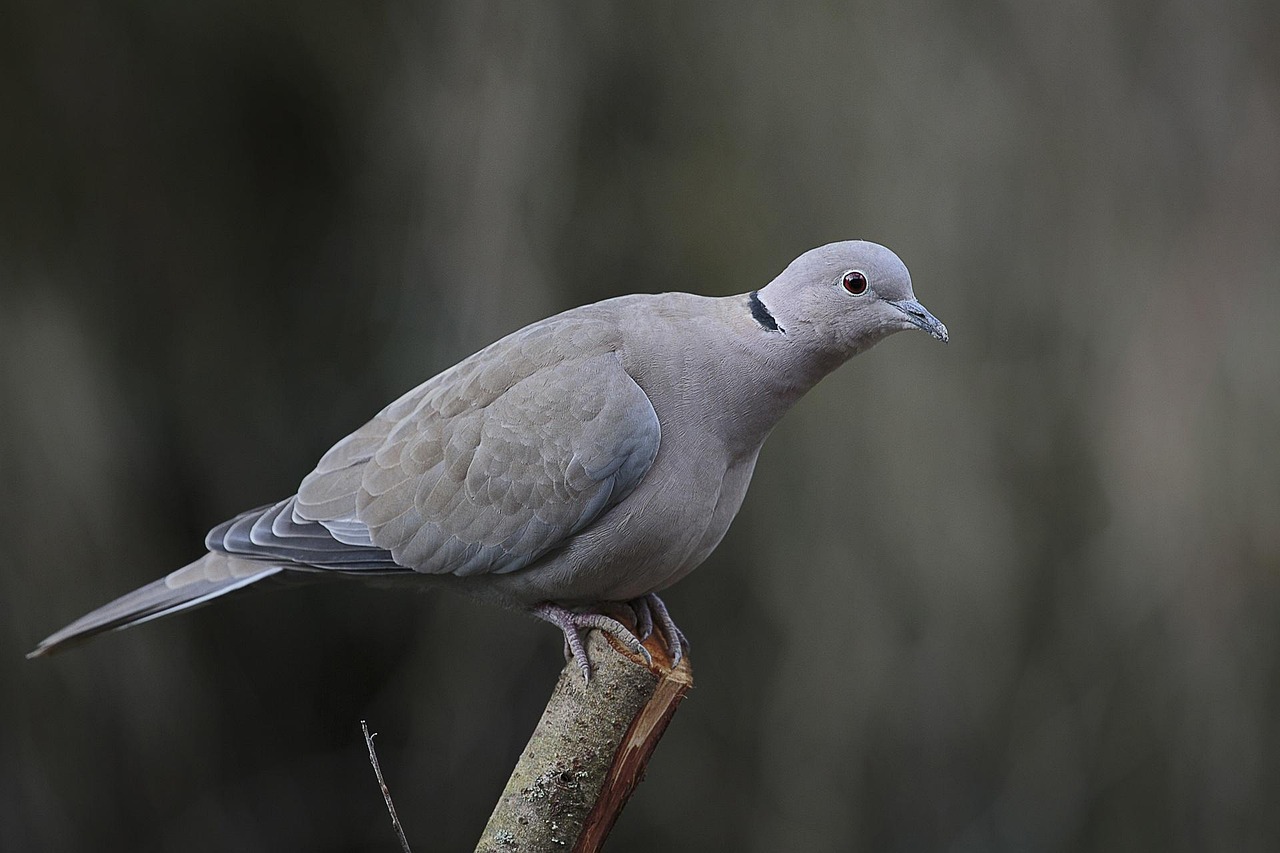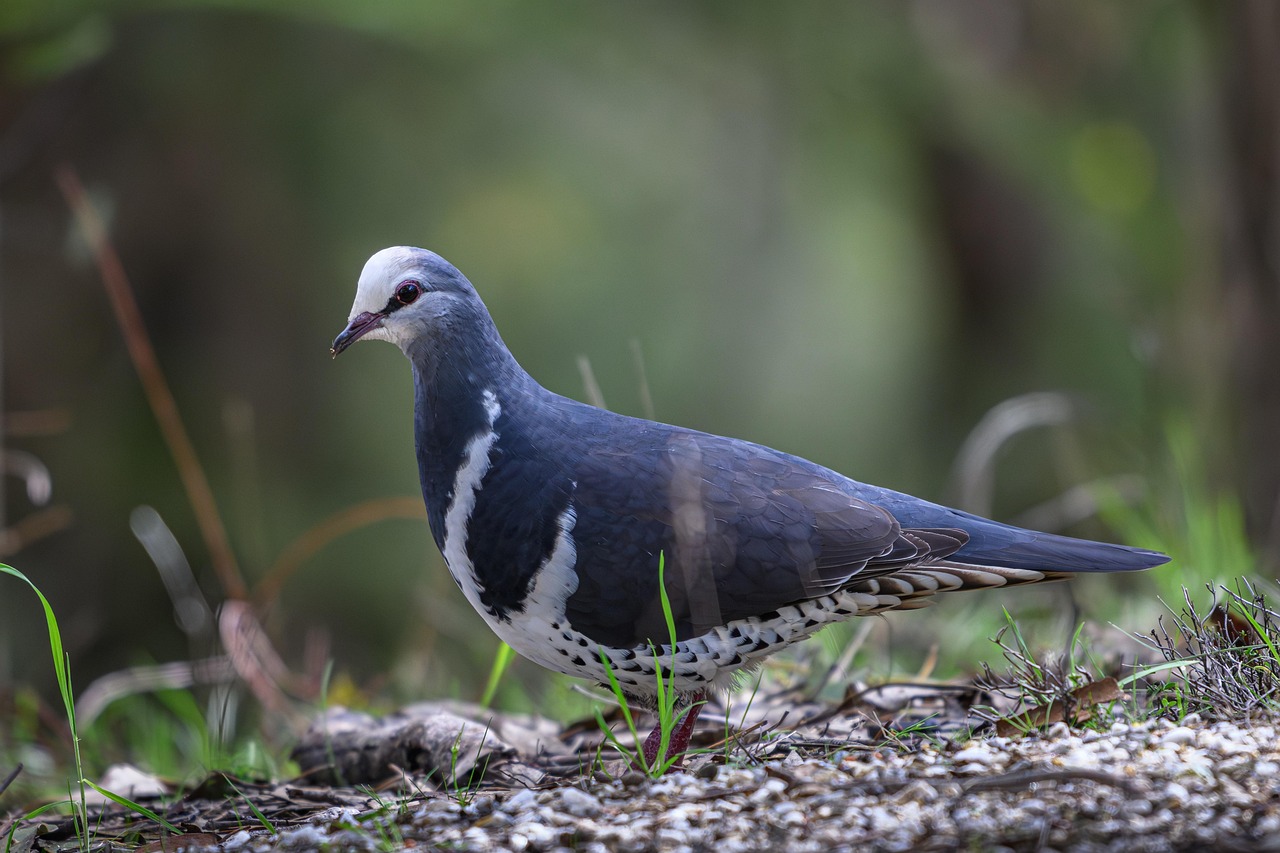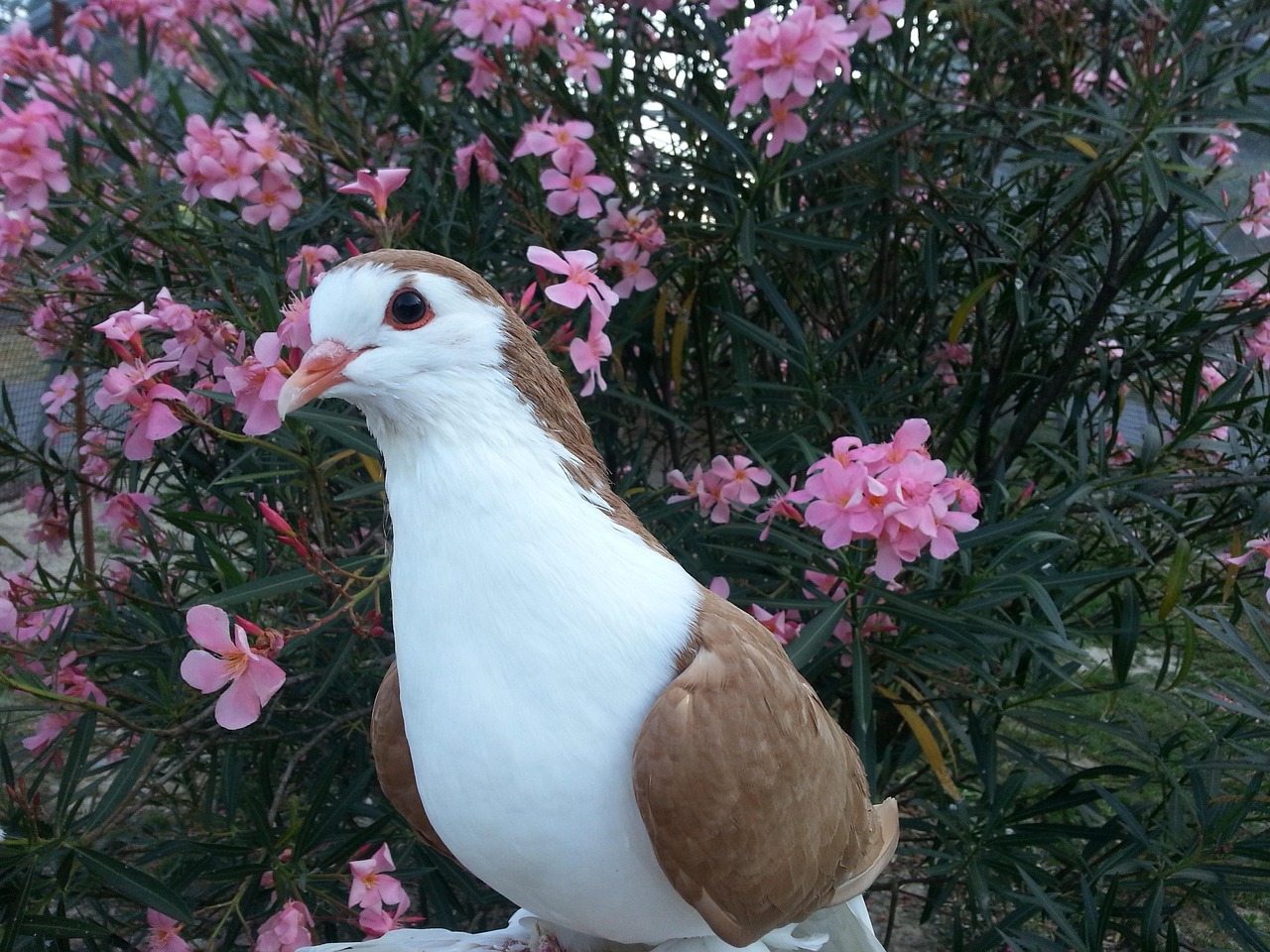
In the competitive world of pigeon shows, a bird's market value is often judged at first glance through photographs. This guide explores how expert pigeon photography can elevate your show presentation, turning your prized birds into standout contenders that command attention and higher prices.
The Art of Pigeon Photography: More Than Just a Snapshot
Pigeon photography is a specialized skill that goes beyond casual snapping. It involves capturing the essence of a bird's breed, color, and posture to create images that resonate with judges and buyers. In show presentation, these photos serve as your bird's resume, highlighting its best features and potential. A well-taken photograph can make a pigeon appear more vibrant, healthy, and desirable, directly impacting its perceived value in the market. By mastering this art, you not only document your collection but also market it effectively to a global audience of enthusiasts.
Understanding the Basics of Avian Photography
To excel in pigeon photography, start with the fundamentals. Use a camera with manual settings to control focus, aperture, and shutter speed, ensuring sharp images that capture fine details like feather texture and eye clarity. Natural lighting is often best, as it brings out true colors without harsh shadows; early morning or late afternoon light provides a soft, flattering glow. Position the bird against a neutral background, such as a plain wall or sky, to avoid distractions and keep the focus on its features. Practice patience, as pigeons can be unpredictable; take multiple shots to capture the perfect pose that showcases its conformation and alertness.
Beyond equipment, develop an eye for composition. Frame the pigeon to highlight its key attributes, such as a proud chest or elegant tail, using the rule of thirds to create balanced images. Close-ups can emphasize unique markings or eye color, while full-body shots demonstrate overall structure and posture. Remember, the goal is to create photos that tell a story about the bird's quality and breed standards, making it irresistible to potential buyers. By investing time in learning these basics, you'll produce images that stand out in show catalogs and online listings, boosting your pigeon's market appeal.
Advanced Techniques for Professional Results
Once you've mastered the basics, elevate your pigeon photography with advanced techniques. Use a shallow depth of field (low f-stop) to blur the background and make the bird pop, drawing attention to its details. Experiment with angles, such as shooting from below to emphasize stature or from above to show wing span, adding dynamism to your photos. Incorporate props like perches or natural elements to create context, but keep them subtle to avoid overshadowing the pigeon. For show presentation, consistency is key; develop a signature style, such as a specific lighting setup or background color, to make your birds instantly recognizable and professional.
Post-processing can enhance your images without altering the bird's appearance. Use software to adjust brightness, contrast, and color balance, ensuring the photo matches the pigeon's real-life hues. Remove minor distractions like dust or stray feathers, but avoid heavy editing that misrepresents the bird. For online platforms, optimize file sizes for fast loading without losing quality. By combining these techniques, you'll create a portfolio that showcases your pigeons as top-tier show candidates, increasing their market value through visual appeal. Share these photos on social media and breed-specific forums to build a reputation for excellence in pigeon photography.
Show Presentation: Crafting a Winning Image Portfolio
Show presentation is the strategic use of photography to market your pigeons in competitions and sales. A compelling image portfolio can set your birds apart, influencing judges' decisions and attracting buyers willing to pay premium prices. Start by curating a collection of high-quality photos that highlight each pigeon's strengths, from conformation to color patterns. Organize these images into a cohesive presentation, such as a digital album or printed catalog, that tells a story about your breeding program and expertise. In today's digital age, this portfolio is often the first impression, so make it count with professional-grade pigeon photography that conveys value and care.
Building a Portfolio That Sells
To build a portfolio that sells, focus on variety and quality. Include multiple shots of each pigeon, such as close-ups of the head, full-body profiles, and action shots in flight or perching. This demonstrates the bird's versatility and health, appealing to different buyer preferences. For show presentation, align your photos with breed standards; research what judges look for in your pigeon's category and highlight those traits. Use descriptive captions that mention key attributes, like "prize-winning blue bar" or "exceptional feather sheen," to reinforce the visual message. Update your portfolio regularly with new acquisitions or improved photos, keeping it fresh and engaging for repeat viewers.
Leverage online platforms to showcase your portfolio. Create a dedicated website or social media page where enthusiasts can browse your birds, with clear pricing and contact information. Use SEO strategies by tagging photos with relevant keywords like "pigeon photography" and "show presentation" to increase visibility. Engage with the community by sharing behind-the-scenes content, such as preparation for shows or breeding updates, to build trust and interest. By presenting a professional and accessible portfolio, you'll not only sell pigeons but also establish yourself as a leader in the field, driving higher market values through effective visual marketing.
Using Photography to Enhance Live Shows
In live shows, photography complements the physical presentation of your pigeons. Display large, high-quality prints of your best photos at your booth to attract attention and provide context for the birds on display. Use these images to tell a story, such as the lineage or achievements of a particular pigeon, making it more memorable to judges and buyers. During the show, have a photographer on hand to capture candid moments, like interactions with visitors or award ceremonies, adding authenticity to your brand. Share these live shots in real-time on social media to generate buzz and extend the show's reach beyond the venue.
Integrate technology for an immersive experience. Use tablets or digital frames to scroll through your portfolio, allowing viewers to explore your collection interactively. Offer printed take-aways, like business cards with QR codes linking to your online gallery, making it easy for interested parties to follow up. By blending pigeon photography with live show elements, you create a cohesive presentation that emphasizes quality and professionalism. This approach not only boosts your birds' market value during the event but also builds a lasting impression that can lead to future sales and collaborations in the pigeon community.
Technical Tips for Flawless Pigeon Images
Achieving flawless pigeon images requires attention to technical details that enhance clarity and appeal. Start with the right gear: a DSLR or mirrorless camera with a macro lens is ideal for capturing fine details, while a tripod ensures stability for sharp shots. Set your camera to a high resolution (at least 12 megapixels) to allow for cropping and printing without loss of quality. For show presentation, consistency in settings across photos creates a professional look; use manual mode to lock in exposure and white balance, adapting to different lighting conditions without auto-adjustments that can vary between shots.
Lighting and Composition Secrets
Lighting is crucial in pigeon photography. Avoid direct flash, which can create harsh shadows and red-eye; instead, use diffused light sources, such as softboxes or reflectors, to evenly illuminate the bird. For outdoor shoots, position the pigeon with the sun behind you to highlight colors and reduce glare. In indoor settings, set up a simple studio with adjustable LED lights to control intensity and direction. Composition-wise, apply principles like leading lines to guide the viewer's eye to the pigeon's best features, and use negative space to make the subject stand out. Experiment with different perspectives, such as eye-level shots to create connection or overhead views to show symmetry.
Pay special attention to the bird's environment. A clean, uncluttered space prevents distractions and keeps the focus on the pigeon. For action shots, use a fast shutter speed (1/500 sec or higher) to freeze motion, capturing dynamic poses like wing stretches or take-offs. In post-processing, use tools like Adobe Lightroom to fine-tune colors and sharpness, but keep edits minimal to maintain authenticity. By mastering these technical aspects, you'll produce images that not only look professional but also accurately represent your pigeons, boosting their credibility in show presentation and market value.
Overcoming Common Photography Challenges
Pigeon photography comes with unique challenges, such as birds moving unexpectedly or having dark feathers that absorb light. To overcome movement, use a fast autofocus system and burst mode to capture multiple frames quickly; practice handling techniques to keep the bird calm, like gentle holding or using a trained perch. For dark-colored pigeons, increase exposure slightly or use a fill light to bring out details without washing out highlights. In low-light conditions, raise the ISO cautiously to avoid grain, and use a lens with image stabilization to reduce blur.
Another common issue is capturing true colors, especially under artificial light. Use a color checker or custom white balance settings to ensure accuracy, and shoot in RAW format for greater editing flexibility. For show presentation, consistency across a series of photos is key; create a checklist of settings and angles to replicate for each bird. By anticipating these challenges and developing solutions, you'll improve your pigeon photography skills, resulting in images that enhance your birds' appeal and support higher market valuations. Share tips with fellow enthusiasts to build a community around quality avian imaging.
Marketing Your Pigeons Through Visual Storytelling
Visual storytelling transforms pigeon photography into a powerful marketing tool. By crafting a narrative around your birds, you engage potential buyers on an emotional level, making them more likely to invest. Start by developing a brand identity for your pigeonry, using consistent visual elements like logos or color schemes in your photos. Tell stories through images, such as a pigeon's journey from hatchling to show champion, or its role in your breeding program. In show presentation, this approach differentiates your birds from competitors, highlighting their uniqueness and heritage to justify premium prices.
Creating Engaging Content for Online Platforms
To market your pigeons effectively online, create engaging content that showcases your photography skills. Post regular updates on platforms like Instagram or Facebook, using high-quality images with captions that educate and inspire. For example, share before-and-after photos of a pigeon's grooming process or videos of it in action, complemented by still shots. Use hashtags like #pigeonphotography and #showpresentation to reach a wider audience and join conversations in the community. Engage with followers by responding to comments and hosting Q&A sessions, building a loyal following that trusts your expertise.
Leverage your visual content to drive sales. Create online listings with multiple photos from different angles, detailed descriptions, and pricing information. Offer virtual tours or live streams of your loft, giving buyers a behind-the-scenes look at your operations. Use email newsletters to share your latest photography projects and available birds, keeping your audience informed and interested. By integrating pigeon photography into your marketing strategy, you'll not only increase visibility but also establish a reputation for quality, leading to higher market values and more successful show presentations.
Measuring Success and Adapting Strategies
Measure the success of your pigeon photography and marketing efforts to refine your strategies. Track metrics such as engagement rates on social media, website traffic from photo galleries, and sales conversions linked to specific images. Use tools like Google Analytics to understand what content resonates most with your audience, such as close-up shots or action sequences. For show presentation, gather feedback from judges and buyers on your photos, noting what aspects they find most appealing. Adapt based on this data, experimenting with new techniques or platforms to stay ahead in the competitive market.
Continuously improve your skills by attending workshops or following industry leaders in avian photography. Stay updated on trends, such as the use of drones for aerial shots or 360-degree videos, to keep your content fresh and innovative. By treating pigeon photography as an evolving art, you'll maintain a competitive edge, enhancing your birds' market value over time. Share your journey and insights with the community, contributing to a culture of excellence in show presentation that benefits all enthusiasts.
Conclusion
Mastering pigeon photography is essential for elevating your birds' show presentation and market value. By focusing on technical skills, creating compelling portfolios, and using visual storytelling for marketing, you can turn your pigeons into standout contenders that attract judges and buyers alike. Remember, a great photo can speak volumes, conveying quality and care that justifies higher prices. As you apply these insights, consider leveraging tools like Ghawy – Pigeon Manager (غاوي – إدارة الحمام) to streamline your management and presentation efforts, ensuring your passion translates into success. Start capturing those perfect shots today and watch your pigeons soar in value and recognition.