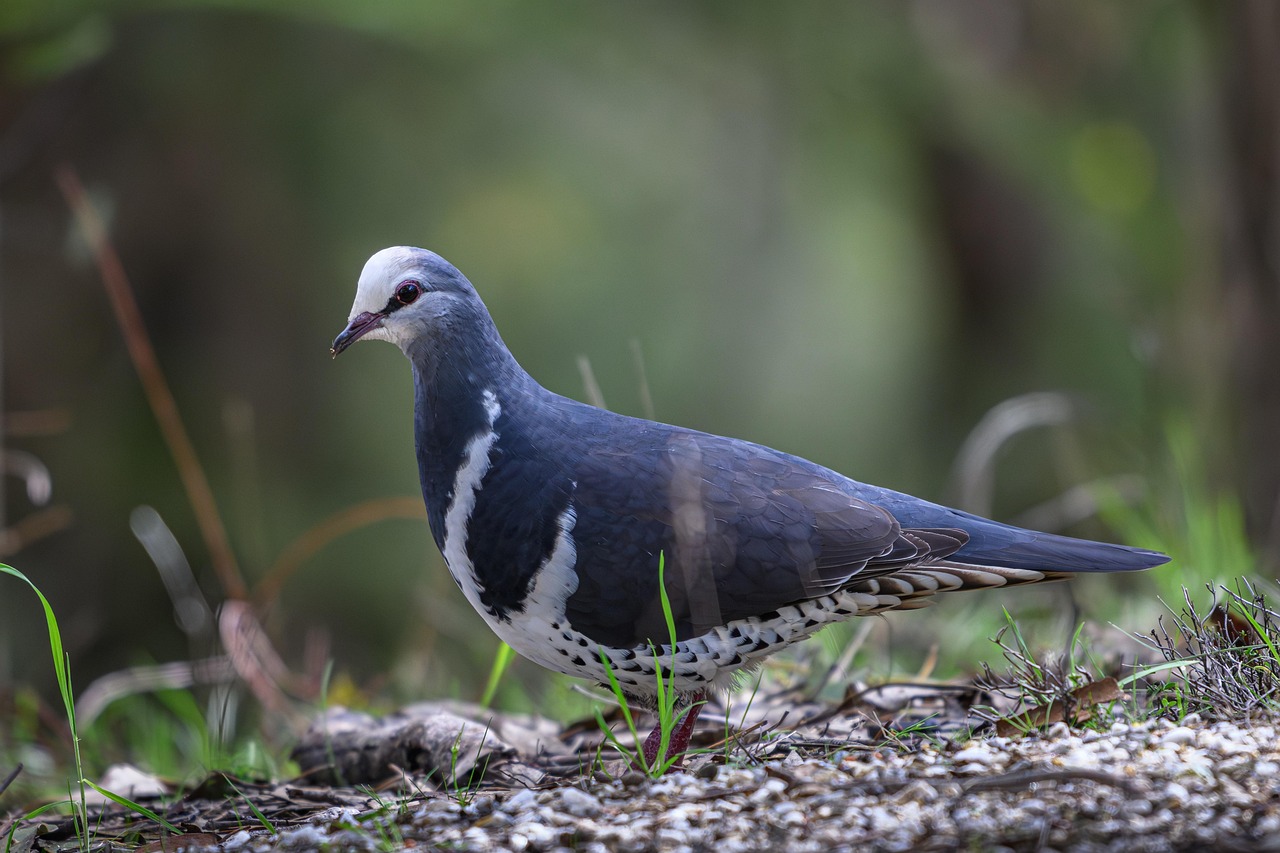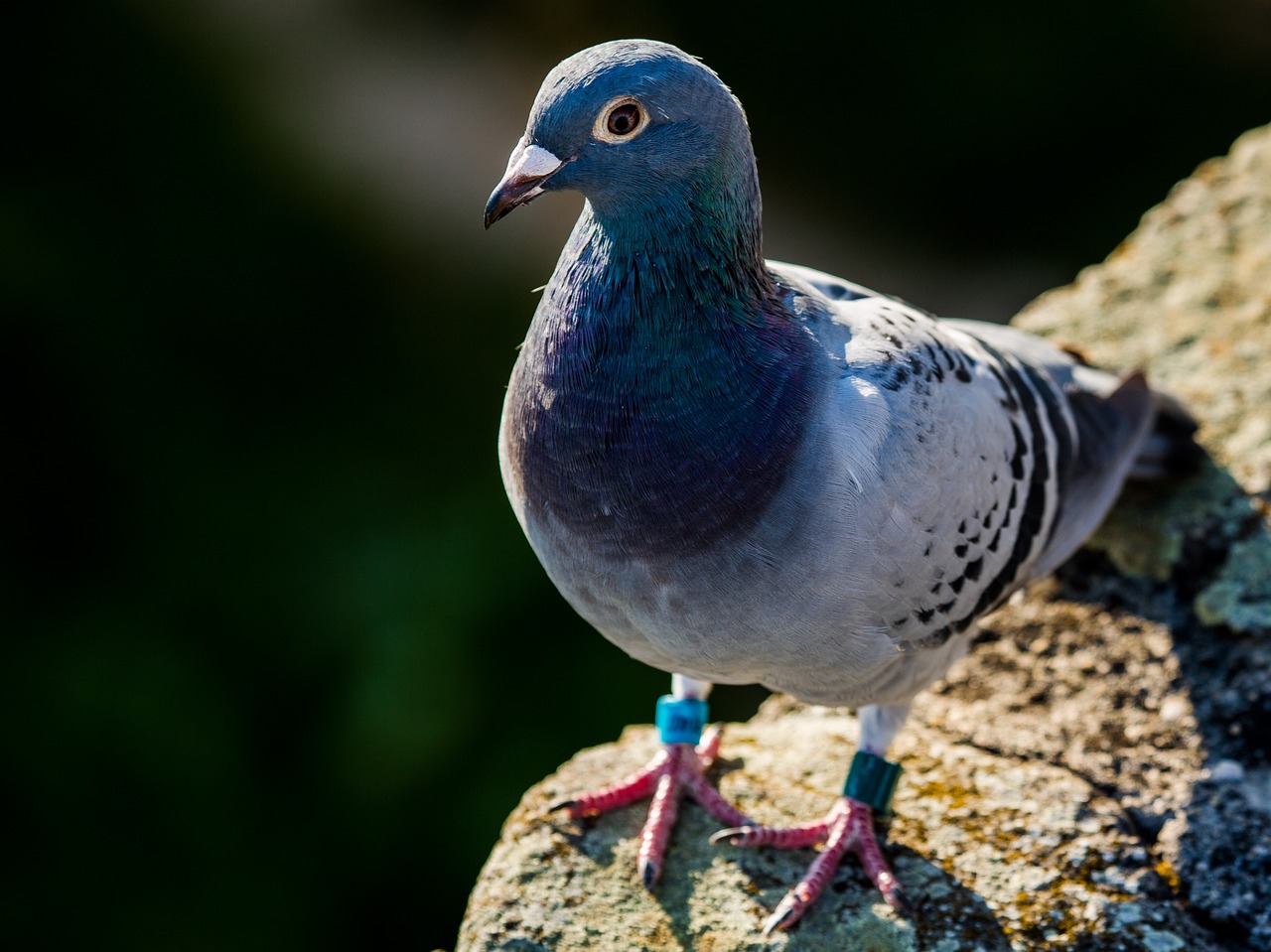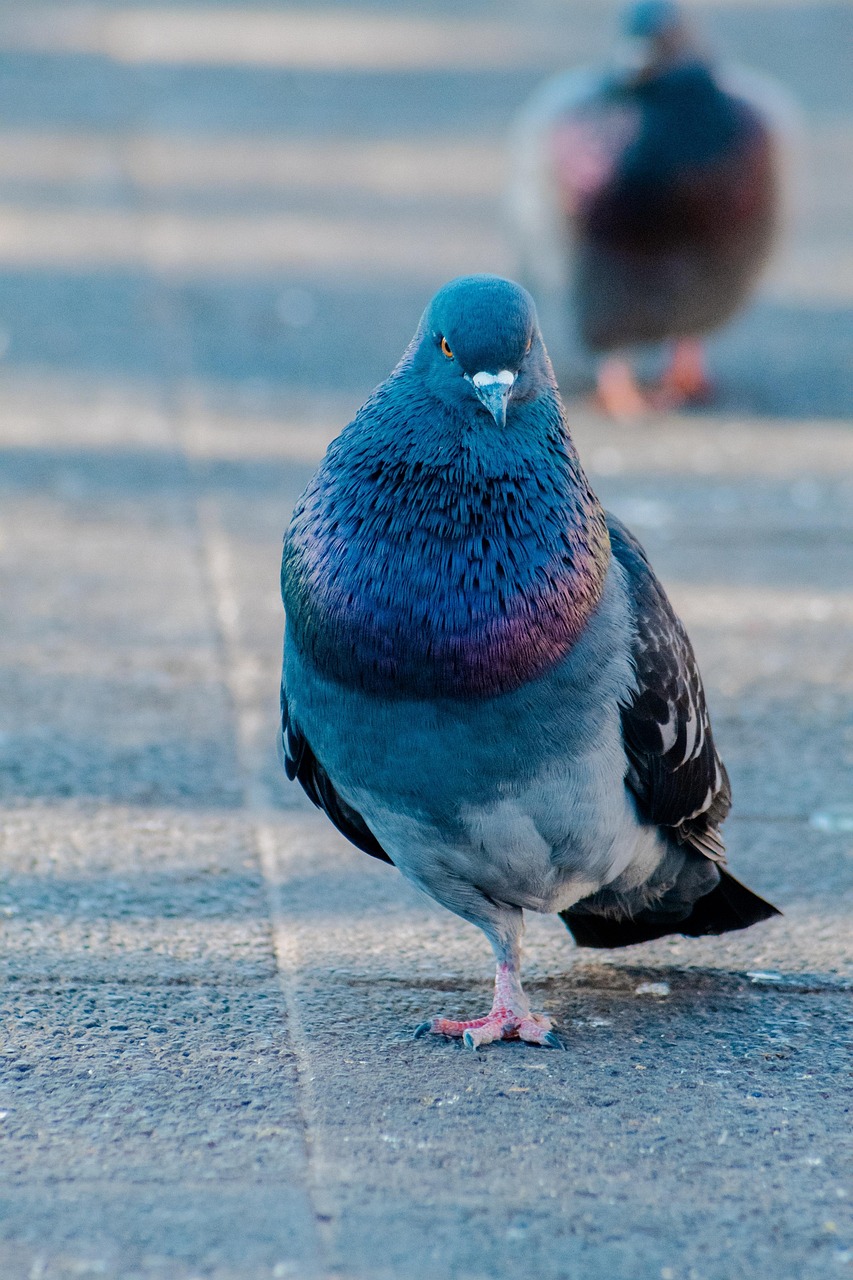
For pigeon enthusiasts, presenting rare breeds in their full glory is an art form that demands precision and passion. The right equipment transforms a simple display into a captivating showcase, highlighting every intricate feather and unique characteristic. This guide delves into the essential tools and techniques for creating stunning visual presentations that honor the beauty of these extraordinary birds.
The Foundation: Crafting the Perfect Show Cage Setup
A well-designed show cage setup is more than just a container; it's a stage that frames your pigeon's elegance and allows judges and spectators to appreciate its qualities without distraction. The cage should provide safety, comfort, and unobstructed visibility, ensuring the bird feels secure while its features are prominently displayed. Investing in a high-quality setup not only enhances the bird's appearance but also reflects your dedication as a breeder.
Choosing the Right Cage Design and Materials
When selecting a cage, prioritize designs that offer ample space for the pigeon to move naturally, as cramped conditions can cause stress and detract from its posture. Opt for materials like stainless steel or powder-coated wire, which are durable, easy to clean, and resistant to corrosion. The cage should have smooth edges to prevent injuries and a secure locking mechanism to ensure the bird's safety during transport and display. Consider cages with removable perches and feeders, as these allow for quick adjustments and maintenance without disturbing the pigeon.
For rare breeds, customizing the cage to match the bird's size and behavior is crucial. Larger breeds may require wider bars or reinforced structures, while more active birds benefit from cages with multiple perching options. The color of the cage should contrast with the pigeon's plumage to make its features stand out; for example, a dark-coated bird looks striking against a light-colored cage. Always test the setup before a show to ensure it meets all requirements and provides a comfortable environment.
Optimizing Layout and Accessibility for Judges
The layout of your show cage setup should facilitate easy viewing from all angles, allowing judges to assess the pigeon's conformation, color, and overall condition without obstruction. Position the cage at eye level, typically around 4 to 5 feet high, to create an engaging perspective. Ensure there is adequate space around the cage for judges to move freely and examine the bird closely, avoiding clutter that could distract from the presentation.
Accessibility features, such as doors that open smoothly and quietly, are essential for minimizing stress during handling. Incorporate elements like adjustable lighting mounts or camera tripod attachments if you plan to integrate photography into the display. A clean, organized setup with all necessary tools—like grooming kits or water dispensers—within reach demonstrates professionalism and care. Remember, the goal is to create a seamless experience that highlights the pigeon's attributes while making the judge's job effortless.
- Use modular cages for easy assembly and transport
- Include non-slip flooring to prevent accidents
- Ensure ventilation without creating drafts
Illuminating Beauty: Mastering Lighting for Pigeons
Lighting for pigeons is a critical element that can make or break a presentation, as it reveals the true colors, textures, and details of their plumage. Proper lighting enhances visual appeal, reduces shadows, and creates a flattering ambiance that showcases the bird's natural beauty. Whether for live shows or photography, understanding how to manipulate light is key to capturing the essence of rare breeds.
Natural vs. Artificial Light: Balancing for Optimal Effects
Natural light, such as sunlight, offers a full spectrum that brings out vibrant colors and subtle iridescence in feathers, making it ideal for outdoor displays or photography sessions. However, it can be unpredictable due to weather changes and may create harsh shadows if not diffused. To mitigate this, position cages near windows with sheer curtains or use reflectors to soften the light. For indoor settings, artificial lighting provides consistency and control, allowing you to adjust intensity and color temperature to suit the pigeon's specific traits.
When using artificial lights, choose LED panels or softboxes that emit even, diffused light to avoid glare and hotspots. Aim for a color temperature around 5000-5500 Kelvin, which mimics daylight and renders colors accurately. Avoid direct, harsh lights that can cause discomfort or stress to the bird, and instead, use indirect lighting techniques, such as bouncing light off walls or ceilings. Combining natural and artificial sources can create a balanced effect, ensuring the pigeon looks its best under any conditions.
Advanced Techniques for Highlighting Rare Features
To accentuate the unique characteristics of rare breeds, employ advanced lighting techniques that draw attention to specific areas, such as feather patterns or eye color. Use spotlights or directional lights to create focal points, but be cautious not to overexpose delicate details. For photography, consider using ring lights or macro lighting setups to capture close-up shots without casting shadows, revealing intricate textures that might otherwise go unnoticed.
Experiment with backlighting to create a halo effect around the pigeon, emphasizing its silhouette and adding depth to the presentation. Adjust the angle of lights to minimize reflections on the cage or background, ensuring the bird remains the center of attention. Regularly test different setups during practice sessions to find what works best for each breed, and document your settings for consistency. With practice, you'll develop an eye for lighting that enhances every aspect of your pigeon's appearance.
Photography Essentials: Capturing Stunning Images of Rare Breeds
Photography plays a vital role in documenting and promoting rare pigeon breeds, allowing enthusiasts to share their beauty with a wider audience. High-quality images can highlight details that are difficult to see in person, making them invaluable for breeding records, competitions, and online portfolios. To achieve professional results, it's essential to use the right equipment and techniques tailored to avian subjects.
Selecting Cameras and Lenses for Avian Photography
Invest in a DSLR or mirrorless camera with fast autofocus and high resolution to capture sharp, detailed images of pigeons in motion or at rest. A lens with a focal length between 70-200mm is ideal for maintaining a comfortable distance while filling the frame with the bird, reducing stress and avoiding distortion. Macro lenses are excellent for close-up shots of feathers, eyes, and other fine details, revealing textures that showcase the breed's rarity.
Consider cameras with good low-light performance if you shoot in dimly lit show environments, and use image stabilization to prevent blur from hand movements. For beginners, a smartphone with a high-quality camera can suffice, especially when paired with external lenses or lighting accessories. Regardless of the equipment, practice is key; spend time familiarizing yourself with settings like aperture, shutter speed, and ISO to adapt to different lighting conditions and bird behaviors.
Composition and Staging for Impactful Shots
Composition is crucial for creating engaging photographs that tell a story about the pigeon. Use the rule of thirds to place the bird off-center, creating a dynamic image that draws the viewer's eye. Incorporate elements of the show cage setup or natural backgrounds to provide context, but keep the focus on the pigeon by using a shallow depth of field to blur distractions. Pay attention to the bird's posture and expression, capturing moments that convey its personality and elegance.
Staging involves preparing the pigeon and its environment before shooting. Groom the bird thoroughly to ensure its feathers are clean and arranged naturally, and choose a backdrop that complements its colors without competing for attention. Use props sparingly, if at all, to maintain a professional and authentic look. During the shoot, be patient and observe the pigeon's behavior, waiting for natural poses rather than forcing positions. Review your images regularly to adjust techniques and improve over time.
Accessories and Enhancements: Elevating Your Display
Beyond cages and lighting, a range of accessories can enhance your show cage setup and overall presentation, adding polish and functionality. From grooming tools to decorative elements, these items help create a cohesive and impressive display that stands out in competitions. Selecting the right enhancements requires an understanding of both aesthetics and practicality.
Grooming and Maintenance Tools for Peak Condition
Regular grooming is essential for keeping rare pigeons in top condition, as it ensures their feathers are clean, shiny, and free of debris. Invest in high-quality brushes, combs, and sprays designed for avian use, avoiding harsh chemicals that could damage plumage or irritate the skin. A gentle misting with water can help settle feathers and enhance natural oils, while specialized products can add luster or address specific issues like dryness.
Maintenance tools, such as cage cleaners and disinfectants, are equally important for upholding hygiene standards and preventing disease. Keep a kit on hand during shows for quick touch-ups, including nail clippers, beak files, and first-aid supplies. By maintaining your pigeon's appearance and health, you not only improve its chances in competitions but also demonstrate responsible breeding practices. Incorporate grooming into your routine well before events to allow the bird to adjust and look its best naturally.
Decorative and Functional Add-ons for Visual Appeal
Decorative elements, like custom nameplates or themed backdrops, can personalize your display and highlight the pigeon's breed or history. Choose materials that are safe and non-toxic, avoiding anything that could pose a risk if ingested or entangled. Functional add-ons, such as temperature monitors or humidity gauges, show attention to detail and ensure the bird's comfort during long events.
Consider using natural materials, such as wood or plants, to create a visually appealing environment that mimics the pigeon's habitat, but ensure they are securely placed and free of pests. Lighting accessories, like dimmers or color filters, allow for creative effects that enhance the overall ambiance. Balance aesthetics with practicality by testing all enhancements beforehand to avoid last-minute issues. A well-thought-out display not only impresses judges but also engages spectators, making your rare breed memorable.
Practical Tips for Show Day Success
Preparing for a pigeon show involves more than just equipment; it requires careful planning and execution to ensure everything runs smoothly. From transportation to on-site adjustments, these practical tips can help you present your rare breeds with confidence and professionalism. By anticipating challenges and staying organized, you can focus on showcasing your pigeons at their best.
Transport and Setup Logistics
Transporting pigeons safely to shows is critical, as stress during travel can affect their appearance and behavior. Use secure, ventilated carriers that are sized appropriately for the bird, and avoid overcrowding. Plan your route in advance to minimize travel time and exposure to extreme temperatures, and bring essentials like water, food, and bedding for comfort. Upon arrival, allow the pigeon time to acclimate to the new environment before setting up the display.
During setup, double-check all equipment for functionality, including lighting for pigeons and the show cage setup, to prevent malfunctions during the event. Have a toolkit on hand for quick repairs or adjustments, and familiarize yourself with the venue's layout and rules. Coordinate with other exhibitors if possible, to share resources or insights, and stay flexible in case of unexpected changes. A smooth setup process sets a positive tone for the entire show.
Handling and Presentation Techniques
Proper handling is essential for maintaining the pigeon's calm demeanor and pristine condition during judging. Practice gentle techniques beforehand, such as using a towel or glove to minimize direct contact if the bird is skittish. During presentations, move slowly and confidently, allowing the pigeon to settle into its cage or perch naturally. Avoid overhandling, as this can cause fatigue or stress, and instead, let the bird's natural beauty speak for itself.
Engage with judges and spectators by sharing insights about the breed's rarity and characteristics, but keep explanations concise to avoid distractions. Monitor the pigeon's behavior throughout the day, offering water and rest breaks as needed. After the show, clean and pack equipment promptly, and provide the bird with a quiet recovery space. Reflecting on each experience can help you refine your techniques for future events, building expertise over time.
Conclusion
Showcasing rare pigeon breeds is a rewarding endeavor that combines artistry, technical skill, and deep appreciation for these magnificent birds. By investing in a thoughtful show cage setup, mastering lighting for pigeons, and utilizing photography and accessories effectively, you can create presentations that highlight their unique beauty and captivate audiences. Remember, the key to success lies in attention to detail, from grooming to on-site logistics, ensuring every element works harmoniously. As you refine your approach, consider leveraging tools like Ghawy – Pigeon Manager (غاوي – إدارة الحمام) to streamline your breeding and exhibition efforts, enhancing your journey as a dedicated enthusiast.