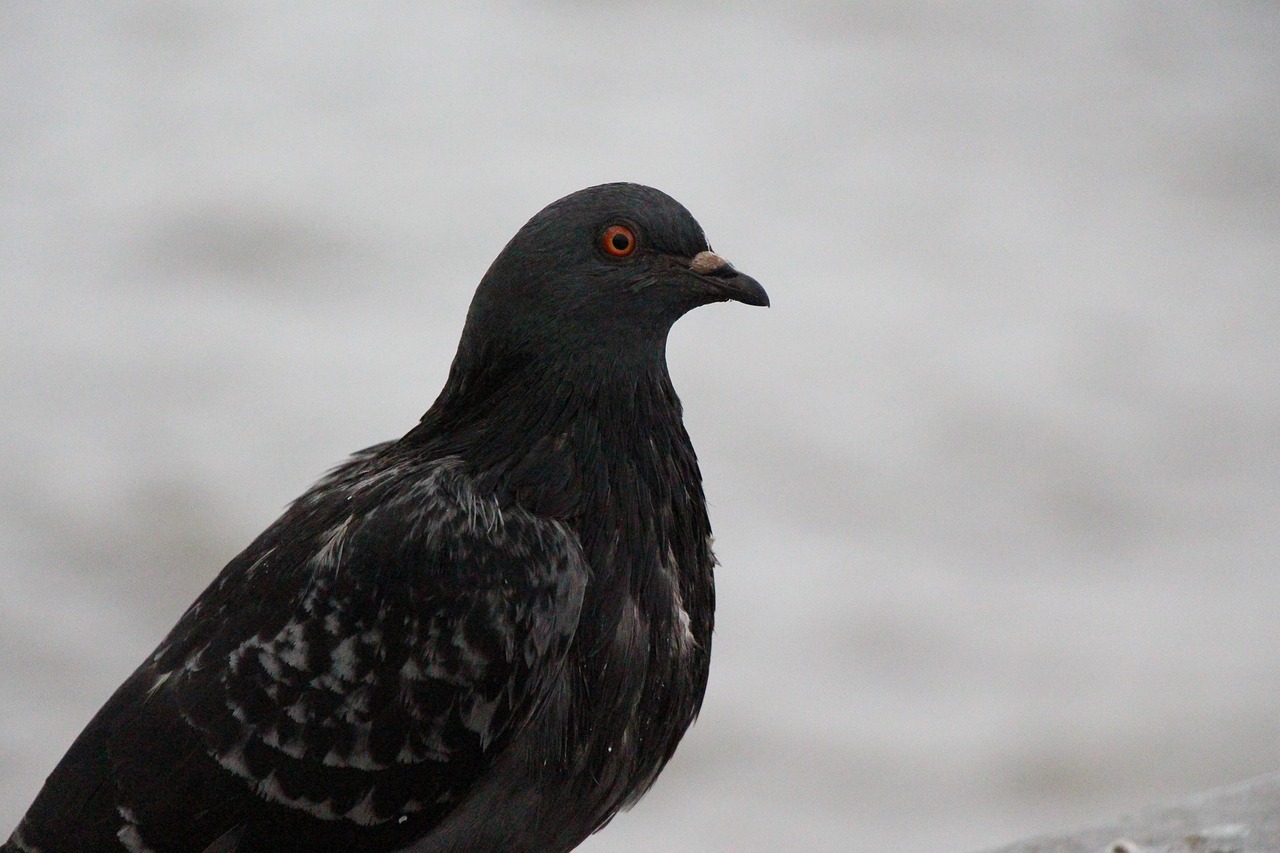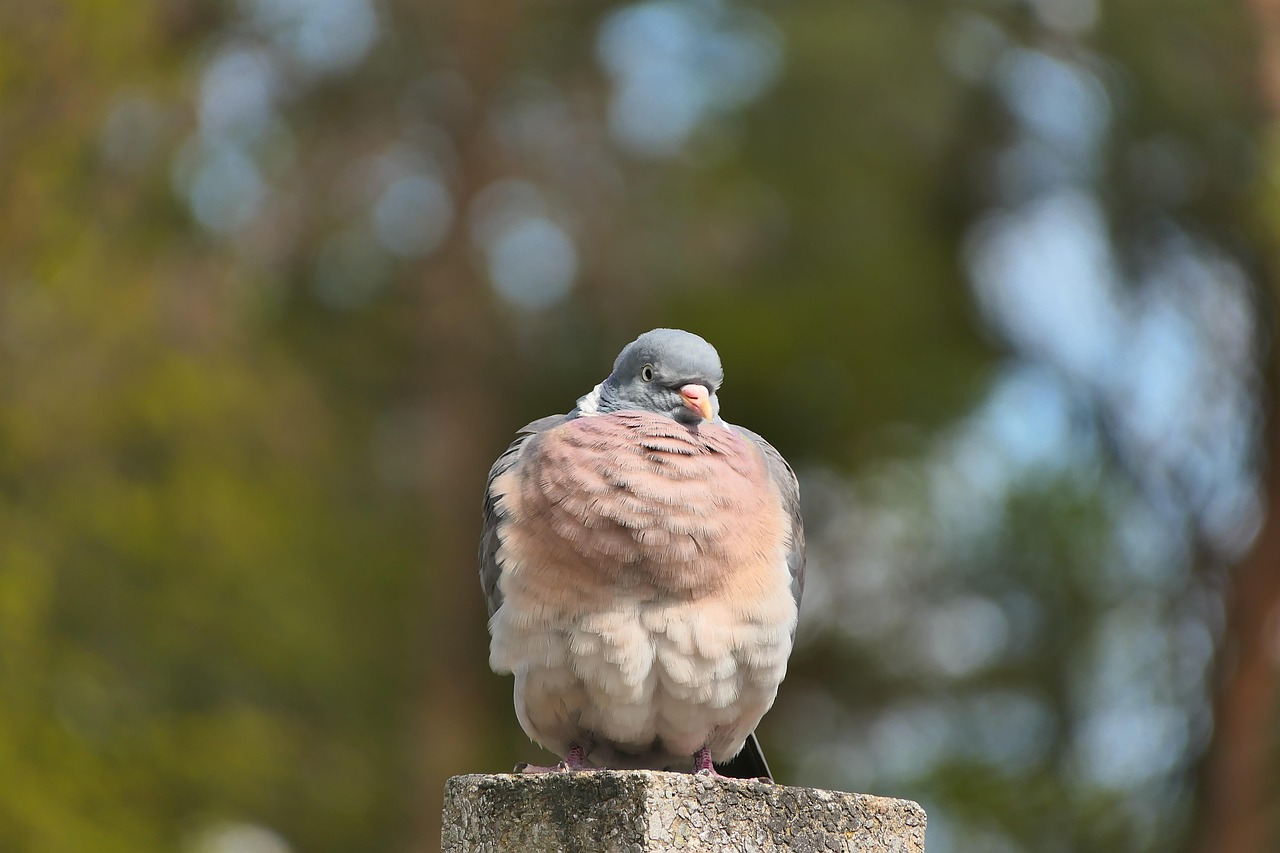
Fancy pigeon breeding is an art form that combines passion with precision, aiming to produce offspring of exceptional purity and beauty. This guide delves into the best pairing methods to achieve high-quality, genetically sound birds, offering actionable insights for enthusiasts at all levels. By focusing on strategic approaches, breeders can enhance traits like color, form, and health, ensuring a thriving loft.
Understanding the Basics of Fancy Pigeon Breeding
Before diving into advanced techniques, it's crucial to grasp the fundamentals of fancy pigeon breeding. This involves selecting birds based on genetic traits, health, and conformation to breed standards. A solid foundation ensures that subsequent pairing methods yield consistent results, minimizing risks of defects or undesirable characteristics. Start by assessing your loft's current stock and setting clear goals for improvement.
Key Genetic Principles for Breeders
Genetics play a pivotal role in fancy pigeon breeding, influencing everything from feather patterns to body structure. Understanding dominant and recessive genes helps breeders predict outcomes and avoid inbreeding depression. For instance, pairing birds with complementary traits can enhance specific features, such as vibrant plumage or elegant posture. Regularly review pedigrees and maintain detailed records to track genetic lineages over generations.
Implementing genetic diversity strategies is essential for long-term success. Introduce new bloodlines periodically to prevent genetic bottlenecks, but do so cautiously to maintain purity. Tools like genetic testing can identify carriers of hidden traits, allowing for informed decisions. By mastering these principles, breeders can optimize their fancy pigeon breeding efforts for superior offspring.
Health and Nutrition Foundations
Healthy pigeons are the cornerstone of effective breeding programs. Ensure birds receive a balanced diet rich in proteins, vitamins, and minerals to support reproduction and chick development. Regular veterinary check-ups and vaccinations prevent diseases that could compromise breeding outcomes. A clean, stress-free environment further promotes vitality, making birds more receptive to pairing.
Monitor weight and condition closely, as underweight or overweight pigeons may have reduced fertility. Supplement diets with calcium for strong eggshells and omega-3 fatty acids for feather quality. By prioritizing health, breeders lay the groundwork for successful fancy pigeon breeding, leading to robust and beautiful progeny.
Best Pairing Methods for High Purity
Selecting the right pairing methods is critical for achieving high purity in fancy pigeon breeding. This involves strategic matches based on phenotype and genotype, aiming to fix desirable traits while eliminating flaws. Experiment with different approaches to find what works best for your specific breed and goals, always keeping records to refine techniques over time.
Line Breeding for Consistency
Line breeding is a popular method in fancy pigeon breeding that involves mating closely related birds, such as cousins or half-siblings, to concentrate desirable genes. This approach helps stabilize traits like color or shape, producing uniform offspring. However, it requires careful management to avoid inbreeding depression, which can lead to health issues. Rotate breeding pairs and introduce outcrosses periodically to maintain genetic vigor.
To implement line breeding effectively, start with a superior foundation pair and track their descendants. Use selective culling to remove birds with undesirable traits, focusing only on the best specimens for future pairings. This method is ideal for breeders seeking to establish a distinct line with predictable characteristics, making it one of the best pairing methods for purity.
Outcrossing for Genetic Diversity
Outcrossing involves mating unrelated birds from the same breed to introduce new genetic material, enhancing diversity and reducing inbreeding risks. This method is useful for correcting flaws or adding vigor to a line, but it may dilute established traits if not managed carefully. Choose outcross partners with complementary strengths, such as improved health or unique markings, to balance purity with innovation.
Plan outcrosses strategically, perhaps every few generations, to refresh the gene pool without losing core attributes. Monitor offspring closely for hybrid vigor and integrate successful traits back into the main line. Outcrossing is a valuable tool in fancy pigeon breeding, offering a way to maintain long-term sustainability while pursuing beauty.
Advanced Techniques for Enhancing Beauty
Beyond basic pairing methods, advanced techniques can elevate the aesthetic qualities of fancy pigeons. Focus on selective breeding for specific traits, such as iridescent feathers or graceful posture, using observation and experimentation. Collaborate with other breeders to exchange insights and access rare bloodlines, enriching your breeding program.
Color and Pattern Optimization
Color and pattern are key aspects of beauty in fancy pigeon breeding. Use pairing methods that emphasize genetic combinations for vibrant hues and intricate designs, such as barring or lacing. Study breed standards to understand ideal colorations, and pair birds that exhibit these traits strongly. For example, mating two birds with recessive color genes can produce striking variations in offspring.
Experiment with cross-breeding within allowed parameters to create unique patterns, but always prioritize health and conformation. Keep a color chart to track inheritance patterns, adjusting pairings based on results. This focused approach ensures that beauty is not just superficial but rooted in genetic excellence.
Form and Structure Refinement
Form and structure define the elegance of fancy pigeons, influencing their show potential. Pair birds with complementary body shapes, such as a broad chest paired with a slender neck, to achieve balanced proportions. Use tools like photography or 3D modeling to analyze structural details before breeding, identifying areas for improvement.
Incorporate exercises and proper housing to support physical development, as environment impacts form. Regularly evaluate offspring against breed standards, culling those that deviate significantly. By refining form through careful pairing, breeders can produce pigeons that are not only beautiful but also functionally sound.
Practical Management for Breeding Success
Effective management practices are essential for implementing the best pairing methods in fancy pigeon breeding. This includes logistical aspects like timing, record-keeping, and loft organization, which directly impact outcomes. Develop a systematic approach to streamline processes and maximize efficiency, ensuring that every breeding season contributes to your goals.
Seasonal Timing and Environment
Timing breeding activities with seasonal cycles can enhance success rates in fancy pigeon breeding. Plan pairings during optimal periods, typically spring and fall, when daylight and temperature support reproduction. Adjust lighting and temperature in the loft to simulate ideal conditions, encouraging mating behavior and egg production.
Create separate breeding compartments to reduce stress and allow for focused care. Monitor pairs for compatibility, intervening if aggression or disinterest occurs. By aligning management with natural rhythms, breeders can improve fertility and chick survival, key factors in achieving high purity.
Record-Keeping and Analysis
Accurate record-keeping is a cornerstone of successful fancy pigeon breeding, enabling data-driven decisions. Maintain logs for each bird, including pedigree, health history, and breeding outcomes. Use software or spreadsheets to analyze trends, such as which pairings yield the most beautiful or healthy offspring.
- Track egg-laying dates and hatch rates
- Document chick growth and trait development
- Note any health issues or genetic anomalies
Regularly review records to identify successful strategies and areas for adjustment. This analytical approach transforms breeding from guesswork into a science, optimizing the best pairing methods over time.
Conclusion
Mastering fancy pigeon breeding requires a blend of knowledge, patience, and strategic application of the best pairing methods. By focusing on genetic principles, health, and advanced techniques, breeders can produce offspring of exceptional purity and beauty. Remember to adapt methods to your specific context and continuously learn from each breeding cycle. For those looking to streamline their efforts, consider using tools like Ghawy – Pigeon Manager (غاوي – إدارة الحمام) to enhance record-keeping and management. Embrace the journey, and your loft will flourish with stunning, high-quality birds.