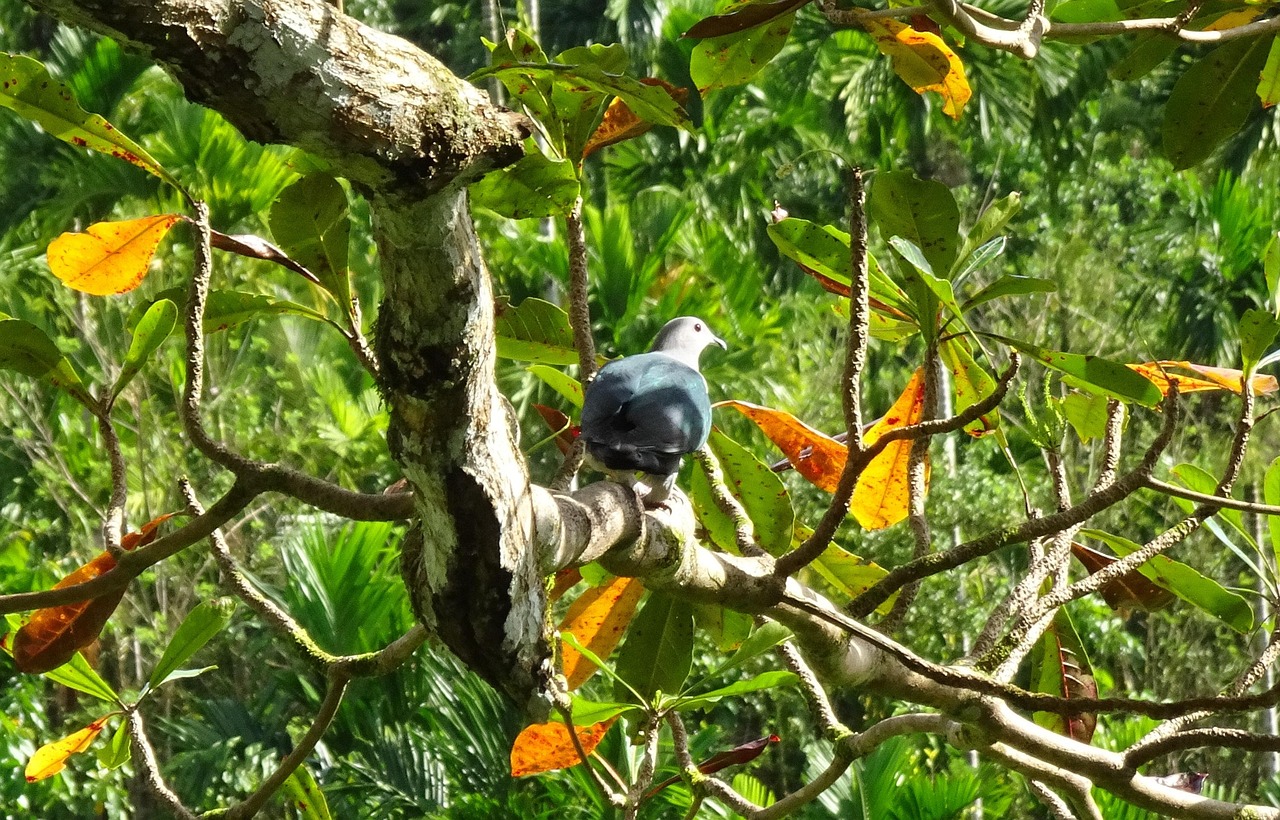
In the world of pigeon racing and breeding, achieving peak performance hinges on optimal nutrition and metabolic efficiency. L-carnitine, a naturally occurring amino acid derivative, has emerged as a game-changer for enhancing pigeon endurance by revolutionizing fat metabolism. This article delves into the scientific mechanisms behind how L-carnitine transforms energy utilization in pigeons, offering actionable insights for enthusiasts seeking to maximize their birds' stamina and health.
The Role of L-Carnitine in Pigeon Physiology
L-carnitine is a critical nutrient that plays a central role in cellular energy production, particularly in high-demand activities like flying. In pigeons, it acts as a shuttle, transporting long-chain fatty acids into the mitochondria—the powerhouses of cells—where they are burned for energy. This process is essential for sustained flight, as it allows pigeons to tap into their fat reserves efficiently, reducing reliance on limited glycogen stores. Understanding this biological function is key to appreciating why L-carnitine supplementation can significantly boost endurance in racing and homing pigeons.
Fat Metabolism in Pigeons: The Energy Equation
Pigeons, like all birds, have evolved to utilize fat as a primary energy source during prolonged exertion. Fat metabolism in pigeons involves breaking down stored triglycerides into fatty acids, which must then be transported into mitochondria for oxidation. L-carnitine facilitates this transport by binding to fatty acids, forming acyl-carnitine complexes that cross mitochondrial membranes. Without adequate L-carnitine, this process slows down, leading to fatigue and reduced performance. For pigeon enthusiasts, optimizing fat metabolism through L-carnitine means their birds can fly longer distances with less fatigue, making it a cornerstone of endurance training.
Research in avian physiology shows that pigeons with higher L-carnitine levels exhibit improved fat oxidation rates, translating to better endurance during flights. This is because fat provides more than twice the energy per gram compared to carbohydrates, allowing for sustained energy release. By enhancing fat metabolism, L-carnitine helps pigeons maintain steady energy levels, avoid mid-flight crashes, and recover faster post-exercise. Incorporating L-carnitine into pigeon diets can thus mimic natural evolutionary advantages, giving competitive birds an edge in races and long-distance journeys.
L-Carnitine Synthesis and Dietary Sources
Pigeons can synthesize L-carnitine endogenously from the amino acids lysine and methionine, but this production may be insufficient under high-stress conditions like racing or breeding. Dietary sources become crucial to meet increased demands. Natural sources of L-carnitine for pigeons include animal-based proteins, such as those found in insects or meat by-products, but these are often limited in standard pigeon feeds. Supplementation with L-carnitine additives ensures consistent levels, supporting optimal fat metabolism and endurance. For pigeon keepers, understanding these sources helps in formulating balanced diets that prevent deficiencies and promote peak performance.
In practice, L-carnitine supplements for pigeons are available in various forms, including powders, liquids, and fortified feeds. When selecting a supplement, it's important to consider purity, dosage, and compatibility with other nutrients. Over-supplementation is rare but can lead to minor digestive issues, so following recommended guidelines is advised. By integrating L-carnitine into regular feeding routines, pigeon enthusiasts can enhance their birds' natural energy pathways, leading to noticeable improvements in stamina and overall health. This proactive approach to nutrition aligns with best practices in avian care, ensuring pigeons thrive in demanding environments.
Scientific Mechanisms: How L-Carnitine Enhances Endurance
The enhancement of pigeon endurance through L-carnitine is rooted in complex biochemical pathways that optimize energy production. At its core, L-carnitine increases the rate of fatty acid oxidation, allowing pigeons to burn fat more efficiently during flight. This not only provides a steady energy supply but also spares glycogen stores for bursts of speed when needed. Additionally, L-carnitine helps reduce lactate buildup, a byproduct of anaerobic metabolism that causes muscle fatigue. By mitigating lactate accumulation, pigeons experience less muscle soreness and faster recovery, enabling them to train harder and perform better in consecutive flights.
Mitochondrial Function and Energy Output
Mitochondria are essential for converting nutrients into adenosine triphosphate (ATP), the energy currency of cells. L-carnitine plays a dual role here: it transports fatty acids into mitochondria and removes toxic byproducts like acyl groups that can impair mitochondrial function. In pigeons, this leads to enhanced mitochondrial efficiency, resulting in higher ATP production per unit of fat burned. Studies on avian species indicate that L-carnitine supplementation can increase mitochondrial density in muscle tissues, further boosting endurance capacity. For pigeon racers, this means birds can sustain longer flights without tiring, as their cells generate energy more effectively.
Beyond energy production, L-carnitine supports overall cellular health by reducing oxidative stress. During intense exercise, pigeons produce free radicals that can damage cells and hinder performance. L-carnitine has antioxidant properties that neutralize these radicals, protecting muscle tissues and promoting longevity. This protective effect is particularly valuable for racing pigeons, who face physical stressors regularly. By incorporating L-carnitine into their care regimen, enthusiasts can help their birds maintain peak physiological condition, reducing the risk of injury and extending their competitive careers. This scientific insight underscores L-carnitine's multifaceted benefits beyond mere energy enhancement.
Impact on Muscle Recovery and Adaptation
Endurance in pigeons isn't just about energy during flight; it also involves how quickly muscles recover afterward. L-carnitine accelerates recovery by improving blood flow to muscle tissues, delivering oxygen and nutrients while removing waste products. This process reduces inflammation and soreness, allowing pigeons to bounce back faster from strenuous activities. In the context of training regimens, faster recovery enables more frequent and intense sessions, leading to better adaptation and improved endurance over time. Pigeon keepers who prioritize recovery often see their birds achieving personal bests in races, thanks to L-carnitine's supportive role.
Moreover, L-carnitine influences muscle adaptation by promoting the expression of genes involved in fat metabolism and endurance. Over time, consistent supplementation can lead to physiological changes, such as increased slow-twitch muscle fibers that are ideal for sustained flight. This adaptation makes pigeons more efficient flyers, capable of covering greater distances with less effort. For those involved in pigeon sports, understanding this long-term benefit highlights the importance of integrating L-carnitine into year-round nutrition plans. It's not just a quick fix but a strategic tool for building enduring athletic prowess in pigeons.
Practical Applications for Pigeon Enthusiasts
Implementing L-carnitine in pigeon care requires a thoughtful approach to dosage, timing, and integration with overall management practices. For optimal results, L-carnitine should be administered consistently, especially during periods of high activity like racing seasons or breeding. A typical dosage ranges from 50 to 100 mg per kilogram of body weight daily, but it's best to consult with a veterinarian or avian nutritionist to tailor recommendations to specific needs. Combining L-carnitine with a balanced diet rich in proteins, vitamins, and minerals ensures synergistic effects, maximizing endurance benefits without compromising health.
Dietary Integration and Supplement Strategies
Integrating L-carnitine into pigeon diets can be done through various methods, such as mixing powdered supplements into feed or water, or using pre-formulated commercial products. When choosing a supplement, look for high-quality, bioavailable forms like L-carnitine tartrate or acetyl-L-carnitine, which are easily absorbed by pigeons. It's also beneficial to pair L-carnitine with other endurance-enhancing nutrients, such as B vitamins and antioxidants, to support overall metabolic health. For pigeon enthusiasts, developing a supplementation schedule that aligns with training cycles—increasing doses before races and maintaining them during off-seasons—can lead to sustained performance improvements.
In addition to supplements, dietary sources of L-carnitine can be incorporated through natural feeds. While plant-based diets are low in L-carnitine, animal-derived ingredients like fish meal or insect larvae can provide small amounts. However, for significant endurance boosts, supplementation is often necessary. Monitoring pigeon response to L-carnitine is crucial; signs of improved endurance include longer flight times, faster recovery, and increased vitality. Keeping a log of performance metrics helps fine-tune dosages and strategies, ensuring that L-carnitine use is both effective and safe. This hands-on approach empowers pigeon keepers to take control of their birds' nutritional health.
Training and Management Synergies
L-carnitine works best when combined with proper training and management practices. For racing pigeons, a structured training regimen that gradually increases flight distances helps build endurance, while L-carnitine supports energy needs during these sessions. Environmental factors, such as providing a stress-free loft and adequate rest, also play a role in maximizing L-carnitine's benefits. By creating a holistic care plan that includes nutrition, training, and environment, pigeon enthusiasts can unlock their birds' full potential. This integrated approach not only enhances endurance but also promotes overall well-being, making pigeons more resilient and competitive.
Case studies from pigeon racing communities show that teams using L-carnitine consistently report higher race placements and fewer dropouts due to fatigue. These real-world examples underscore the practical value of this supplement. To implement such strategies, consider using tools like Ghawy – Pigeon Manager (غاوي – إدارة الحمام) to track nutrition, training schedules, and performance data. This platform can help optimize L-carnitine usage by providing insights into how dietary changes affect endurance outcomes. By leveraging technology alongside nutritional science, pigeon keepers can achieve remarkable results in their pursuit of excellence.
Potential Challenges and Considerations
While L-carnitine offers significant benefits for pigeon endurance, it's important to address potential challenges and misconceptions. Over-reliance on supplements without addressing underlying issues, such as poor diet or inadequate training, can limit effectiveness. Additionally, individual pigeons may respond differently to L-carnitine based on factors like age, health status, and genetic predisposition. Monitoring for any adverse effects, such as digestive upset or changes in behavior, ensures safe usage. By approaching L-carnitine as part of a comprehensive care strategy, rather than a standalone solution, pigeon enthusiasts can avoid pitfalls and achieve sustainable improvements.
Common Misconceptions and Safety Tips
One common misconception is that L-carnitine is a magic bullet for instant endurance gains. In reality, its effects build over time with consistent use, and it works best alongside other good practices. Another myth is that higher doses always lead to better results; excessive L-carnitine can be wasteful and may cause minor side effects like diarrhea. To use L-carnitine safely, start with lower doses and gradually increase based on observed benefits, always prioritizing quality supplements from reputable sources. Educating oneself about L-carnitine's mechanisms helps set realistic expectations and fosters responsible usage in pigeon care.
Safety also involves considering interactions with other supplements or medications. L-carnitine is generally safe and well-tolerated by pigeons, but consulting with an avian expert before introducing it into a regimen is wise, especially for birds with pre-existing health conditions. By staying informed and cautious, pigeon keepers can harness L-carnitine's advantages without compromising their birds' health. This proactive mindset not only enhances endurance but also builds trust and expertise within the pigeon community, contributing to better overall standards of care.
Long-Term Benefits and Ethical Use
The long-term benefits of L-carnitine for pigeons extend beyond endurance to include improved overall health and longevity. By supporting efficient fat metabolism, L-carnitine helps maintain healthy body weight, reducing the risk of obesity-related issues. It also promotes cardiovascular health by optimizing energy use in heart muscles, which is crucial for high-performance birds. Ethically, using L-carnitine should align with welfare principles, ensuring that supplementation enhances natural abilities without causing harm or dependency. For pigeon enthusiasts, this means prioritizing balanced nutrition and humane treatment above competitive gains.
In the broader context of avian sports, ethical use of supplements like L-carnitine fosters a culture of responsibility and respect for the animals. Sharing knowledge and experiences within communities can help standardize best practices, ensuring that all pigeons benefit from scientific advancements. As research continues to evolve, staying updated on new findings about L-carnitine and pigeon health will enable keepers to adapt their strategies for even better outcomes. This commitment to continuous learning and ethical care defines the modern pigeon enthusiast, driving progress in both performance and welfare.
Conclusion
L-carnitine stands out as a powerful tool for enhancing pigeon endurance by optimizing fat metabolism, supporting mitochondrial function, and accelerating recovery. Through scientific analysis and practical applications, this article has explored how L-carnitine transforms energy utilization in pigeons, offering actionable insights for enthusiasts. By integrating L-carnitine into balanced diets and training regimens, pigeon keepers can unlock their birds' full potential, leading to improved performance in races and long-distance flights. Remember, consistency and holistic care are key to reaping these benefits. For those looking to streamline their management, consider using Ghawy – Pigeon Manager (غاوي – إدارة الحمام) to track progress and optimize strategies. Embrace these insights to elevate your pigeon care and achieve new heights in endurance and health.