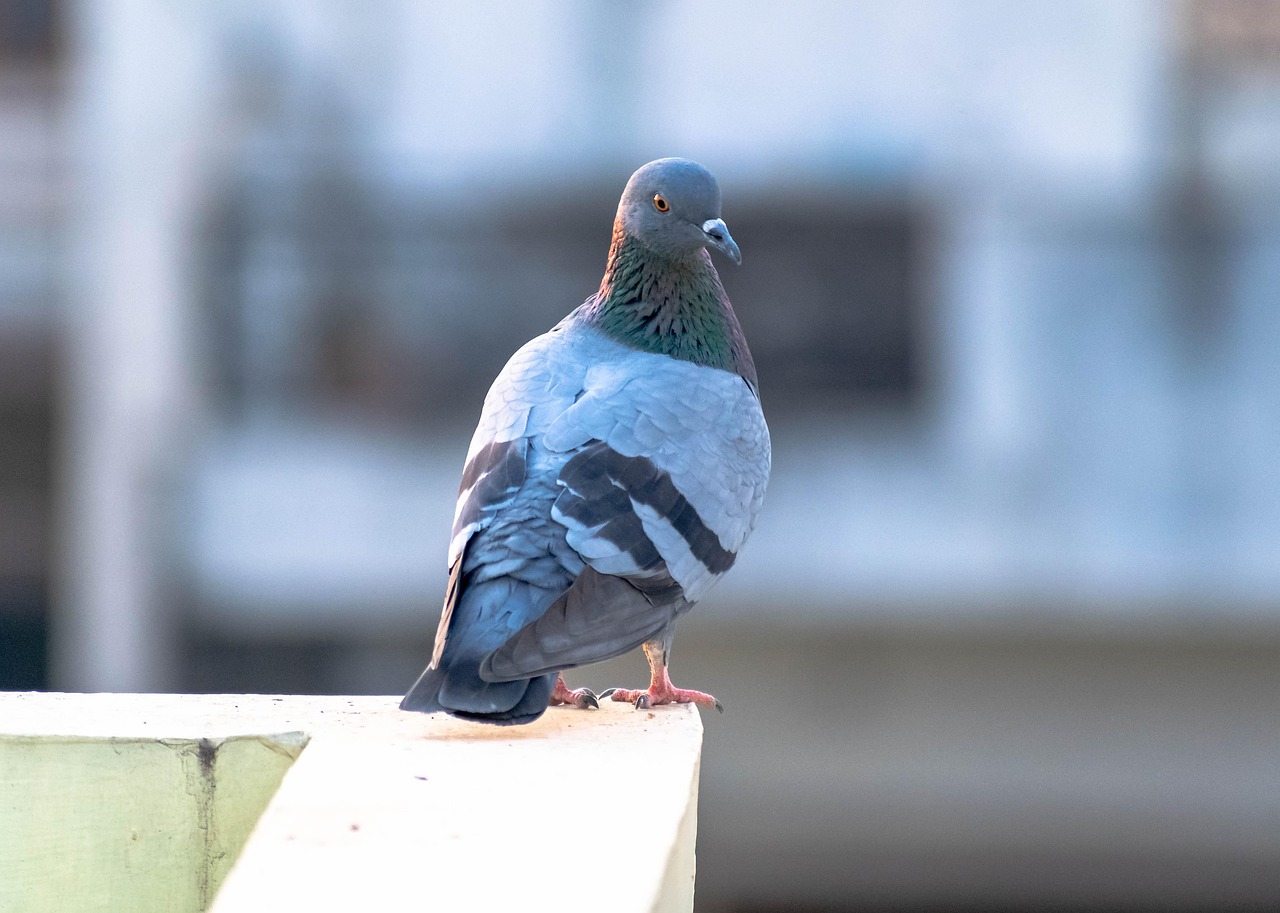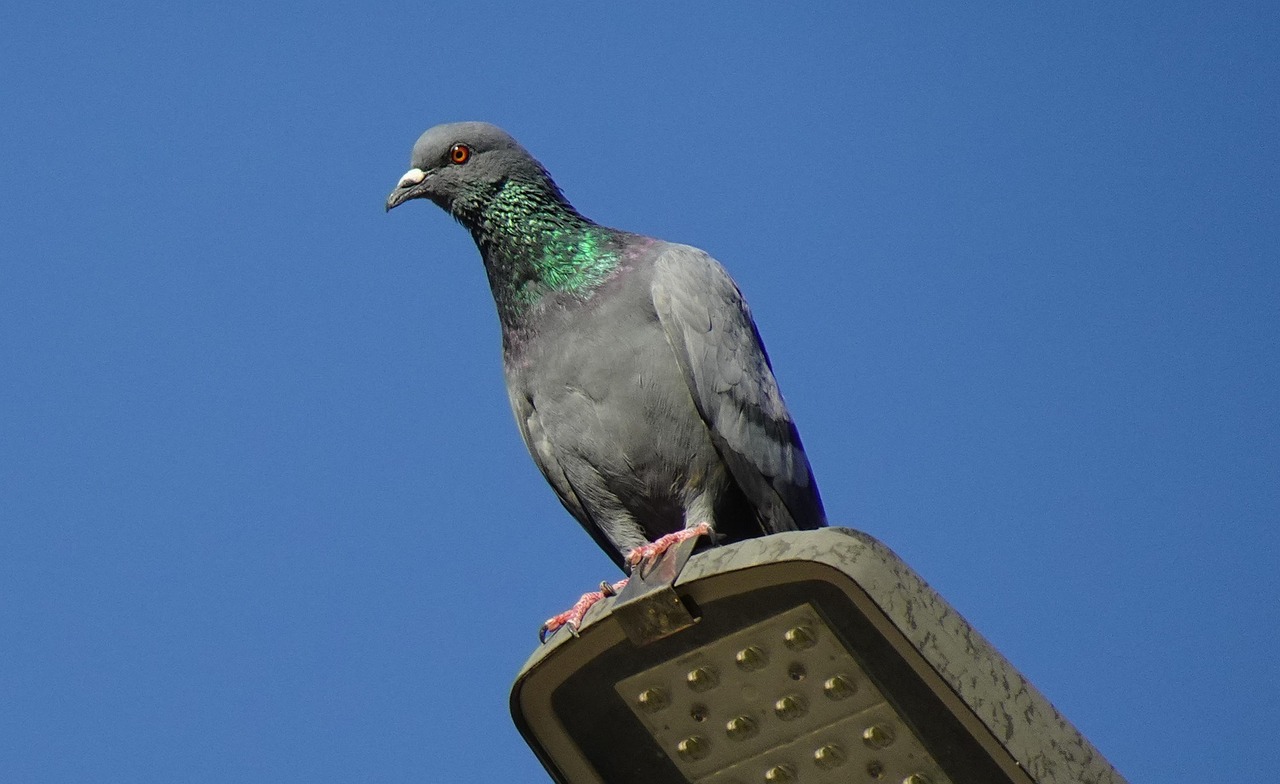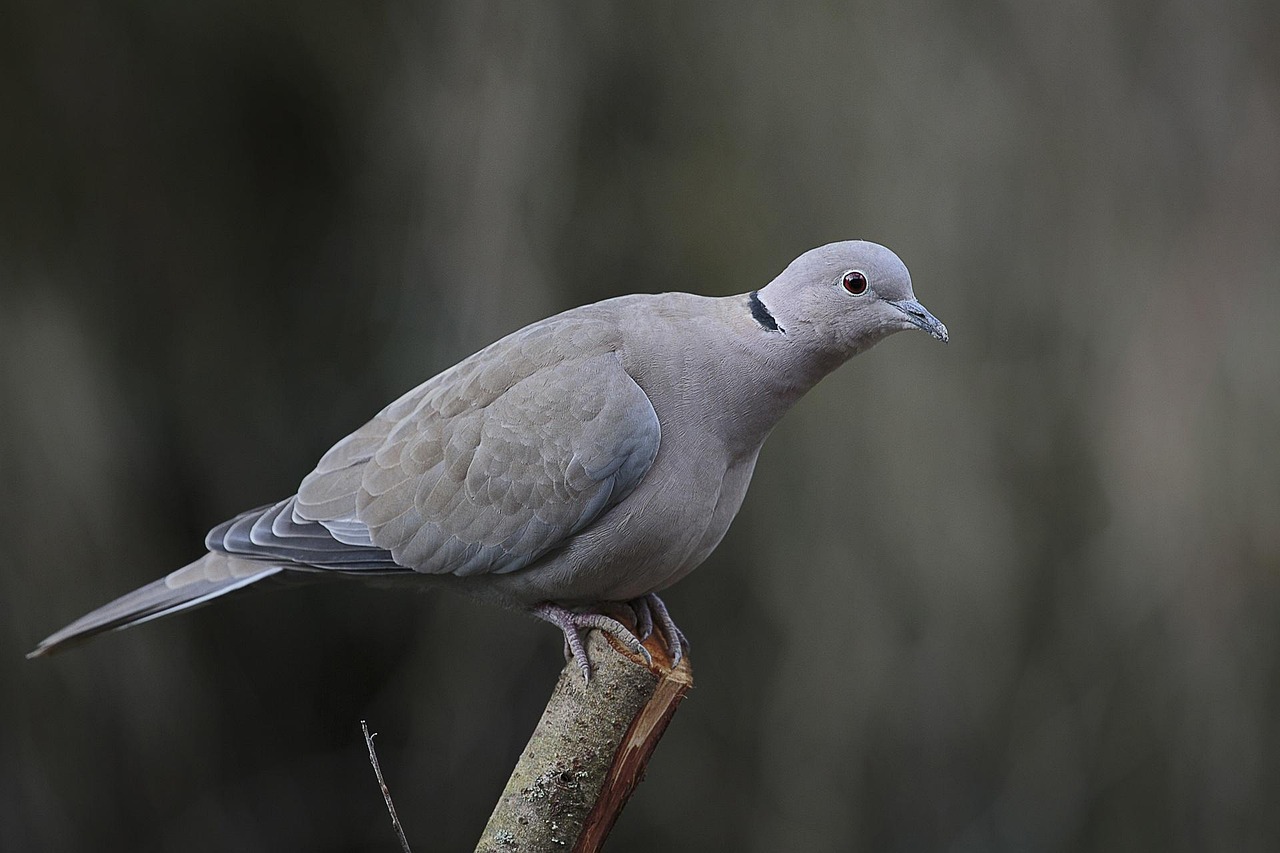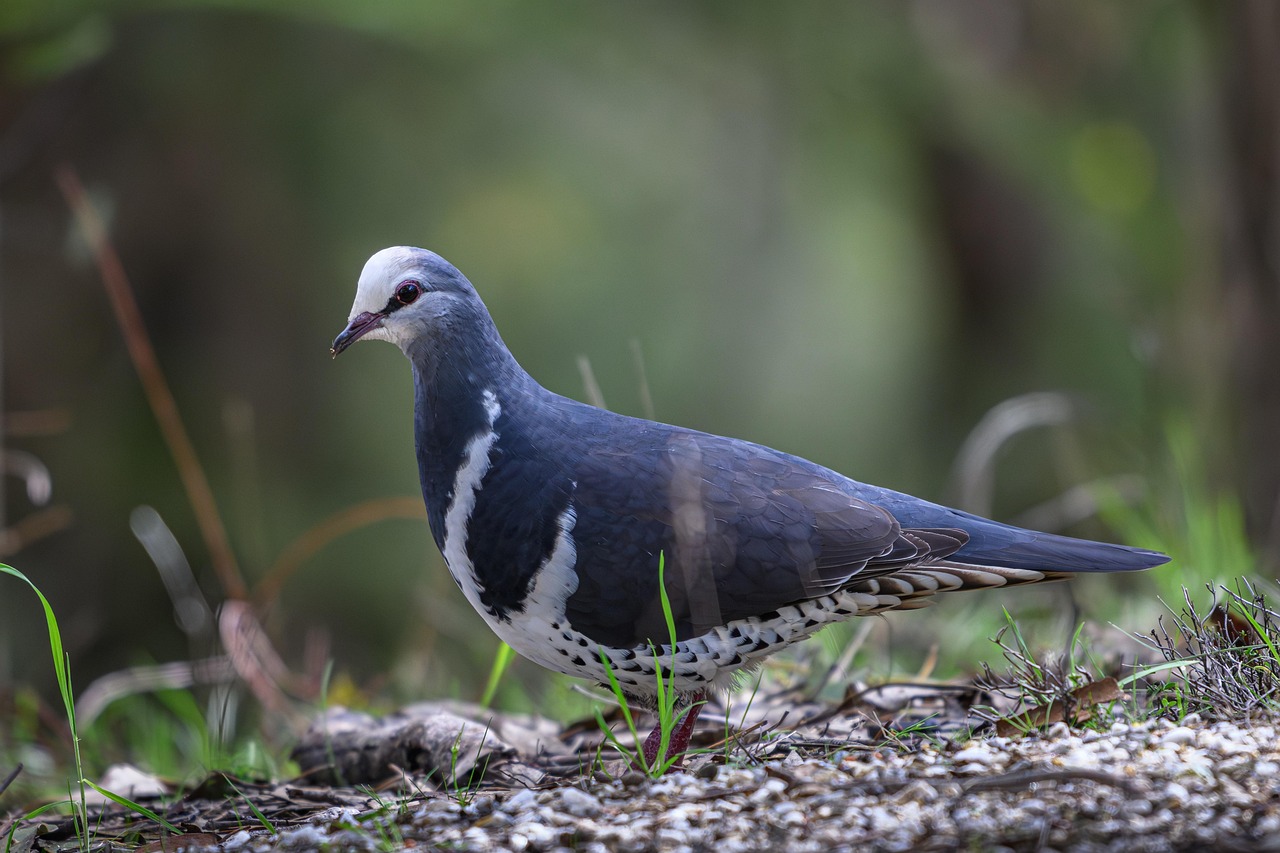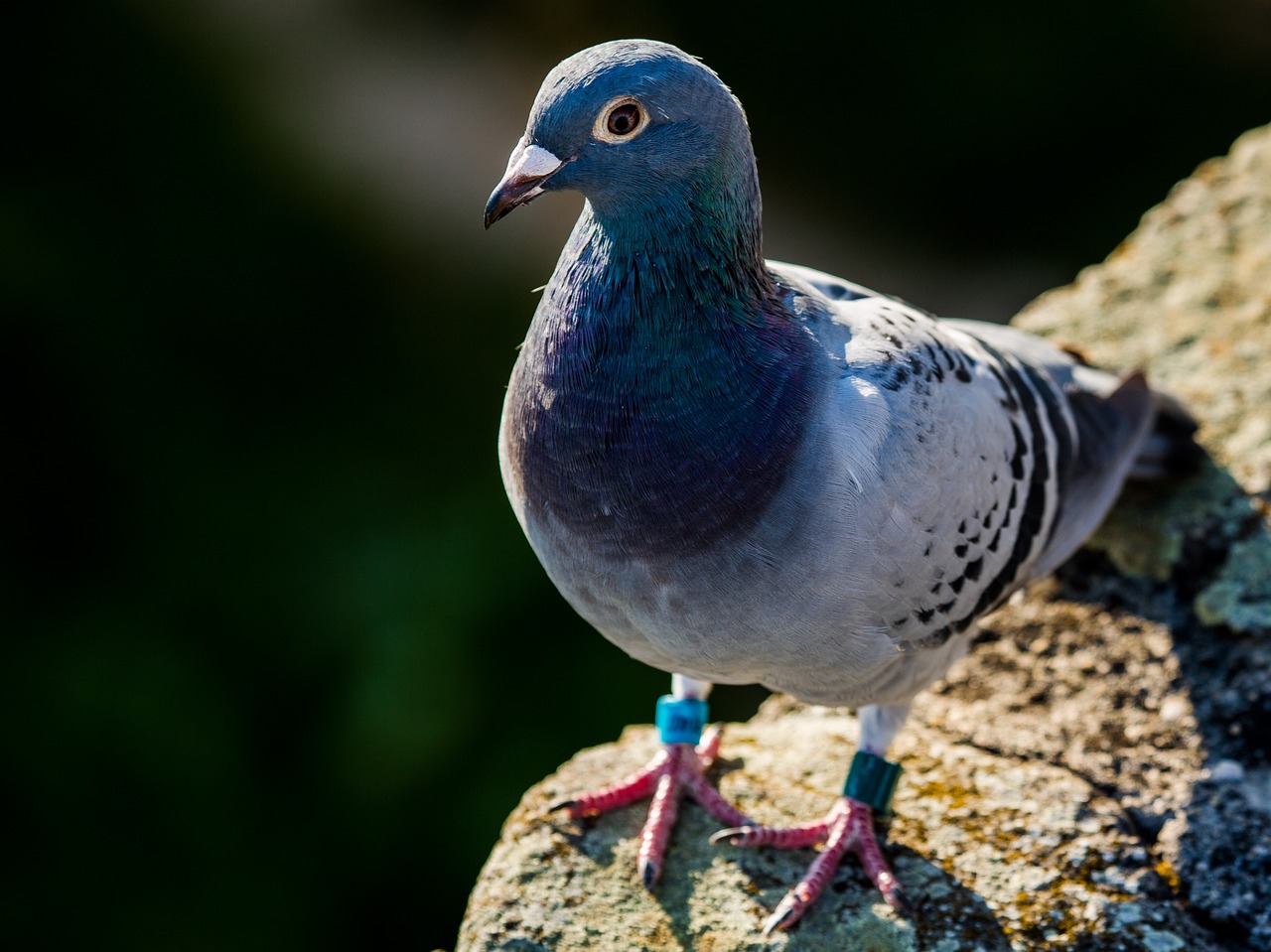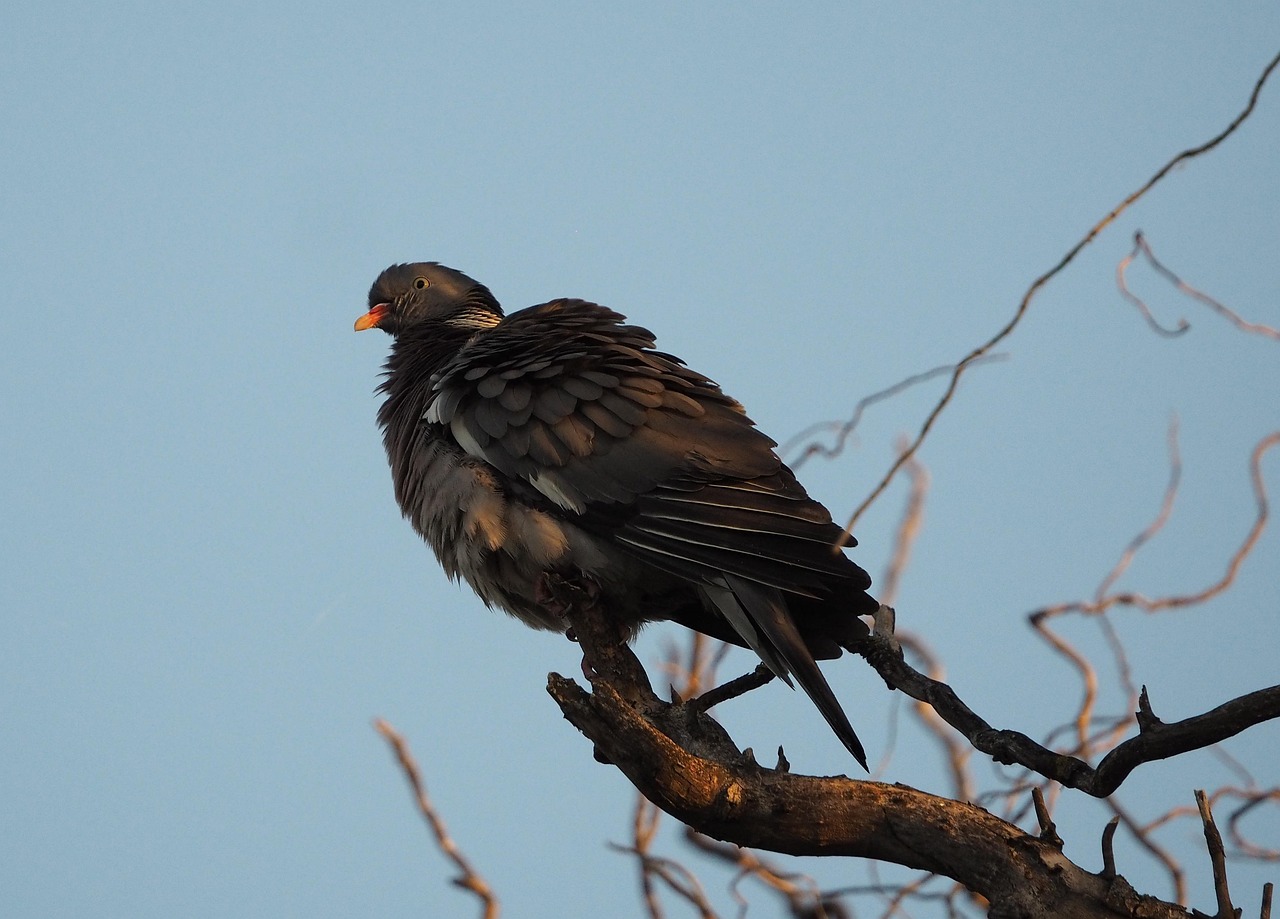
In the competitive world of pigeon shows, a stunning photograph can be the difference between a bird blending in and one that commands attention and value. This guide delves into the art of pigeon photography, offering expert techniques to capture your bird's best angles and enhance its market appeal through professional show presentation. By mastering these skills, you can transform how your pigeons are perceived, potentially increasing their worth and recognition in the enthusiast community.
The Art of Pigeon Photography: Capturing Beauty and Character
Pigeon photography is more than just taking pictures; it's about telling a story of elegance, health, and breed standards through the lens. A well-executed photo highlights the unique features that make your bird stand out, from its plumage to its posture. This section explores the foundational principles of capturing your pigeon's essence, setting the stage for effective show presentation that resonates with judges and buyers alike.
Understanding Your Subject: Pigeon Anatomy and Features
Before you even pick up a camera, it's crucial to understand what makes your pigeon special. Study its anatomy, including the shape of its head, the color and texture of its feathers, and its overall body structure. Different breeds have distinct characteristics that should be emphasized in photography. For example, a show racer might showcase its sleek build, while a fancy pigeon could highlight intricate feather patterns. By knowing these details, you can plan shots that accentuate strengths and minimize any flaws, ensuring your photos present the bird in its best light.
Consider the bird's personality as well; some pigeons are calm and poised, while others are more active. Observing their behavior helps you anticipate moments that convey their character, such as a proud stance or a gentle gaze. This understanding allows for more natural and engaging photos, which are key for show presentation that feels authentic and compelling. Remember, the goal is to create images that not only look good but also tell a story about the bird's quality and potential.
Essential Equipment for Professional Pigeon Shots
Investing in the right equipment can elevate your pigeon photography from amateur to professional. A DSLR or mirrorless camera with a good lens, such as a 50mm or 85mm prime, offers sharpness and control over depth of field. Lighting is equally important; natural light is often best, but a softbox or reflector can help eliminate shadows and highlight details. A tripod ensures stability for crisp shots, especially in low-light conditions or when capturing subtle movements.
Don't overlook accessories like a clean background, which can be a simple white sheet or a neutral-colored backdrop to keep focus on the bird. A remote shutter release minimizes camera shake, and props like perches or natural elements can add context without distracting. By using this equipment effectively, you can produce high-quality images that enhance show presentation, making your pigeons look their best in competitions and sales listings. Practice with your gear to become comfortable, as familiarity leads to better results in fast-paced show environments.
Lighting and Composition: Techniques for Stunning Images
Lighting and composition are the cornerstones of impactful pigeon photography, directly influencing how your bird is perceived in show presentation. Proper lighting brings out colors and textures, while thoughtful composition guides the viewer's eye to key features. This section provides actionable tips to master these elements, helping you create photos that not only look beautiful but also communicate value and professionalism.
Mastering Natural and Artificial Light
Natural light, especially during the golden hours of early morning or late afternoon, offers a soft, flattering glow that enhances feather details without harsh shadows. Position your pigeon so the light hits from the side or front, avoiding backlighting that can silhouette the bird. If shooting indoors, use artificial light sources like LED panels or flashes with diffusers to mimic natural light. The key is to achieve even illumination that minimizes glare and highlights the bird's best attributes, such as iridescent neck feathers or bright eyes.
Experiment with different lighting setups to see what works best for your pigeon's coloration and breed. For darker birds, you might need more light to avoid underexposure, while lighter birds may require less to prevent washout. Consistency in lighting across photos helps in creating a cohesive portfolio for show presentation, making it easier for judges to assess your bird fairly. Remember, good lighting not only improves image quality but also conveys a sense of care and attention to detail, boosting the bird's perceived market value.
Composition Rules for Engaging Photos
Effective composition turns a simple photo into a compelling visual story. Use the rule of thirds by placing your pigeon off-center to create balance and interest. Focus on the eyes, as they are often the most expressive part, ensuring they are sharp and clear. Include negative space around the bird to give it room to "breathe" and draw attention to its form. Avoid cluttered backgrounds that distract from the subject; instead, opt for clean, simple settings that emphasize the pigeon's features.
Consider angles and perspectives to showcase different aspects of your bird. A low angle can make the pigeon appear majestic and powerful, while a top-down view might highlight its plumage patterns. For show presentation, include a variety of shots: full-body images to show overall conformation, close-ups of unique markings, and action shots that capture movement. By applying these composition techniques, you create a diverse portfolio that tells a complete story, enhancing the bird's appeal in competitions and sales. Practice regularly to develop an eye for what works best, refining your skills over time.
Show Presentation: From Photos to Podium Success
Show presentation is the strategic use of photography to prepare your pigeon for competitions, where first impressions can make or break success. It involves curating a portfolio that highlights the bird's strengths, aligns with judging criteria, and engages potential buyers. This section covers how to translate your photography skills into effective show strategies, ensuring your pigeons stand out and achieve higher market value.
Building a Winning Portfolio for Competitions
A strong portfolio is essential for show presentation, as it serves as your pigeon's visual resume in competitions. Start by selecting your best photos that showcase the bird from multiple angles and in different poses. Include images that demonstrate breed standards, such as proper stance, feather condition, and color accuracy. Organize the portfolio logically, perhaps starting with a striking headshot to grab attention, followed by full-body shots and detail close-ups. This approach helps judges quickly assess the bird's quality and consistency.
Incorporate variety to keep the portfolio engaging; mix static poses with action shots, like the bird in flight or interacting with its environment. Use high-resolution images that are well-lit and sharply focused, as blurry or dark photos can detract from the bird's appeal. For digital submissions, ensure files are properly formatted and labeled with the bird's name and breed. By presenting a professional portfolio, you signal that your pigeon is a top contender, increasing its chances of winning and boosting its market reputation. Regularly update the portfolio as the bird grows or changes, keeping it current and relevant.
Leveraging Photos for Sales and Marketing
Beyond competitions, photography plays a crucial role in marketing your pigeons for sale. High-quality photos can attract buyers by showcasing the bird's beauty and potential. Use your best images in online listings, social media posts, and promotional materials, ensuring they are optimized for web viewing with fast loading times. Write descriptive captions that highlight key features, such as lineage, health, and show history, to complement the visuals. This integrated approach enhances show presentation by creating a compelling narrative that resonates with enthusiasts.
Consider creating a dedicated gallery or video tour to give potential buyers a comprehensive view of the bird. Engage with your audience by sharing behind-the-scenes shots or progress updates, building trust and interest. For maximum impact, align your marketing efforts with show seasons or events, when demand is higher. By effectively leveraging photos, you not only increase sales opportunities but also establish your reputation as a serious breeder. This, in turn, can lead to higher prices and repeat business, as buyers associate your name with quality and professionalism in the pigeon community.
Advanced Tips and Common Mistakes to Avoid
Taking your pigeon photography to the next level requires attention to advanced techniques and awareness of common pitfalls. This section offers insights from experienced enthusiasts, helping you refine your skills and avoid errors that could undermine your show presentation. By learning from others' experiences, you can produce consistently excellent photos that elevate your birds' market value.
Enhancing Photos with Post-Processing
Post-processing can subtly enhance your pigeon photos without altering the bird's natural appearance. Use software like Adobe Lightroom or free alternatives to adjust exposure, contrast, and color balance, ensuring the image matches what you saw in person. Sharpening tools can bring out feather details, while cropping can improve composition by removing distractions. However, avoid over-editing, such as excessive saturation or airbrushing, as this can misrepresent the bird and harm credibility in show presentation.
Develop a consistent editing style to create a cohesive look across your portfolio. This might involve applying similar color tones or brightness levels to all photos, making them look professional and unified. Save originals in case you need to revert changes or provide unedited versions for judging. By mastering post-processing, you add polish to your images, making them more appealing for competitions and sales. Remember, the goal is enhancement, not transformation; authenticity is key to maintaining trust with judges and buyers.
Avoiding Common Photography Errors
Common mistakes in pigeon photography can detract from your show presentation and reduce your bird's perceived value. One frequent error is poor focus, resulting in blurry images that fail to highlight details. Always use manual or auto-focus modes carefully, ensuring the eyes and key features are sharp. Another issue is inconsistent lighting, which can create uneven shadows or washed-out colors. Plan your shoots around optimal light conditions or use controlled setups to avoid this.
Other pitfalls include distracting backgrounds, such as clutter or bright colors that draw attention away from the bird. Use plain backdrops and check the frame before shooting. Additionally, avoid overhandling the pigeon, which can stress it and lead to unnatural poses; instead, allow it to relax and move naturally. By being mindful of these errors, you can produce higher-quality photos that better serve your show presentation goals. Practice and review your work regularly to identify areas for improvement, continuously honing your skills as a pigeon photographer.
Conclusion
Mastering pigeon photography and show presentation is a powerful way to enhance your birds' market value and competitive edge. By focusing on techniques like understanding your subject, using proper equipment, and applying lighting and composition rules, you can create stunning images that tell a compelling story. Remember to build a strong portfolio, leverage photos for marketing, and avoid common mistakes to ensure consistency and professionalism. As you refine these skills, your pigeons will stand out in shows and attract higher interest from buyers. For those looking to streamline their efforts, consider tools like Ghawy – Pigeon Manager (غاوي – إدارة الحمام) to organize and showcase your birds effectively. Embrace these strategies to elevate your passion and achieve greater success in the pigeon community.