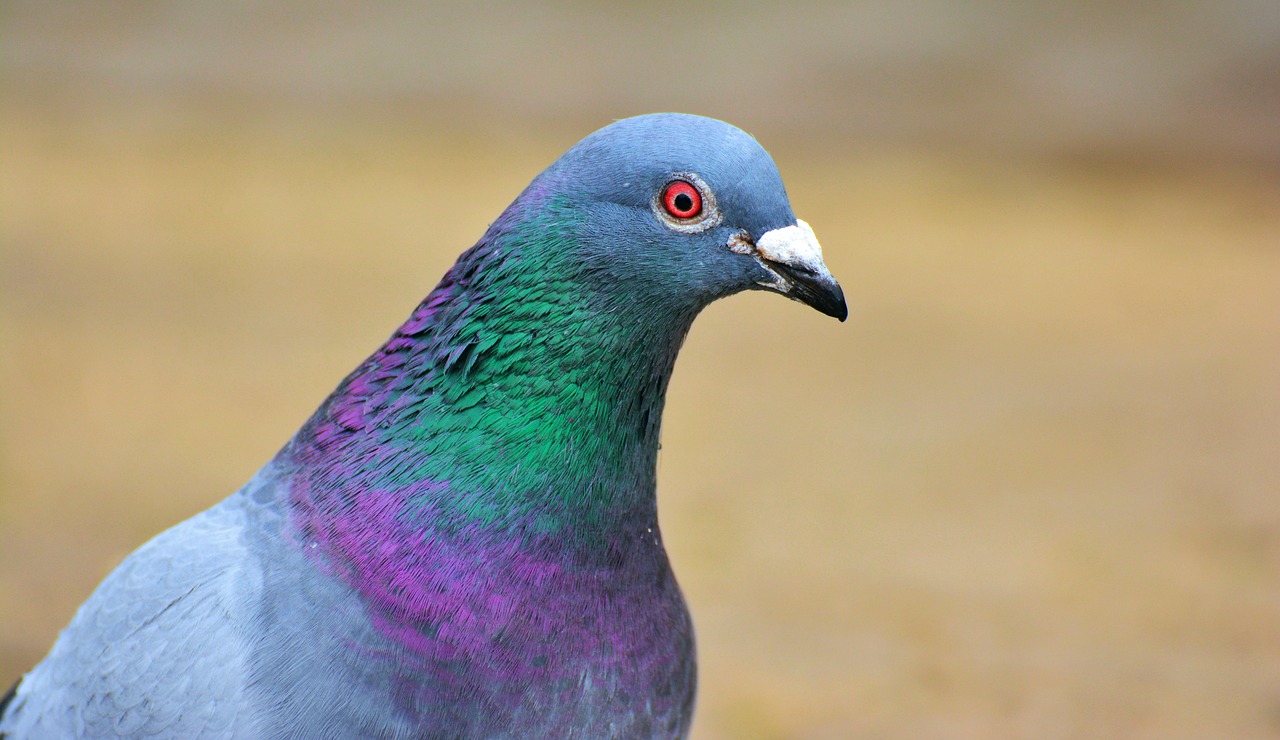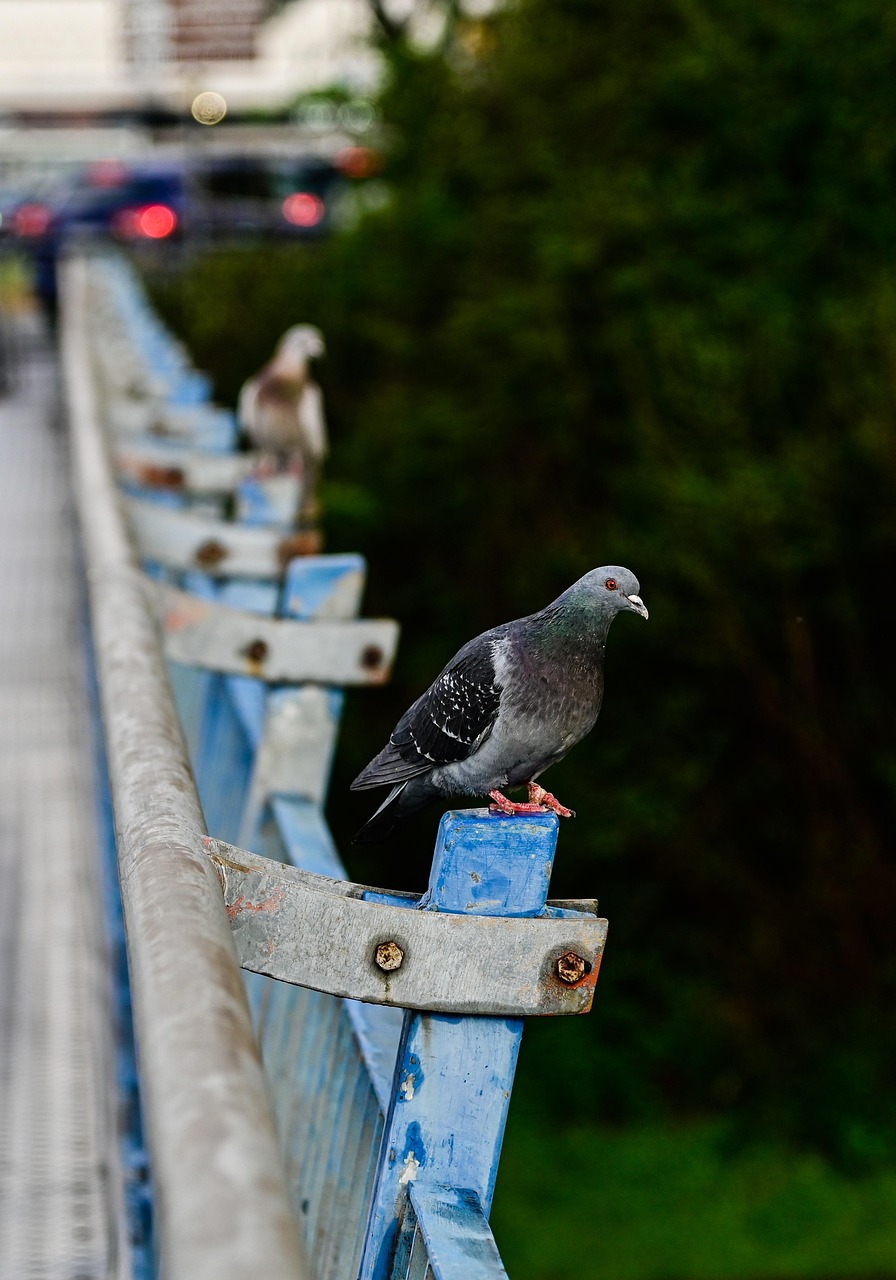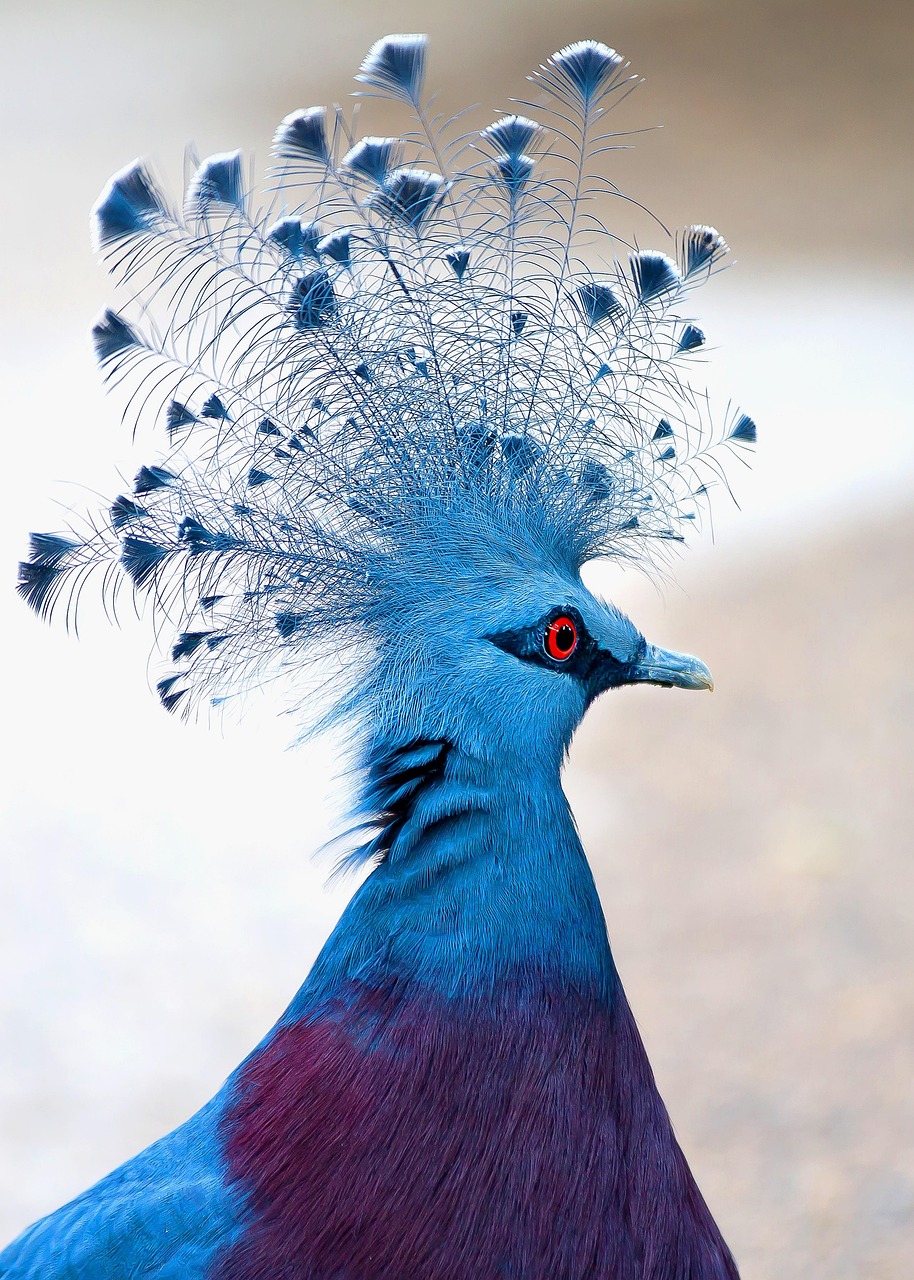
Presenting rare pigeon breeds in their best light requires careful attention to display and photography equipment. From the show cage setup to strategic lighting for pigeons, every detail matters in highlighting their unique beauty and elegance. This guide explores the essential tools and techniques to make your birds stand out in any exhibition or photo session.
Choosing the Right Show Cage Setup
A well-designed show cage setup is the foundation for showcasing rare pigeon breeds effectively. It not only provides a safe and comfortable environment for the birds but also enhances their visual appeal to judges and spectators. Investing in high-quality cages can make a significant difference in how your pigeons are perceived during competitions.
Key Features of an Ideal Show Cage
An ideal show cage should prioritize both aesthetics and functionality. Look for cages made from durable materials like stainless steel or powder-coated wire, which resist corrosion and are easy to clean. The dimensions should allow the pigeon to move naturally without feeling cramped, typically around 24 inches in length, 18 inches in width, and 18 inches in height for standard breeds. Ventilation is crucial to prevent stress, so opt for designs with ample airflow while maintaining security. Additionally, consider cages with removable perches and feeding trays to simplify maintenance and reduce disturbance to the birds during shows. A smooth, non-slip floor can help prevent injuries and keep the pigeons calm, contributing to a more polished presentation.
Beyond basic structure, customization options can elevate your show cage setup. Some enthusiasts add decorative elements like engraved nameplates or color-coordinated accessories that complement the pigeon's plumage. However, avoid over-cluttering the cage, as simplicity often highlights the bird's natural beauty better. For rare breeds, such as the Lahore or Saxon Fairy Swallow, a minimalist approach with clean lines can draw attention to their distinctive features. Regular inspection for sharp edges or loose parts is essential to ensure safety. By focusing on these details, you create an environment that not only showcases the pigeon but also reflects your dedication as a breeder.
Placement and Arrangement Strategies
Proper placement of the show cage within the exhibition space can significantly impact how your pigeons are viewed. Position cages at eye level to allow easy observation without straining viewers, and ensure they are spaced adequately to prevent overcrowding and reduce stress among birds. In larger shows, grouping cages by breed or color can create a cohesive display that tells a story about your collection. For instance, placing contrasting breeds side by side can emphasize their unique traits, such as the iridescent feathers of a Archangel pigeon next to the muted tones of a Modena.
Consider the flow of foot traffic when arranging cages; placing your best specimens near entrances or high-traffic areas can attract more attention. Use backdrops or simple dividers to minimize distractions and focus the viewer's gaze on the pigeons. Lighting plays a complementary role here, as discussed in later sections, but even in natural light setups, strategic placement near windows or under soft overhead lights can enhance visibility. Regularly rotate birds if they are in the cage for extended periods to prevent fatigue, and always have backup cages ready for emergencies. This thoughtful arrangement not only improves the aesthetic appeal but also promotes a positive experience for both the birds and the audience.
Optimizing Lighting for Pigeons in Displays
Lighting is a critical element in any pigeon display, as it can accentuate colors, textures, and movements that define rare breeds. Effective lighting for pigeons involves balancing intensity, color temperature, and direction to create a flattering and natural-looking environment. Whether for live shows or photography, the right lighting setup can transform an ordinary presentation into an extraordinary one.
Types of Lighting and Their Effects
Different types of lighting serve various purposes in pigeon displays. Natural daylight is often preferred for its ability to reveal true colors, but it can be inconsistent. For controlled environments, LED lights are popular due to their energy efficiency and adjustable color temperatures; aim for a range of 5000K to 6500K to mimic daylight without harsh shadows. Soft, diffused lighting helps reduce glare and highlights the subtle details of feathers, such as the sheen on a Brunner Pouter or the patterns of a Starling. Avoid direct, bright lights that can cause stress or overheating, as pigeons may become agitated and less cooperative.
In addition to general lighting, accent lights can be used to draw attention to specific features. For example, a spotlight with a warm tone can enhance the golden hues of a Carneau pigeon, while cooler lights might better suit breeds with silver or white plumage. Experiment with angles to avoid casting unflattering shadows; side lighting can emphasize body contours, whereas front lighting ensures the face and eyes are clearly visible. For photography, continuous lighting setups allow for real-time adjustments, whereas strobes might startle the birds. Always monitor the birds' behavior to ensure they are comfortable, and use dimmers to gradually introduce light changes. This approach not only improves visual appeal but also supports the well-being of your pigeons.
Practical Tips for Lighting Setup
Implementing an effective lighting setup requires careful planning and testing. Start by assessing the exhibition space: measure ambient light levels and identify potential sources of interference, such as reflections from windows or other cages. Use light meters or smartphone apps to gauge intensity, aiming for a balanced 100-200 lux for general viewing, which is bright enough to see details without overwhelming the birds. Position lights at a 45-degree angle to the cage to minimize shadows and create depth, and consider using multiple light sources to eliminate dark spots. For larger displays, overhead track lighting can provide uniform coverage, while smaller setups might benefit from portable LED panels.
Safety is paramount when working with electrical equipment near animals. Ensure all cords are secured and out of reach to prevent chewing or tripping hazards, and use surge protectors to avoid power fluctuations. If using natural light, have blinds or curtains on hand to control intensity during peak hours. For photography, a three-point lighting setup—with key, fill, and back lights—can produce professional results, but keep sessions short to reduce stress. Regularly clean light fixtures to maintain brightness, and replace bulbs before they burn out to avoid sudden changes. By following these tips, you can create a reliable lighting system that enhances both live displays and photographic records of your rare breeds.
Essential Photography Equipment for Capturing Pigeon Beauty
Photography plays a vital role in documenting and promoting rare pigeon breeds, allowing enthusiasts to share their beauty with a wider audience. High-quality images can capture intricate details that might be missed in live shows, from the delicate feather patterns to the expressive eyes. Investing in the right photography equipment ensures that every shot does justice to your birds' uniqueness.
Cameras and Lenses for Detailed Shots
Choosing the right camera and lenses is the first step toward stunning pigeon photography. DSLR or mirrorless cameras with high resolution (at least 24 megapixels) are ideal for capturing fine details, such as the texture of a Frillback's curls or the color gradients in a Nun pigeon. A macro lens, with a focal length of 50mm to 100mm, allows for close-up shots without disturbing the bird, while a standard zoom lens (e.g., 24-70mm) is versatile for full-body portraits. Consider cameras with fast autofocus systems to track moving subjects, as pigeons can be unpredictable. For beginners, a entry-level DSLR with a kit lens can suffice, but upgrading to prime lenses with wider apertures (e.g., f/1.8 to f/2.8) enables better low-light performance and beautiful background blur, isolating the pigeon from distractions.
Beyond the basics, specialized lenses can enhance specific aspects of pigeon photography. A telephoto lens (e.g., 70-200mm) is useful for shooting from a distance, reducing stress on the birds, while a tilt-shift lens can correct perspective distortions in enclosure shots. Always use a lens hood to minimize lens flare and protect the glass from scratches. For consistency, shoot in RAW format to retain more data for post-processing, and familiarize yourself with manual settings like ISO, shutter speed, and aperture to adapt to changing light conditions. Practice in different scenarios to build confidence, and remember that patience is key—wait for the pigeon to assume a natural pose for the most authentic images.
Accessories and Setup for Professional Results
Accessories can greatly improve the quality and efficiency of your pigeon photography sessions. A sturdy tripod is essential for stability, especially in low-light conditions or when using slower shutter speeds to avoid motion blur. Remote shutter releases or camera apps allow you to take shots without touching the camera, minimizing vibrations and startling the birds. Reflectors or diffusers help manage light, bouncing it onto shadowed areas or softening harsh highlights for a more even exposure. For indoor setups, consider a portable backdrop in neutral colors like gray or white to keep the focus on the pigeon, and use clamps or stands to secure it in place.
When setting up for a shoot, prioritize the pigeon's comfort by choosing a quiet, familiar environment. Have treats or perches ready to encourage natural behaviors, but avoid over-handling to reduce stress. Use a clean show cage as a prop to maintain consistency with live displays, and ensure the area is free of hazards. For action shots, such as pigeons in flight, a fast shutter speed (1/1000s or higher) and burst mode can capture dynamic moments. After the session, back up your images immediately and use editing software like Adobe Lightroom to fine-tune colors and sharpness. By incorporating these accessories and techniques, you can produce professional-grade photos that showcase the elegance of rare breeds.
Integrating Display and Photography for Maximum Impact
Combining effective display techniques with skilled photography can amplify the appeal of rare pigeon breeds, whether for competitions, online portfolios, or educational purposes. A cohesive approach ensures that the birds look their best in both live and captured moments, highlighting their attributes consistently across different mediums.
Synergizing Cage and Lighting Elements
To achieve a seamless integration, start by aligning your show cage setup with your lighting strategy. For example, if using a cage with dark finishes, pair it with brighter lighting to prevent the pigeon from blending into the background. Conversely, light-colored cages may require softer lights to avoid overexposure. Position lights to complement the cage's design—e.g., overhead lights for open-top cages or side lights for enclosed ones—and adjust based on the breed's characteristics. Breeds with glossy feathers, like the Oriental Roller, benefit from angled lighting that enhances shine, while matte-feathered birds might need more diffuse illumination. Test different combinations during practice sessions to find what works best, and document successful setups for future reference.
Incorporate elements that bridge the gap between display and photography, such as removable backdrops or adjustable perches that can be used in both contexts. For instance, a perch that allows the pigeon to showcase its posture in a cage can also serve as a prop in photos. Use consistent color schemes and materials to create a unified brand identity if you're sharing images online or in catalogs. Additionally, consider the audience's perspective: in live shows, viewers see the bird from multiple angles, so ensure the cage and lighting are optimized for 360-degree viewing. For photography, focus on compositions that tell a story, like a series of shots showing the pigeon in its cage and in more naturalistic settings. This synergy not only enhances visual appeal but also builds a stronger connection with viewers.
Practical Workflow for Combined Efforts
Developing a streamlined workflow can save time and improve results when integrating display and photography. Begin by setting up the show cage in its final exhibition position, then fine-tune the lighting based on ambient conditions. Take test photos to identify any issues, such as shadows or reflections, and make adjustments before the actual event or shoot. During live shows, have a photography kit on hand to capture impromptu moments, but avoid disrupting the display with excessive equipment. Use a checklist to ensure all elements are in place: cage cleanliness, lighting functionality, and camera settings.
After events, review your photos to assess what worked and what didn't, and use this feedback to refine future setups. Share your best images on social media or breeding forums to engage with other enthusiasts and gather insights. For ongoing improvement, keep a journal of successful combinations of cage types, lighting setups, and photographic techniques specific to each breed. This iterative process helps you develop a signature style that highlights the uniqueness of your rare pigeons. Remember, the goal is to create a holistic experience that celebrates these birds in every context, from the show ring to the digital screen.
Maintenance and Upkeep of Display Equipment
Regular maintenance of your display and photography equipment is crucial for ensuring longevity, safety, and consistent performance. Neglecting upkeep can lead to malfunctions that compromise both the well-being of your pigeons and the quality of your presentations. A proactive approach to care will save you time and money in the long run.
Routine Cleaning and Inspection
Establish a schedule for cleaning all equipment, focusing on show cages, lighting fixtures, and camera gear. For cages, disassemble parts if possible and wash with mild soap and water, then disinfect with a bird-safe solution to prevent disease transmission. Pay attention to corners and joints where debris can accumulate, and check for rust or wear on metal components. Lighting equipment should be dusted regularly to maintain brightness, and bulbs or LEDs replaced as needed to avoid dimming or color shifts. Inspect cords for fraying or damage, and test electrical connections before each use to prevent hazards.
For photography equipment, clean lenses with a soft cloth and lens cleaner to avoid scratches, and store cameras in dry, dust-free cases when not in use. Check batteries and memory cards before shoots to avoid interruptions, and update firmware periodically for optimal performance. Keep a log of maintenance activities, noting dates and any issues encountered, to track the lifespan of your gear. This routine not only preserves your investment but also ensures that your equipment is always ready for impromptu opportunities to showcase your pigeons.
Storage and Upgrade Strategies
Proper storage extends the life of your equipment and keeps it organized for easy access. Store show cages in a dry area, stacked neatly or hung to prevent deformation, and cover them to protect against dust. Lighting equipment should be kept in original packaging or padded containers to avoid breakage during transport. For photography gear, use dedicated bags with compartments to separate lenses, cameras, and accessories, and include silica gel packets to control moisture. Label everything clearly to streamline setup before events or shoots.
As your collection grows or technology advances, consider upgrading your equipment to stay competitive. For example, newer LED lights may offer better color accuracy or energy efficiency, while advanced cameras could provide higher resolution or faster processing. Evaluate your needs based on feedback from shows or photo reviews, and budget for replacements gradually. When upgrading, recycle or donate old equipment responsibly. By maintaining and updating your gear, you ensure that your displays and photographs continue to reflect the highest standards, much like the care put into managing rare breeds with tools like Ghawy – Pigeon Manager for seamless organization.
Conclusion
Mastering the art of showcasing rare pigeon breeds involves a blend of thoughtful show cage setups, precise lighting for pigeons, and skilled photography. By focusing on equipment that enhances both live displays and images, you can highlight the unique beauty of each breed while ensuring their comfort and safety. Remember, consistency in maintenance and a creative approach will set your presentations apart. For those looking to streamline their pigeon management, consider exploring Ghawy – Pigeon Manager to keep your efforts organized and effective.