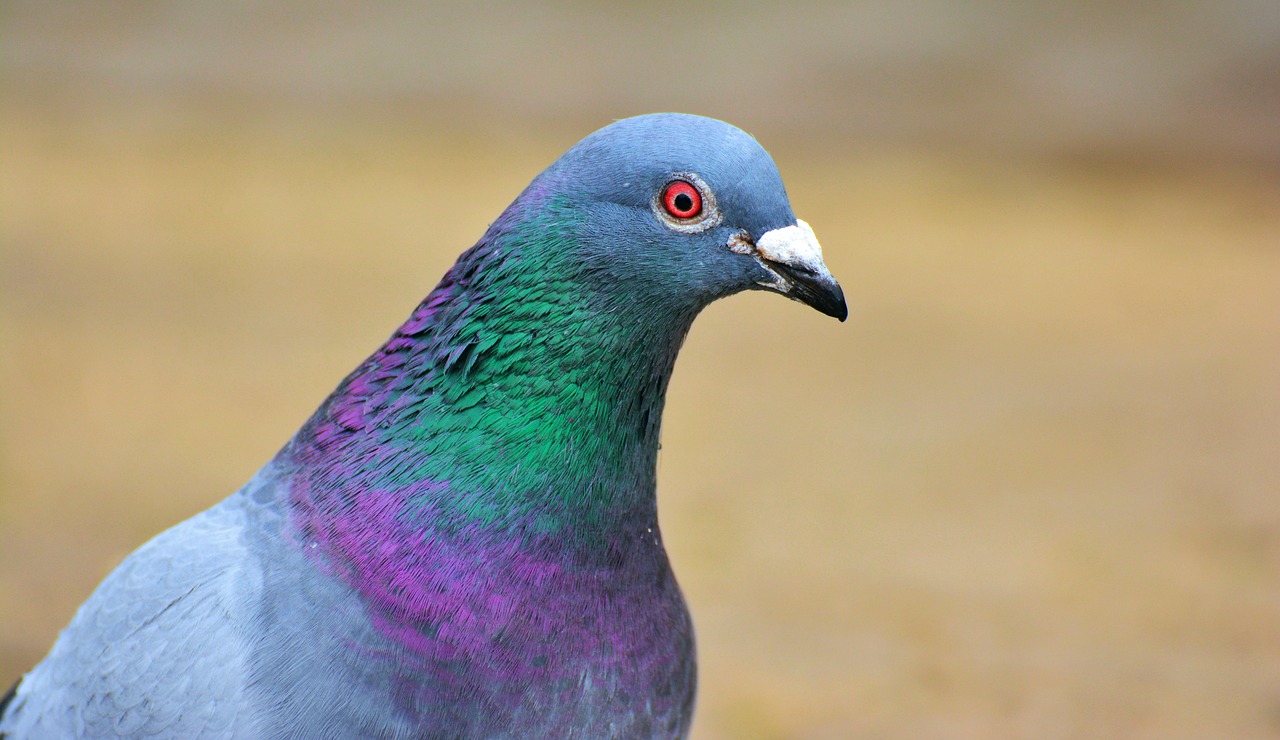
Rare pigeon breeds captivate enthusiasts with their unique beauty, but presenting them effectively requires the right equipment. From show cage setup to lighting for pigeons, this guide explores how to highlight their elegance and charm. Investing in quality tools ensures your birds shine in any exhibition or personal collection.
Understanding the Basics of Show Cage Setup
A proper show cage setup is foundational for displaying rare pigeon breeds, as it provides a safe and attractive environment that enhances their natural features. This section covers the core elements to consider, from cage design to placement strategies. By focusing on these basics, you can create a setup that not only showcases your pigeons but also promotes their well-being during events or daily viewing.
Choosing the Right Cage Design
Selecting an appropriate cage design is crucial for a show cage setup, as it directly impacts how pigeons are perceived by judges and spectators. Opt for cages made from durable, non-toxic materials like stainless steel or powder-coated wire, which resist corrosion and are easy to clean. The size should allow pigeons to move comfortably without stress, typically ranging from 24 to 36 inches in length for standard breeds, ensuring they don't appear cramped or agitated. Additionally, consider cages with removable perches and feeding stations to facilitate quick adjustments during shows, making setup and teardown efficient. A well-designed cage not only highlights the pigeon's form but also contributes to a professional presentation that can elevate your standing in competitive circles.
Beyond material and size, the aesthetic aspects of the cage play a significant role in a show cage setup. Look for designs with smooth, rounded edges to prevent injuries and enhance visual appeal, avoiding sharp corners that could detract from the pigeon's elegance. Ventilation is another key factor; ensure the cage has adequate airflow to maintain a healthy environment, especially in crowded exhibition halls. Some enthusiasts prefer custom-built cages that match the pigeon's coloration or breed characteristics, adding a personalized touch that makes the display stand out. Ultimately, investing in a high-quality cage design pays off by creating a cohesive and inviting setup that draws attention to your rare breeds.
Placement and Spacing Strategies
Effective placement and spacing are vital components of a show cage setup, as they influence how pigeons interact with their surroundings and viewers. Position cages at eye level, around 4 to 5 feet high, to allow easy observation without straining the audience, and ensure there's enough space between cages—typically 2 to 3 feet—to prevent overcrowding and reduce stress among the birds. This spacing also facilitates better airflow and reduces the risk of disease transmission, which is essential in high-traffic show environments. By thoughtfully arranging cages, you create a flow that guides spectators through the display, enhancing their overall experience and appreciation of your rare pigeons.
In addition to physical placement, consider the orientation of cages relative to light sources and high-traffic areas. Avoid direct sunlight or harsh shadows that could obscure details, and instead, place cages where ambient light complements the pigeons' features. For larger exhibitions, use tiered or staggered arrangements to maximize visibility and create a dynamic visual impact. It's also wise to test the setup beforehand, adjusting for factors like noise levels and foot traffic to ensure a calm atmosphere. Proper placement not only improves the aesthetic appeal but also supports the pigeons' comfort, making them more likely to exhibit their best behaviors during judging.
Mastering Lighting for Pigeons in Displays
Lighting for pigeons is a critical aspect of showcasing rare breeds, as it can accentuate their plumage, eye color, and overall form. This section delves into techniques for using light to create dramatic effects while ensuring the birds' welfare. By mastering these methods, you can transform a simple display into a captivating spectacle that highlights the unique qualities of each pigeon.
Types of Lighting and Their Effects
Different types of lighting can dramatically alter how pigeons are perceived, making it essential to choose options that enhance their natural beauty without causing discomfort. LED lights are a popular choice for lighting for pigeons due to their energy efficiency, low heat output, and ability to produce consistent, bright illumination that brings out vibrant colors in feathers. For a softer effect, consider using diffused or indirect lighting, which reduces harsh shadows and creates a more natural look, ideal for highlighting subtle details like iridescence or pattern variations. Avoid fluorescent lights that may flicker or emit UV rays, as they can stress the birds and distort their appearance, leading to an unflattering display.
Beyond basic types, specialized lighting such as spotlights or track lighting can be used to focus attention on specific pigeons or features, adding depth and drama to your setup. For example, a warm white light at 3000-4000 Kelvin can make red and brown hues pop, while cooler tones around 5000-6000 Kelvin enhance blues and greens. It's important to test various lighting angles and intensities during rehearsals to find the optimal setup that minimizes glare and reflections. By experimenting with different lighting types, you can create a customized environment that not only showcases your pigeons effectively but also sets a mood that resonates with viewers, making your display memorable.
Balancing Light for Health and Aesthetics
Balancing light for both health and aesthetics is crucial in lighting for pigeons, as improper use can lead to stress, overheating, or even health issues. Ensure that the light intensity is moderate, avoiding extremes that could cause discomfort or behavioral changes in the birds; a general guideline is to aim for 100-200 lux for ambient lighting, which is bright enough for visibility without being overwhelming. Incorporate timers or dimmers to simulate natural day-night cycles, promoting normal rest patterns and reducing anxiety, especially during prolonged exhibitions. This approach not only supports the pigeons' well-being but also ensures they remain calm and display their best attributes, such as alert posture and smooth movements.
In addition to intensity, consider the duration and placement of lights to prevent overheating or eye strain. Position lights at a safe distance from cages—usually 2-3 feet away—and use fixtures with heat sinks or fans if necessary to dissipate excess warmth. For outdoor or hybrid setups, leverage natural light when possible, but have backup artificial lighting ready for consistency. Regularly monitor the pigeons for signs of distress, like panting or agitation, and adjust the lighting accordingly. By prioritizing health in your lighting strategy, you create a sustainable display that not only looks stunning but also fosters a positive environment for your rare breeds, enhancing their longevity and performance in shows.
Selecting Equipment for Optimal Presentation
Beyond cages and lighting, other equipment plays a key role in presenting rare pigeon breeds, from perches to background elements. This section explores how to choose and use these tools to create a cohesive and professional display. By integrating the right accessories, you can elevate the overall impact and ensure every detail contributes to the pigeons' appeal.
Essential Accessories for Enhanced Displays
Accessories like perches, feeders, and background panels are essential for a complete show cage setup, as they add functionality and aesthetic value. Choose perches made from natural materials like wood or rope, which provide a comfortable grip and blend seamlessly into the display, avoiding synthetic options that might look out of place. Feeders and water dispensers should be discreet and easy to clean, preferably attached to the cage exterior to minimize clutter and maintain a clean appearance. Additionally, consider using neutral-colored backgrounds or custom backdrops that complement the pigeon's colors, drawing attention to their features without distraction. These accessories not only improve practicality but also contribute to a polished look that impresses judges and enthusiasts alike.
Other valuable accessories include grooming tools and display stands, which help maintain the pigeons' condition during shows. For instance, small brushes or cloths can be used for last-minute feather adjustments, while elevated stands can add height variation to the setup, creating visual interest. It's also wise to have backup items on hand, such as extra perches or lighting fixtures, to address any issues that arise during events. By thoughtfully selecting and arranging these accessories, you ensure that every aspect of the display supports the pigeons' presentation, making it easier to highlight their rarity and beauty in a competitive setting.
Integrating Technology for Modern Presentations
Incorporating technology into your display can modernize the presentation of rare pigeon breeds, offering new ways to engage audiences and enhance visibility. Digital screens or tablets can be used to show breed information, history, or high-quality images, providing educational content that enriches the viewer experience. For lighting for pigeons, smart lighting systems with remote controls allow precise adjustments in real-time, enabling you to adapt to changing conditions during a show. These tech tools not only add a contemporary edge but also make the setup more interactive, helping to attract a wider audience and foster deeper appreciation for your pigeons.
Additionally, consider using cameras or live-streaming equipment to capture close-up views of the pigeons, which can be displayed on monitors for larger crowds or online audiences. This is particularly useful for highlighting fine details that might be missed in a busy exhibition hall. Ensure that any technology used is secure and doesn't interfere with the pigeons' comfort, such as by avoiding loud noises or bright flashes. By embracing these innovations, you can create a dynamic and immersive display that sets your presentation apart, ultimately boosting the appeal of your rare breeds and increasing your chances of success in competitions.
Practical Tips for Maintaining Display Quality
Maintaining the quality of your display equipment is essential for consistent results, as wear and tear can detract from the pigeons' appearance. This section provides actionable advice on cleaning, storage, and regular upkeep. By following these tips, you can ensure your setup remains in top condition, ready for any event.
Routine Cleaning and Sanitation
Regular cleaning is vital for a hygienic show cage setup, preventing the buildup of dirt, droppings, and pathogens that could harm the pigeons or ruin the display. Use mild, non-toxic cleaners and disinfectants to wipe down cages, perches, and accessories after each use, focusing on areas that come into direct contact with the birds. For lighting fixtures, dust them regularly to maintain brightness and efficiency, and check for any damage that could affect performance. Establishing a cleaning schedule—such as a thorough wash after every show and quick wipe-downs daily—helps maintain a pristine environment that reflects well on your dedication as an enthusiast.
In addition to cleaning, proper sanitation involves inspecting equipment for signs of wear, like rust on cages or frayed wires on lights, and addressing issues promptly to avoid accidents. Store items in a dry, cool place when not in use, using protective covers to shield them from dust and moisture. For larger setups, consider investing in portable cleaning kits that include brushes, sprays, and cloths for on-the-go maintenance. By prioritizing cleanliness, you not only protect your pigeons' health but also preserve the visual appeal of your display, ensuring it always looks its best during critical moments.
Long-Term Storage and Upkeep Strategies
Effective long-term storage and upkeep are key to extending the life of your display equipment, saving you time and money in the long run. Disassemble cages and lighting systems before storage to prevent damage, and label parts for easy reassembly. Use sturdy containers or racks to keep items organized and protected from pests or environmental factors, and avoid stacking heavy objects on top of delicate components. For lighting for pigeons, store bulbs and fixtures in their original packaging or padded cases to prevent breakage, and periodically test them to ensure they remain functional. This proactive approach minimizes the risk of malfunctions and keeps your equipment ready for impromptu shows or events.
Beyond storage, schedule regular maintenance checks, such as inspecting electrical cords for fraying or testing battery-operated devices, to catch problems early. Keep a log of repairs and replacements to track the lifespan of your equipment and plan for upgrades as needed. If you use custom or handmade items, consider applying protective coatings or reinforcements to enhance durability. By adopting these strategies, you maintain a reliable and high-quality display that consistently showcases your rare pigeons in the best light, reinforcing your reputation as a meticulous and passionate breeder.
Conclusion
In summary, showcasing rare pigeon breeds effectively hinges on a well-planned show cage setup and thoughtful lighting for pigeons, combined with the right accessories and maintenance practices. By focusing on these elements, you can create displays that highlight the unique beauty of your birds and impress audiences. For further guidance and tools, consider exploring resources like Ghawy – Pigeon Manager to enhance your expertise and achieve outstanding results in your pigeon-raising journey.