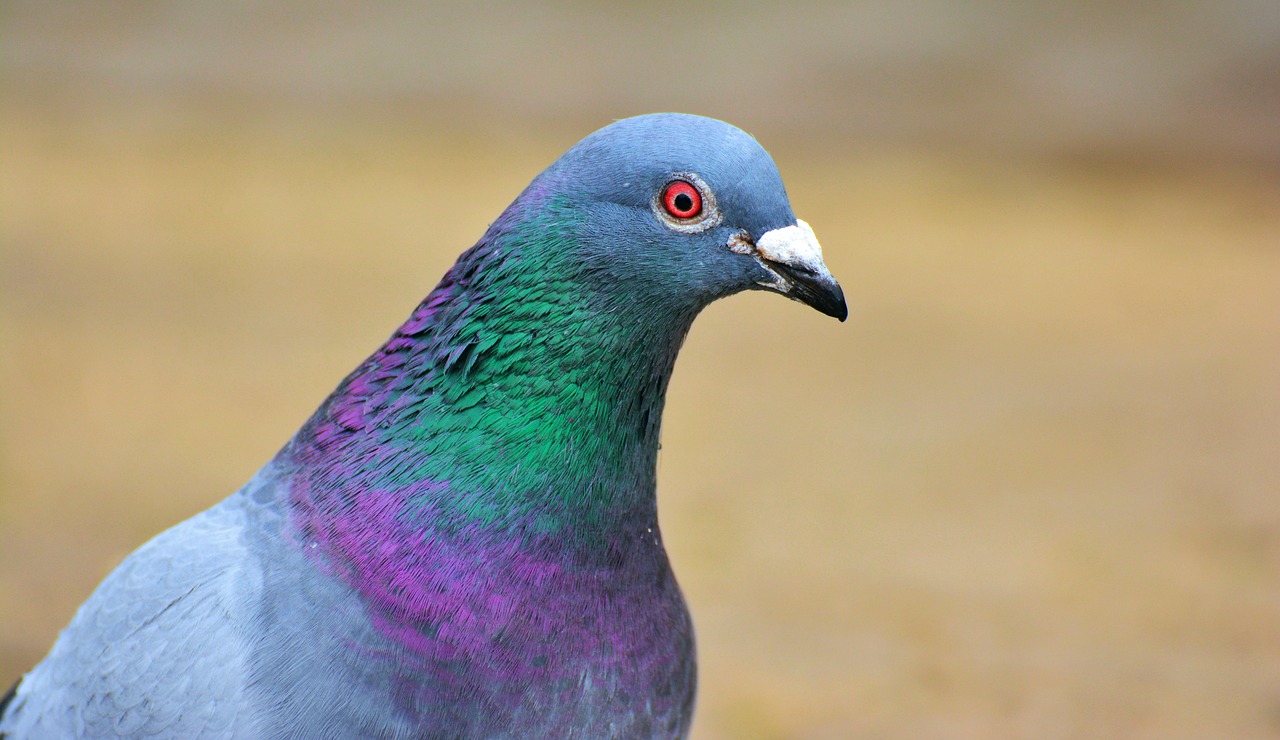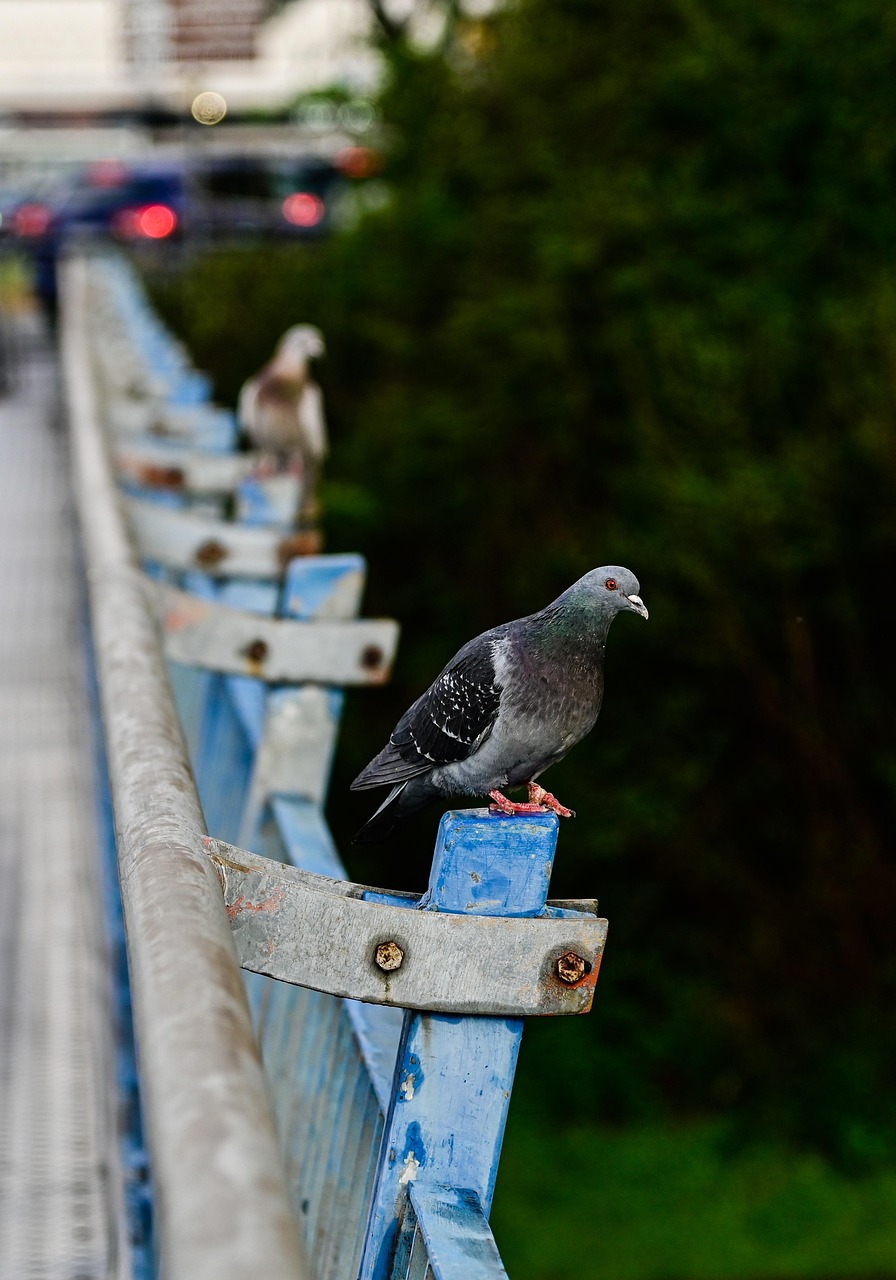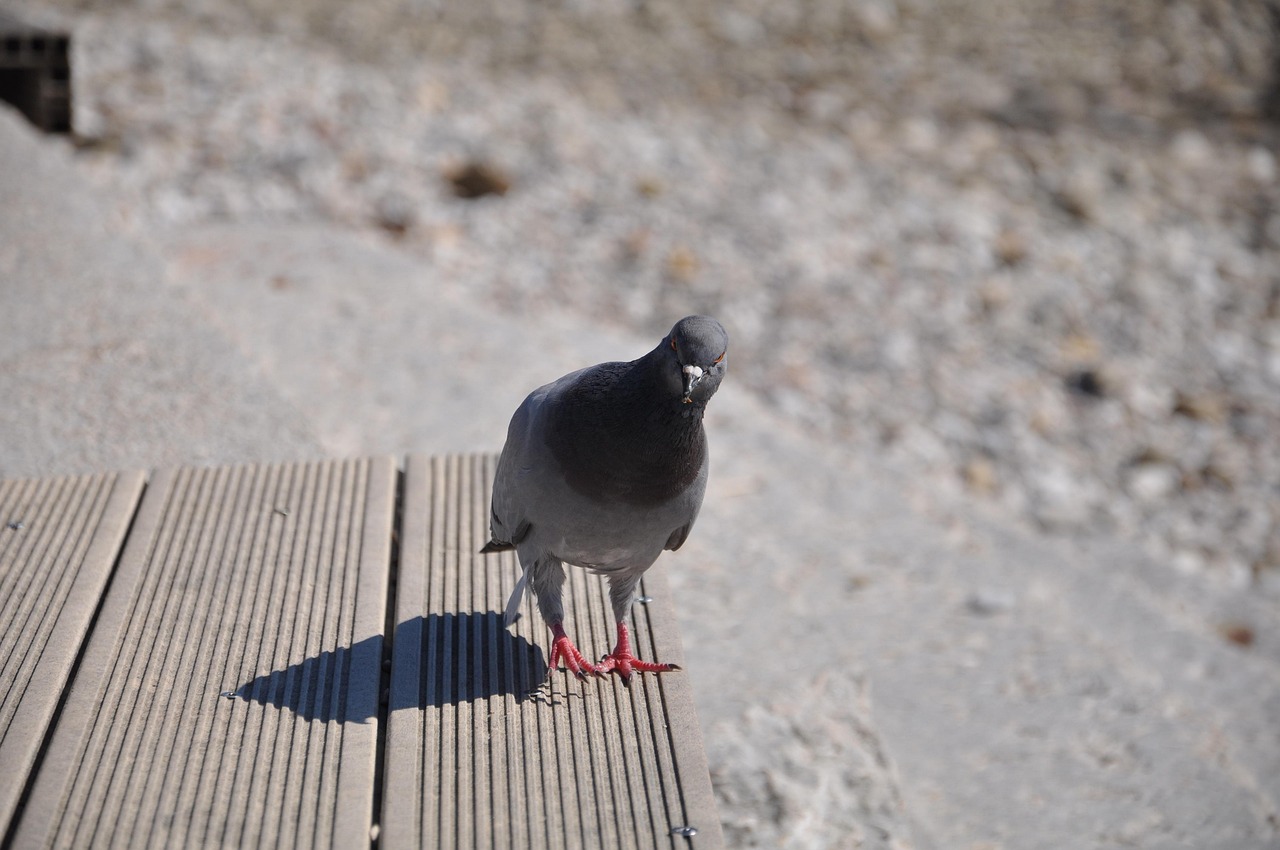
In the world of pigeon showing, exceptional photography can dramatically increase your bird's market appeal and sale price. By mastering pigeon photography and show presentation techniques, you can highlight unique features and attract serious buyers. This guide provides actionable insights to elevate your skills and maximize returns.
Essential Equipment for Pigeon Photography
Investing in the right gear is the first step toward professional pigeon photography. High-quality equipment ensures sharp images that capture every detail, from feather patterns to eye color. Start with a DSLR or mirrorless camera for flexibility and control over settings.
Choosing the Right Camera and Lenses
Select a camera with a high-resolution sensor and fast autofocus to handle quick movements. A macro lens is ideal for close-ups, while a standard zoom lens works well for full-body shots. Consider lighting conditions; natural light often enhances colors without harsh shadows. For indoor setups, a ring flash can provide even illumination, reducing glare and highlighting textures.
Experiment with different apertures to control depth of field, blurring backgrounds to make your pigeon stand out. Practice with various lenses to find what suits your style, and always keep your gear clean to avoid dust spots in photos. Remember, the goal is to showcase your pigeon's best attributes clearly and attractively.
Lighting and Background Setup
Proper lighting is crucial for capturing vibrant colors and fine details in pigeon feathers. Use soft, diffused light to avoid harsh shadows; a simple setup with reflectors can bounce light evenly. Set up a neutral background, like a plain white or black sheet, to keep the focus on the bird. Avoid busy patterns that distract from the pigeon's features.
Position your pigeon in a well-lit area, preferably during golden hour for warm, natural tones. Adjust your camera's white balance to match the light source, ensuring accurate color reproduction. Test different angles to find the most flattering perspectives, and take multiple shots to select the best ones for your show presentation.
Techniques for Capturing Stunning Pigeon Images
Mastering photography techniques can transform ordinary shots into compelling visuals that boost market value. Focus on composition, angles, and timing to highlight your pigeon's strengths. This section covers practical methods to improve your pigeon photography skills.
Composition and Framing Tips
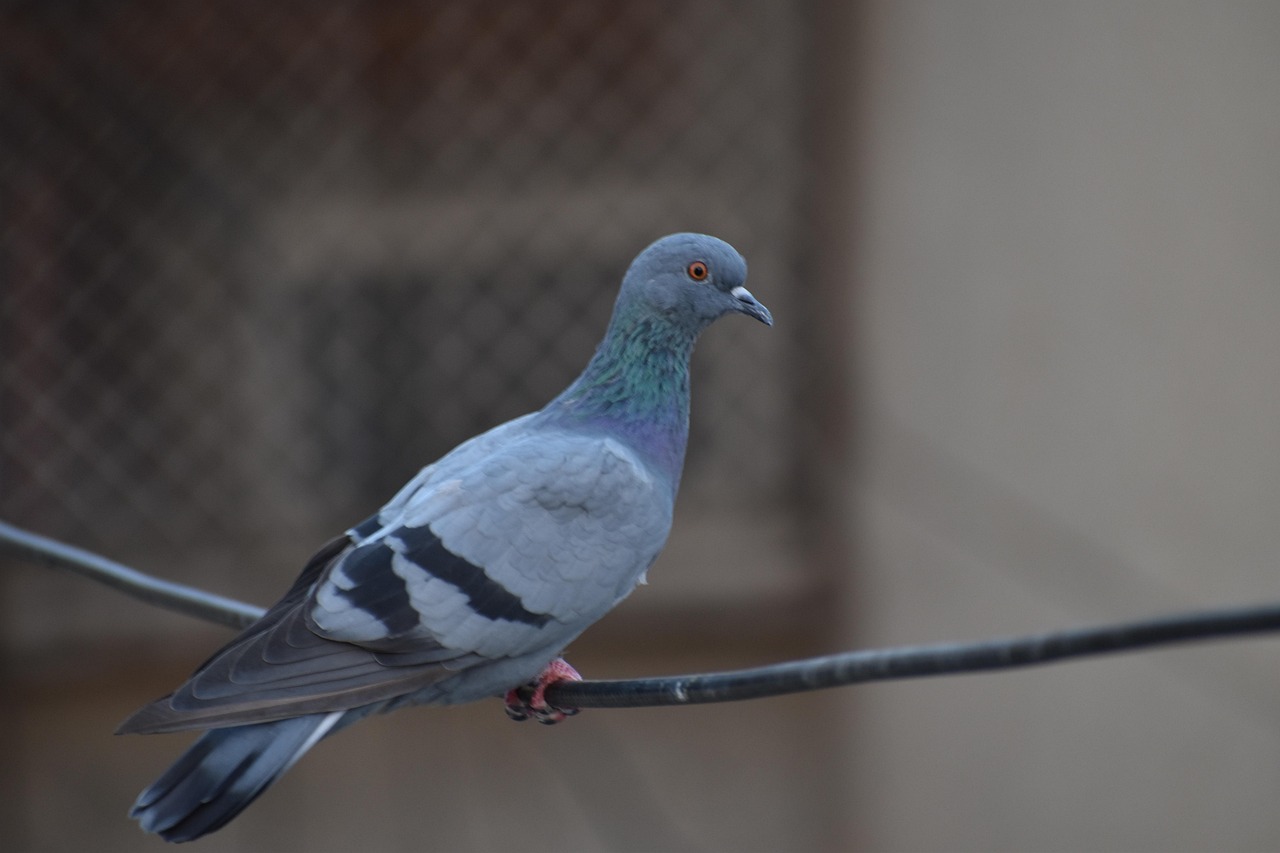
Use the rule of thirds to create balanced images; place the pigeon off-center for a dynamic look. Frame the shot to include the entire bird, ensuring no parts are cut off. Pay attention to the pigeon's posture, capturing it in a natural, alert stance that reflects its breed standards. Close-ups of the head and eyes can convey personality and health.
Avoid cluttered backgrounds by using a shallow depth of field, which blurs distractions and emphasizes the subject. Experiment with different perspectives, such as low-angle shots to make the pigeon appear majestic. Review your photos critically, looking for sharpness and clarity, and retake if necessary to perfect your show presentation.
Handling and Posing Your Pigeon
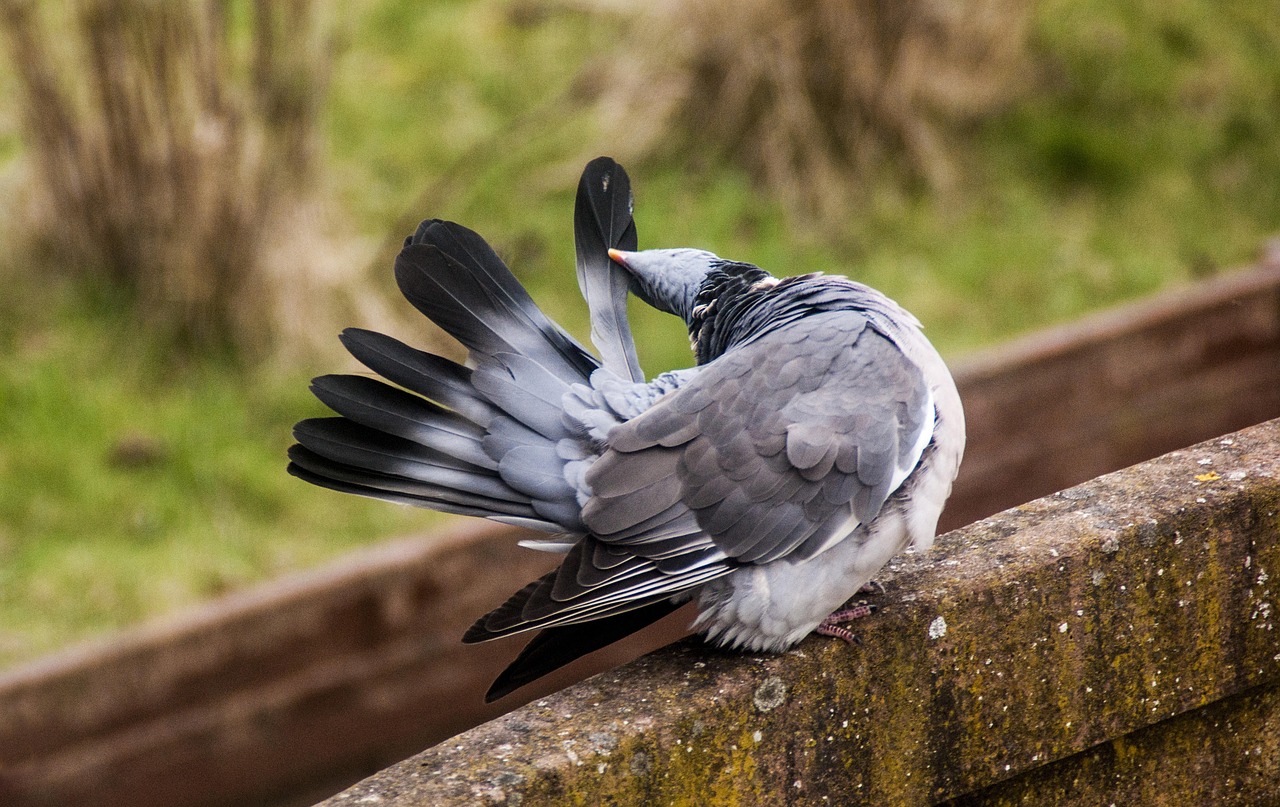
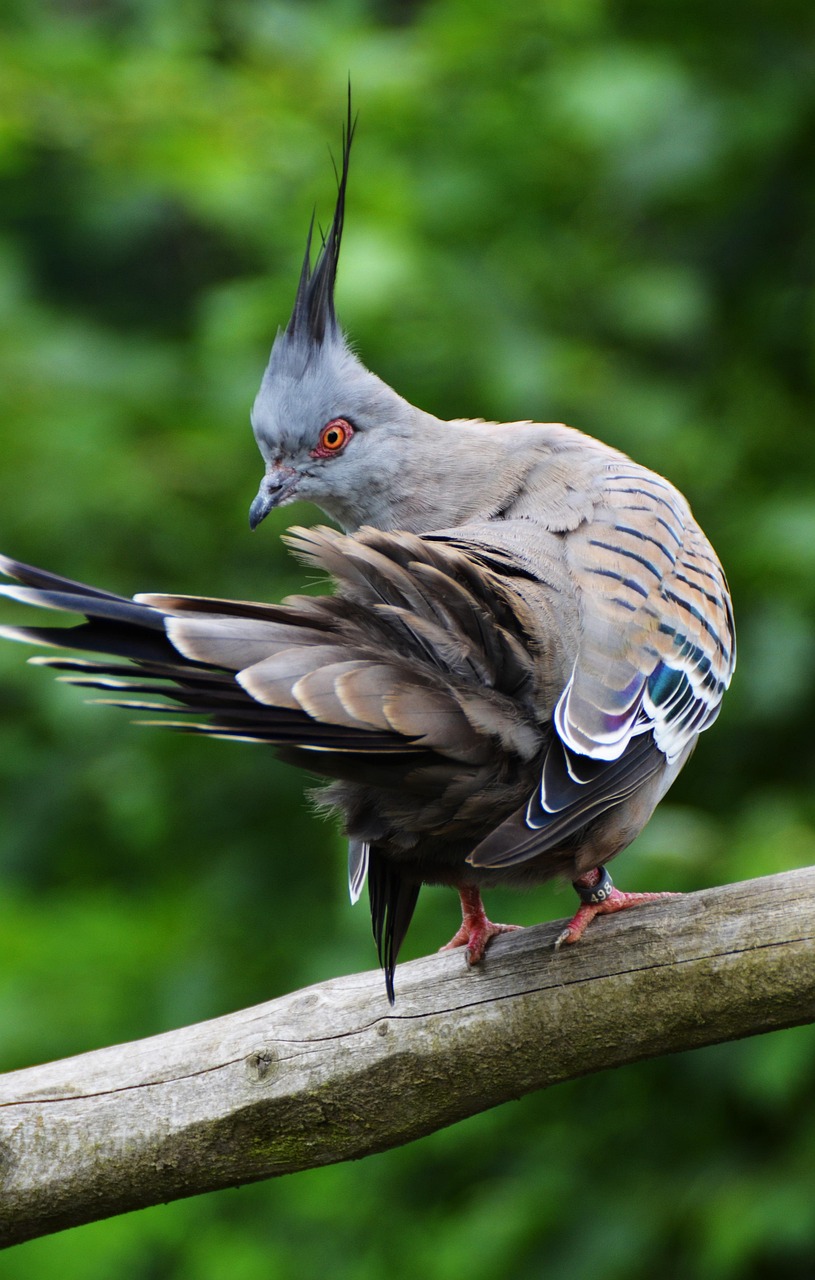
Handle your pigeon gently to keep it calm and cooperative during photography sessions. Use treats or familiar objects to encourage natural poses, avoiding stress that can lead to unflattering images. Position the pigeon on a stable perch or your hand, ensuring it feels secure. Capture moments of movement, like preening or stretching, to add life to your photos.
Work quickly to minimize the bird's discomfort, and take breaks if needed. Practice posing techniques that highlight specific features, such as wing span or leg structure, relevant to show standards. By building trust with your pigeon, you can achieve more authentic and appealing shots for your portfolio.
Enhancing Show Presentation Through Photography
Photography plays a key role in how your pigeon is perceived in shows and online listings. High-quality images can influence judges and buyers, making your bird stand out. Learn how to use photography to support a strong show presentation.
Showcasing Breed Standards and Features
Research your pigeon's breed standards to know which features to emphasize in photos. Capture images that highlight unique traits, such as color patterns, feather quality, and body shape. Use multiple angles to provide a comprehensive view, including side, front, and top shots. This helps judges and buyers assess the bird accurately.
Include close-ups of critical areas, like the cere or feet, to demonstrate health and conformity. Compare your photos to breed guidelines to ensure they meet expectations. By aligning your pigeon photography with show criteria, you increase the chances of a favorable evaluation and higher market value.
Creating a Cohesive Portfolio
Develop a portfolio that tells a story about your pigeon, from its daily life to show-ready moments. Organize images logically, starting with overall shots and moving to detailed close-ups. Use consistent lighting and backgrounds to maintain a professional look. This portfolio can be used in online ads, social media, or show applications.
Update your portfolio regularly with new photos to reflect the pigeon's development. Include variety, such as action shots and posed images, to showcase different aspects. A well-curated portfolio not only enhances your show presentation but also builds credibility with potential buyers.
Editing and Optimizing Pigeon Photos
Post-processing is essential for refining your pigeon photography and making images pop. Learn basic editing techniques to enhance colors, sharpness, and overall appeal without overdoing it. This step can make a significant difference in your show presentation.
Basic Editing Workflow
Start by adjusting exposure and contrast to ensure the image is well-lit and balanced. Use tools like levels or curves in editing software to fine-tune brightness. Enhance colors subtly to match the pigeon's natural appearance, avoiding saturation that looks artificial. Sharpening can bring out feather details, but apply it sparingly to prevent noise.
Crop images to improve composition, removing any distracting elements. Check for consistency across your photo set, especially if using multiple shots for a portfolio. Save edited files in high resolution for print or web use, ensuring they look great in any context for your pigeon photography needs.
Avoiding Common Editing Mistakes
Over-editing can ruin an otherwise great photo; stick to minor adjustments that enhance rather than alter the image. Avoid heavy filters or effects that detract from the pigeon's true features. Ensure skin tones and feather colors remain natural, as buyers and judges value authenticity. Always keep originals backed up in case you need to start over.
Test your edits on different devices to see how they appear on screens versus prints. Seek feedback from other enthusiasts to identify areas for improvement. By editing responsibly, you maintain the integrity of your pigeon photography and support an honest show presentation.
Marketing Your Pigeon with Professional Photos
Use your enhanced pigeon photography to market your birds effectively, attracting buyers and increasing sales. High-quality images can set your listings apart and justify higher prices. This section covers strategies for leveraging photos in your marketing efforts.
Online Listings and Social Media
Upload multiple high-resolution photos to online marketplaces and social media platforms. Write descriptive captions that highlight the pigeon's qualities, incorporating keywords like pigeon photography and show presentation. Use hashtags to reach a broader audience of enthusiasts and potential buyers. Engage with comments and messages promptly to build trust.
Share behind-the-scenes content, such as photos from shoots or show preparations, to create a connection. Update your listings regularly with new images to keep them fresh. By maintaining an active online presence, you can drive interest and inquiries for your pigeons.
Networking and Show Applications
Include your best photos in show applications to make a strong first impression. Provide a mix of shots that demonstrate the pigeon's conformation and personality. Network with other breeders and judges by sharing your portfolio at events or online forums. This can lead to referrals and increased visibility.
Offer to collaborate on photography projects with fellow enthusiasts to expand your reach. Use feedback from shows to refine your techniques and images. Over time, a reputation for excellent pigeon photography can become a valuable asset in the community.
Conclusion
Mastering pigeon photography and show presentation is a powerful way to enhance your bird's market value and appeal. By focusing on equipment, techniques, and marketing, you can create compelling visuals that attract buyers and impress judges. Remember, consistent practice and attention to detail are key to success. For expert tools and support in managing your pigeon endeavors, consider exploring Ghawy – Pigeon Manager (غاوي – إدارة الحمام) to streamline your efforts.