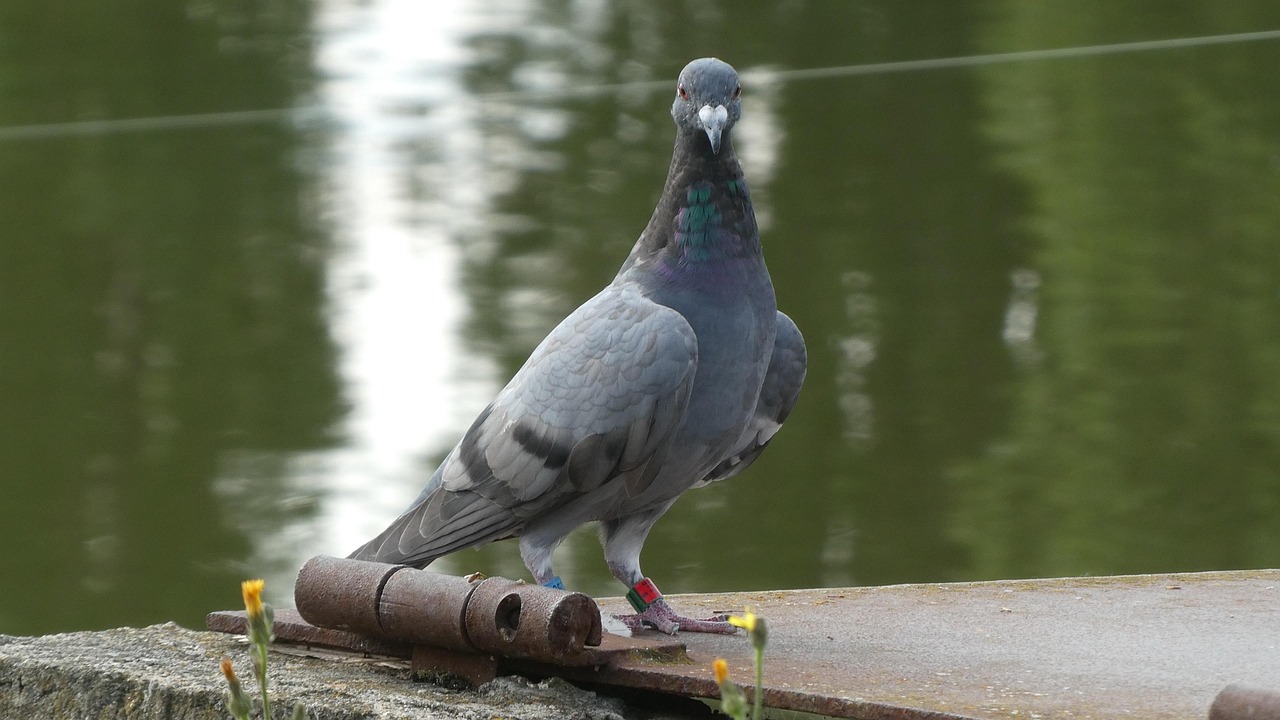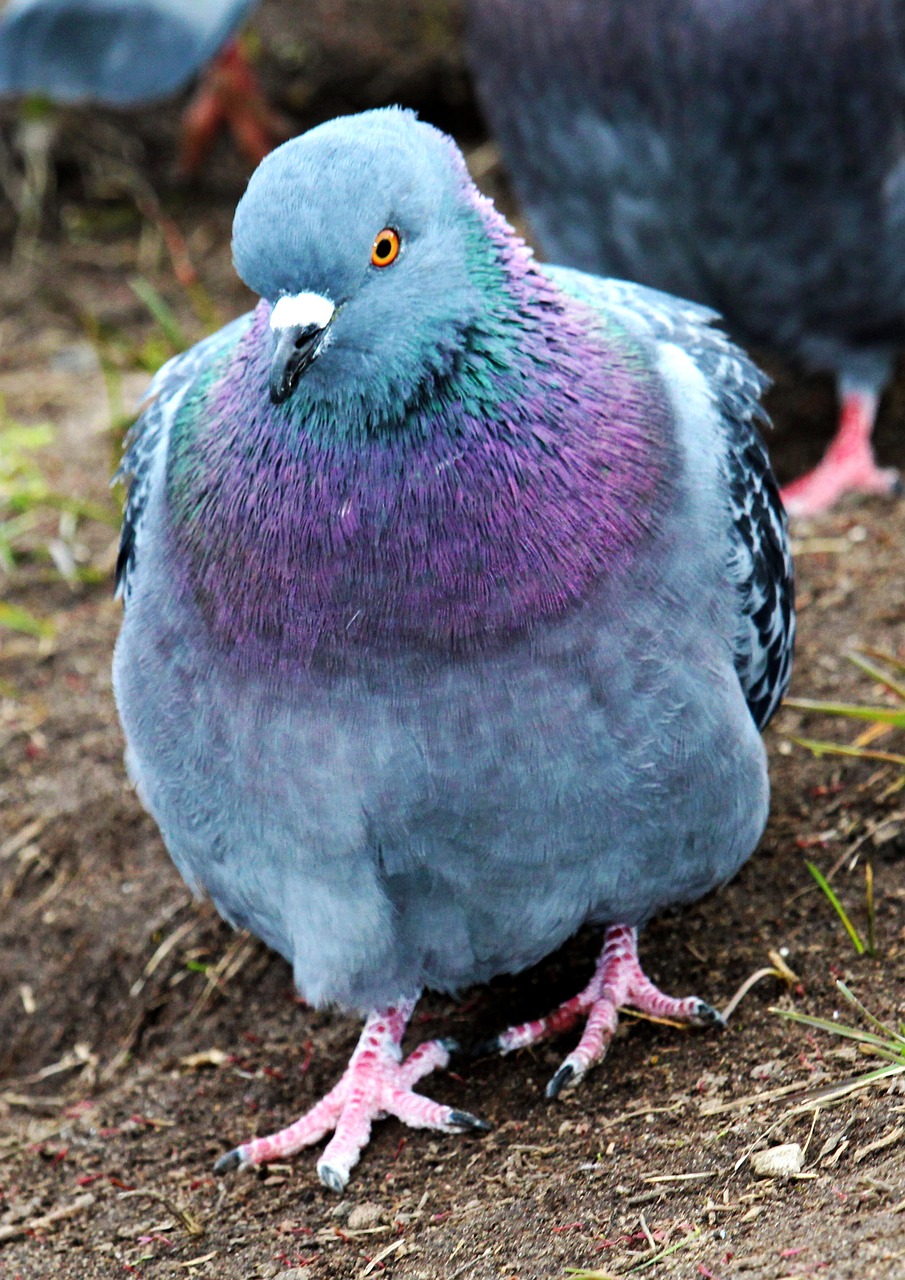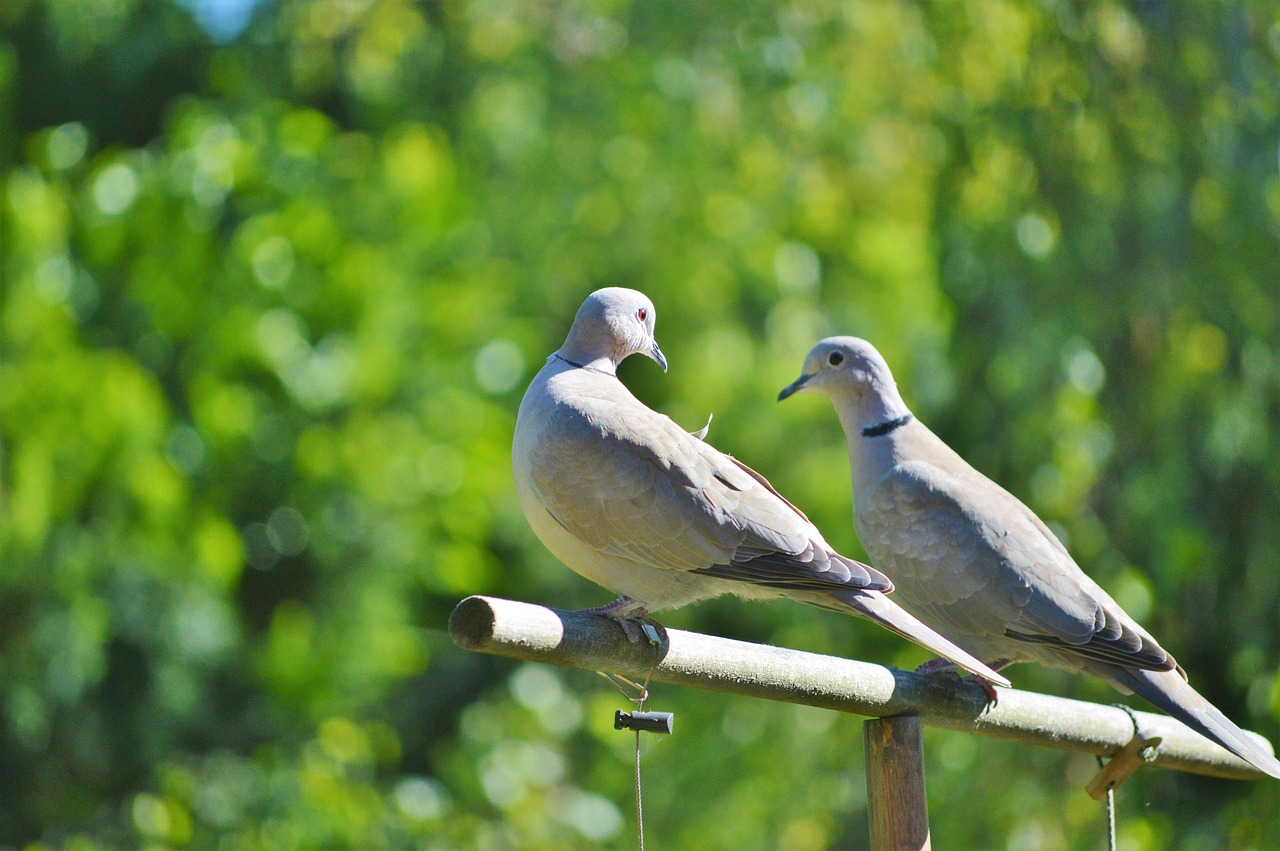
In the world of pigeon racing, safeguarding your prized birds is crucial for preserving genetic legacies and ensuring competitive success. This guide explores how modern GPS technology and insurance strategies can prevent the loss of your champions, offering actionable insights for enthusiasts. By integrating tools like GPS for pigeon safety, you can enhance pigeon protection and secure your investments with confidence.
Understanding Pigeon Protection Basics
Pigeon protection starts with recognizing the vulnerabilities that racing pigeons face, from predators to environmental hazards. A solid foundation in pigeon protection involves daily care routines and habitat management to minimize risks. This section delves into the core principles that every fancier should master to keep their flock safe and thriving.
Common Threats to Racing Pigeons
Racing pigeons encounter numerous dangers, including birds of prey, harsh weather, and human-related risks like theft or accidents. Understanding these threats is the first step in effective pigeon protection, as it allows you to implement preventive measures tailored to your region. For instance, in urban areas, collisions with buildings are a major concern, while rural settings might see more predator attacks. By identifying these risks, you can develop a comprehensive safety plan that includes monitoring and rapid response strategies.
Another critical aspect is disease prevention, which ties into pigeon protection by ensuring your birds are healthy and resilient. Regular health checks and vaccinations can reduce the likelihood of illnesses that weaken pigeons, making them more susceptible to losses. Integrating this with environmental controls, such as secure lofts and clean feeding areas, creates a holistic approach to safeguarding your genetic assets. Ultimately, proactive pigeon protection not only saves individual birds but also preserves the valuable traits passed down through generations.
Essential Care Practices for Safety
Implementing daily care routines is vital for pigeon protection, focusing on nutrition, exercise, and loft maintenance. A balanced diet rich in proteins and vitamins strengthens pigeons' immune systems, while regular flying exercises build endurance and homing instincts. These practices reduce stress and improve overall health, making birds less likely to stray or fall prey to dangers. Additionally, maintaining a clean and secure loft environment prevents infestations and injuries, further enhancing safety.
Beyond basics, advanced care includes socialization and training to reinforce homing abilities, which is a key element of pigeon protection. By exposing pigeons to varied conditions in a controlled manner, you can boost their confidence and navigation skills. Using tools like GPS for pigeon safety during training sessions allows you to track progress and identify weaknesses. This hands-on approach ensures that your pigeons are well-prepared for races and less prone to getting lost, ultimately supporting long-term pigeon protection goals.
Leveraging GPS for Pigeon Safety
GPS technology has revolutionized pigeon racing by providing real-time tracking and data insights that enhance safety. This section covers how GPS for pigeon safety works, from device selection to practical applications in training and racing. By adopting these tools, you can monitor your birds' movements, respond to emergencies quickly, and make informed decisions to prevent losses.
How GPS Tracking Devices Work
GPS tracking devices for pigeons are lightweight, durable units attached to the birds' legs or backs, using satellite signals to transmit location data. These devices connect to mobile apps or online platforms, allowing you to view real-time maps of your pigeons' routes. The technology behind GPS for pigeon safety includes features like geofencing, which alerts you if a pigeon strays beyond set boundaries, and historical route analysis to identify patterns. This enables proactive interventions, such as redirecting birds during adverse weather or recovering them if they get disoriented.
Modern GPS systems also integrate with other sensors, such as heart rate monitors or altitude trackers, providing a comprehensive view of your pigeons' health and performance. For example, sudden changes in speed or direction might indicate fatigue or injury, prompting immediate action. By leveraging GPS for pigeon safety, you not only reduce the risk of loss but also gather valuable data to optimize training regimens. This data-driven approach helps in refining breeding programs, as you can select birds with superior navigation skills, thereby strengthening your genetic pool over time.
Implementing GPS in Training and Races
Incorporating GPS for pigeon safety into training routines involves gradual exposure to tracking devices, starting with short flights to acclimate the birds. Use the data to analyze flight paths, identify common obstacles, and adjust training routes to minimize hazards. During races, GPS allows you to monitor progress in real-time, providing peace of mind and enabling quick recovery if a pigeon goes off course. This practical application of GPS for pigeon safety transforms how enthusiasts manage their teams, making it easier to protect investments and improve outcomes.
To maximize benefits, combine GPS with traditional methods like loft homing exercises and visual checks. For instance, set up alerts for unusual behaviors, such as prolonged stops or erratic movements, which could signal distress. By integrating GPS for pigeon safety into every aspect of pigeon management, you create a safety net that supports both novice and experienced fanciers. This not only enhances pigeon protection but also fosters a community of shared knowledge, where insights from GPS data can be used to develop best practices for the sport.
Exploring Racing Pigeon Insurance Options
Racing pigeon insurance provides financial security against the loss or injury of valuable birds, complementing physical safety measures. This section explains the types of insurance available, how to choose the right policy, and the benefits of integrating it with other protection strategies. Understanding racing pigeon insurance helps you mitigate risks and ensure that your genetic assets are covered in case of unforeseen events.
Types of Insurance Policies Available
Various insurance policies cater to racing pigeon owners, including mortality insurance, which covers death from accidents or illnesses, and theft insurance for protection against criminal activities. Some policies also offer coverage for veterinary expenses or loss during transport, providing a safety net for different scenarios. When selecting racing pigeon insurance, consider factors like coverage limits, deductibles, and exclusions to find a plan that aligns with your needs. It's essential to read the fine print and ensure that the policy includes clauses for common risks in pigeon racing, such as predation or weather-related incidents.
Additionally, specialized policies might cover breeding stock or champion pigeons at higher values, reflecting their genetic worth. By investing in comprehensive racing pigeon insurance, you can focus on training and competition without the constant worry of financial loss. This proactive approach not only safeguards individual birds but also supports the sustainability of your loft, as insurance payouts can fund replacements or medical care. Ultimately, racing pigeon insurance acts as a critical component of a holistic protection strategy, working alongside tools like GPS for pigeon safety to provide full-spectrum security.
How to Choose the Right Insurance Plan
Selecting the right racing pigeon insurance involves assessing your flock's value, risk exposure, and budget constraints. Start by inventorying your pigeons, noting their ages, pedigrees, and racing records to determine appropriate coverage levels. Compare policies from different providers, looking for those with positive reviews and transparent terms. Key considerations include the insurer's reputation, claim processing speed, and whether the policy covers events like races or training flights. Consulting with other enthusiasts or joining pigeon racing associations can provide insights into reliable insurance options.
Once you've chosen a plan, integrate it with your overall pigeon protection efforts, such as using GPS for pigeon safety to reduce claim frequencies. For example, if GPS data shows that certain routes have high loss rates, you might adjust training or seek higher coverage for those areas. Regularly review and update your racing pigeon insurance as your flock grows or changes, ensuring that new acquisitions or retired breeders are adequately protected. This strategic approach not only minimizes financial risks but also reinforces your commitment to preserving genetic lineages, making insurance a smart investment for any serious fancier.
Integrating Protection Strategies for Maximum Safety
Combining GPS technology, insurance, and traditional care creates a robust framework for pigeon protection. This section discusses how to weave these elements together into a cohesive plan, emphasizing practical steps and real-world examples. By adopting an integrated approach, you can address multiple risk factors simultaneously, enhancing the safety and performance of your racing pigeons.
Building a Comprehensive Safety Plan
Developing a comprehensive safety plan starts with assessing your specific risks, such as local predator populations or common weather patterns, and tailoring strategies accordingly. Incorporate GPS for pigeon safety for real-time monitoring, set up insurance policies for financial backup, and maintain rigorous care routines for physical well-being. For instance, use GPS data to identify safe flight corridors and combine this with insurance that covers losses in those areas. This multi-layered approach ensures that even if one measure fails, others provide support, reducing the overall likelihood of losing valuable birds.
Regularly evaluate and adjust your plan based on new data or experiences, such as updating training methods after analyzing GPS logs or revising insurance coverage after a season review. Involve your entire team or family in implementing these strategies, fostering a culture of vigilance and responsibility. By building a comprehensive safety plan, you not only protect individual pigeons but also strengthen your loft's reputation and genetic integrity. This holistic view of pigeon protection empowers you to face challenges confidently, knowing that you have multiple safeguards in place.
Case Studies: Success Stories in Pigeon Protection
Real-world examples illustrate the effectiveness of integrated protection strategies, such as a fancier who used GPS for pigeon safety to recover a champion bird after it strayed during a storm. By tracking its location, they coordinated a rescue effort that saved the pigeon and prevented a significant loss. In another case, racing pigeon insurance covered the cost of treating an injured bird, allowing it to return to competition and continue its breeding legacy. These stories highlight how combining technology, insurance, and care can turn potential disasters into manageable situations.
Learning from such cases, you can adapt similar tactics to your own setup, perhaps by investing in advanced GPS devices or choosing insurance with broader coverage. Share experiences within pigeon racing communities to collective knowledge and improve overall standards of pigeon protection. This collaborative spirit not only benefits individual owners but also advances the sport, making it safer and more sustainable for future generations. By embracing integrated strategies, you contribute to a culture where genetic assets are valued and protected, ensuring that champions are never lost needlessly.
Conclusion
Protecting your genetic assets in pigeon racing requires a balanced mix of technology, insurance, and dedicated care. By leveraging GPS for pigeon safety, you gain real-time insights to prevent losses, while racing pigeon insurance offers financial peace of mind. Integrating these with traditional pigeon protection practices creates a resilient framework that safeguards your birds and preserves their valuable traits. As you implement these strategies, consider using tools like Ghawy – Pigeon Manager (غاوي – إدارة الحمام) to streamline your management and enhance safety efforts for long-term success.