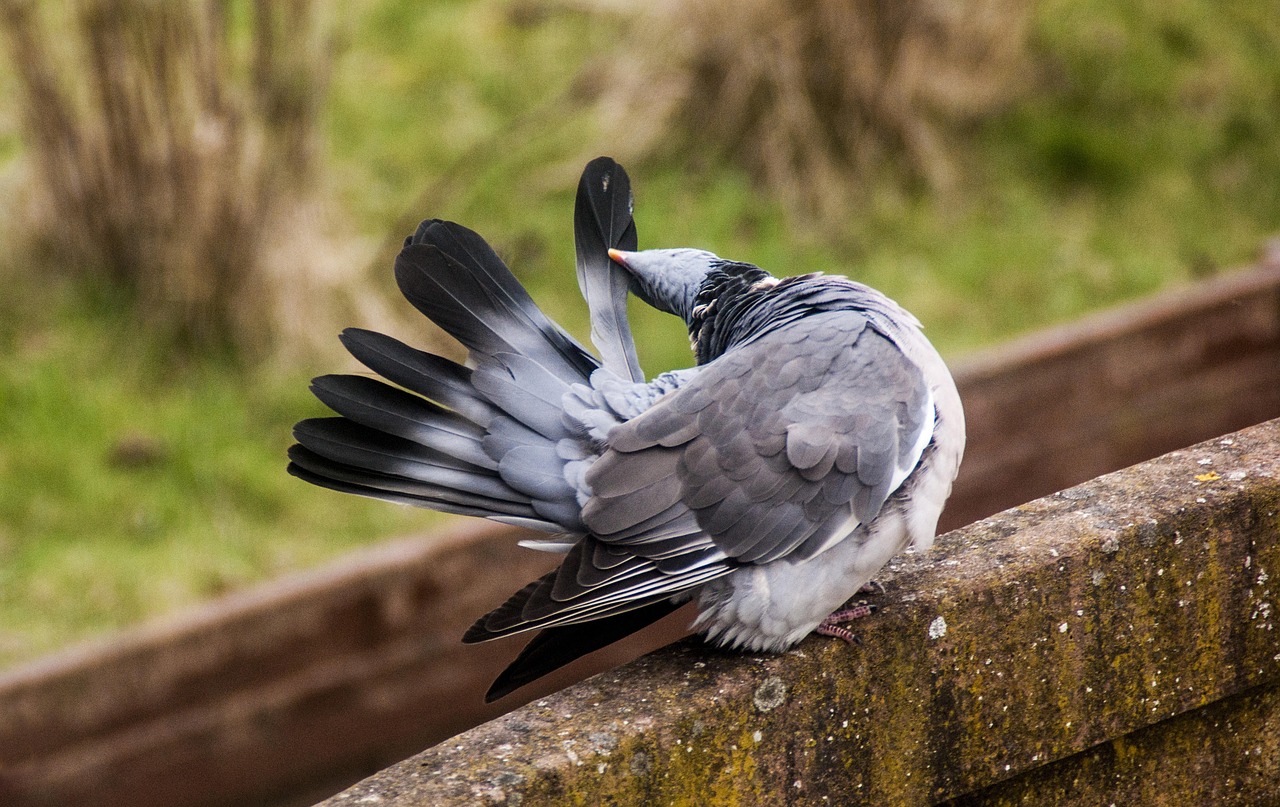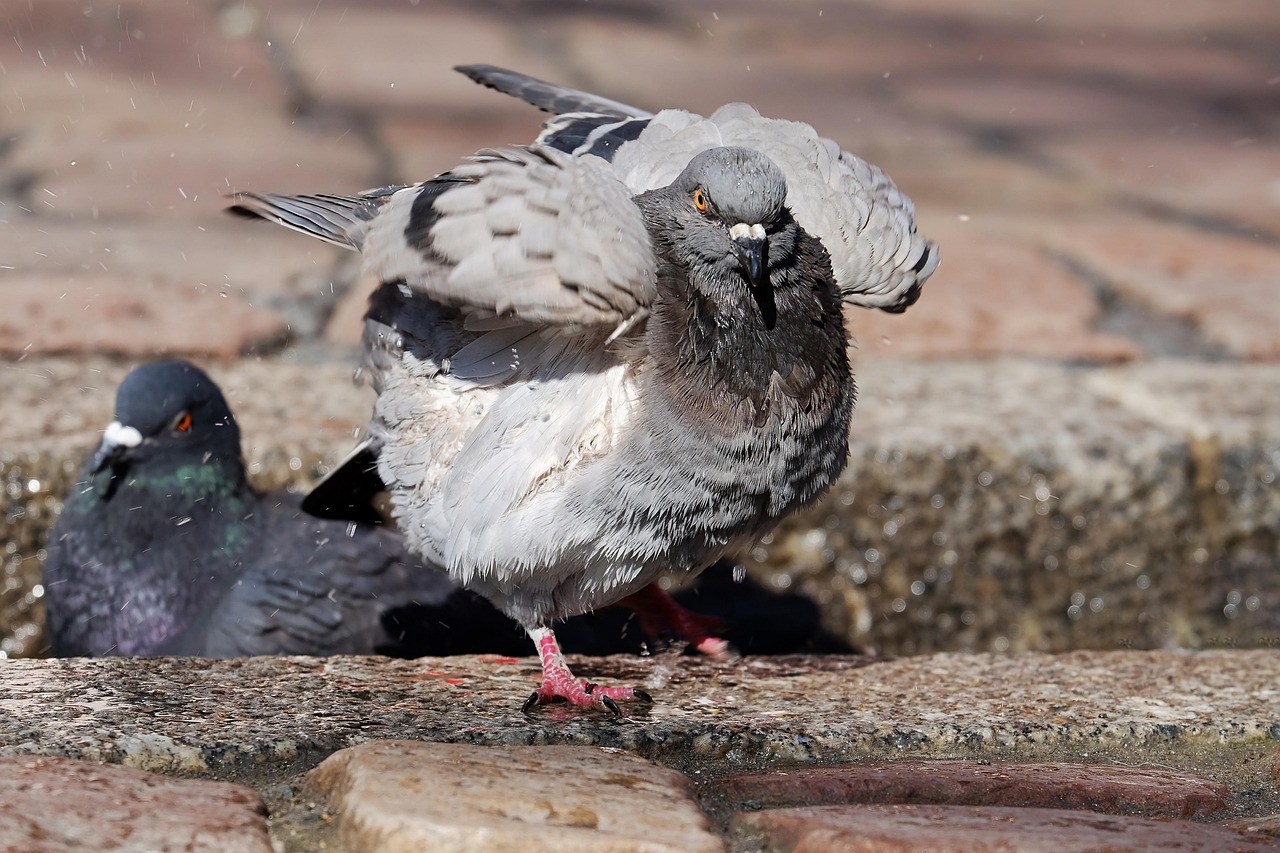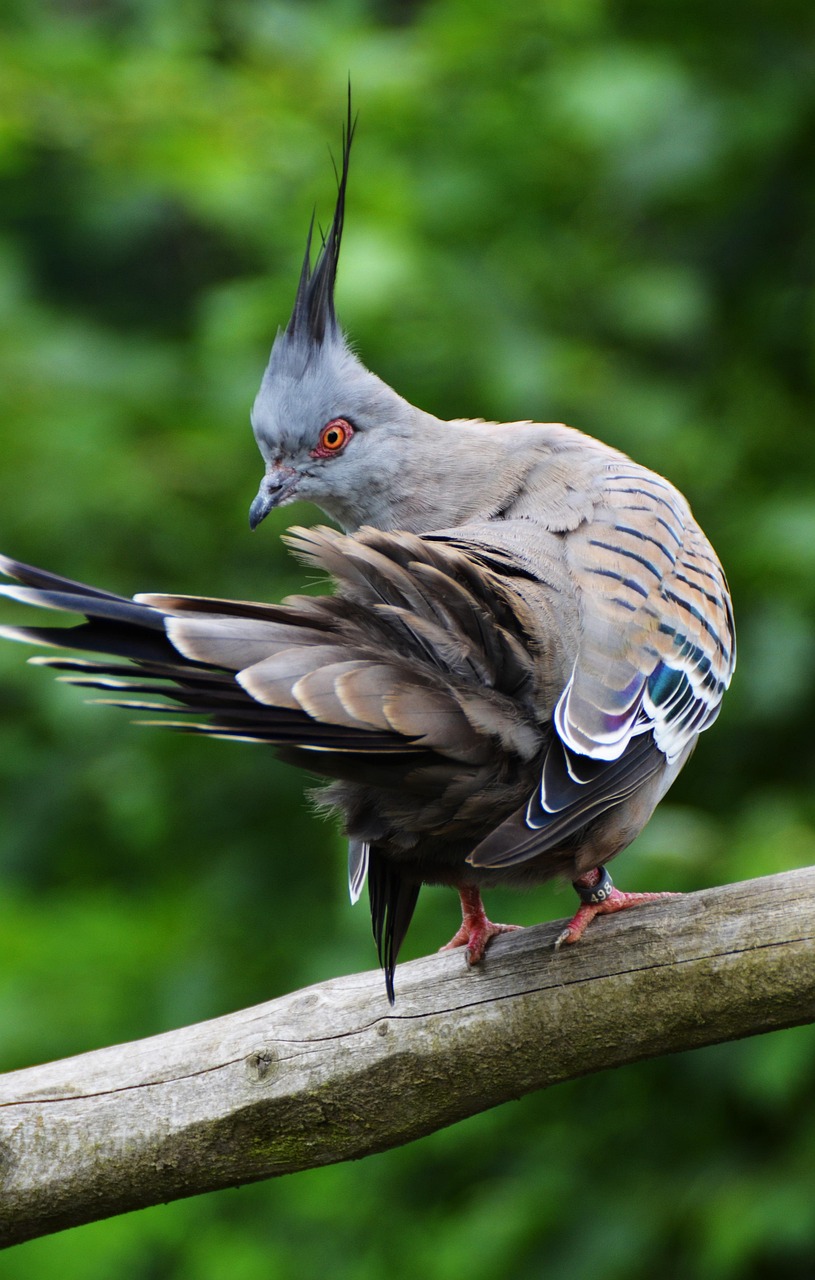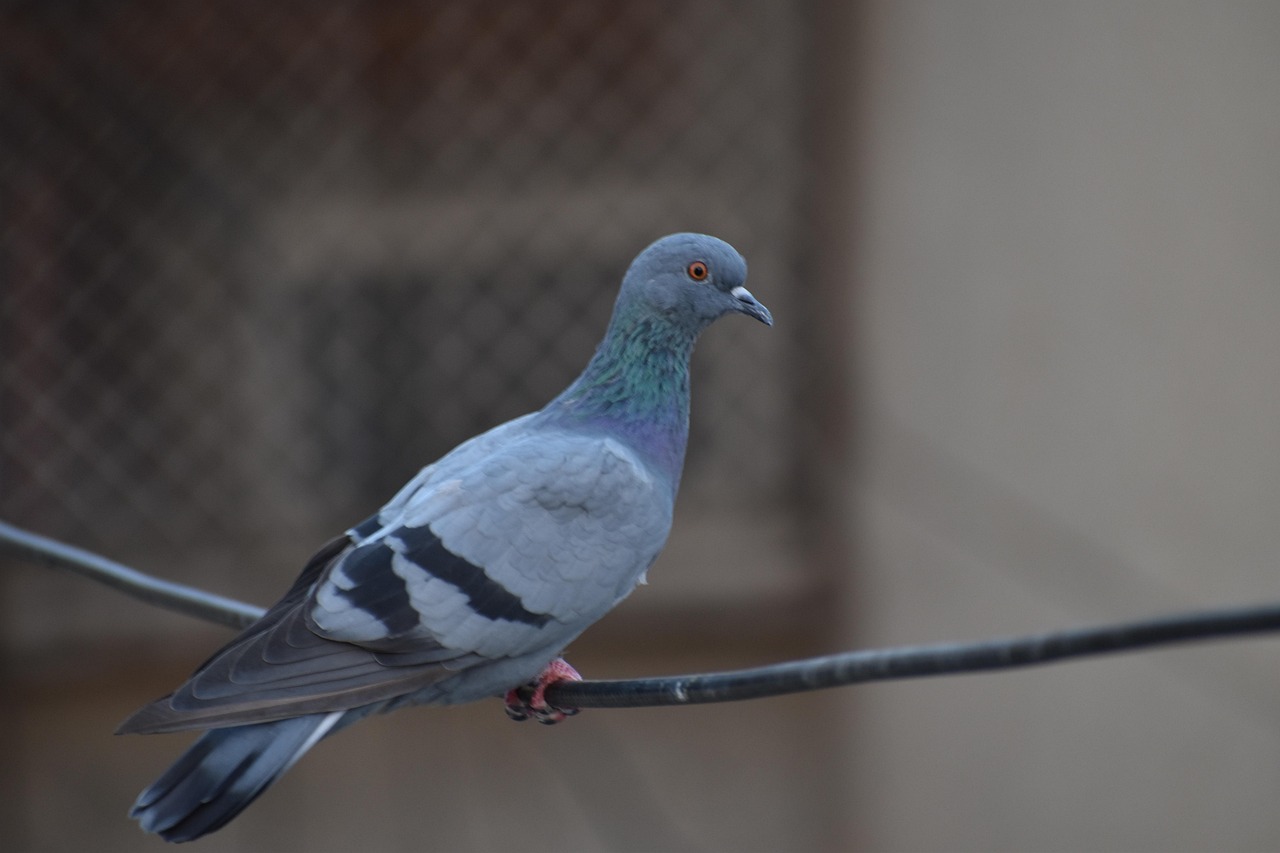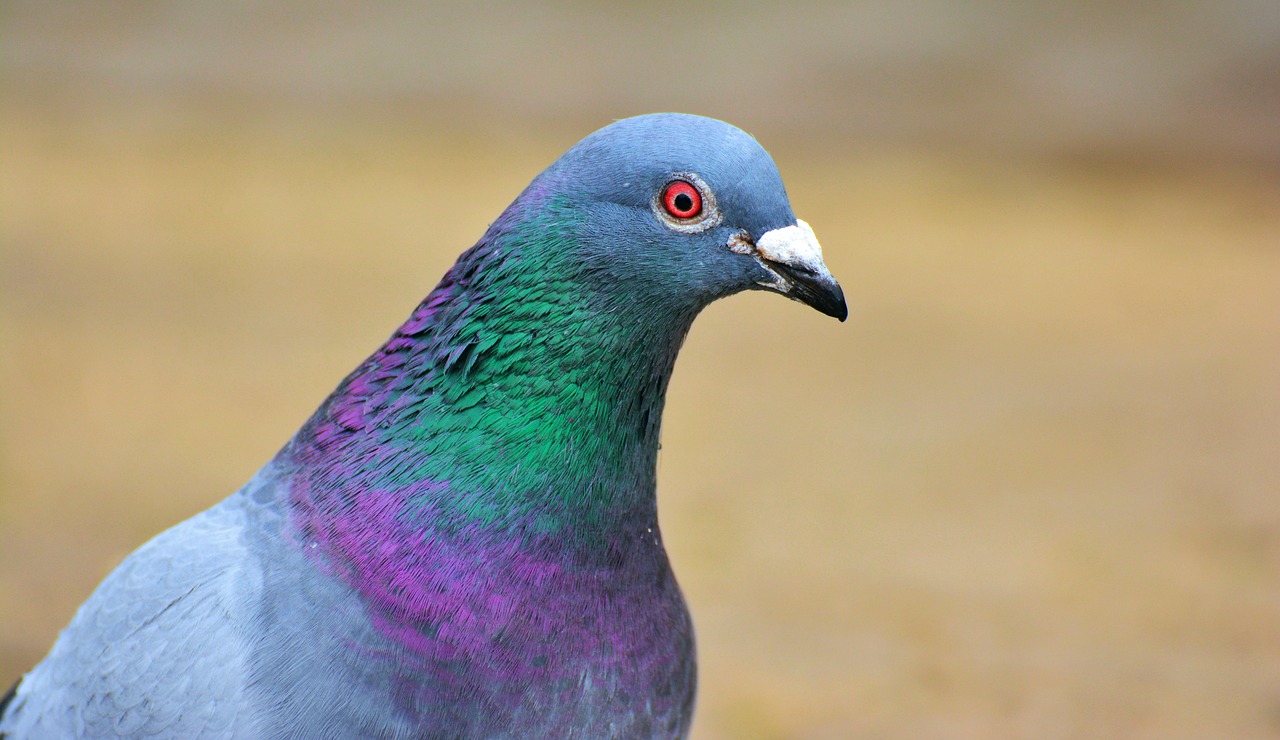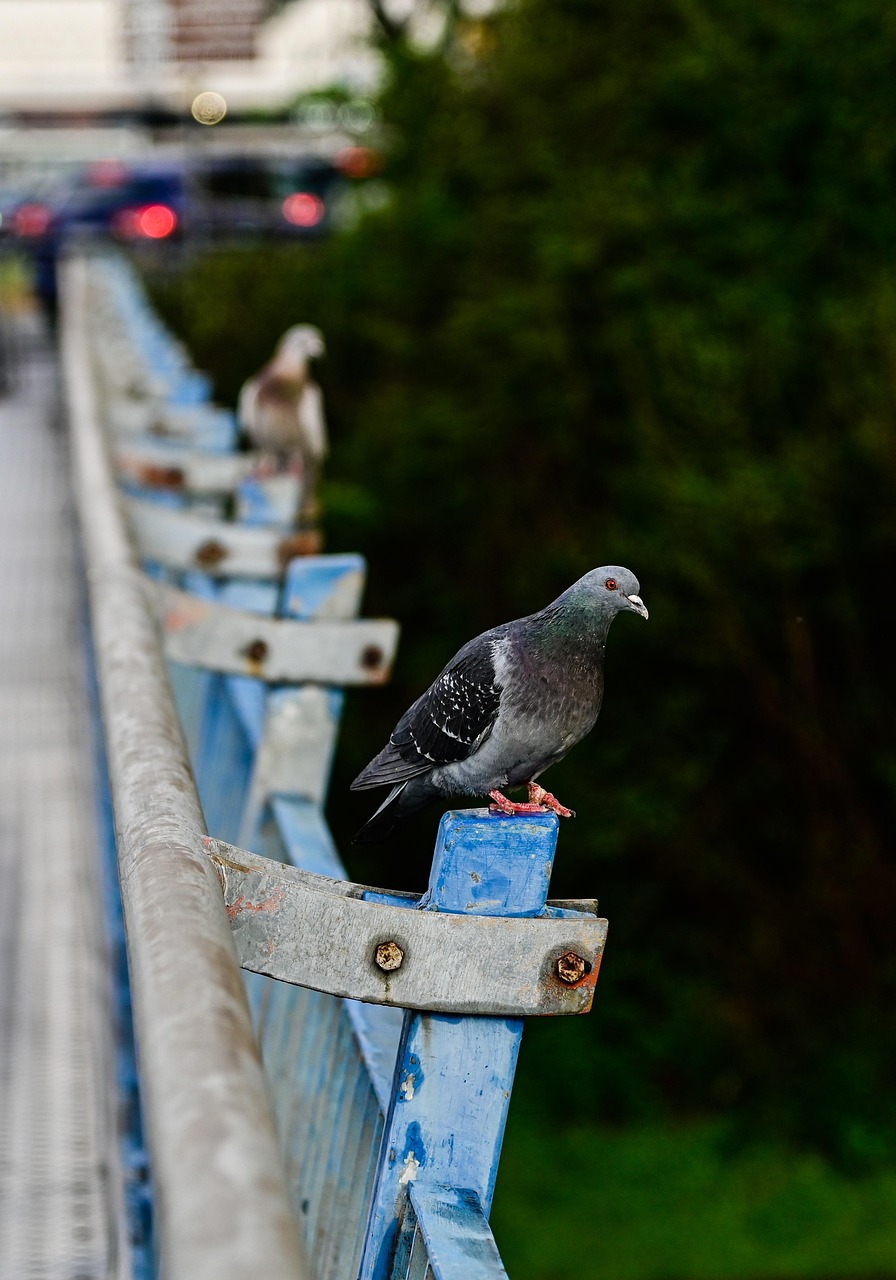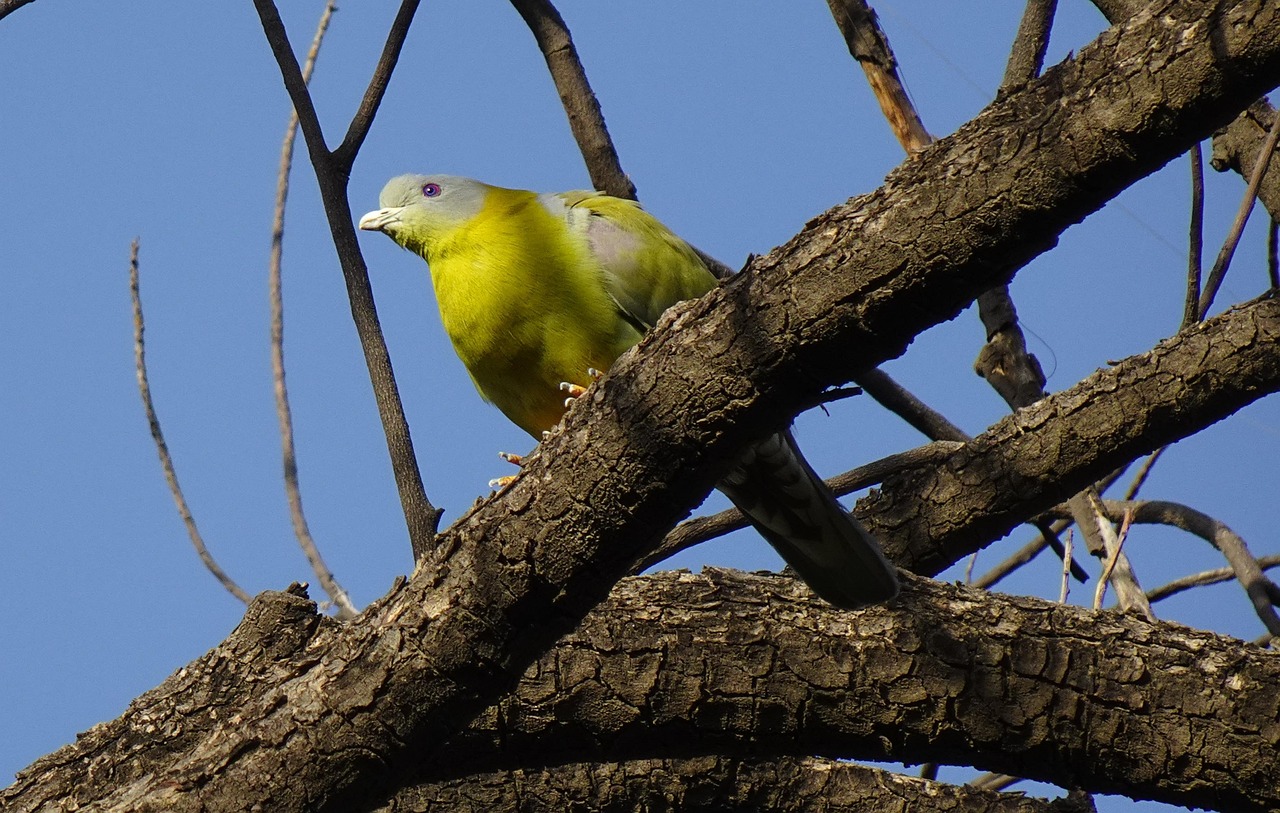
In the world of pigeon shows, exceptional photography can dramatically increase your bird's market value by highlighting its best features. This guide explores how to master pigeon photography and show presentation to make your pigeons stand out and attract higher bids from enthusiasts and buyers.
Understanding the Basics of Pigeon Photography
Pigeon photography is more than just taking pictures; it's about capturing the essence of your bird's beauty and uniqueness. A well-photographed pigeon can convey health, vitality, and breed standards, making it irresistible in competitive shows. By focusing on key elements like lighting and composition, you can create images that tell a compelling story and enhance your pigeon's appeal.
Essential Equipment for Quality Shots
To start, invest in a good DSLR or mirrorless camera with a macro lens to capture fine details like feather texture and eye clarity. Natural light is often best, so shoot outdoors during golden hours—early morning or late afternoon—to avoid harsh shadows. Use a tripod for stability and consider reflectors to soften light, ensuring your pigeon's colors appear vibrant and true to life. With the right gear, you can produce professional-grade photos that elevate your pigeon's presentation.
Setting Up the Perfect Environment
Create a clean, distraction-free background to keep the focus on your pigeon. A neutral backdrop, such as a plain wall or green foliage, works well to highlight the bird's features. Ensure the environment is calm and safe to prevent stress, which can affect the pigeon's posture and expression. By controlling the setting, you can capture natural poses that showcase confidence and elegance, key factors in show presentation.
Mastering Techniques for Show Presentation
Show presentation involves more than photos; it's about preparing your pigeon to look its best in front of judges and buyers. Proper grooming and handling are crucial to present a polished image that reflects high standards. This section covers practical steps to enhance your pigeon's appearance and behavior during shows.
Grooming for Optimal Appearance
Regular grooming ensures your pigeon's feathers are clean, smooth, and free of parasites. Bathe your bird gently with lukewarm water and mild soap, then dry it thoroughly to maintain feather integrity. Trim nails and beak if needed, and use a soft brush to fluff feathers for a fuller look. A well-groomed pigeon not only photographs better but also appears healthier and more valuable in show presentations.
Handling and Posing Strategies
Handle your pigeon calmly to build trust and encourage natural poses during photography. Practice holding techniques that support the bird without causing stress, such as cradling it gently in your hands. For show presentation, train your pigeon to stand tall and display key features like wing span or head posture. Consistent handling helps reduce anxiety, leading to better photos and a stronger impression in competitions.
Advanced Photography Tips for Pigeon Enthusiasts
Once you have the basics down, advanced techniques can take your pigeon photography to the next level. Focus on capturing dynamic shots that highlight movement and personality, adding depth to your show presentation. This part delves into creative methods to make your images stand out.
Using Angles and Perspectives
Experiment with different angles to showcase your pigeon's best attributes. Shoot from eye level to create a connection, or from above to emphasize symmetry and plumage patterns. Close-ups can reveal intricate details, while action shots in flight demonstrate agility and strength. By varying perspectives, you create a diverse portfolio that appeals to a wider audience and enhances show presentation value.
Incorporating Action and Movement
Capture your pigeon in motion to add energy and realism to your photos. Use a fast shutter speed to freeze flight or feeding moments, highlighting natural behaviors that judges appreciate. Practice in a safe, enclosed space to avoid accidents, and use treats to encourage specific actions. Dynamic images not only make your show presentation more engaging but also showcase the pigeon's vitality and training.
Enhancing Show Presentation with Digital Tools
In today's digital age, post-processing can refine your photos and improve show presentation. Learn to use editing software to adjust colors, contrast, and sharpness without over-editing. This section provides tips for ethical editing that maintains authenticity while boosting visual appeal.
Basic Editing for Natural Results
Start with simple adjustments like brightness and contrast to make your pigeon's features pop. Use cropping to eliminate distractions and focus on the bird, ensuring the composition aligns with show standards. Avoid heavy filters or alterations that misrepresent the pigeon, as honesty builds trust with buyers. With subtle edits, you can enhance photos while preserving the pigeon's true character.
Creating a Cohesive Portfolio
Organize your best photos into a portfolio that tells a story of your pigeon's qualities. Include a mix of poses, angles, and settings to demonstrate versatility and breed standards. Use online platforms or physical albums to present this portfolio during shows, making it easy for judges and buyers to assess value. A well-curated collection strengthens your show presentation and can lead to higher market offers.
Marketing Your Pigeon Through Effective Presentation
Great photography and show presentation are useless without proper marketing. This section covers how to use your images to attract buyers and increase your pigeon's market value. From online listings to in-person events, learn strategies to showcase your work effectively.
Leveraging Social Media and Websites
Share your high-quality photos on social media platforms and pigeon enthusiast websites to reach a broader audience. Write engaging captions that highlight key features and use relevant hashtags like #pigeonphotography to increase visibility. Regularly update your profiles with new content to build a following and establish credibility. Effective online marketing can drive interest and boost your pigeon's value in the show circuit.
Networking at Pigeon Shows
Attend local and international pigeon shows to network with breeders, judges, and buyers. Bring your portfolio and be ready to discuss your pigeon's strengths, using your photos as visual aids. Engage in conversations, share tips, and learn from others to improve your techniques. Building relationships in the community enhances your reputation and can lead to lucrative deals for your pigeons.
Conclusion
Mastering pigeon photography and show presentation is a powerful way to elevate your bird's market value. By focusing on equipment, techniques, grooming, and marketing, you can create compelling images that capture attention and drive sales. Remember, consistency and practice are key to success in this competitive field. For expert tools and support in managing your pigeon endeavors, consider using Ghawy – Pigeon Manager to streamline your efforts and achieve better results.