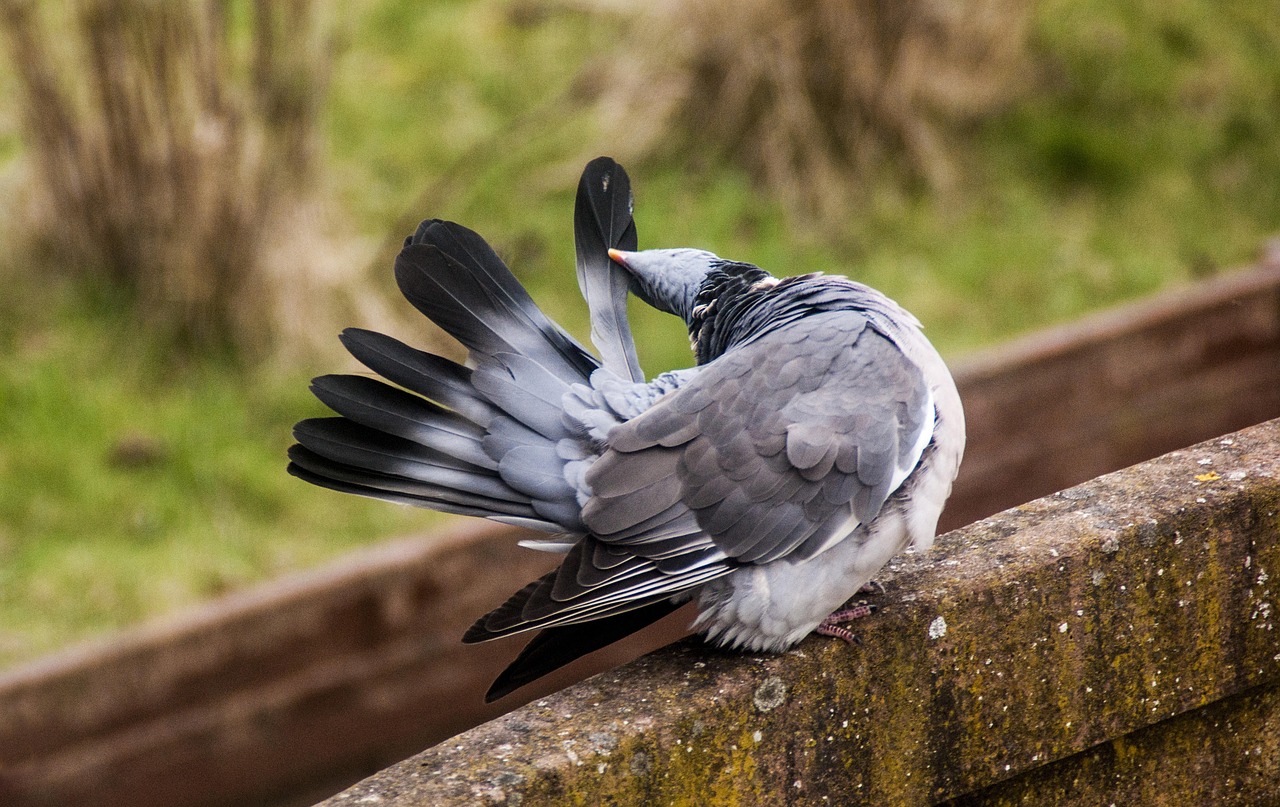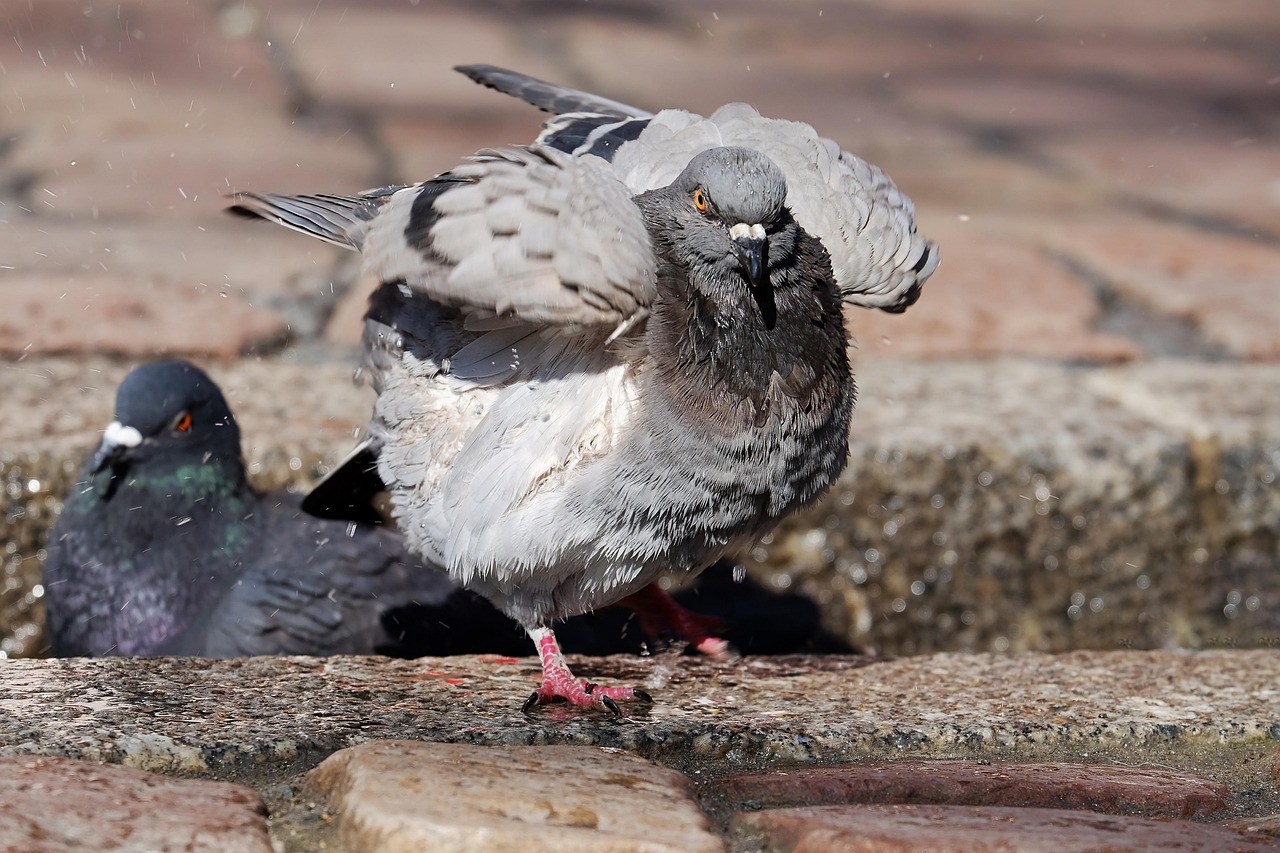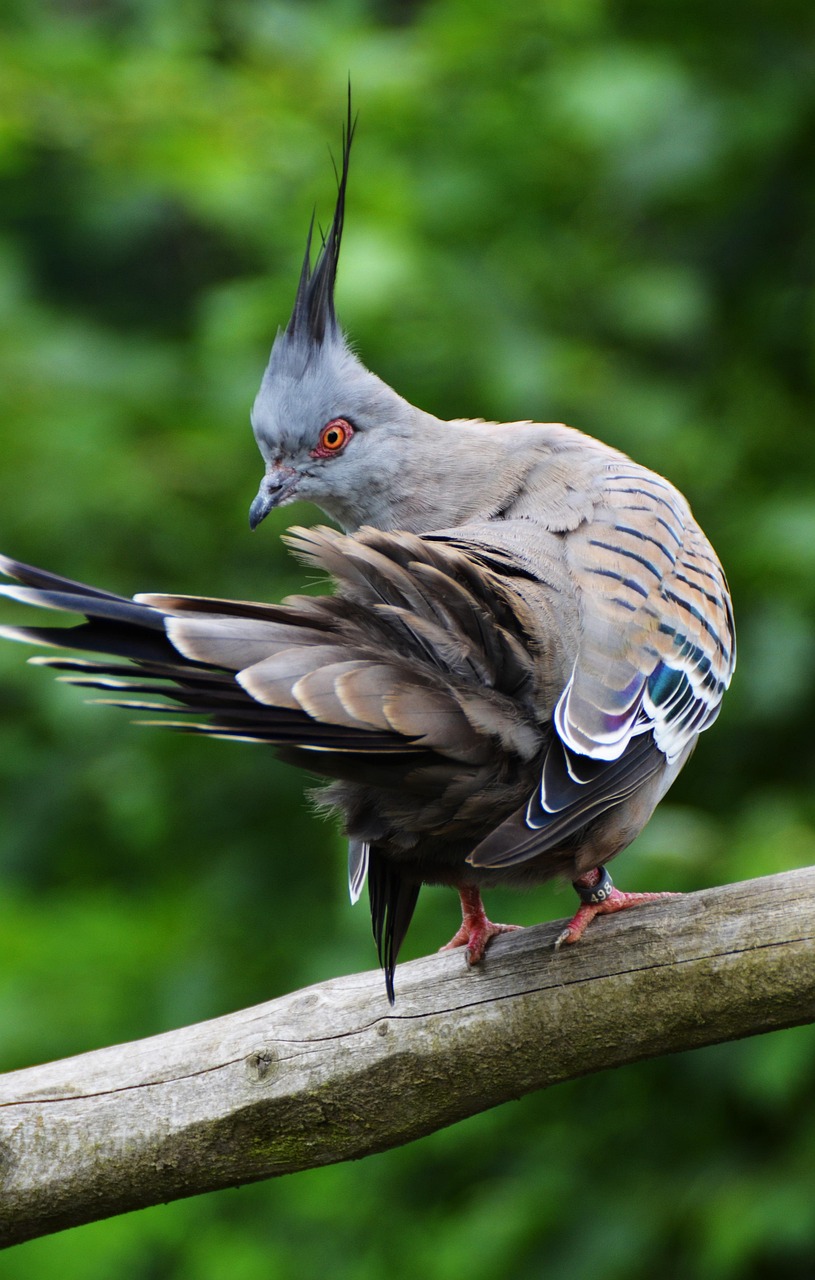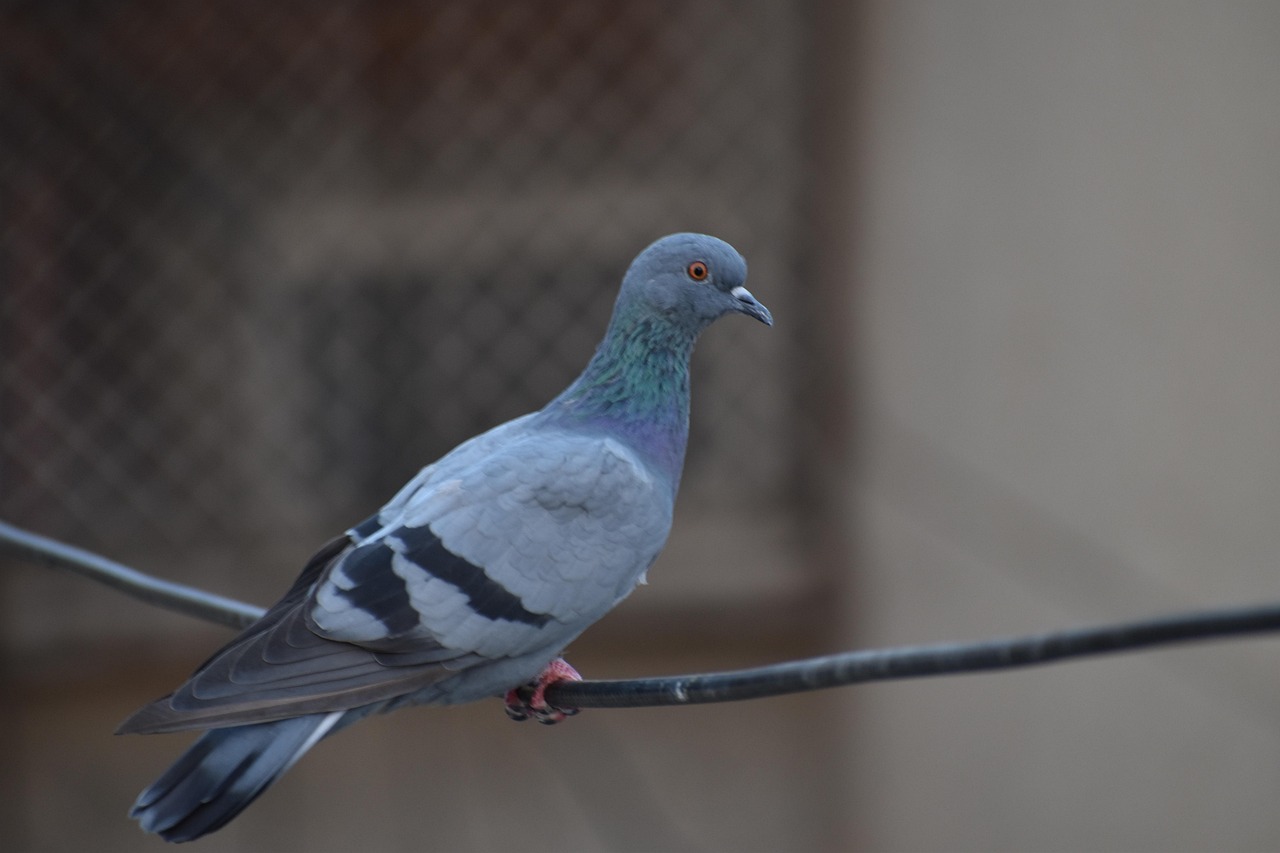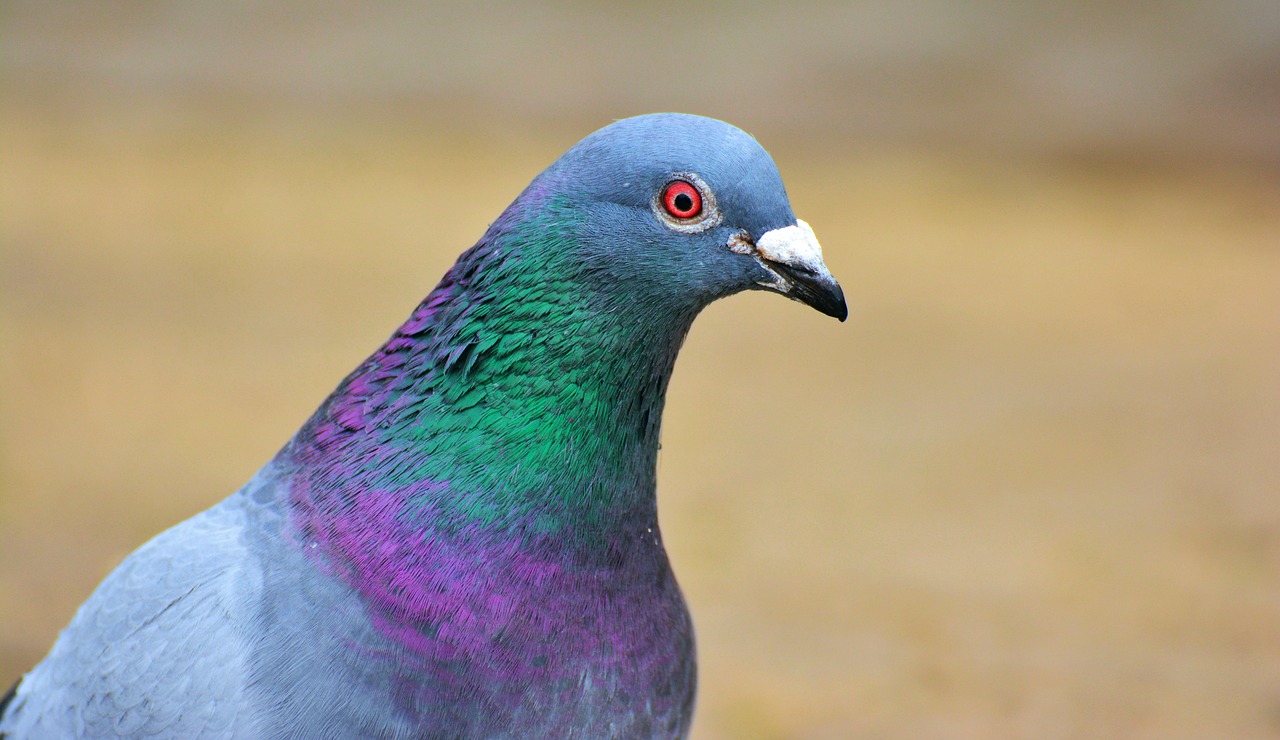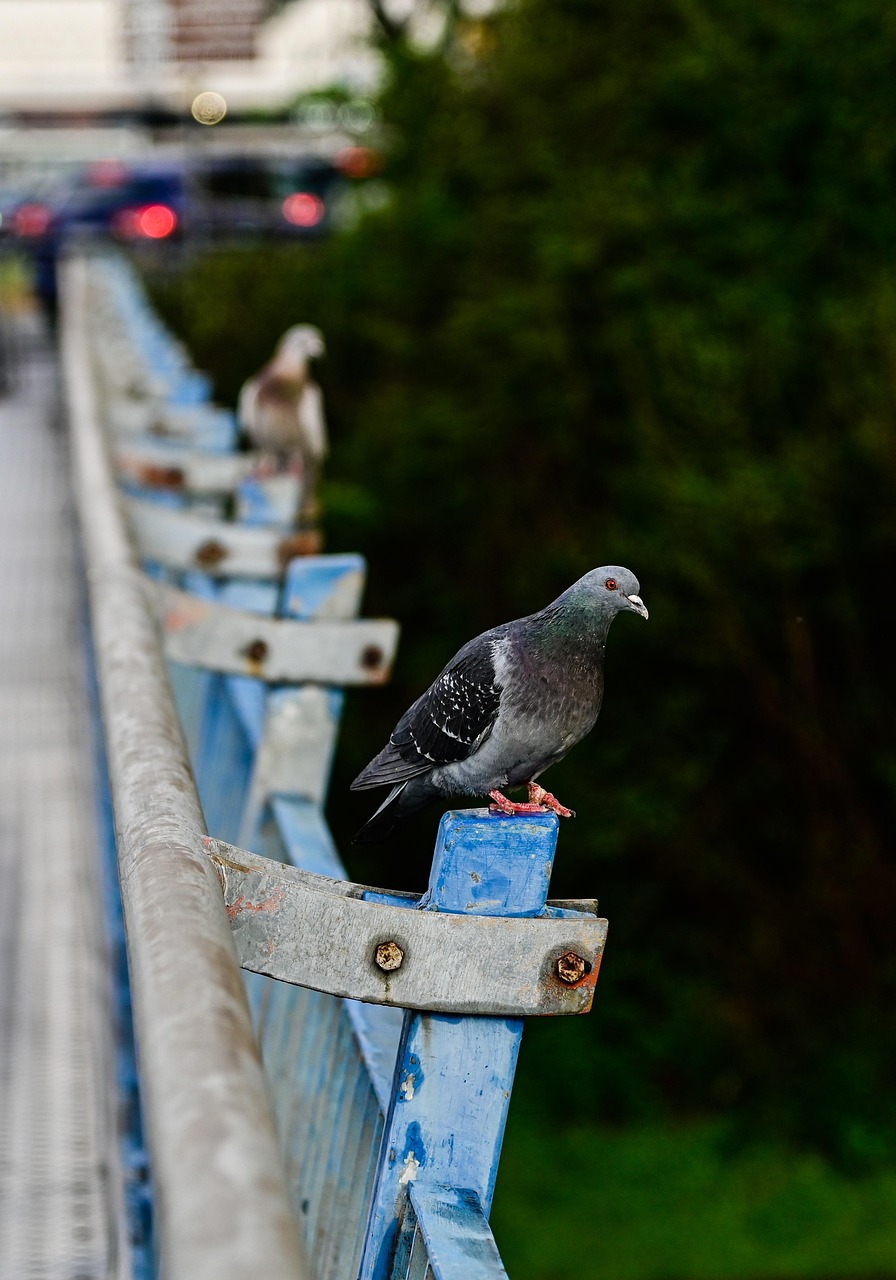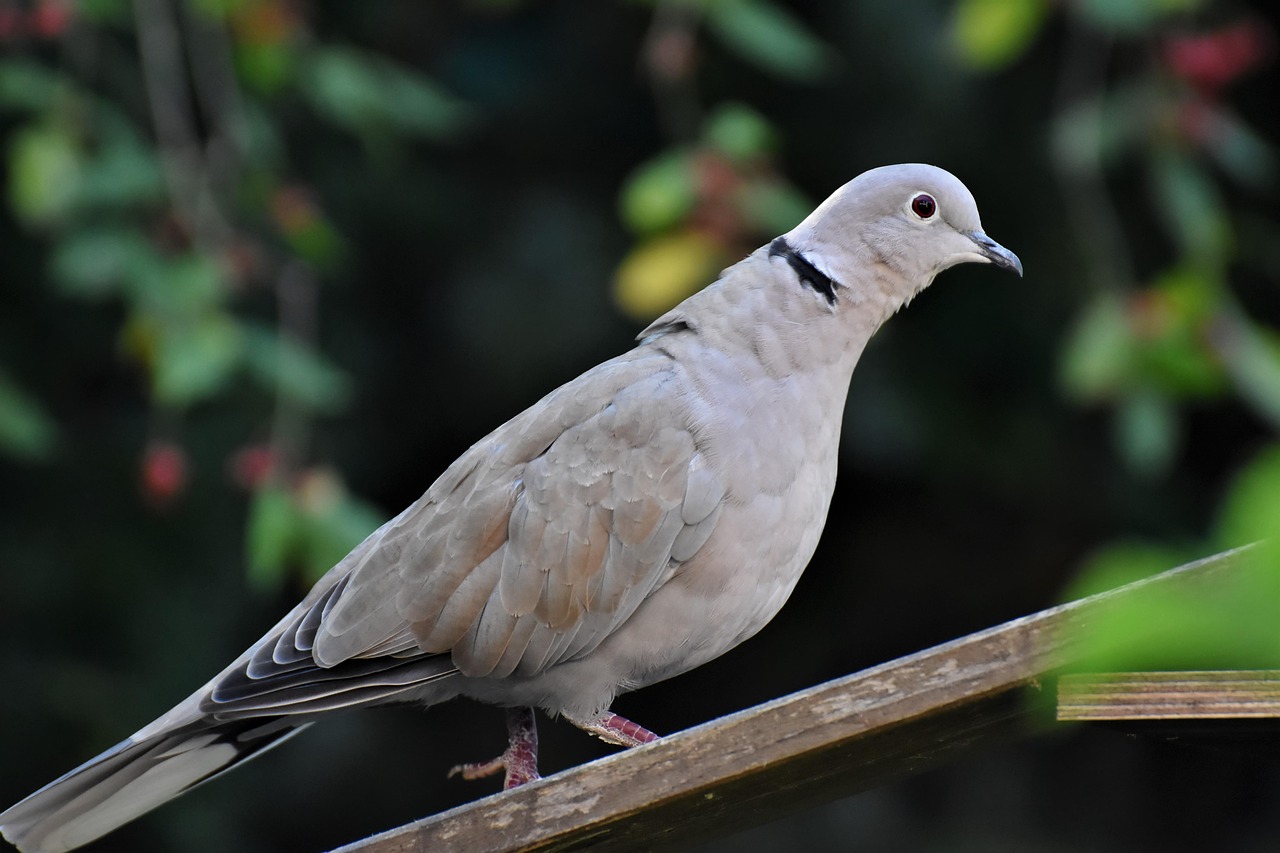
In the world of pigeon shows, exceptional photography can dramatically increase your bird's market value by highlighting its finest features. This guide delves into professional techniques for capturing stunning images that enhance show presentation, helping you stand out in competitive exhibitions. By mastering pigeon photography, you can transform how judges and buyers perceive your prized birds.
Essential Equipment for High-Quality Pigeon Photography
Investing in the right gear is the first step toward producing professional pigeon photos that elevate show presentation. A good camera with manual settings allows you to control exposure and focus, while proper lighting ensures your pigeon's colors and textures pop. Don't overlook accessories like tripods for stability and lenses that capture fine details, as these tools are crucial for consistent, high-impact results.
Choosing the Right Camera and Lenses
Selecting a camera with a high-resolution sensor and interchangeable lenses is key for pigeon photography. A DSLR or mirrorless camera offers flexibility, with prime lenses ideal for sharp portraits and zoom lenses for dynamic shots during shows. Consider factors like aperture for background blur and image stabilization to avoid blurriness, ensuring your photos showcase every feather and posture with clarity. This attention to detail can make your pigeon's presentation more appealing to potential buyers and judges.
For pigeon enthusiasts, experimenting with different lenses helps capture unique angles that emphasize traits like head shape or wing span. Wide-angle lenses can include environmental context, while telephoto lenses allow for close-ups without disturbing the bird. Always test your equipment in various lighting conditions to refine your technique, as this practice builds confidence and improves the overall quality of your show presentations.
Lighting and Background Setup
Proper lighting is essential in pigeon photography to avoid shadows and highlight the bird's natural beauty. Use soft, diffused light sources like studio lamps or natural window light to create even illumination that enhances colors and reduces glare. Avoid harsh direct sunlight, which can wash out details and make your pigeon appear less vibrant in show settings.
Backgrounds should be simple and neutral to keep the focus on your pigeon, with solid colors or subtle textures working best. Set up a clean area free of distractions, and consider using props like perches that mimic show environments. This setup not only improves photo quality but also reinforces a professional show presentation, making your pigeon look its best for evaluations and sales.
Techniques for Capturing Stunning Pigeon Portraits
Mastering portrait techniques in pigeon photography involves understanding angles, composition, and bird behavior to create compelling images. Focus on capturing the pigeon's eyes and unique markings, as these elements draw viewers in and convey personality. Practice patience and use treats or gentle handling to encourage natural poses, which can significantly boost the bird's appeal in show presentations.
Angles and Composition Tips
Experiment with different angles to find the most flattering views for your pigeon, such as eye-level shots that create a connection or overhead angles that showcase symmetry. Apply composition rules like the rule of thirds to position the bird off-center, adding dynamism to your photos. These techniques help in creating balanced images that highlight the pigeon's best features for show presentations.
Incorporate negative space to emphasize the pigeon's form and allow judges to appreciate its structure without clutter. Pay attention to lines and shapes in the background that can guide the viewer's eye toward the bird. By refining your composition skills, you'll produce photos that not only look professional but also tell a story, enhancing the overall narrative of your show entry.
Working with Pigeon Behavior and Poses
Understanding pigeon behavior is crucial for capturing natural and engaging poses during photography sessions. Observe your bird's habits to anticipate moments of alertness or relaxation, and use positive reinforcement to encourage cooperative behavior. This approach reduces stress and results in authentic images that reflect the pigeon's true character in show presentations.
Guide your pigeon into poses that accentuate its breed standards, such as upright stances for utility breeds or sleek profiles for racers. Avoid forced positions that look unnatural, and instead, wait for spontaneous movements that showcase agility and grace. With practice, you'll develop a rapport that makes photography sessions smoother and more productive, ultimately improving your show outcomes.
Enhancing Show Presentation Through Strategic Photography
Strategic pigeon photography goes beyond basic shots to create a cohesive visual story that supports your show presentation. Use photos to document your bird's development, health, and unique traits, building a portfolio that impresses judges and buyers. This method not only highlights individual excellence but also demonstrates your dedication as an enthusiast.
Building a Visual Portfolio
Assemble a diverse portfolio that includes close-ups, full-body shots, and action images to showcase your pigeon's versatility. Update it regularly with new photos that reflect improvements or achievements, such as molting phases or training milestones. A well-curated portfolio serves as a powerful tool in show presentations, providing evidence of quality and care.
Organize your portfolio by categories like breed type or show history to make it easy for viewers to navigate. Include brief descriptions that explain key features or awards, adding context to the visuals. This thorough approach not only boosts your pigeon's market value but also establishes your credibility in the community.
Using Photos in Marketing and Judging
Incorporate high-quality photos into your marketing materials, such as online listings or show catalogs, to attract attention and drive interest. Emphasize aspects like color intensity, feather condition, and posture that align with judging criteria, making your pigeon stand out. Effective use of photography can lead to higher bids and better placements by visually communicating value.
During judging, provide clear, printed photos that supplement live presentations, especially if the bird is nervous or conditions are suboptimal. Ensure images are sharp and well-lit to avoid misinterpretations. By leveraging photography in this way, you enhance the overall show experience and increase the likelihood of success.
Post-Processing and Editing for Professional Results
Post-processing is a vital step in pigeon photography to refine images and correct imperfections, ensuring they meet professional standards for show presentation. Use editing software to adjust brightness, contrast, and color balance, but avoid over-editing that distorts the pigeon's natural appearance. The goal is to enhance reality, not create it, for honest and appealing results.
Basic Editing Techniques
Start with basic adjustments like cropping to improve composition and sharpening to bring out feather details. Correct exposure issues to reveal hidden textures and colors, making your pigeon look vibrant and healthy. These simple edits can transform a good photo into a great one, reinforcing a strong show presentation.
Pay attention to color accuracy to ensure your pigeon's hues match real-life observations, as discrepancies can raise doubts among judges. Use tools like histograms to monitor adjustments and maintain consistency across your photo set. With practice, you'll develop an editing workflow that saves time and produces reliable outcomes.
Advanced Retouching and Ethics
For advanced retouching, focus on minor fixes like removing distractions or smoothing backgrounds without altering the pigeon's essential features. Be transparent about any edits in show contexts to maintain integrity and trust. Ethical editing practices uphold the spirit of competition and ensure fair evaluations.
Avoid manipulations that change the bird's structure or color, as this can lead to disqualification or reputational damage. Instead, use retouching to highlight natural beauty and support accurate representations. By adhering to these principles, you contribute to a respectful and honest show environment.
Practical Tips for Consistent Improvement
Consistency in pigeon photography requires ongoing learning and adaptation to new techniques and equipment. Set up a regular shooting schedule to practice and refine your skills, and seek feedback from fellow enthusiasts to identify areas for improvement. This proactive approach leads to steady progress and better show presentations over time.
Setting Up a Home Studio
Create a dedicated space for pigeon photography with controlled lighting and minimal distractions to ensure reliable results. Use portable backdrops and adjustable stands to customize setups for different birds or shoots. A home studio allows for frequent practice and quick adjustments, making it easier to capture perfect moments.
Invest in storage for your equipment to keep it organized and ready for use, reducing setup time and stress. Regularly clean your gear to maintain performance and avoid issues during important sessions. With a well-maintained studio, you'll be prepared to handle any photography challenge that arises.
Learning from Feedback and Competitions
Participate in pigeon shows and photography contests to gain insights from judges and peers, using their critiques to enhance your techniques. Analyze winning entries to understand what makes a standout presentation and apply those lessons to your own work. This cycle of learning and application fosters growth and innovation.
Keep a journal of your photography experiences, noting successes and challenges to track your development. Share your journey with communities online or in person to build networks and exchange ideas. By embracing continuous improvement, you'll not only boost your pigeon's value but also enjoy a richer involvement in the hobby.
Conclusion
Mastering pigeon photography is a powerful way to enhance show presentation and increase your bird's market value, from selecting the right equipment to applying ethical editing practices. By focusing on techniques that highlight natural beauty and behavior, you can create compelling visuals that resonate with judges and buyers. For those looking to streamline their pigeon management and photography efforts, consider exploring Ghawy – Pigeon Manager for tools that support your passion and success.