In the world of pigeon shows, exceptional photography can dramatically increase your bird's market value by highlighting its finest features. This guide delves into professional techniques for capturing stunning images that enhance show presentation, helping you stand out in competitive exhibitions. By mastering pigeon photography, you can attract buyers and judges alike, turning your passion into profit.
Essential Equipment for Pigeon Photography
Investing in the right gear is the first step toward producing high-quality pigeon photos that elevate your show presentation. A good camera with manual settings allows you to control exposure and focus, while proper lighting ensures your bird's colors and textures pop. Don't forget accessories like tripods and backdrops to create a professional setup that minimizes stress for your pigeon.
Choosing the Right Camera and Lenses
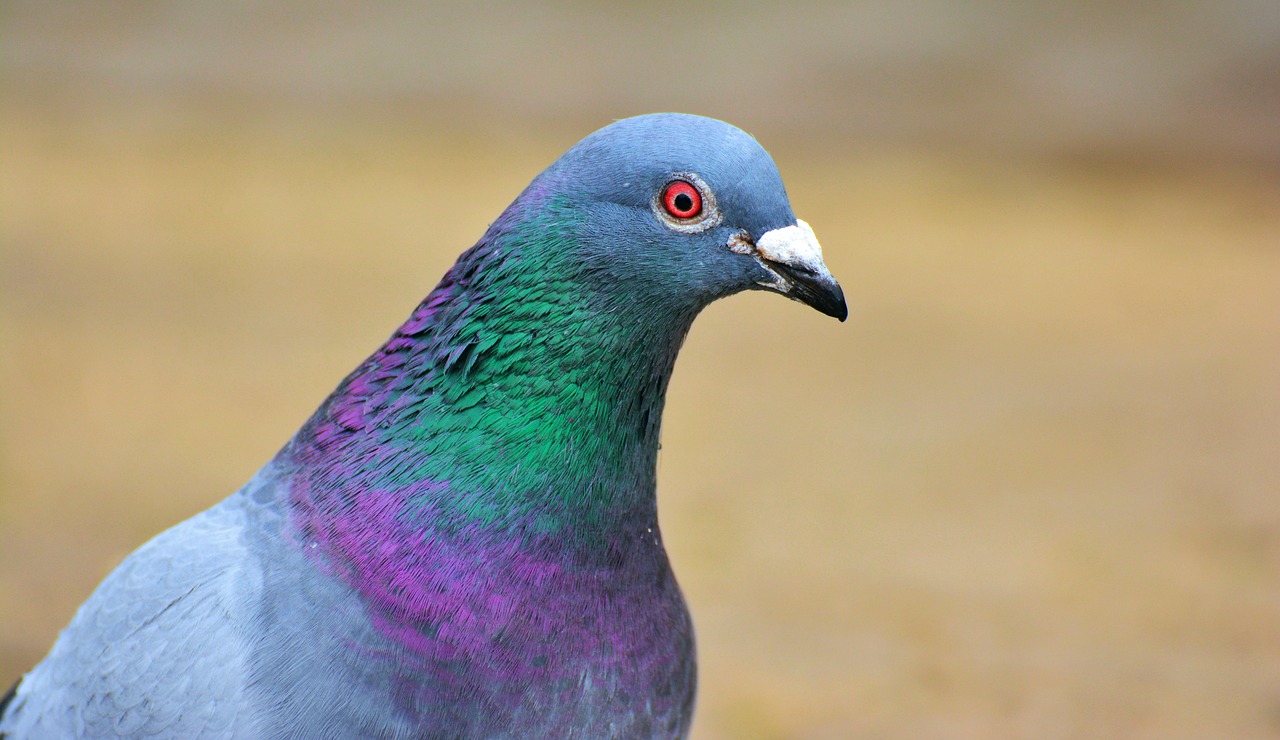
Selecting the ideal camera and lenses is crucial for capturing sharp, detailed images of your pigeons. A DSLR or mirrorless camera with a macro lens is perfect for close-ups that showcase intricate feather patterns and eye details, which are key in show presentation. Consider factors like aperture and focal length to achieve a blurred background that makes your pigeon the star of the shot. Experiment with different lenses to find what works best for your specific breed and shooting environment.
For instance, a prime lens with a wide aperture can help in low-light conditions, ensuring your photos remain bright and clear. Remember, the goal is to produce images that judges and buyers can scrutinize, so prioritize clarity and color accuracy. Regular practice with your equipment will help you become adept at quick adjustments during photo sessions.
Lighting and Background Setup
Proper lighting is essential for bringing out the vibrant colors and textures in pigeon photography, directly impacting show presentation. Natural light from a window can work wonders, but for consistency, use softbox lights or reflectors to eliminate harsh shadows. Set up a neutral background, such as a plain cloth or paper, to keep the focus on your pigeon without distractions.
Avoid busy patterns that might detract from your bird's appearance. Position your lights at angles that highlight the pigeon's form and feather sheen, which can make a big difference in competitive shows. Test different setups to see how light affects your pigeon's features, and always aim for even illumination to prevent overexposure or dark spots.
Techniques for Capturing Stunning Pigeon Images
Mastering specific photography techniques can transform your pigeon photos from ordinary to extraordinary, boosting their appeal in show presentations. Focus on composition, timing, and patience to capture your bird's best angles and behaviors. These skills not only improve image quality but also tell a story that resonates with audiences.
Composition and Framing Tips
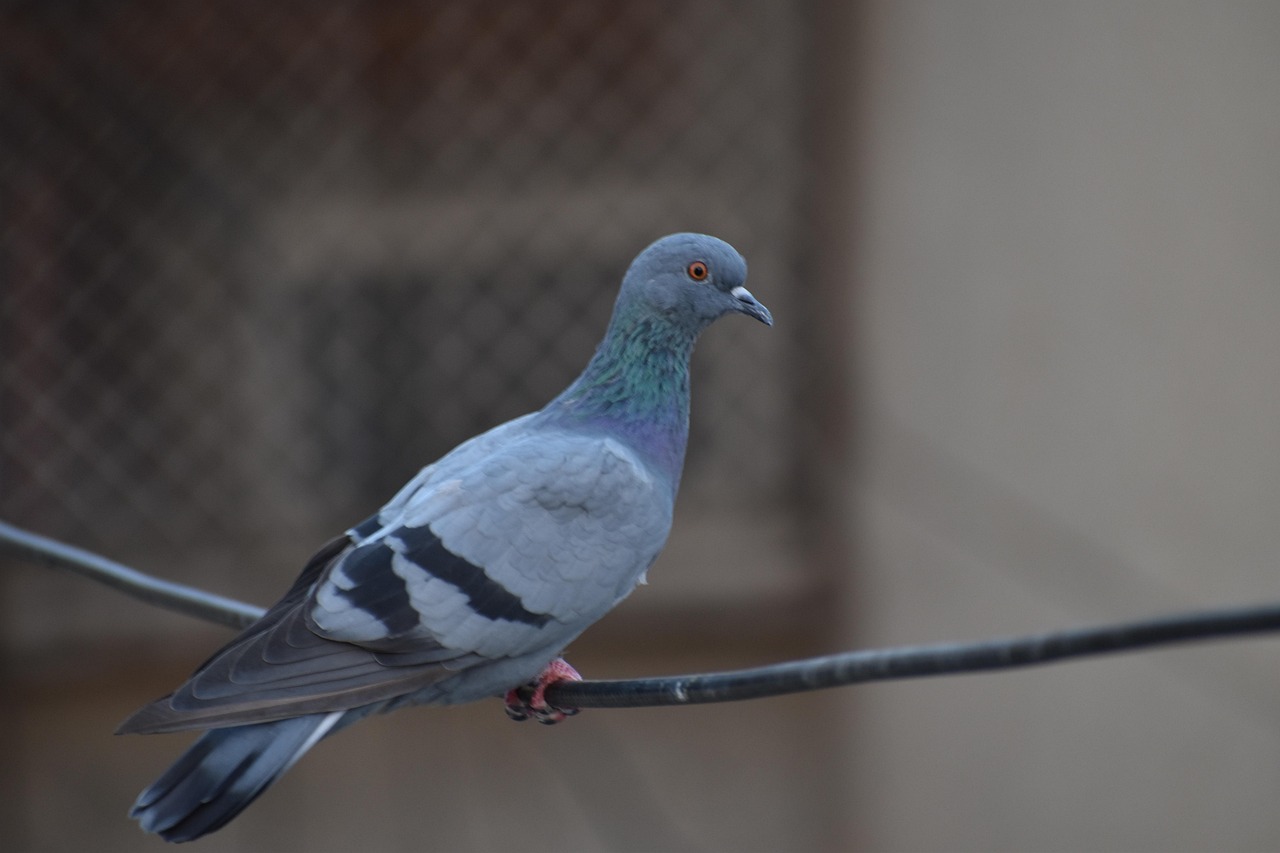
Effective composition is key to creating engaging pigeon photography that enhances show presentation. Use the rule of thirds to position your pigeon off-center, making the image more dynamic and visually appealing. Frame the shot to include the entire bird, emphasizing its posture and symmetry, which are critical in judging.
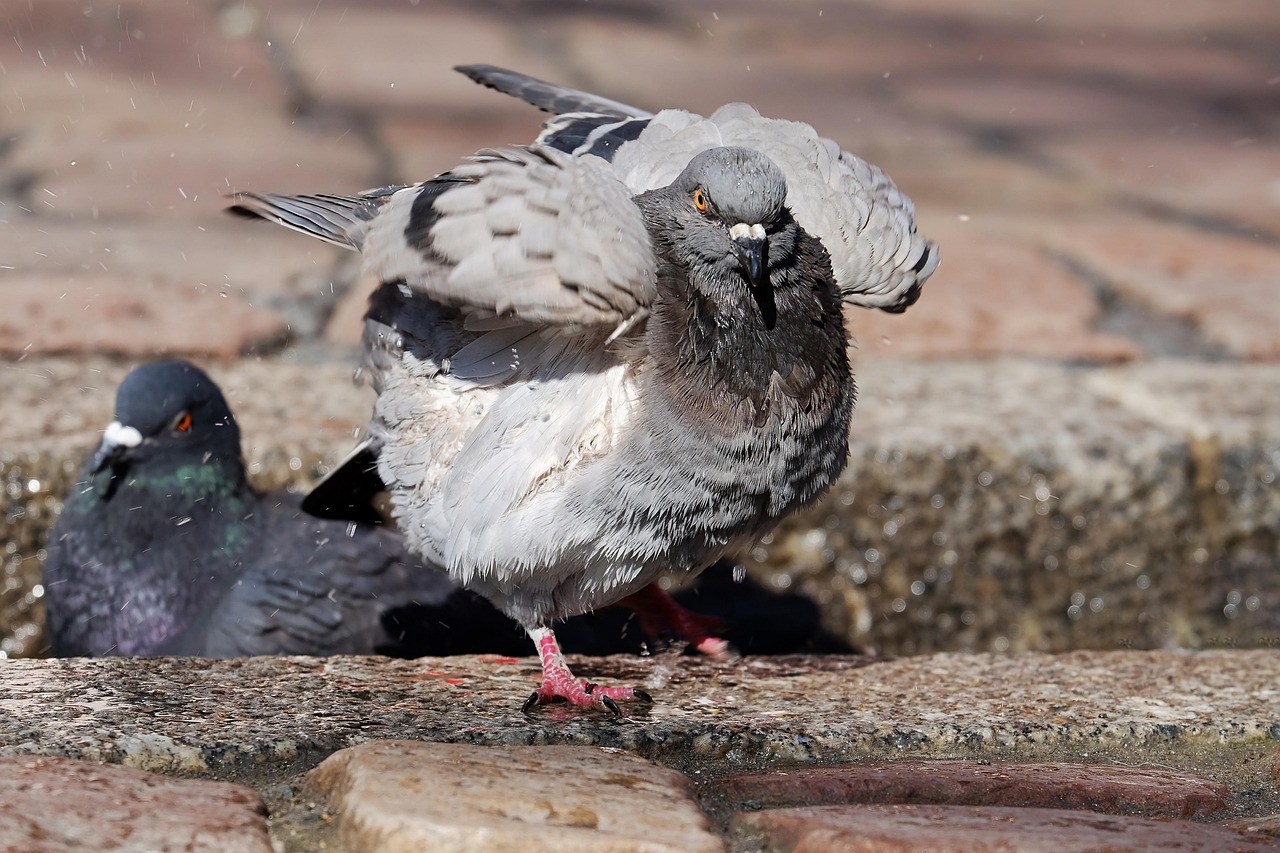
Pay attention to negative space to avoid clutter and draw the eye directly to your pigeon. For action shots, capture moments like wing stretches or head tilts to showcase vitality. Practice different angles, such as low shots to convey power or eye-level views for connection, and review your photos to refine your approach over time.
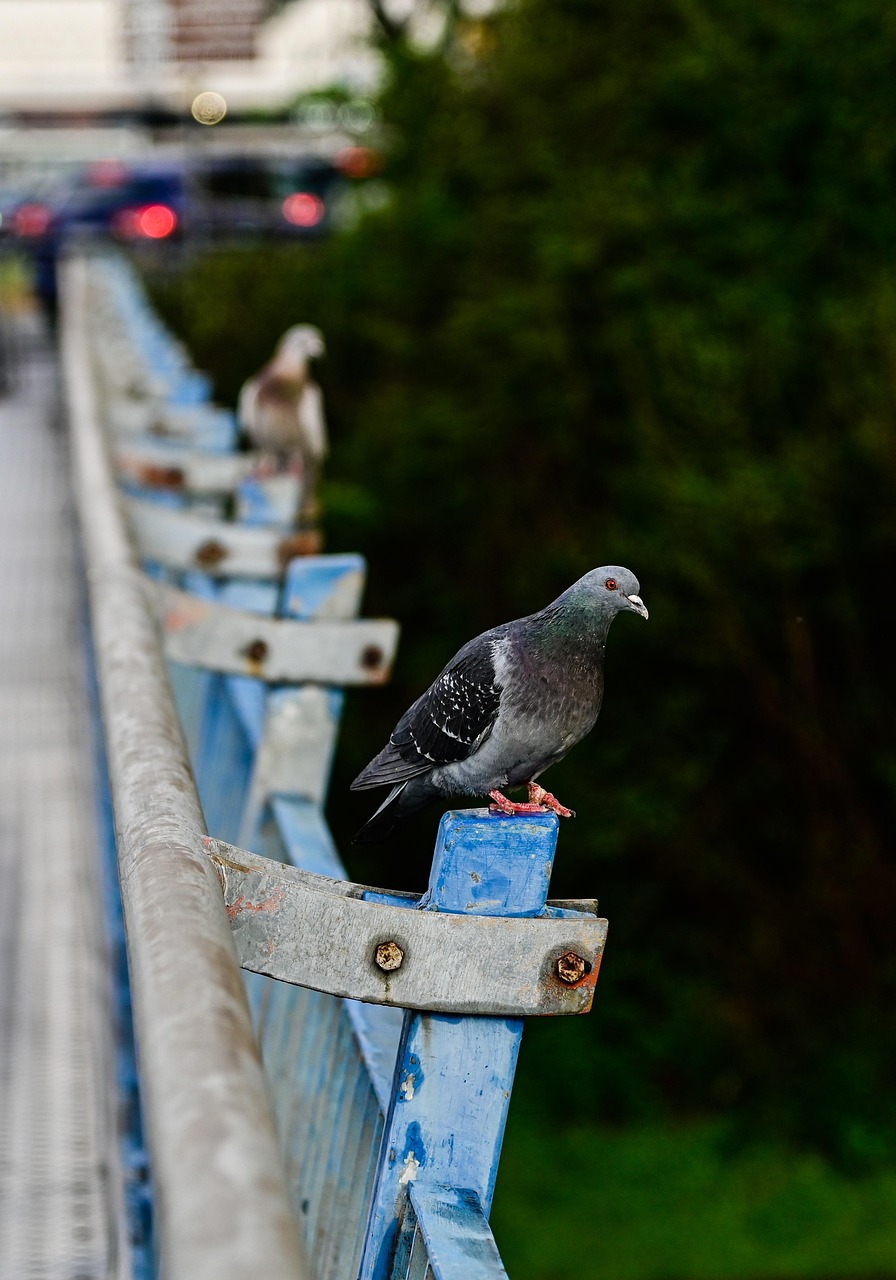
Incorporating elements like perches or natural settings can add context without overpowering the subject. Remember, the best compositions highlight the pigeon's unique traits, making it memorable in competitions.
Timing and Patience in Shoots
Timing is everything in pigeon photography, as capturing the perfect moment can elevate your show presentation. Schedule shoots when your pigeon is calm and alert, typically after feeding or during its active periods. Be patient and ready to snap photos quickly when your bird strikes a pose or displays characteristic behaviors.
Use burst mode on your camera to capture multiple shots in succession, increasing your chances of getting that ideal image. Avoid rushing the process, as stressed pigeons may not cooperate, leading to poor results. Over time, you'll learn to anticipate your pigeon's movements, making your photography sessions more efficient and rewarding.
Enhancing Show Presentation Through Photography
Photography plays a vital role in how your pigeon is perceived during shows, influencing both judges and potential buyers. By using images to highlight strengths and minimize weaknesses, you can create a compelling narrative that boosts market value. This section explores strategies for integrating photos into your overall presentation.
Showcasing Key Features and Attributes
Focus your pigeon photography on key features that judges value, such as feather quality, color intensity, and body structure, to strengthen your show presentation. Take close-up shots that reveal texture and detail, and full-body images that demonstrate proportion and balance. Use these photos in show portfolios or digital displays to provide a comprehensive view.
Highlight attributes like eye color or wing span that set your pigeon apart from others. By emphasizing these elements, you make it easier for evaluators to appreciate your bird's merits. Regularly update your photo collection to reflect any improvements or changes, ensuring your presentation remains current and impactful.
Using Photos in Marketing and Sales
Incorporate high-quality pigeon photography into your marketing efforts to attract buyers and increase sales, leveraging show presentation skills. Share images on social media, websites, or at events to build interest and credibility. Ensure photos are well-lit and professionally composed to convey care and expertise.
Create albums or videos that tell a story about your pigeon's journey and achievements. Use bullet points in descriptions to list key selling points derived from your photos, such as:
- Vibrant plumage colors
- Perfect posture and stance
- Unique markings or patterns
This approach not only enhances visibility but also justifies higher prices by demonstrating value through visual evidence.
Common Mistakes to Avoid in Pigeon Photography
Avoiding common pitfalls can save you time and improve the quality of your pigeon photography for better show presentation. Issues like poor lighting, blurry images, or stressful environments can undermine your efforts. Learn from these mistakes to produce consistently excellent results.
Lighting and Focus Errors
One of the biggest mistakes in pigeon photography is improper lighting, which can wash out colors or create unflattering shadows, harming show presentation. Always check your light sources and adjust settings to avoid overexposure or underexposure. Similarly, ensure your camera is focused correctly on the pigeon's eyes or key features to maintain sharpness.
Use manual focus if autofocus struggles in low light or with moving subjects. Test your setup before the actual shoot to identify and fix issues early. By mastering lighting and focus, you'll produce images that accurately represent your pigeon's beauty and appeal.
Handling and Stress Management
Handling your pigeon improperly during photography sessions can cause stress, leading to unnatural poses or behaviors that detract from show presentation. Always prioritize your bird's comfort by keeping sessions short and using gentle techniques. Familiarize your pigeon with the camera and environment beforehand to reduce anxiety.
Watch for signs of distress, such as ruffled feathers or avoidance, and take breaks as needed. A calm pigeon is more likely to exhibit its best attributes, resulting in superior photos. Over time, positive experiences will make future shoots smoother and more productive.
Advanced Tips for Professional Results
For those looking to take their pigeon photography to the next level, advanced techniques can yield professional-grade images that excel in show presentation. Explore post-processing, creative angles, and storytelling to add depth and appeal to your work.
Post-Processing and Editing
Post-processing is a powerful tool for enhancing pigeon photography, allowing you to correct colors, sharpen details, and remove distractions for optimal show presentation. Use software like Adobe Lightroom to adjust exposure, contrast, and saturation without over-editing. Focus on subtle improvements that maintain the natural look of your pigeon.
Avoid heavy filters that can misrepresent your bird's appearance, as judges value authenticity. Learn basic editing skills to streamline your workflow and produce consistent results. By refining your photos post-shoot, you can highlight the best aspects of your pigeon and make a stronger impression.
Creative Storytelling Through Images
Incorporate creative storytelling into your pigeon photography to make your show presentation more engaging and memorable. Capture sequences that depict your bird's daily life, training, or interactions, adding context to its qualities. Use varied compositions and settings to evoke emotions and connect with viewers.
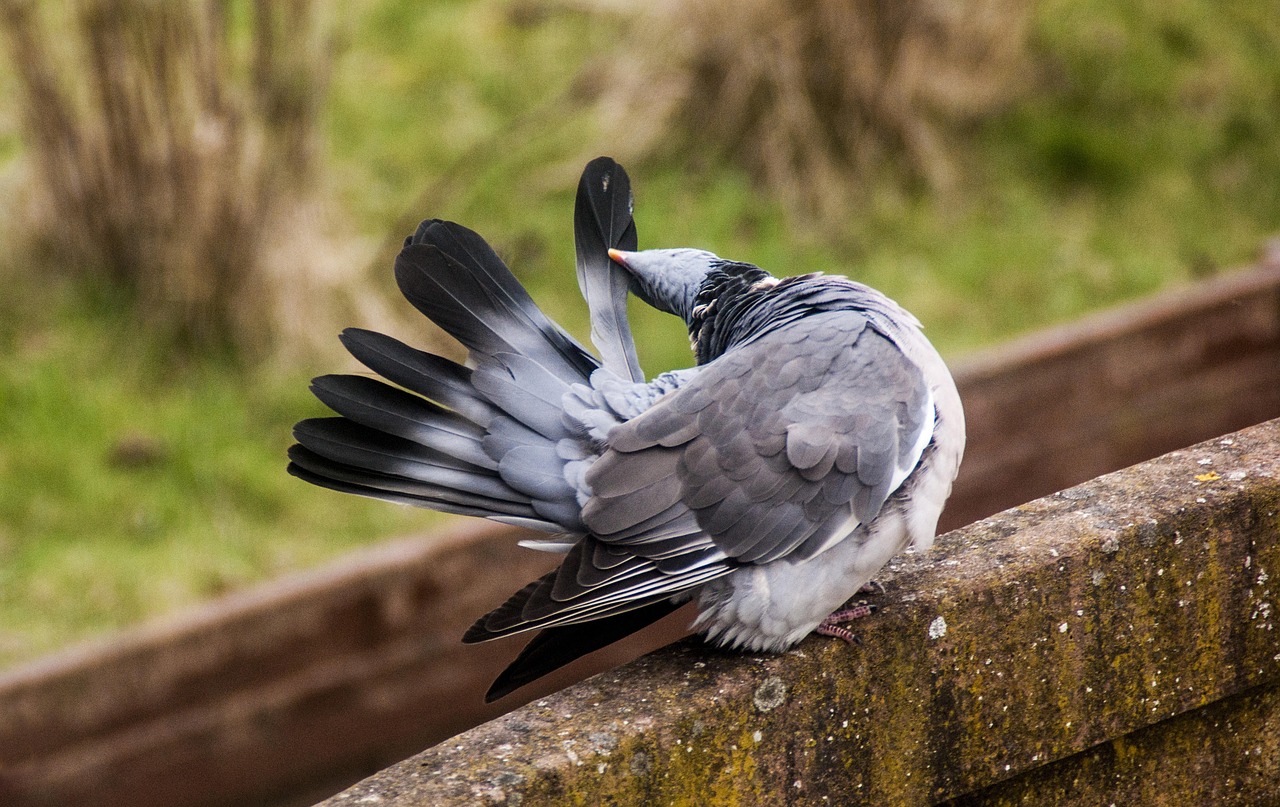
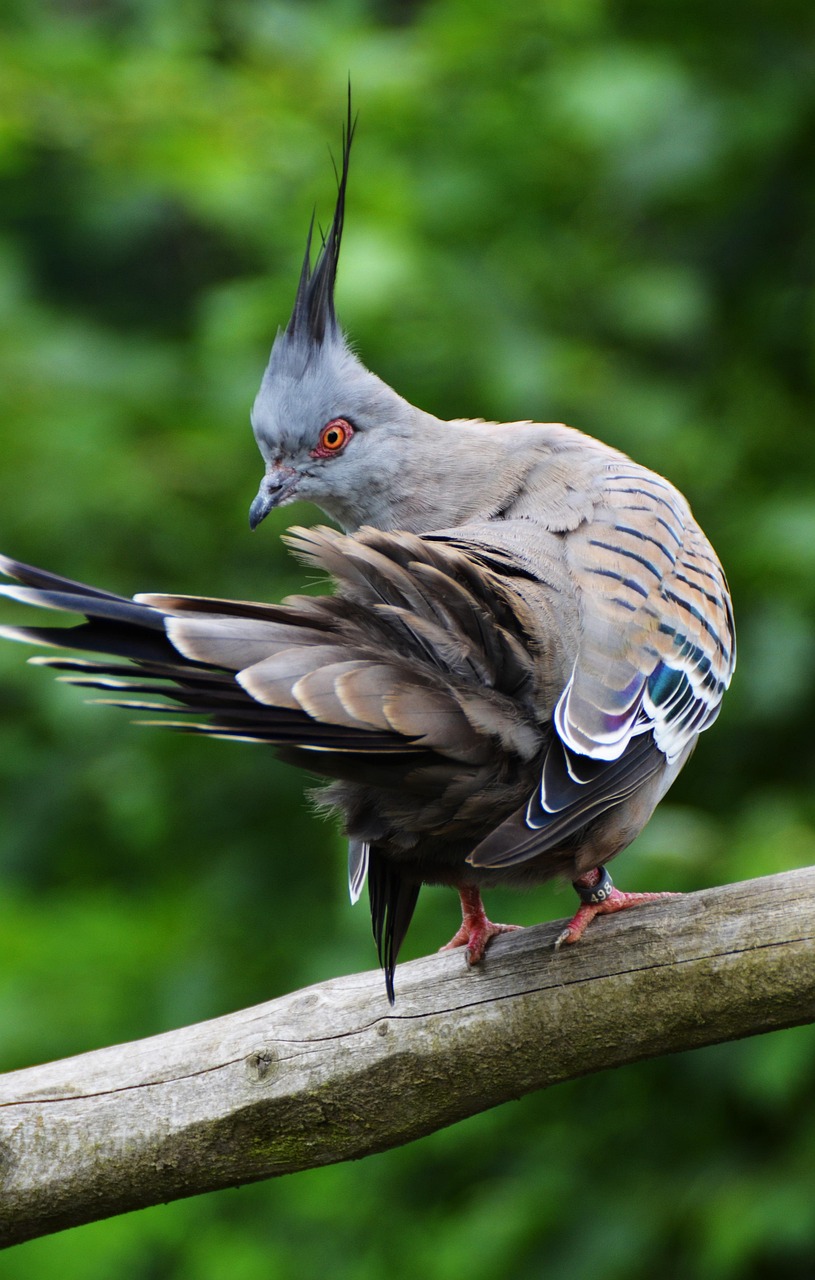
For example, a series of photos showing a pigeon in flight, at rest, and during grooming can illustrate its versatility and health. This approach not only showcases technical skills but also builds a narrative that enhances marketability. Experiment with different styles to find what resonates with your audience and sets your work apart.
Conclusion
Mastering pigeon photography is essential for elevating your show presentation and increasing your bird's market value. By focusing on equipment, techniques, and avoidance of common errors, you can produce images that captivate judges and buyers alike. Remember, consistent practice and attention to detail will yield the best results. For expert guidance and tools to manage your pigeon endeavors, consider reaching out to Ghawy – Pigeon Manager (غاوي – إدارة الحمام) for support.