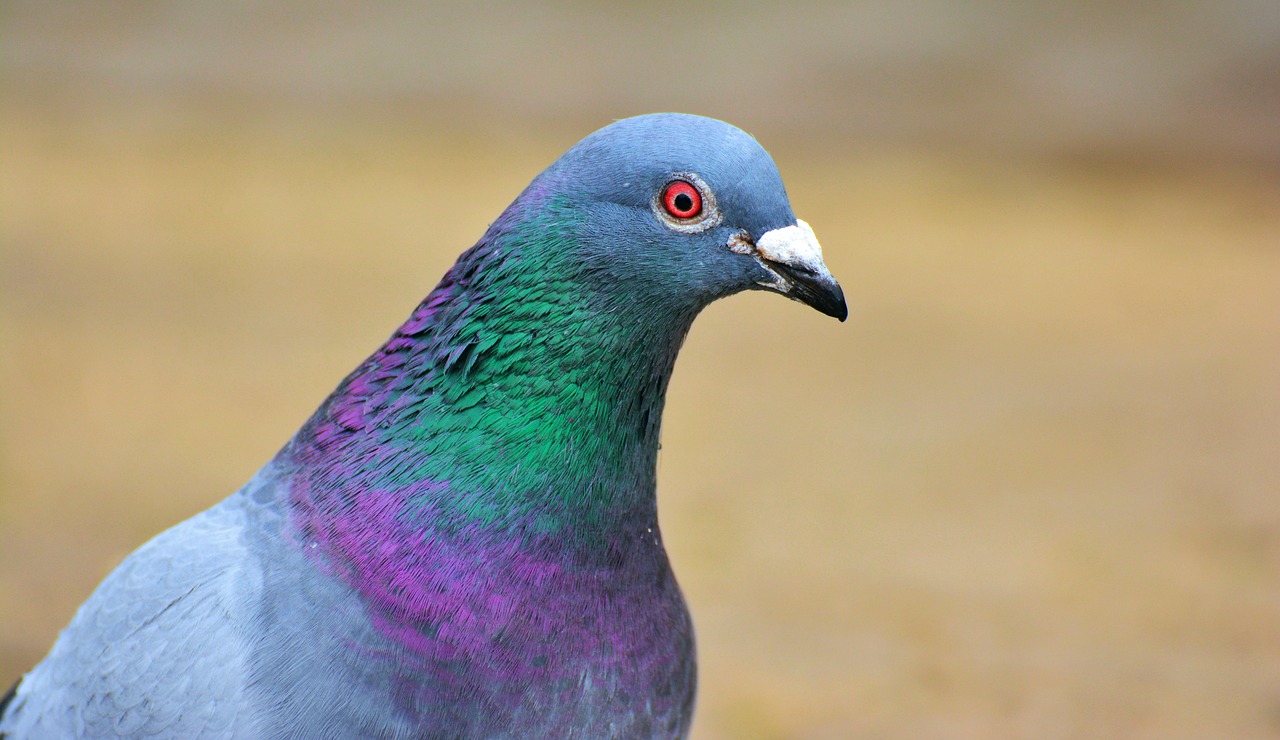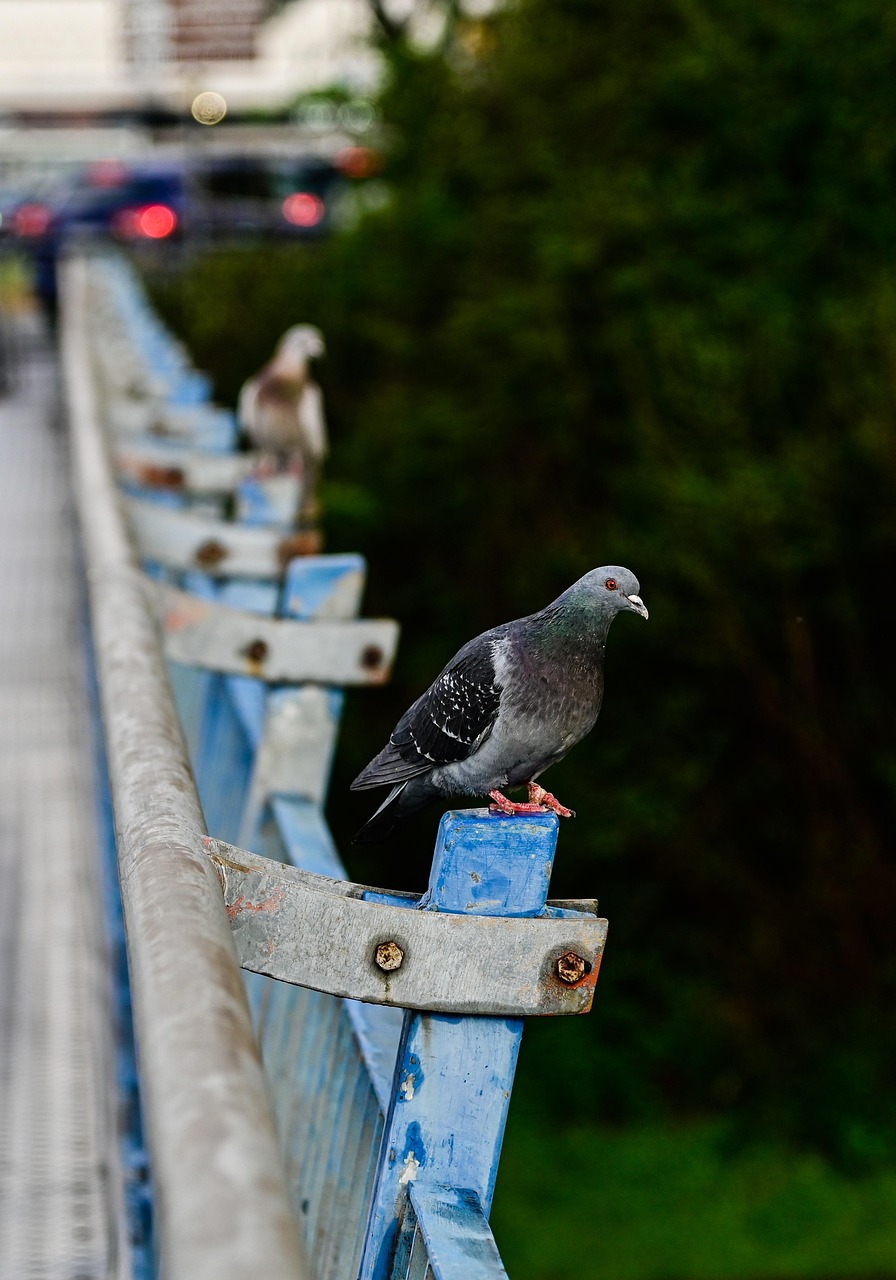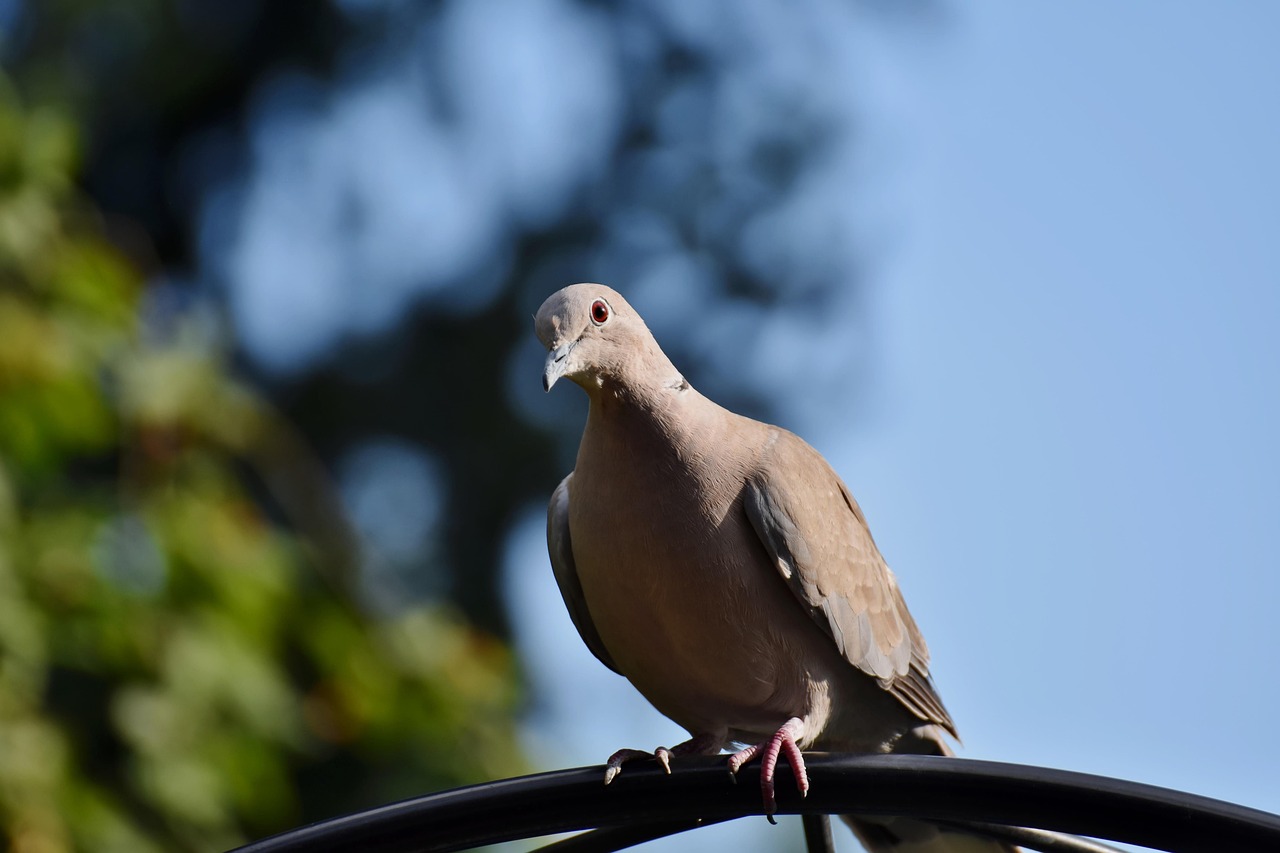
In the world of pigeon shows, exceptional photography can dramatically increase your bird's market value by highlighting its finest features. This guide delves into professional techniques for pigeon photography and show presentation, offering actionable tips to make your pigeons stand out. By mastering these skills, you can attract more buyers and command higher prices in competitive markets.
Essential Equipment for Pigeon Photography
Investing in the right gear is the first step toward capturing stunning images of your pigeons. A high-quality camera with manual settings allows you to control exposure and focus, while a macro lens is ideal for close-up shots that reveal intricate feather details. Proper lighting equipment, such as softboxes or reflectors, ensures even illumination without harsh shadows, making your pigeons look their best in any environment.
Choosing the Right Camera and Lenses
Select a DSLR or mirrorless camera with a high-resolution sensor to capture fine details in your pigeon's plumage and eyes. A lens with a focal length between 50mm and 100mm is versatile for full-body shots and portraits, while a macro lens excels at highlighting textures and colors. Consider factors like image stabilization and aperture range to handle various lighting conditions, ensuring sharp, vibrant photos that enhance your show presentation.
Experiment with different lenses to find what works best for your pigeon's breed and size; for instance, wider angles can showcase the bird's posture in its habitat. Regular practice with your equipment will help you quickly adjust settings during shoots, leading to more consistent and professional results that boost your pigeon's appeal.
Lighting and Background Setup
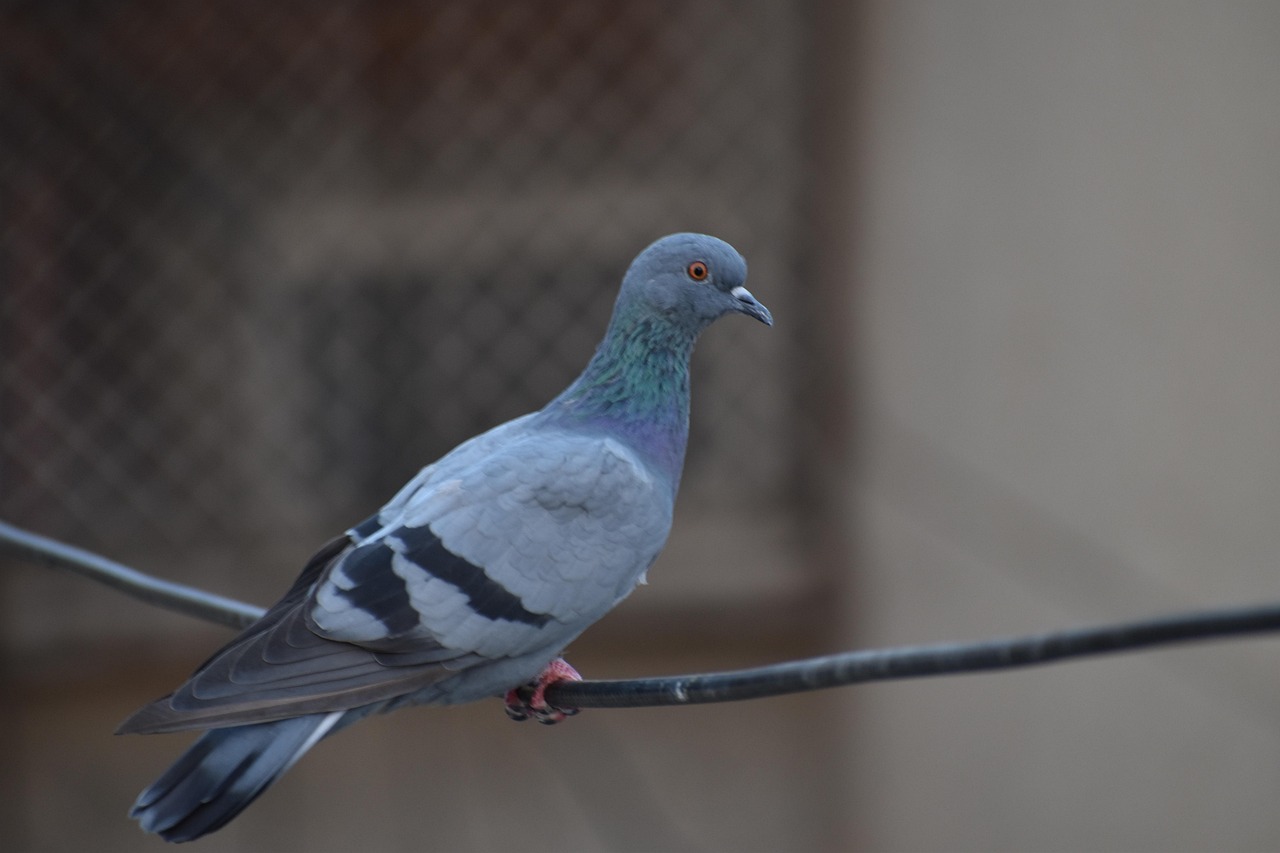
Natural light is often the most flattering for pigeon photography, so schedule shoots during golden hours in the early morning or late afternoon for soft, warm tones. If indoors, use artificial lights like LED panels or studio flashes with diffusers to avoid glare and create a natural look. A plain, uncluttered background, such as a neutral-colored sheet or outdoor greenery, keeps the focus on your pigeon and simplifies editing for a polished show presentation.
Position your lights at angles that minimize shadows and highlight the pigeon's unique markings, adjusting intensity based on the bird's coloration. For consistency, set up a dedicated photography area where your pigeon feels comfortable, reducing stress and resulting in more natural poses that reflect its true character.
Techniques for Capturing Stunning Pigeon Images
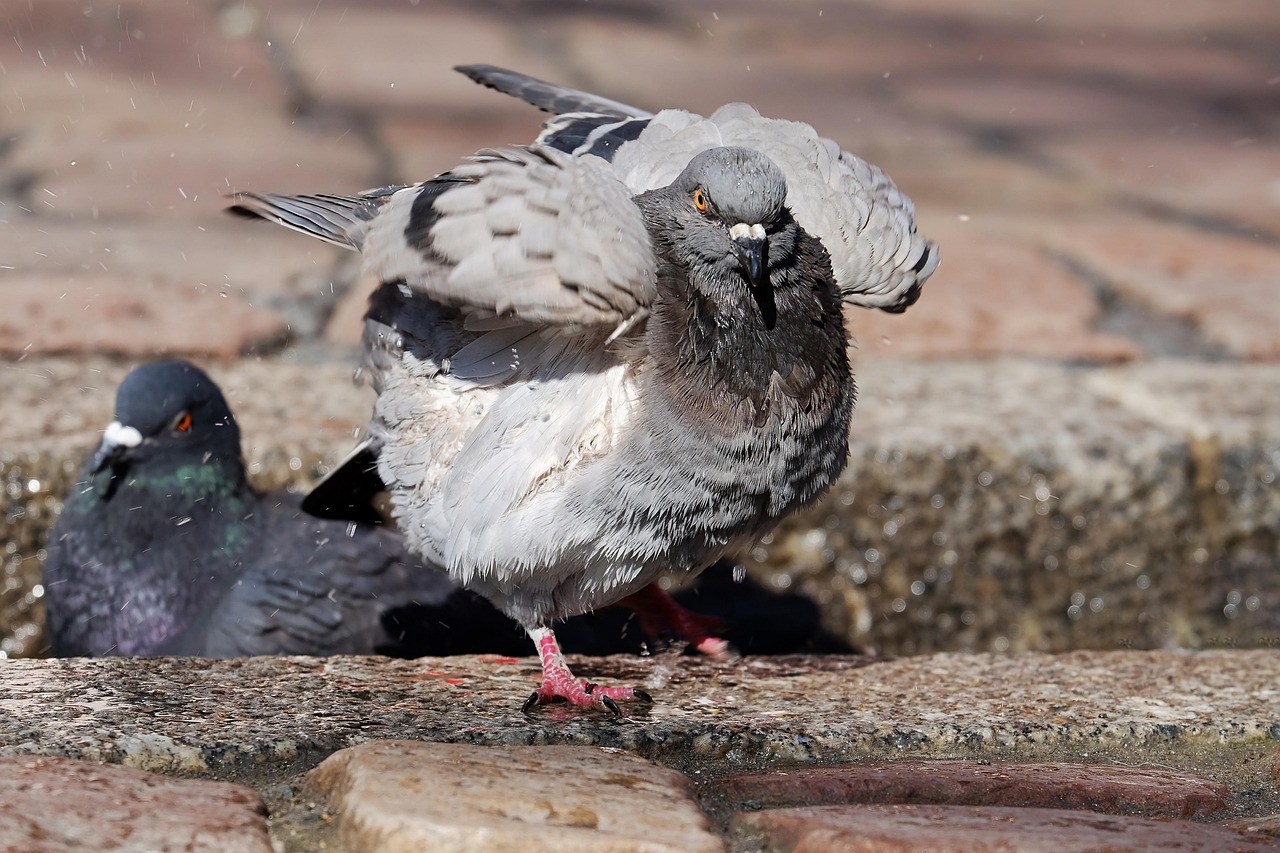
Effective photography techniques can transform ordinary shots into compelling visuals that elevate your pigeon's market value. Focus on composition rules like the rule of thirds to create balanced images, and use a fast shutter speed to freeze motion, especially if your pigeon is active. Patience is key; wait for moments when the bird displays its best attributes, such as puffing its chest or spreading its wings, to capture dynamic and engaging photos.
Composition and Framing Tips
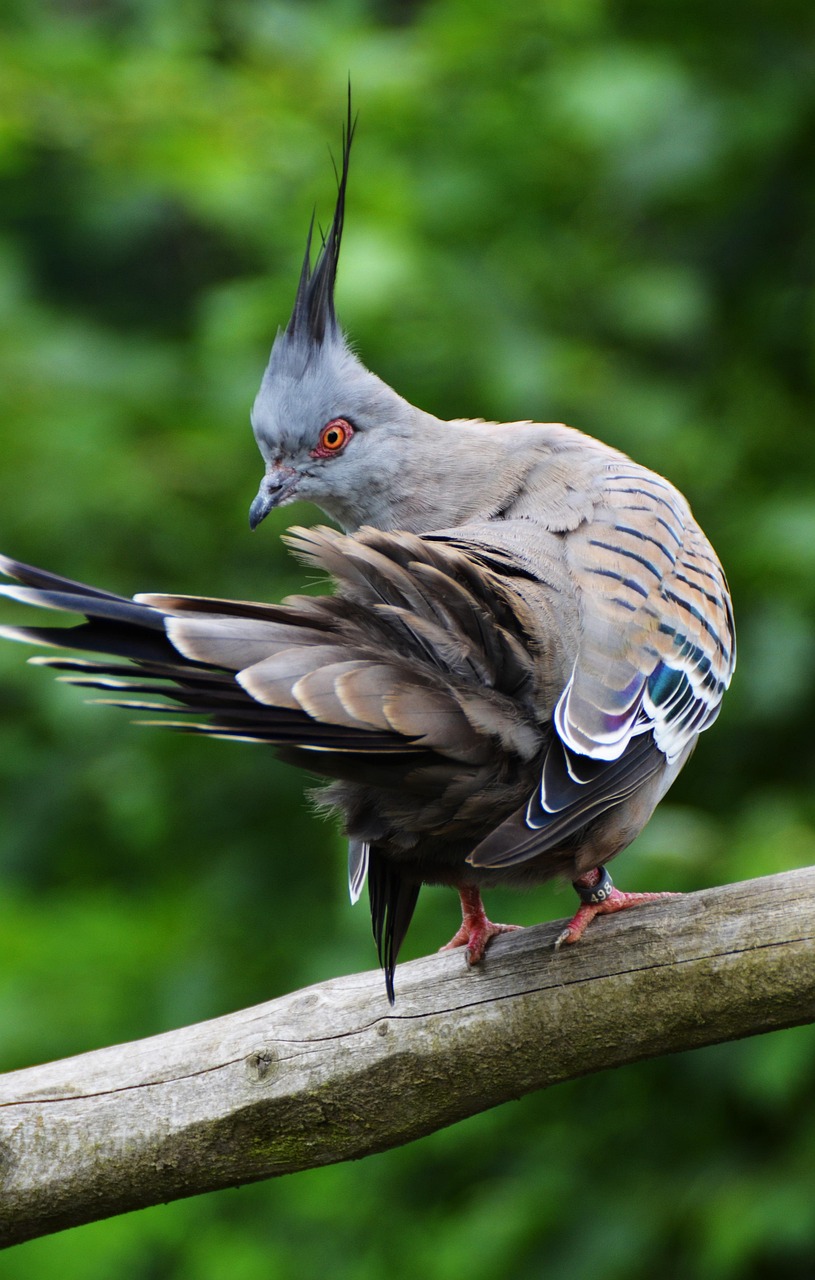
Apply the rule of thirds by placing your pigeon off-center in the frame to create visual interest and draw attention to its features, like the head or tail. Use leading lines, such as perches or natural elements, to guide the viewer's eye toward the bird, enhancing the overall narrative of your show presentation. Experiment with different angles, such as low shots to emphasize stature or overhead views to showcase symmetry, adding variety to your portfolio.
Avoid cropping too tightly; leave some space around the pigeon to convey its environment and size, which can be important for buyers assessing its condition. Regularly review your shots to identify patterns in what works best, and don't hesitate to take multiple photos from various perspectives to ensure you have options for selection.
Capturing Action and Behavior
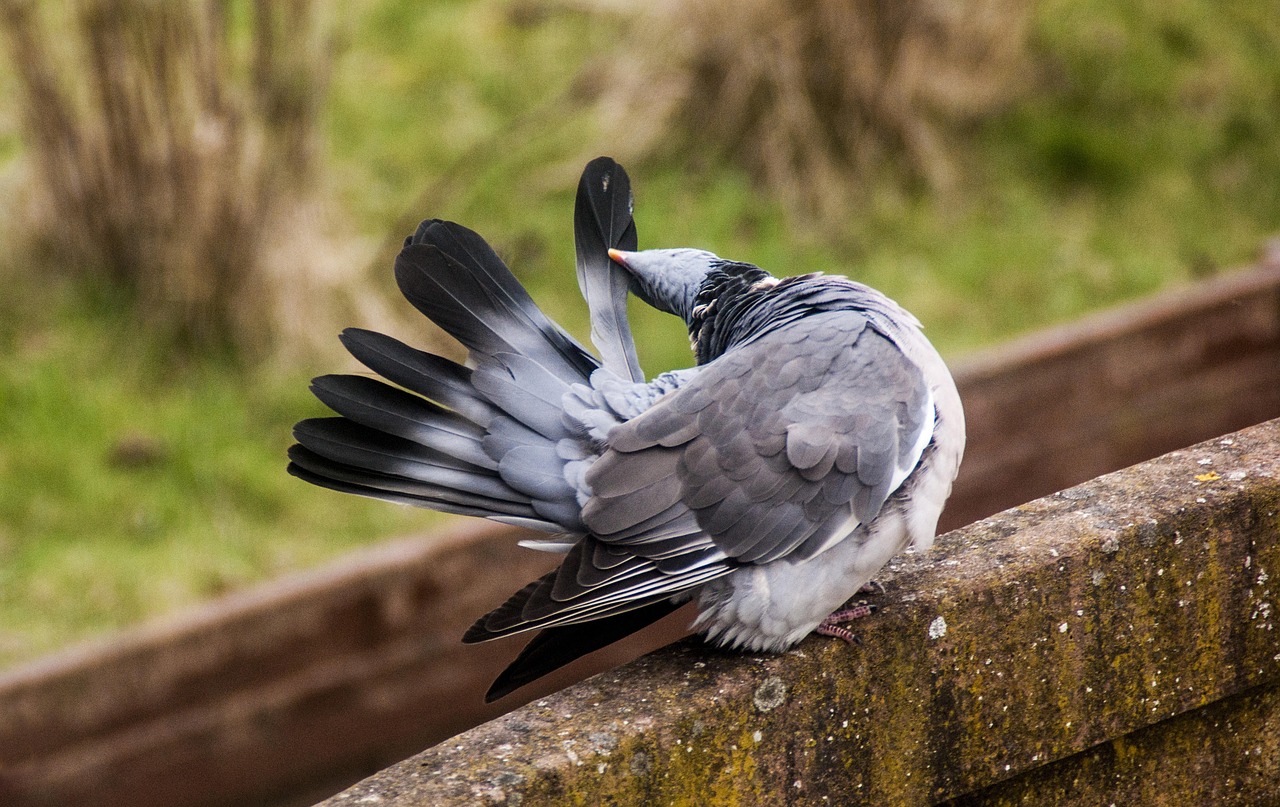
Action shots can showcase your pigeon's vitality and training, so use burst mode on your camera to capture sequences of movement, like flying or preening. Observe your pigeon's behavior to anticipate photogenic moments, such as when it coos or interacts with other birds, adding authenticity to your images. For show presentation, include shots that highlight specific traits judges look for, such as clean leg bands or well-groomed feathers, to demonstrate care and quality.
Incorporate props or settings that reflect the pigeon's breed characteristics, like a loft background for homing pigeons, to tell a story that resonates with enthusiasts. Practice in different scenarios to build a diverse collection of images, making it easier to market your pigeon for various purposes, from competitions to sales.
Enhancing Show Presentation Through Photography
Photography plays a crucial role in show presentation by providing visual evidence of your pigeon's excellence, which can influence judges and buyers alike. Use high-quality images in show entries, online listings, and promotional materials to create a strong first impression. By highlighting key aspects like color consistency, feather quality, and overall health, you can build a compelling case for your pigeon's value and increase its chances of success in competitions.
Preparing Pigeons for Photo Shoots
Groom your pigeon thoroughly before a shoot by cleaning its feathers, trimming nails, and ensuring it is healthy and alert to present its best self. Acclimate the bird to the photography environment to reduce stress, leading to more natural poses that reflect its true potential. For show presentation, focus on areas that are often scrutinized, such as the eyes, beak, and wing alignment, capturing details that set your pigeon apart from others.
Schedule shoots after feeding or during the bird's most active periods to capture energetic and engaging images. Keep sessions short to maintain the pigeon's comfort, and have treats or familiar objects on hand to encourage cooperative behavior, resulting in photos that showcase its personality and appeal.
Using Photos in Marketing and Sales
Incorporate professional photos into your marketing strategy by featuring them on websites, social media, and sales platforms to attract a wider audience. Write descriptive captions that emphasize the pigeon's strengths, such as lineage or award history, to build credibility and justify a higher price. For show presentation, create a portfolio that includes both static and action shots, giving potential buyers a comprehensive view of the bird's capabilities and beauty.
Update your image library regularly to reflect the pigeon's growth and any new achievements, keeping your offerings fresh and relevant. Use analytics to track which photos generate the most interest, and tailor future shoots to highlight those appealing aspects, ultimately driving more sales and enhancing market value.
Post-Processing and Editing for Professional Results
Post-processing is essential for refining your pigeon photos and ensuring they meet professional standards for show presentation. Use editing software like Adobe Lightroom or free alternatives to adjust exposure, contrast, and color balance, making your images pop without over-editing. Focus on subtle enhancements that maintain the pigeon's natural appearance, such as sharpening details or removing minor distractions, to create clean, appealing visuals that boost credibility.
Basic Editing Techniques
Start with basic adjustments like cropping to improve composition and straightening horizons for a polished look. Adjust brightness and contrast to ensure the pigeon stands out against the background, and use saturation sliders sparingly to enhance natural colors without making them unrealistic. For show presentation, pay attention to consistency across multiple images, so your pigeon's portfolio looks cohesive and professional, reinforcing its quality to viewers.
Avoid heavy filters or effects that could misrepresent the bird's true appearance, as honesty is key in building trust with buyers and judges. Save edited files in high resolution for print and web use, and keep originals as backups to allow for future revisions or different editing styles.
Advanced Retouching and Enhancement
For advanced edits, use tools like clone stamps or healing brushes to remove blemishes or debris that detract from the pigeon's beauty, but be careful not to alter defining features. Enhance sharpness selectively on areas like the eyes and feathers to draw attention to details that matter most in competitions. Consider creating before-and-after comparisons to demonstrate the value of your photography skills, which can be a powerful tool in marketing and show presentation.
Learn to use layers and masks for non-destructive editing, allowing you to experiment without permanent changes. If you're not confident in your skills, consider hiring a professional editor or using tutorials to improve, as high-quality retouching can significantly impact how your pigeon is perceived and valued.
Integrating Photography into Overall Pigeon Care
Photography should be viewed as an integral part of pigeon care, helping you monitor health, track development, and document achievements over time. Regular photo sessions can reveal subtle changes in condition, such as weight loss or feather issues, allowing for early intervention. By combining photography with routine care practices, you create a holistic approach that not only improves show presentation but also ensures your pigeons remain in top shape for increased market value.
Documenting Health and Progress
Take periodic photos to record your pigeon's growth, molting cycles, and overall health, creating a visual history that can be useful for veterinary consultations or breeding programs. Use these images to identify trends, such as improvements in feather quality after dietary changes, and share them with potential buyers to demonstrate diligent care. In show presentation, this documentation adds depth to your pigeon's story, showing that it is well-maintained and worthy of investment.
Store photos in an organized digital archive with dates and notes for easy reference, and consider using them in health logs or apps to streamline management. This proactive approach not only enhances your pigeon's appeal but also fosters a reputation for excellence among fellow enthusiasts.
Building a Brand with Consistent Imagery
Develop a consistent visual style for all your pigeon photos, such as using similar backgrounds or editing techniques, to build a recognizable brand that stands out in the market. Share your images on platforms like Instagram or pigeon forums to engage with the community, gather feedback, and establish yourself as an expert. For show presentation, this consistency reinforces professionalism and can lead to higher trust and better sales outcomes.
Collaborate with other pigeon owners or photographers to learn new techniques and expand your network, potentially leading to partnerships or increased visibility. Over time, a strong brand built on quality photography can become a valuable asset, driving long-term success in pigeon breeding and showing.
Conclusion
Mastering pigeon photography and show presentation is a powerful way to enhance your bird's market value, from capturing stunning images to using them effectively in marketing. By focusing on equipment, techniques, and post-processing, you can create a compelling visual narrative that attracts buyers and judges alike. Remember, consistency and attention to detail are key to standing out in competitive shows. For expert tools to manage your pigeon care and photography efforts, explore Ghawy – Pigeon Manager (غاوي – إدارة الحمام) to streamline your process and achieve even better results.