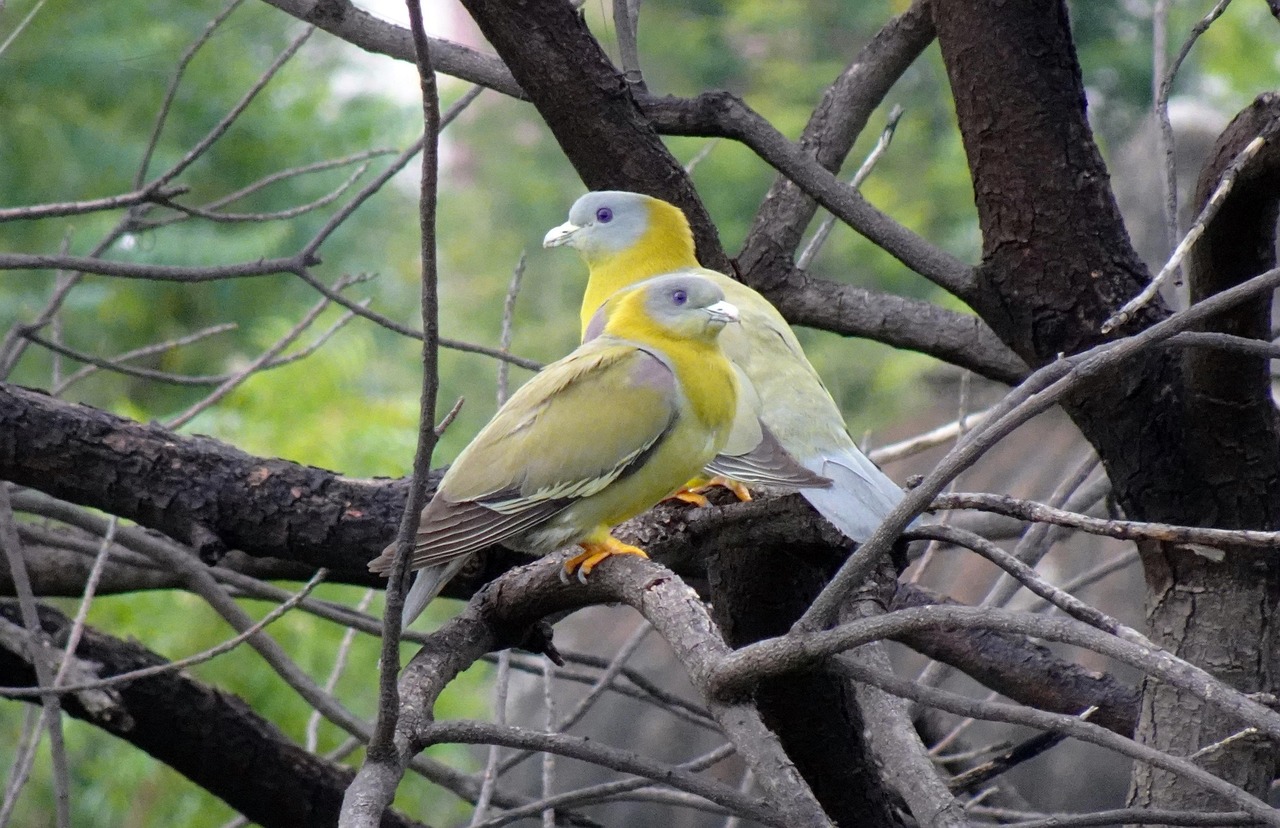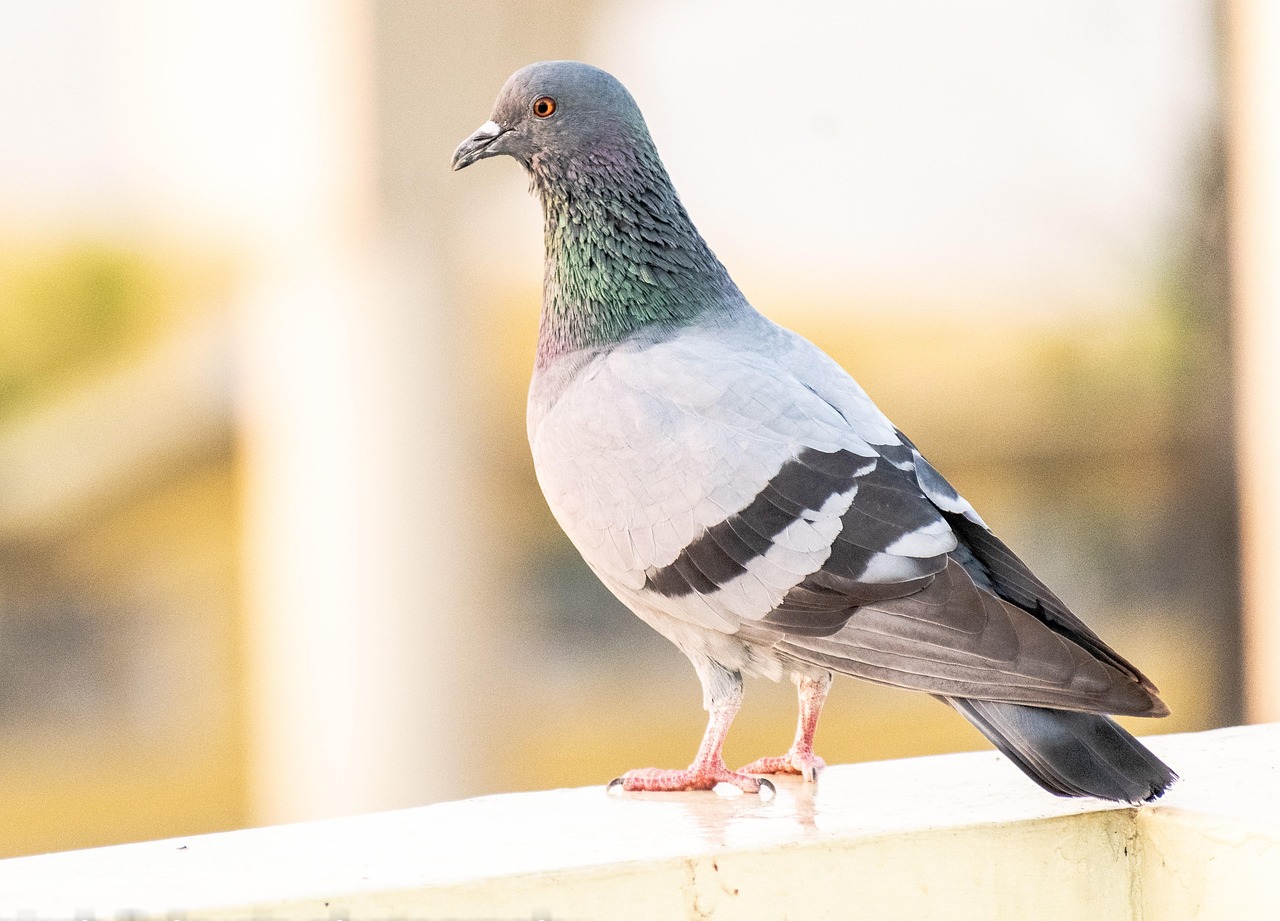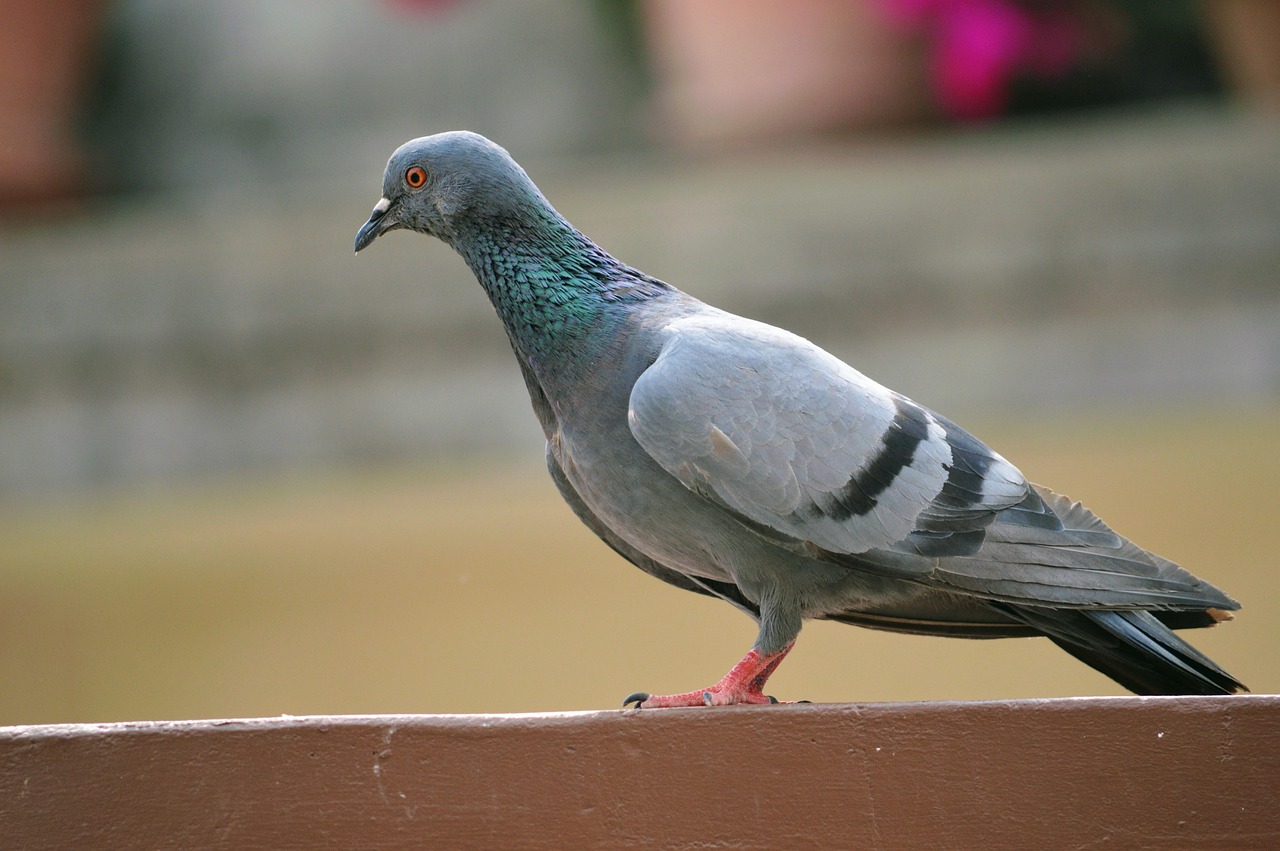
Keeping your pigeons healthy is essential for any enthusiast, and a robust prevention protocol can ward off common diseases. This guide dives into effective strategies for pigeon diseases prevention and loft sanitation, offering practical tips to maintain a thriving flock. By focusing on cleanliness and proactive care, you can ensure your birds stay vibrant and disease-free.
Understanding Common Pigeon Diseases
Pigeons are susceptible to various illnesses that can spread quickly in a loft environment. Recognizing these diseases early is key to prevention and treatment. This section covers the most prevalent issues and their symptoms.
Respiratory Infections
Respiratory infections are among the most common ailments in pigeons, often caused by bacteria or viruses. Symptoms include sneezing, nasal discharge, and labored breathing, which can escalate if left untreated. These infections thrive in poorly ventilated lofts, making loft sanitation critical to reduce humidity and airborne pathogens. Regular monitoring and isolation of affected birds can prevent outbreaks and protect the entire flock.
Preventing respiratory issues involves maintaining dry, clean bedding and ensuring good airflow in the loft. Use disinfectants specifically designed for avian environments to sanitize surfaces and equipment. Additionally, providing a balanced diet rich in vitamins supports immune function, helping pigeons resist infections naturally. By integrating these practices, you can significantly lower the risk of respiratory diseases.
Parasitic Infestations
Parasites like mites, lice, and worms can weaken pigeons, leading to anemia and secondary infections. Infestations often stem from contaminated feed or unclean living conditions, highlighting the importance of loft sanitation. Regular inspections of birds and their environment allow for early detection and treatment, minimizing health impacts.
To combat parasites, implement a routine cleaning schedule that includes removing old feed and droppings. Treat the loft with safe insecticides and dewormers as needed, focusing on corners and perches where parasites hide. Providing dust baths with diatomaceous earth can also help control external parasites, promoting overall pigeon diseases prevention. Consistent care ensures your pigeons remain strong and resilient.
Essential Loft Sanitation Practices
A clean loft is the foundation of disease prevention, reducing the risk of pathogens and parasites. This section outlines daily, weekly, and monthly routines to uphold high standards of loft sanitation. Adopting these habits can transform your loft into a safe haven for pigeons.
Daily Cleaning Routines
Daily loft sanitation starts with removing droppings and spilled feed, which can attract pests and harbor bacteria. Use a scraper or brush to clean perches and floors, and replace wet or soiled bedding promptly. This routine not only prevents disease but also keeps the environment pleasant for both birds and keepers.
Incorporate visual checks for signs of illness or stress during daily cleanings. Ensure waterers and feeders are scrubbed and refilled with fresh supplies to avoid contamination. By making loft sanitation a habit, you create a proactive barrier against common pigeon diseases, fostering a healthier flock. Small, consistent efforts yield long-term benefits in pigeon diseases prevention.
Deep Cleaning and Disinfection
Weekly or monthly deep cleaning involves thorough disinfection of the entire loft structure. Remove all birds temporarily and scrub surfaces with a bird-safe disinfectant, paying attention to nests and ventilation systems. This process eliminates stubborn pathogens and prevents recurring issues, reinforcing loft sanitation as a core practice.
After cleaning, allow the loft to dry completely before reintroducing pigeons to avoid respiratory irritants. Rotate disinfectants occasionally to prevent resistance in microbes. Deep cleaning not only supports pigeon diseases prevention but also extends the lifespan of your loft equipment. Make it a scheduled event to maintain peak hygiene standards.
Nutrition and Health Management
Proper nutrition plays a vital role in strengthening pigeons' immune systems against diseases. This section explores dietary strategies and supplements that complement loft sanitation efforts. A well-fed pigeon is better equipped to fight off infections and thrive.
Balanced Diet Essentials
A balanced diet for pigeons includes grains, seeds, and legumes rich in proteins, carbohydrates, and fats. Incorporate greens and grit for digestion and mineral intake, which bolsters overall health. Avoid moldy or stale feed, as it can introduce toxins and undermine pigeon diseases prevention.
Supplement with vitamins and probiotics during stressful periods, such as molting or breeding, to enhance immunity. Monitor food intake to prevent obesity or deficiencies, adjusting portions based on activity levels. By prioritizing nutrition, you reduce the likelihood of diseases, making loft sanitation even more effective. Healthy eating habits are a cornerstone of proactive care.
Hydration and Supplement Use
Clean, fresh water is crucial for hydration and nutrient absorption, directly impacting disease resistance. Change water daily and use additives like electrolytes or apple cider vinegar to support digestive health. This simple step complements loft sanitation by minimizing bacterial growth in water sources.
Consider adding immune-boosting supplements, such as garlic or echinacea, to the diet after consulting a vet. These can help pigeons fend off common ailments without over-reliance on medications. Always ensure supplements are pigeon-safe and introduced gradually. Together with proper loft sanitation, these practices form a holistic approach to pigeon diseases prevention.
Environmental Controls for Disease Prevention
Managing the loft environment goes beyond cleaning to include ventilation, temperature, and space management. This section details how to optimize these factors for effective pigeon diseases prevention. A well-controlled environment reduces stress and disease transmission.
Ventilation and Air Quality
Good ventilation is essential to prevent respiratory diseases by reducing ammonia from droppings and moisture. Install vents or fans to ensure constant airflow without drafts, and monitor humidity levels to keep them low. This aspect of loft sanitation helps maintain fresh air, crucial for pigeon health.
Regularly clean ventilation systems to avoid blockages that could compromise air quality. In colder climates, balance ventilation with insulation to prevent temperature extremes. By prioritizing air quality, you support overall pigeon diseases prevention and create a comfortable living space. Proper ventilation is a non-negotiable part of loft management.
Space and Population Management
Overcrowding in the loft increases stress and disease spread, making space management a key element of loft sanitation. Provide at least 1-2 cubic feet per pigeon to allow for natural behaviors and reduce aggression. This minimizes contact with contaminants and supports pigeon diseases prevention.
Rotate birds or expand the loft if numbers grow, and quarantine new arrivals to prevent introducing illnesses. Use partitions or separate sections for different age groups to control interactions. Effective space management, combined with routine loft sanitation, ensures a harmonious and healthy flock. It's a proactive step that pays off in reduced vet visits.
Proactive Health Monitoring
Regular health checks and record-keeping enable early detection of issues before they escalate. This section covers how to monitor your pigeons and integrate findings into your loft sanitation routine. Vigilance is the best defense against diseases.
Routine Health Assessments
Conduct weekly health assessments by observing each pigeon's behavior, weight, and plumage. Look for signs like lethargy, loss of appetite, or abnormal droppings, which could indicate underlying problems. Document these observations to track trends and improve pigeon diseases prevention strategies.
Handle birds gently during checks to avoid stress, and use the opportunity to inspect for parasites or injuries. If issues arise, isolate affected pigeons immediately and adjust loft sanitation practices accordingly. This proactive approach complements cleaning efforts, ensuring comprehensive care. Early intervention can save lives and maintain flock vitality.
Record-Keeping and Adjustments
Maintain a health log that includes dates of cleanings, treatments, and any disease incidents. This record helps identify patterns and refine your loft sanitation and prevention protocols. For example, if respiratory issues spike in winter, you might enhance ventilation or add supplements.
Review records periodically to make data-driven decisions, such as changing disinfectants or adjusting diet. Share insights with other enthusiasts to learn and adapt. By keeping detailed records, you turn loft sanitation into a dynamic tool for pigeon diseases prevention. It's an investment in long-term flock health and success.
Conclusion
In summary, effective pigeon diseases prevention hinges on consistent loft sanitation, balanced nutrition, environmental controls, and proactive monitoring. By adopting these strategies, you can safeguard your flock from common ailments and promote overall well-being. For advanced tools to streamline your efforts, consider using Ghawy – Pigeon Manager to track health records and sanitation schedules effortlessly.