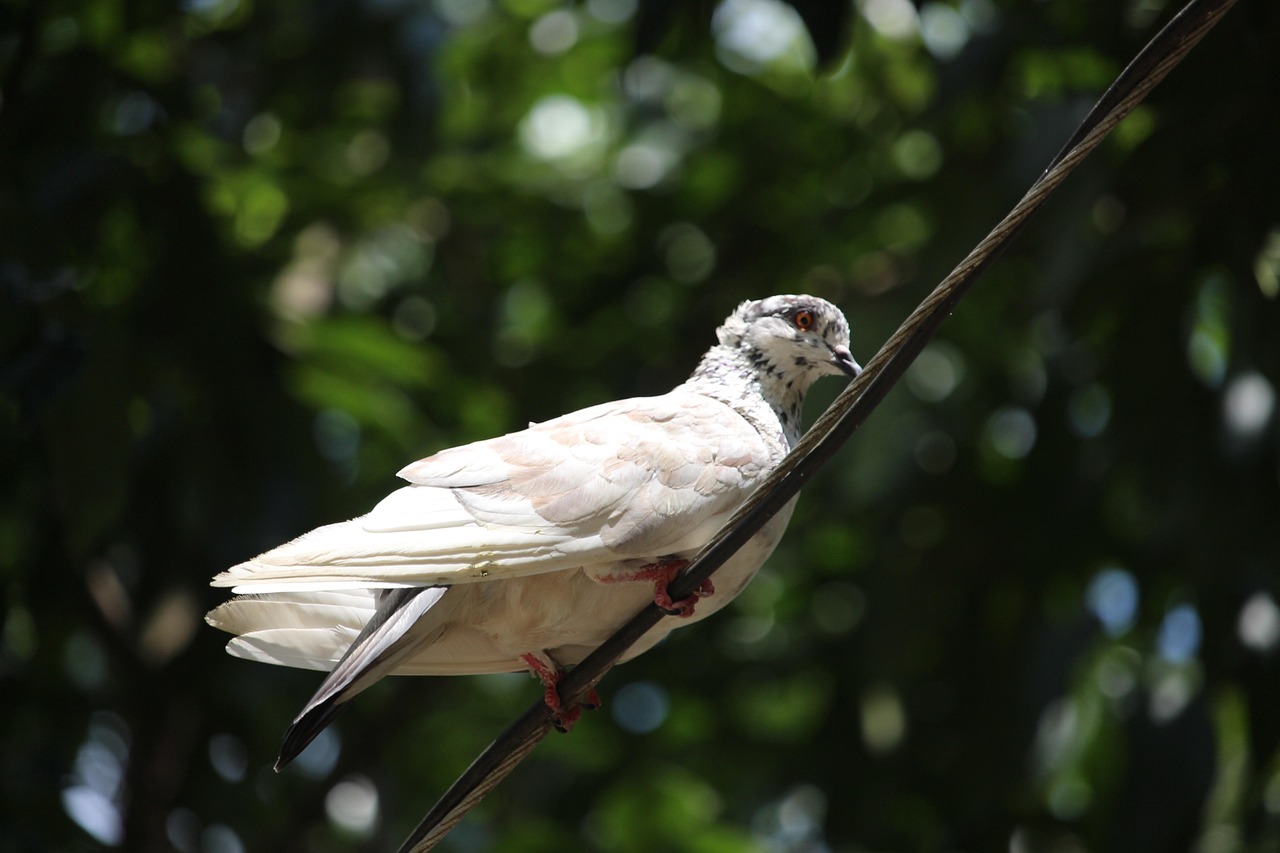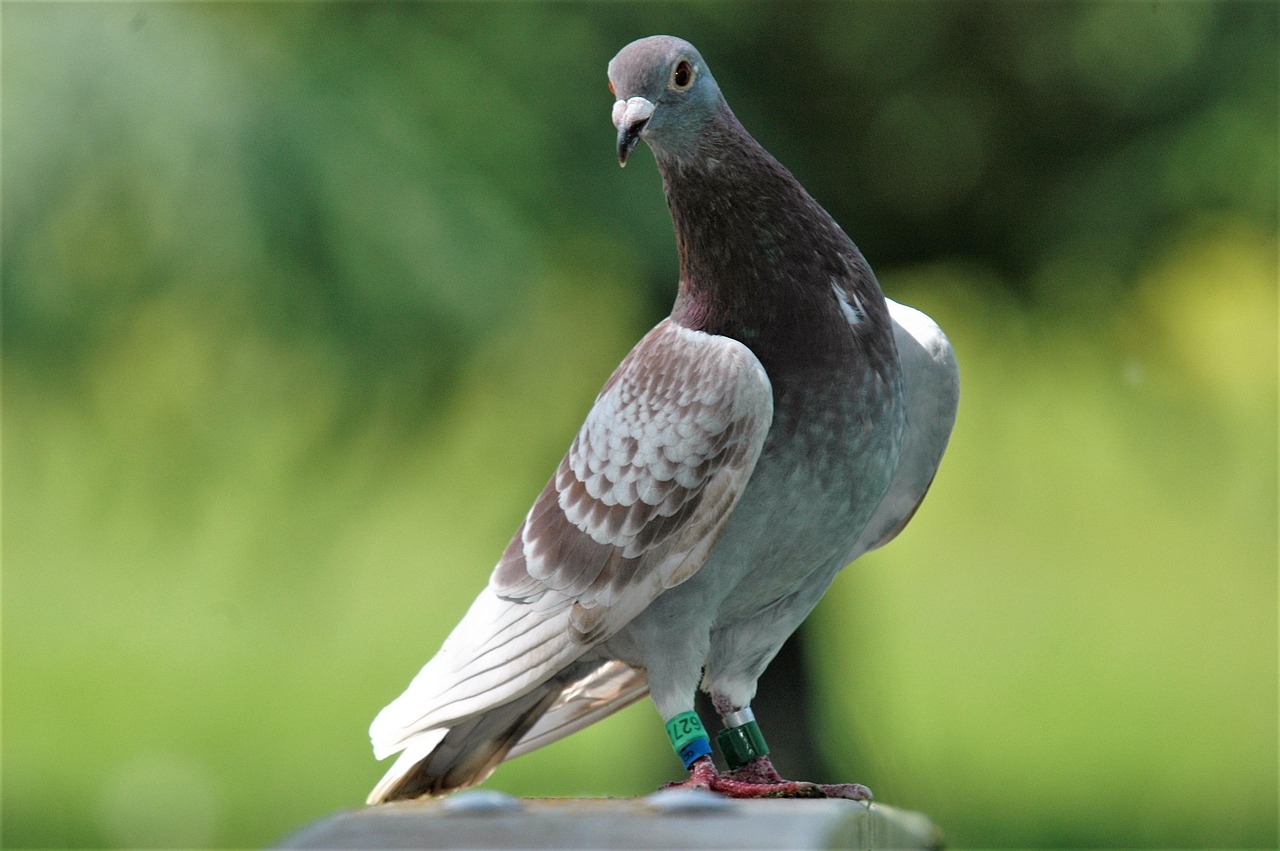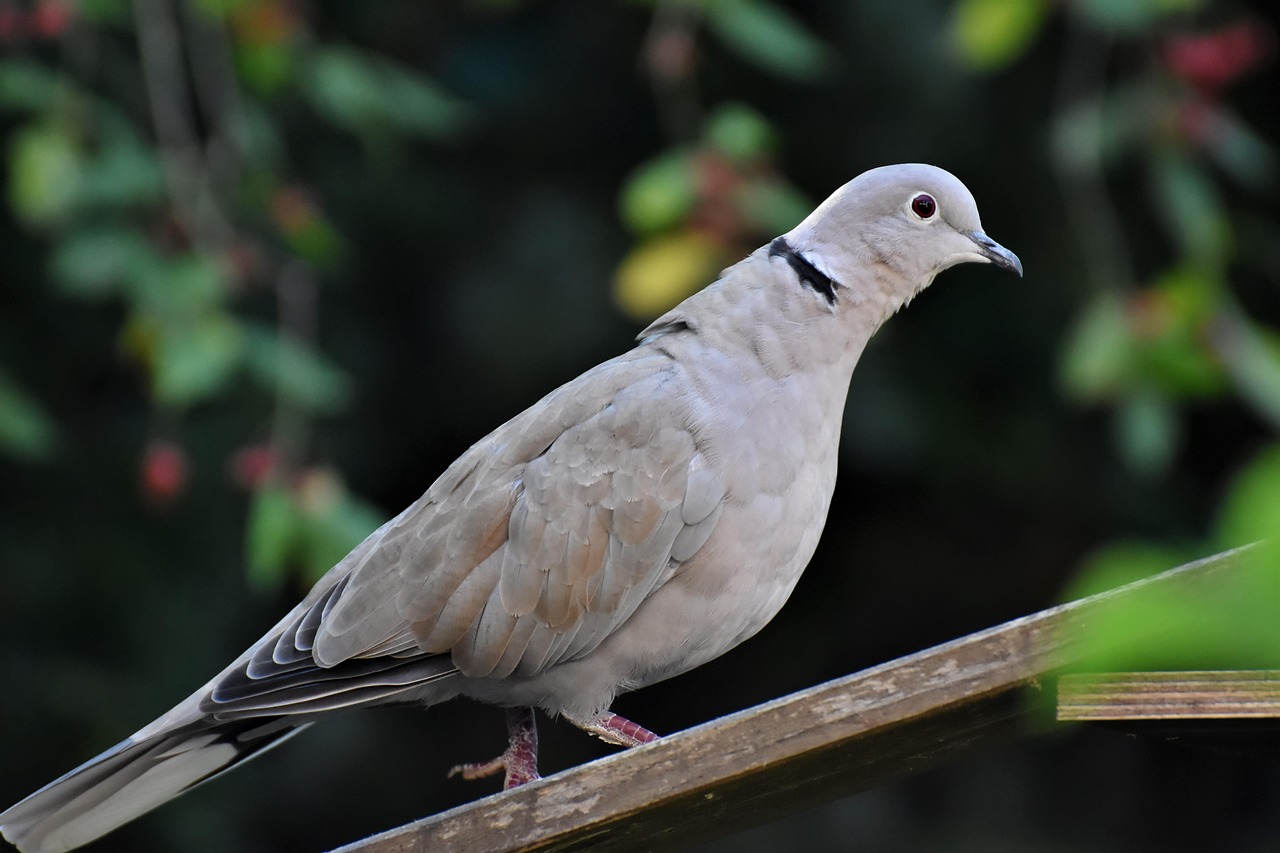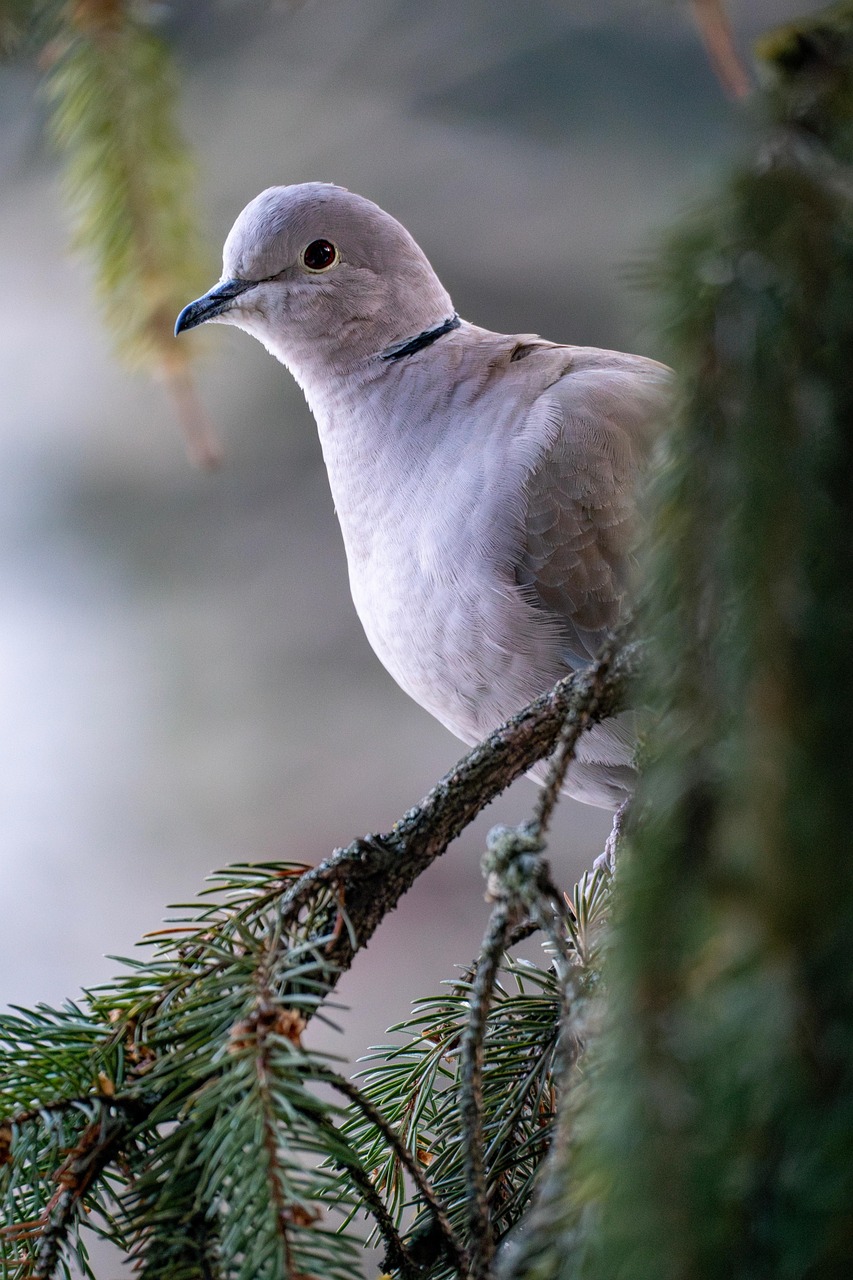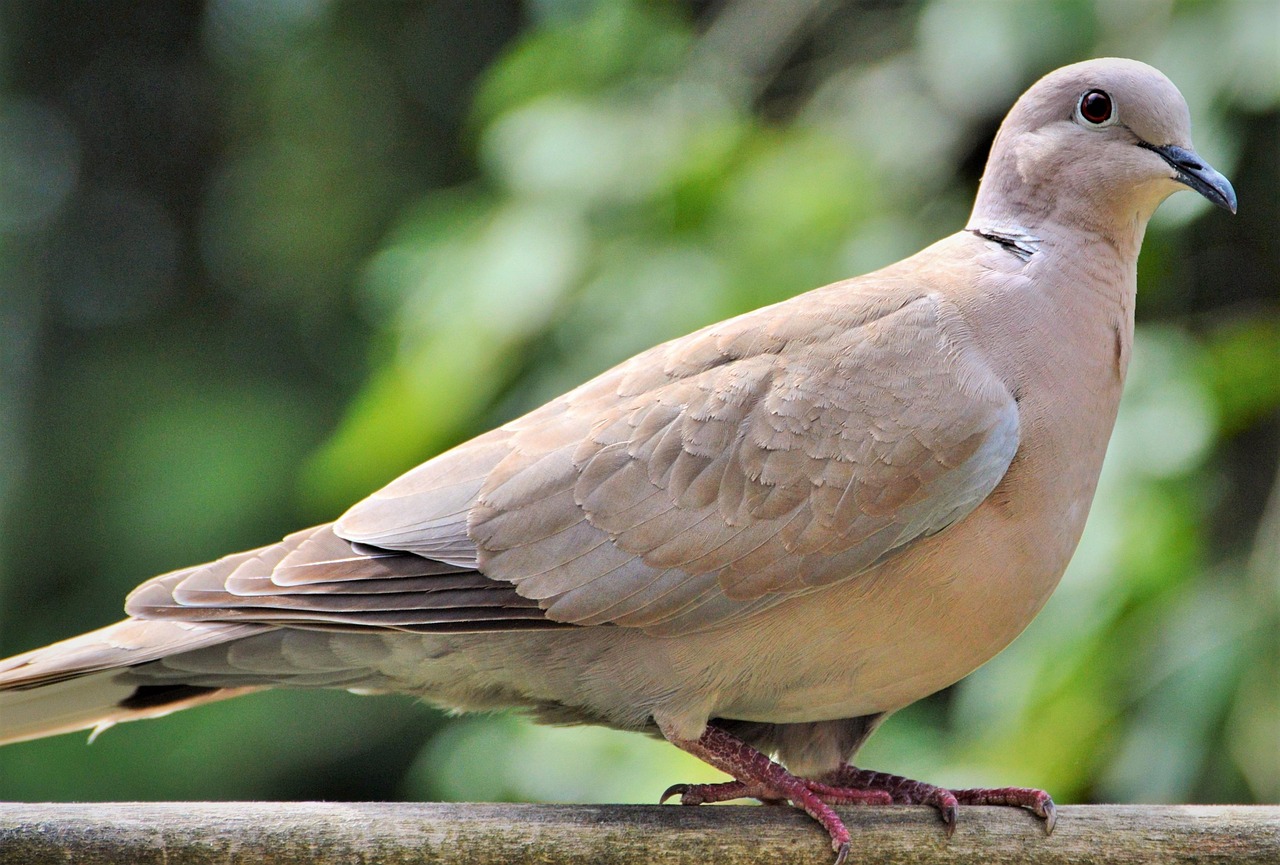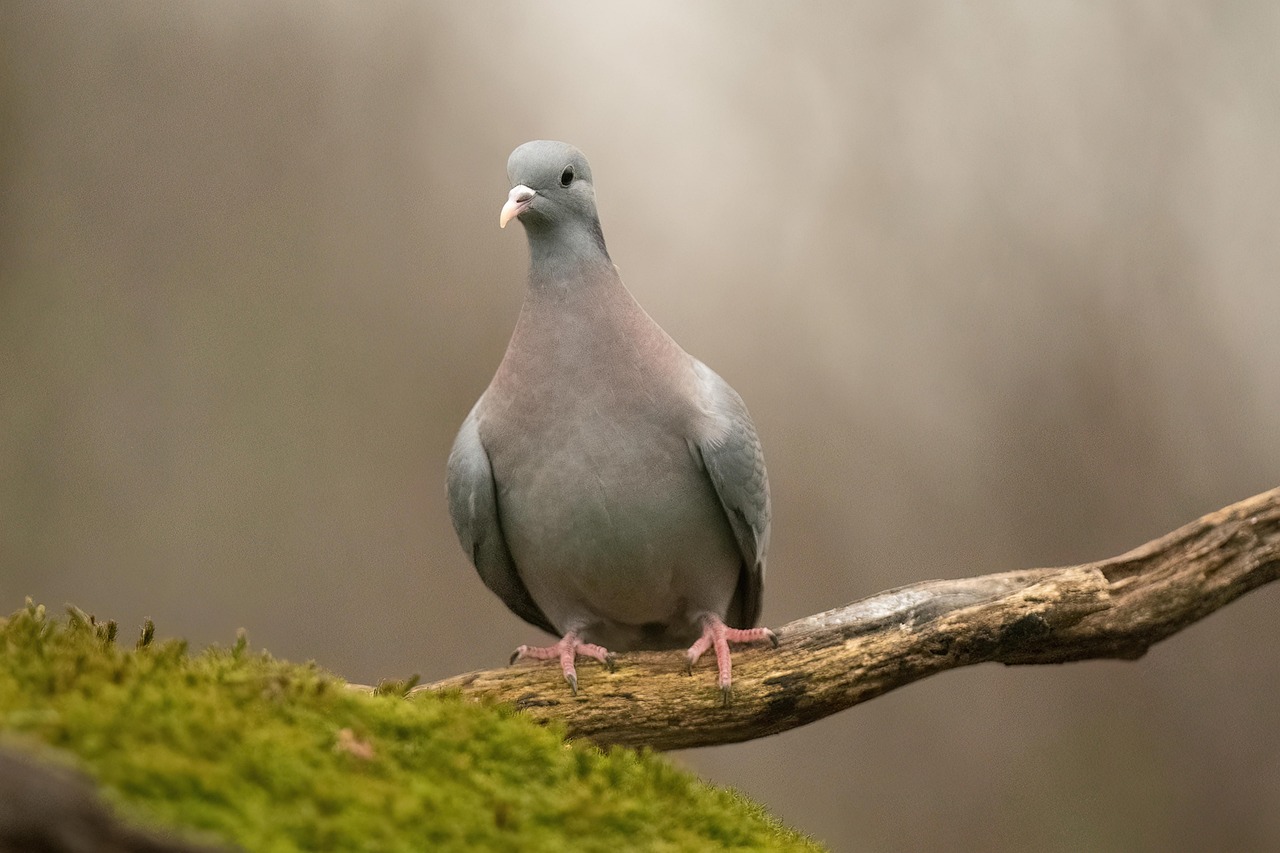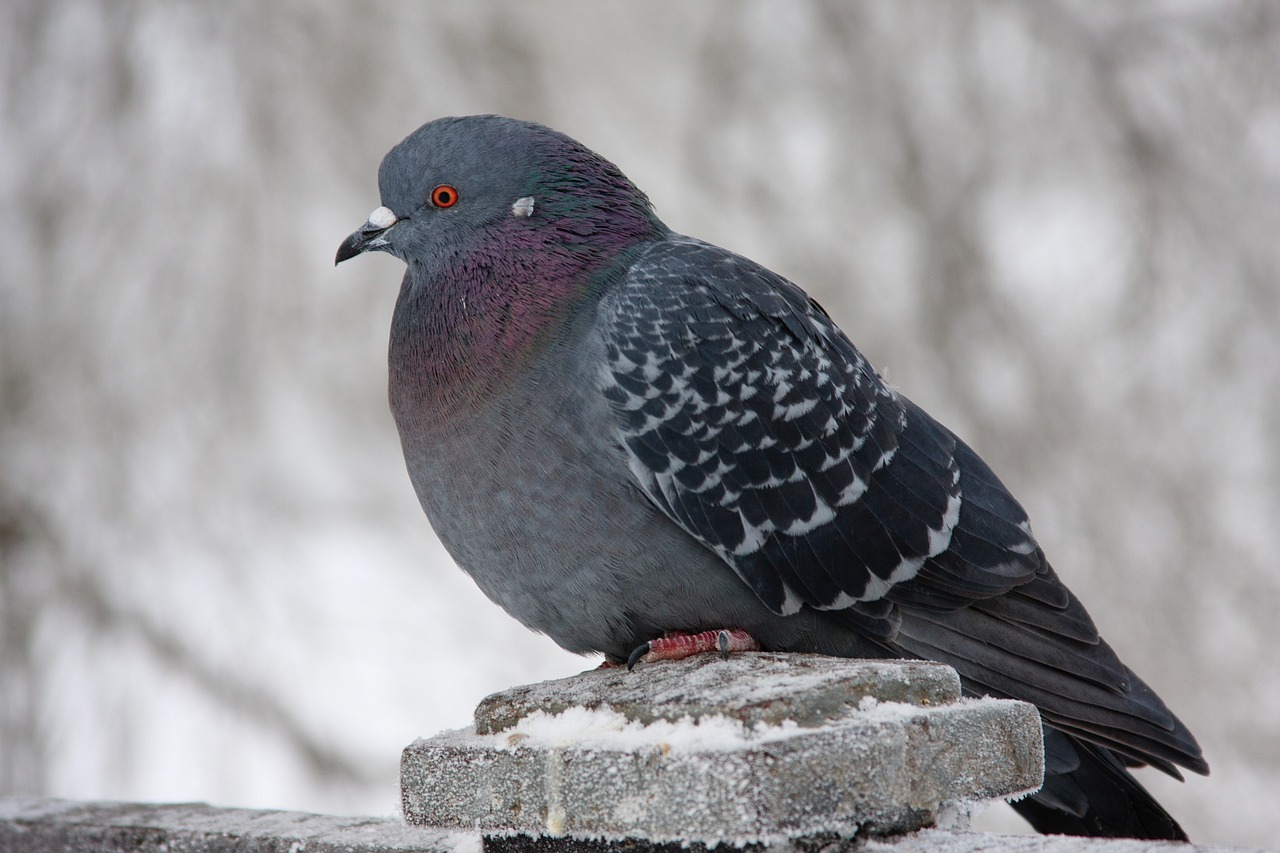
Welcome to the fascinating world of the Syrian pigeon, a breed cherished across the Middle East for its beauty and heritage. This comprehensive guide delves into the colors, specifications, and prices of these birds, offering insights for enthusiasts and breeders alike. Whether you're a novice or an expert, you'll find valuable information to enhance your appreciation and care for these remarkable pigeons.
Understanding the Syrian Pigeon Breed
The Syrian pigeon, known locally as 'حمام شامي', is a symbol of cultural pride and avian elegance. Originating from the Levant region, this breed has been selectively bred for centuries, resulting in distinct characteristics that set it apart from other pigeon varieties. Its popularity stems not only from its aesthetic appeal but also from its role in traditional pigeon-keeping practices, which are deeply rooted in Arab heritage. In this section, we explore the breed's history and significance, providing a foundation for understanding its unique attributes.
Historical Background and Cultural Significance
The Syrian pigeon has a rich history dating back to ancient times, where it was revered in various Middle Eastern cultures. These birds were often kept by nobility and commoners alike, serving as symbols of peace, prosperity, and social status. Over the years, breeding practices have evolved, but the core traits of the Syrian pigeon have remained consistent, emphasizing beauty and resilience. Today, they are celebrated in pigeon shows and competitions, where breeders showcase their finest specimens. Understanding this history helps appreciate why the Syrian pigeon holds such a special place in the hearts of enthusiasts.
In modern times, the Syrian pigeon continues to be a beloved breed, with dedicated communities and clubs promoting its preservation. Its cultural significance extends beyond aesthetics, as it represents a connection to tradition and a passion for avian husbandry. By learning about its past, breeders can better nurture these birds, ensuring their legacy endures for future generations. This historical context also highlights the importance of ethical breeding practices, which we will discuss in later sections.
Key Physical Characteristics and Traits
Syrian pigeons are renowned for their striking physical features, which include a robust body, graceful posture, and vibrant plumage. Typically, they have a medium to large size, with strong wings and a distinctive head shape that sets them apart from other breeds. Their eyes are often bright and expressive, adding to their overall charm. These traits are not just for show; they also contribute to the bird's health and functionality, making them well-suited for various environments. Breeders prioritize these characteristics when selecting birds for breeding or competition.
Beyond appearance, Syrian pigeons exhibit behavioral traits that make them ideal for keeping. They are generally calm and sociable, adapting well to human interaction and cohabitation with other pigeons. Their intelligence and trainability are also notable, allowing enthusiasts to engage in activities like homing or trick training. Understanding these traits is crucial for providing proper care, as it helps in creating a suitable habitat and diet plan. In the next sections, we will delve deeper into specific aspects like colors and pricing, building on this foundation of physical and behavioral attributes.
Exploring the Diverse Colors of Syrian Pigeons
The color palette of Syrian pigeons is one of their most captivating features, offering a wide range of hues and patterns that appeal to breeders and collectors. From solid shades to intricate markings, each color variation tells a story of selective breeding and genetic diversity. In this section, we categorize the common colors and explain what makes each unique, helping you identify and appreciate the beauty of these birds. Whether you're looking to start a flock or expand your collection, understanding colors is key to making informed decisions.
Common Color Varieties and Their Appeal
Syrian pigeons come in several popular color varieties, including white, black, red, blue, and yellow. Each color has its own appeal and rarity, influencing both aesthetic value and market demand. For instance, white Syrian pigeons are often associated with purity and are highly sought after for ceremonial purposes, while black varieties may symbolize elegance and are prized in competitions. Red and blue pigeons add vibrant touches to any flock, with shades ranging from deep maroons to soft sky blues. These colors are achieved through careful breeding, where genetics play a significant role in determining offspring hues.
In addition to solid colors, many Syrian pigeons feature patterns such as bars, checks, or pied markings, which add complexity and visual interest. These patterns can enhance the bird's overall appearance, making them stand out in shows. Breeders often focus on specific color lines to maintain consistency or create new variations, a practice that requires knowledge of genetics and breeding techniques. By familiarizing yourself with these common varieties, you can better appreciate the diversity within the breed and make choices that align with your goals, whether for display or breeding purposes.
Rare and Unique Color Mutations
Beyond the common colors, Syrian pigeons occasionally exhibit rare mutations that are highly coveted by enthusiasts. These include colors like lavender, silver, or grizzle, which result from genetic anomalies or selective breeding over generations. Such mutations are often more expensive and harder to find, as they require specific breeding pairs and careful management. For example, a lavender Syrian pigeon might have a soft, purplish tint that sets it apart from standard blues, while a grizzle pattern combines multiple colors in a speckled effect. These unique variations add excitement to pigeon-keeping, as breeders strive to produce or acquire them.
Understanding rare color mutations involves learning about genetics and breeding strategies, as these traits can be recessive or dominant. Breeders interested in these colors should network with experienced pigeon keepers and participate in specialized clubs to access rare stock. It's also important to consider health and vitality, as some mutations may come with genetic predispositions that require extra care. By exploring these unique colors, you can deepen your engagement with the Syrian pigeon community and potentially contribute to the breed's diversity through responsible breeding practices.
Specifications and Care Requirements for Syrian Pigeons
Owning Syrian pigeons involves more than just appreciating their beauty; it requires a commitment to their well-being through proper care and management. This section outlines the essential specifications and care requirements, covering aspects like housing, diet, health, and breeding. By following these guidelines, you can ensure your pigeons thrive and maintain their optimal condition. Whether you're a beginner or an experienced breeder, this information will help you create a nurturing environment for your flock.
Ideal Housing and Environmental Conditions
Syrian pigeons need a safe and comfortable living space to flourish. An ideal loft should be spacious, well-ventilated, and protected from predators and extreme weather. It should include perches, nesting boxes, and areas for feeding and bathing, all designed to mimic their natural habitat. Cleanliness is paramount, as dirty conditions can lead to health issues like respiratory infections or parasites. Regular cleaning and disinfection of the loft are essential, along with providing fresh water and a balanced diet. By investing in proper housing, you can prevent common problems and promote the overall health of your pigeons.
In addition to physical structure, the environment should consider factors like temperature and lighting. Syrian pigeons adapt well to various climates, but they thrive in moderate temperatures, so providing shade in hot weather and insulation in cold months is beneficial. Natural light is important for their circadian rhythms, but avoid direct sunlight that could cause overheating. Social interaction is also key; these birds are gregarious and do best in pairs or small groups. By optimizing their environment, you can enhance their quality of life and encourage natural behaviors, such as breeding and flying.
Nutrition and Health Management
A balanced diet is crucial for maintaining the health and vitality of Syrian pigeons. Their nutritional needs include a mix of grains, seeds, legumes, and supplements, tailored to their age, activity level, and breeding status. Common feed ingredients include corn, wheat, peas, and millet, which provide essential carbohydrates, proteins, and fats. Fresh greens and grit can aid digestion, while vitamins and minerals support immune function. It's important to avoid overfeeding or underfeeding, as both can lead to health issues like obesity or malnutrition. Consulting with a veterinarian or experienced breeder can help you develop a customized feeding plan.
Health management goes beyond diet, encompassing regular check-ups, vaccination, and parasite control. Syrian pigeons are generally hardy, but they can be susceptible to diseases like pigeon pox or respiratory infections if not properly cared for. Signs of illness include lethargy, loss of appetite, or abnormal droppings, which require prompt veterinary attention. Preventive measures, such as quarantining new birds and maintaining hygiene, can reduce the risk of outbreaks. By prioritizing nutrition and health, you can ensure your pigeons live long, healthy lives, which is especially important for breeders focusing on quality stock.
Pricing and Market Insights for Syrian Pigeons
The market for Syrian pigeons is dynamic, with prices influenced by factors like color, quality, age, and breeder reputation. In this section, we provide a detailed overview of أسعار الحمام الشامي, helping you navigate the buying and selling process. Whether you're looking to purchase your first bird or invest in high-quality breeding stock, understanding pricing trends and market dynamics is essential. We also discuss tips for evaluating value and avoiding common pitfalls, ensuring you make informed decisions.
Factors Affecting Syrian Pigeon Prices
Several key factors determine the price of Syrian pigeons, starting with their physical attributes. Birds with rare colors, excellent conformation, and proven breeding records typically command higher prices. For example, a Syrian pigeon with a unique mutation or award-winning lineage might sell for significantly more than a standard variety. Age also plays a role; younger birds are often more affordable but require more training, while mature, proven breeders are pricier due to their immediate utility. Additionally, the breeder's reputation and location can impact cost, as established breeders in regions with high demand may charge premium rates.
Market demand and trends also influence أسعار الحمام الشامي. During peak seasons, such as before competitions or breeding periods, prices may rise due to increased interest. Economic factors, like inflation or currency fluctuations, can affect overall affordability. To get the best value, it's advisable to research current market rates, attend pigeon shows or auctions, and network with other enthusiasts. By understanding these factors, you can budget effectively and identify opportunities to acquire quality birds without overspending. In the next subsection, we'll explore average price ranges and tips for buyers and sellers.
Average Price Ranges and Buying Tips
On average, Syrian pigeons can range from $50 to $500 or more, depending on the factors discussed. Common color varieties like white or black may start at the lower end, while rare mutations or champion birds can exceed $1000. It's important to set a budget based on your goals; for instance, if you're starting a hobby flock, you might opt for mid-range birds, whereas serious breeders might invest in top-tier stock. When buying, always inspect the bird in person if possible, checking for signs of health and vitality. Ask the breeder for documentation, such as pedigree or health records, to verify quality.
For sellers, pricing strategies should consider production costs, market demand, and the bird's attributes. Building a reputation through ethical practices and customer satisfaction can help command higher prices over time. Whether buying or selling, it's crucial to engage with the Syrian pigeon community through clubs or online forums to stay updated on trends. By following these tips, you can navigate the market confidently, ensuring fair transactions and building a rewarding experience with حمام شامي. Remember, investing in quality birds not only enhances your flock but also supports the preservation of this beloved breed.
Breeding and Raising Syrian Pigeons Successfully
Breeding Syrian pigeons is a rewarding endeavor that requires knowledge, patience, and dedication. This section covers the essentials of successful breeding, from selecting pairs to raising chicks. By mastering these techniques, you can contribute to the breed's preservation and potentially produce birds for sale or competition. We'll discuss best practices for pairing, incubation, and chick care, providing actionable insights for breeders of all levels.
Selecting Breeding Pairs and Mating Strategies
Choosing the right breeding pairs is fundamental to producing healthy and desirable Syrian pigeons. Ideal pairs should complement each other in terms of color, conformation, and genetic background. For example, pairing birds with strong traits can enhance offspring quality, while avoiding inbreeding reduces the risk of genetic defects. It's also important to consider temperament and compatibility, as stressed or aggressive birds may not breed successfully. Before mating, ensure both birds are in peak health, with proper nutrition and a clean environment. This preparation increases the likelihood of successful fertilization and egg-laying.
Mating strategies vary based on goals; some breeders focus on line-breeding to maintain specific traits, while others outcross to introduce new characteristics. Monitoring the breeding process involves providing nesting materials and a quiet space to encourage natural behaviors. Syrian pigeons typically lay one or two eggs per clutch, with an incubation period of about 17-19 days. During this time, minimize disturbances and check for signs of infertility or abandonment. By carefully selecting pairs and managing the mating process, you can set the stage for a successful breeding season, leading to robust chicks that carry on the breed's legacy.
Incubation and Chick Rearing Techniques
Once eggs are laid, proper incubation is crucial for chick development. Syrian pigeons often incubate their own eggs, but breeders may use artificial incubators for better control. If relying on natural incubation, ensure the parents have a stress-free environment and adequate food. For artificial methods, maintain consistent temperature and humidity levels, typically around 99.5°F and 50-60% humidity. Regularly candle the eggs to monitor embryo growth and remove any that are infertile. After hatching, chicks require attentive care, including warmth, feeding, and protection from predators or disease.
Chick rearing involves feeding a specialized diet, starting with crop milk from parents or hand-feeding formulas for orphaned chicks. As they grow, introduce soft grains and gradually transition to adult food. Socialization is important; handle chicks gently to build trust and prepare them for future interactions. Health checks should include monitoring for common issues like splay leg or respiratory problems. By mastering these techniques, you can raise strong, well-adjusted Syrian pigeons ready for integration into your flock or sale. This hands-on experience not only deepens your connection to the breed but also contributes to its sustainability.
Conclusion
In summary, the Syrian pigeon is a breed of remarkable beauty and cultural significance, offering enthusiasts a rich experience in colors, care, and community. From understanding its diverse hues to navigating أسعار الحمام الشامي, this guide has provided comprehensive insights to help you engage with حمام شامي confidently. By applying the tips on breeding, housing, and market dynamics, you can foster a thriving flock and contribute to the breed's preservation. For those looking to streamline their pigeon management, consider exploring tools like Ghawy – Pigeon Manager (غاوي – إدارة الحمام), which offers resources to enhance your journey. Embrace the passion for Syrian pigeons, and enjoy the rewards of this timeless hobby.